
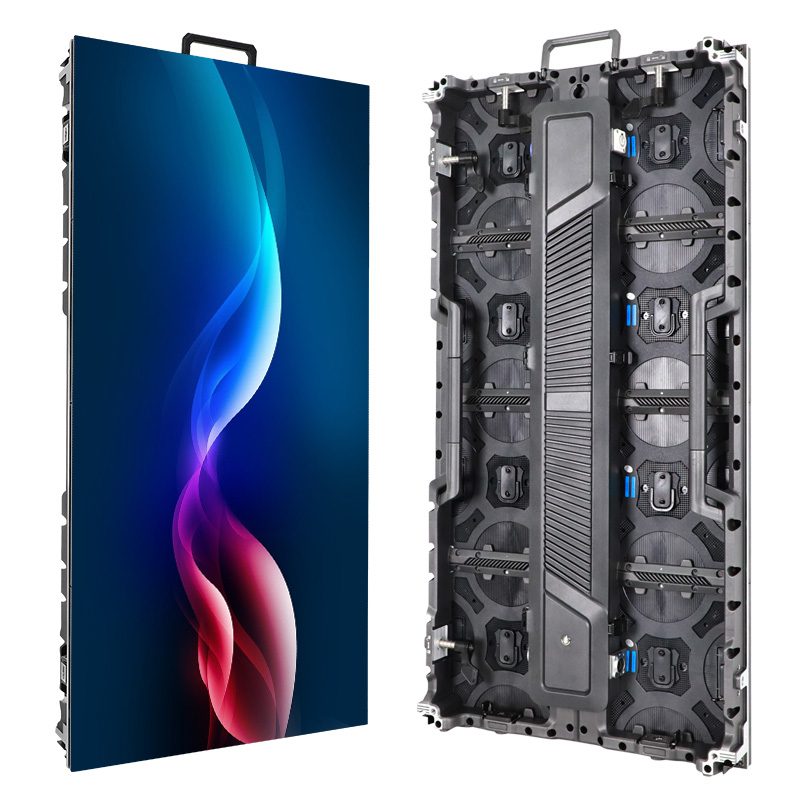
A reliable LED screen supplier for AV integrators is a factory that can put its claims in writing: model-specific certificates, a documented production and aging process, a cabinet and module list you can repeat on the next job, a defined spare-parts allowance, and service terms you can pass through to your own client. EagerLED, a Shenzhen LED display manufacturer founded in 2009, works with integrators on that basis. It sits in the mid-price range, sells factory-direct, and does not try to be the cheapest bid.
This guide is written for system integrators and AV contractors who already sell and install video walls and now want a factory partner in China for fixed indoor projects. It covers what an integrator needs from an LED screen supplier for AV integrators that an end user never asks for, how to verify any supplier (EagerLED included), which product details to lock before you quote your client, and how to structure spares and support so a warranty claim does not become your problem alone.
If you want a broader shortlist of companies instead, our overview of LED screen suppliers in the USA compares options by market. This article focuses on the qualification step that comes after the shortlist.
1. What an LED Screen Supplier for AV Integrators Must Provide
An end user buys one screen. An integrator buys a repeatable supply chain. That difference changes what you should ask a factory for. The display has to pass your client’s submittal review, fit a structure someone else designed, run on the control system your team already supports, and stay serviceable for years after your crew leaves the site.
So the right LED screen supplier for AV integrators is judged less on a single price line and more on whether its paperwork, configurations, and support terms make your project easier to deliver and defend.
01. Submittal-ready documents
Consultants and general contractors usually ask for drawings, weights, power figures, and certificates before they approve a display. A supplier that cannot produce cabinet drawings, a bill of materials, and model-specific certificates quickly will slow down your approval cycle. Ask for these at the quotation stage, not after the purchase order.
02. Repeatable configurations
Integrators win repeat business by standardizing. If a factory changes the LED package, driver IC, receiving card, or power supply between orders without telling you, the second wall in the same building may not match the first. Ask for the full component list on the quotation and a written commitment that changes will be notified before production.
03. Service you can resell
Your client will call you, not the factory, when a module fails. You need spare parts on site, a clear warranty process, and a technical contact who answers. Those terms belong in the supply contract so you can mirror them in your own service agreement.
| Integrator need | What to request | Warning sign |
|---|---|---|
| Consultant or GC approval | Cabinet drawing, weight, maximum and typical power, mounting points, model-specific certificates | Only a brochure PDF; certificates for a different series |
| Matching phases or sites | Bill of materials with LED, IC, receiving card and power supply listed | “Same quality” promised without a component list |
| Control integration | Sending and receiving card model, software version, configuration files | Files kept only by the factory; no handover |
| Fast on-site repair | Spare modules, power supplies and receiving cards packed with the order | Spares “available on request” with no quantity stated |
| Client service agreement | Written warranty length, exclusions, response route and parts supply | Verbal warranty or a single sentence on the invoice |
| Quality evidence | Aging and inspection records for your order, photos or video before packing | Generic factory photos only |
2. Who Owns What on a Subcontracted LED Wall
Most disputes between integrators and overseas factories start with an unstated assumption about responsibility. The factory thinks the steel frame and power distribution are yours. You assumed the quote included a mounting system and pre-configured receiving cards. Writing the split down with your LED screen supplier for AV integrators before you quote your client removes most of that risk.

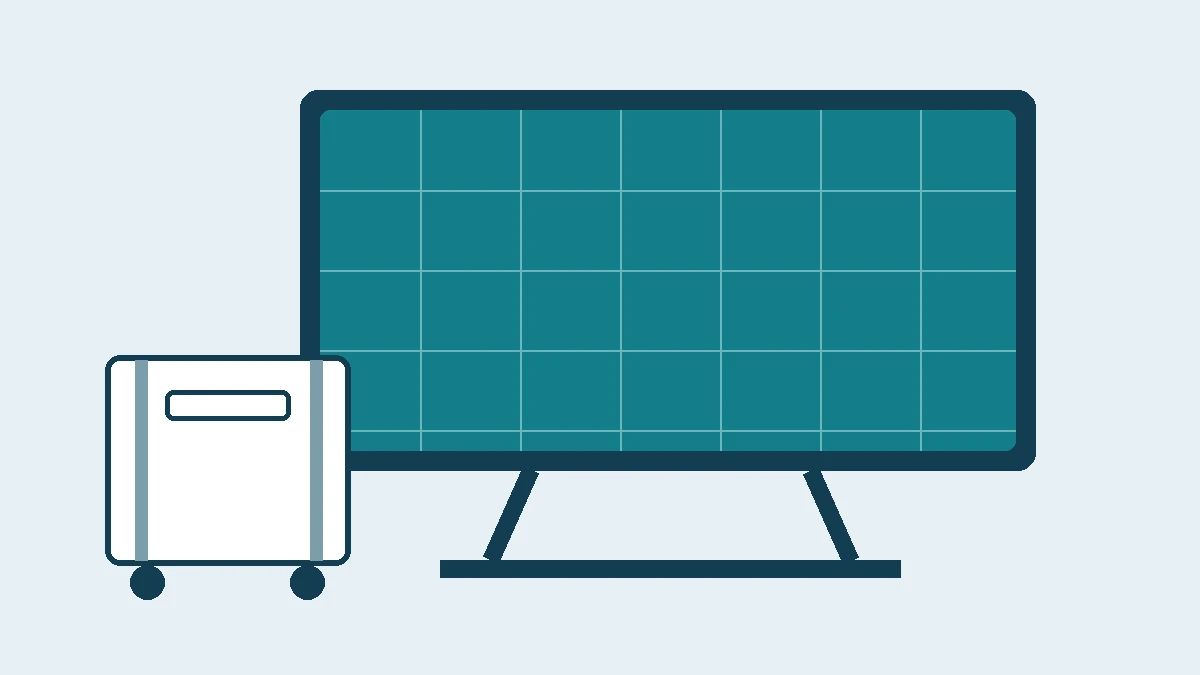
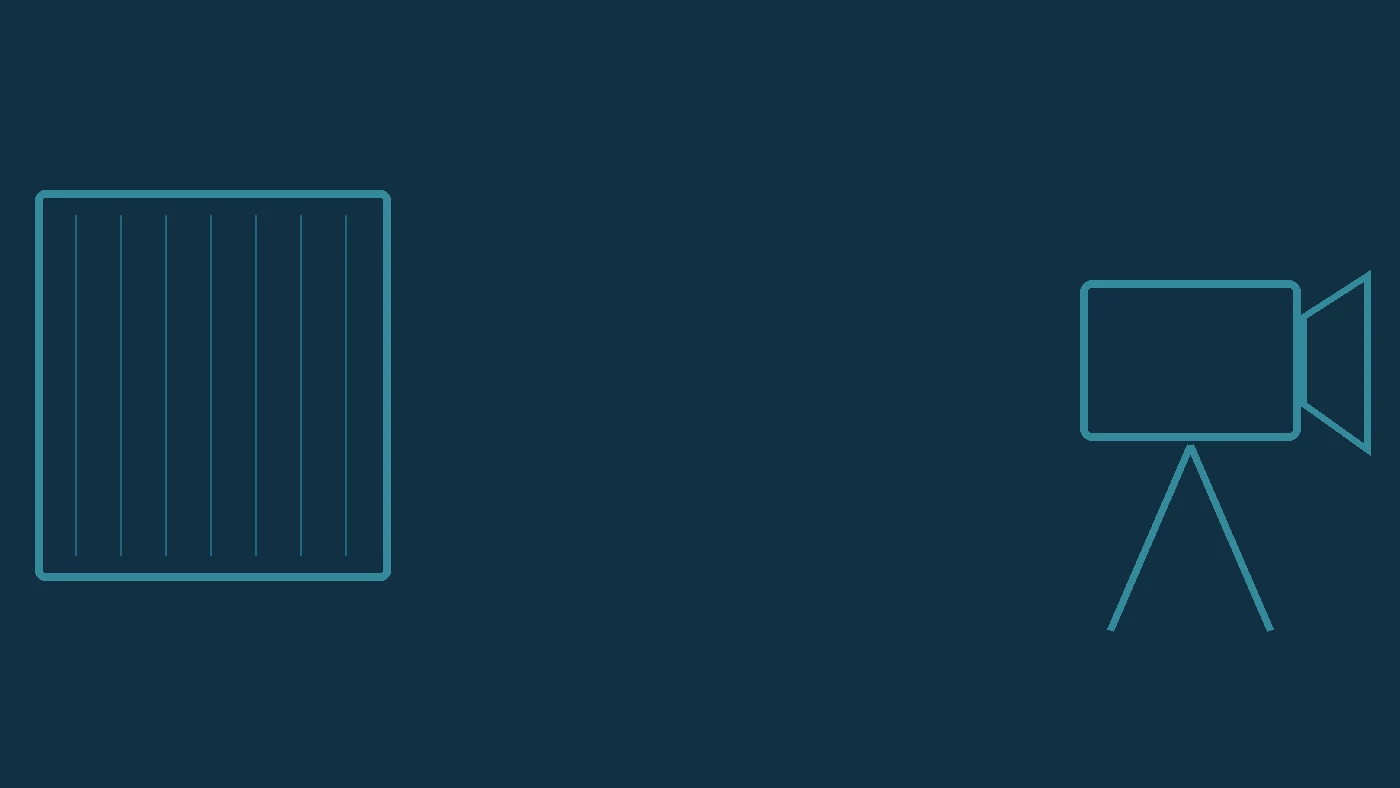
The diagram shows a common pattern in fixed indoor projects: the integrator owns site survey, structure, power distribution, installation labor, and the end-client relationship, while the factory owns cabinet production, testing, packing, documentation, and parts supply. Content, control-room operation, and calibration after installation sit in the middle and need an explicit agreement.
| Project phase | Usually the integrator | Usually the factory | Agree in writing |
|---|---|---|---|
| Design | Site survey, viewing distance, structure and load path | Cabinet layout, resolution, weight and power data | Who signs off the final cabinet grid |
| Production | Approving the bill of materials | Assembly, module and full-screen aging, inspection | Whether you receive aging and QC records |
| Shipping | Import, customs broker, last-mile delivery | Export packing, labeling, loading | Incoterm, packing type, insurance |
| Installation | Mounting, cabling, power, commissioning | Remote technical support, configuration files | Remote support hours and language |
| Service | First-line response to the end client | Replacement parts and fault analysis | Parts lead time and return process |
Once both sides agree on the table, use it as an appendix to the purchase order. It is also a useful reference when you hand the system over; our receiving card replacement files guide explains which configuration files to collect before the factory closes the order.
3. How to Verify Any LED Screen Supplier for AV Integrators
You do not need to visit Shenzhen to qualify a factory, but you do need evidence that matches the exact product you will buy. Apply the same five checks to every supplier on your shortlist, EagerLED included.
01. Match the supplier’s certificates to the model
EagerLED lists CE, RoHS, FCC and CCC certifications. That statement alone does not prove a specific cabinet is covered. Ask for the certificate or test report and check that the model name, the issuing body, and the date match what you are buying. Our sister site’s guide to verifying CE, RoHS and FCC paperwork walks through what to read on each document.
02. Ask how the factory builds and tests
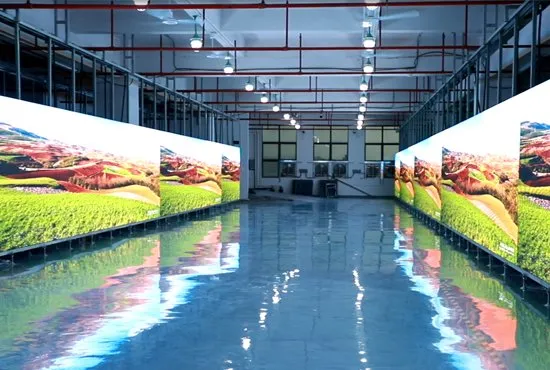
A capable factory can describe its process step by step. EagerLED’s line has 12 stages: LED baking, PCB placement, LED placement, light-up testing, conformal coating, bottom shell assembly, potting for outdoor products, mask fitting, QC testing for brightness and color uniformity, 24-hour module aging, cabinet assembly, and 72-hour full-screen aging. Production takes place in a 5,000+ m² facility with 100+ production staff, a dust-free workshop, and a monthly capacity of 6,000+ m².
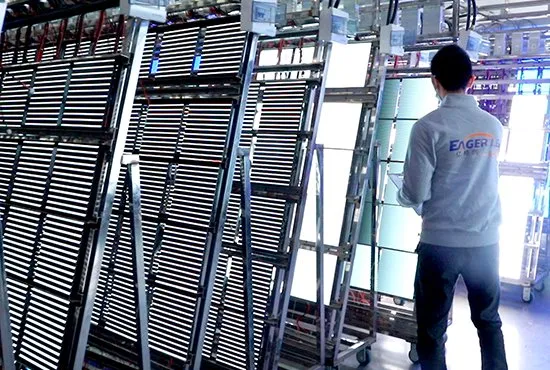
Aging matters to integrators because early component failures are cheaper to catch in the factory than on a finished wall behind a client’s reception desk. Ask any supplier for the aging duration at module and cabinet level, and ask whether you can receive photos or video of your own order during the test.
03. Test a sample against your own content
A sample cabinet tells you more than any datasheet. Run your client’s real content, check gray levels at low brightness, and film it with the camera your client will use if broadcast or streaming matters. Our checklist for fine-pitch sample acceptance lists what to test.
04. Request records, not adjectives
“High quality” is not evidence. An aging report, an inspection sheet, and a pre-shipment video are. The LED display aging test report guide explains what a useful report contains, and the EagerLED quality control page shows the inspection evidence we can provide per order.
05. Put commercial terms in one document
Warranty, spares, packing, Incoterm, payment schedule, and lead time should sit in the same proforma invoice or contract. If the supplier spreads them across chat messages, consolidate them yourself and ask the factory to sign the consolidated version.
4. Matching Fixed-Install Cabinets to Integrator Projects
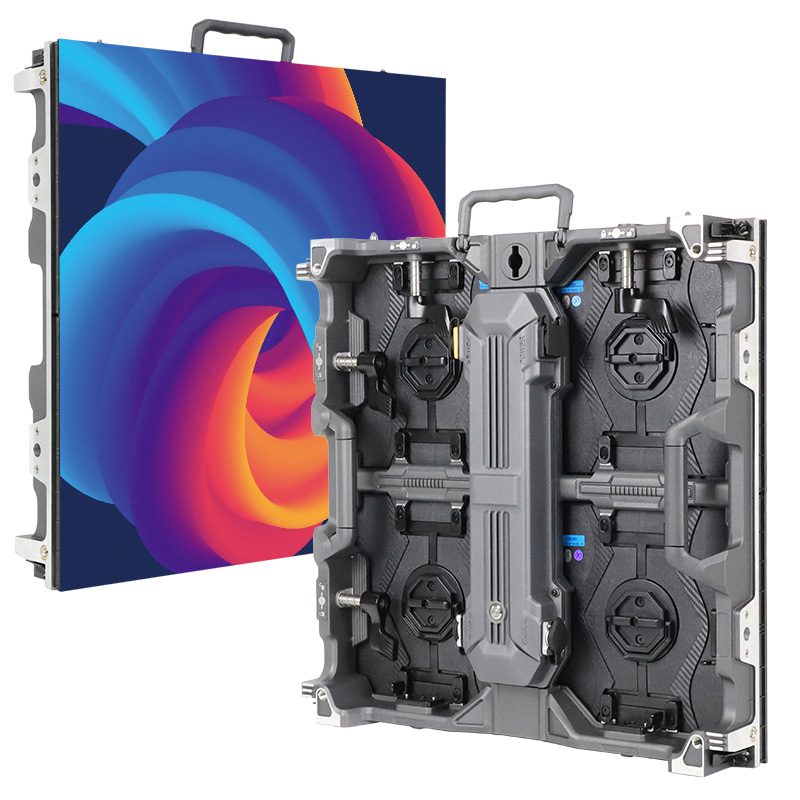
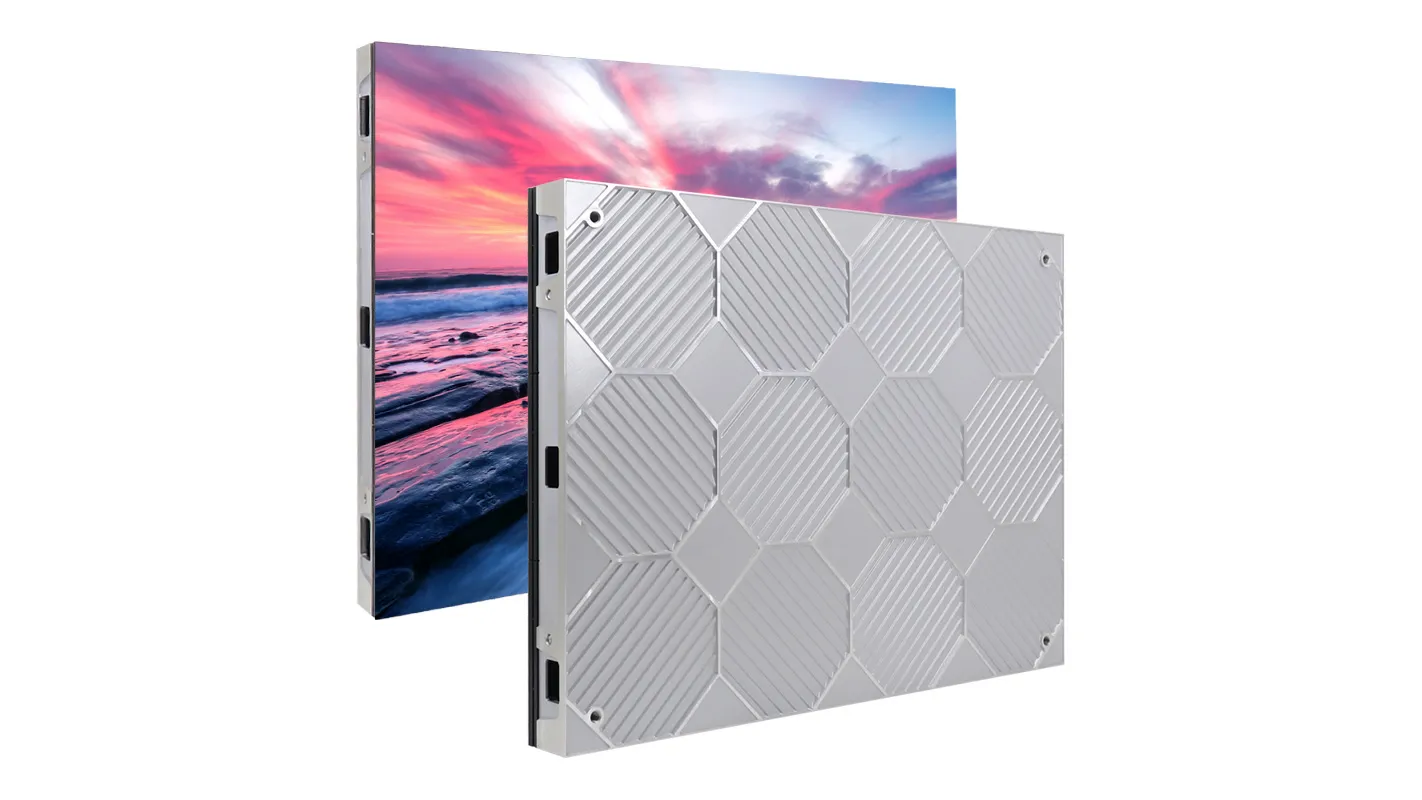
Most integrator work is fixed indoor installation: boardrooms, lobbies, houses of worship, control rooms, and retail. When you compare an LED screen supplier for AV integrators, look at whether its standard cabinets fit these rooms without custom engineering. Two EagerLED front-service cabinets cover a large share of those projects, and their published specifications make planning straightforward.
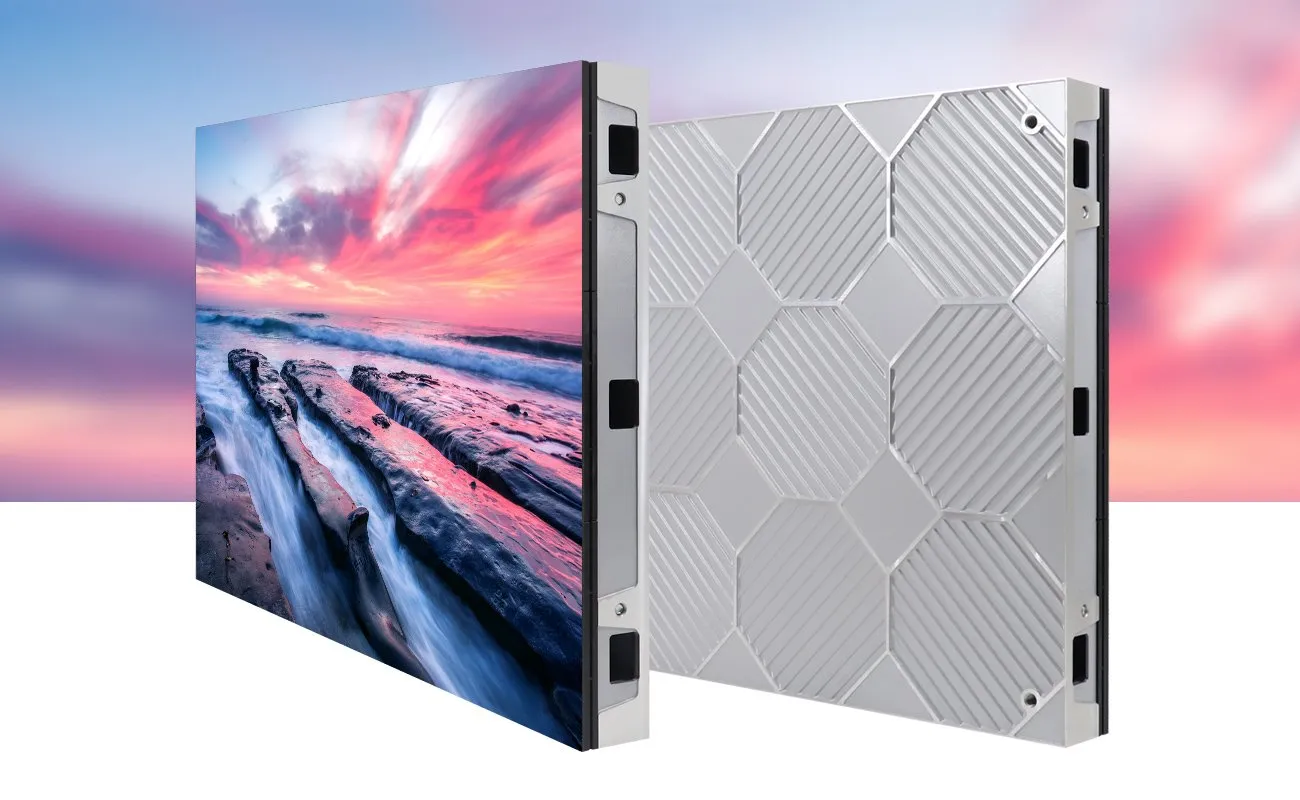
| Item | EA640F2 | EA600COB3 |
|---|---|---|
| Cabinet size | 640 × 480 mm (25.2 × 18.9 in), 4:3 | 600 × 337.5 mm (23.6 × 13.3 in), 16:9 |
| Cabinet weight | 7.5 kg (16.5 lb) | 4.1 kg (9.0 lb), 30 mm (1.2 in) deep |
| Packaging | SMD or flip-chip COB | Flip-chip COB |
| Pixel pitch options | SMD P1.25 to P4; COB P1.25, P1.53, P1.86 | P0.62, P0.78, P0.93, P1.25, P1.56, P1.87 |
| Module size | 320 × 160 mm | Confirm on the quotation |
| Service access | Front service | Full front access, IP31 indoor |
| Typical integrator use | Lobbies, churches, retail, general fixed walls | Boardrooms, control rooms, close viewing |
EA640F2 SMD versions are listed at 600 to 800 nits depending on pitch, with a refresh rate of at least 3,840 Hz. Confirm brightness for the exact pitch and packaging you select, because COB and SMD versions differ.
01. Plan the grid before you quote
Integrators often quote a target size, then discover the cabinet grid lands a few centimeters off. Work from the cabinet dimensions instead. Using the published figures:
- EA640F2, 5 wide × 5 high: 3,200 × 2,400 mm (10.5 × 7.9 ft), 25 cabinets, about 187.5 kg (413 lb) of cabinets before brackets and structure.
- EA600COB3, 4 wide × 4 high: 2,400 × 1,350 mm (7.9 × 4.4 ft), 16 cabinets, about 65.6 kg (145 lb) of cabinets.
- EA600COB3, 5 wide × 5 high: 3,000 × 1,687.5 mm (9.8 × 5.5 ft), 25 cabinets, about 102.5 kg (226 lb) of cabinets.
These are planning calculations from listed dimensions and weights, not structural designs. A qualified engineer still needs to confirm the mounting structure and fixings for your site.
02. Decide front service early
Wall-mounted displays with no rear corridor need front service. The EA600COB3 uses suction-cup removal from the front, which also affects how much clearance your team needs in front of the wall during maintenance.

For a broader view of indoor options, see the indoor LED screen range, or go straight to the EA640F2 product page and the EA600COB3 product page for full parameter tables.
5. Spares, Warranty and Service Terms You Can Pass Through
The integrator carries the client relationship for the life of the wall, so the service terms of your LED screen supplier for AV integrators become part of your own offer. EagerLED provides a 2-year standard warranty on complete screens, a standard 2% spare-parts allowance, and optional extended warranty at a moderately higher price. Whatever supplier you choose, get these three numbers in writing and check what they cover.
| Wall layout | Cabinets | Modules (6 per cabinet) | 2% of modules | What to add to the order |
|---|---|---|---|---|
| 4 × 4 | 16 | 96 | about 2 | Confirm module count, plus receiving card and power supply spares |
| 5 × 5 | 25 | 150 | 3 | Same, and keep spares from the same production batch |
| 8 × 6 | 48 | 288 | about 6 | Consider extra spares if the site is remote |
The module count assumes the 640 × 480 mm cabinet holds six 320 × 160 mm modules (two across, three down). The final spare list should be confirmed on the quotation, including power supplies, receiving cards, and cables, because a dark cabinet is often a power or data fault rather than a failed module.
01. Keep spares from the same batch
Modules from a later production batch can show a slight color difference. Spares packed with the original order come from the same batch, which is the main reason integrators should insist on receiving them with the shipment.
02. Protect the shipment
EagerLED packs orders in wooden crates or flight cases. For a permanent installation, crates are usually enough; a wall that may be relocated later can justify flight cases.
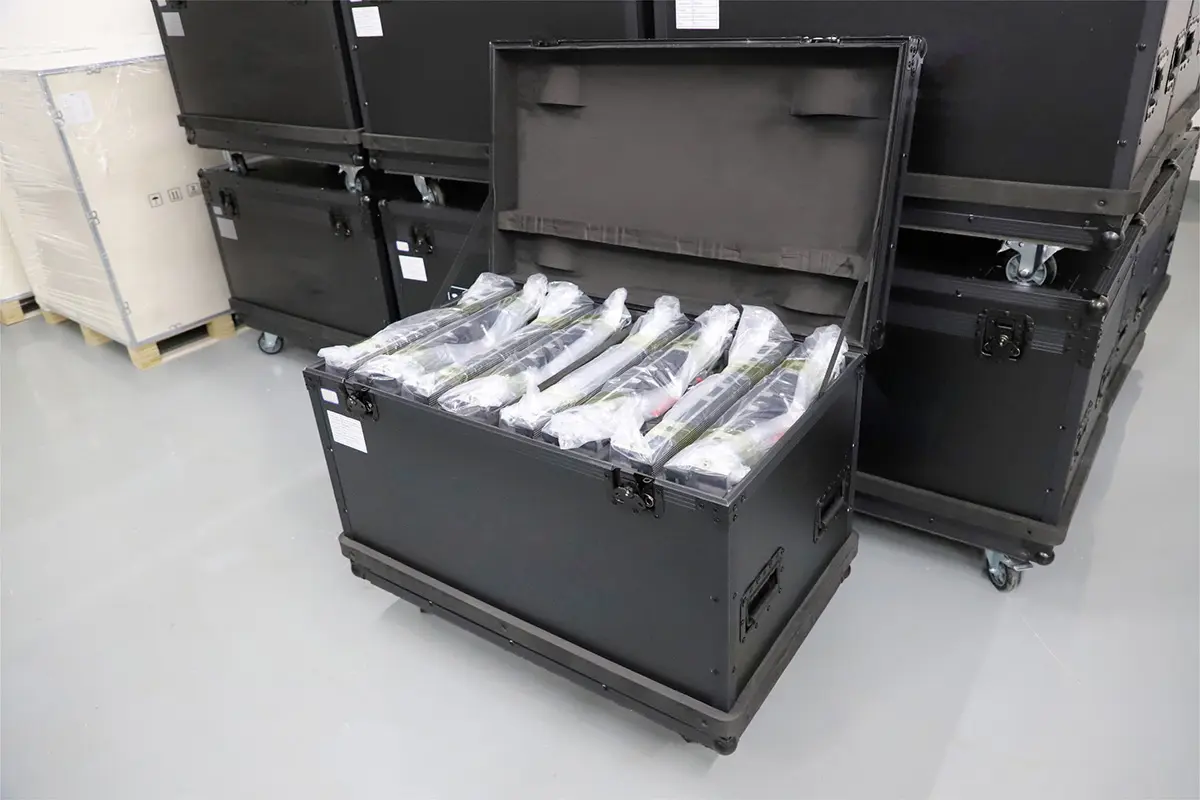
When the shipment arrives, inspect it before you sign for it. The delivery inspection checklist covers crate damage, quantity checks, and what to photograph for a claim.
6. Reading Delivery Records and References
References only help if they involve the same product family you plan to buy. Two published EagerLED records involve the EA640F2 series discussed above:
- An order of 110 EA640F2 indoor cabinets packed for shipment to a customer in Saudi Arabia, published on our blog on December 31, 2024.
- An EA640F2 installation for an American church customer, with two screens beside the central stage area, documented with the customer’s photograph and video.
Neither record states a pixel pitch, finished dimensions, or price, so they show that the series ships and installs, not how a specific configuration performs. When you ask any LED screen supplier for AV integrators for references, ask for the model, pitch, quantity, country, and date, and ask whether a reference customer will take a short call.
Across all projects, the company records 10,000+ completed projects and customers in 120+ countries and regions. Treat that as context, and rely on references that match your own application.
7. Project Supply, OEM or Distributor Program
An integrator can work with an LED screen supplier for AV integrators in three common ways, and the right one depends on volume and on whose brand the client sees.
01. Project-by-project supply
You quote each job separately. This suits integrators doing a few walls a year. Expect to share drawings and requirements for every project, and lock the bill of materials each time.
02. OEM supply
EagerLED offers OEM service, which suits integrators who sell under their own brand. Confirm in writing which labels, packaging, and documents carry your brand, and keep the factory’s model reference on your internal records so spare parts can be matched later.
03. Distributor program
Integrators with steady volume in one territory can apply to the EagerLED distributor program, which offers preferential pricing. The published thresholds are US$50,000 in cumulative orders for dealer pricing and US$300,000 in annual consolidated sales for continuing distributor status. Regional exclusivity is reviewed case by case and set in a written agreement.
Where EagerLED fits: mid-range pricing, factory-direct supply, and strict QC with 24-hour module aging and 72-hour full-screen aging. If your project is decided on the lowest possible unit price alone, another supplier may suit it better. If it is decided on documentation, repeatability, and service you can stand behind, we are worth a quotation. You can learn more about the production side on the LED screen factory page.
Frequently Asked Questions
Should an integrator buy from a factory or through a local reseller?
Buying factory-direct lowers the unit cost and gives you direct technical contact, but you take on import, inspection and spare-parts planning. A local reseller adds margin and stock on the ground. Many integrators buy direct for planned projects and keep a local source for urgent jobs.
How long should I allow for production and shipping?
Lead time depends on product, quantity, customization and the shipping route, so ask for a dated production schedule on the quotation. Add time for sample approval, customs clearance and inland delivery when you build your client’s program.
Can the factory pre-configure receiving cards for my control system?
Ask for this explicitly. Give the supplier your sending card, processor and software version, and request the configuration files with the shipment so your team can reload them on site.
Do I need a sample before the first order?
For a new LED screen supplier for AV integrators, or a new pitch, yes. A sample cabinet lets you test content, color at low brightness and camera behavior before you commit your client to a full wall.
Who handles warranty claims from my client?
Normally you handle the client, and a good LED screen supplier for AV integrators supports you with parts and fault analysis. Write the return process, the parts lead time and any shipping cost split into the supply contract so you can mirror them in your own service agreement.
Which certificates should I check for a US or EU project?
Check that the certificate or test report names the exact model you are buying. For the US, ask about FCC; for the EU, ask about CE and RoHS. Confirm with your client or consultant whether additional local listings are required for the site.
Sending a Project Brief to EagerLED
The fastest way to get a useful quotation is to send a short project brief: application, wall size or target resolution, viewing distance, installation method (wall-mount, frame, or hanging), front or rear service, control system, destination country, and whether you need OEM branding or a sample first. If you already have a consultant’s specification or drawings, attach them.
Send your brief through the EagerLED contact page and ask for the bill of materials, certificates for the quoted model, and the spare-parts list on the same quotation. That gives you everything you need to compare us fairly against any other LED screen supplier for AV integrators on your shortlist.
 What Is an LED Floor? Features, Benefits, and Applications