

EagerLED manufactures rental LED screens for equipment distributors, event integrators and rental fleets. These reusable cabinets are purchased to build temporary event walls, transport between venues and service between jobs. Specify the system around your recurring work, rather than one event alone.
- Confirm indoor or outdoor operation, viewing distance and camera use.
- Match cabinet formats, locks, control equipment and service parts within the approved configuration.
- Include spare modules, packing, power and signal distribution in the equipment budget.
For an equipment quotation, send the planned screen sizes, annual event types, installation methods and destination. Local event hire, crew and venue rigging should be confirmed with the event-service provider.
Categories
Table of Contents
- 1. What Is a Rental LED Screen?
- 2. Indoor vs Outdoor Rental LED Screens
- 3. How to Choose a Rental LED Screen
- Fleet procurement checks
- 4. Rental LED Screen Cost Factors
- 5. How to Plan a Rental LED Screen Project
- 6. Rental LED Screen Applications
- 7. Rental LED Screen Installation Methods
- 8. Why Choose EagerLED?
- 9. Rental LED Screen FAQs
- 10. Conclusion
1. What Is a Rental LED Screen?
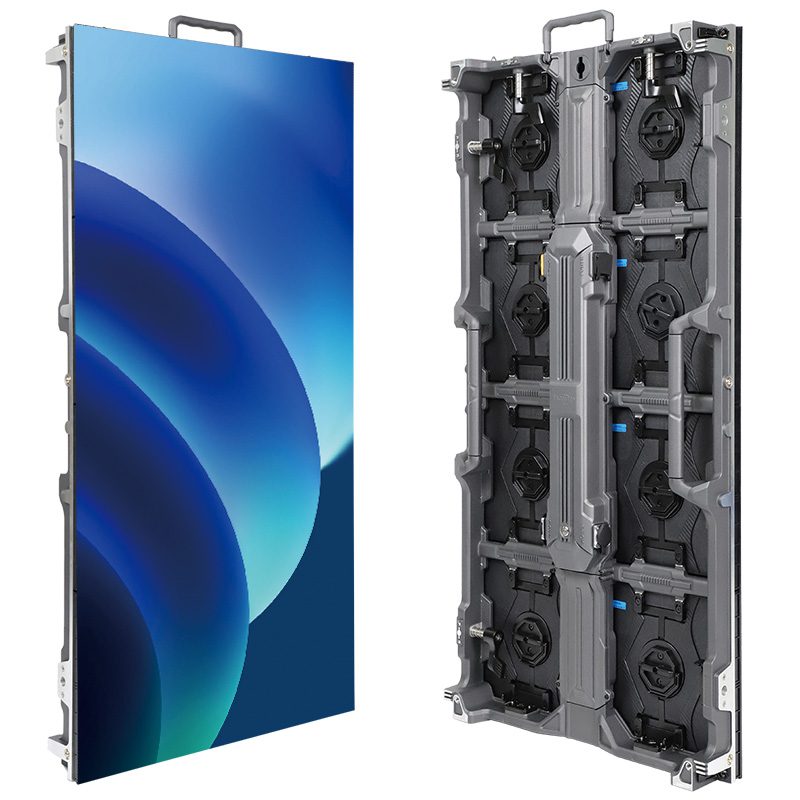
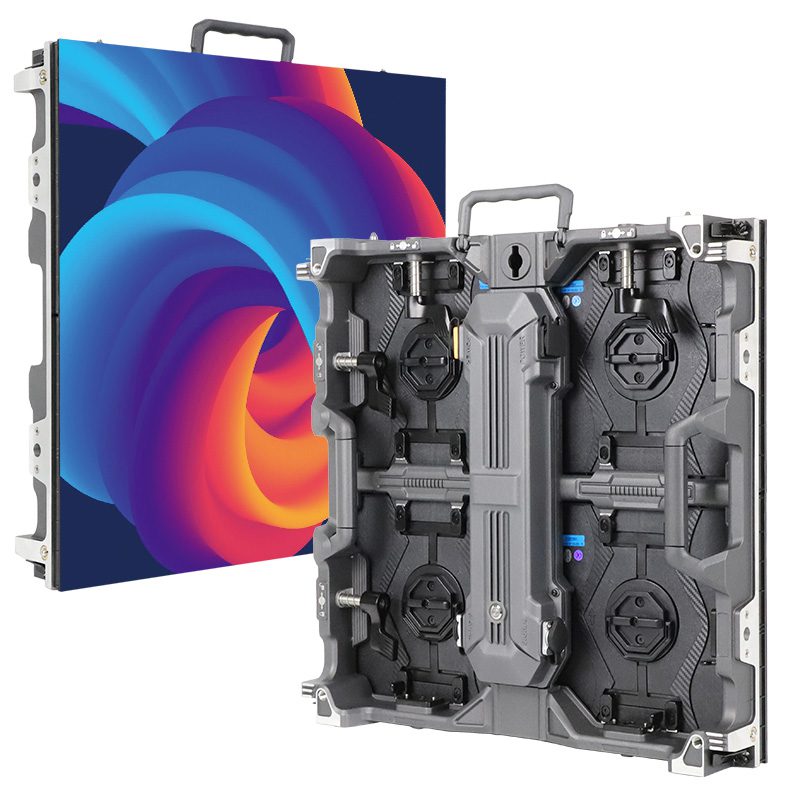
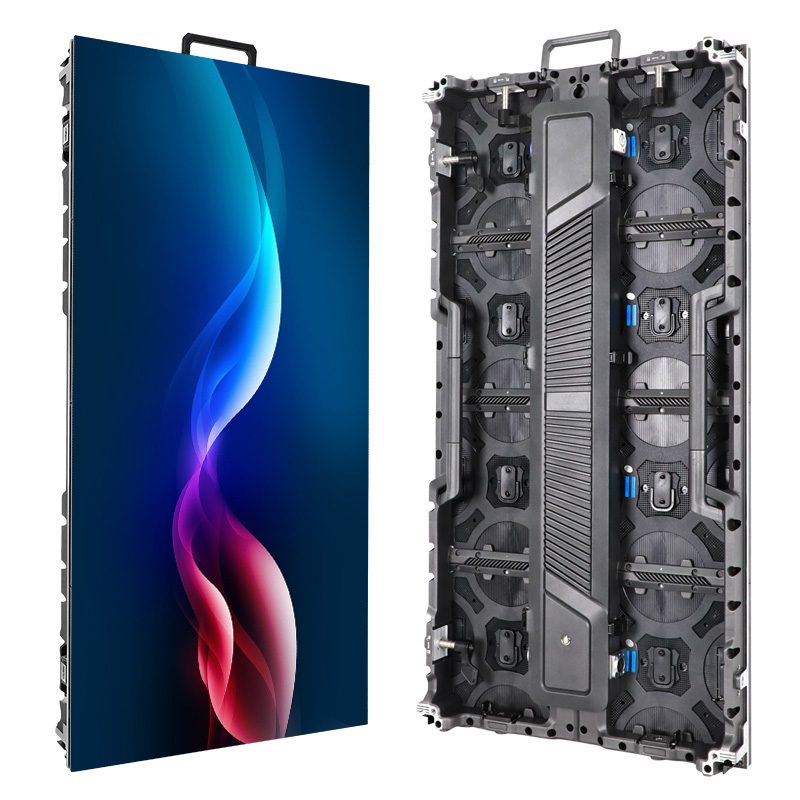
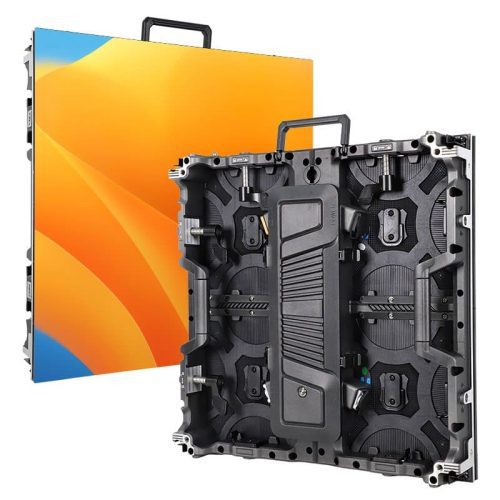
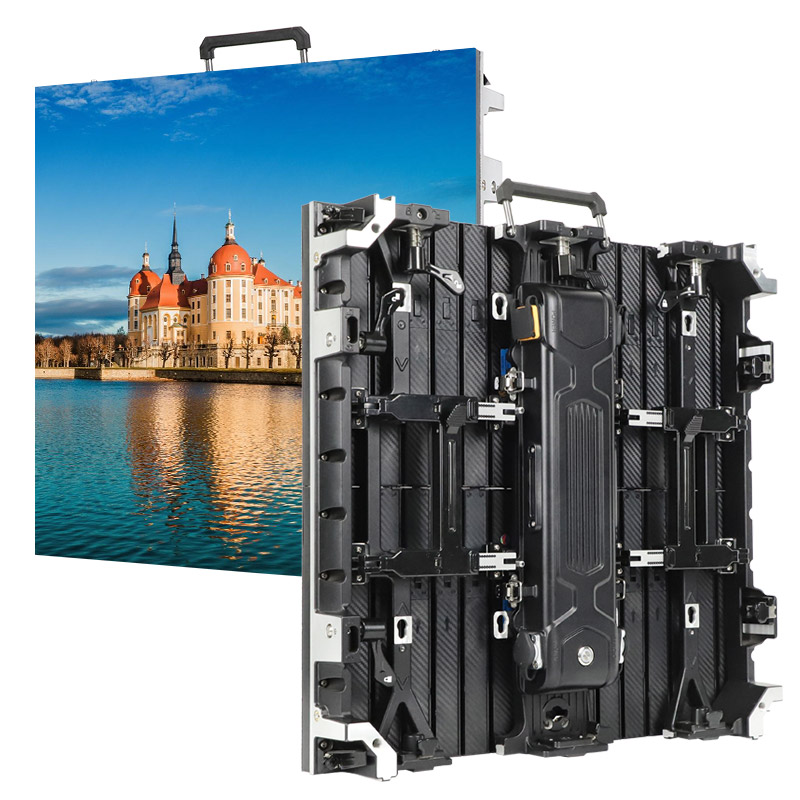
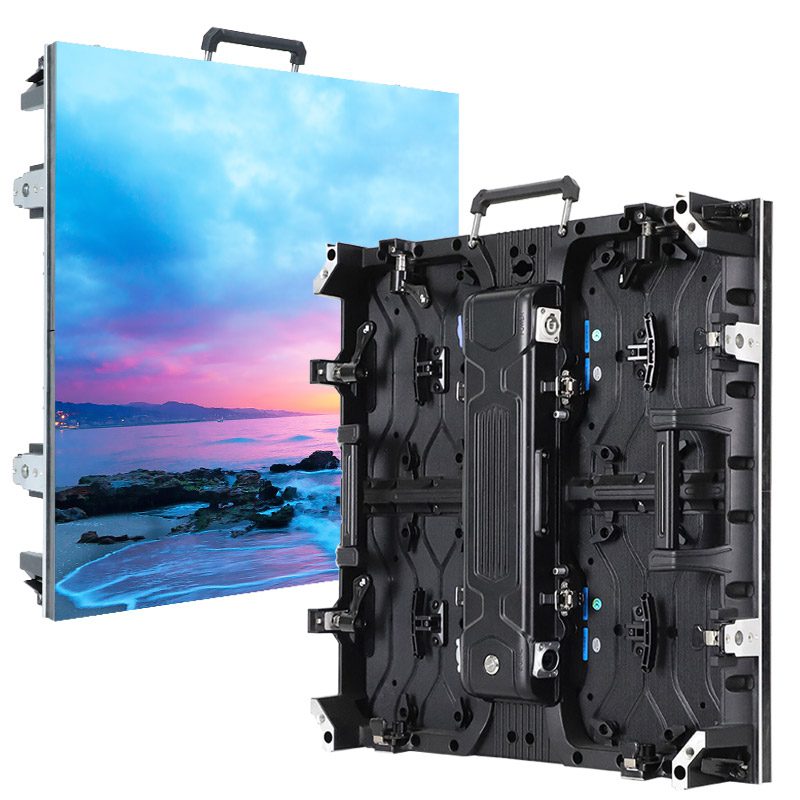
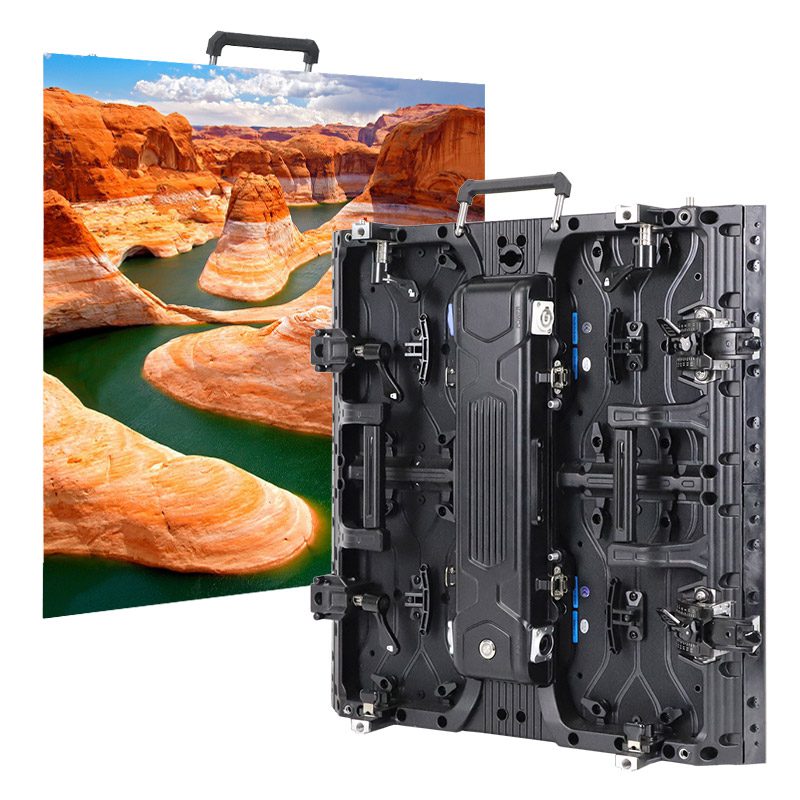
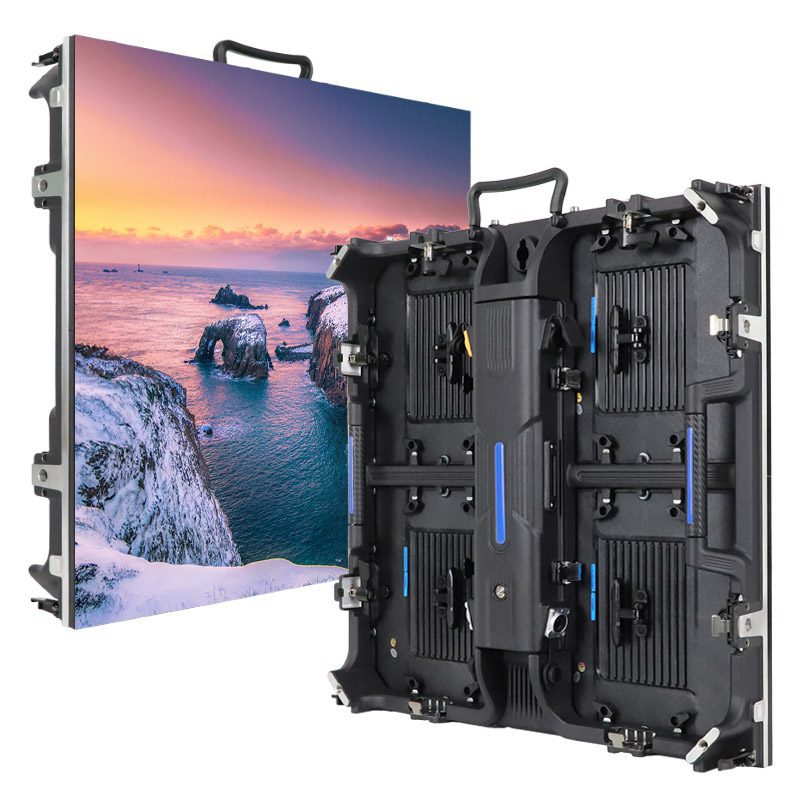
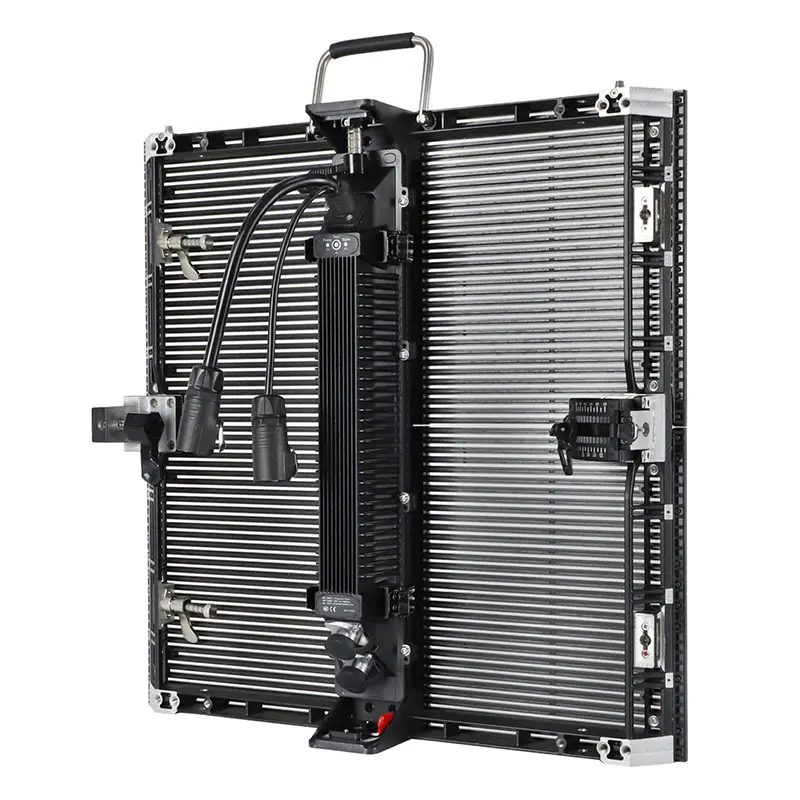
A rental LED screen is a modular direct-view display designed for frequent transport, fast assembly and temporary use. Individual LED cabinets connect into a seamless video wall for concerts, corporate events, exhibitions, worship services, sports venues, weddings and touring productions.
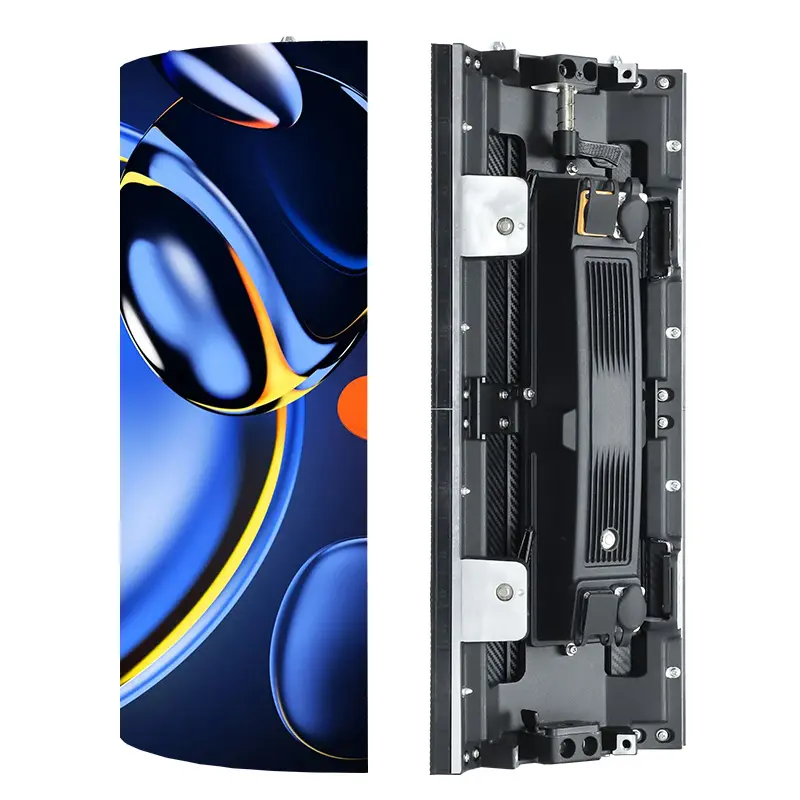
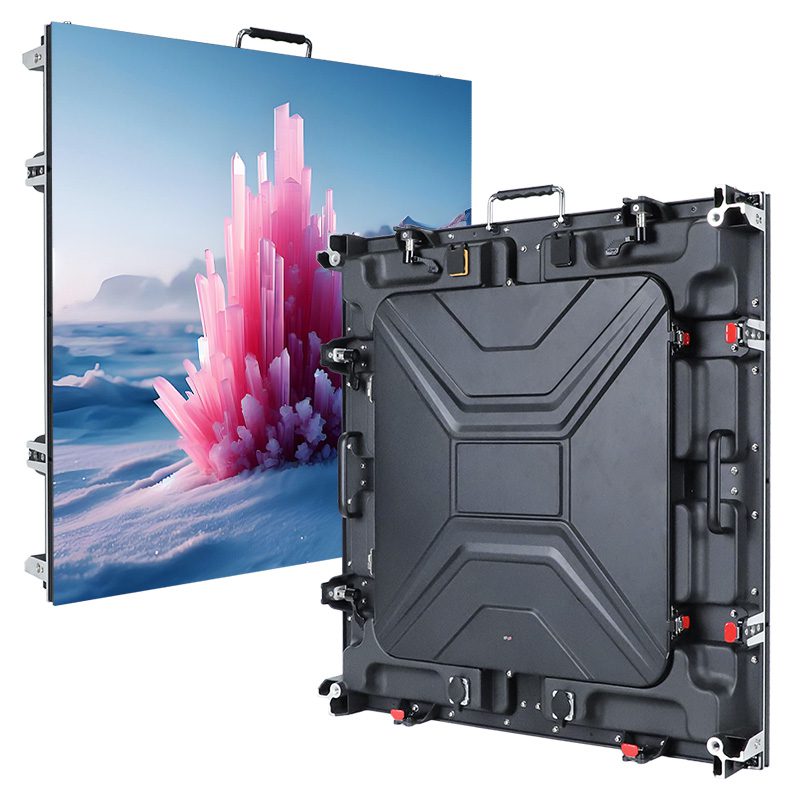
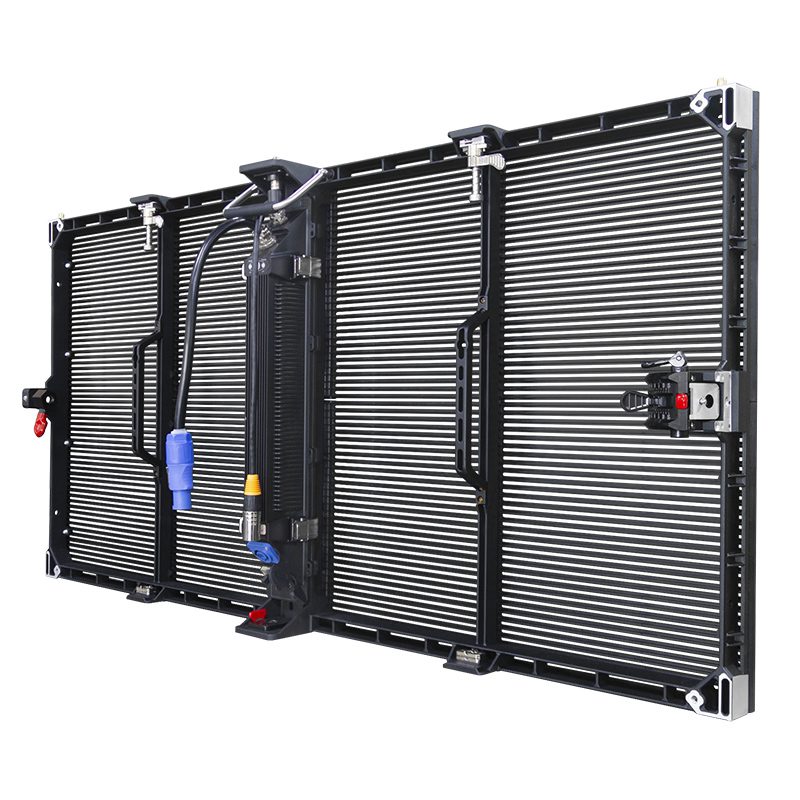
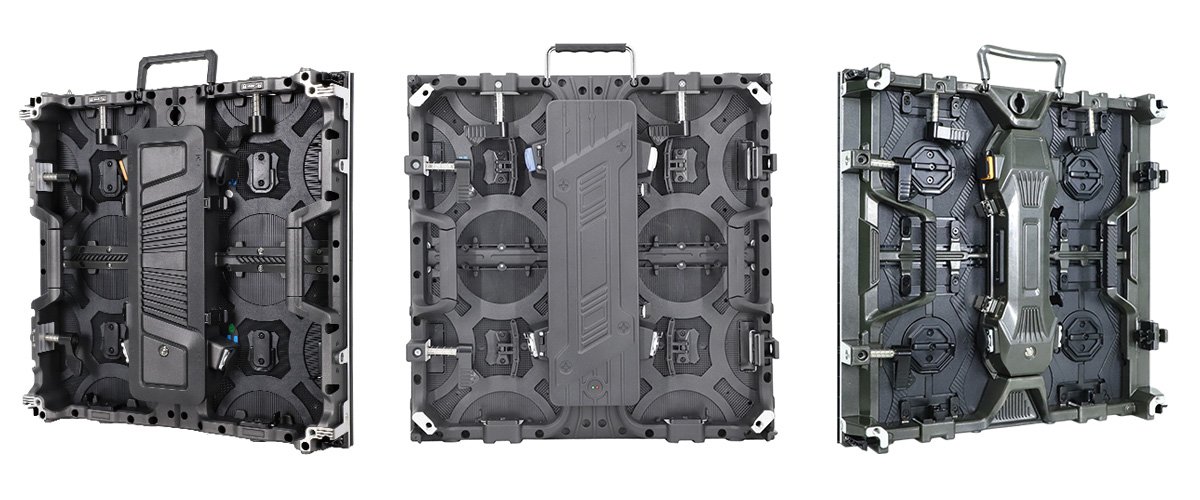
Unlike a fixed-installation cabinet, a rental cabinet is engineered around repeated handling. Quick locks align adjacent cabinets, integrated handles simplify lifting, and front or rear service access helps technicians replace modules, power supplies or receiving cards without dismantling the complete wall.
2. Indoor vs Outdoor Rental LED Screens
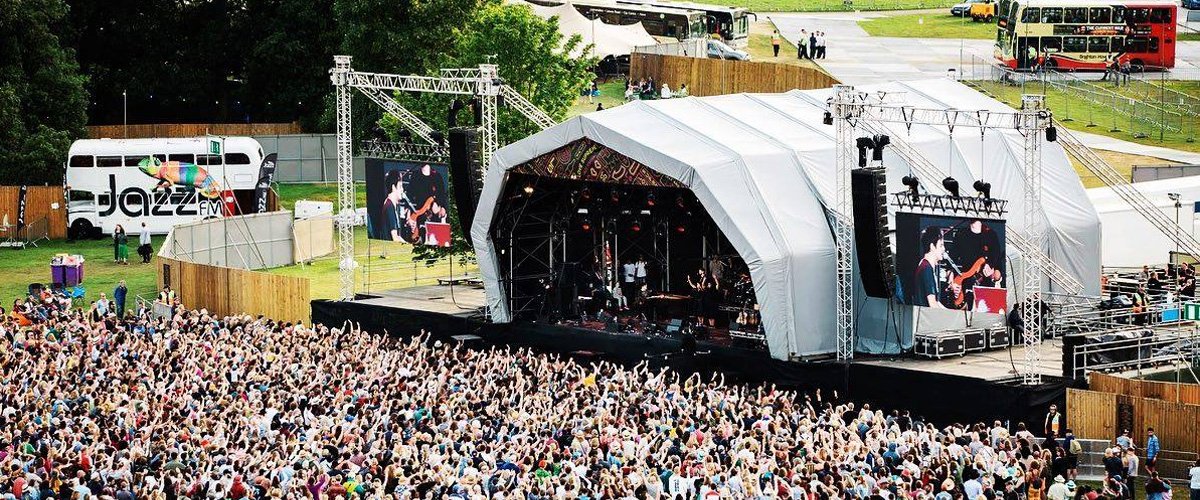
The correct environment rating is the first filter. Indoor and outdoor rental displays may share cabinet dimensions, but their brightness, weather protection and typical viewing conditions differ.
| Selection point | Indoor rental LED screen | Outdoor rental LED screen |
|---|---|---|
| Best fit | Conference rooms, ballrooms, studios, retail events and indoor stages | Festivals, outdoor stages, sports events and exposed temporary installations |
| Viewing condition | Controlled lighting and generally shorter viewing distance | Sunlight, changing ambient light and generally longer viewing distance |
| Protection | Designed for dry indoor environments | Weather-resistant cabinets; confirm the required IP rating for the exact model |
| Selection priority | Fine pixel pitch, color consistency and quiet operation | Brightness, cabinet sealing, thermal performance and safe rigging |
01 Indoor Rental Screens
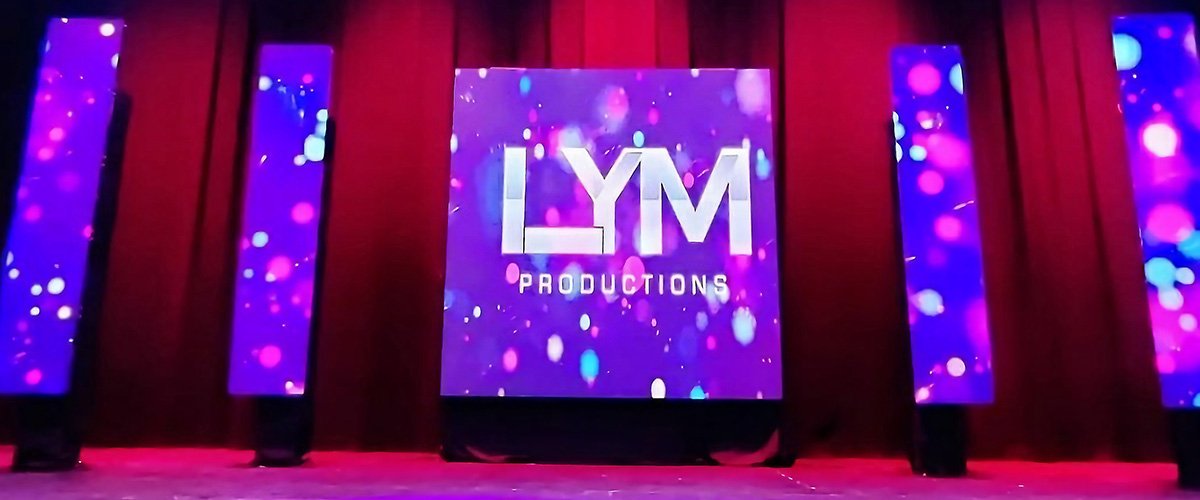
For audiences close to the display, prioritize image detail and a pixel pitch appropriate to the nearest viewer. See the broader indoor LED screen range when the project does not require a rental cabinet.
02 Outdoor Rental Screens
Outdoor models must remain readable in high ambient light and tolerate dust or rain appropriate to the installation. EagerLED outdoor rental models are available with IP65-rated configurations, but the final protection level, brightness and operating limits must be verified on the selected product specification.
3. How to Choose a Rental LED Screen
Do not select a display by screen width alone. A dependable specification connects viewing distance, content, ambient light, cabinet geometry, processing and service access.
01 Pixel Pitch and Viewing Distance
Smaller pixel pitch produces more pixels in the same area and supports closer viewing, but it also increases system cost and processing load. Provide the nearest and farthest viewing distances so the supplier can recommend a practical pitch rather than the smallest available option.
02 Brightness and Environment
Indoor brightness should be comfortable for the audience and camera exposure. Outdoor brightness must overcome daylight while retaining color and grayscale performance. Ask for adjustable brightness and confirm whether the display will face direct sun.
03 Cabinet Size and Screen Geometry
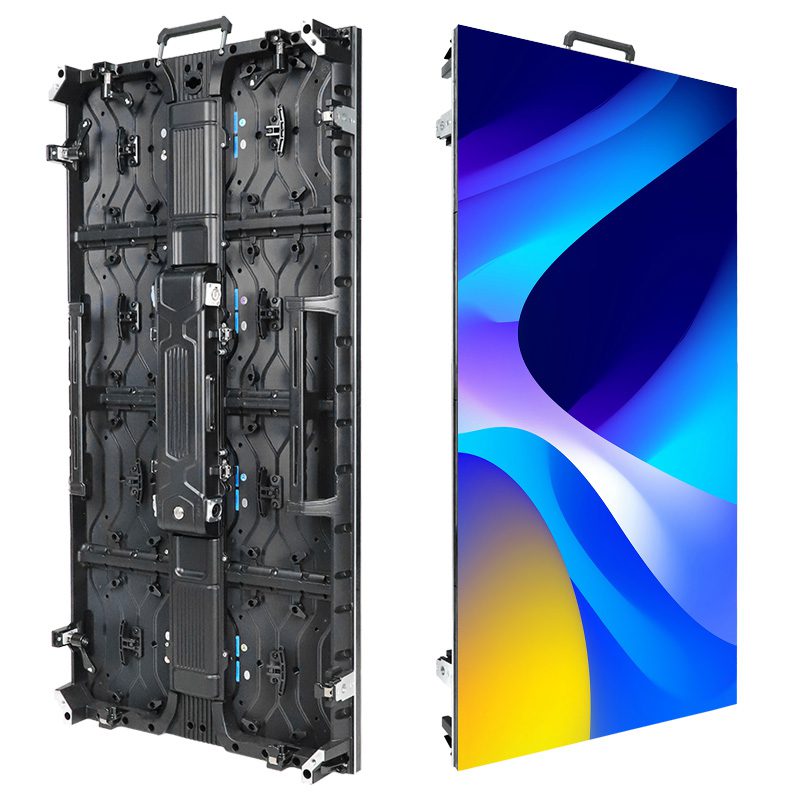
500 x 500 mm cabinets are useful for compact walls, curves and mixed shapes. 500 x 1000 mm cabinets reduce the cabinet count on larger rectangular walls. Many projects combine compatible sizes to balance installation speed and design flexibility.
| Specification | Question to answer | Why it matters |
|---|---|---|
| Pixel pitch | How close is the nearest viewer? | Controls perceived detail and total pixel count |
| Brightness | Indoor, shaded outdoor or direct sunlight? | Affects readability and image consistency |
| Refresh rate | Will cameras record or broadcast the screen? | Helps reduce scan lines and flicker on camera |
| Cabinet format | Flat, curved, corner or mixed-size wall? | Determines cabinet count and mechanical design |
| Service access | Can technicians reach the front, rear or both? | Changes maintenance time and required clearance |
| Control system | What input sources and backup paths are needed? | Defines processors, senders, cabling and redundancy |
Rental fleet procurement: what should the manufacturer confirm?
| Purchase decision | Required confirmation |
|---|---|
| Mixing cabinet sizes | Approved same-series combination, pitch, module layout, connector positions and lock compatibility; similar dimensions alone do not establish compatibility. |
| Field service | Front or rear access, replacement procedure, tools, matched spare modules, power supplies and receiving cards. |
| Repeatable playback | Processor capacity, cabinet mapping, configuration backups and test content for the planned wall sizes. |
| Packing and acceptance | Case contents, cabinet labels, packing list and agreed alignment, color, brightness and camera tests before dispatch. |
Can new cabinets be added to an existing fleet?
Request a compatibility review using the original model, pitch, module and control configuration. Confirm whether new and existing batches can be combined and what calibration is needed; do not assume a matching cabinet size is sufficient.
Which costs should be compared between quotations?
Compare the same screen area and working configuration, including control equipment, support accessories, spares, cases and shipping scope. Keep venue labor and event hire charges separate from the manufacturer equipment quote.
4. Rental LED Screen Cost Factors
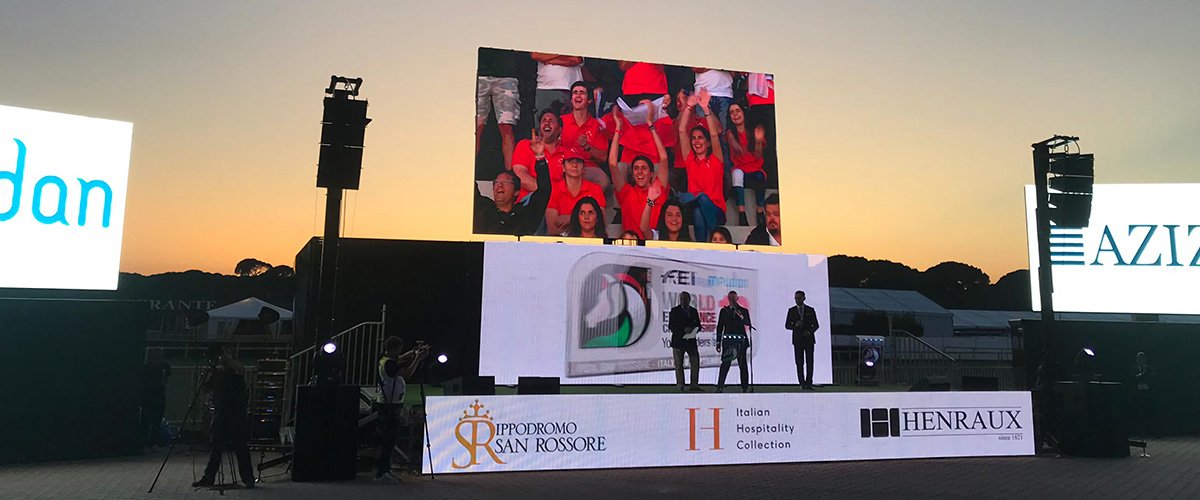
A reliable quotation separates the LED hardware from the complete working system. Screen area, pixel pitch, cabinet quantity, spare parts, control equipment, flight cases, power distribution, shipping and support can all change the project total.
01 Screen Hardware
The display price is driven by pixel pitch, LED package, cabinet design, module quantity and total screen area. Curved or right-angle configurations may require dedicated cabinet versions or accessories.
02 Logistics and Labor
For a purchase, include flight cases, freight, duties and local handling. For a local event rental, installation labor, transport, rigging and on-site technicians are normally quoted separately by the rental provider.
03 Supporting Equipment
Confirm video processing, sender and receiver cards, distribution boxes, hanging beams or stacking structures, cables and a defined spare-parts package.
| Quote component | What should be specified | Common omission to avoid |
|---|---|---|
| LED cabinets | Model, pitch, quantity, dimensions and spare modules | Quoting screen area without cabinet count |
| Control system | Processor, sender, receivers, inputs and backup signal path | Assuming the processor is included |
| Power system | Distribution, connectors, cable lengths and local voltage | Missing venue-specific power planning |
| Structure | Hanging beam, stacking frame, curve locks or corner parts | Using a structure not rated for the final load |
| Transport | Flight cases, freight terms, delivery location and schedule | Comparing hardware-only and delivered prices |
| Support | Training, documentation, warranty process and spare parts | No recovery plan for an event-day fault |
Pricing note: there is no universal daily rental rate or purchase price. Ask for an itemized quotation based on the exact screen size, pitch, environment, installation method, delivery location and service scope.
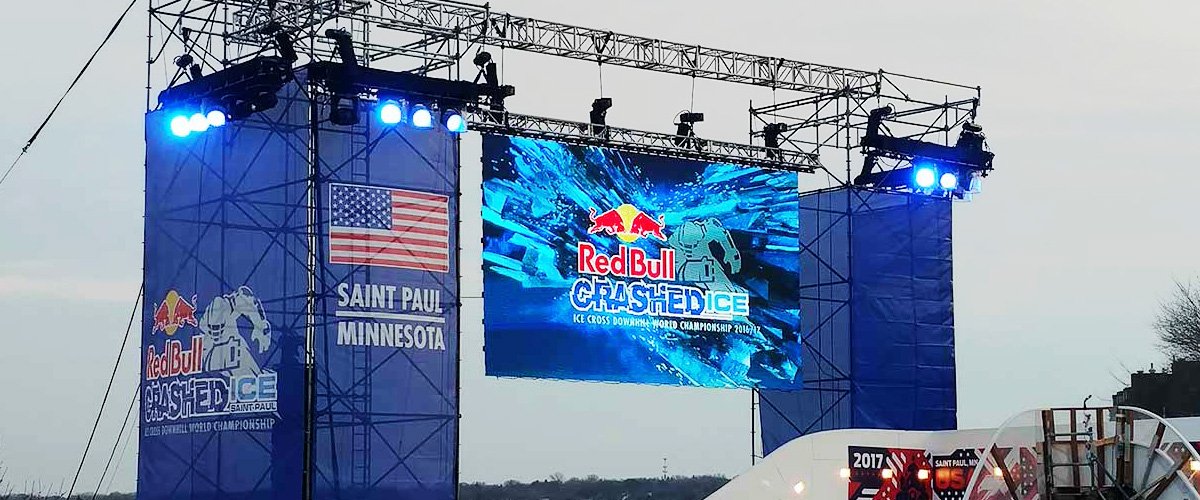
5. How to Plan a Rental LED Screen Project
01 Define the Venue and Audience
Record the indoor or outdoor environment, audience capacity, nearest viewing distance, available rigging points, stage dimensions and expected ambient light. Photos and a dimensioned venue plan reduce specification errors.
02 Confirm Screen Size and Content Format
Set the physical width and height, then confirm the resulting pixel resolution. Build motion graphics and presentation content to that native canvas whenever possible.
03 Approve the Complete System
Review the cabinet layout, processor, power load, signal diagram, structure, spare parts and packing list together. A low cabinet price does not help if essential accessories are missing.
04 Test Before the Event
Power and signal-test the full system before dispatch or installation. Verify cabinet alignment, color consistency, backup content, cable labeling and the replacement procedure for common service parts.
6. Rental LED Screen Applications
01 Stages and Touring Productions
A modular LED screen on stage can display live camera feeds, scenic content, sponsor graphics and playback video. Fast locks and flight-case transport are especially important when the wall moves between venues.
02 Weddings and Private Events
An LED display for weddings can support live video, photo playback and custom visual backgrounds. Fine pitch is often valuable because guests may stand close to the screen.
03 Conferences and Exhibitions
For launches, exhibitions and corporate presentations, review more LED screens for events and plan the canvas around presentation content, camera framing and booth sightlines.
04 Sports and Outdoor Events
A stadium LED screen or outdoor event wall needs suitable brightness, weather protection, viewing angles and a structure approved for the site conditions.
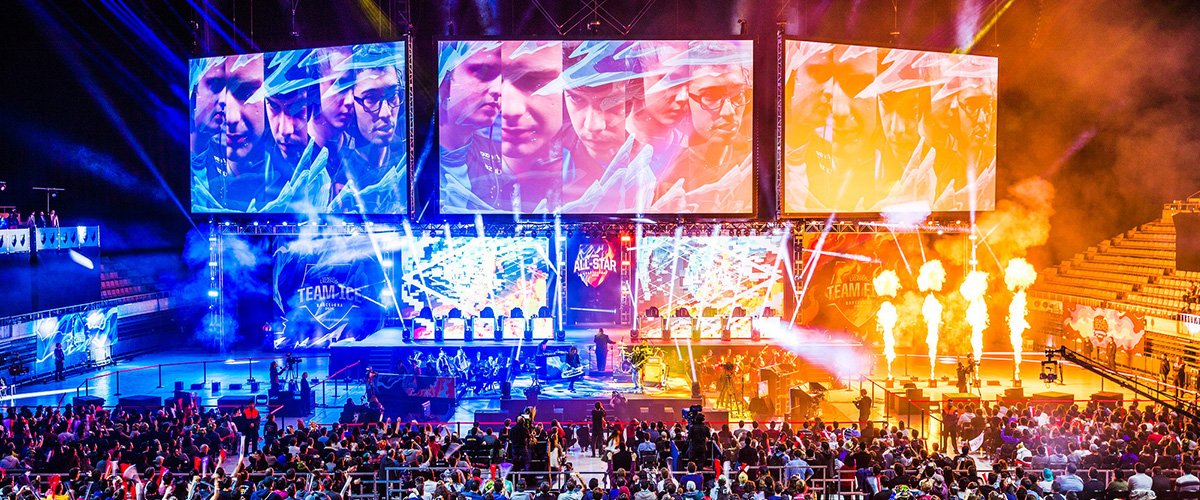
7. Rental LED Screen Installation Methods
01 Hanging Installation
Cabinets suspend from a compatible hanging beam and rated rigging system. The total load, suspension points and local site conditions must be reviewed by qualified personnel before installation.
02 Ground-Stacked Installation
A base, vertical supports and braces carry the wall from the floor or stage. Ground stacking is useful when overhead rigging is unavailable, but the footprint, height and ballast requirements must be planned.
03 Curved Installation
Adjustable curve locks allow compatible cabinets to form concave or convex walls. Selected EagerLED rental cabinets support adjustments from 15 degrees inward to 10 degrees outward; confirm the range for the chosen model.
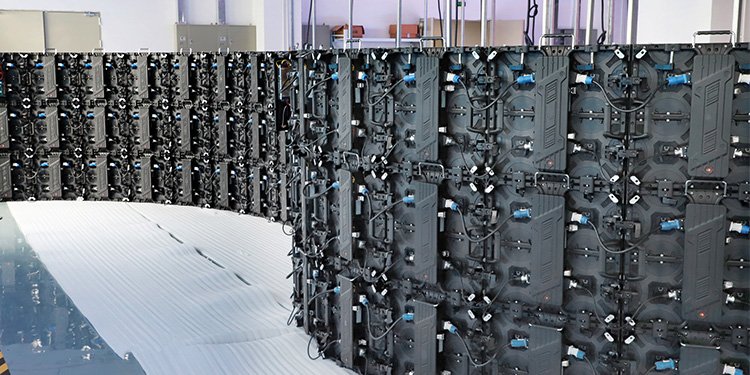
04 Right-Angle Installation
Dedicated 45-degree cabinet edges can join into a 90-degree corner for columns, cubes and multi-face displays. Use a right-angle model rather than forcing standard flat cabinets into an unsupported geometry.
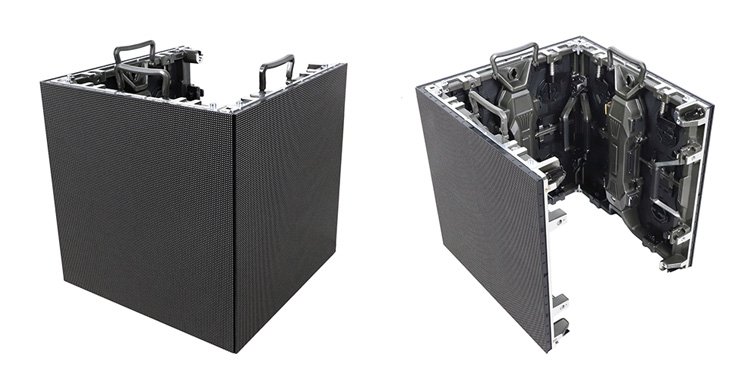
| Method | Best for | Planning priority |
|---|---|---|
| Hanging | Stages, concerts and open floor areas | Rated rigging, total load and access |
| Ground stack | Ballrooms, conference stages and venues without rigging | Stable base, bracing, footprint and height |
| Curved | Immersive stages, exhibitions and scenic designs | Compatible curve locks and content geometry |
| Right angle | Corners, columns, cubes and multi-face displays | Dedicated corner cabinets and precise alignment |
8. Why Choose EagerLED?
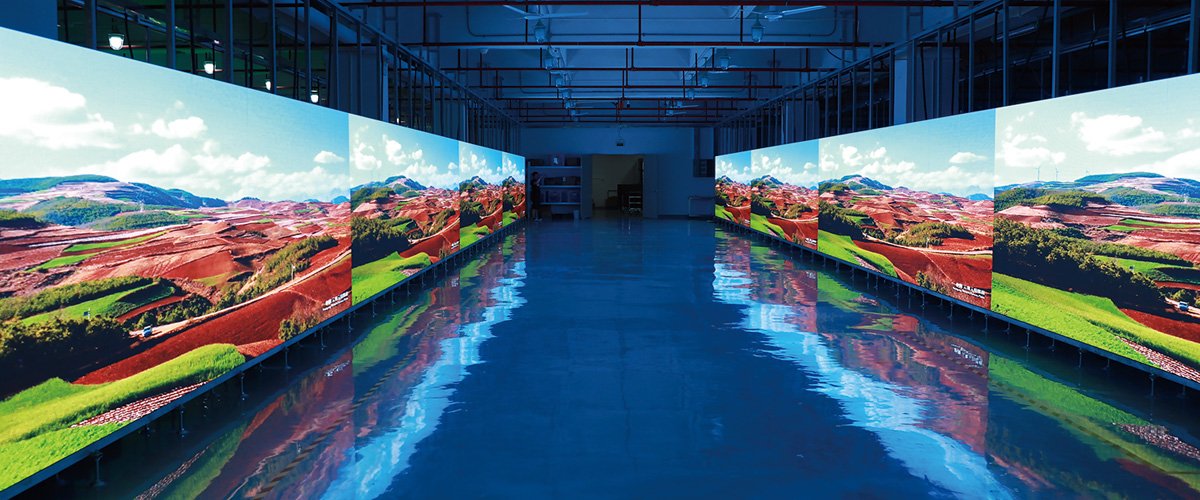
EagerLED manufactures rental LED display systems for integrators, rental companies and event-production teams. The current manufacturing program combines reusable die-cast aluminum cabinets, modular service parts and configuration support for indoor, outdoor, flat, curved and corner displays.
01 Manufacturing Experience
EagerLED reports more than 15 years of LED display manufacturing experience and deliveries to more than 90 countries and regions. Project recommendations should still be checked against the exact model data sheet and installation conditions.
02 Quality-Control Process
Complete screens undergo a 72-hour aging inspection before delivery to check flatness, color consistency and visual performance. Modules and cabinets are also inspected before packing.
03 Project and Service Support
The project team can review cabinet layout, control, accessories, packing and spare-parts requirements. Providing complete venue and content details at the quotation stage produces a more accurate system proposal.
| Check | What is reviewed | Buyer verification |
|---|---|---|
| Cabinet and module inspection | Mechanical fit, module condition and assembly | Confirm model, quantity and spare-parts list |
| 72-hour aging inspection | Continuous operation, flatness and color consistency | Request inspection records for the order |
| System configuration | Processor, receivers, power and signal accessories | Approve the complete bill of materials |
| Packing and handover | Flight cases, labels, documents and training materials | Match packing list to the purchase order |
9. Rental LED Screen FAQs
01 What is the difference between a rental LED screen and a fixed LED screen?
A rental LED screen uses lightweight cabinets, quick locks, transport protection and service-friendly modules for repeated setup. A fixed LED screen is optimized for long-term installation and may use a different cabinet, mounting structure and maintenance approach.
02 How do I choose the right pixel pitch?
Start with the nearest viewing distance, content detail and camera requirements. A smaller pitch supports closer viewing, but it increases pixel count and cost. Share venue dimensions so the supplier can calculate a practical option.
03 Can one rental LED screen be used indoors and outdoors?
Only if the selected model is specified for both environments and the outdoor configuration meets the required brightness and protection level. Do not assume an indoor cabinet is suitable for rain, dust or direct sunlight.
04 Can rental LED cabinets create curved or right-angle screens?
Yes, when the cabinet and locks are designed for that geometry. Curved walls use adjustable locks; 90-degree corners normally use dedicated 45-degree cabinet edges. Confirm compatibility before ordering.
05 What information is needed for a quotation?
Provide the screen width and height, indoor or outdoor use, viewing distance, installation method, delivery country, required date, input sources and service expectations. Photos or drawings of the venue help the team verify the proposal.
10. Conclusion
A successful rental LED screen project starts with the venue, audience and installation method, then matches those requirements to pixel pitch, brightness, cabinet format and a complete control system. Confirming the full bill of materials, structural plan, electrical load, spare parts and pre-event testing helps reduce setup risk and keeps the screen serviceable across repeated events.
Method and limitation: recommendations on this page are based on EagerLED product configurations and common rental-system planning practice. Final brightness, IP rating, structural design, electrical load and installation limits must be confirmed for the selected model and site.
For model availability and a project-specific bill of materials, contact EagerLED with your screen dimensions, venue and required delivery date.
