

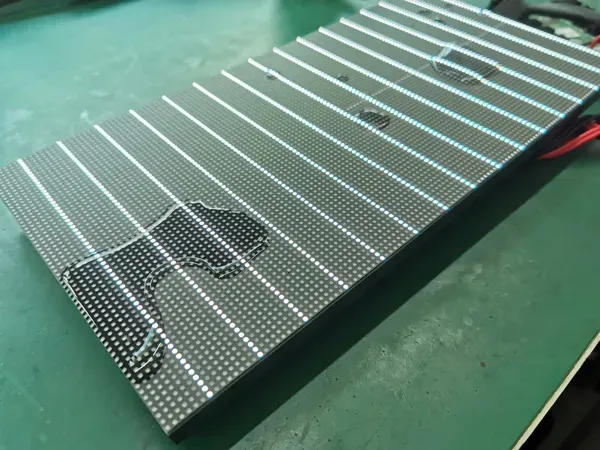
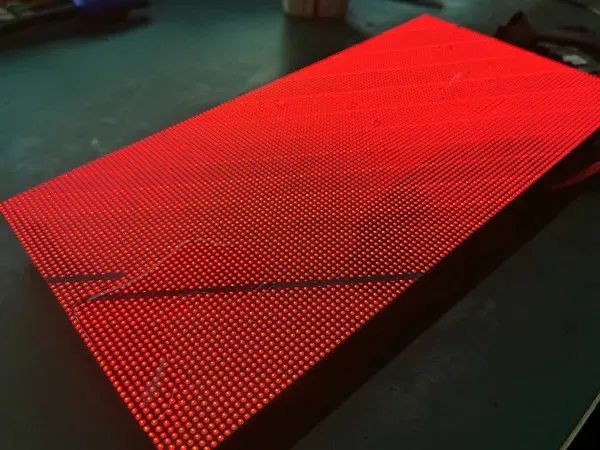
A GOB LED module (Glue on Board) is an SMD LED display module sealed with transparent protective resin. The coating helps shield LEDs from moisture, dust, impact and frequent handling while maintaining brightness and contrast. EagerLED offers GOB modules for fixed, rental and flexible LED displays in multiple pixel pitches and module sizes.
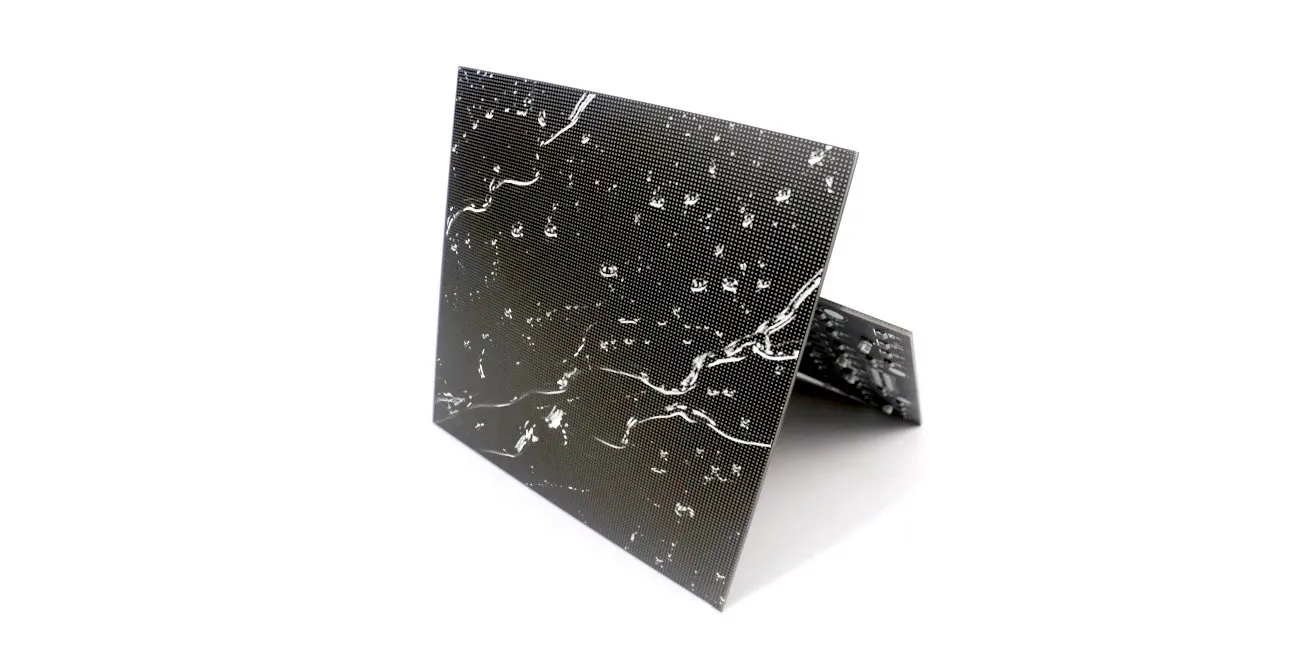
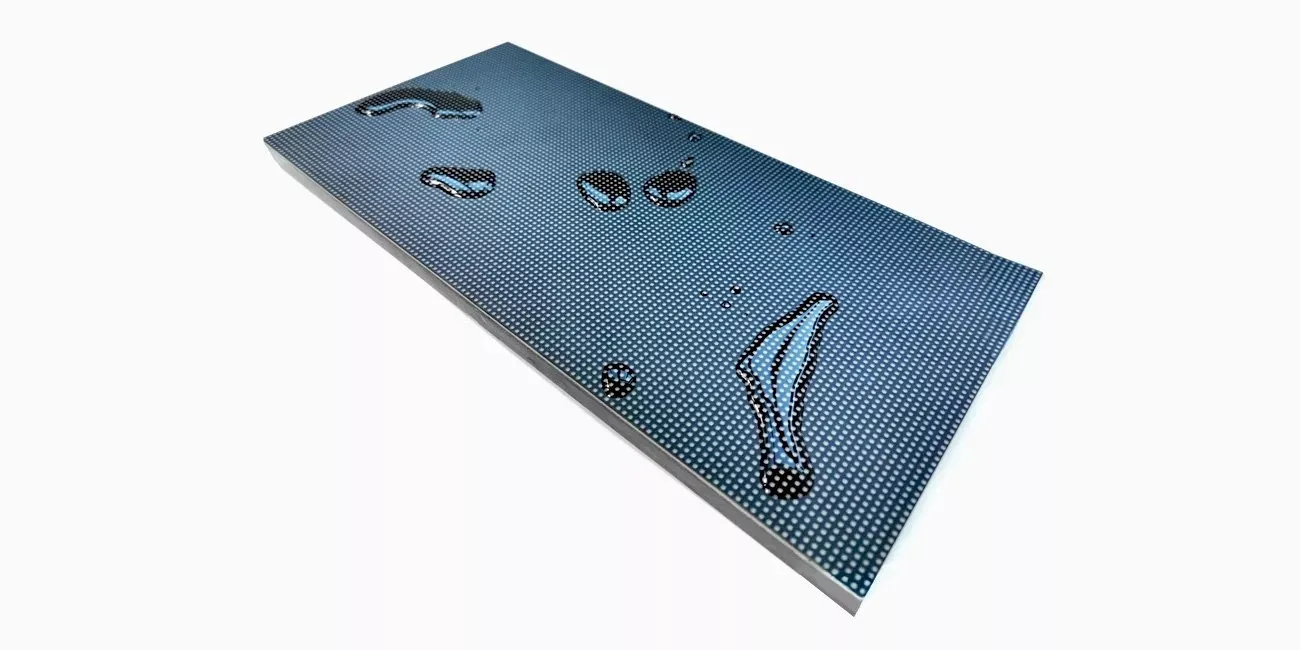
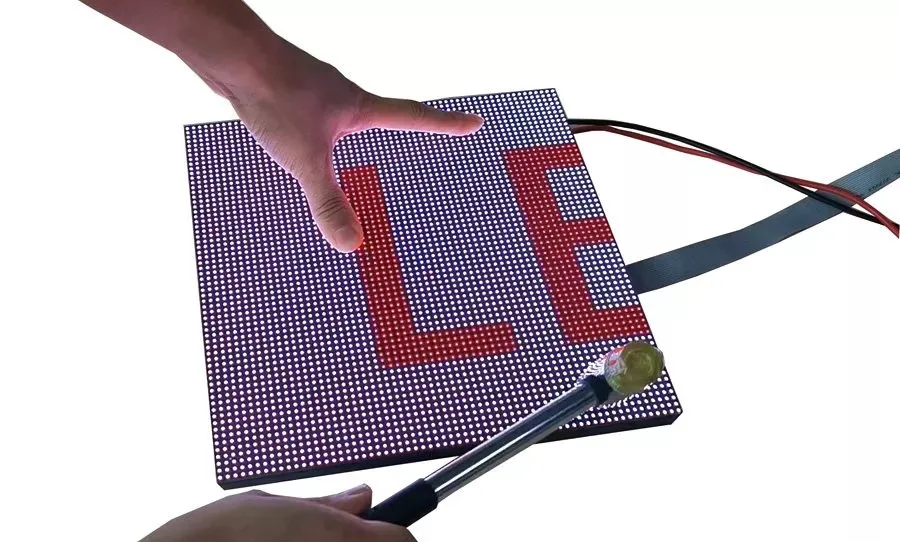
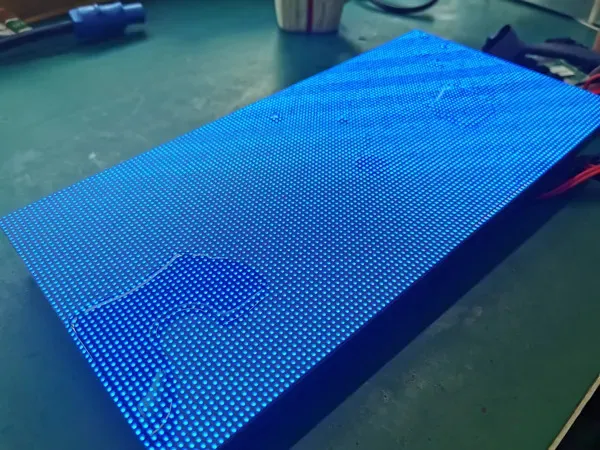
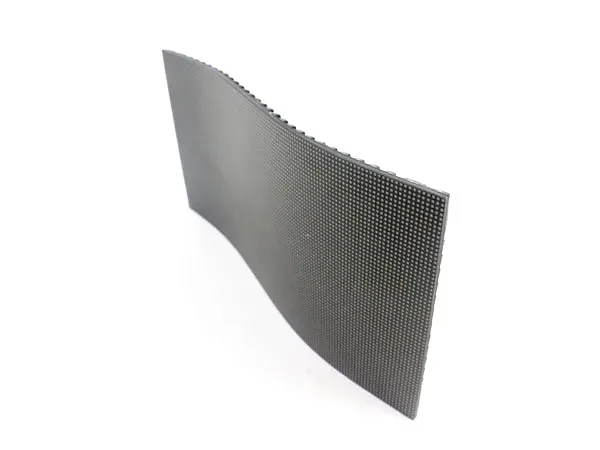
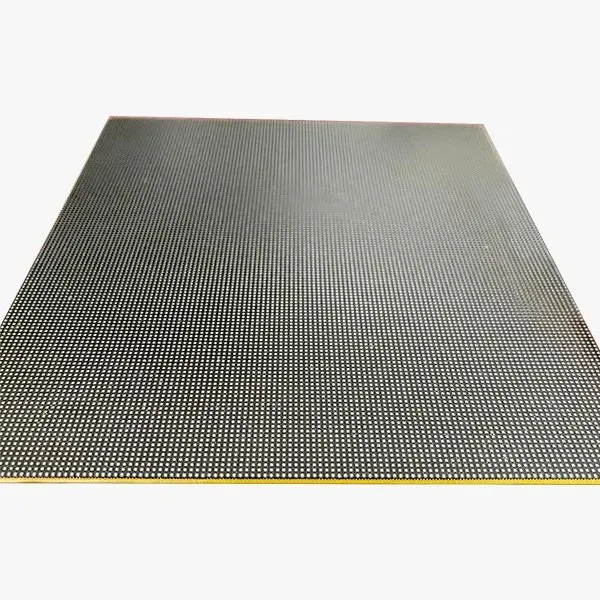
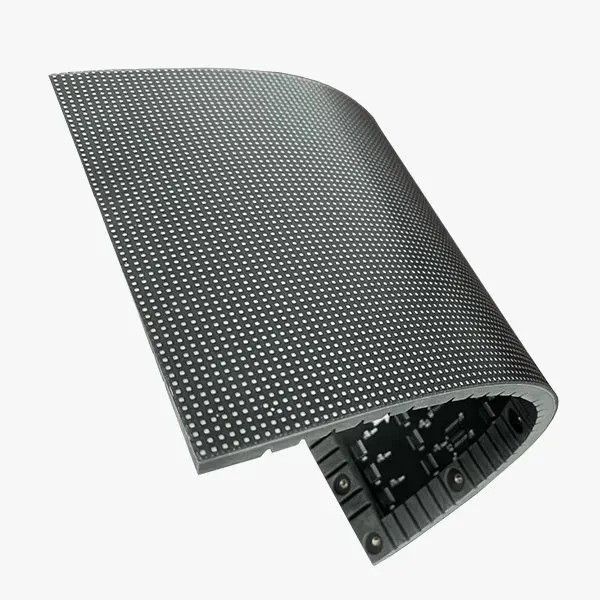
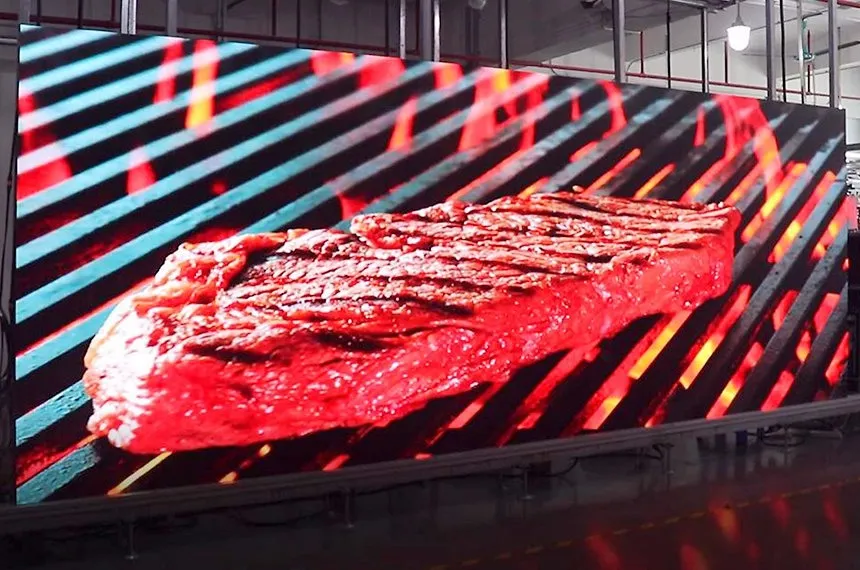
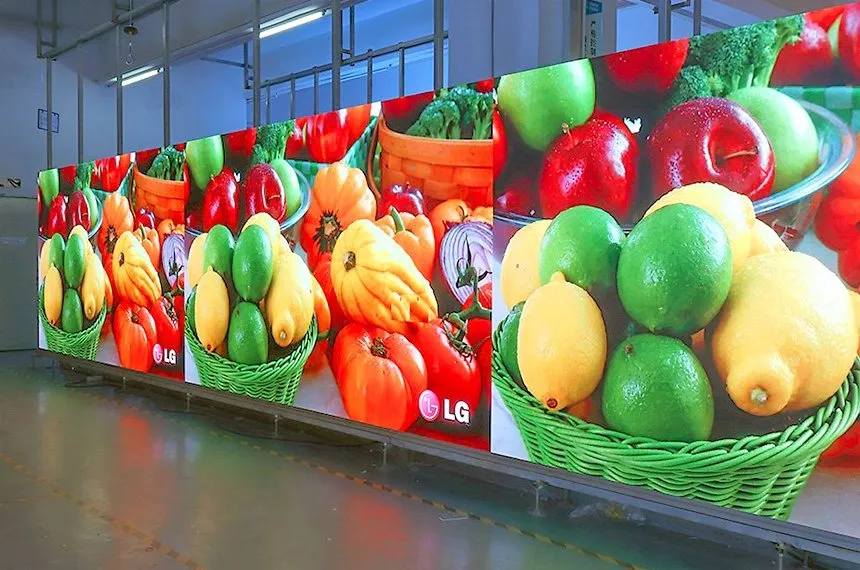
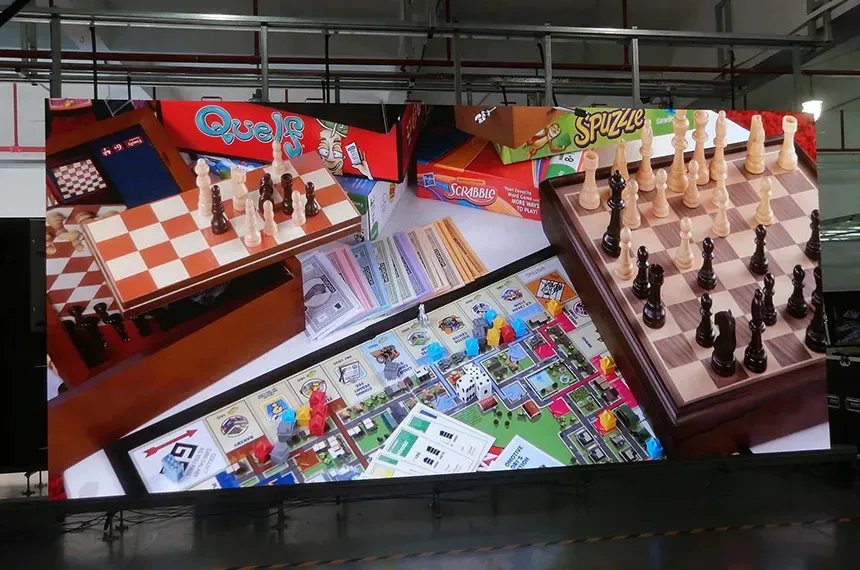
320x160mm Series GOB LED Screen Module
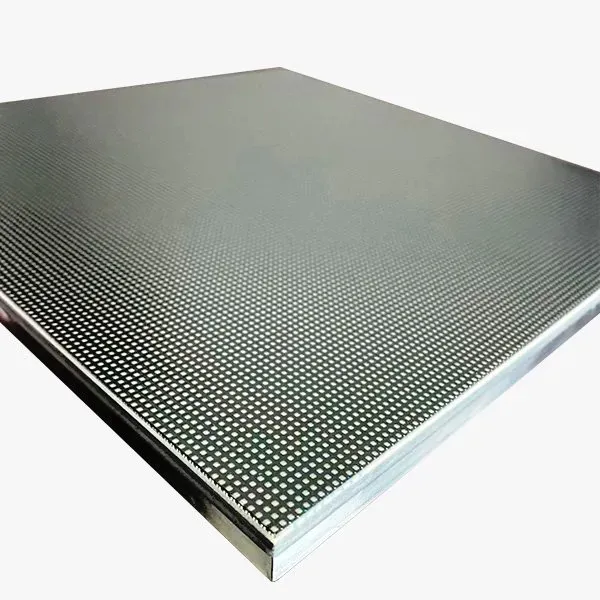
250x250mm Series GOB LED Display Module
Other Series GOB LED Screen Module
What Is a GOB LED Module?
A GOB LED module is an SMD LED module whose lamp surface is sealed with a transparent protective resin. GOB stands for Glue on Board. The cured layer surrounds the LEDs and helps protect the module from moisture, dust, accidental contact and impact while allowing light to pass through. It is especially useful where exposed LEDs are likely to be touched, cleaned or bumped.
EagerLED supplies GOB LED modules for fixed, rental and flexible LED display projects. Available specifications include multiple pixel pitches and common module formats, including 320 x 160 mm and 250 x 250 mm. The correct choice depends on viewing distance, cabinet structure, brightness, installation environment and control-system requirements.
Why Choose a GOB LED Display Module?
Traditional SMD LEDs are exposed on the face of the PCB. A GOB layer adds a clear protective surface without changing the familiar SMD module architecture. For many projects, this provides a practical balance between image quality, serviceability and physical protection.
- Protection from moisture and dust: the sealed surface helps prevent contaminants from reaching the LED package and solder area. Selected EagerLED GOB modules are rated up to IP68 at module level. Final cabinet protection depends on cabinet sealing, connectors, rear components and installation quality.
- Better impact resistance: the resin supports the LED lamps and reduces damage from handling, transport and accidental contact. This is useful for rental inventory, stage installations and displays installed within reach of the public.
- Smooth, easy-to-clean surface: dust can be removed without directly touching individual lamps. Use the cleaning method and materials specified for the selected module.
- High contrast and comfortable viewing: the dark, uniform surface reduces visual gaps around the lamps and supports a consistent image at close range.
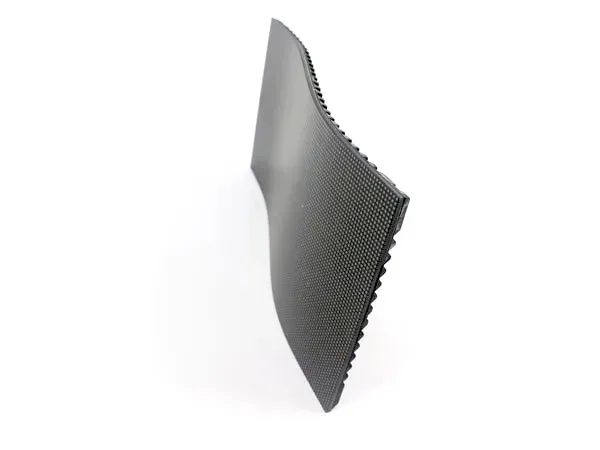
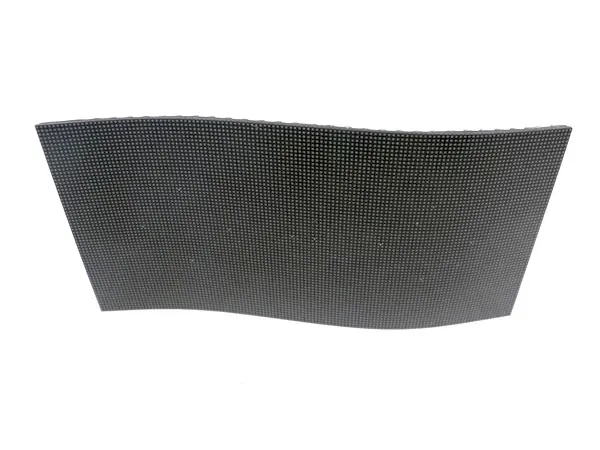
- Support for flexible modules: GOB protection can be applied to soft LED modules that do not use a conventional front mask, making it suitable for curves, columns and creative shapes.
GOB vs SMD vs COB LED Technology
GOB, conventional SMD and COB are not interchangeable labels. GOB is a protective process applied over an SMD module, while COB mounts multiple LED chips directly to the board. The comparison below helps narrow the choice; the final decision should be based on the complete display design.
| Technology | Construction | Main Advantage | Typical Use |
|---|---|---|---|
| GOB LED | SMD lamps covered by transparent protective resin | Improved moisture, dust and impact protection | Rental, public-facing, flexible and harsh-environment displays |
| Conventional SMD | Surface-mounted LED packages remain exposed | Broad model choice and familiar repair process | Standard indoor and outdoor LED screens |
| COB LED | LED chips mounted directly on the board and encapsulated | Very fine pixel pitch and a highly integrated surface | Close-view indoor displays and fine-pitch applications |
Choose GOB when physical protection is a priority but you still want an SMD-based module. Choose conventional SMD when the installation is controlled and easy individual-lamp access is more important. Consider COB for very fine-pitch indoor projects where close viewing and surface uniformity lead the specification. See our LED module range for related module technologies.
Where Are GOB LED Modules Used?
- Rental and stage LED screens: modules are repeatedly installed, dismantled and transported, so edge knocks and front-surface contact are common risks.
- Retail, exhibition and interactive displays: visitors may stand close to or touch the screen. A sealed face improves protection and simplifies routine cleaning.
- Outdoor and humid locations: the GOB surface helps protect the front of the module from moisture and airborne contaminants. Cabinet-level weather protection must still be specified for the complete screen.
- Sports and public venues: displays installed near activity areas benefit from stronger front-surface protection.
- Curved and creative LED displays: GOB can protect a flexible LED screen module without adding a rigid front mask.
- Indoor fine-pitch installations: a uniform dark surface and added lamp protection are useful in control rooms, meeting spaces and commercial showrooms.
How to Select the Right GOB LED Module
- Start with viewing distance and pixel pitch. A smaller pixel pitch supports closer viewing and finer detail, but it also increases pixel density, processing load and project cost. Select the pitch for real viewing conditions instead of choosing the smallest number by default.
- Match the physical module size. Confirm module width, height, mounting points, connector position and cabinet layout. A 320 x 160 mm module and a 250 x 250 mm module are not direct replacements even when their pixel pitches are similar.
- Define the environment. Tell us whether the screen is indoor, outdoor, humid, dusty, mobile or exposed to public contact. Module-level protection and complete-cabinet ingress protection are separate specifications.
- Confirm brightness and scan mode. Brightness should suit the ambient light, while scan mode, refresh rate and receiving-card configuration must support the intended camera and content requirements.
- Check system compatibility. Power supplies, HUB boards, receiving cards, data polarity and calibration files must match the selected module. Provide the existing cabinet and control-system details when ordering replacement modules.
- Plan service access. GOB protects the front surface, but component-level lamp repair can require specialized resin removal and re-encapsulation. For serviceable projects, keep calibrated spare modules from the same production batch.
Quality, Installation and Maintenance Considerations
A reliable GOB module depends on more than the coating itself. Resin transparency, curing consistency, PCB flatness, thermal behavior, color calibration and aging performance all affect the finished display. EagerLED carries out production inspection and aging tests before shipment; project-specific test documents and acceptance criteria should be confirmed with the sales team.
During installation, keep module faces clean and avoid sharp tools. Do not bend a rigid GOB module or force it into a cabinet with incorrect mounting points. For flexible products, follow the permitted bend direction and radius. After assembly, verify power, data, grounding, ventilation and cabinet sealing before continuous operation. Learn more about our LED display quality control process.
For maintenance, disconnect power before removing a module. Use a soft, non-abrasive cloth and an approved cleaner; aggressive solvents can haze or damage the resin. Keep spare modules protected from pressure, heat and direct sunlight, and store the matching calibration data with each batch.
GOB LED Module FAQ
What does GOB mean in an LED display?
GOB means Glue on Board. It is a process that covers an SMD LED module with transparent resin to protect the lamps and PCB surface from moisture, dust and physical contact.
Is a GOB LED module waterproof?
The protected module face can achieve a high ingress-protection level, and selected EagerLED modules are specified up to IP68. This does not automatically make the complete LED cabinet or screen IP68. Rear covers, seams, power and data connectors, ventilation and installation details must also be evaluated.
Can a damaged GOB LED module be repaired?
Yes, but repair is more specialized than on an exposed SMD module because the resin must be removed and restored around the affected area. For faster field service and consistent color, we recommend ordering calibrated spare modules with the original batch.
Can GOB technology be used on flexible LED modules?
Yes. A suitable GOB process can protect flexible LED modules while preserving their intended bend direction. The permitted radius depends on the module design, so it should be confirmed before building a curved cabinet or structure.
How do I request the correct GOB module specification?
Send the required pixel pitch, module size, quantity, indoor or outdoor use, target brightness, cabinet dimensions, service method and control-system information. For replacement projects, include clear photos of the module labels and connectors. Contact EagerLED for a project-specific recommendation and quotation.
Specifications and protection levels vary by model and final screen configuration. Confirm the selected module datasheet, test scope and cabinet design before purchase.
