
Digital billboards turn valuable locations into flexible advertising space, but a famous address alone does not establish commercial value. The strongest placements combine a relevant audience, a clear viewing opportunity, reliable LED performance, and a campaign that can be measured. A spectacular photographed by tourists and a roadside screen driving local store visits serve different business objectives.
This guide compares ten notable digital billboard examples and display locations, from Times Square to Seoul. It is a practical shortlist, not a financial ranking: comparable audited revenues, acquisition values, and current advertising rates are not publicly available for every site. Locations with several screens are identified as districts or networks rather than presented as a single billboard.
You will find the commercial lesson behind each example, questions to ask before buying digital billboard advertising, and technical checks for owners planning an LED installation. Published operator and manufacturer information supports specific screen facts; buying recommendations are our editorial analysis. Availability, specifications, and campaign quotations should be reconfirmed for your intended dates.
1. Digital billboards: comparison and selection criteria
A digital billboard is an electronic out-of-home advertising display that changes creative without replacing a printed face. Large outdoor versions usually use modular LED cabinets. A digital spectacular is a prominent, often unusually large or architecturally distinctive installation designed for visual impact. Neither term guarantees audience quality, exclusive airtime, or advertising results.
For this shortlist, commercial value means potential usefulness to an advertiser or display owner. We consider location relevance, visibility, creative capability, operating demands, and the evidence available to a buyer. Numbering organizes the guide; it does not imply that one asset earns more than another. Ask for the exact screen identity whenever a proposal names an entire landmark or shopping destination.
| Example or location | Format | Potential campaign fit | Essential check |
|---|---|---|---|
| Nasdaq MarketSite | Times Square tower and related inventory | Corporate milestones and brand launches | Exact surface, airtime, and usage rights |
| Shibuya Crossing | Multiple urban screens | Youth culture and entertainment | Individual screen and sightline |
| Piccadilly Lights | Large curved LED landmark | Premium brand storytelling | Shared layout versus takeover |
| The Bund | Waterfront district and building displays | Destination-linked visual campaigns | Bookable asset and permissions |
| Victoria Harbour / Tsim Sha Tsui | Building façades and waterfront displays | Art, tourism, and place-based storytelling | Commercial availability versus public programming |
| Dubai Mall | Retail media environment | Shopping-related campaigns | Named screens and shopper routes |
| One Times Square | Landmark digital advertising inventory | Large brand moments | Ordinary dates versus event packages |
| COEX K-POP Square | Large curved LED façade | Entertainment and perspective-led creative | Viewing position and content template |
| Sphere Exosphere | Architectural LED exterior | Custom visual experiences | Specialist production and approvals |
| The Reef | Large digital spectacular | Los Angeles market awareness | Audience methodology and message readability |
2. Nasdaq MarketSite digital billboards, Times Square
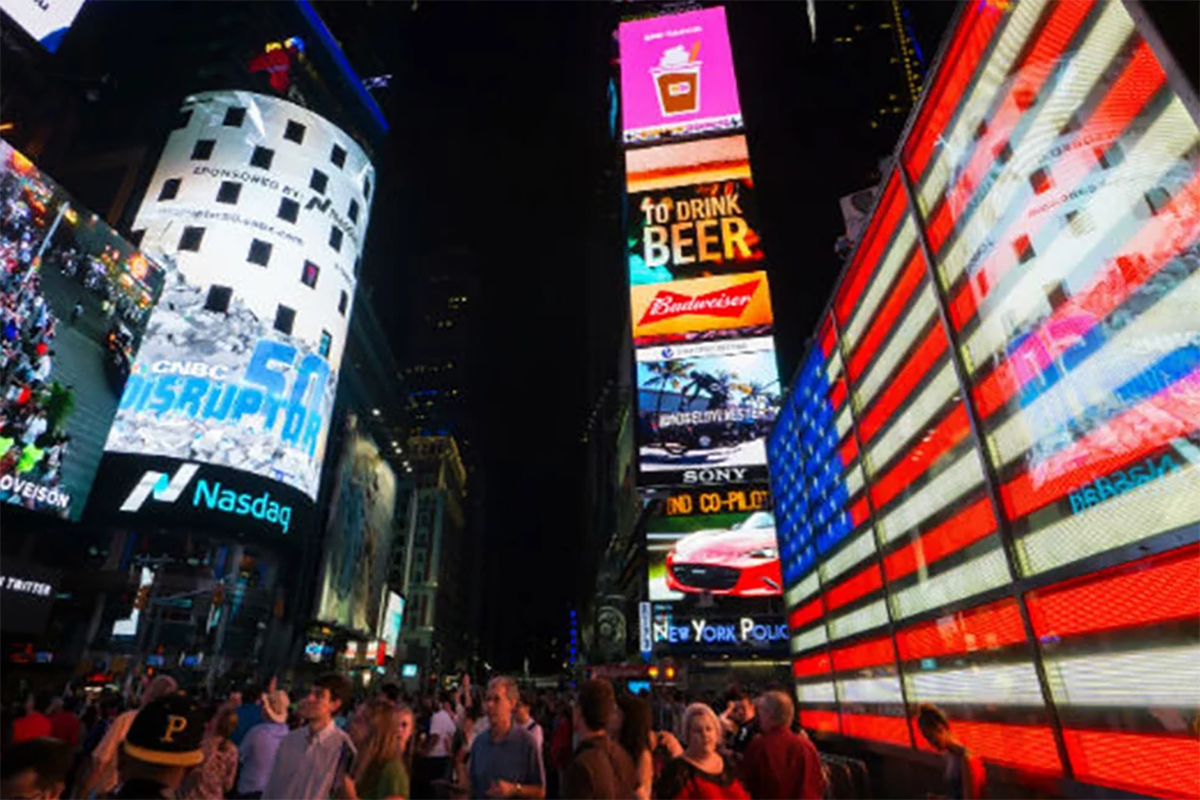
Nasdaq MarketSite illustrates how a recognizable business setting can strengthen a corporate message. Nasdaq offers advertising opportunities on its Tower, Marquee, and other Times Square billboards. MarketSite opened in 2000; the installation should not be described as a centuries-old advertising asset. See Nasdaq’s MarketSite information and its 25-year retrospective.
For an advertiser, the useful question is how the location supports a launch, anniversary, or company milestone. Recognition of the setting may help a campaign’s photographs communicate context quickly. That is different from proving sales uplift. A proposal should specify which digital billboards are included, the creative dimensions, the display schedule, and whether event production or photography is a separate service.
Keep the visual hierarchy simple: brand, central message, and one memorable action. Verify filming rights and the delivery of usable documentation before commissioning a social campaign around the placement. A short appearance documented on camera should not be evaluated as though it were a sustained month-long awareness buy.
3. Shibuya Crossing digital billboards, Tokyo
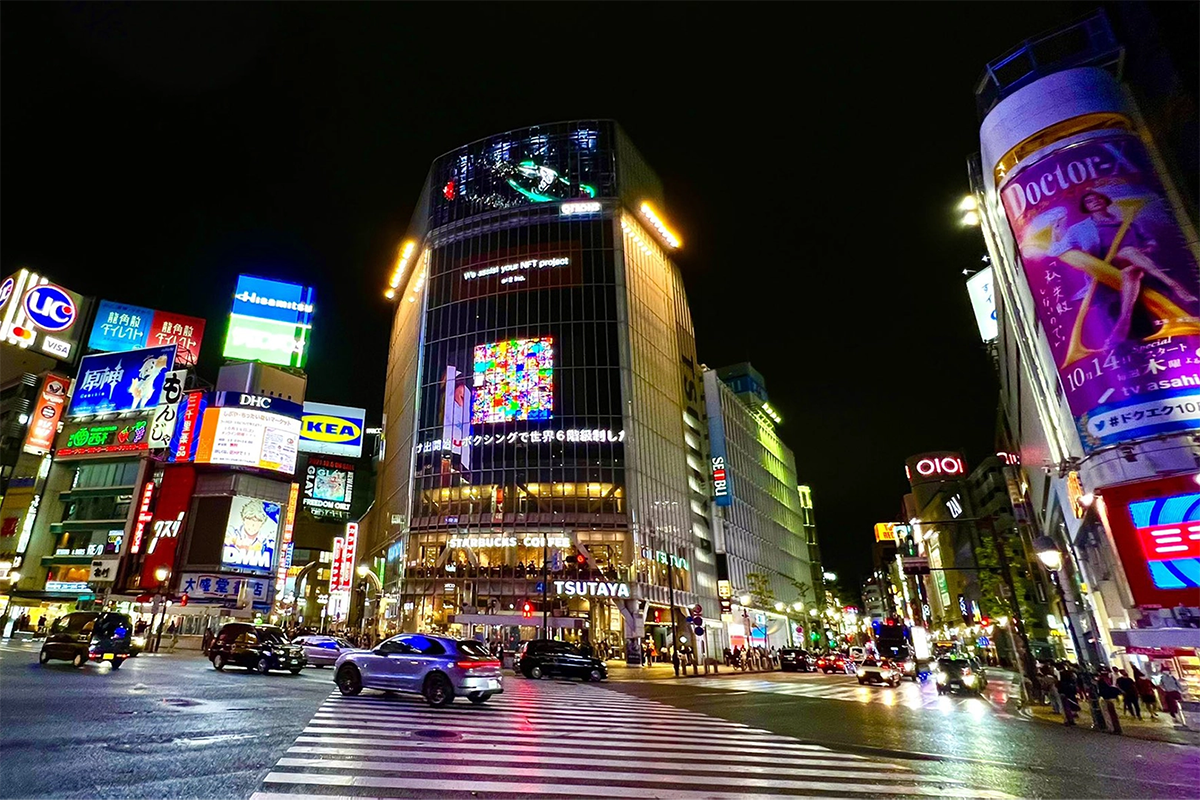
Shibuya is a screen-rich district, not one unified advertising product. Tokyo’s official tourism guide identifies QFRONT directly opposite the crossing and its Q’s Eye screen. This location is a useful digital billboard example because several moving images compete within the same visual environment. The landmark address does not tell a buyer which surface pedestrians will actually notice. See the official QFRONT guide.
Digital billboards here can suit entertainment launches, fashion, and culturally relevant brand campaigns, but creative needs to work amid visual clutter. Ask for a street-level sightline map, daytime and evening reference footage, and screen-specific delivery terms. A package spanning several displays needs an explicit inventory list; a photograph of the crossing is insufficient evidence of what has been purchased.
Design for comprehension without audio. Local-language copy, contrast, and product recognition matter more than squeezing a full video advertisement onto the screen. For coordinated playback, confirm that synchronization is actually included and obtain separate proof of play for every contracted display.
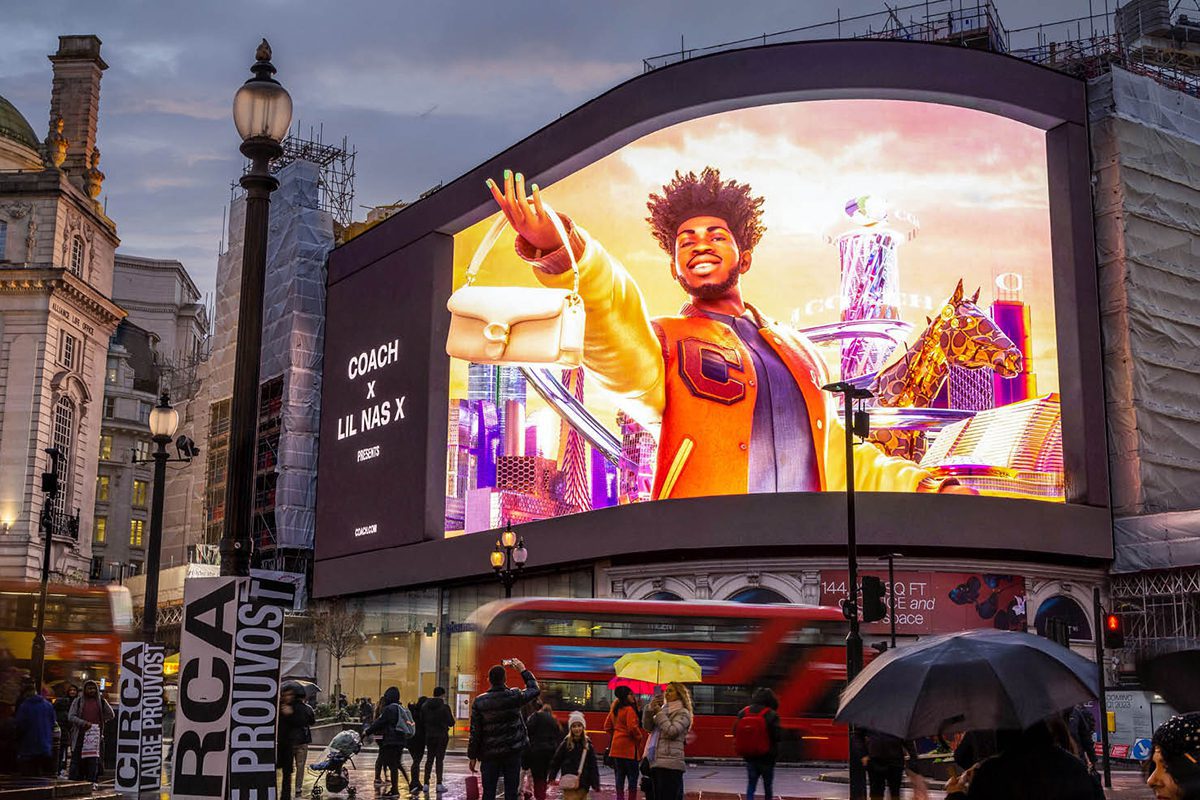
4. Piccadilly Lights digital billboard, London
Piccadilly Lights demonstrates the value of a distinctive physical canvas. Ocean Outdoor describes the installation as a single 783.5-square-metre screen supporting a six-brand layout. That published area describes the display, not the exposure automatically allocated to each advertiser. Consult Ocean Outdoor’s Piccadilly Lights listing for the current product and booking arrangements.
When comparing digital billboard advertising proposals, distinguish a position within a shared layout from a full-screen creative moment. They differ in visual scale, competitive context, and production needs. Request the exact schedule, the dimensions of the purchased canvas, and any restrictions affecting transitions or perspective-based content.
Premium creative should remain legible from several approaches. The façade’s curvature can support distinctive compositions, but important words and logos should not depend on one perfect camera angle. Ask the operator to review an early layout before completing animation. This reduces the risk of paying for a technically impressive asset that communicates poorly at street level.
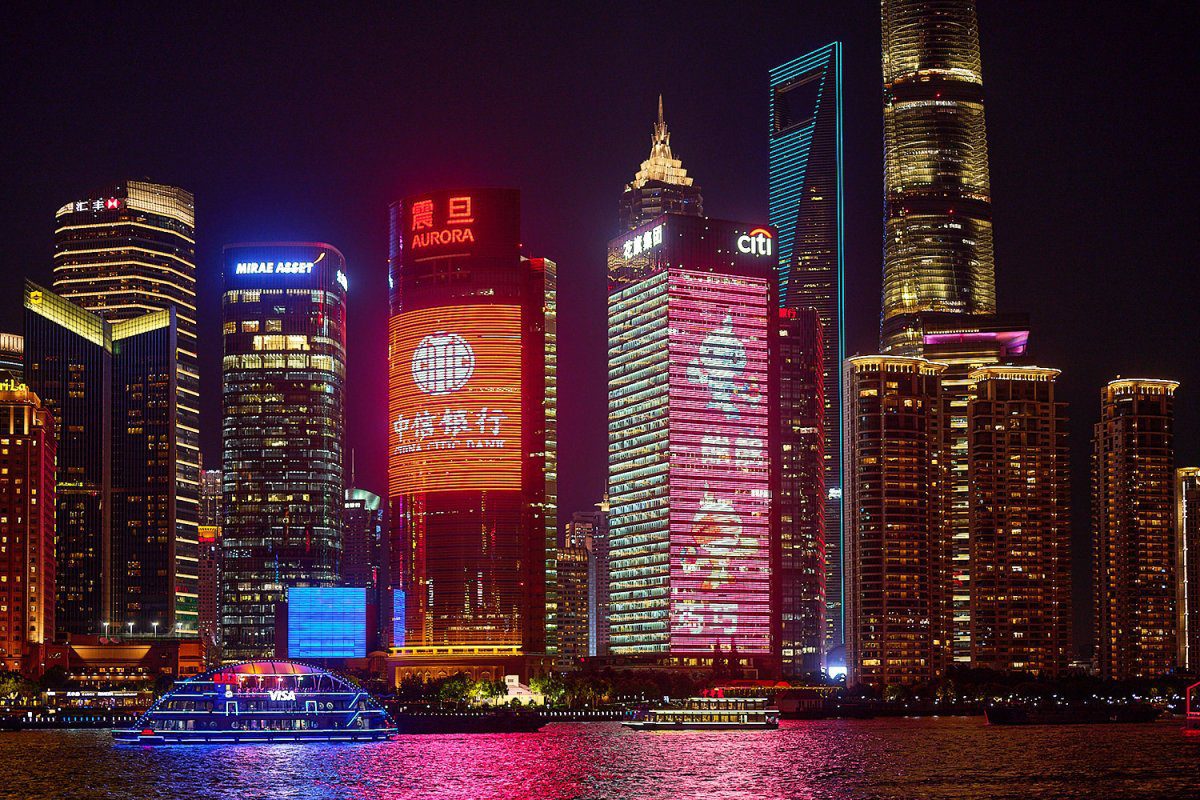
5. The Bund waterfront display environment, Shanghai
The Bund belongs in a discussion of prominent urban display locations, but it should not be represented as a single named billboard with a shared rate card. Waterfront views, building façades, and nearby commercial screens create different viewing conditions. This guide does not assign the district a verified screen area, annual advertising income, or audience total.
The commercial lesson for digital billboards is to buy a defined asset rather than a skyline association. Require the building address, screen owner or authorized seller, display orientation, operating hours, and actual commercial availability. If the intended experience is across the river, assess readability at that distance instead of relying on a close-up promotional rendering.
Evaluate the production from the audience’s real position. Fine lettering and intricate product details may disappear over a long sightline. Large shapes, restrained copy, and strong luminance contrast usually provide a more robust starting point. Confirm local approvals through the responsible operator before treating an attractive façade as advertising inventory.
6. Victoria Harbour and Tsim Sha Tsui façade displays, Hong Kong
Hong Kong’s waterfront demonstrates why public art and commercial advertising must be distinguished. Sino Group has documented digital art programming on its Tsim Sha Tsui and Empire Centre façades. Such activity establishes a display use, but does not prove that unrestricted advertising packages are available to every brand. See Sino Group’s façade-art announcement.
For digital billboards in a waterfront environment, compare near-side pedestrian views with distant harbour views. The same content may need different pacing and composition for those audiences. A photograph can establish appearance while still revealing little about day-to-day visibility, booked airtime, or the likelihood that someone reads the message.
Ask whether the opportunity is advertising, sponsorship, commissioned art, or a cultural partnership. Those arrangements have different approval processes and deliverables. For display owners, coastal exposure also makes enclosure design, corrosion protection, and service access important engineering questions; these should be assessed for the particular site rather than assumed from a generic outdoor rating.
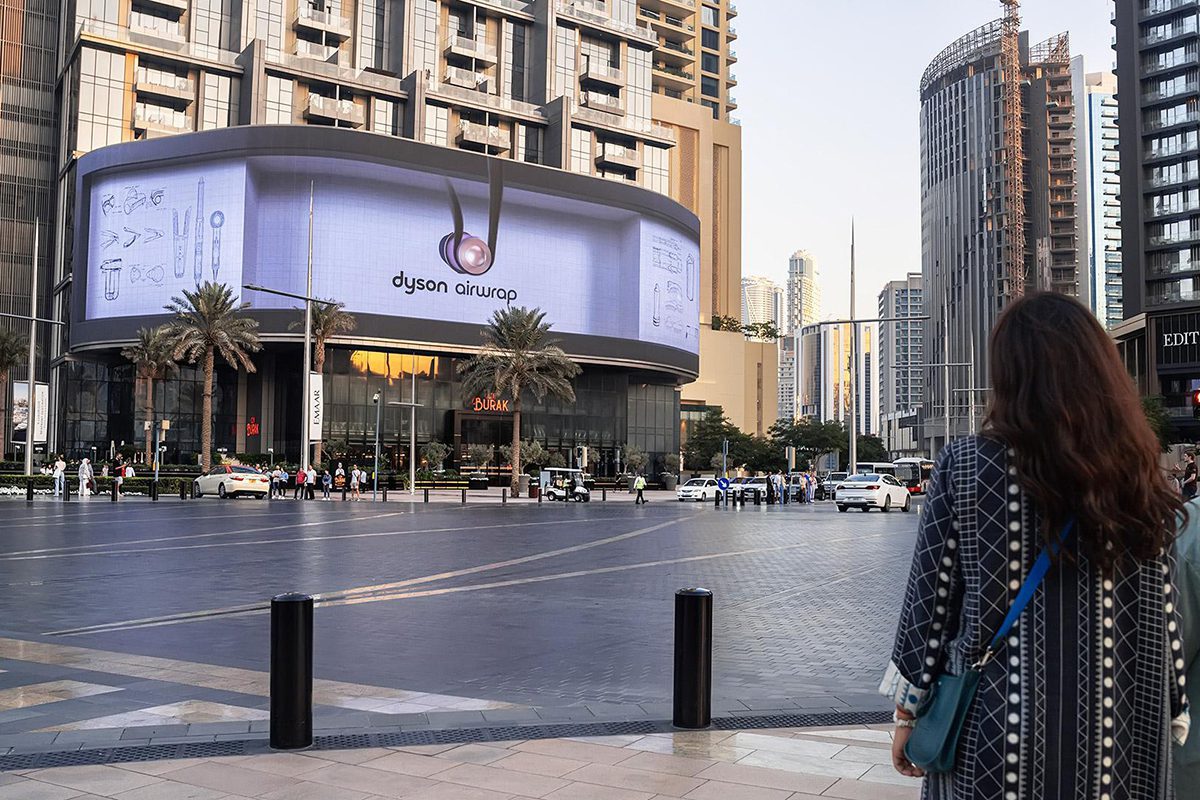
7. Dubai Mall digital advertising displays, Dubai
Dubai Mall is best evaluated as a retail media environment with different surfaces and shopper journeys. Emaar’s historical offering documents describe an established advertising network within the mall, but historical screen counts should not be presented as a current inventory guarantee. Buyers need an up-to-date media plan for specific locations. The 2014 Emaar Malls offering circular provides historical context only.
Digital billboards in a retail setting can connect awareness to a nearby shopping decision. The strongest proposal explains the route between screen exposure and the advertised store, attraction, or service. Ask whether placements cover entrances, circulation areas, or destination zones, and request evidence appropriate to each part of that journey.
A mall-wide visitor estimate is not the audience for every display. Separate venue traffic from screen-level exposure and campaign delivery. Use clear location cues when promoting an on-site destination, and coordinate dates with store readiness and product availability. Attractive creative cannot compensate for directing interested shoppers to an unavailable offer.
8. One Times Square digital billboards, New York
One Times Square is a separate asset from Nasdaq MarketSite. New Tradition identifies it as a marquee property associated with the New Year’s Eve Ball Drop. Its New York advertising portfolio provides the appropriate starting point for current commercial enquiries. Keep the asset name precise when comparing Times Square digital billboards.
The association with a televised celebration does not mean every ordinary advertising slot receives that event’s exposure. A buyer should separate regular street-facing inventory from event-specific rights, broadcast inclusion, and promotional packages. Each requires explicit contractual scope; none should be inferred from the building’s reputation.
For campaign planning, specify dates, screen surfaces, playback frequency, and documentation requirements. If the placement supports a wider launch, align the display schedule with press activity and distribution. Digital billboard advertising works best when the purchased attention connects to a clear next step, even if the immediate objective is recognition rather than a direct transaction.
9. COEX K-POP Square LED billboard, Seoul
Samsung’s 2018 installation account describes a 1,620-square-metre curved LED display at COEX in Seoul. This is a dated installation specification, not a claim that it remains the world’s largest screen. The manufacturer’s COEX case study explains the project and physical display.
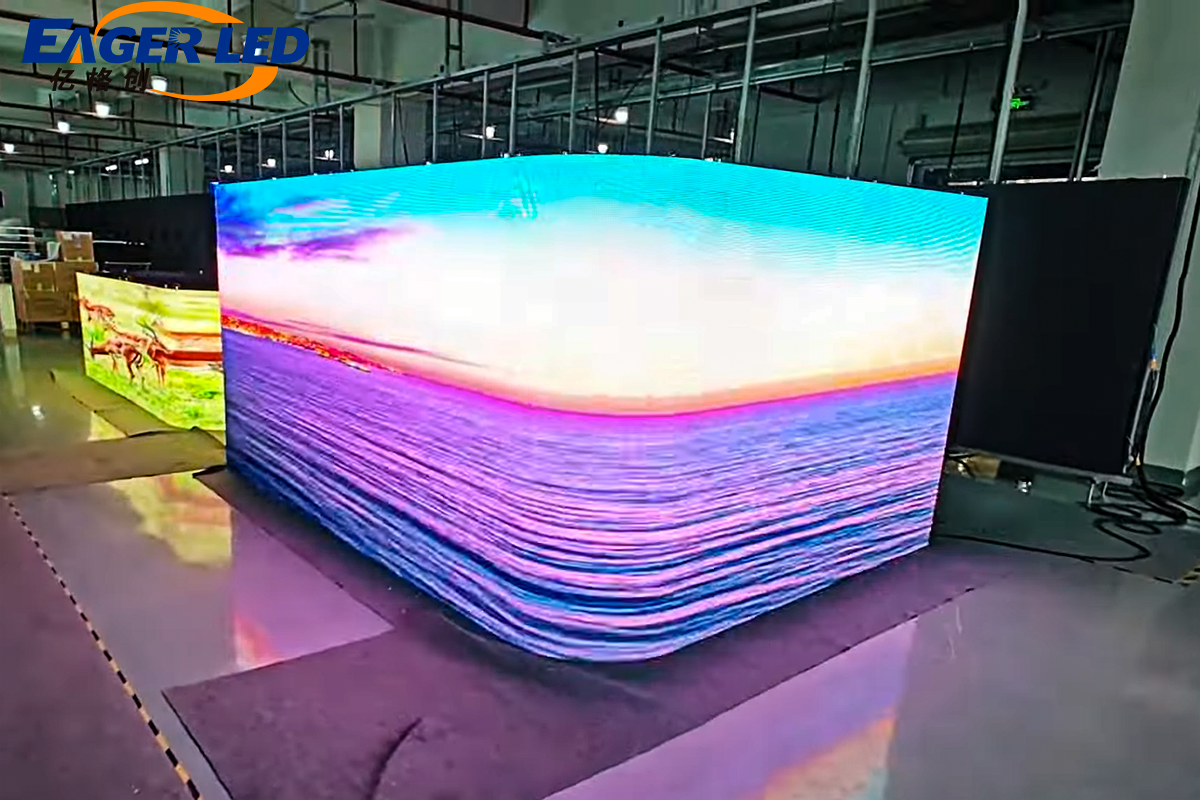
COEX is a useful digital billboard example for understanding perspective-led creative. A curved or corner canvas can create a compelling illusion when content is composed for a particular viewpoint. The illusion comes from the relationship between geometry, animation, and the viewer’s position; it is not simply a feature that any LED panel produces automatically.
Ask for the native pixel map, corner geometry, safe areas, and preferred observation point before production. Test ordinary pedestrian views as well as the intended filming position. Our 3D billboard selection guide discusses the planning questions behind these displays. Strong creative should still identify the advertiser when the viewer stands outside the ideal perspective.
10. Sphere Exosphere digital display, Las Vegas
Sphere explicitly offers Exosphere advertising and brand experiences through its official brand partnerships page. Its architectural shape makes it a distinctive example of digital out-of-home media. It also illustrates why a landmark installation needs a dedicated production approach rather than a resized rectangle from an existing campaign.
For digital billboards with unusual geometry, creative development and media booking should proceed together. Ask which parts of the surface are included, how assets are mapped, what approval stages apply, and which production services form part of the quotation. A spherical visual requires different composition decisions from a conventional roadside board.
Evaluate the intended outcomes separately: physical audience exposure, commissioned photography, earned coverage, and social distribution. Do not count potential social sharing as guaranteed paid-media delivery. A campaign can be memorable without proving incremental sales, so agree on the measurement method before choosing a visually ambitious format.
11. The Reef digital spectacular, Los Angeles
New Tradition includes The Reef in its Los Angeles portfolio and describes it as a large digital spectacular. The operator’s Los Angeles page is a starting point for current availability. Operator superlatives should be treated as attributed marketing claims unless the comparison method and date are independently established.
The practical lesson is that very large digital billboards still need disciplined message design. An expansive canvas does not increase the time a moving viewer has to interpret a crowded advertisement. Start with one focal point, a recognizable brand, and copy that survives both distance and a brief glance.
Request a map of the measured audience catchment, representative views, and an explanation of how impressions are calculated. Compare the proposal against other placements reaching the same target market. Size may support impact, but a smaller, better-positioned screen can be more useful for a tightly defined local objective.
12. Digital billboard advertising costs and measurement
01. Compare digital billboard advertising delivery and price
There is no defensible universal price for these digital billboards. Quotes vary by location, dates, schedule, share of voice, creative services, and exclusivity. A ten-second creative file does not define a campaign: the buyer also needs to know how often it plays, over which hours, and on which screens. Request comparable proposals before judging value.
| Item | Required detail | Why it matters |
|---|---|---|
| Inventory | Screen ID, address, face, dimensions | Prevents buying an unspecified district |
| Schedule | Dates, daily hours, spot length, plays or share | Defines the airtime being purchased |
| Audience | Source, period, geography, campaign allocation | Distinguishes footfall from ad exposure |
| Creative | Pixel map, format, approvals, production fees | Reveals preparation costs and constraints |
| Delivery | Playback logs, outage reporting, make-goods | Creates a remedy for missed service |
| Total price | Media, production, fees, taxes, documentation | Supports a like-for-like comparison |
02. Use transparent calculations and realistic evidence
CPM equals campaign cost divided by campaign impressions, multiplied by 1,000. For illustration only, a hypothetical $12,000 media buy with 1,500,000 estimated campaign impressions has an $8 media CPM. Adding $3,000 of production makes the illustrative total-cost CPM $10. These numbers are arithmetic examples, not quotations for any location in this guide.
Proof-of-play logs show that a file was scheduled and displayed; they do not prove that every passer-by noticed it. Request audience methodology separately. For awareness, consider a suitable brand study; for local response, compare relevant store or website outcomes against a credible baseline. Other marketing and seasonal changes can affect the result. Avoid attributing all improvement to digital billboard advertising without a sound comparison.
13. LED billboard specifications and ownership
01. Match digital billboard specifications to the viewing environment
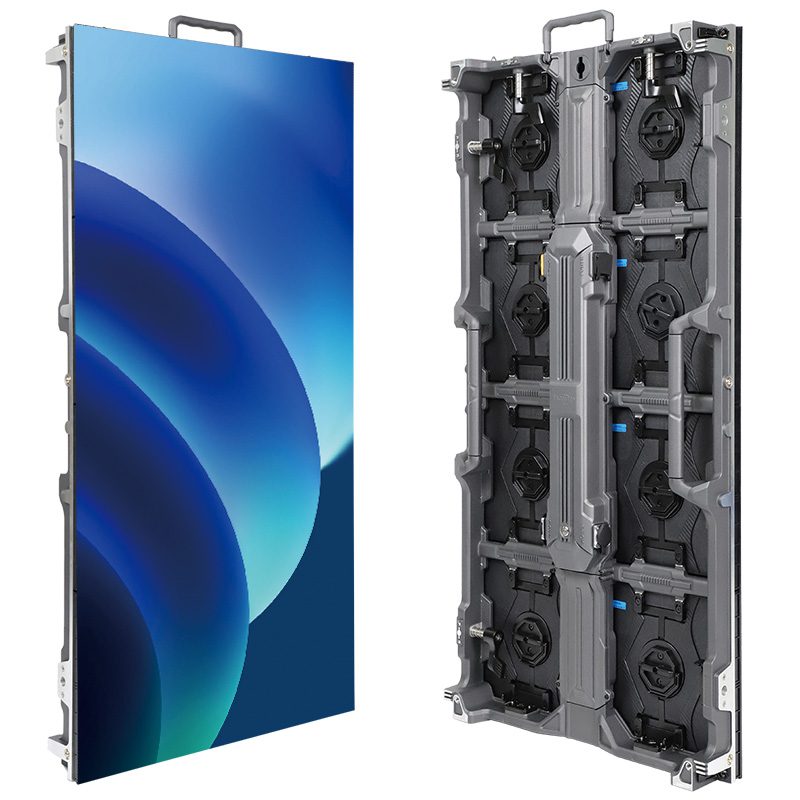
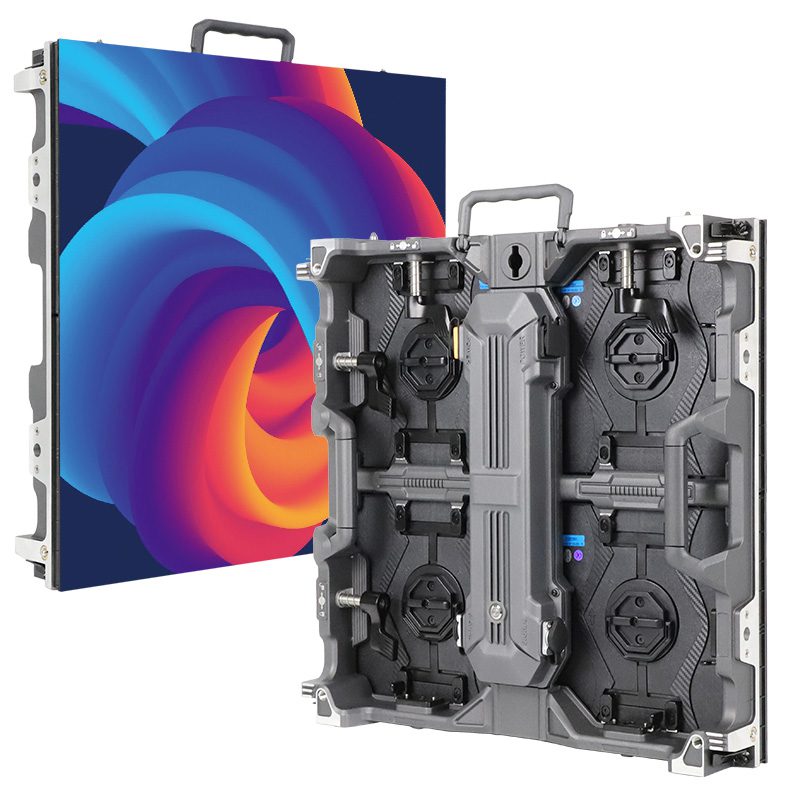
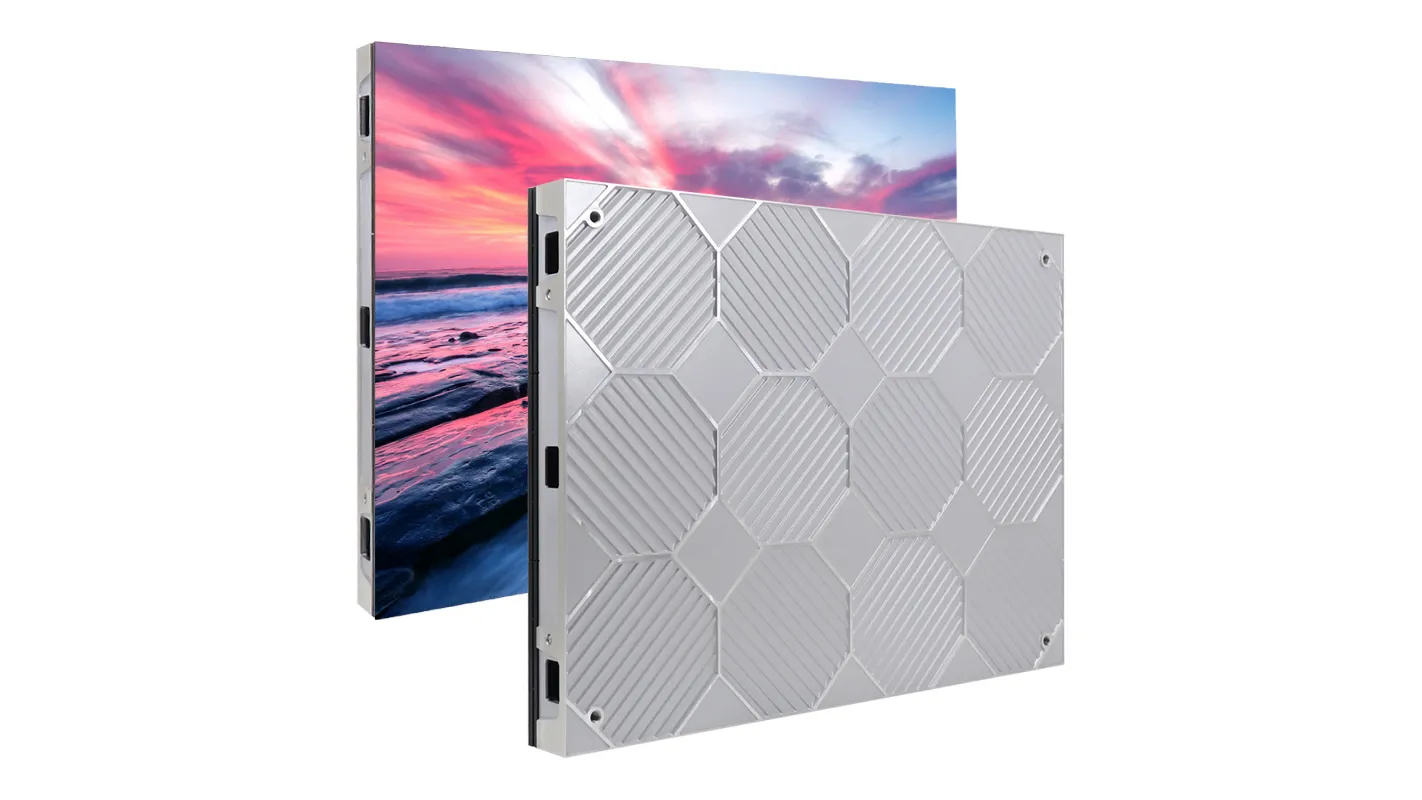
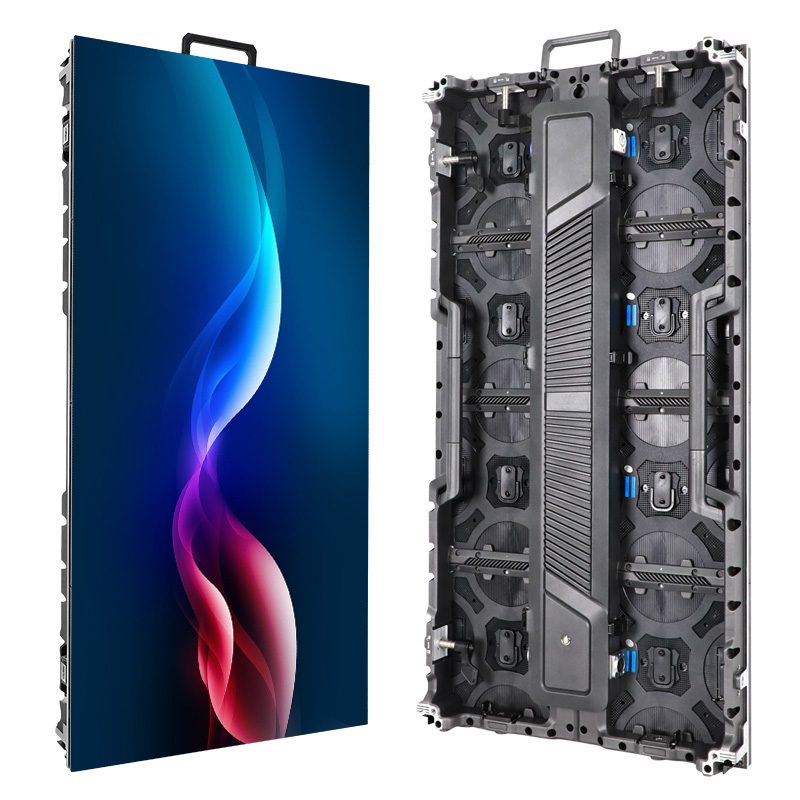
Buying airtime and buying an LED display are different decisions. Display owners must evaluate the screen, supporting structure, electrical supply, control system, connectivity, and maintenance plan together. Digital billboards earn their operating opportunity through dependable visibility; a specification sheet alone does not establish commercial performance.
| Factor | What to verify | Commercial consequence |
|---|---|---|
| Pixel pitch and resolution | Viewing distances, physical size, native pixel map | Determines usable detail and content costs |
| Brightness and dimming | Daylight readability, sensor control, night settings | Balances visibility, energy, and surroundings |
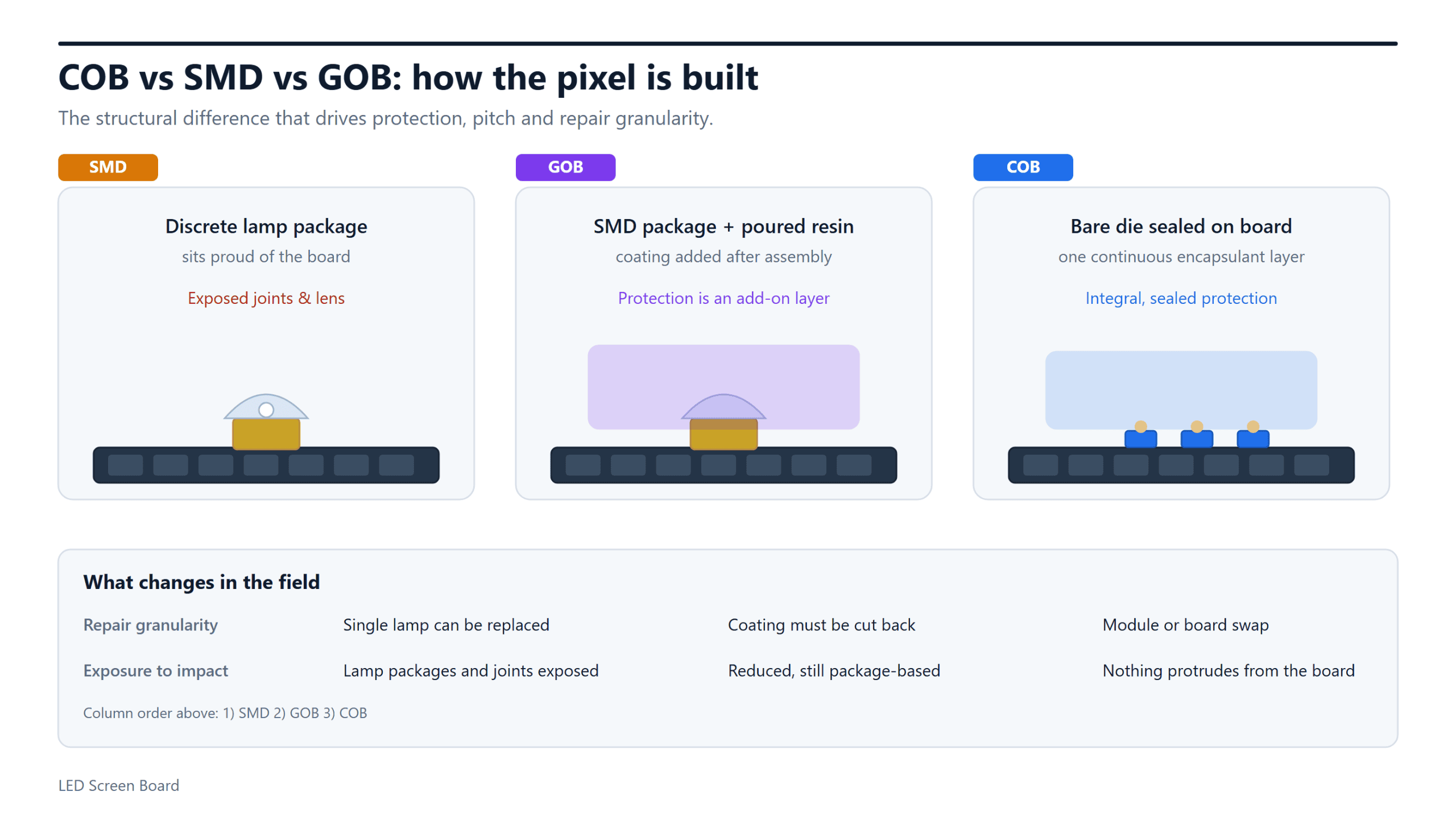
| Weather protection | Front and rear protection, drainage, corrosion risk | Reduces site-specific reliability problems |
| Structure and service access | Loads, attachment, maintenance route, approvals | Affects installation and repair feasibility |
| Power and heat | Peak load, typical consumption, ventilation | Shapes infrastructure and operating costs |
| Control and continuity | Remote monitoring, fallback content, connectivity | Limits blank screens and delivery disputes |
| Service agreement | Response time, parts, calibration, warranty exclusions | Defines long-term support and downtime exposure |
Pixel pitch is the distance between adjacent pixel centres. Smaller pitch provides more pixels within the same physical area, but it is not automatically the best investment for a long-distance audience. Use the intended content and actual sightlines to specify resolution. Our advertising LED pixel-planning guide develops this decision.
Brightness should be controllable rather than permanently maximized. Daktronics describes automatic light sensing in its display engineering discussion. Require a commissioning plan that tests daytime legibility and appropriate night operation at the installed location. Camera performance also deserves a test if filmed campaign documentation is a major deliverable.
02. Budget for the complete operating system
Total ownership cost includes hardware, design, structure, installation, permits, energy, connectivity, software, cleaning, spare parts, and service. Ask suppliers to separate peak electrical demand from expected operating consumption. Model revenue using realistic sold inventory and net rates, then test lower occupancy and higher maintenance costs. Neither a famous digital billboard example nor a component lifetime claim guarantees payback.
For a new project, prepare a brief with dimensions, viewing distance, environment, operating hours, service access, and content goals. Our advertising LED board overview can help frame the equipment discussion. If scale is your main research question, use the separate largest LED screen guide; physical size and commercial value require different comparisons.
14. Digital billboards: frequently asked questions
01. What are the best digital billboard examples?
Useful examples include Nasdaq MarketSite, Piccadilly Lights, One Times Square, COEX, Sphere Exosphere, and The Reef. Shibuya and Dubai Mall illustrate multi-screen environments. The best choice depends on the intended audience, creative format, measurable delivery, and budget rather than fame alone.
02. Which digital billboard is the most commercially valuable?
This guide cannot establish a financial winner. A defensible ranking would require comparable revenue, costs, contract rights, and valuation dates. Publicly visible size or online popularity does not supply those figures. Compare documented campaign value for your objective instead.
03. How much does digital billboard advertising cost?
Request a current screen-specific quotation covering dates, operating hours, playback frequency, audience estimates, production, and fees. Landmark placements and local rotations are different products. Compare both media CPM and total campaign cost using the same assumptions.
04. Are digital billboards and 3D billboards the same?
No. Digital billboards describe the electronic display medium. A glasses-free 3D-style campaign uses perspective and creative production to suggest depth, often from a preferred viewpoint. Many digital billboards show conventional flat artwork; an LED screen does not create the illusion by itself.
05. Can a small business use digital billboard advertising?
Yes, where operators offer suitable local inventory and manageable booking terms. Choose proximity to the intended customers and a clear offer before pursuing a famous landmark. Confirm minimum spend, creative requirements, scheduling flexibility, and a practical way to evaluate response.
06. Does screen size determine advertising performance?
No. Visibility, audience relevance, message clarity, scheduling, and the surrounding environment all matter. Large digital billboards may create impact, but size alone does not establish attention, conversions, or return on advertising spend.
15. Conclusion: choose digital billboards for commercial fit
The most useful digital billboards combine a suitable audience with a readable message and dependable delivery. Start with the business objective, identify the exact inventory, and compare documented terms. For owners, connect LED engineering decisions to serviceability and realistic operating costs. For advertisers, select a placement that can explain its value beyond a famous skyline photograph.
 LED Display Price Guide: Cost per m² & Buying Checklist