
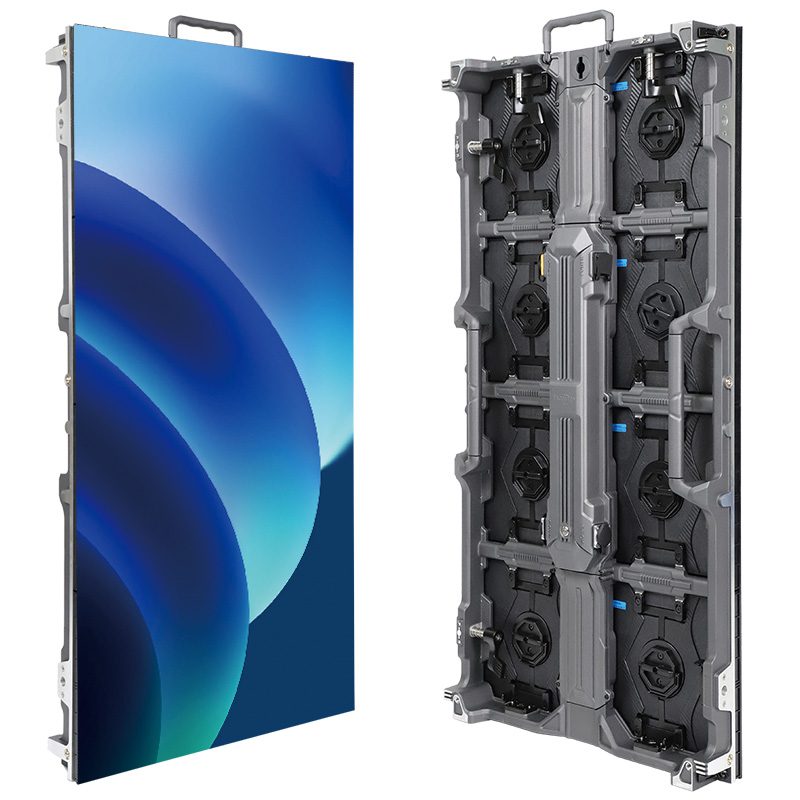
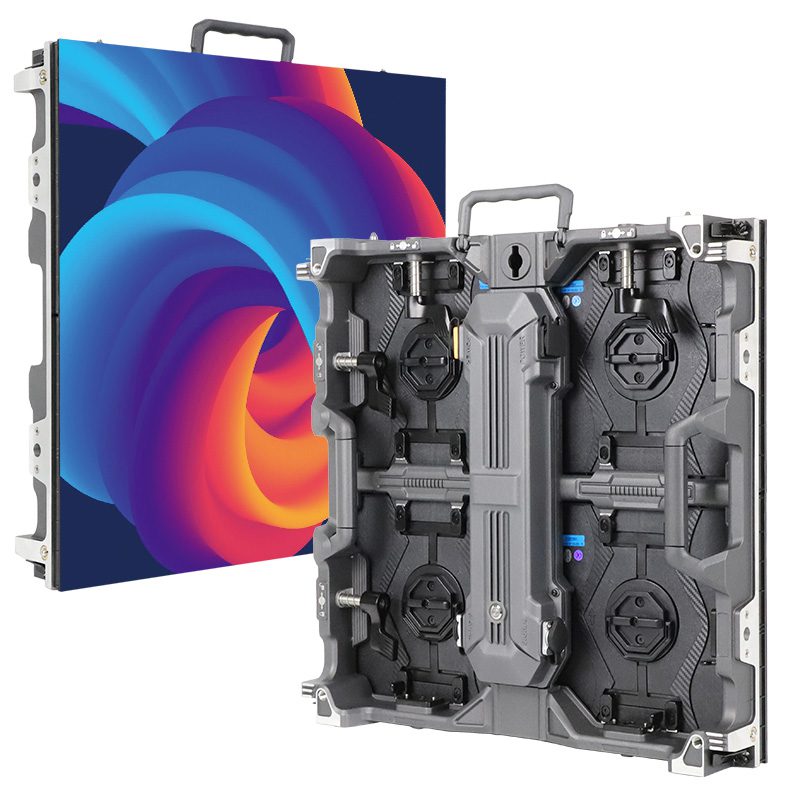
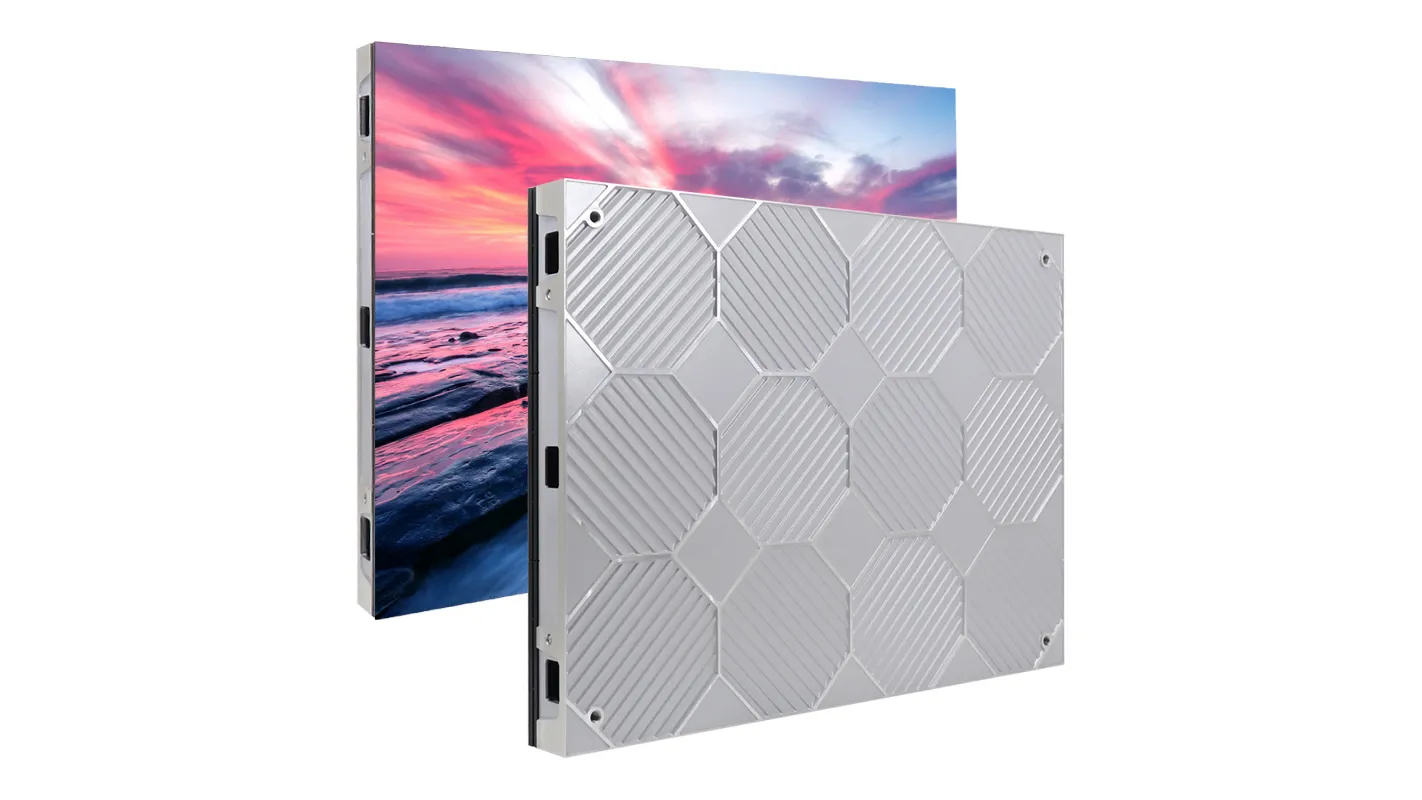
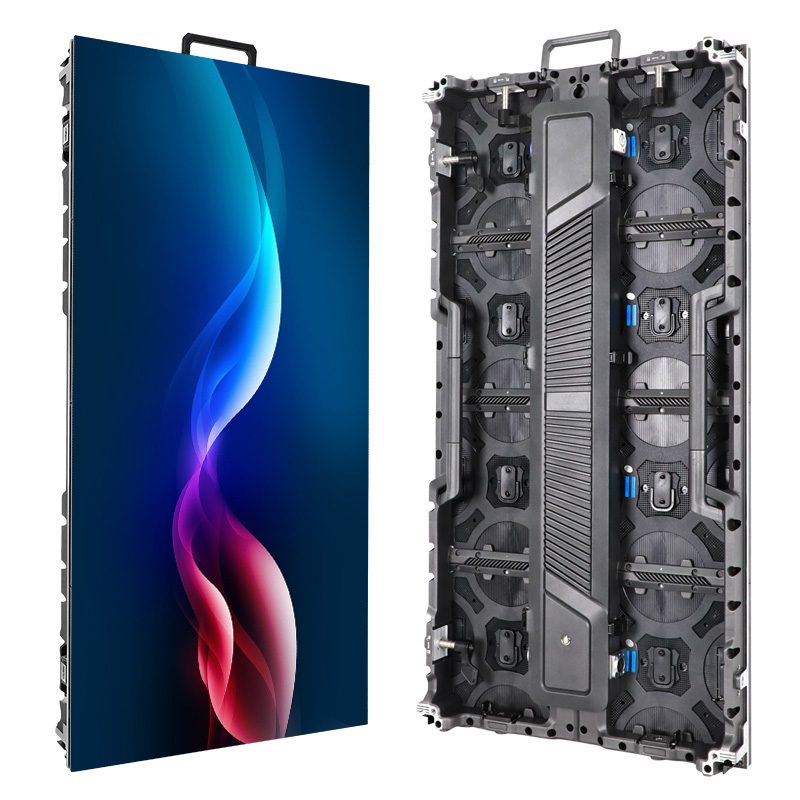
A 3D billboard equipment purchase combines the LED screen, site engineering, control system, installation, and perspective-mapped animation. Buying advertising time on an existing screen is a different transaction. This guide is for integrators and screen owners comparing equipment proposals; define the viewing zone, pixel canvas, delivered scope, and acceptance tests before comparing prices.
Start with the purchase type: If you need a campaign on an existing screen, ask its media owner about available dates, playback frequency, and content requirements. If you are buying the display, ask the manufacturer or integrator for the screen configuration and installation responsibilities. Commissioning animation is a third scope, with its own deliverables and revisions.
Key purchasing checks
- Price follows the site. Structure, access, electrical work, logistics and content can change the final 3D billboard cost.
- The viewing zone creates the illusion. Anamorphic content is rendered for a defined observation point.
- More pixels are not automatically better. Use the coarsest pitch that passes a real viewing test.
- Outdoor projects require engineering. Address wind, drainage, heat, power, permits and maintenance access early.
- Content is an operating cost. Budget for the first animation and later campaign versions.
On this page
1. How Does a 3D Billboard Work?
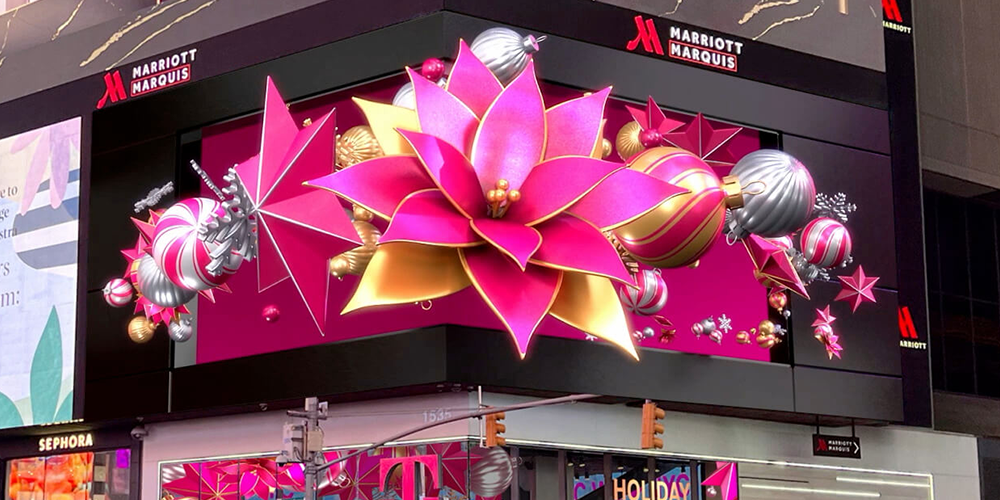
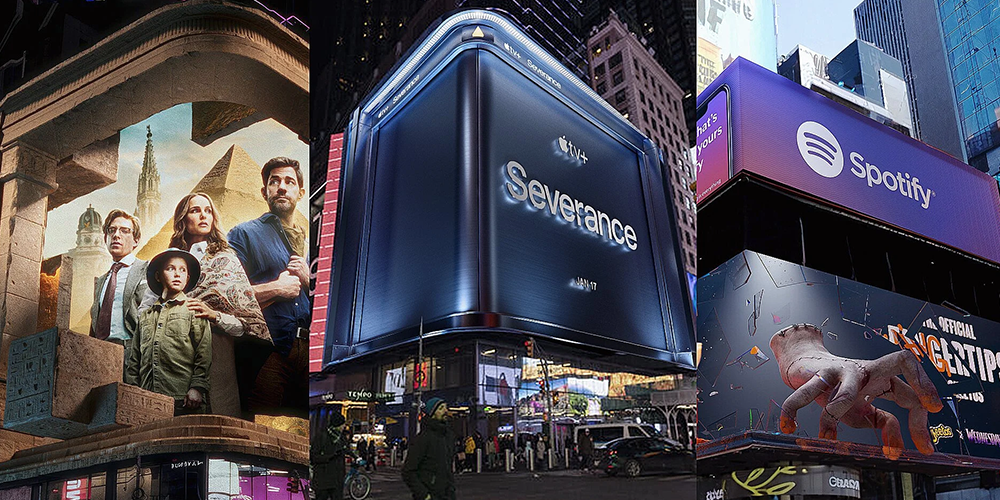
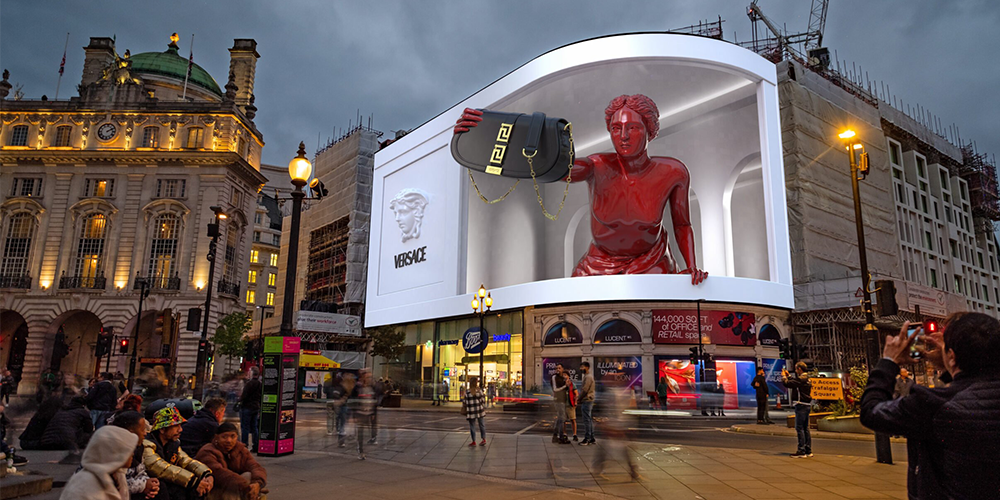
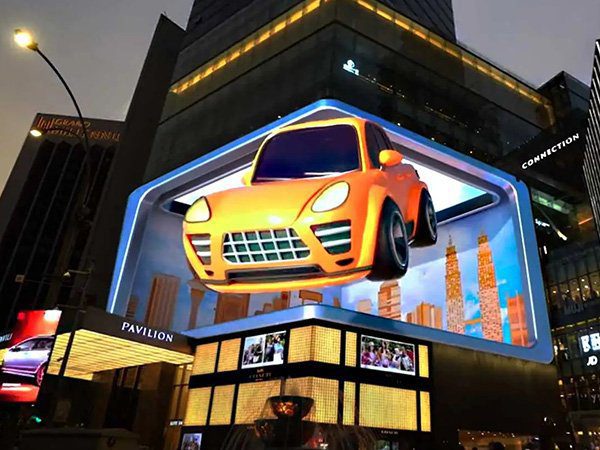
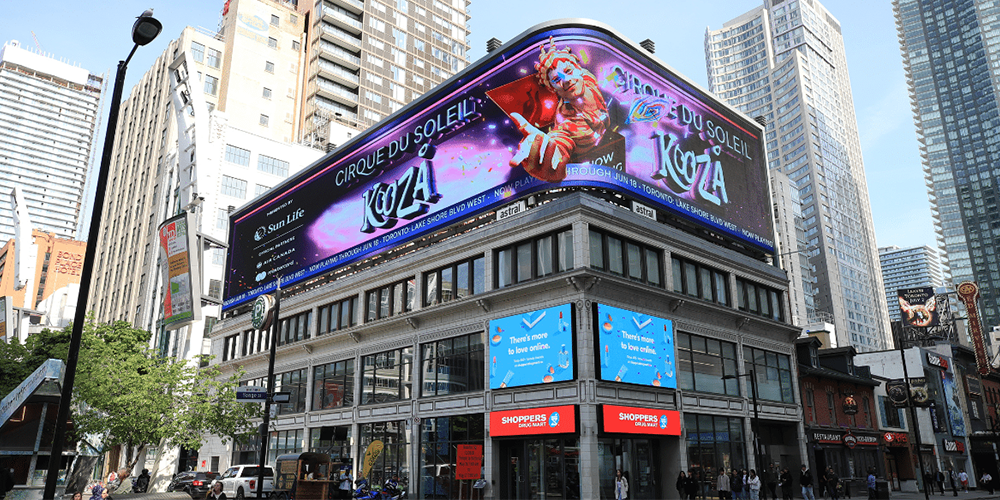
An anamorphic billboard is a direct-view LED display that presents an anamorphic animation from a planned observation point. No glasses are required. The content team builds a virtual scene, places a virtual camera at the intended viewing position, and distorts the final image so the physical corner or curve appears to have depth. An L-shaped 90-degree corner is common, but curved and multi-face structures can also support the effect.
The hardware does not create depth by itself. Accurate cabinet alignment, wide viewing angles, synchronized playback and correctly rendered content must work together. Even a premium 3D LED billboard looks distorted when the virtual camera does not match pedestrian or traffic flow.
The image should be tested from the agreed viewing zone and from the normal approaches outside it. Confirm that branding and the main message remain understandable where the strongest depth effect is absent. A compelling render is not evidence of a particular installation’s audience response or commercial return.
01. Define the primary viewing zone first
Stand where the largest audience segment will approach or wait. Record angle, eye level, minimum and typical distance, dwell time and obstructions. A vehicle-facing site may offer only seconds, while a plaza supports a longer reveal. Let that evidence guide screen shape and animation duration.
2. How Much Does a 3D Billboard Cost?
There is no reliable universal 3D billboard price per square meter because two displays with the same area can require very different structures, protection levels, electrical capacity and installation methods. A useful quotation separates one-time capital costs from recurring operating costs. Compare suppliers only after each has priced the same bill of materials, acceptance tests and service scope.
| Cost item | What changes the price | What to request | Cost-control decision |
|---|---|---|---|
| LED display hardware | Area, pixel pitch, brightness, LED package, cabinet material and redundancy | Module and cabinet model, scan ratio, maximum and average power, spare percentage | Use the coarsest pitch that meets the verified viewing distance |
| Steel structure and facade work | Wind load, wall condition, corner radius, access platforms and corrosion protection | Concept drawing, load inputs, connection points and finish specification | Survey the building before freezing the screen size |
| Control and playback | Total pixels, input formats, backup paths, remote monitoring and synchronization | Signal-flow diagram, pixel capacity and failover method | Buy capacity for the real canvas, plus reasonable expansion headroom |
| Installation and logistics | Crane time, road closure, customs, rigging, local labor and commissioning | Incoterm, excluded work, crew plan and site acceptance scope | Ask for a delivered-and-commissioned comparison, not an ex-factory comparison |
| 3D content | Length, complexity, resolution, revisions, rendering and localization | Storyboard, deliverables, viewing-zone test and revision allowance | Design a repeatable template for future campaigns |
| Operations | Electricity tariff, daily hours, brightness schedule, cleaning and repairs | Average-power estimate, service interval and spare-parts plan | Use automatic brightness control and planned maintenance windows |
01. Use a total-cost formula
Calculate the display investment as: display hardware + control system + structure + shipping + installation + content + permits + contingency + operating cost. For a three-year comparison, add estimated electricity, scheduled service, replacement modules and content refreshes for 36 months. This exposes a low initial display price that depends on high power consumption, minimal spares or costly site access.
A lower price may exclude engineering, commissioning, transport, or spares. Ask every bidder to mark each item as included, excluded, or supplied by another party. Keep estimates distinct from firm prices and identify the date, currency, destination, and delivery assumptions beside the total.
02. Separate the three purchase scopes
An equipment quotation should identify the physical display and control package, while a media booking should identify the screen location and the campaign schedule. Animation production should identify the creative files and acceptance process. Keep separate totals even when one contractor coordinates all three.
For equipment, request cabinet quantity, native resolution, corner geometry, controller and receiving-card configuration, power assumptions, environmental limits, spares, packing, and commissioning scope. For media space, request the booked dates, spot length, loop frequency, permitted content, and proof-of-play arrangements from the media owner.
For animation, provide the confirmed pixel map and viewing point before approving the final render. Confirm whether future campaign adaptations are included. A file made for another screen may need new geometry and composition even when its nominal resolution looks similar.
3. How to Select 3D Billboard LED Specifications
Start with geometry, not a brochure. Screen width and height determine total pixel canvas; the closest regular viewer determines pixel pitch; ambient light determines brightness; camera use influences refresh rate; weather and access determine enclosure and cabinet design. Each 3D billboard specification should trace back to one site requirement.
01. Pixel pitch and viewing distance
Pixel pitch is the center-to-center distance between adjacent LED pixels. A smaller number increases pixel density and usually increases hardware and processing cost. The ranges below are illustrative candidate groups, not a rule linking pitch to a guaranteed viewing distance. Always review real content on the proposed LED package from the actual viewing distance.
| Pixel pitch | Practical viewing situation | Typical application | Buying note |
|---|---|---|---|
| P2.5-P4 | Close pedestrian viewing | Indoor atrium, flagship retail or premium facade | Use only when the audience can see the added detail |
| P4-P6 | Close-to-medium urban viewing | Commercial street or plaza corner | Often balances detail and outdoor scale |
| P6-P8 | Medium-distance viewing | Large outdoor 3D LED billboard | Can reduce cost without visible loss at longer distances |
| P8-P10 | Long-distance viewing | Roadside or very large facade | Prioritize legibility, brightness and structural economy |
Use the LED screen resolution guide to calculate pixel width and height, then confirm controller capacity at the proposed operating settings. Check the actual signal format, outputs, receiving cards, and backup design. A 4K input label alone does not establish the supported output canvas.
02. Brightness, refresh rate and image quality
| Parameter | Indoor planning baseline | Outdoor planning baseline | Acceptance test |
|---|---|---|---|
| Brightness | Set a usable range for the actual interior lighting | Verify sunlight readability and permitted night settings | Measure uniformity and automatic day/night dimming |
| Refresh rate | Specify the target camera and operating conditions | Test the complete display and camera configuration | Record the 3D billboard with the target phones and cameras |
| Gray scale and color | Smooth dark gradients and consistent skin tones | Stable color across temperature and brightness changes | Run low-gray, solid-color and gradient test files |
| Ingress protection | Match cleaning and indoor dust conditions | Specify front and rear protection for the exposure and service design | Verify the certificate applies to the offered module or cabinet |
| Maintenance | Front or rear access based on wall depth | Safe access, drainage, ventilation and replaceable modules | Time a module, power-supply and receiving-card replacement |
Check exactly which faces and components an ingress rating covers. Ask for model-specific documentation and the installation conditions attached to it. The display surface, rear enclosure, connectors, and completed installation can have different exposure requirements; a single label does not resolve the site design.
4. Indoor vs Outdoor 3D Billboard and Location Choice
An indoor display usually has lower weather exposure, easier access and lower brightness requirements. An outdoor display reaches a broader public audience but needs stronger environmental protection, thermal management, structure and permitting. The best location is not simply the busiest address; it is the site where visibility, dwell time, viewing angle and commercial value overlap.
| Decision factor | Indoor installation | Outdoor installation |
|---|---|---|
| Audience behavior | Slower walking, queues and repeat mall traffic | Mixed pedestrian and vehicle speeds |
| Brightness control | Lower output with careful integration into interior lighting | High daytime output plus automatic night dimming |
| Structure | Building-load and fire-route coordination | Wind, rain, corrosion, facade connections and public safety |
| Content | Longer loops and close-detail storytelling | Fast visual reveal, bold subject and legible branding |
| Maintenance | Often easier but constrained by tenant hours | Weather windows, lifting equipment and traffic management may be required |
| Best fit | Retail atriums, exhibitions and branded experience spaces | Commercial streets, landmarks, transport approaches and entertainment districts |
01. Score candidate locations
Visit each candidate during operating hours. Count clear approaches, time unobstructed visibility and identify where people stop. A smaller screen with a strong approach can outperform a larger screen hidden by street furniture or competing signs.
| Criterion | Weight | Question to verify | Evidence |
|---|---|---|---|
| Primary viewing-zone coverage | 30% | What share of the intended audience passes through the usable 3D angle? | Site photos, plan and counted approaches |
| Unobstructed dwell time | 20% | How many seconds is the full display visible? | Timed walk or drive-through video |
| Audience relevance | 20% | Does the site reach the buyers the campaign needs? | Venue, tenant and campaign data |
| Installability | 15% | Can structure, power, data and maintenance access be delivered safely? | Engineering survey |
| Content shareability | 15% | Is there a safe, obvious place to view and record the illusion? | Observation and camera test |
The weights above are an example planning method, not an industry standard or a forecast of campaign performance. Adjust them to the project before scoring sites, then complete engineering and local approvals. Compare conventional facade options on the advertising LED board page or review the indoor LED screen range for enclosed venues.
5. Plan 3D Billboard Content, Measurement and ROI
A 3D billboard should communicate one idea before demonstrating complexity. Use a recognizable subject, then create depth with occlusion, shadow, scale and corner-crossing motion. Keep the logo readable outside the perfect viewing point and test a virtual mock-up before launch.
Keep campaign measurement separate from equipment acceptance. A supplier can demonstrate pixel mapping, image quality, playback, and recovery, but those tests do not establish future sales or audience behavior. Set the business objective with the campaign owner and define how it will be measured before production.
A useful content contract identifies the final pixel map, reference viewing point, duration, frame rate, delivery format, revision allowance, and rights to reuse or adapt the files. Specify who approves the site mock-up and who performs the final on-screen test. Avoid leaving those responsibilities until the display is installed.
01. Measure the campaign in layers
Track operating hours, playback logs, brightness and downtime; add qualified impressions, dwell time or traffic counts; then measure branded search, QR scans, store visits and social engagement against a pre-campaign baseline. Social views alone do not prove local impact. Define the primary outcome before production.
6. Installation, Safety and Maintenance Planning
A large outdoor display combines an electric sign, a structure and a media system. Engage qualified local professionals and verify permits, facade loads, wind inputs, grounding, drainage, temperature range and emergency shutdown requirements before manufacturing.
Agree with the responsible local professionals which approvals, electrical documentation, structural calculations, and installation inspections apply to the actual destination. The equipment supplier’s product documents are only part of that process. Assign each responsibility in the contract and confirm the acceptance sequence before fabrication; do not assume requirements transfer unchanged between countries or sites.
01. Design maintenance before installation
Choose front or rear service access based on the building. Define how technicians reach each cabinet and replace modules, power supplies and receiving cards. Stock same-batch LED modules and critical electronics. Require labeled drawings, a commissioning record and warranty terms covering parts, labor, shipping, exclusions and response times.
02. Use a staged acceptance record
Before shipment, record cabinet identification, alignment, color consistency, playback settings, and any agreed backup test. Keep the source files and controller configuration with the result. At the site, repeat the relevant image tests after installation and confirm the delivered geometry against the approved canvas.
Assign responsibility for structural and electrical acceptance to the qualified project team. The content team should then approve the animation from the reference position and normal approaches. Record defects, the responsible party, the correction date, and any condition that prevents final acceptance.
7. How to Choose a 3D Billboard Supplier
Shortlist suppliers that can show projects similar in scale, environment and geometry. A standard rental-screen portfolio does not prove competence in permanent outdoor corners. Ask for daylight videos, close-up seam footage, service access, system diagrams and the original 3D canvas dimensions. References should confirm commissioning quality and after-sales response, not only visual impact.
| Evaluation area | Weight | Proof to request | Red flag |
|---|---|---|---|
| Relevant project experience | 20% | Comparable outdoor or indoor corner installations | Only rendered images or unrelated rental screens |
| Technical proposal | 25% | Pixel map, cabinet plan, controller topology, power and thermal assumptions | Specification copied from a generic data sheet |
| Structural and compliance support | 15% | Site inputs, engineering responsibilities and certificate list | No named responsibility for local approval |
| Content workflow | 15% | Viewing-zone model, test process and sample deliverables | Claim that any normal video will look three-dimensional |
| Service and spares | 15% | Response target, remote support, training and parts schedule | Warranty length without service procedure |
| Total cost clarity | 10% | Included and excluded items, Incoterm and three-year operating inputs | Headline price with major site work omitted |
The matrix weights are illustrative. Agree on project-specific priorities before scoring each submission, and keep unresolved requirements visible during negotiation. For a custom proposal, send EagerLED site dimensions, photos, viewing distance, operating hours, country, installation date and content needs through the 3D billboard project consultation form.
01. A seven-step procurement process
- Document the site: dimensions, photos, power, climate and access.
- Map the audience: positions, distances, angles, direction and dwell time.
- Approve the concept: geometry, cabinet grid, pixel canvas and service route.
- Issue one specification to every 3D billboard supplier.
- Test representative content from the planned viewing zone.
- Complete factory tests for alignment, color, playback, redundancy and spares.
- Complete site tests for structure, power, calibration, documentation and training.
8. Common 3D Billboard Buying Mistakes
- Buying by square-meter price while ignoring control, structure, installation, content and operations.
- Specifying the smallest pixel pitch when added resolution is invisible at the audience distance.
- Designing before mapping the viewing zone, leaving the best angle away from traffic.
- Running maximum brightness at night instead of using scheduled or sensor-based dimming.
- Ordering hardware before content tests, then discovering a canvas or geometry mismatch.
- Accepting a vague warranty with no coverage, freight, response or spares procedure.
- Using unverified ROI claims instead of measuring the installed 3D billboard against a baseline.
3D Billboard FAQ
What is the typical 3D billboard price?
The price is site-specific. Screen area, pixel pitch, brightness, cabinet design, controller capacity, structure, installation access, shipping, permits and content scope all change the result. Request separate prices for hardware, structure, installation, content, spares and recurring operations so competing bids can be compared fairly.
Which pixel pitch is best for an outdoor 3D billboard?
Select candidate pitches from the actual viewing distance, content detail, screen dimensions, and budget. Test representative content from the closest regular audience position. There is no universal pitch that fits every outdoor installation.
Does a 3D billboard require a corner screen?
No. A 90-degree corner makes anamorphic depth easier to stage, but curved and flat displays can create convincing effects from a controlled viewing point. The physical geometry and the virtual camera must match.
How bright should an outdoor 3D LED billboard be?
Determine brightness from the actual exposure, readability requirement, permitted operating conditions, and night setting. Ask for a demonstration and an adjustment plan. A maximum luminance figure alone does not establish suitability for a particular facade.
Is a 3,840 Hz refresh rate enough?
The number alone cannot guarantee camera performance. Check the driver, scan configuration, controller settings, input frame rate, shutter conditions, and brightness together. Test the actual phones and cameras planned for the campaign.
How long does a 3D billboard last?
Service life cannot be reduced to one operating-hour claim. LED current, heat, humidity, brightness schedule, component quality, maintenance and repairability all affect usable life. Compare brightness and color maintenance, warranty coverage, spare availability and service procedures instead of relying on a single maximum-hour figure.
Where can I buy 3D billboard advertising equipment?
Buy from a manufacturer or integrator that can provide the LED system, geometry coordination, control design, factory testing, documentation and after-sales support required for your site. EagerLED offers custom indoor and outdoor display solutions; submit project dimensions and viewing information through the contact page for a site-specific recommendation and quotation.
Prepare a Comparable Equipment Request
The most cost-effective 3D billboard matches a real audience, a buildable structure and a repeatable content plan. Begin with the viewing zone and commercial objective. Select pixel pitch, brightness and control capacity only after those inputs are known. Then compare suppliers on delivered scope, evidence, serviceability and three-to-five-year cost.
A disciplined brief turns display price from a vague headline into a transparent project decision. Request a 3D display equipment quotation. Include the site photos, dimensions, closest viewing distance, operating schedule, and target installation date so the proposal can address the actual location.
 Top 15 LED Screen Suppliers in Chile (2026 Guide)
 LED Poster Displays: The Ultimate Guide for 2026