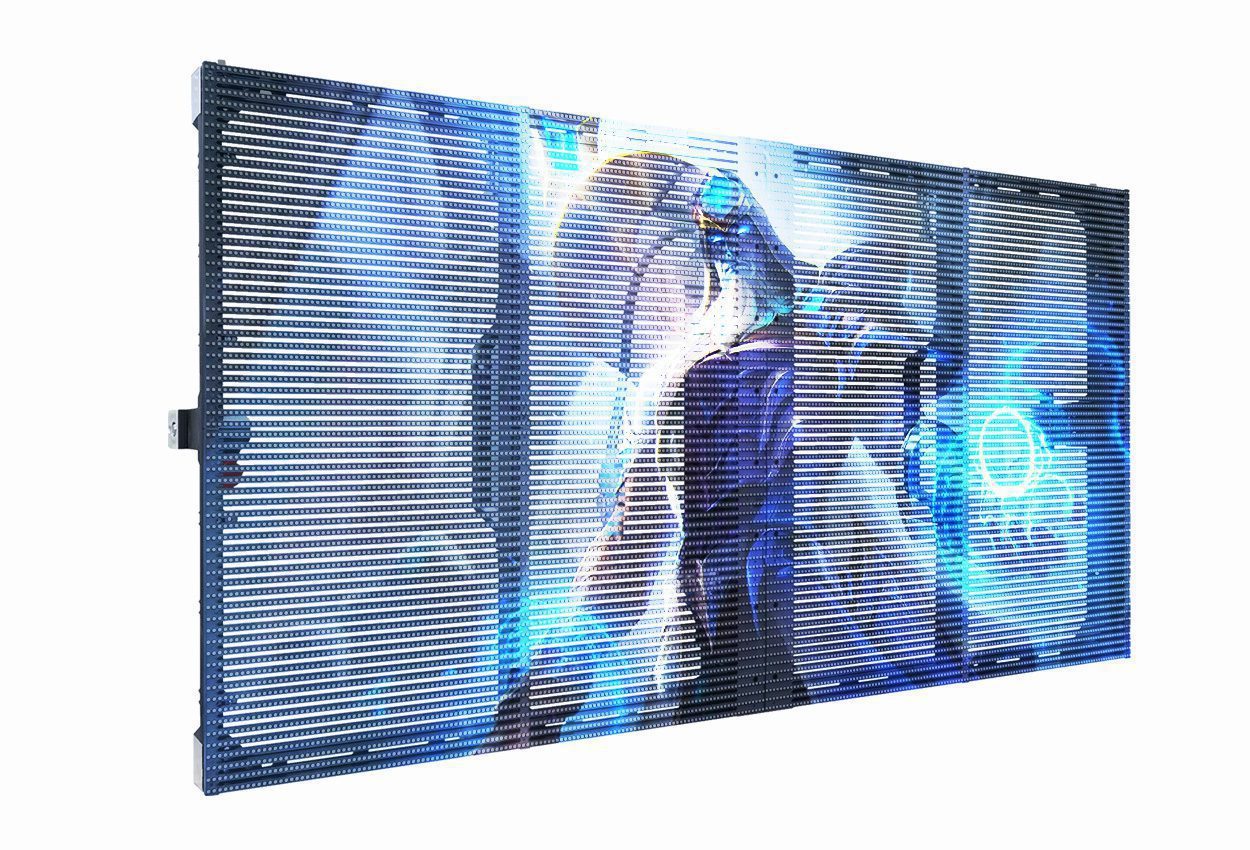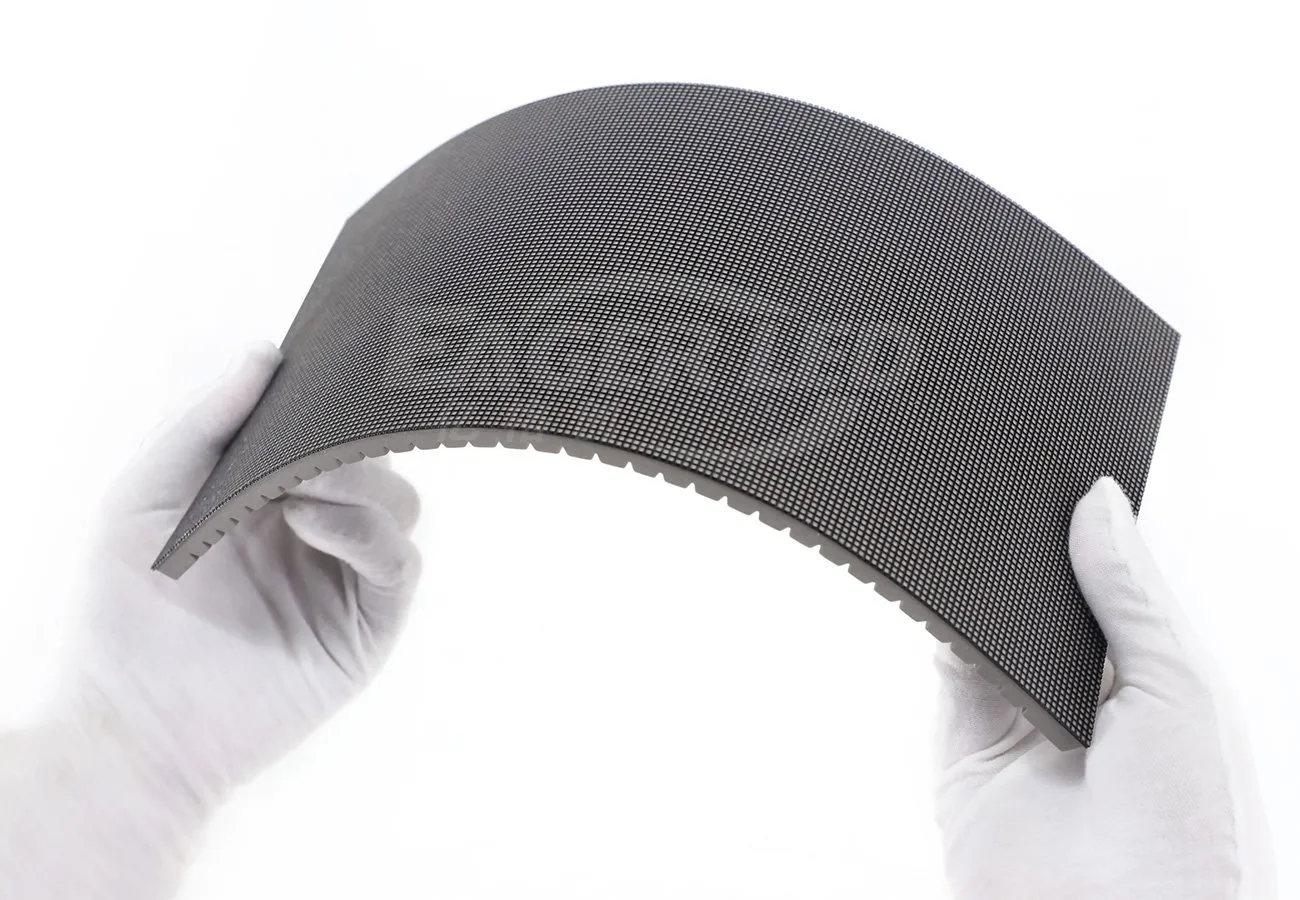

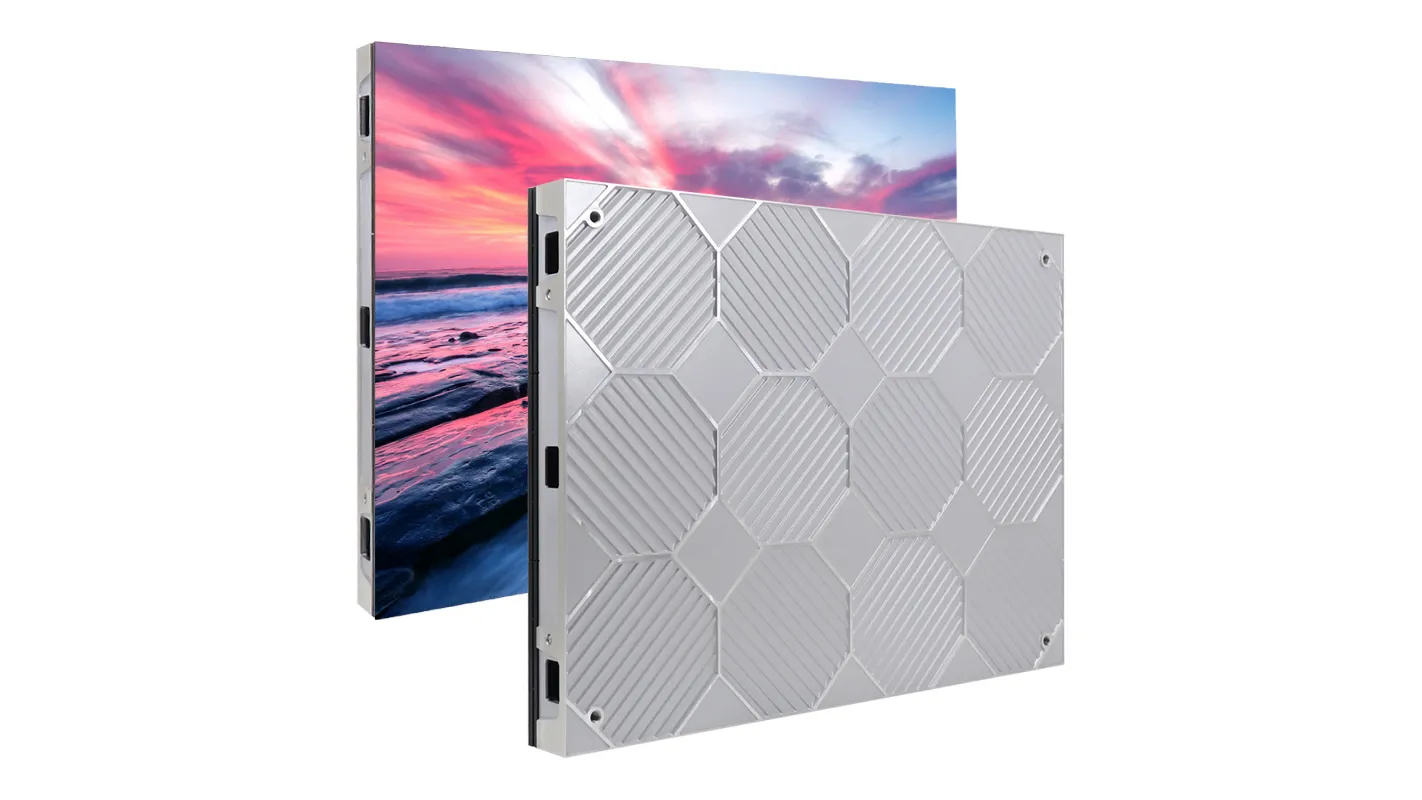
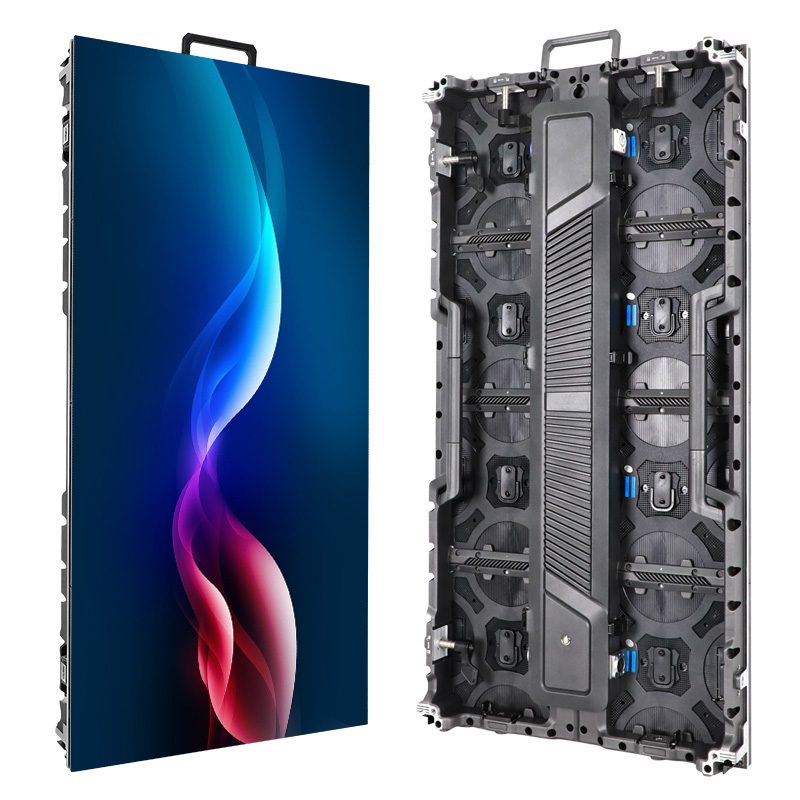
LED panels vs all-in-one LED displays: modular panels are better for custom-size, expandable, outdoor, rental, or very large video walls, while an all-in-one LED display is usually better for meeting rooms and standard commercial spaces that need fast installation and simple daily operation. The important distinction is not picture quality alone. It is whether the project needs a modular system engineered around the space or a preconfigured display that behaves more like a very large business screen.
- Best for flexibility: modular LED panels.
- Best for fast deployment: all-in-one LED displays.
- Best for outdoor and rental use: modular LED panels.
- Best for boardrooms under about 165 inches: all-in-one LED displays.
- Best long-term value: the option that matches the required size, service access, viewing distance, and installation environment.
Table of Contents
1. What Are LED Panels and All-in-One LED Displays?
01. What Is a Modular LED Panel?
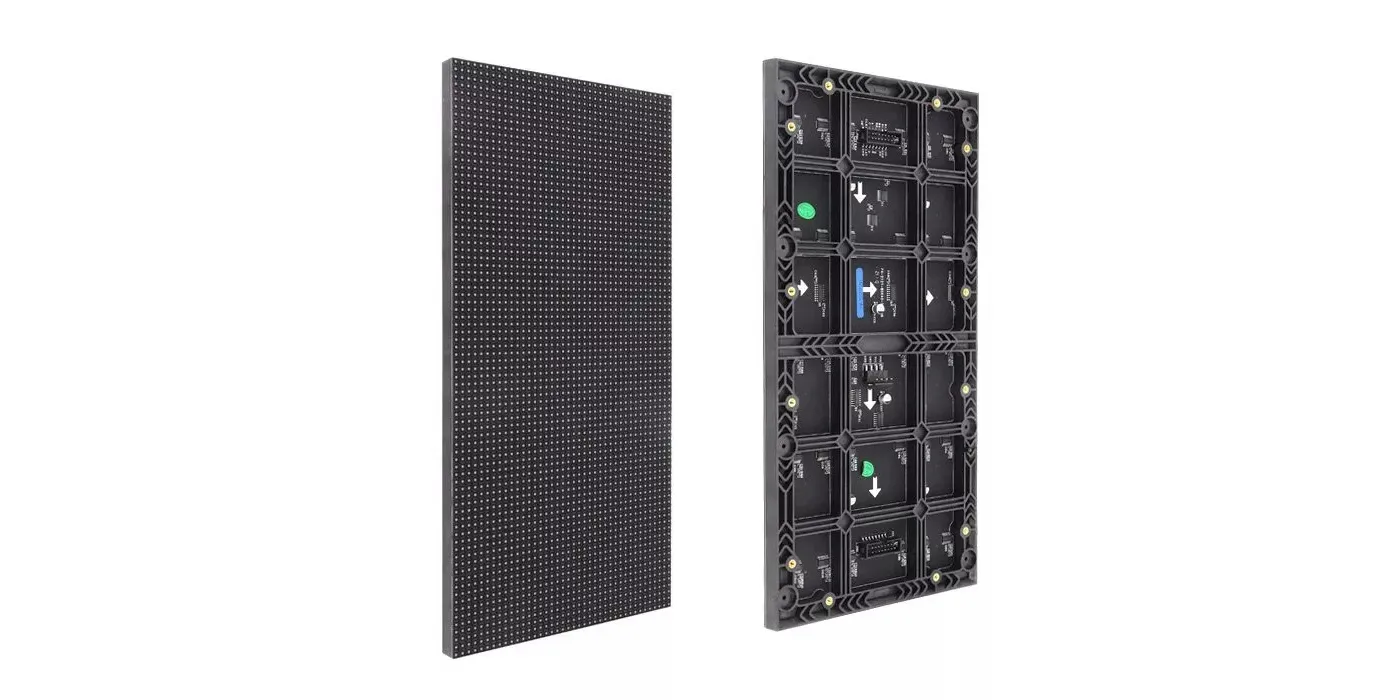
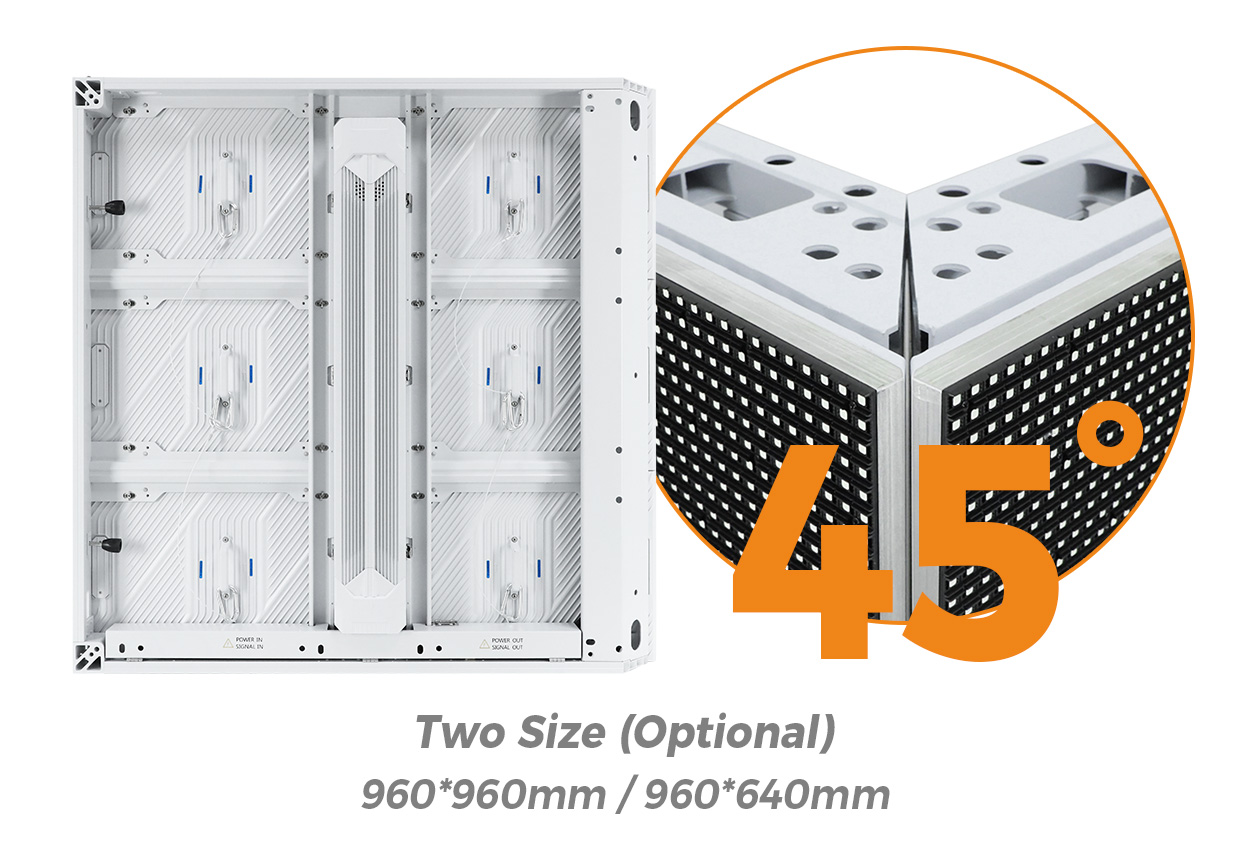
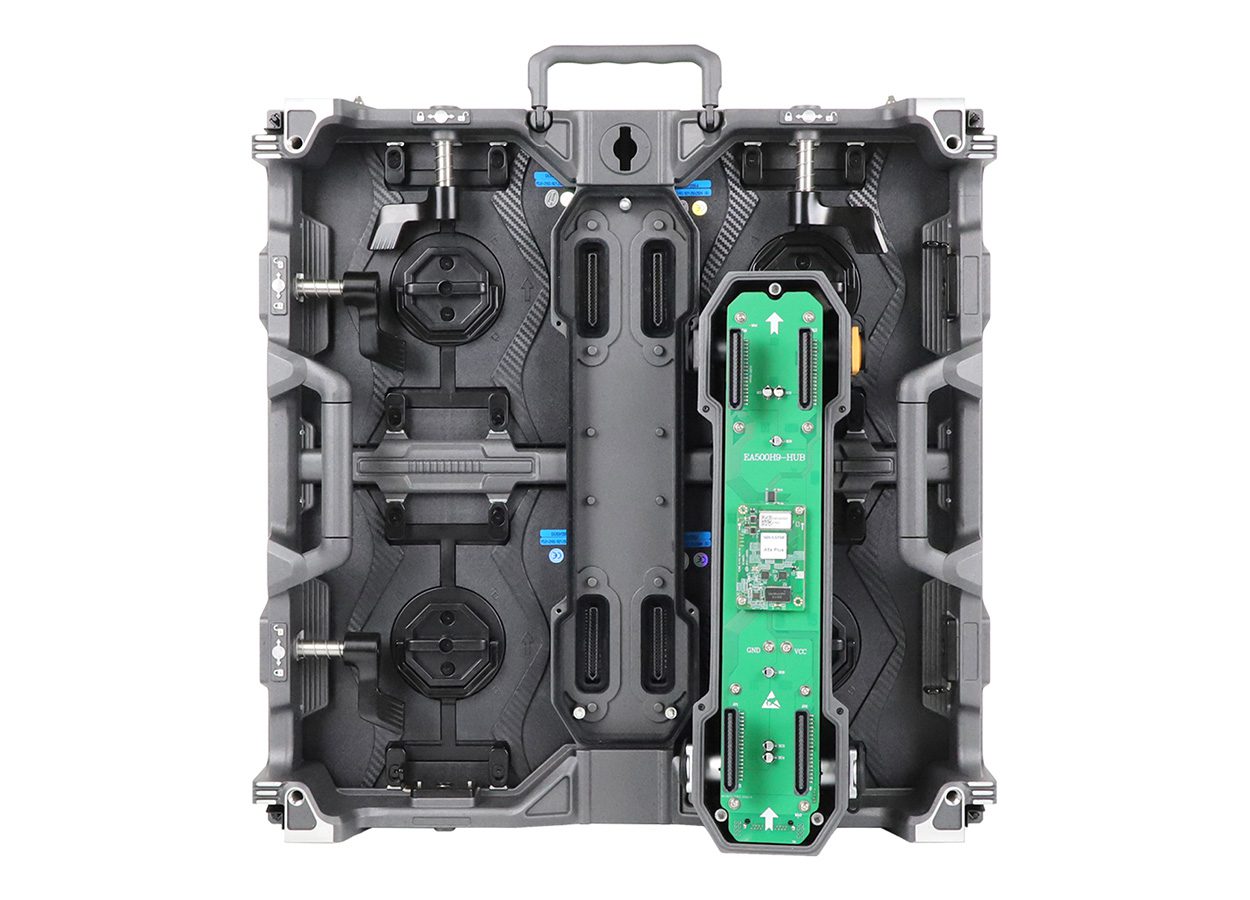
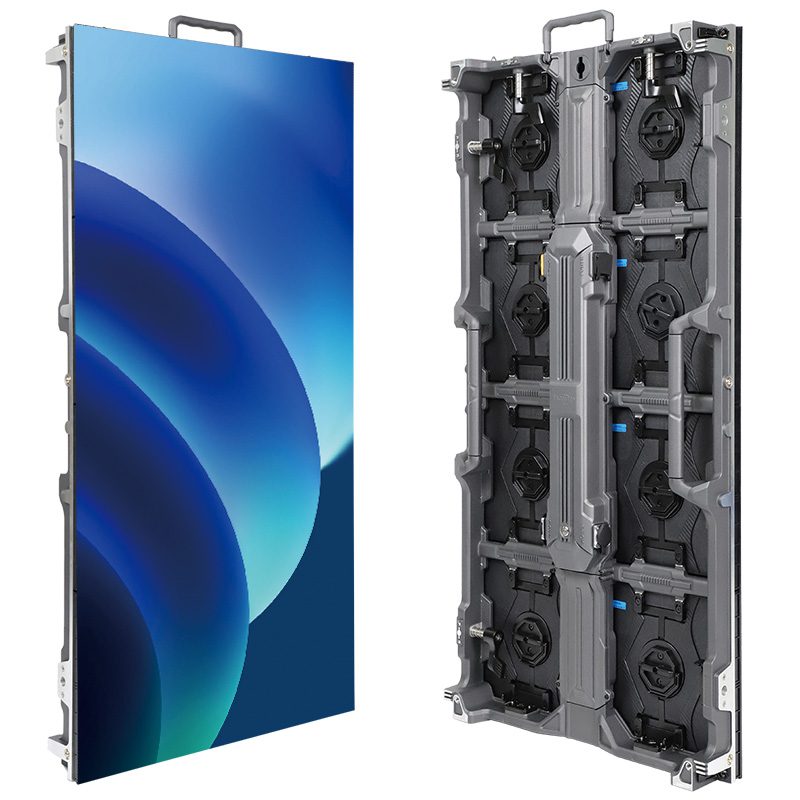
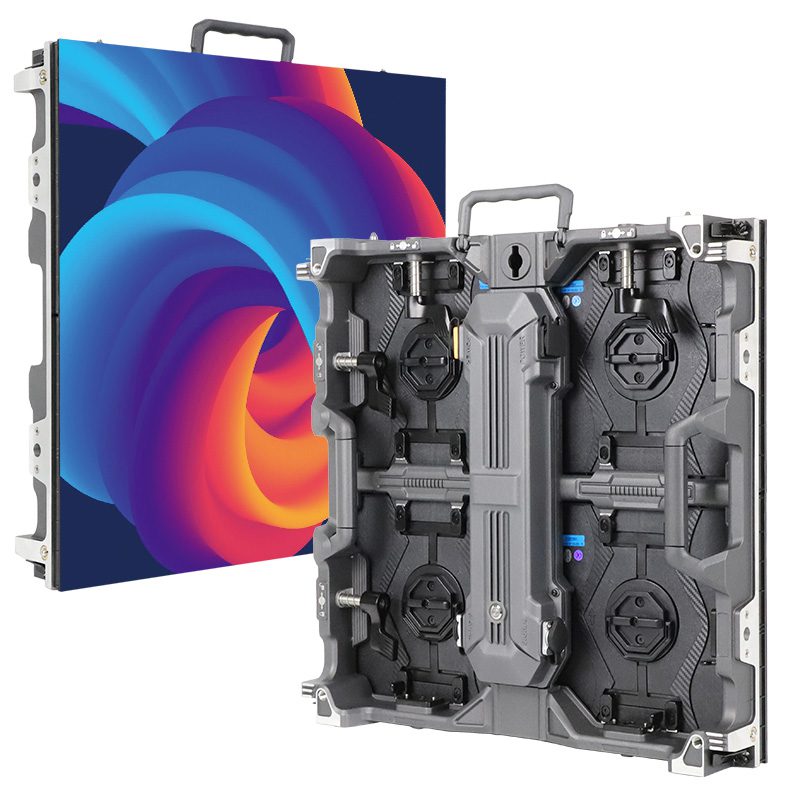
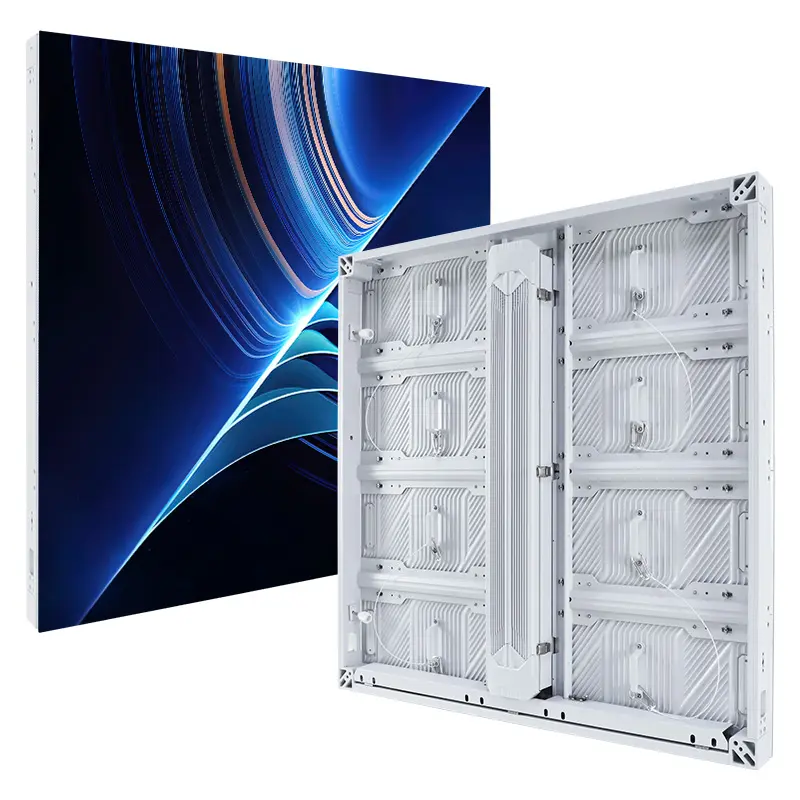
A modular LED panel is a cabinet or tile that joins with other cabinets to create a direct-view LED wall. Common rental cabinet formats include 500 × 500 mm and 500 × 1000 mm, while fixed-installation cabinets vary by product series. The final width, height, resolution, pixel pitch, frame, processor, power distribution, and service method are selected for the project.
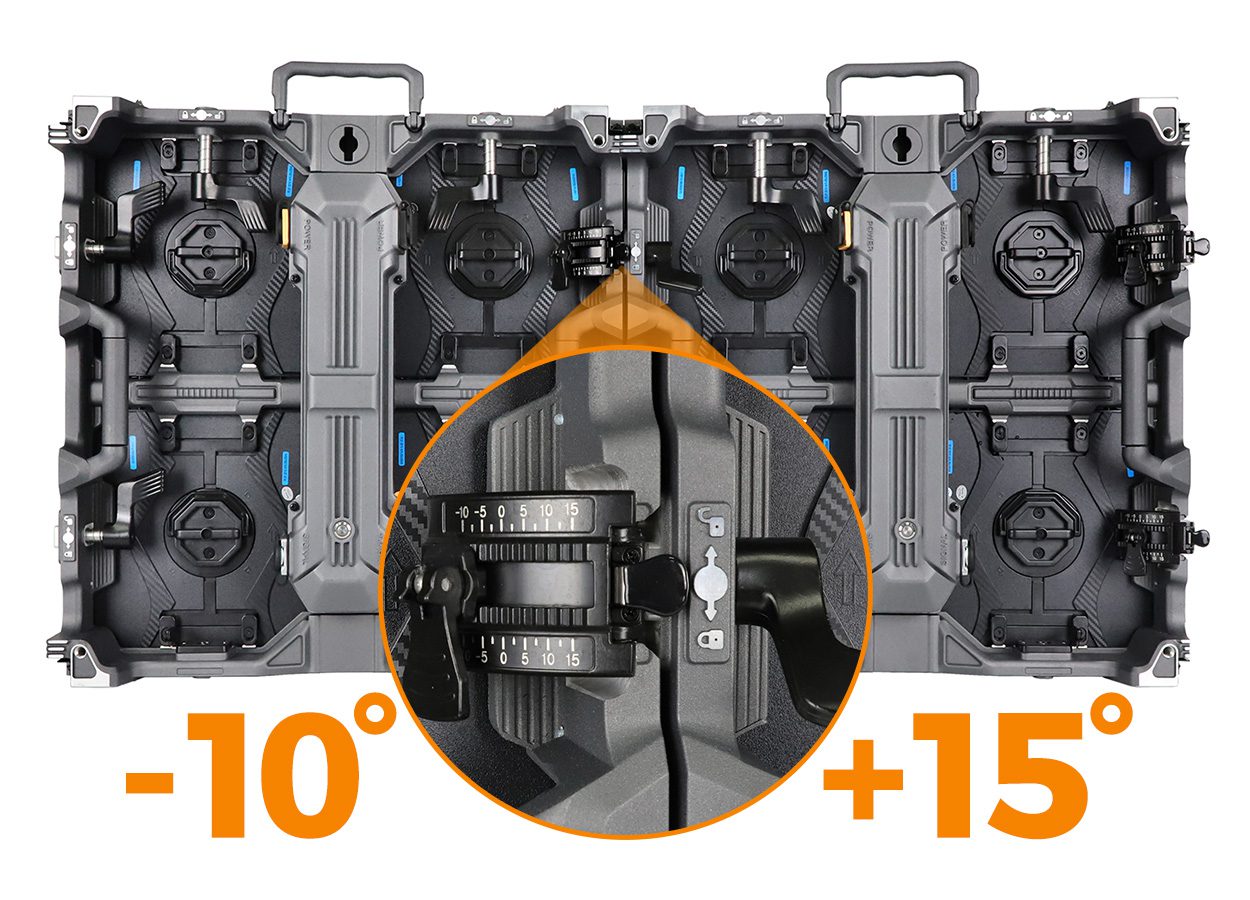
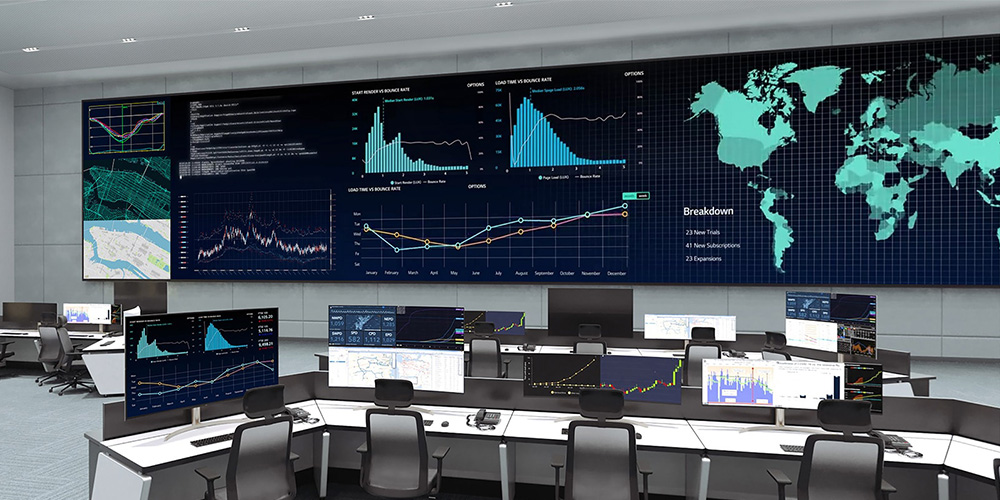
This modular architecture is why LED panels dominate concert stages, control rooms, stadiums, façades, retail features, and custom corporate lobbies. A failed module, power supply, receiving card, or cabinet can normally be serviced without replacing the entire wall. For examples of purpose-built systems, compare a rental LED screen with a fixed indoor LED screen.
02. What Is an All-in-One LED Display?
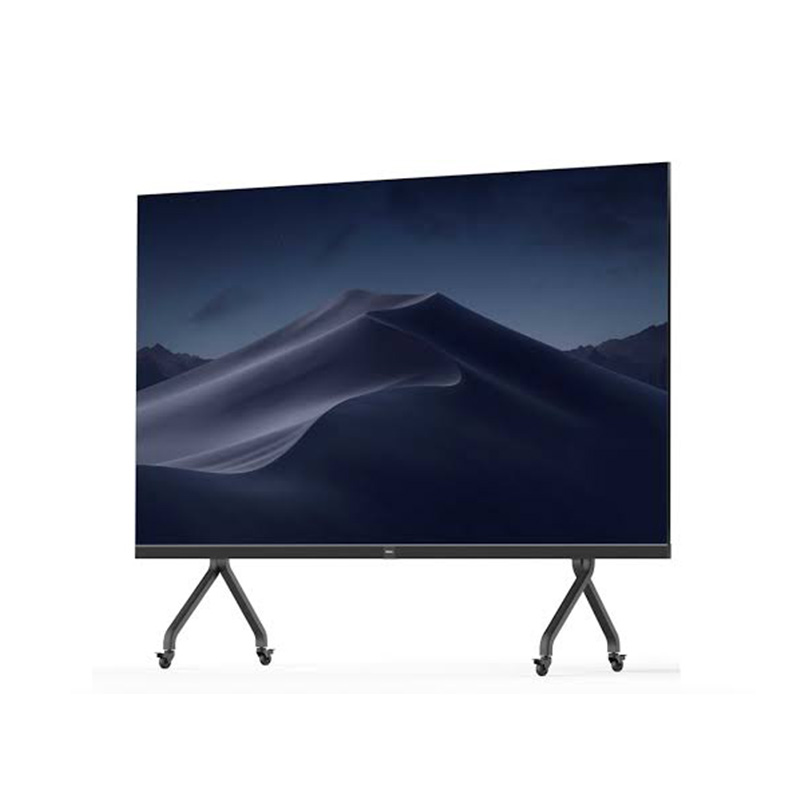
An all-in-one LED display is a preconfigured direct-view LED system that combines the display surface with key components such as processing, control, power, speakers, and mounting hardware. It is still built from LED modules internally, but the buyer receives one coordinated product instead of engineering a wall from separate cabinets and accessories.
“All-in-one” does not always mean the screen ships as one physically unbroken piece. For example, Samsung’s 110-inch The Wall All-in-One uses preconfigured modules, while LG lists a 136-inch MAGNIT All-in-One. In both cases, the product is standardized to reduce design and setup work.
2. LED Panels vs All-in-One LED Displays: Key Differences
The clearest way to compare LED panels and all-in-one LED displays is to separate product price from project complexity. Modular panels provide more freedom, but that freedom requires structural design, cabling, processing, calibration, and experienced installation. An all-in-one system costs more per unit of display area in many cases, but reduces the number of separate decisions and site tasks.
| Decision Factor | Modular LED Panels | All-in-One LED Display |
|---|---|---|
| Design | Individual cabinets engineered into a complete wall | Preconfigured display system with integrated components |
| Typical size approach | Custom width, height, resolution, and aspect ratio | Fixed product sizes, commonly in the 110–165-inch class |
| Installation | Frame, power, signal, cabinet alignment, and calibration | Standardized mounting and fewer separate components |
| Image quality | Depends on pixel pitch, processing, cabinet alignment, and calibration | Factory-matched system with predictable out-of-box performance |
| Service | Module- or cabinet-level replacement; front or rear access options | Vendor-specific service process for the integrated system |
| Expansion | Can be reconfigured or enlarged if compatible inventory is available | Normally remains at the purchased size |
| Outdoor use | Outdoor cabinets and high-brightness options are widely available | Most common models are designed for indoor business environments |
| Best fit | Large, custom, outdoor, rental, and mission-critical installations | Boardrooms, classrooms, training rooms, and standard indoor spaces |
3. Performance Comparison
01. Image Quality and Pixel Pitch
At the same pixel pitch and with comparable LED quality and processing, neither format automatically produces a better picture. Viewing distance should determine pixel pitch before cabinet style does. A fine-pitch P1.2 or P1.5 wall can support close viewing, while a larger pitch may be efficient for a stage or billboard viewed from farther away. Use the LED screen resolution guide and LED screen size guide to estimate the required canvas and resolution.
All-in-one displays have an advantage in predictability because the complete system is factory specified. Modular systems have an advantage in choice because the buyer can select pixel pitch, processing, cabinet geometry, and brightness around the site.
02. Installation and Maintenance
An all-in-one display reduces on-site integration, but it still requires a suitable wall or floor stand, safe access, power, signal, and a delivery route large enough for the packaged sections. A modular LED wall takes more planning: the installer must verify structure, ventilation, cable paths, alignment, calibration, and future service access.
Maintenance often reverses the advantage. A front-service modular wall allows technicians to remove a module from the viewing side, which is valuable when the wall sits against a solid surface. Rear-service designs need a maintenance aisle but can simplify access to power and signal components. The correct answer depends on the room, not on a universal preference.
03. Cost and Total Cost of Ownership
Compare the complete installed system, not the display hardware alone. For modular panels, include the frame, processor, power distribution, cabling, installation labor, calibration, spare modules, and service access. For an all-in-one display, include the mount or stand, delivery, commissioning, warranty terms, and the cost of vendor-specific replacement parts.
A standard meeting-room screen may favor all-in-one because it removes engineering and integration work. A 200-inch-plus lobby or control-room wall often favors modular panels because standardized all-in-one sizes no longer fit the requirement. Request line-item quotations in the same currency and warranty period before comparing ROI.
4. Best Applications for Each Display Type
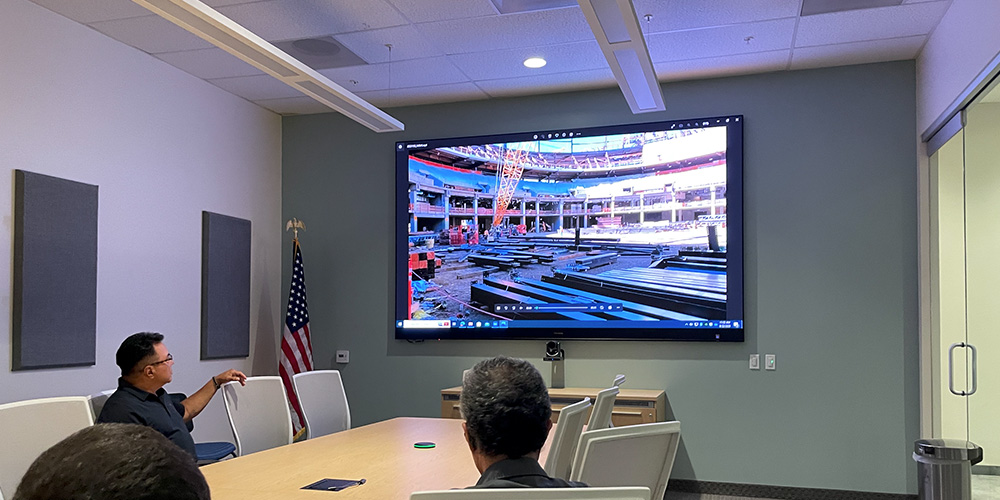
01. Conference Rooms and Boardrooms
Best fit: all-in-one LED display for standard room sizes. A coordinated screen, processor, speakers, and control path simplifies procurement and daily use. It also makes the support responsibility clearer because one manufacturer defines the system. Modular fine-pitch panels become more attractive when the wall must exceed standard product sizes or match an unusual architectural opening.
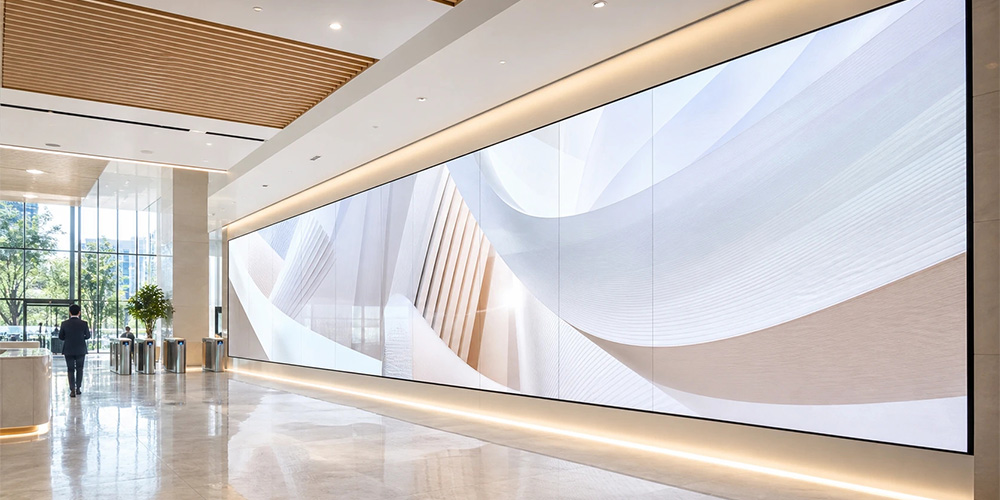
02. Corporate Lobbies and Retail
Best fit: depends on the architecture. An all-in-one display works well on a conventional flat wall. A double-height lobby, curved feature, column, or extra-wide brand canvas requires modular panels. Before ordering, confirm the content ratio with the LED screen aspect ratio guide; custom walls should be designed around the content rather than cropped after installation.
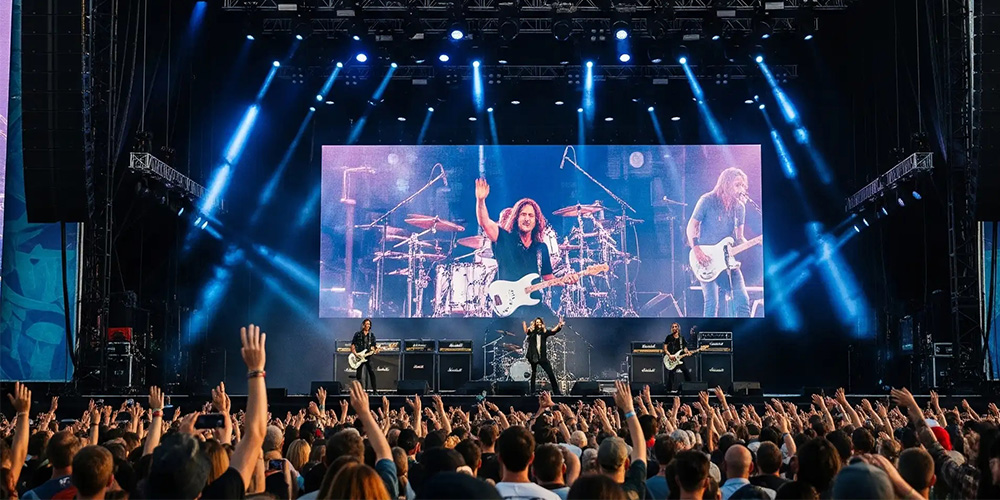
03. Events and Rental
Best fit: modular LED panels. Rental cabinets use quick locks, standardized cabling, hanging hardware, and flight cases. Damaged modules can be swapped between events, and the same inventory can form different screen sizes. An all-in-one display is less practical when equipment must be transported, assembled, and dismantled repeatedly.
04. Outdoor Billboards and Building Displays
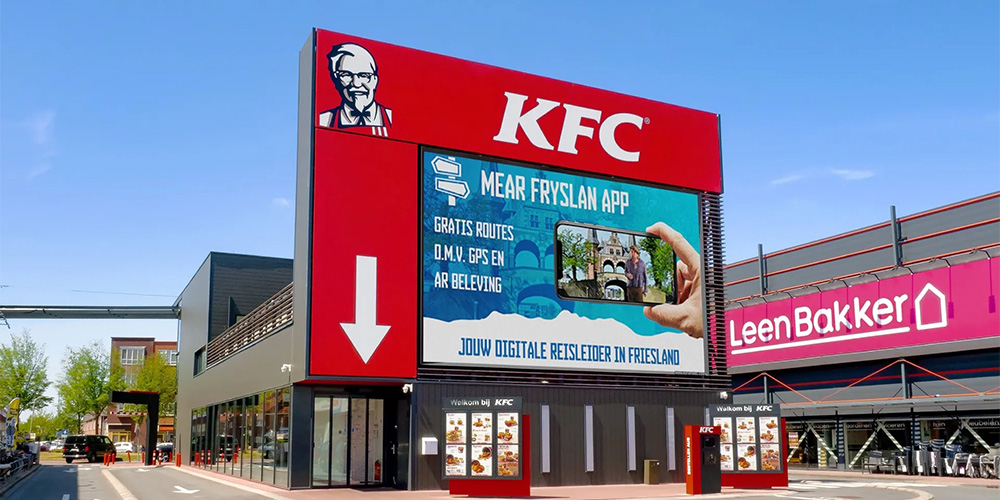
Best fit: outdoor modular LED panels. Outdoor projects need suitable brightness, thermal design, wind-load engineering, corrosion resistance, and verified ingress protection. The IP code is defined by IEC 60529; do not treat “IP65” as a complete outdoor design specification. Confirm which cabinet faces were tested, the local weather exposure, and the required structural certification. See the waterproof LED display guide before specifying an outdoor system.
5. LED Panels vs All-in-One LED Displays: Pros and Cons
| Option | Advantages | Limitations |
|---|---|---|
| Modular LED panels | Custom size and ratio; outdoor and rental options; cabinet-level service; expandable or reconfigurable; broad pixel-pitch choice | More engineering; professional installation; separate processing and structure; calibration required; project quality depends on integration |
| All-in-one LED display | Faster specification; integrated control and audio; factory-defined performance; cleaner procurement; simpler daily operation | Fixed size; limited reconfiguration; mostly indoor; vendor-specific service; difficult delivery can still be a constraint |
Neither option is universally better. A modular wall is a project platform; an all-in-one display is a standardized product. The best value comes from matching that operating model to the buyer’s staff, room, schedule, and expected service life.
6. Key Questions Before Buying an LED Display
Answer these questions before comparing model numbers:
- What physical width and height are available? Confirm the delivery path, wall construction, ventilation, and service clearance.
- How far away is the nearest viewer? This sets a practical starting point for pixel pitch.
- What content ratio and resolution are required? A 16:9 room display and an extra-wide lobby wall need different canvas planning.
- Is the installation indoor, outdoor, permanent, or temporary? The answer quickly eliminates unsuitable product types.
- Who will operate and maintain it? A simple room system and a 24/7 control wall need different support strategies.
- Must the display expand or move later? Modular inventory protects flexibility; a fixed all-in-one size does not.
- What is included in the quotation? Compare structure, processing, spares, installation, training, warranty, and freight on the same basis.
If the project is primarily advertising, also review the available advertising LED board formats before finalizing brightness and service access.
7. How to Choose the Right LED Display
01. Choose Modular LED Panels If
- The screen must be larger than standard all-in-one sizes.
- The wall needs a custom width, height, curve, corner, or aspect ratio.
- The project is outdoors or requires high brightness and rated cabinets.
- The display will be rented, toured, rebuilt, or expanded.
- Front- or rear-service access must be designed around a critical venue.
- Your integrator can manage structure, processing, calibration, and spares.
02. Choose an All-in-One LED Display If
- The room fits a standard product size and conventional 16:9 content.
- A short installation schedule is more important than customization.
- The buyer wants one coordinated display, processor, speakers, and control system.
- Nontechnical staff will operate the screen every day.
- The display will remain indoors and is unlikely to change size.
For a typical boardroom, start with all-in-one. For a custom lobby, event, outdoor sign, or 200-inch-plus wall, start with modular panels. Then validate pixel pitch, brightness, service access, structural requirements, and the complete installed price.
8. Frequently Asked Questions
01. What is an all-in-one LED display?
An all-in-one LED display is a preconfigured direct-view LED system that integrates the display, processing, control, power, speakers, and mounting solution into one coordinated product. It reduces project design and on-site setup compared with a fully custom modular wall.
02. Are LED panels better than an all-in-one LED display?
LED panels are better for custom sizes, outdoor screens, rental events, unusual shapes, and installations that need cabinet-level service. An all-in-one LED display is better for standard indoor rooms that prioritize simple procurement and fast commissioning.
03. Which option is more cost-effective?
For a standard meeting-room size, an all-in-one display can reduce structure, integration, and calibration costs. For a large or custom video wall, modular LED panels often provide better value because the system can be engineered to the exact dimensions. Always compare the complete installed cost.
04. Can an all-in-one LED display be expanded later?
Normally no. All-in-one displays are sold in fixed, validated sizes. Modular LED panels can be reconfigured or expanded when compatible cabinets, modules, processing capacity, and structure are available.
05. Which display is easier to maintain?
An all-in-one display simplifies routine operation and gives the buyer one coordinated service path. A modular LED wall is often easier to repair at component level because individual modules, power supplies, receiving cards, or cabinets can be replaced.
06. Can both display types be used outdoors?
Outdoor-rated integrated products exist, but most all-in-one LED displays target indoor business spaces. Outdoor billboards, stadium screens, and building displays normally use modular LED cabinets engineered for brightness, weather exposure, structure, and safe service access.
07. What is the difference between a video wall and an all-in-one LED display?
A video wall is a broad system category built from multiple display units or LED cabinets. An all-in-one LED display is a standardized direct-view LED product that packages the display and supporting components as one coordinated system. Every all-in-one LED display is internally modular, but not every modular video wall is an all-in-one product.
9. Conclusion: Which Is Better?
Choose modular LED panels for scale, customization, outdoor performance, rental use, and component-level service. Choose an all-in-one LED display for a standard indoor room where speed, simplicity, and predictable integration are the priorities.
The purchase decision should come after a site survey and a complete bill of materials. Send the supplier the wall dimensions, nearest viewing distance, content resolution, installation environment, service-access limits, operating hours, and target budget. Those seven inputs reveal the right format faster than comparing headline specifications alone.
Sources checked: Samsung and LG official all-in-one LED product pages for current form-factor examples; IEC 60529 for the IP rating framework. Product availability and specifications can change, so verify the current manufacturer data sheet before purchase.
 How to Choose a Waterproof LED Display: 10-Point Guide
 Huidu B6L vs B8L vs B8H: Specs, Limits & Best Use