
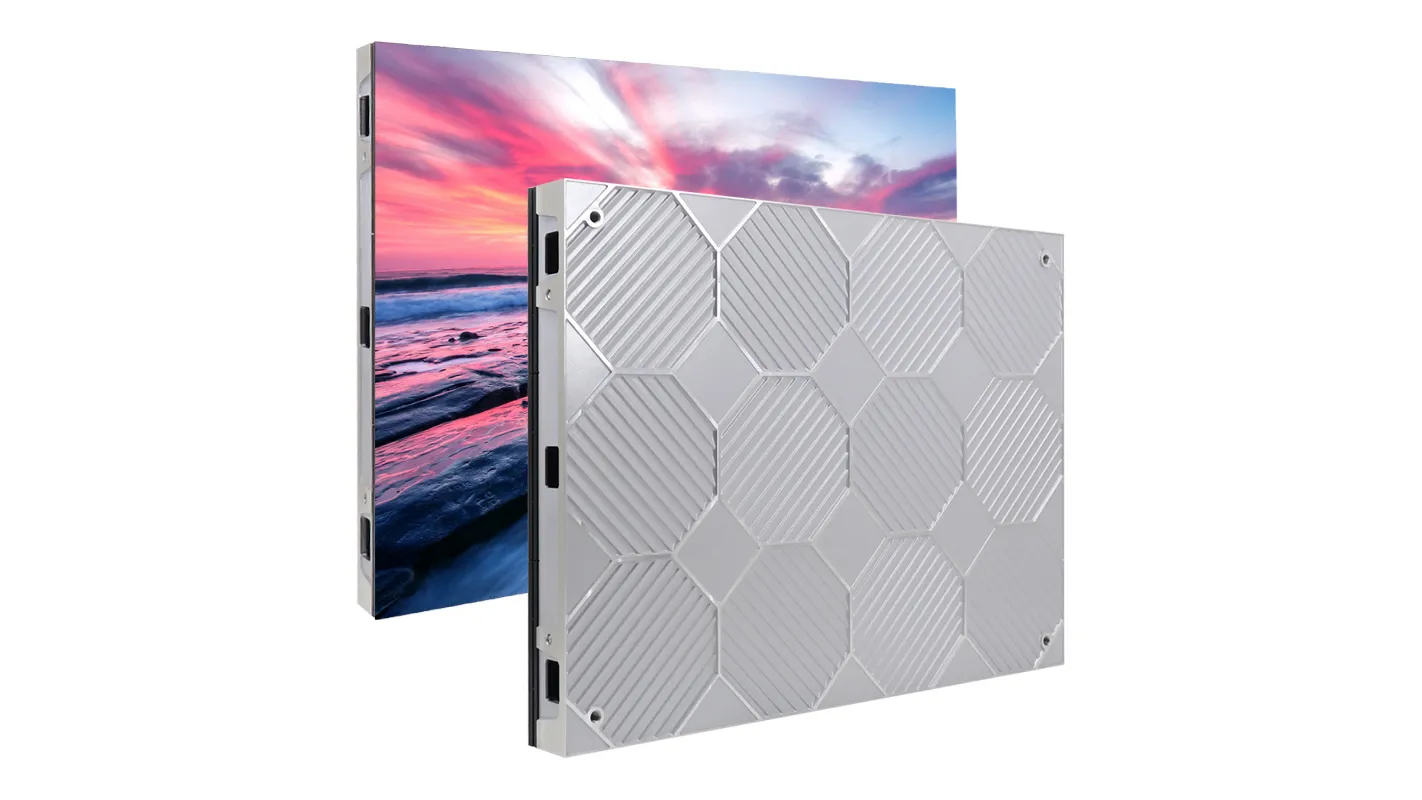
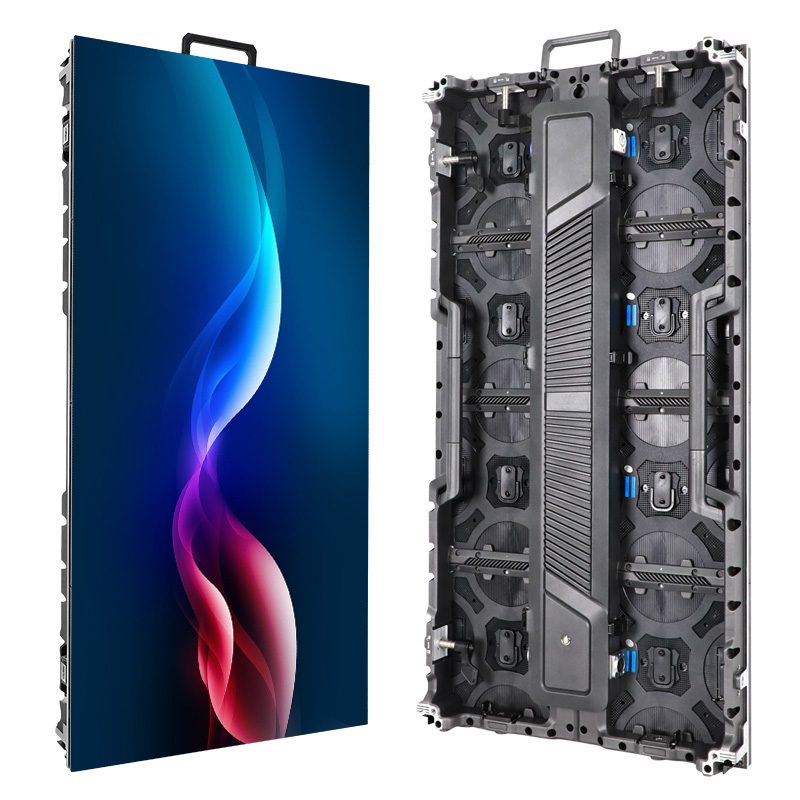
An outdoor LED mesh screen quotation should identify the actual construction before you compare price. Use this guide to distinguish rigid transparent cabinets from flexible mesh and verify that the proposed format fits the installation.
1. Define what the supplier means by mesh
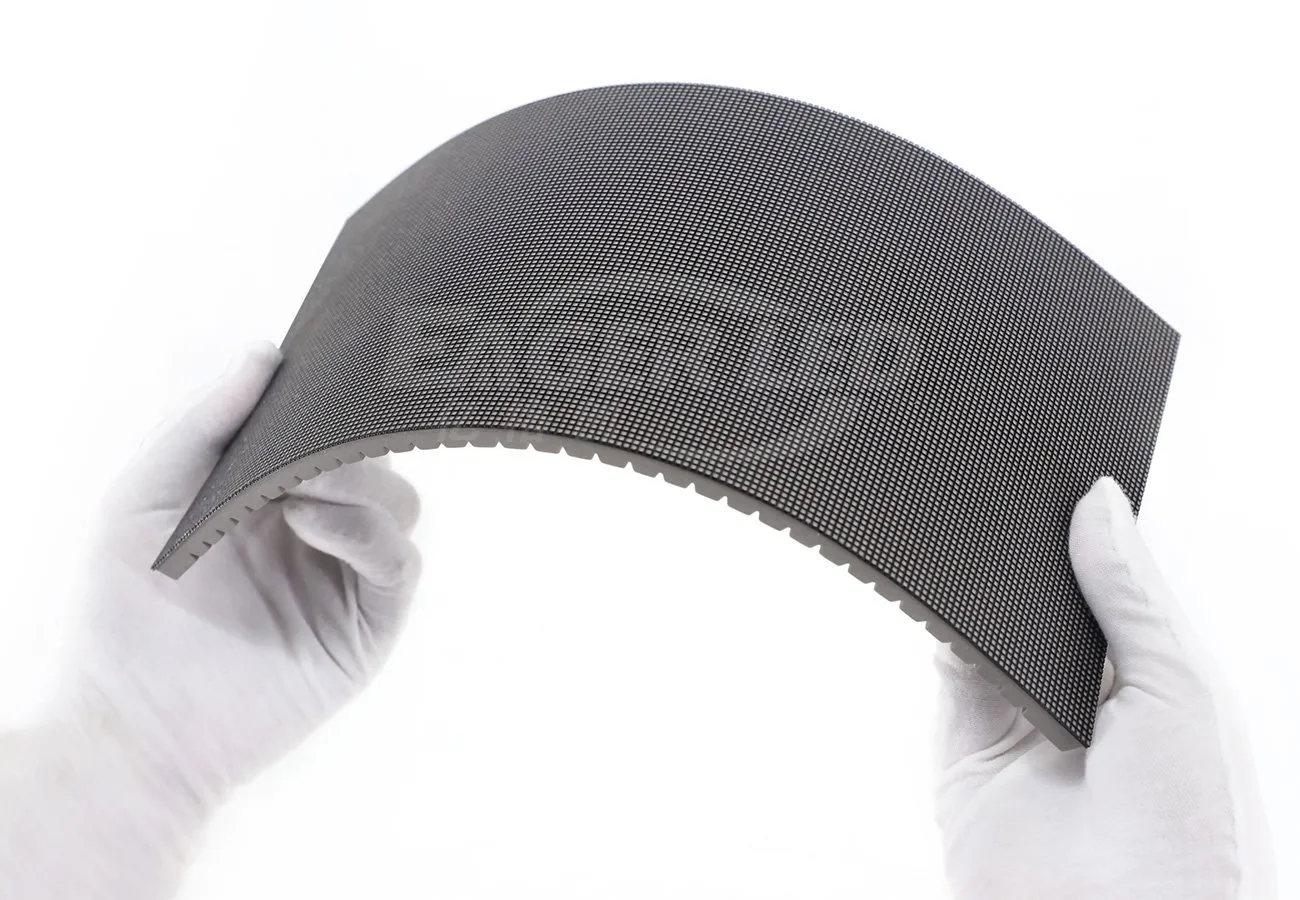
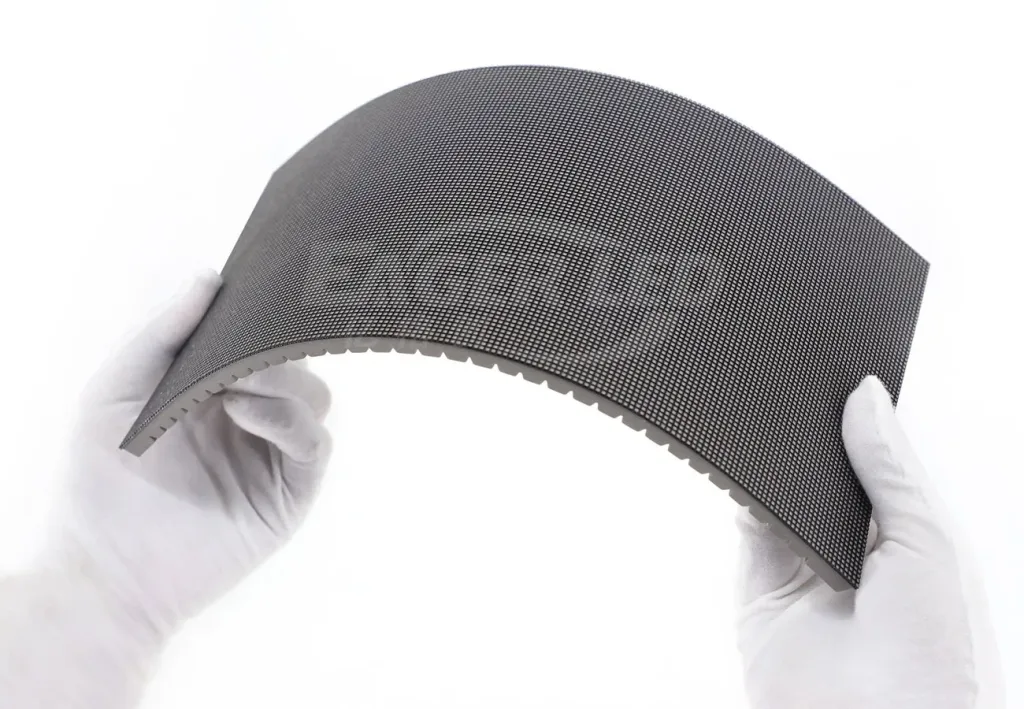
If you are buying an LED mesh screen for outdoor use, start with the physical construction. The label can describe a flexible open mesh or a rigid transparent cabinet made with spaced LED bars. These are different assemblies even when both allow a background view.
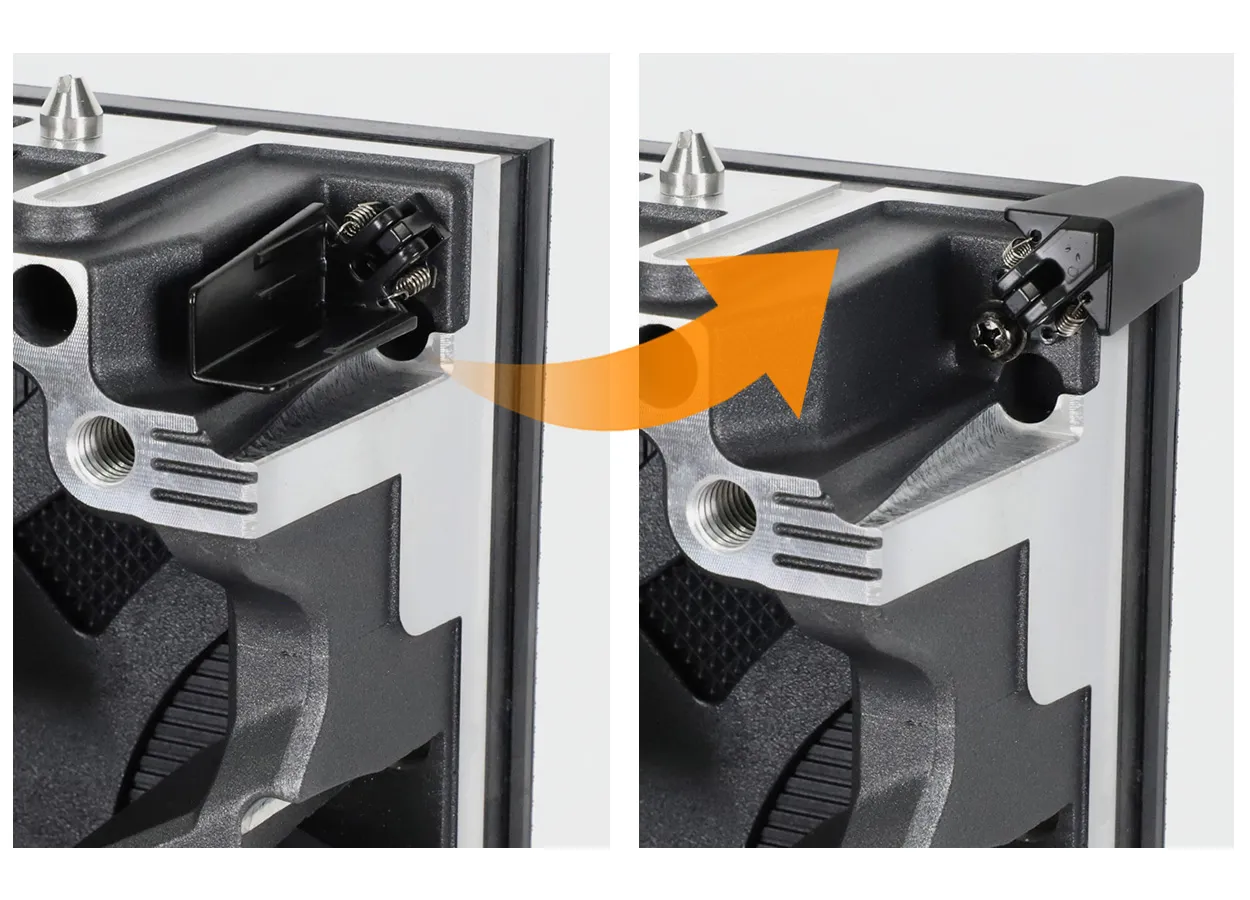
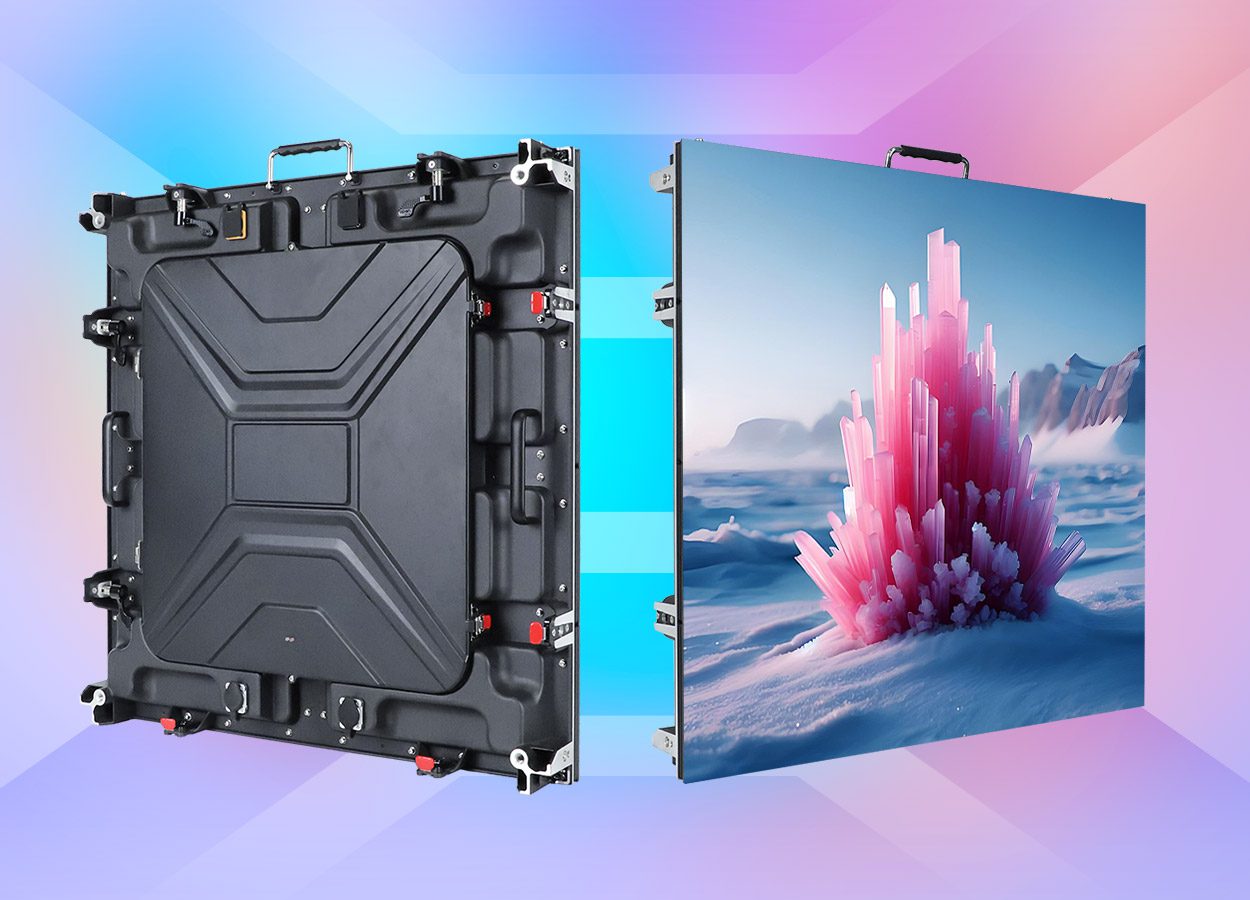
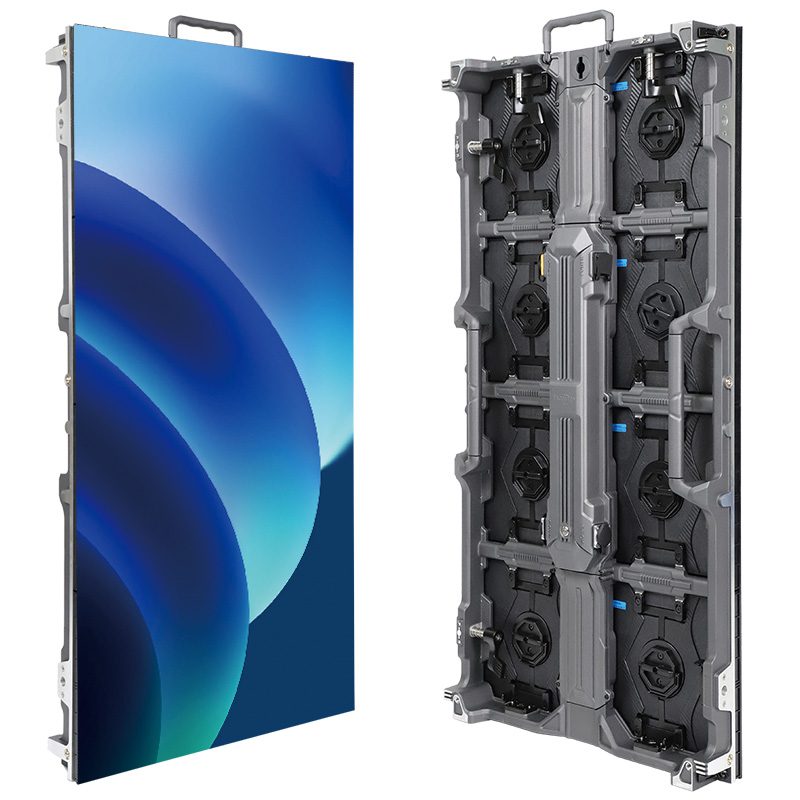
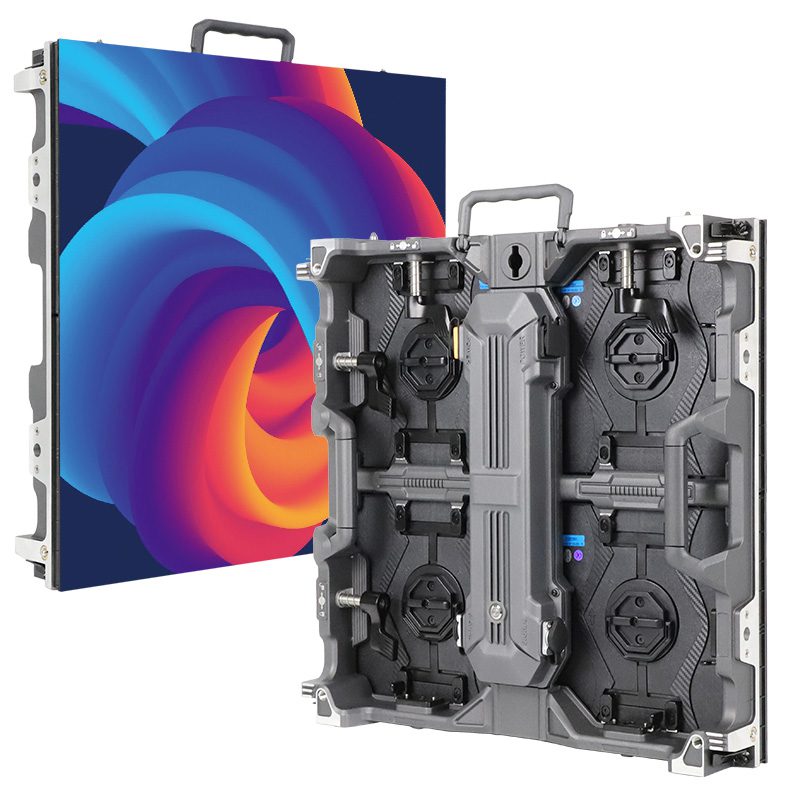
Ask for photographs of the exact model from the front, rear and edge, plus a module or cabinet drawing. Confirm whether the delivered unit bends, rolls, joins at adjustable cabinet locks or remains flat. Do not infer rollability from the word “mesh.”
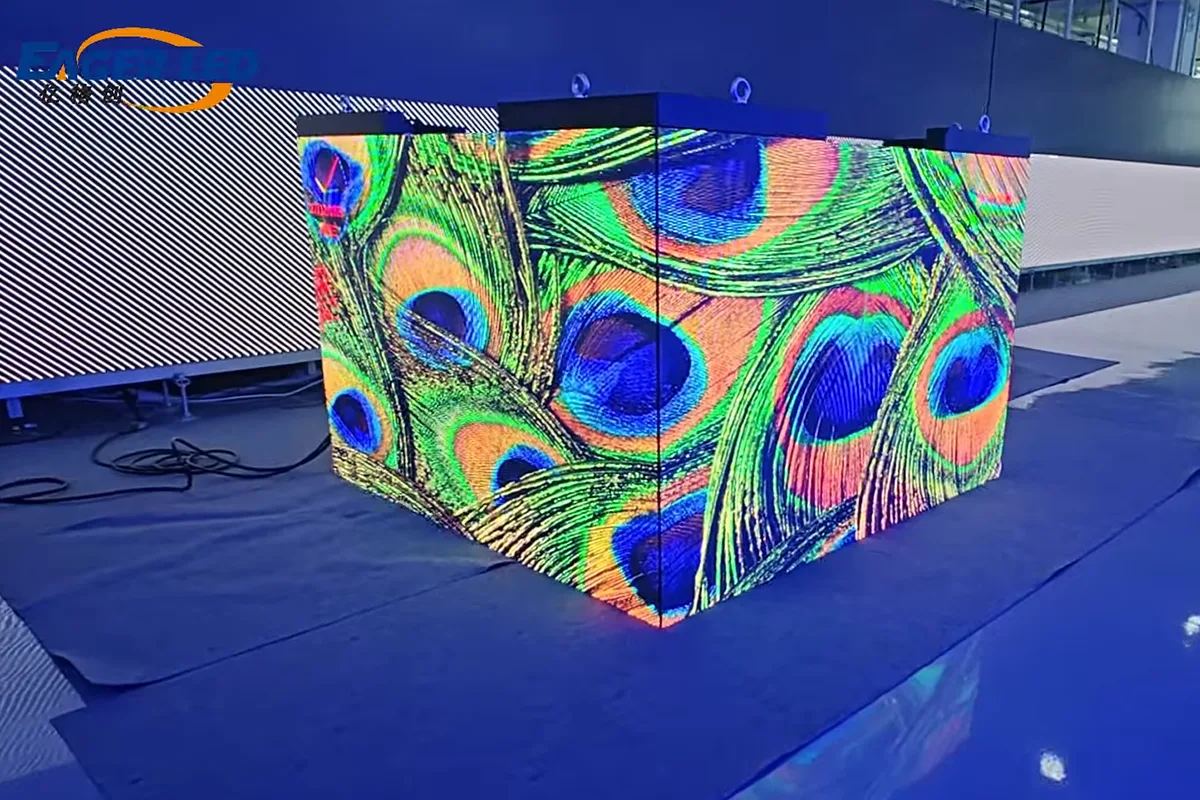
This distinction matters when a design calls for a curved façade, a touring backdrop or a rectangular event wall. Select the required shape and installation method first, then ask which proposed system can achieve them with an approved support arrangement.
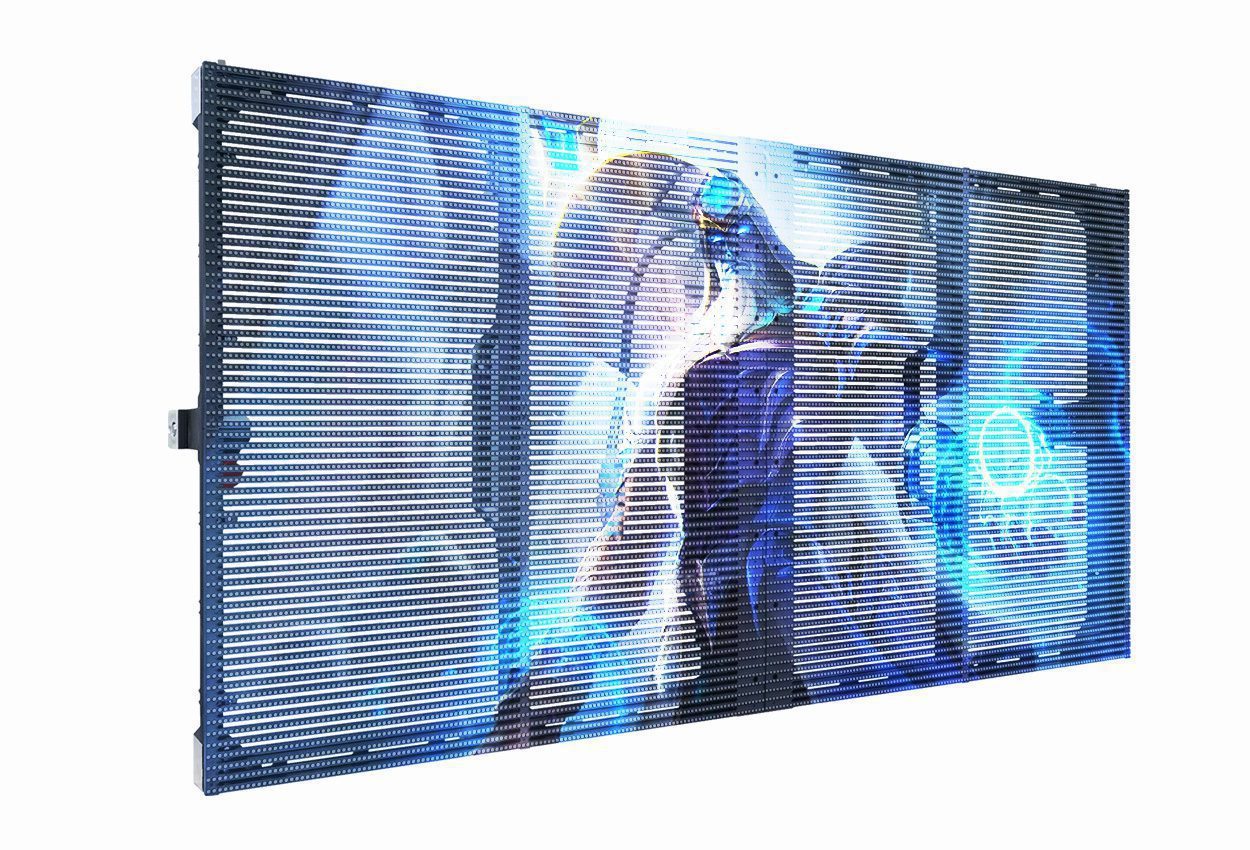
2. Compare the physical assembly before the headline price
| Check | Rigid transparent cabinets | Flexible mesh systems |
|---|---|---|
| Delivered unit | Identify cabinet dimensions, locks and module layout | Identify mesh unit, cable construction and allowed handling |
| Curved shape | Confirm approved cabinet angles and joining hardware | Confirm bend direction, radius and supporting method |
| Pixel canvas | Obtain pixels per cabinet and assembly map | Obtain pixels per mesh unit and spacing in the final installation |
| Service | Check removal routes for modules and internal equipment | Check replacement method for the supplied mesh components |
| Transport | Specify cabinet supports and connector protection | Specify whether folding or rolling is allowed and how it is packed |
These are comparison questions, not universal specifications for every product in either group. Require written answers for the exact quoted model. Two proposals with the same overall area may still differ in frame, content capability, handling and installation scope.
3. Use native pixels to judge the intended message
Request the native width and height in pixels for the complete proposed screen. On an open display, a physical metre of width does not tell you how much text detail is available. A paired pitch designation also requires clarification of the horizontal and vertical pixel spacing.
Give both suppliers the same logo, short message and representative video. Ask them to show how that artwork maps to their proposed canvas at the intended viewing positions. Compare the background view as well as the image; a higher openness figure alone does not establish that a specific campaign will be understandable.
For the EA1000TOR1 transparent cabinet, request the exact pitch variant and cabinet pixel map. The product has multiple published configurations, so do not attach a specification from one variant to another.
4. Match evidence to the complete outdoor arrangement
Describe the operating site and duration: temporary event, repeated touring use or a fixed installation. Include exposure from both sides, local environmental conditions and how equipment will be protected when it is not operating.
Ask the supplier to identify the protection rating and supporting documents for the exact supplied assembly, including relevant connectors and power equipment. A rating shown for one component or model does not establish the rating of every item in a completed system.
EA1000TOR1 is published as an IP65 outdoor transparent cabinet. Do not relabel it IP66 because a project brief asks for IP66. If a required rating cannot be supported for the proposed model, resolve that mismatch before ordering.
Openness is not a wind-load approval. Have the responsible structural or rigging professional assess the actual screen, support, site and installation method. Request the manufacturer’s load information and operating limitations; do not calculate a safe wind speed from transparency percentage.
5. Check service, packing and repeated assembly
For repeated event assembly, ask the supplier to demonstrate the sequence with the proposed cabinets or mesh units. Check how connectors are protected during loading, how the assembly is located and secured, and how a damaged component can be removed.
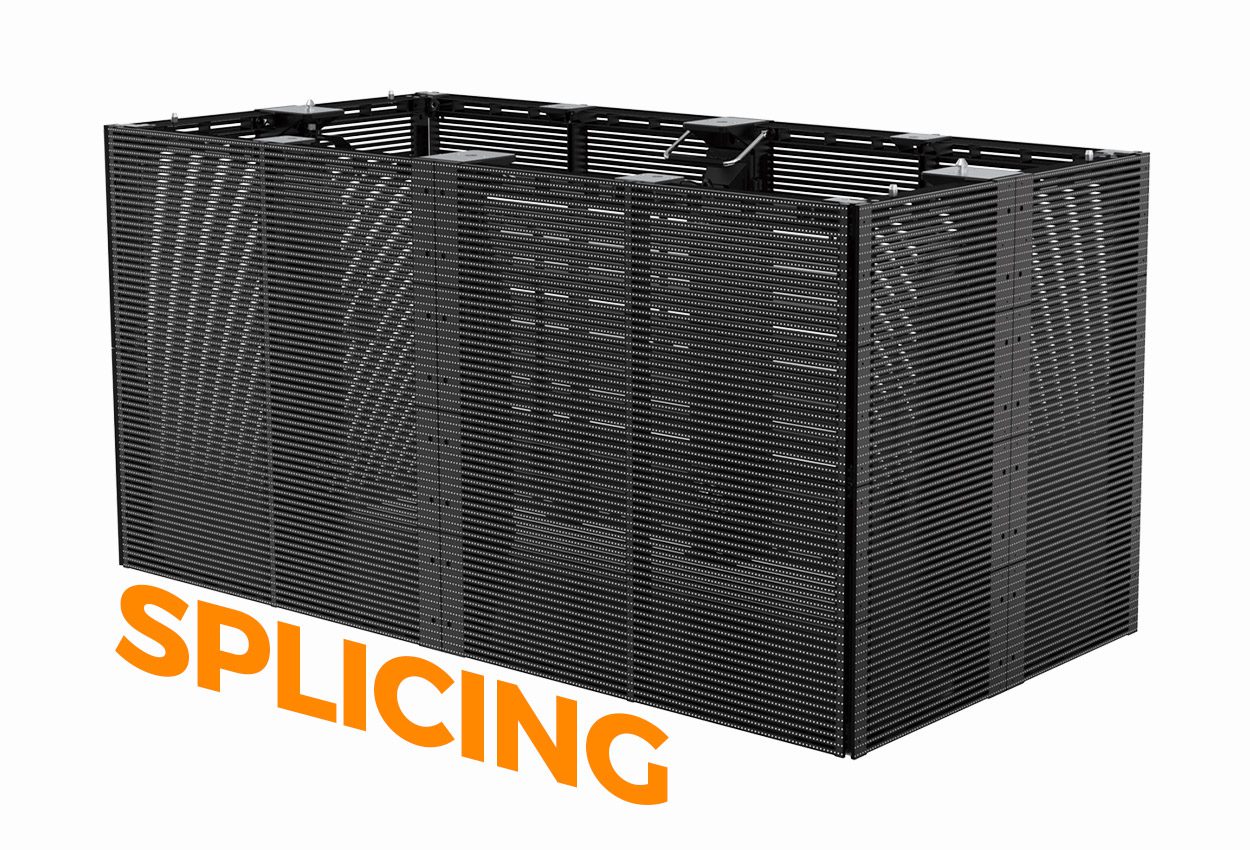
Ask for a packing plan that matches the real units and accessories. Record the packed dimensions, weights, protection for exposed faces and connectors, and the unloading method. A lightweight display does not automatically make every completed case a one-person lift.
Keep recommended spares tied to complete part identifiers and the control configuration. Confirm who provides configuration files and how a replacement is checked after installation.
6. Put the agreed system identity into the quotation
Write the chosen format into the purchase scope, followed by the exact model, pitch variant, physical assembly size, native pixel canvas and controller package. Include the approved installation method and identify who supplies the support, cables, power equipment, cases and service documentation.
Record any unresolved conditions separately. A demonstration with different content, a different pitch or an indoor test arrangement should not silently become acceptance of the final outdoor system.
For an ongoing façade project, request a proposal appropriate to permanent exposure and maintenance access. For touring stock, prioritize the documented assembly, inspection and packing process. The same broad keyword does not make the purchasing requirements identical.
7. Frequently asked questions
Is every LED mesh screen flexible?
No. Confirm the construction. Some open displays use flexible mesh units; others use rigid cabinets with spaced LED bars.
Can a transparent cabinet be rolled for transport?
Do not assume so. Follow the handling and packing method for the exact supplied model. A cabinet curve lock does not make the cabinet itself rollable.
Does higher transparency prove lower structural risk?
No. Openness alone does not establish wind loading, support capacity or a safe operating limit. Obtain project-specific assessment and manufacturer information.
Can an IP65 product satisfy an IP66 specification automatically?
No. Require evidence that matches the requested rating and the exact proposed assembly. Resolve a mismatch rather than changing the label.
8. Request an outdoor mesh-screen assessment
Send screen width and height, outdoor environment, viewing distance, country and purchase timeline. Include whether the design needs rigid cabinets or flexible mesh, the proposed support, deployment duration and sample artwork. Ask for a format-specific quotation with a confirmed pixel map and supporting documents.
Reviewed October 16, 2026. Product visuals illustrate construction. Installation limits and compliance must be confirmed for the selected configuration and site.
 Cylinder LED Display: Module Count & Pixel Canvas
 LED Display Signal Flow: Interfaces and Pixel Mapping