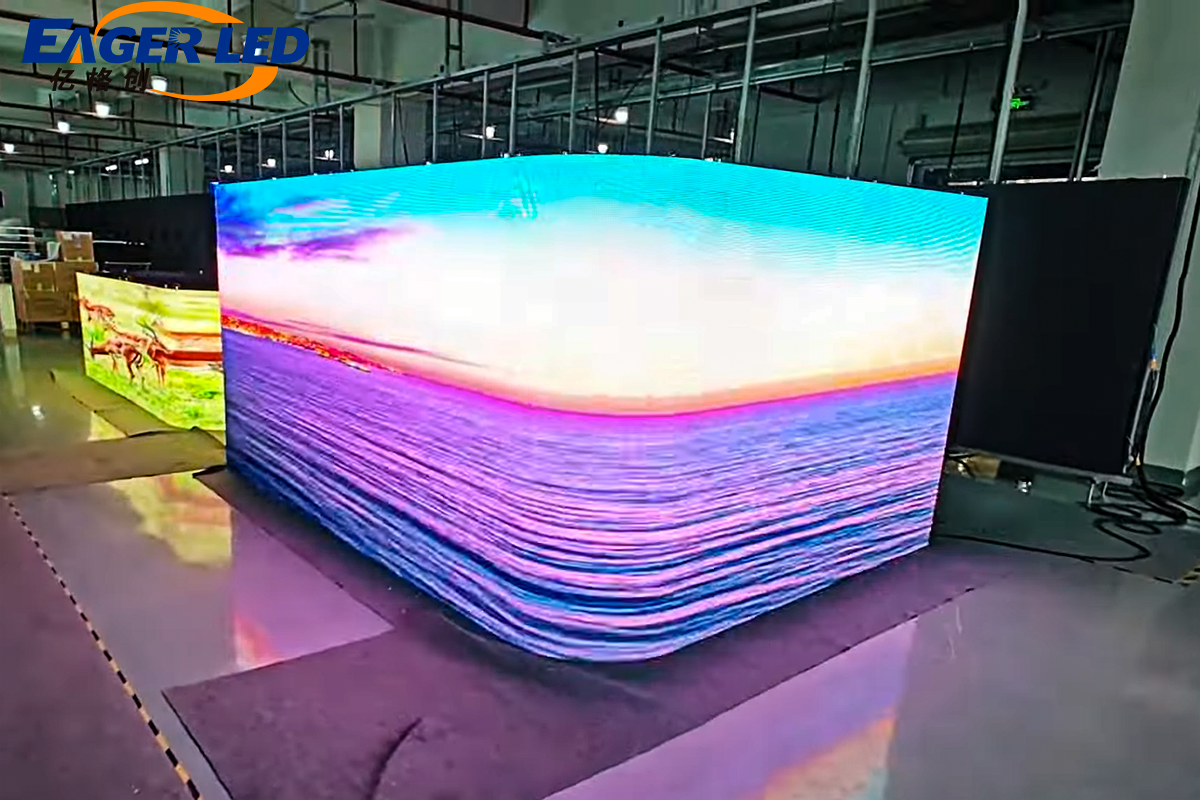

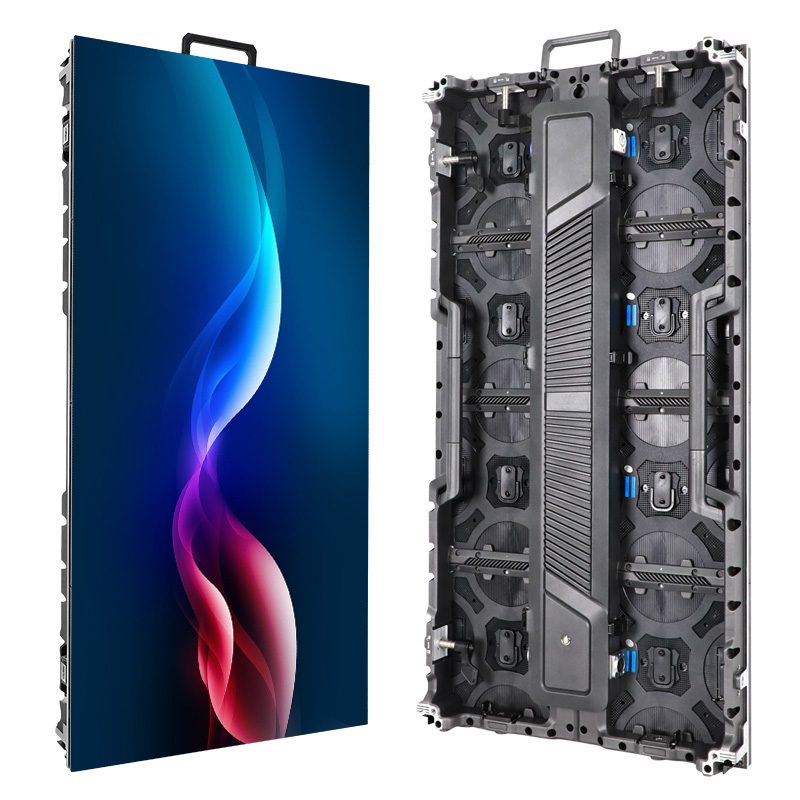

For most wedding LED screen rental projects, a 4 x 2.5 m or 4 x 3 m wall built from P2.9 or P3.9 rental cabinets is the practical starting point. Specify a camera-friendly refresh rate of 3,840 Hz or higher, use roughly 1,000-1,500 nits indoors, and plan for at least 4,500 nits plus weather-rated cabinets outdoors.
The screen itself is only part of the system. Panel size, processor capacity, rigging, power distribution, spare modules, transport cases, crew time, and venue rules all affect the final rental price and the quality of the wedding stage.
Table of Contents
1. What Is a Wedding LED Screen?
A wedding LED screen is a modular video wall used as a ceremony backdrop, reception stage, live-camera display, photo montage screen, or animated decor surface. Unlike a fixed display, a rental wall is repeatedly packed, transported, assembled, calibrated, and removed. That cycle makes cabinet strength and serviceability as important as image quality.
01. What the Screen Does During a Wedding
One wall can support several moments: a static monogram during guest arrival, live video during speeches, a photo or video sequence during the reception, and motion graphics during the party. Good content planning also prevents bright visuals from distracting from the couple or causing exposure problems for photographers.
02. Who This Guide Is For
This guide is written for rental companies, venues, event production teams, AV integrators, and stage contractors. Couples and planners can also use the size and cost tables to compare quotes. Buyers who need a turnkey venue solution can review these wedding LED display solutions.
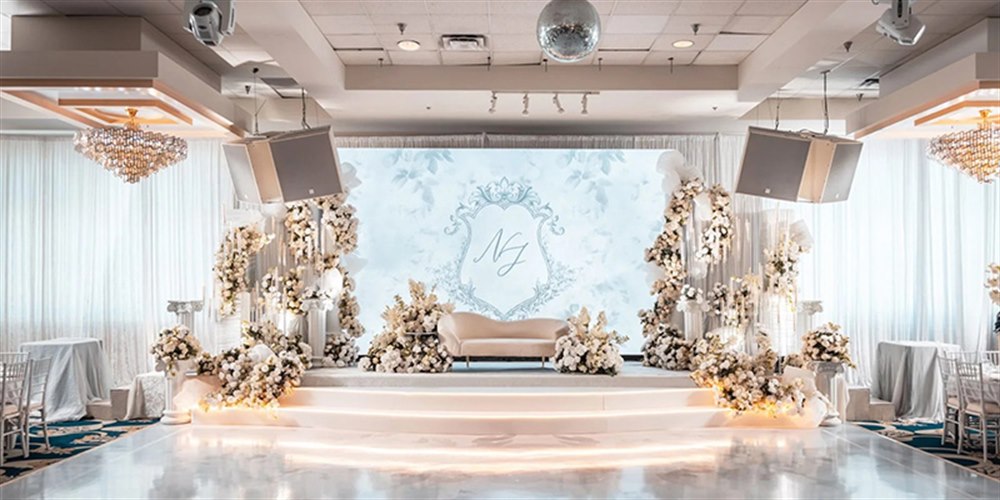
2. Wedding LED Screen Rental Requirements
A rental screen should reduce labor, protect image quality on camera, and survive frequent transport. Evaluate the complete operating workflow rather than comparing only pixel pitch or purchase price.
01. Fast Setup and Tear-Down
Look for tool-free top and side locks, clear alignment pins, labeled power and data paths, and cabinets one technician can safely handle. A trained two-person crew can often build a straightforward 4 x 3 m wall in about 45-60 minutes, but rigging, access, content testing, and venue restrictions can extend the schedule.
02. Lightweight, Repeatable Cabinets
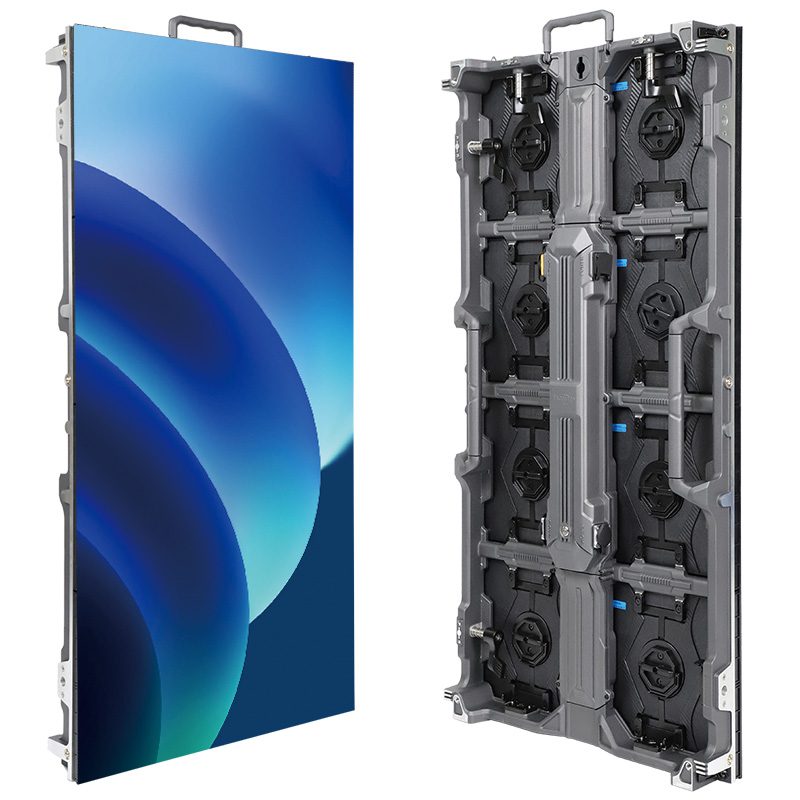
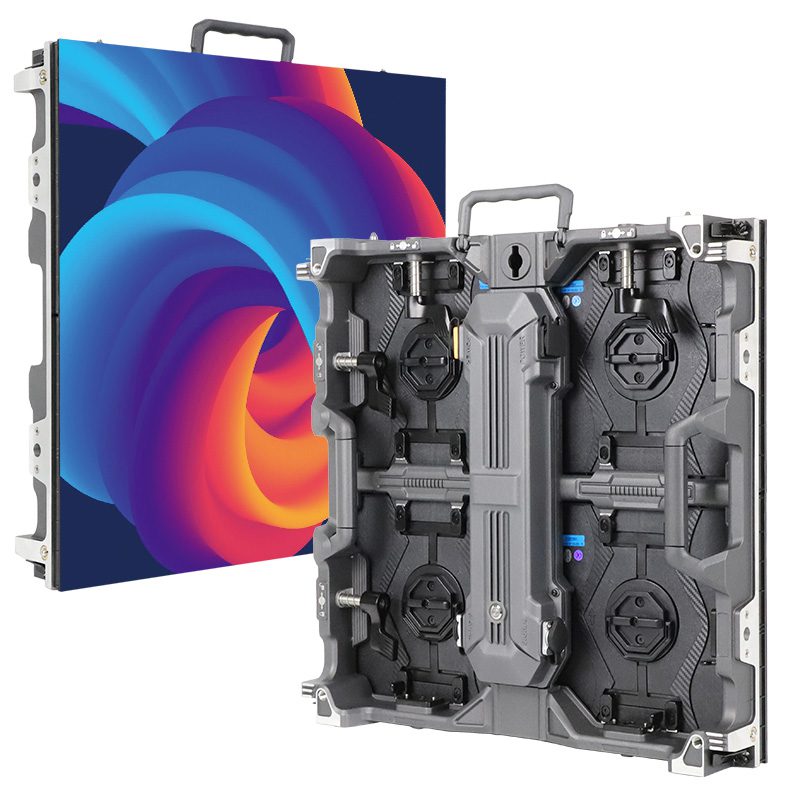
Typical 500 x 500 mm die-cast cabinets weigh about 7-8 kg, while 500 x 1000 mm panels often weigh about 12-14 kg. Confirm the exact model weight and safe handling method. Die-cast aluminum helps panels keep consistent geometry, which reduces visible seams after repeated builds. Compare purpose-built rental LED screen cabinets rather than adapting fixed-installation panels.
03. Camera-Friendly Refresh Rate
Wedding screens are recorded by phones, mirrorless cameras, and broadcast cameras using different shutter settings. A 3,840 Hz or higher refresh rate is a sensible specification for camera-heavy events. The final result still depends on scan mode, grayscale performance, brightness, camera shutter speed, and processor settings, so test the actual panel and camera combination before the event.
04. Locks, Structure and Safety
Inspect every lock, alignment feature, hanging bar, ground-support component, and safety connection. The LED cabinet is not a substitute for a certified support structure. Suspended or freestanding walls should be designed and approved by qualified personnel according to the venue, local rules, wind exposure, total load, and manufacturer limits.
05. Indoor and Outdoor Protection
Outdoor use requires more than a bright image. Confirm weather protection, protected connectors, drainage, wind planning, safe power distribution, and an emergency weather procedure. IP codes are defined by IEC 60529; check the cabinet’s full test documentation instead of relying on a marketing label alone. IP65 front protection is a common minimum request for exposed outdoor faces, but rear protection can differ by product.
3. Types of Wedding LED Screens
Choose the format that matches the venues and event styles you sell most often. A versatile standard wall should normally come before specialty inventory.
01. Indoor Wedding LED Screen
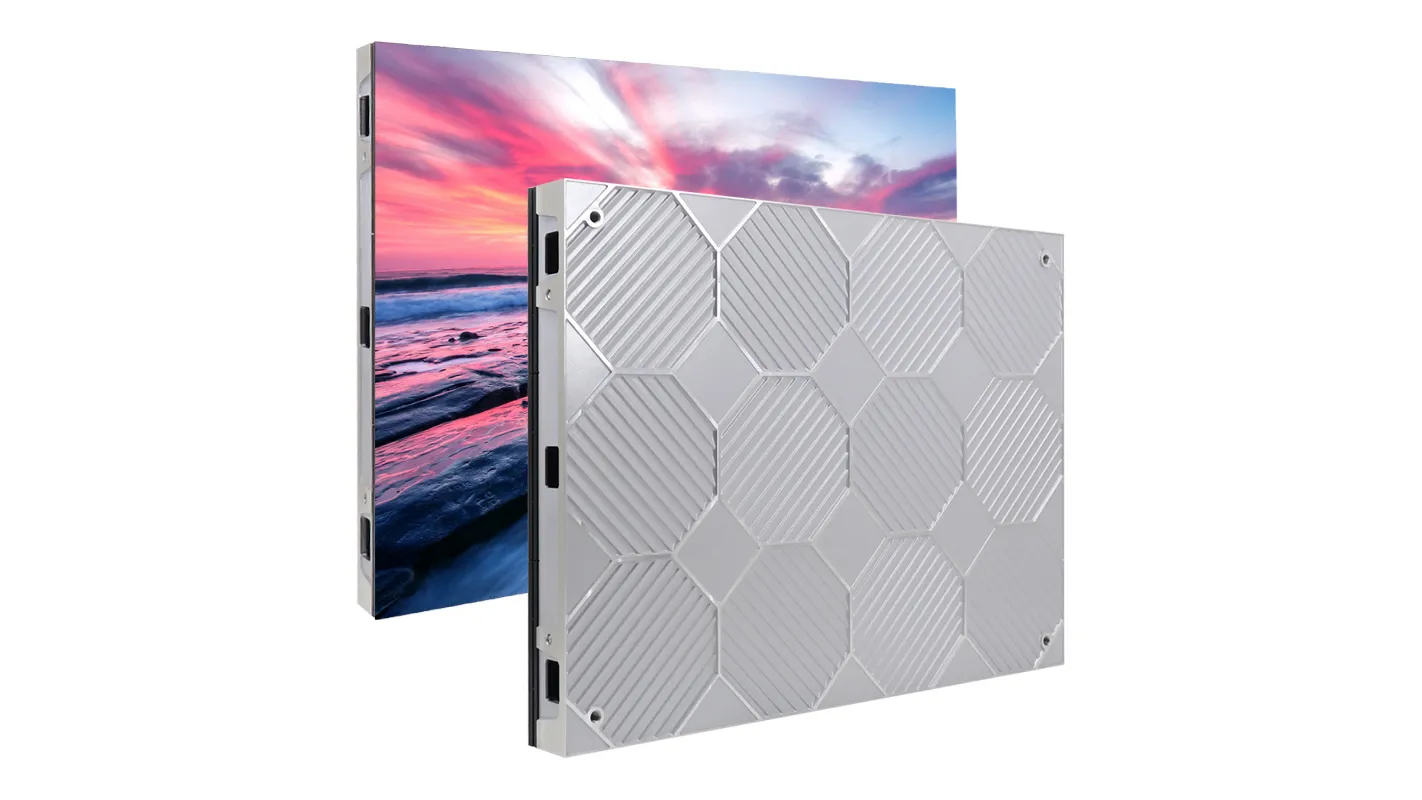
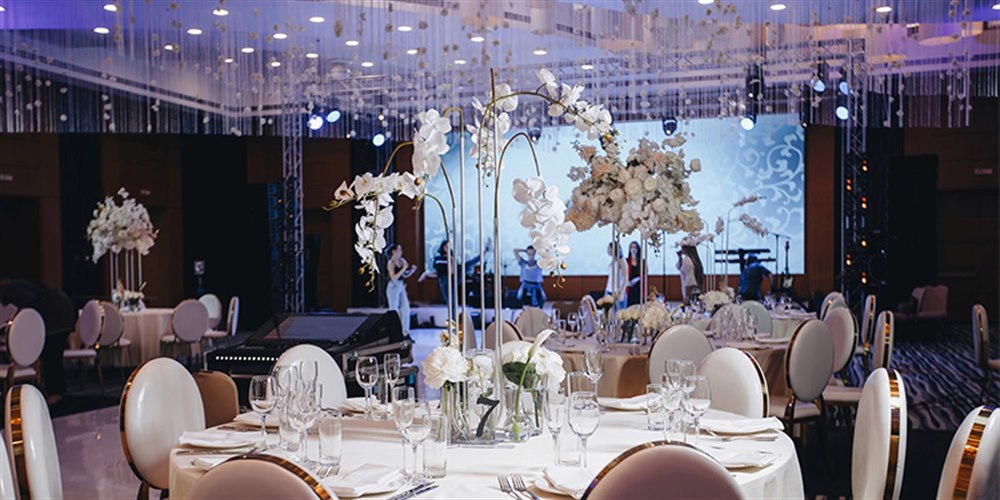
Indoor rental screens suit ballrooms, hotels, banquet halls, and covered venues. P2.6 to P3.9 covers many wedding viewing distances. Indoor cabinets can run at lower brightness, which improves comfort and gives camera operators more exposure flexibility.
02. Outdoor Wedding LED Wall
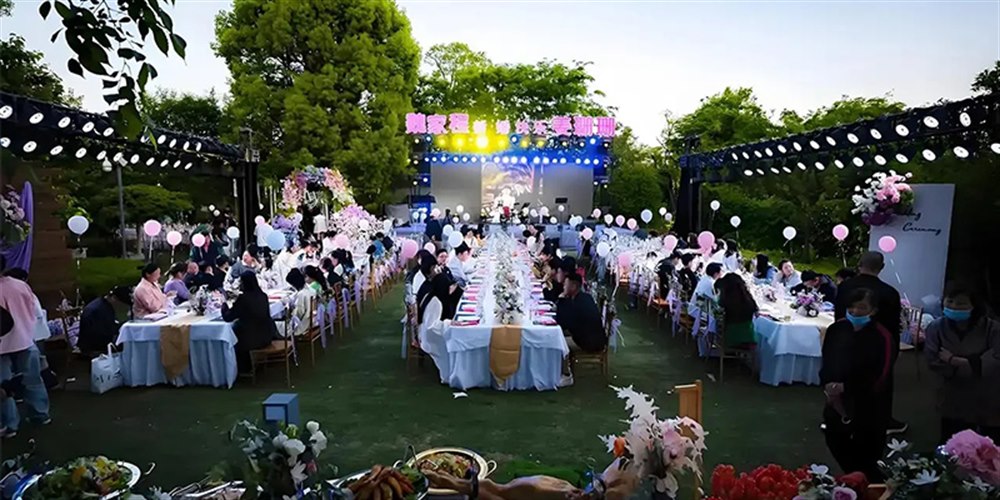
Outdoor walls need higher brightness, suitable ingress protection, weather-safe connections, and a plan for wind and rain. A daytime event can require 4,500 nits or more, while an evening event may use much less. Brightness must be adjustable so the wall remains comfortable after sunset.
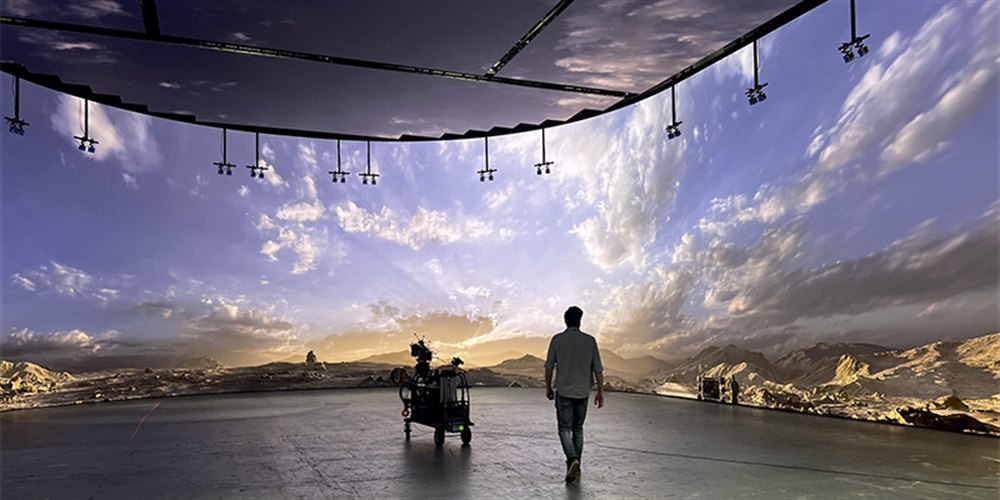
03. Curved Wedding Stage LED Screen
Curved cabinets create soft arcs, wraparound backdrops, and more dimensional stage designs. Built-in arc locks usually reduce setup time, while separate curve connectors may offer a lower initial cost. Confirm the supported positive and negative angles, edge protection, and content canvas before selling the design.
04. Transparent Wedding Background LED Screen
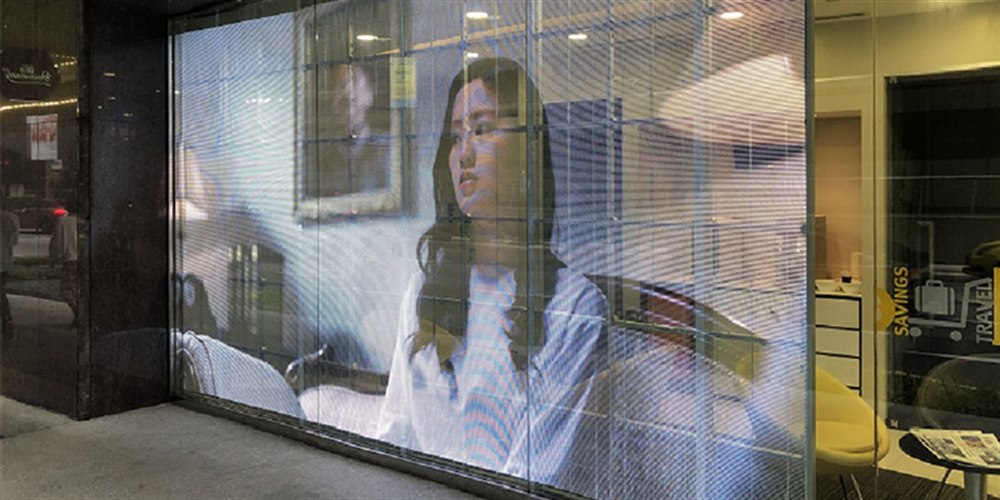
A transparent screen preserves sightlines to architecture, lighting, or scenery behind the display. It can create a premium effect, but transparency, brightness, pixel pitch, viewing distance, fragility, and content design must be balanced. Use high-contrast graphics with negative space rather than treating it like a conventional solid video wall.
4. Wedding LED Screen Sizes and Panel Counts
Screen size should follow the stage width, audience distance, ceiling height, content format, camera framing, and safe structural limits. The figures below are planning examples for 500 x 500 mm panels. Guest counts are indicative, not engineering limits.
01. 3 x 2 m for Compact Venues
This 6 m2 wall uses 24 panels and fits smaller reception rooms, restaurant venues, entrances, and head-table backdrops. Its 3:2 aspect ratio works best with custom content prepared for that canvas.
02. 4 x 2.5 m for Mid-Size Ballrooms
This 10 m2 wall uses 40 panels. It offers a balanced stage presence for many 100-200 guest venues without dominating the room. Confirm that the 8 x 5 panel raster matches the processor and content resolution.
03. 5 x 3 m for Large Receptions
This 15 m2 wall uses 60 panels. The extra width supports live video beside branded or decorative content. Mixed 500 x 500 mm and 500 x 1000 mm cabinets can reduce connections if the product family is mechanically and electronically compatible.
04. 6 x 3 m for Large Stages
This 18 m2 wall uses 72 panels of 500 x 500 mm, or 36 panels of 500 x 1000 mm. It suits wide stages and larger audiences, but also increases processor load, power, structure, transport volume, and crew requirements.
05. Size, Panel Count and Budget Range
| Screen size | Planning audience | 500 x 500 mm panels | Indicative US event rental |
|---|---|---|---|
| 3 x 2 m | 50-100 guests | 24 | $600-$900 |
| 4 x 2.5 m | 100-200 guests | 40 | $900-$1,500 |
| 5 x 3 m | 200-300 guests | 60 | $1,500-$2,300 |
| 6 x 3 m | 300+ guests | 72 | $2,300-$3,500 |
5. Wedding LED Screen Rental Cost
The cheapest panel is not always the lowest-cost rental asset. Compare the full cost per event, including labor, cases, processor, spares, repairs, transport, setup risk, and the revenue potential of different wall shapes.
01. Factors That Change Purchase and Rental Cost
- Pixel pitch: finer pitch uses more pixels and usually costs more.
- Cabinet and module design: die-cast construction, front service, curve locks, and corner protection affect price and operating time.
- Indoor or outdoor specification: weather protection and high-output LEDs add cost.
- Processor and control: input formats, scaling, redundancy, camera workflow, and total pixel load determine the required hardware.
- Accessories: flight cases, hanging bars, ground support, power distribution, data cables, spare receiving cards, modules, and power supplies must be budgeted.
- Service: warranty scope, technical support, spare-part availability, and shipping terms affect lifetime cost.
02. Pixel Pitch and Equipment Budget
| Pixel pitch | Typical use | Planning advantage | Trade-off |
|---|---|---|---|
| P2.6-P2.9 | Close-view indoor ballroom | Sharper detail for guests and cameras | Higher purchase cost and pixel load |
| P3.9 | General indoor and outdoor rental | Versatile balance of cost and viewing distance | Less detail at very close range |
| P4.8+ | Larger or outdoor viewing distances | Lower cost per square meter | Visible pixel structure at close range |
03. Calculate Return Per Event
Use a simple fleet model instead of a generic payback promise: total landed equipment cost divided by contribution margin per event. Contribution margin should subtract crew, transport, structure, power, processor, repair reserve, insurance, sales costs, and any content-production expense. Then stress-test the result at a conservative booking rate.
6. How to Choose a Wedding LED Screen
Start with the venue and camera workflow, then select pixel pitch, cabinet format, brightness, refresh rate, processor, and service plan. This sequence prevents a visually impressive specification from becoming slow or expensive to operate.
01. Match Pixel Pitch to Viewing Distance
For many weddings, P2.9 or P3.9 is the practical range. P2.6 can make sense when guests and cameras are close; P4.8 can work when the wall is farther away. Review this detailed guide to choosing the best LED display pixel pitch, then test sample content at the actual viewing distance.
02. Choose 500 x 500 mm or 500 x 1000 mm Cabinets
Use 500 x 500 mm cabinets for curves, corners, and compact designs. Use 500 x 1000 mm cabinets to reduce connections and accelerate large rectangular walls. If you plan to mix sizes, confirm cabinet depth, locks, power, data, calibration, and module specifications across the product family.
03. Match Brightness to the Venue
Indoor walls commonly operate around 1,000-1,500 nits, often at a reduced percentage in dark rooms. Daytime outdoor walls may need at least 4,500 nits. More is not always better; excessive brightness can reduce comfort and complicate camera exposure. Use the LED display brightness guide to compare ambient-light conditions.
04. Plan Service Access and Spares
Front-access modules are useful when a wall sits close to a backdrop or venue wall. Rear service is convenient on an open stage with safe access. Dual-service designs offer flexibility. Carry matching spare modules, receiving cards, power supplies, cables, and the correct service tools.
05. Verify the Supplier and Support Package
Request a written specification, burn-in and quality-control process, warranty terms, spare-part list, calibration method, processor compatibility, packing plan, and support response time. Ask for examples that match your intended wall size and environment. A clear service process matters more than an unsupported superlative.
7. Wedding LED Screen Buying Checklist
Use this list before requesting a quotation or approving a rental system.
- Measure stage width, ceiling height, access doors, audience distance, and camera positions.
- Choose the wall size and calculate panel quantity. Cross-check the plan with this LED display size guide.
- Confirm pixel pitch, brightness, refresh rate, grayscale, color calibration, scan mode, and outdoor rating.
- Verify total pixel load, inputs, scaling, backup signal, and suitable NovaStar processor options.
- Confirm panel, hanging bar, ground support, ballast, power, and rigging limits with qualified personnel.
- Budget flight cases, spare modules, receiving cards, power supplies, cables, and service tools.
- Plan content resolution, safe areas, playback cues, live-camera windows, and rehearsal time.
- Review the full rental LED display installation process with the crew.
- Get warranty coverage, lead time, spare availability, training, and shipping responsibility in writing.
8. Wedding LED Screen FAQs
01. How much does a wedding LED screen rental cost?
A standard wedding LED screen rental can range from about $600 for a compact 3 x 2 m wall to $3,500 or more for a 6 x 3 m wall. Location, pixel pitch, labor, structure, transport, processor, content, camera integration, insurance, taxes, and outdoor protection can change the final quote.
02. What pixel pitch is best for a wedding LED screen?
P2.9 and P3.9 are practical choices for many weddings. P2.6 is useful for close viewing and detailed camera shots, while P4.8 can suit longer outdoor viewing distances. Test the real screen at the expected audience and camera distance before choosing.
03. How many panels are needed for a wedding LED screen?
With 500 x 500 mm cabinets, a 3 x 2 m wall needs 24 panels, a 4 x 2.5 m wall needs 40, a 4 x 3 m wall needs 48, a 5 x 3 m wall needs 60, and a 6 x 3 m wall needs 72. Spare modules are still required even when spare full cabinets are not carried.
04. Can the same wedding LED screen be used indoors and outdoors?
Yes, if the exact cabinet configuration has suitable weather protection, brightness, connectors, power distribution, and structural planning for outdoor use. Front and rear IP ratings can differ. Reduce brightness indoors and follow the manufacturer’s documented operating limits.
05. How long does wedding LED screen setup take?
A trained two-person crew can often assemble a straightforward 4 x 3 m quick-lock wall in about 45-60 minutes. Ground support, flown rigging, restricted access, power work, processor configuration, content testing, and venue rules can add substantial time.
06. Can a wedding LED screen be curved?
Yes. Rental cabinets with compatible arc locks or curve connectors can form concave or convex walls. Confirm the allowed angles, edge protection, structure, content canvas, and viewing positions before approving the design.
07. How long does a rental LED screen last?
A well-maintained rental system can remain useful for roughly 5-8 years, but transport frequency, handling, environment, operating hours, module availability, calibration, and repair quality all affect service life. Plan ongoing module, power-supply, receiving-card, cable, and case maintenance.
9. Plan Your Wedding LED Screen System
A reliable wedding LED screen combines the right size with fast rental hardware, camera-friendly image performance, safe structure, tested processing, and serviceable spare parts. For a versatile starting fleet, compare P2.9 and P3.9 die-cast cabinets in 500 x 500 mm and 500 x 1000 mm formats, then build the purchase around the largest wall you can regularly book and safely support.
Document every assumption in the quotation: wall dimensions, panel count, active resolution, brightness, processor, structure, power, crew, setup window, content format, backup plan, and weather limits. That protects both the rental company and the client while making competing quotes easier to compare.
 LED Poster vs LCD Poster: 10 Buying Differences
 NovaStar VX400 Specifications, Setup & Buying Guide