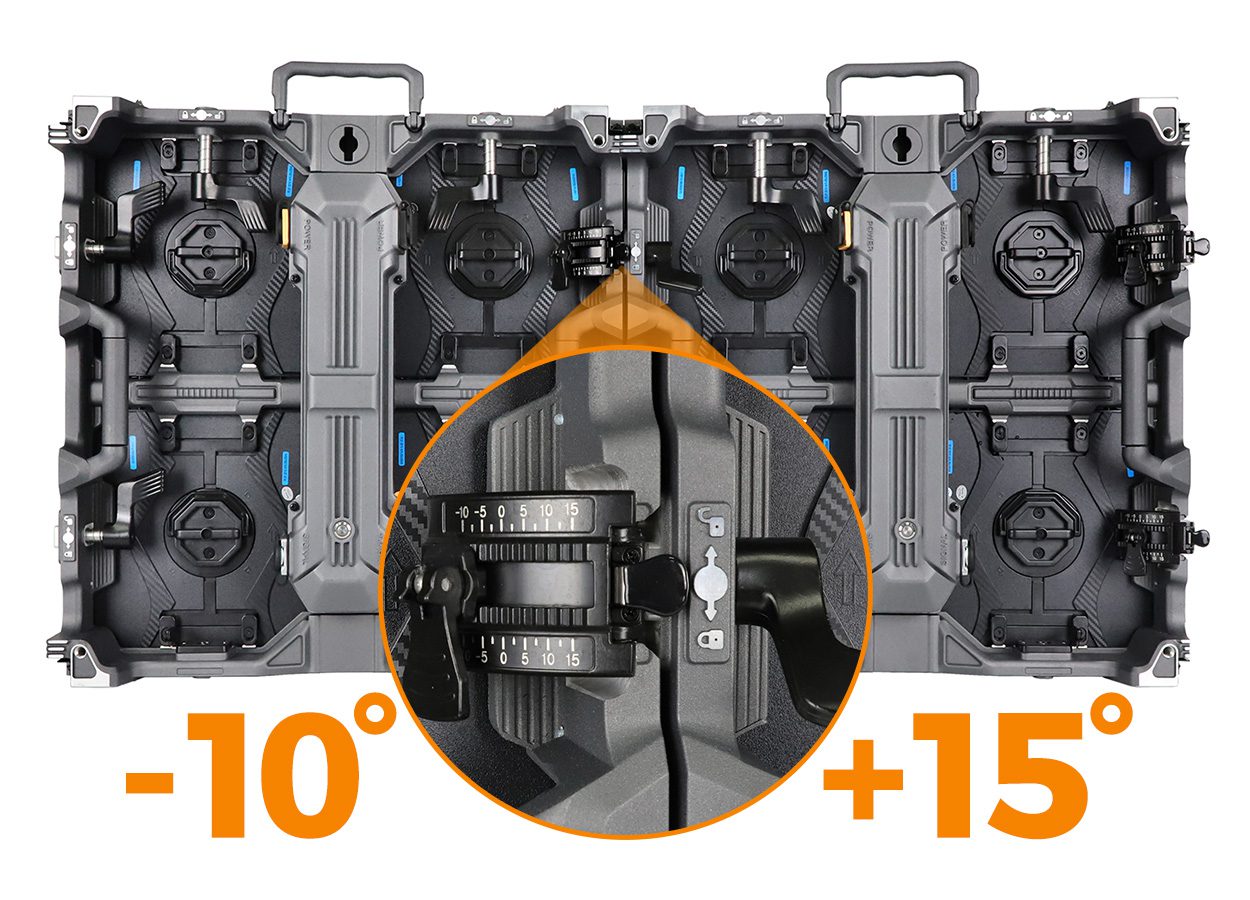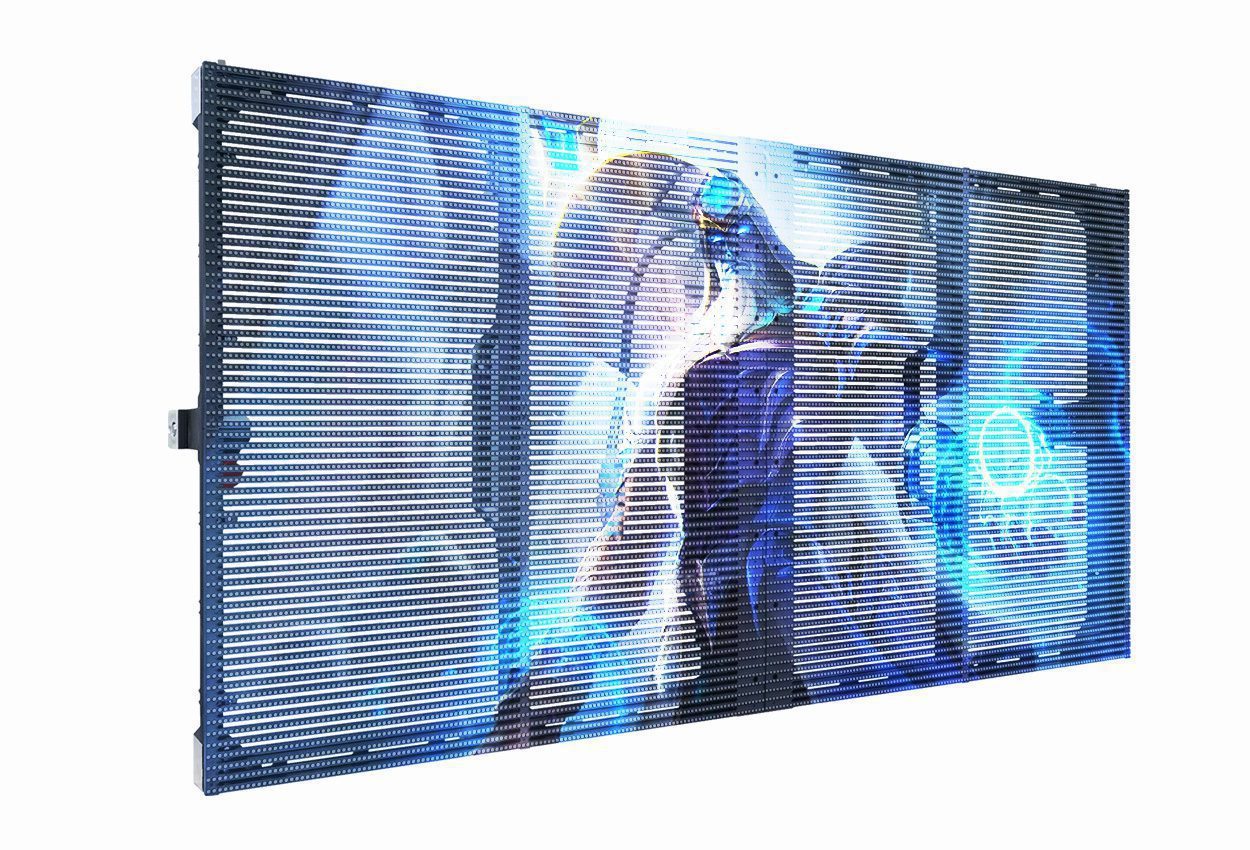

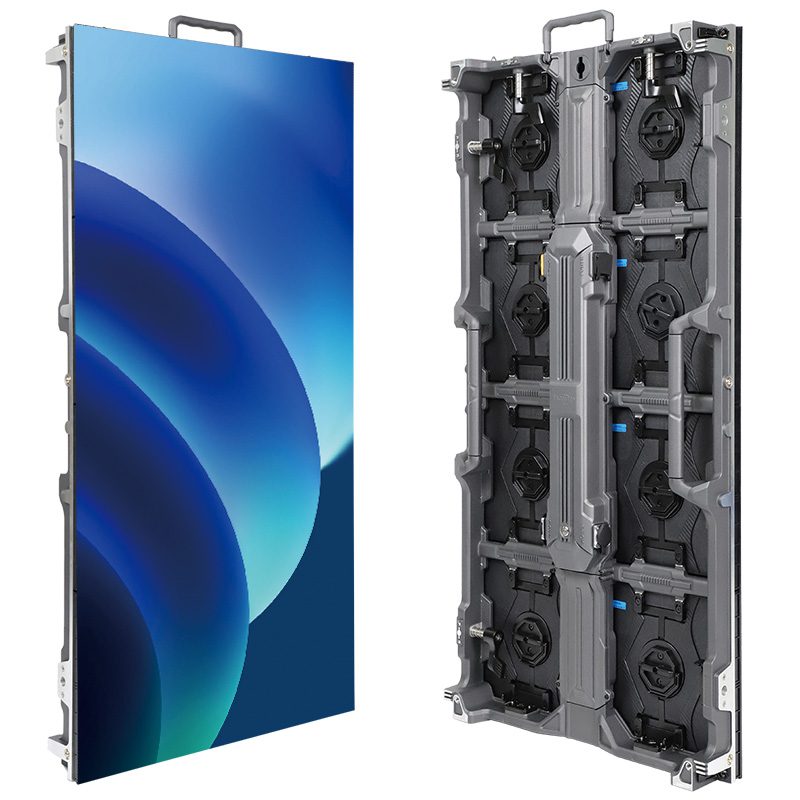
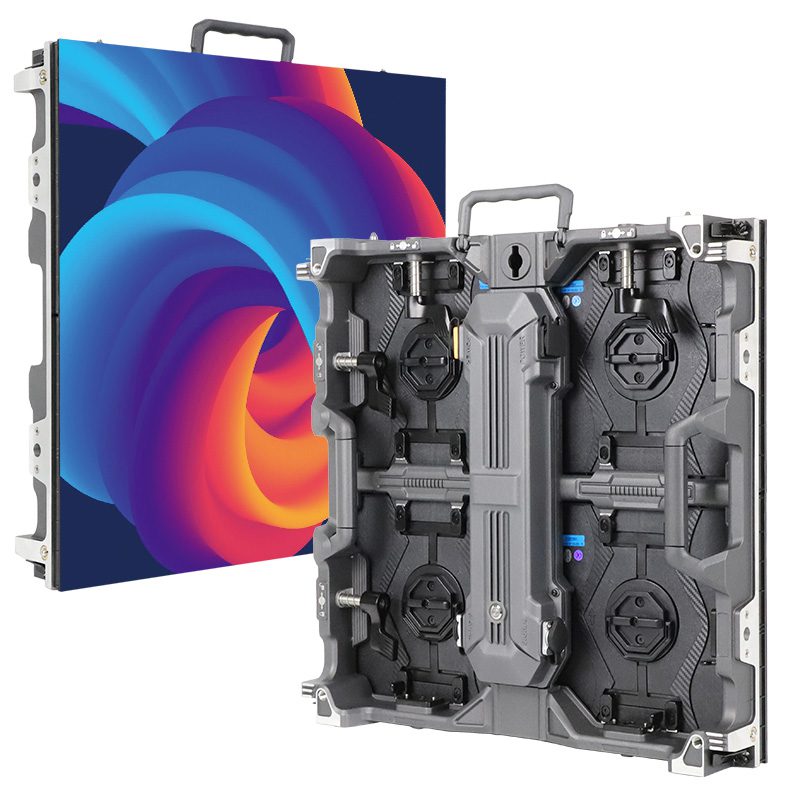
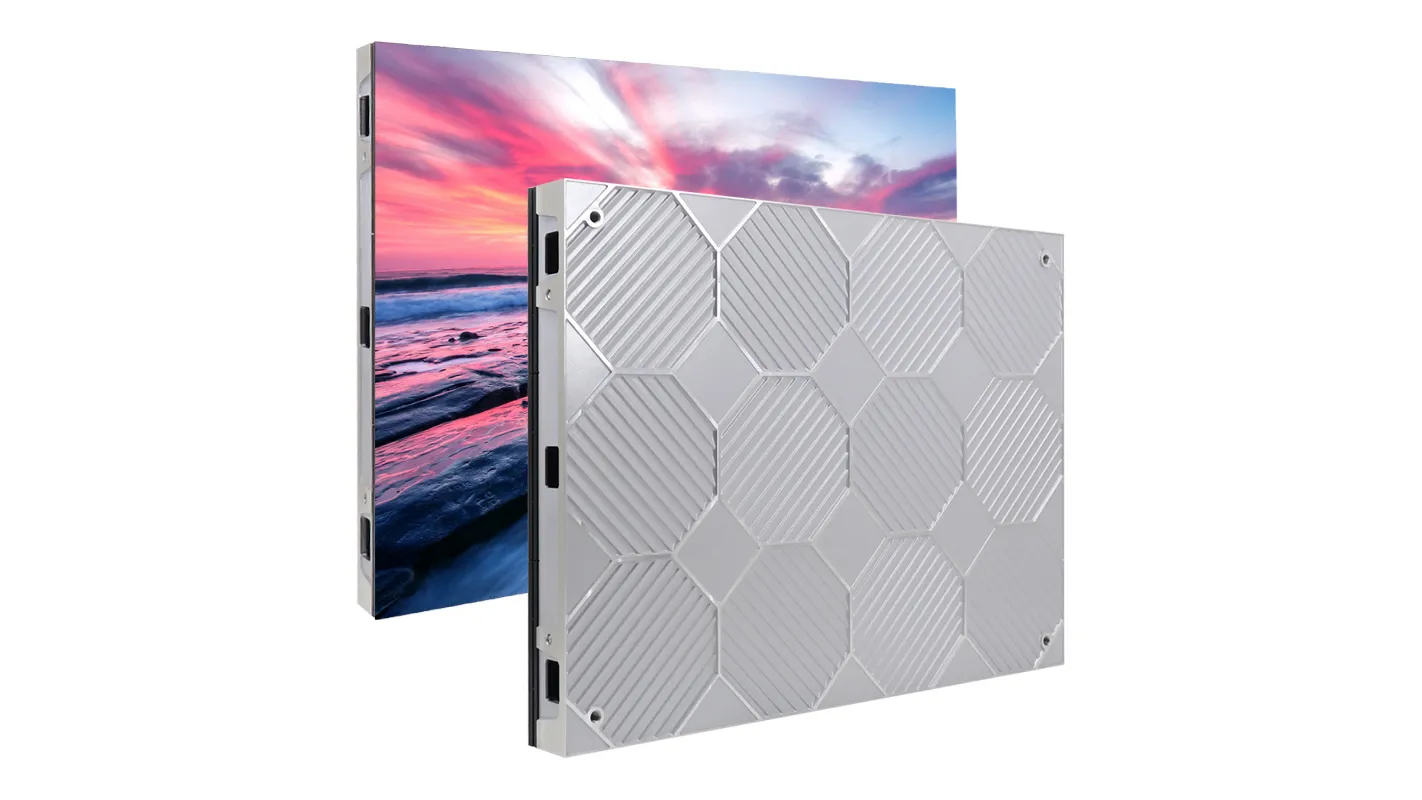
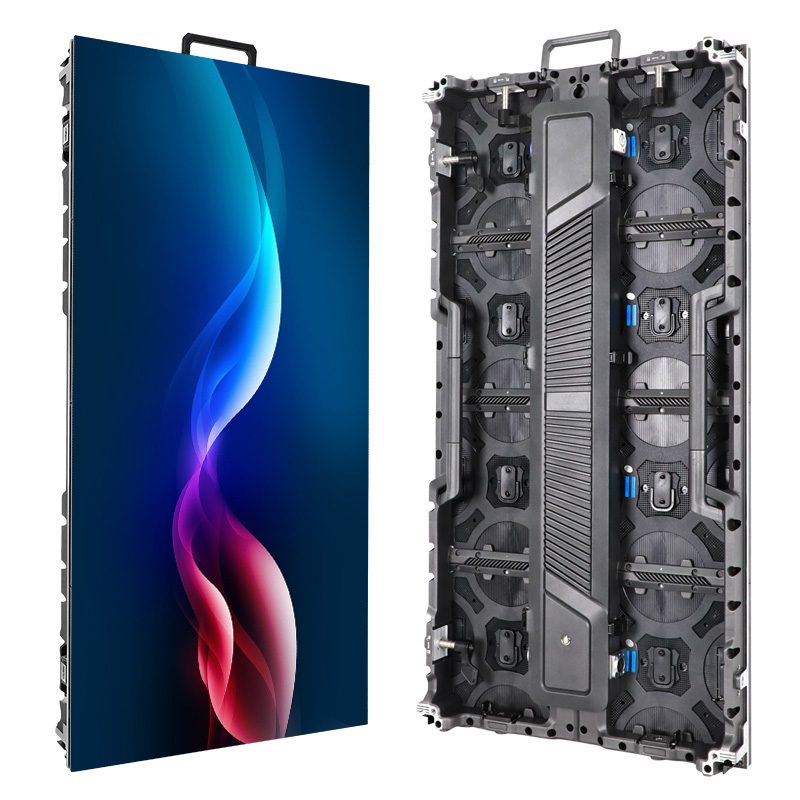
A jumbotron screen is a large display that shows live video, replays, scores and advertising to a crowd. Modern systems usually use modular LED cabinets. To choose one, match the screen dimensions and pixel pitch to the audience, then verify brightness, weather protection, control capacity and the complete installed cost.
A bigger display is not automatically sharper, and accepting a 4K signal does not make a wall native 4K. This guide explains the specifications, rental decisions and supplier checks that help venue owners and event planners compare an LED display on equal terms.
Key takeaways: calculate physical pixel resolution; request separate front and rear protection ratings; compare complete project budgets; and confirm stock, spares and delivery in writing. Examples below are planning calculations, not price quotations or universal product guarantees.
1. What Is a Jumbotron Screen?
The term jumbotron screen describes the crowd-facing function of a giant display rather than a single size or resolution. A stadium video board, an arena center-hung display and a temporary concert wall can all serve that role. The technical specification should identify the actual LED cabinet system behind the name.
Sony introduced its JumboTron at Expo 85 in Tsukuba, Japan. In blooloop’s history of large-area displays, Electrosonic founder director Robert Simpson writes, Sony entered the race in 1985.
Those early systems used different display technology from today’s LED walls; the historical name should not be mistaken for a modern LED product standard.
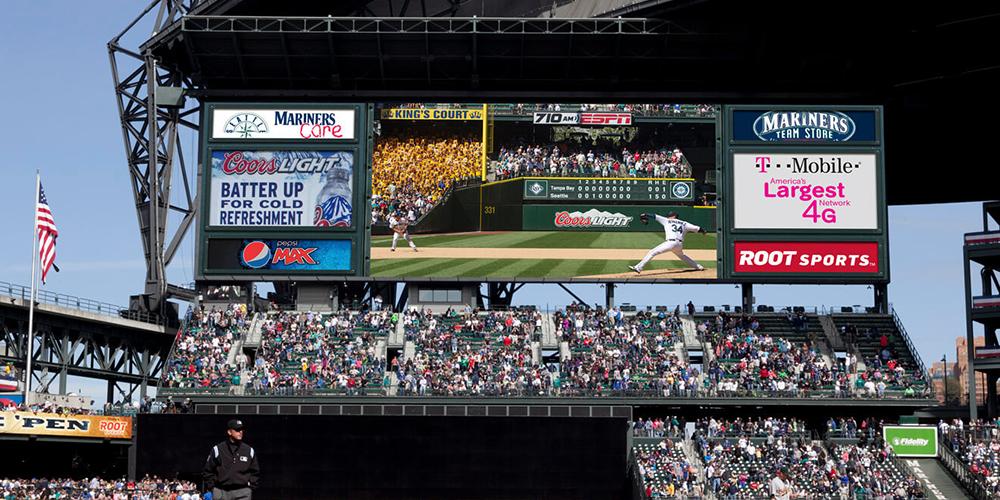
A modern jumbotron screen combines light-emitting pixels, mechanical cabinets, power distribution and a video control chain. Unlike a projection screen, its pixels emit light directly. Unlike a tiled LCD wall, it does not use the same visible panel-bezel structure, although cabinet alignment and calibration still determine whether joins are noticeable.
| Term | Meaning | What to verify |
|---|---|---|
| Jumbotron screen | Large crowd-facing video display | Dimensions, technology and intended audience |
| LED video wall | Modular direct-view LED display | Cabinet resolution, pixel pitch and calibration |
| LED scoreboard | Display for scores, timing or mixed video | Scoreboard software and data integration |
| 4K-ready display | May only describe input compatibility | Native output matrix, not input label |
| Outdoor display | System configured for environmental exposure | Brightness, front/rear IP ratings and site design |
2. How Does a Jumbotron Screen Work?
A LED display follows a signal chain: a camera, computer or media server sends video to a processor; sending and receiving electronics map the image to cabinets; driver circuits regulate the red, green and blue pixels. Power supplies convert the incoming electrical supply for the display electronics.
01 LED panels and the modular matrix
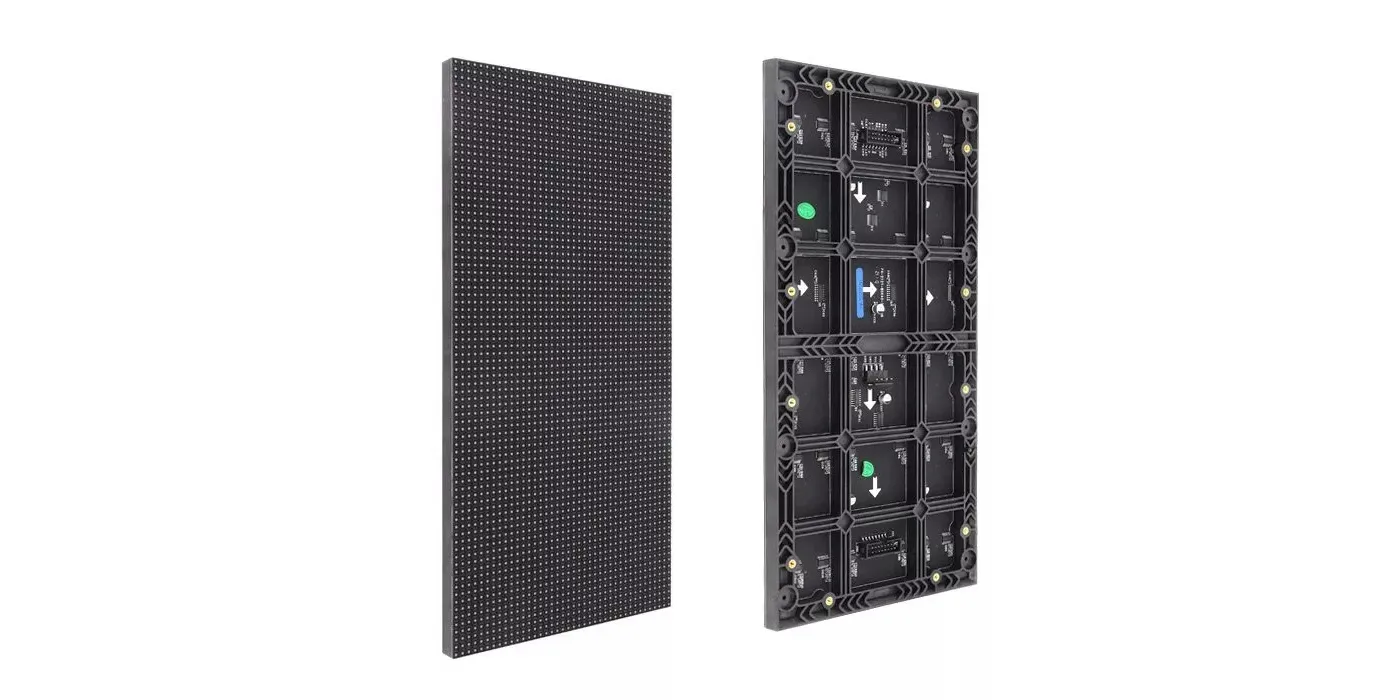
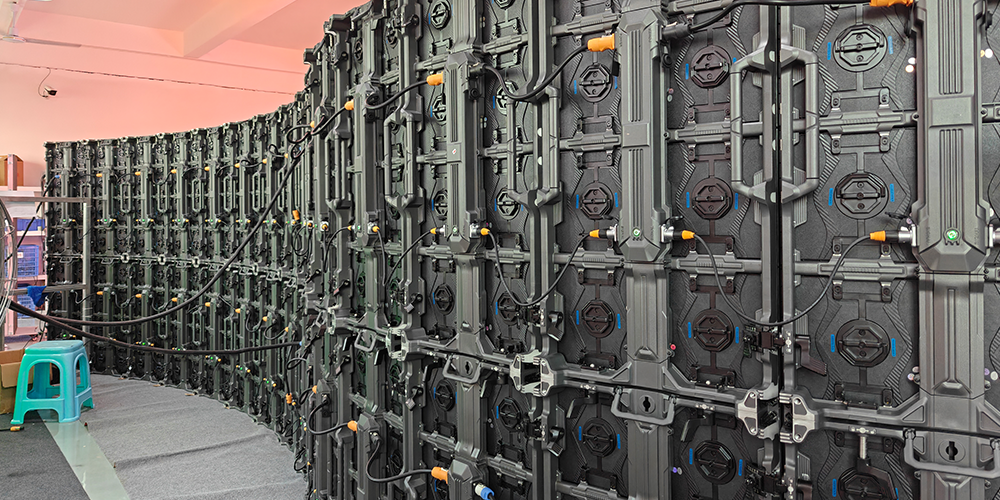
Each cabinet contains modules with a known pixel count. A LED display grows by adding cabinets horizontally and vertically, so its exact dimensions follow the cabinet grid. Keep cabinet model, LED batch, receiving configuration and calibration consistent when adding replacement units.
02 Video processing and control
The processor scales source material, positions video windows and routes the result to the wall. For an LED display showing sports, confirm live camera inputs, replay sources, scoreboard feeds and backup switching. The total pixel load and output-port layout must fit the selected controller.
Refresh rate and video frame rate are different. Refresh describes LED driving behavior; frame rate describes the incoming sequence of images. A high refresh specification alone does not guarantee clean camera footage. Test shutter settings, scan behavior, brightness and synchronization with the cameras used at the event.
03 Power, protection and service access
A LED display needs a documented electrical design and accessible service routes. Use the manufacturer’s maximum consumption for circuit planning and measured typical consumption for operating budgets. Qualified contractors must determine distribution, grounding, protection and structural requirements for the installation.
The International Electrotechnical Commission explains IP ratings as enclosure protection against solid objects and liquids under defined tests. An IP label does not establish wind resistance, corrosion resistance or allowable ambient temperature. Obtain separate evidence for those conditions and confirm whether the rating applies to the front, rear or complete assembly.
04 Pixel pitch and viewing distance
Pixel pitch is the center-to-center pixel spacing in millimeters. Smaller pitch puts more pixels into a given area. For an LED display, judge close-seat pixel visibility and far-seat text readability separately; one viewing-distance shortcut cannot settle both questions.
Simpson also observes in the same technical history, It is an obvious, but easily overlooked, point that if a 4K projector was to project an image of the same size, the pixel pitch would be the same.
The practical lesson is to compare image dimensions and pixel count together, then test actual content from representative seats.
3. Advantages of Jumbotron Screen
The advantages of an LED display come from scale, direct-view brightness and flexible content. Their value depends on how the venue uses the system; neither audience engagement nor advertising income is guaranteed by installing a larger wall.
01 Visibility and useful content
A LED display can bring a close-up of a performer to distant spectators and make scores readable across a venue. Use large numerals, strong contrast and simple layouts. A busy presentation copied from a laptop may remain unreadable even when the wall itself is enormous.
For sponsorship, define usable advertising zones and content schedules before selecting resolution. A LED display with a clear sponsor message and predictable playback can be more useful than a finer-pitch wall showing cluttered graphics. Record playback logs if advertisers require proof of delivery.
02 Modular service and long-term operation
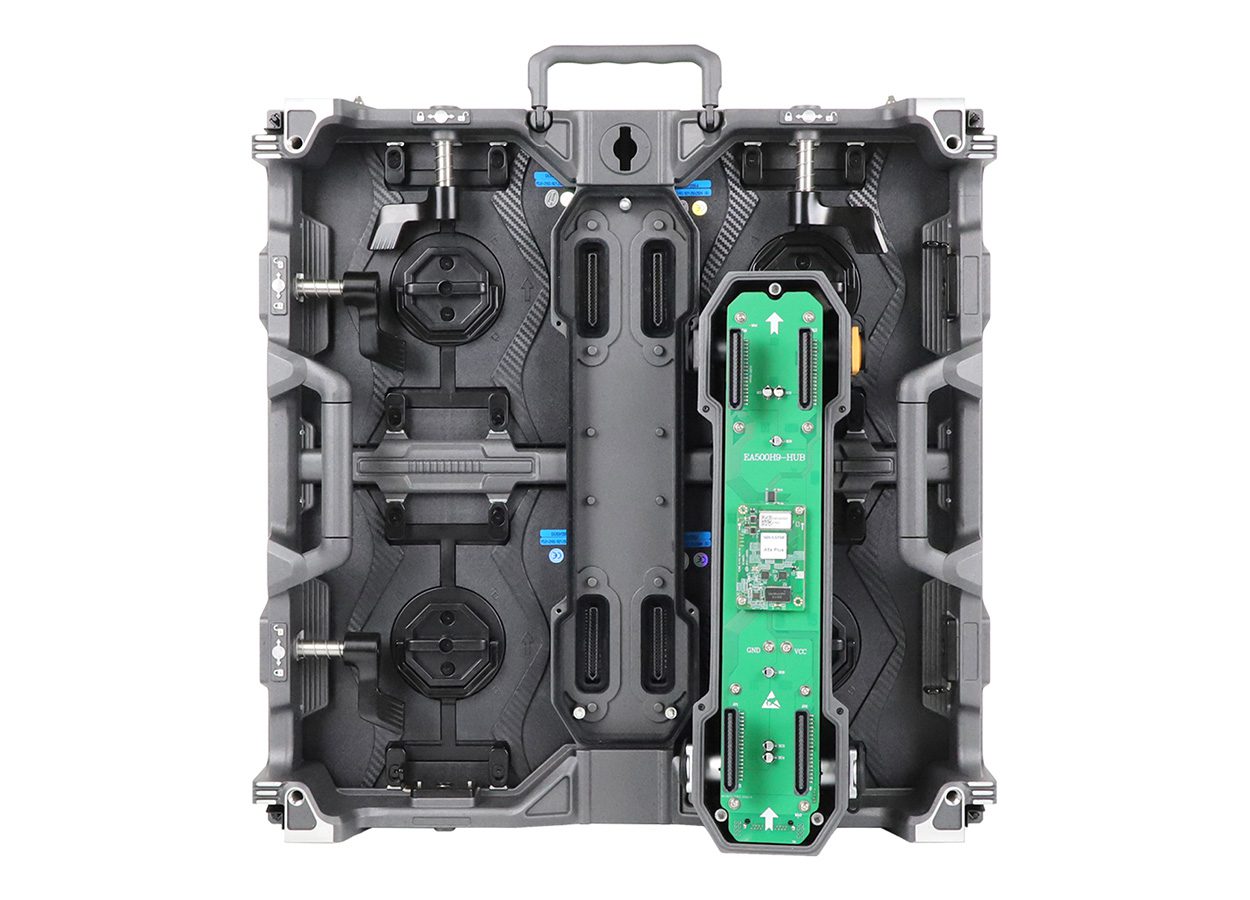
Cabinet construction allows a faulty module or power assembly to be serviced without replacing the entire jumbotron screen. This benefit depends on spare availability, access and compatible replacements. Ask which parts an on-site technician can change and which repairs require a service center.
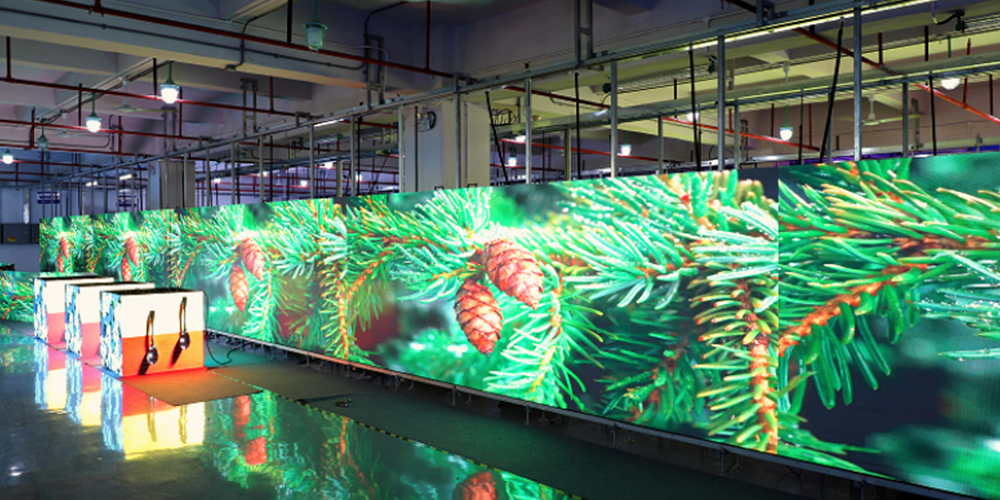
Do not treat an LED lifetime claim as the warranty for the complete jumbotron screen. Power supplies, connectors, control equipment and weather seals have their own failure modes. Request warranty duration, labor coverage, freight responsibility and an explicit parts-support plan.
Energy comparisons should use the same screen area, operating brightness, content and daily schedule. Automatic dimming can reduce unnecessary output after dark, but calculate savings from measured operating conditions rather than a generic efficiency percentage.
4. Common Types of Jumbotron Screens
01 Outdoor jumbotron screens
An outdoor jumbotron screen needs sufficient output for the measured ambient light, dimming for darker periods and protection appropriate to the site. Specify sun exposure, rainfall, temperature, mounting height and maintenance access. Brightness alone does not make an indoor cabinet suitable for outdoor service.
02 Indoor jumbotron screens
An indoor jumbotron screen usually prioritizes close-viewing detail, comfortable brightness, low-level grayscale and quiet operation. Arena displays still need an audience sightline study. A corporate stage may require finer pitch than a large arena because attendees read smaller text from closer positions.
03 Rental jumbotron screens
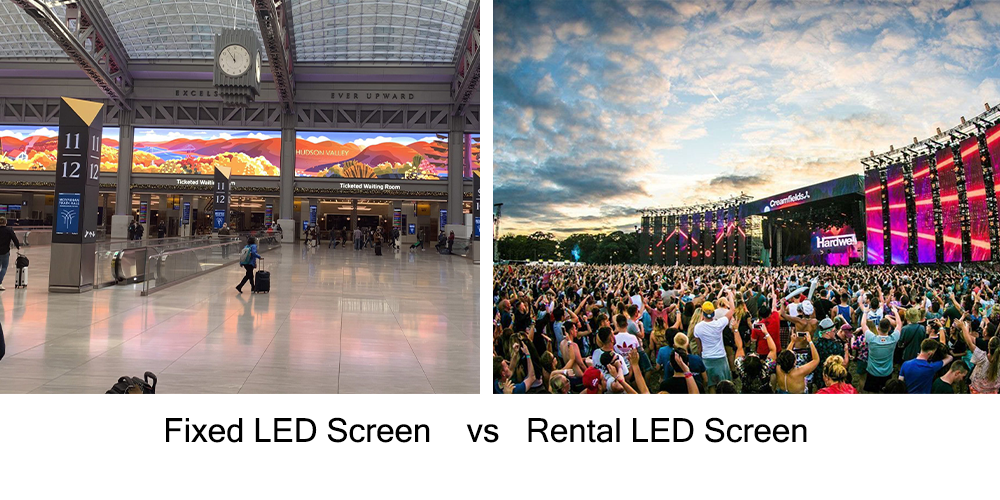
A rental jumbotron screen is intended for repeated transport and assembly. Evaluate quick locks, handling protection, serviceable power boxes and the supplier’s deployment process. Our rental LED display range provides a starting point for matching cabinet formats to event requirements.
04 Fixed installation jumbotron screens
A fixed jumbotron screen is designed around one venue and its operating schedule. Confirm rear service space or front access before setting the mounting depth. Permanent use also requires a maintenance budget, a content owner and a documented route for replacing large components.
| Specification | Indoor versions | Outdoor versions |
|---|---|---|
| Cabinet size | 500 x 1000 mm | 500 x 1000 mm |
| Listed pixel pitches | P1.56-P3.91 | P2.6-P3.91 |
| Listed brightness | 700-800 cd/m2 | 4,000-6,000 cd/m2 |
| Refresh frequency | At least 3,840 Hz | At least 3,840 Hz |
| Cabinet weight | 12 kg | 13 kg |
| Outdoor protection | Do not infer outdoor suitability | IP65 front; IP54 rear |
| Service access | Front and rear | Front and rear |
Source: EagerLED EA1000H9 product specifications, checked September 9, 2026. These ranges describe listed configurations, not every jumbotron screen or a guarantee of current stock. Confirm the exact order specification, especially the lower rear protection rating, before deployment.
5. Where Can the LED Jumbotron Screen Be Used?
The right jumbotron screen layout starts with the task the audience needs to perform: follow action, read information or understand an advertisement. Screen size, content design and operating workflow should support that task together.
01 Sports events
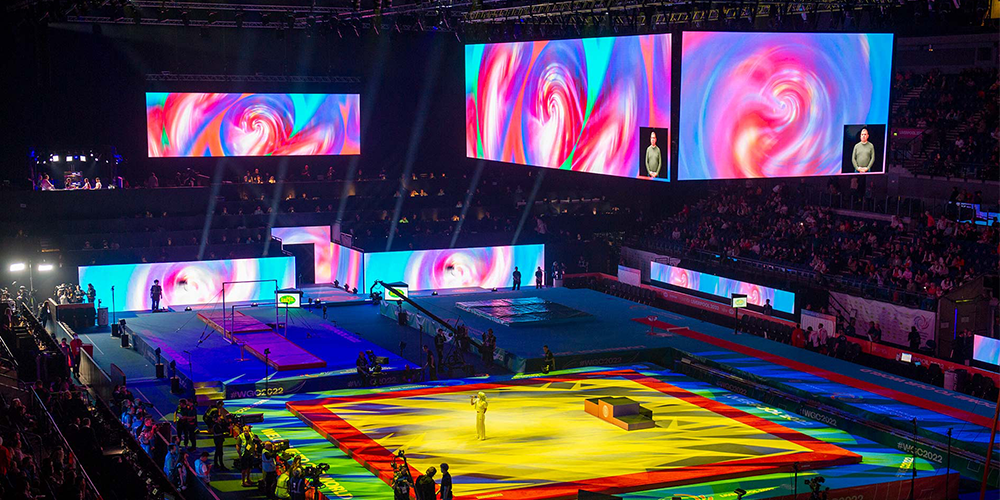
A stadium jumbotron screen combines live video, replays and scoring. Reserve readable space for scores and timing before allocating advertising areas. Test the view from side seats and upper tiers, and check the feed integration described in our stadium LED screen solutions.
02 Corporate and exhibition environments
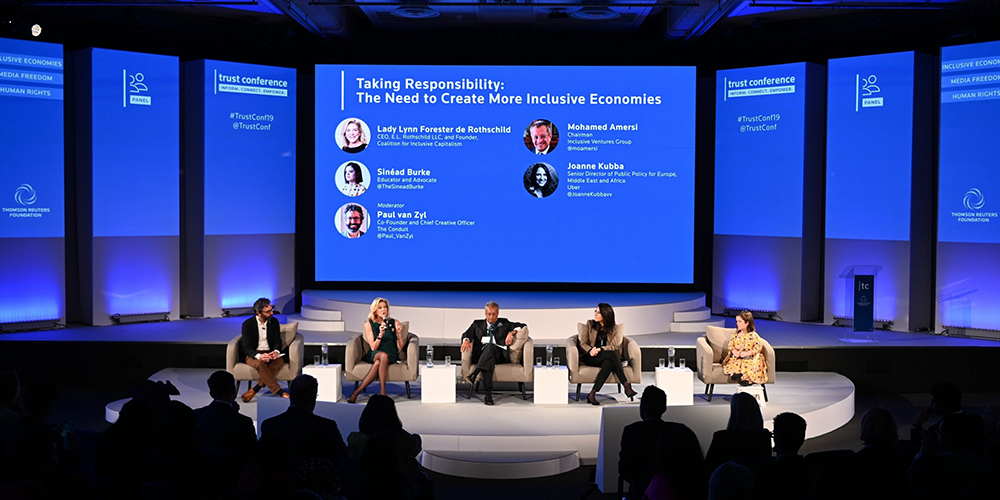
For presentations, an LED display must reproduce charts and speaker names clearly. Ask presenters for sample slides early. If the farthest audience cannot read a table, simplify the content or increase its display area; a higher-resolution source file alone will not solve undersized text.
03 Concert events
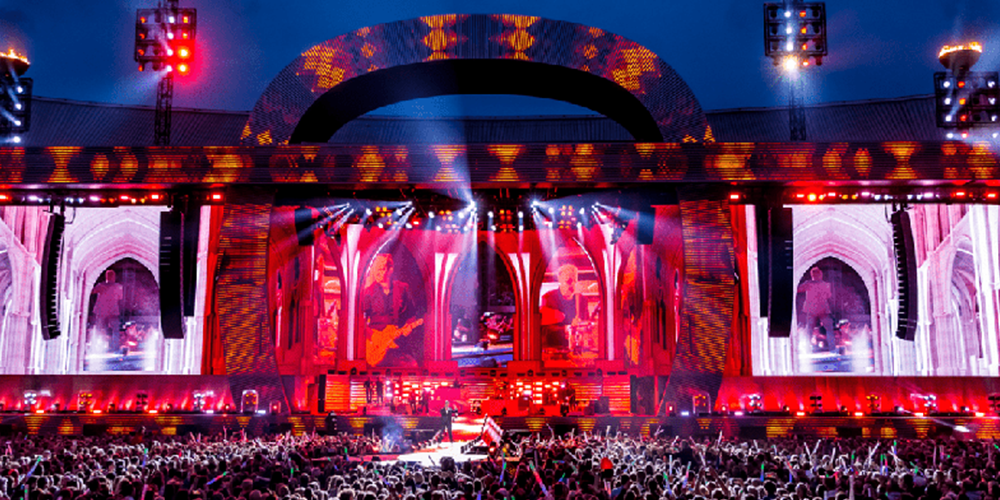
A concert jumbotron screen can provide image magnification while a separate surface carries scenic visuals. Decide which wall must show performers continuously. Test latency, camera compatibility and transitions during rehearsal so visual effects do not interrupt the audience’s view of the performance.
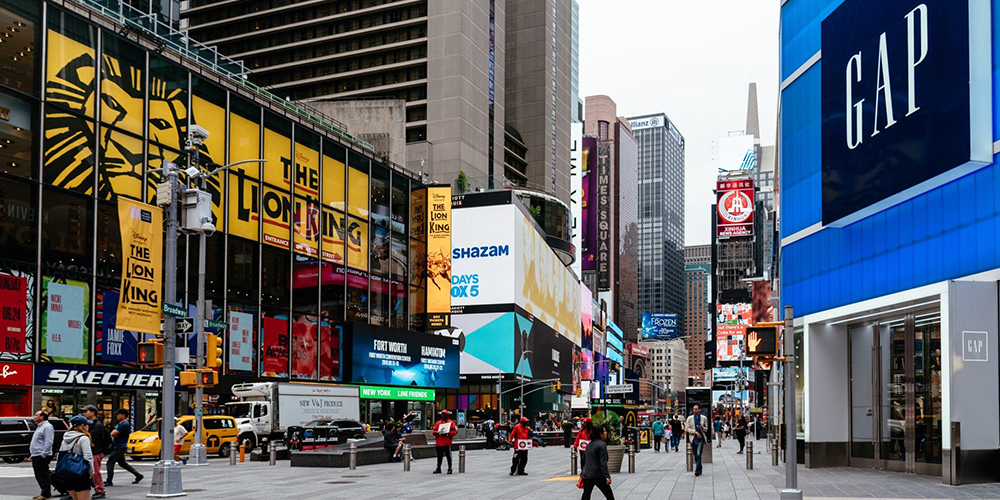
04 Outdoor advertising and digital signage
For a high-resolution outdoor advertising jumbotron, specify viewing distance and message duration alongside pixel count. Use short headlines, large products and uncluttered layouts. Check local display permissions and brightness restrictions for the actual address before committing to the installation.
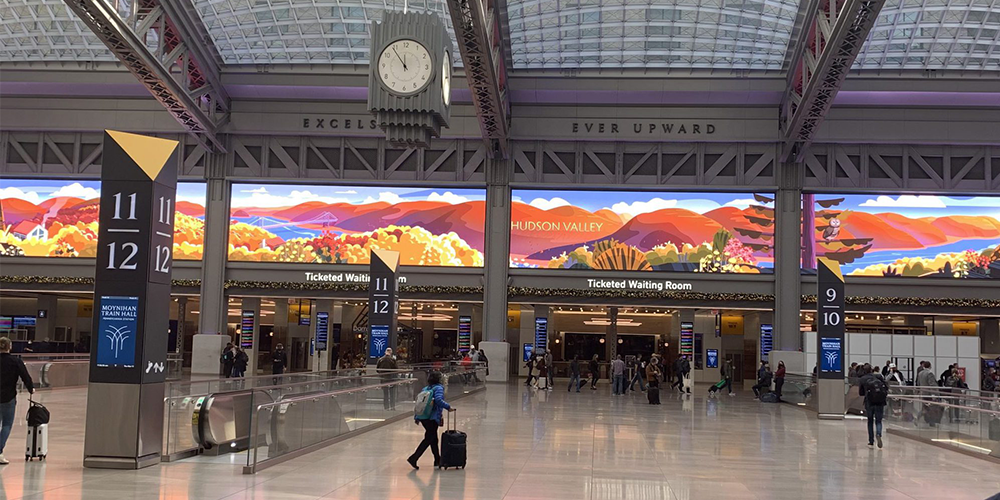
05 Transportation hubs
A transport jumbotron screen needs readable schedules, reliable data connections and a fallback when information feeds fail. Establish who validates service changes. Advertisements should not obscure time-sensitive passenger information, and the layout should remain understandable from the principal walking routes.
06 Public events and festivals
Temporary public events need an LED display deployment plan covering delivery access, support structures, weather monitoring and shutdown responsibility. Include the setup and removal windows in the order. Verify that the quoted screen remains available for rehearsal as well as the public performance.
07 Public spaces and smart cities
A public-space jumbotron screen needs scheduled content ownership and brightness control throughout the day. Confirm who removes expired messages and who responds to technical faults. These operational details matter as much as a remote content platform’s feature list.
08 Government and emergency communication
A LED display may supplement public announcements when authorized operators control the messages. It should not be assumed to replace required emergency notification systems. Define message approval, accessible alternatives and the fallback when power or connectivity is unavailable.
6. Jumbotron Rental vs. Buying: Which Is Best?
Rent an LED display when usage is occasional or the event format changes. Consider buying when recurring use and an established operating team can justify ownership. Compare the same dimensions, operating hours, crew requirements and service level for both options.
01 Renting a jumbotron screen
A rental quotation should state equipment, transport, setup, removal, operator time and standby support. Confirm whether power distribution, rigging, content processing and insurance are included. A low equipment-only rate can become expensive after essential services are added.
02 Buying a jumbotron screen
A purchase budget includes more than LED cabinets. Add the processor, structure, electrical work, spare parts, commissioning, training, freight and any applicable duties or taxes. The LED display owner also needs storage for transportable equipment and responsibility for ongoing inspections.
| Decision factor | Rental | Purchase |
|---|---|---|
| Upfront commitment | Event-specific equipment and service charges | Equipment plus installation and commissioning |
| Technical staffing | May be included; verify operator hours | Owner or contracted support team |
| Repairs and spares | Confirm on-site coverage and exclusions | Plan spare stock and replacement lead times |
| Changing event sizes | Order a different configuration each time | Limited by owned inventory and compatibility |
| Recurring costs | Transport, setup and hire for each booking | Power, maintenance, labor and storage |
| Best decision evidence | Comparable written event quotations | Realistic utilization and ownership budget |
Illustrative break-even calculation: suppose an installed jumbotron screen costs USD 90,000 and comparable rental costs USD 6,000 per event. If ownership adds USD 1,500 per event, the simple break-even point is 90,000 / (6,000 – 1,500) = 20 events. These are hypothetical inputs, not EagerLED prices.
This calculation excludes financing, annual fixed maintenance, residual value and changing rental rates. Include those items before approving a purchase. A LED display used for only a few events may still justify ownership for operational reasons, but that is a separate decision from financial payback.
7. How to Choose the Right Jumbotron Screen
Specify an LED display from the audience backward: content, viewing positions, dimensions, native resolution and site conditions. Then request a bill of materials and an acceptance test. This sequence makes manufacturers’ proposals easier to compare.
01 Viewing distance and screen size
Record the nearest and farthest seats, side angles and obstructions. Mock up the smallest essential text at the proposed size. For an LED display carrying both video and scores, approve the split layout before deciding the final cabinet quantity.
02 Pixel pitch and native image clarity
Horizontal pixels = screen width in millimeters / pixel pitch in millimeters. Use the same formula for height. Actual orders must use whole cabinets and the manufacturer’s exact module resolution; rounded pitch names can introduce small calculation differences.
| Exact assumed pitch | Native pixel matrix | Total pixels | Interpretation |
|---|---|---|---|
| 10 mm | 960 x 540 | 518,400 | Large video and simple graphics |
| 5 mm | 1920 x 1080 | 2,073,600 | Full HD pixel matrix |
| 2.5 mm | 3840 x 2160 | 8,294,400 | 4K UHD pixel matrix |
These are mathematical examples, not available cabinet configurations. The same physical jumbotron screen has sixteen times as many pixels at 2.5 mm as at 10 mm. Ask a 4K jumbotron display manufacturer to show the full cabinet map, native matrix and controller loading calculation before accepting a 4K claim.
Input support and output resolution are separate specifications. A processor may accept 3840 x 2160 video and scale it onto a lower-resolution jumbotron screen. Our LED screen resolution guide explains the relationship between content and physical pixels.
03 Indoor versus outdoor environment
Request brightness at the specified configuration and confirm automatic or scheduled dimming. The IEC enclosure guidance supports checking dust and liquid ingress separately from structural and thermal design. For an outdoor jumbotron screen, review front and rear exposure, cable connections and service openings as a complete installation.
04 Structure, installation and power
Obtain cabinet weight, structure drawings and service clearances before final approval. A qualified project team should assess mounting, wind loads and local requirements. An IP65 cabinet label does not certify the supporting frame or the completed structure.
Illustrative energy calculation: a 50 m2 jumbotron screen averaging 250 W/m2 uses 12.5 kW. At 6 hours per day, that equals 75 kWh per day. Replace these assumed values with the selected system’s measurements; peak demand, cooling and other equipment need separate allowances.
05 Content, supplier evidence and delivery
When comparing LED jumbotron screen specifications from manufacturers, ask for evidence against one shared brief. Avoid proposals that list only pitch, cabinet count and a single headline price. Agree on who supplies content, configures the processor and signs off the finished jumbotron screen.
| Ask for | Evidence to receive | Problem it helps prevent |
|---|---|---|
| Exact model and resolution | Dated datasheet and cabinet layout | A quoted input format mistaken for native 4K |
| Outdoor suitability | Front/rear IP ratings and environmental limits | Exposed rear components or unsuitable temperature range |
| Power and structure | Maximum consumption, weight and engineering scope | Undersized services or incomplete mounting budget |
| Image quality | Sample video, low-brightness and camera tests | Visible joins, poor grayscale or filming artifacts |
| US stock for events | Warehouse address, available quantity and dispatch date | Confusing overseas stock with local availability |
| Parts and support | Spare list, compatibility and written response terms | Extended downtime after a component failure |
| Final acceptance | Test plan, training and commissioning records | Unclear responsibility at handover |
If you need US stock jumbotron panels for events, request written confirmation of the physical warehouse, cabinet quantity, configuration and delivery window. A US-facing website or sales contact does not prove local inventory. Also check return shipping and where warranty repairs occur.
At handover, run full-field color tests, grayscale ramps, actual camera feeds and the approved score or advertising layout. Check cabinet alignment, dimming, restart behavior and agreed backup switching. Record settings and keep a copy of the final screen map with the maintenance documentation.
8. Future Trends for Jumbotron Screens in 2026
For a 2026 jumbotron screen project, evaluate finer pitch, improved processing, remote monitoring and flexible cabinet geometry as purchase options that must earn their cost. A feature belongs in the specification only when it solves a defined viewing or operating requirement.
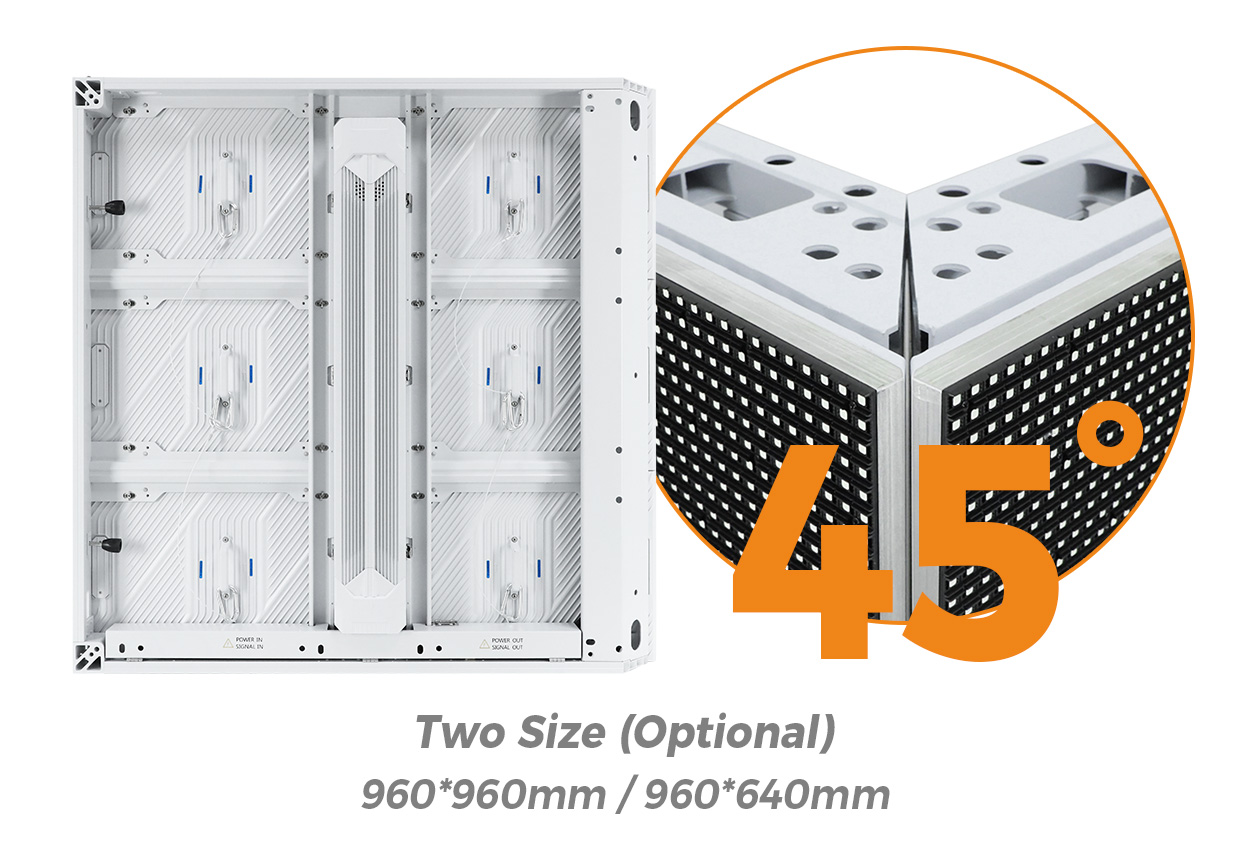
The EA1000H9 range, for example, lists optional curved configurations and service access from both sides. Those options require a confirmed design; they do not make every flat-wall quotation suitable for a circular installation.
Ask how monitoring alerts reach the maintenance team, whether brightness schedules survive a restart and how replacement cabinets are calibrated. Judge a jumbotron screen upgrade by measurable operation and image quality, rather than claims that a new model year automatically delivers better results.
9. FAQs
01 Is a jumbotron screen the same as an LED screen?
Not exactly. Jumbotron screen describes a large audience-facing display; LED describes the technology used in most modern installations. Specify the actual cabinet model, native resolution and control system instead of relying on the general name.
02 How much does a jumbotron screen cost?
There is no single price for a custom system. Screen area, pitch, processing, structure, electrical work and service affect the installed total. Request a written quotation with the complete scope; the break-even example above is hypothetical and should not be treated as a market price.
03 Can a jumbotron screen be used outdoors?
Yes, when the selected system and installation are suitable for the actual exposure. Verify brightness, front and rear IP ratings, operating temperature and engineered support. Indoor cabinets should not be treated as outdoor equipment merely because the event is short.
04 What makes a jumbotron screen truly 4K?
Native 4K UHD requires a physical 3840 x 2160 pixel matrix. Accepting a 4K input is insufficient if the wall has fewer pixels. Confirm the cabinet resolution, complete layout and controller capacity together.
05 Should I rent or buy a jumbotron screen?
Rent for occasional events or changing layouts; evaluate ownership for recurring use with an operating and maintenance plan. Compare complete event costs and realistic utilization, including transport, staffing, repairs and storage.
06 How do I verify US stock and manufacturer specifications?
Ask for a dated datasheet, exact configuration, warehouse location, available quantity and written dispatch commitment. Confirm compatible spares and local service arrangements separately. Do not assume that a US sales presence means the specified panels are physically stocked there.
10. Conclusion
A useful jumbotron screen specification connects audience needs with physical pixels, site engineering and an affordable operating plan. Start with the content and viewing positions, calculate native resolution, verify environmental protection and compare the full rental or purchase scope.
For a project review, send EagerLED your screen dimensions, venue location, nearest viewing distance, indoor or outdoor conditions, content requirements and installation date. Request a matched cabinet layout, control proposal and itemized quotation so the jumbotron screen can be assessed against your actual project.
Editorial and source note: This buying guide is published by EagerLED, a display supplier. Product examples describe the linked specifications checked on September 9, 2026; final specifications and availability require written confirmation. Resolution, energy and break-even examples are transparent calculations using stated assumptions, not field-test results.
 Fixed vs Rental LED Screens: Buying & Hire Compared
 LED Display Size Guide: Inches, Meters & Cabinet Layouts