
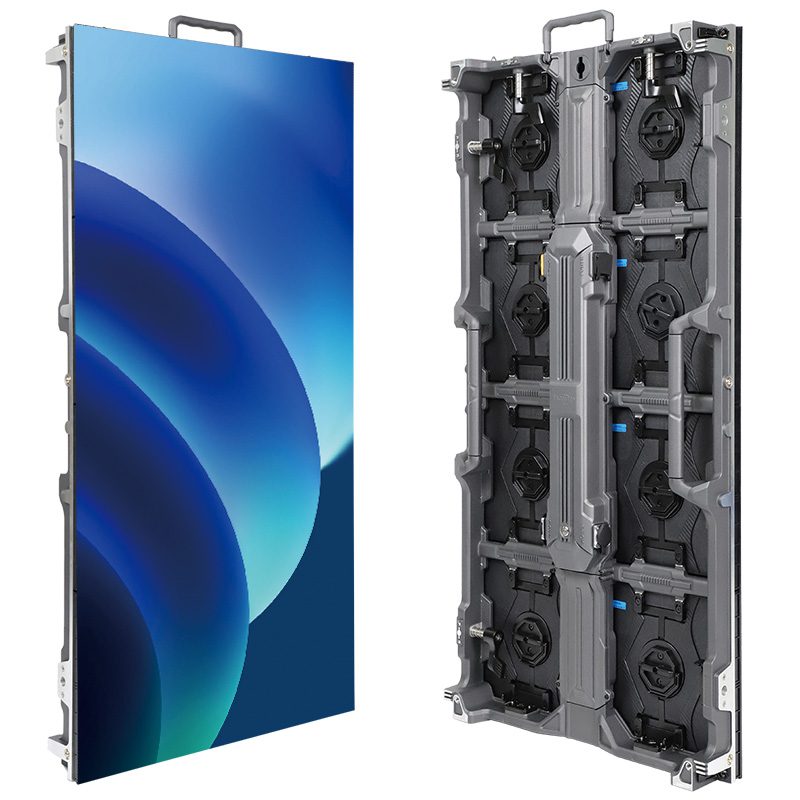
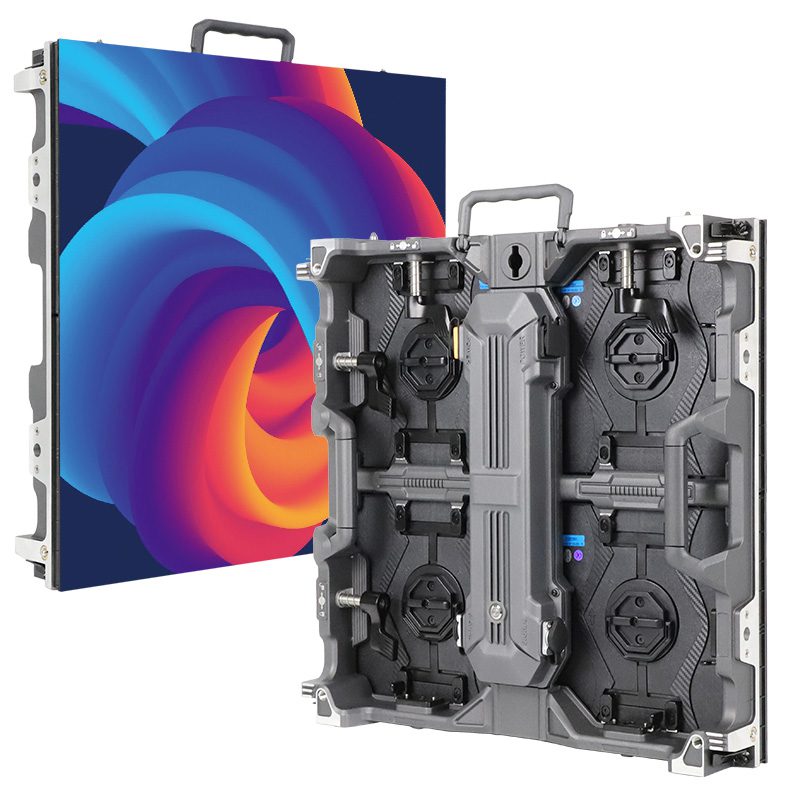
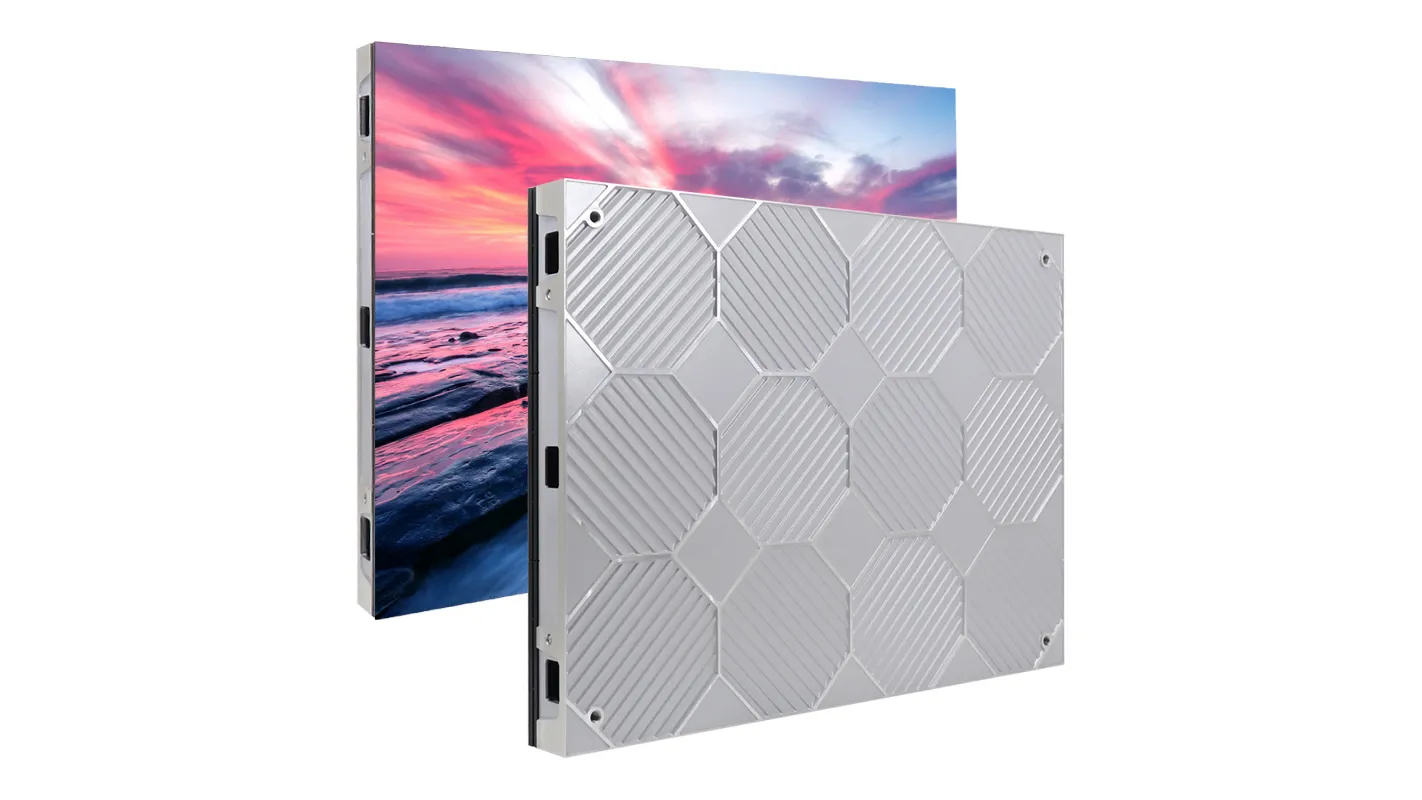
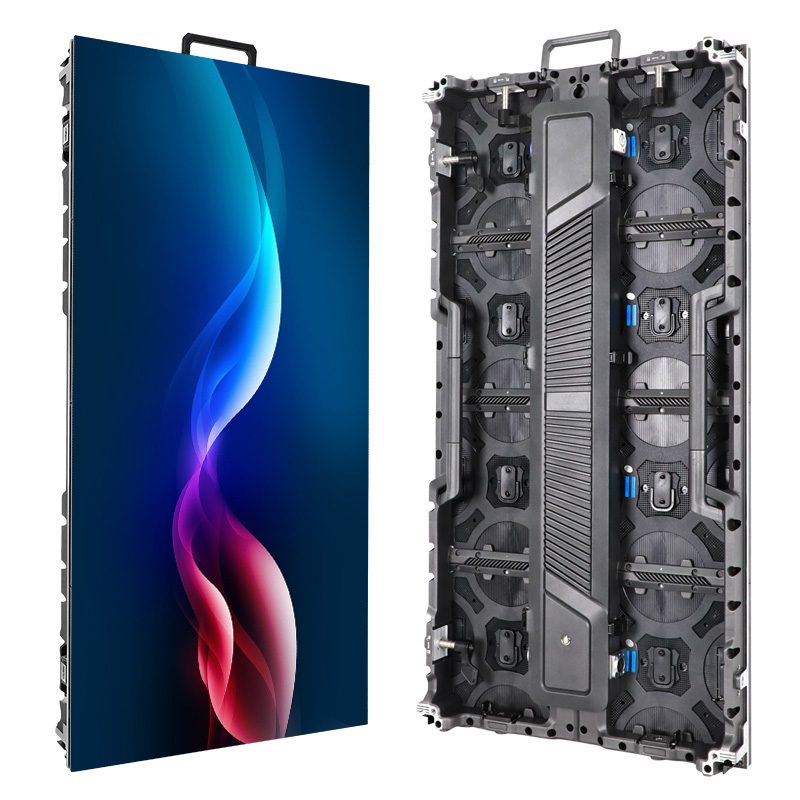
A waterproof LED display should be selected for the real installation environment, not by choosing the highest IP number on a datasheet. For most fully exposed projects, start with an IP65 front and rear enclosure, 4,500-6,000 nits for direct-sun locations, corrosion-resistant cabinets, sealed connectors, drainage, and service access that matches the structure.
The key is system-level protection. An IP-rated cabinet can still fail if cable entries, module seals, ventilation, or drainage are poorly designed. This guide turns those details into a practical 10-point buying process for outdoor advertising, stadiums, transport hubs, retail facades, and event screens.
Quick answer: Choose IP65 for most exposed outdoor LED screens and consider IP66 where wind-driven rain, salt spray, dust, or wash-down is expected. Match brightness to actual sun exposure, use pixel pitch to control viewing distance, and verify the complete assembled display rather than a single module.
| Selection factor | Practical starting point | What to verify |
|---|---|---|
| Ingress protection | IP65 for most exposed sites; IP66 for harsher rain or dust | Complete cabinet, doors, connectors, cable entries, and test report |
| Brightness | 4,500-6,000 nits for direct-sun outdoor use | Measured calibrated brightness and automatic dimming |
| Pixel pitch | P4-P10 is common for outdoor viewing distances | Closest viewer, content type, resolution, and budget |
| Cabinet | Die-cast aluminum or protected steel | Corrosion treatment, gasket material, flatness, and drainage |
| Service access | Front service for wall mounting; rear service for open structures | Safe module, power supply, cable, and control-card access |
| Warranty | At least 3 years is preferable for permanent projects | Written coverage for water ingress, corrosion, parts, and labor |
Table of Contents
1. What Is a Waterproof LED Display?
A waterproof LED display is an LED video system engineered to operate while exposed to rain, airborne dust, humidity, solar heat, and changing temperatures. Whether a supplier calls it a waterproof LED screen or a weather-resistant LED display, protection must cover the entire assembly: LED modules, cabinet joints, rear doors, power and data connectors, cable entries, control electronics, ventilation, and drainage.
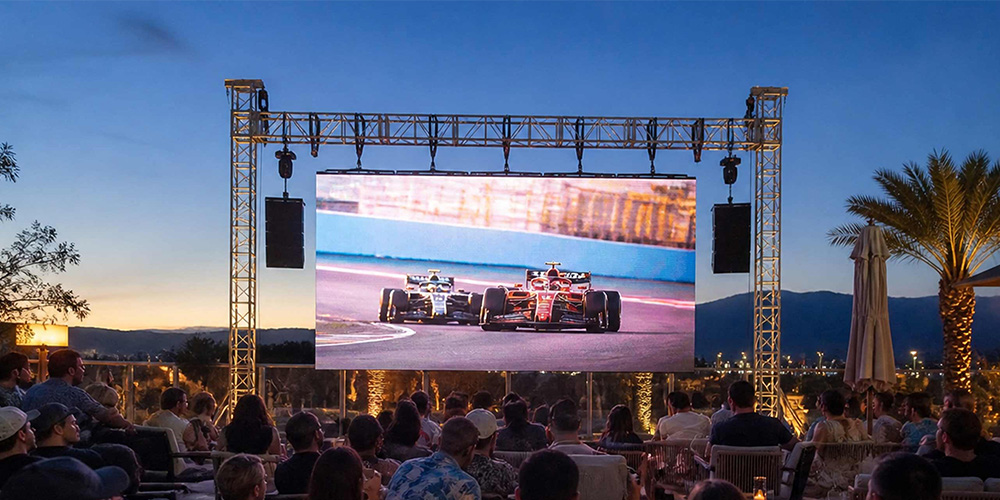
A fully exposed outdoor screen needs enclosure protection, readable brightness, and planned drainage.
01 Waterproof LED Display vs. Standard LED Display
An indoor LED display is designed for dry, controlled conditions. It may have open ventilation, unsealed signal ports, and cabinet joints that are unsuitable for rain. A weather-resistant outdoor system adds gaskets, sealed connectors, protected circuit boards, corrosion-resistant hardware, and water paths that direct moisture away from electronics.
02 Why Waterproofing Matters
Water can create shorts and corrosion, while dust can obstruct heat transfer. Humidity also creates condensation when cabinet temperature changes. Effective protection combines exclusion, corrosion control, temperature management, and drainage instead of relying on sealant alone.
03 The IP Rating Is a Starting Point
The IP Code is defined by IEC 60529. The first digit describes protection against solid objects and dust; the second digit describes protection against water. The rating describes tested enclosure conditions, not unlimited resistance to every weather event.
04 Waterproof vs. Weather-Resistant
For purchasing, treat “waterproof” as shorthand rather than an absolute promise. A screen may resist rain but still require a site-specific solution for salt spray, flooding, snow loading, pressure washing, or repeated freeze-thaw cycles. Ask the supplier which surfaces were tested and whether the rating applies to the assembled cabinet.
2. Key Specifications of Waterproof LED Displays
01 IP65, IP66, IP67, and IP68
IP65 means dust-tight construction with protection against water jets. IP66 increases water-jet severity. IP67 and IP68 address temporary or continuous immersion under specified conditions; they are not automatically better choices for a ventilated LED billboard. The NEMA summary of IEC 60529 is a useful reference when reviewing an enclosure claim.
| Rating | Dust protection | Water protection | Typical LED use |
|---|---|---|---|
| IP54 | Limited dust ingress | Splashing water | Sheltered or semi-outdoor areas |
| IP65 | Dust-tight | Water jets | Most outdoor advertising and event screens |
| IP66 | Dust-tight | Powerful water jets | Coastal, storm-prone, dusty, or wash-down sites |
| IP67 | Dust-tight | Temporary immersion under stated conditions | Specialized sealed components, not usually a complete billboard |
| IP68 | Dust-tight | Continuous immersion under manufacturer-stated conditions | Special applications rather than conventional outdoor displays |
02 Brightness and Automatic Dimming
Brightness should be selected from measured ambient light and screen orientation. A north-facing shaded facade may need less output than a west-facing roadside screen in direct afternoon sun. For many direct-sun LED installations, 4,500-6,000 nits is a practical starting range.
Do not run maximum output all night. An ambient-light sensor and scheduled dimming improve visual comfort, reduce power use, and limit unnecessary heat. A professional discussion on AVIXA Xchange makes the core point clearly: outdoor visibility must be judged in direct sunlight, not simply by whether the display turns on outdoors.
03 Pixel Pitch and Viewing Distance
Pixel pitch is the center-to-center spacing between pixels. Smaller pitch increases pixel density and cost. Start with the closest realistic viewer distance, then check required resolution and content detail. For a deeper calculation, use our LED screen resolution guide and LED screen size guide.
| Pixel pitch | Common closest viewing range | Typical application |
|---|---|---|
| P4-P5 | About 4-6 m | Retail facades and closer pedestrian viewing |
| P6-P8 | About 6-10 m | Outdoor events, plazas, and medium billboards |
| P10+ | About 10 m and beyond | Highway boards and long-distance viewing |
04 Operating Temperature and Heat
Request the rated operating range for the complete display, not only the LED module. Power supplies, receiving cards, fans, and adhesives may have different limits. Direct sun can raise cabinet temperature well above ambient, so thermal design must be evaluated at expected brightness and power load.
3. Waterproof LED Display Design and Protection
01 Cabinet Material
Die-cast aluminum offers low weight, dimensional accuracy, heat transfer, and good corrosion resistance. Properly coated steel can be economical for fixed installations but is heavier and needs careful treatment at edges, welds, and fasteners.
02 Gaskets, Seals, and Cable Entries
Outdoor gaskets should resist UV exposure, compression set, and temperature cycling. EPDM is commonly used for exterior sealing. Inspect whether corners are continuous, whether doors compress evenly, and whether service actions can damage or misalign seals.
03 Waterproof Power and Data Connections
External connectors should carry a suitable IP rating when mated. Cable glands need the correct diameter range, and cables should form a drip loop before entering the cabinet. A high enclosure rating is undermined by an unsealed data coupler or upward-facing cable entry.
04 Drainage, Venting, and Condensation Control
Drain holes should sit at real low points in the installed orientation. Breathable membrane vents can help equalize pressure while limiting water entry. Cooling air paths must not pull rain toward electronics. Ask to see the rear-cabinet layout, not only the front module.
4. Waterproof LED Display Applications
01 Outdoor Advertising
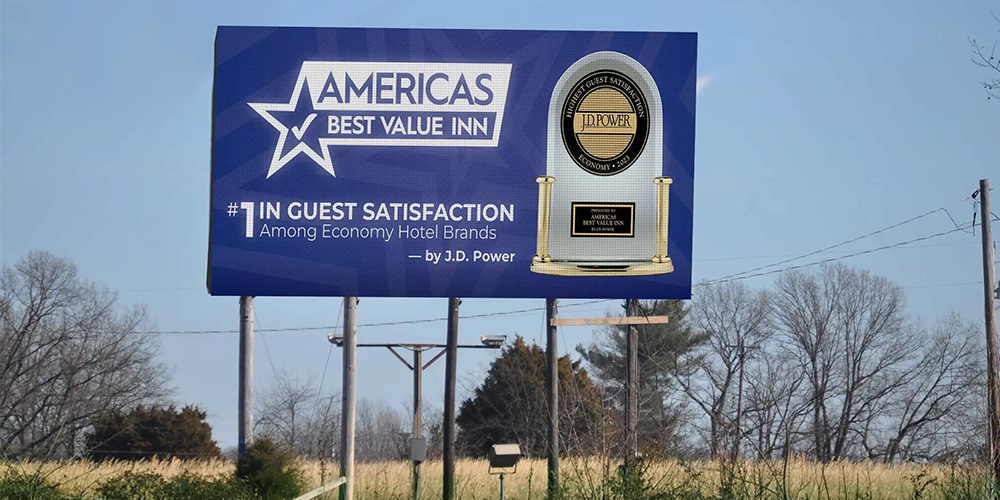
Retail facades and roadside boards prioritize direct-sun visibility, automatic dimming, corrosion protection, and maintenance access. The screen orientation and local viewing speed influence brightness, pitch, content size, and refresh-rate requirements.
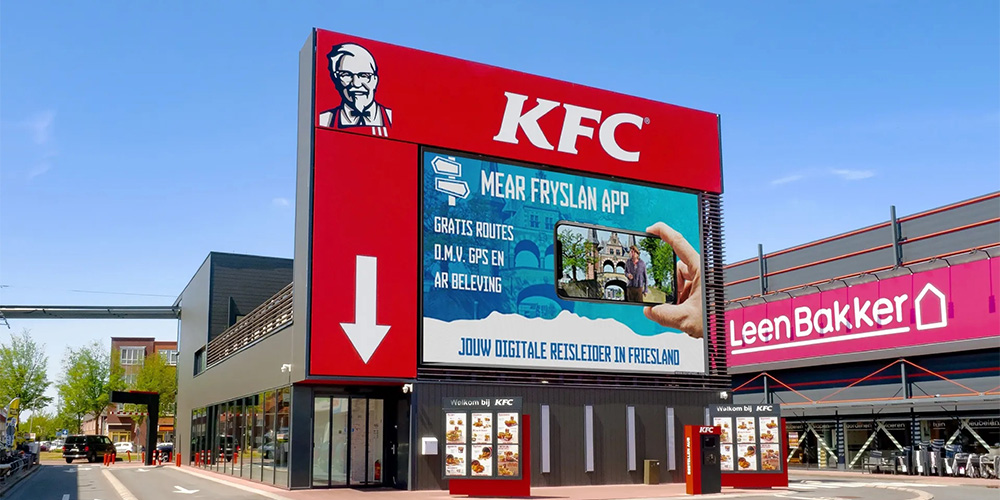
Facade installations benefit from front service when rear access is unavailable.
02 Stadium and Sports Displays
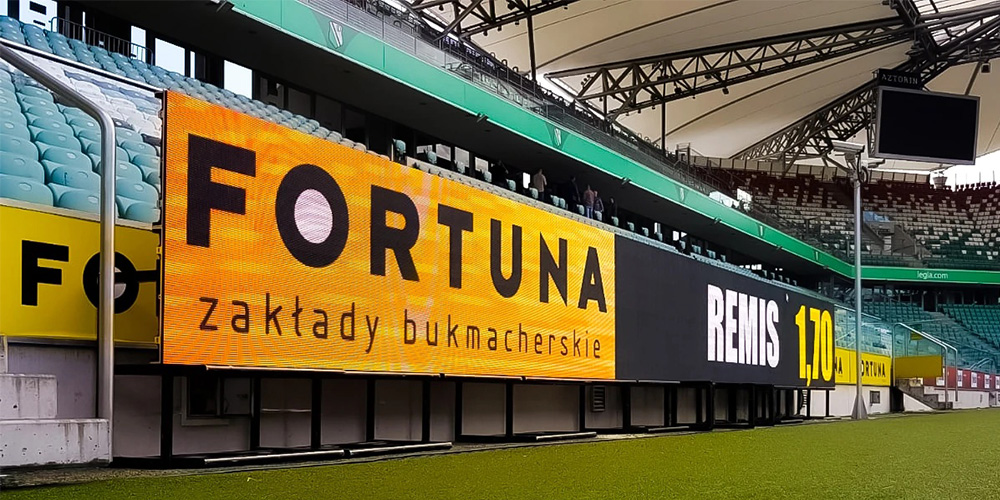
Stadium systems must combine weather protection with impact resistance, wide viewing angles, camera-friendly refresh rates, and safe cable routing. Perimeter boards also need player-safe surfaces and stable mechanical connections.
03 Transportation Hubs
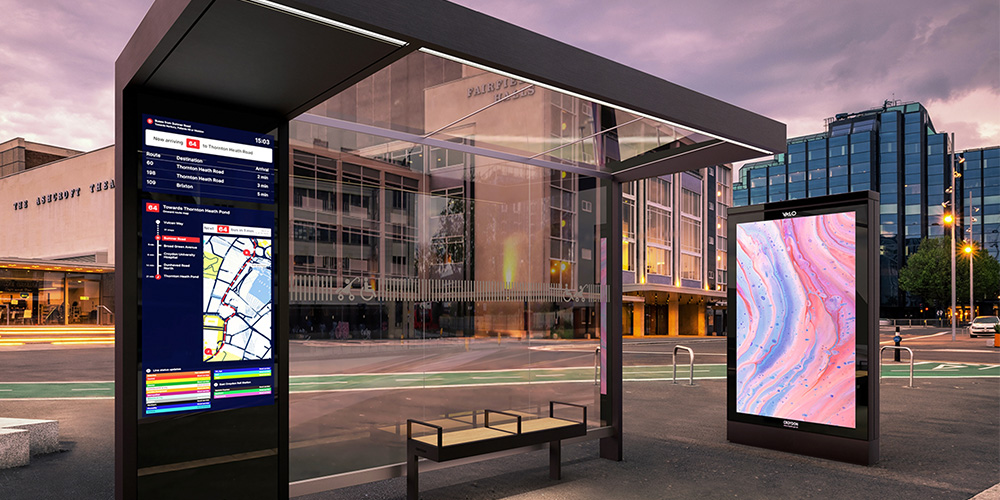
Bus shelters, station entrances, and platform displays may be semi-exposed rather than fully outdoor. Verify the screen face, rear enclosure, ventilation intake, and service door separately because each side can face different levels of rain and dust.
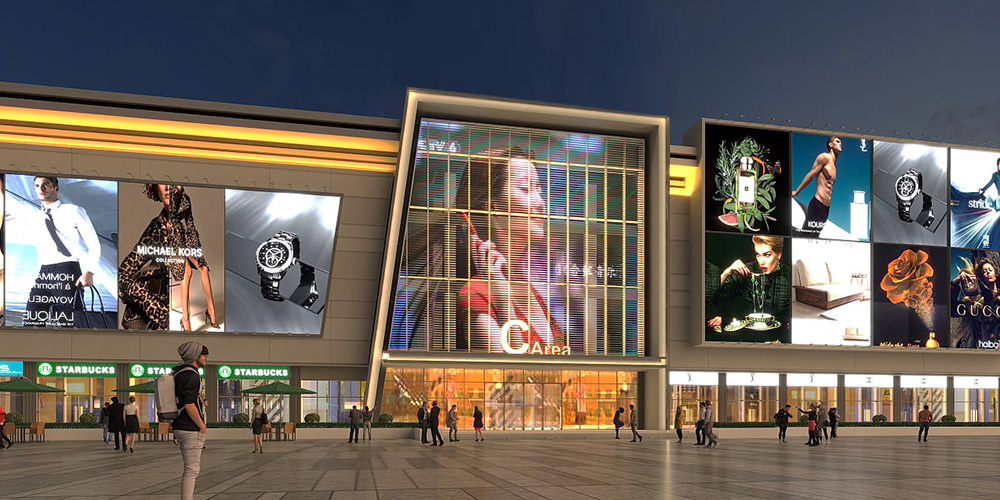
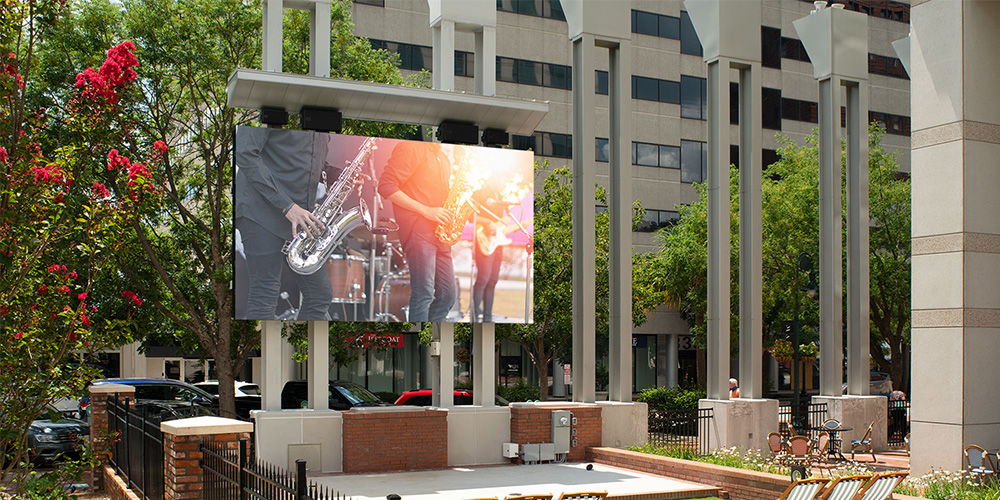
04 Shopping Malls and Public Plazas
These projects need weather protection without a heavy industrial appearance. Cabinet flatness, quiet cooling, nighttime dimming, front access, and neat cable concealment are often as important as peak brightness.
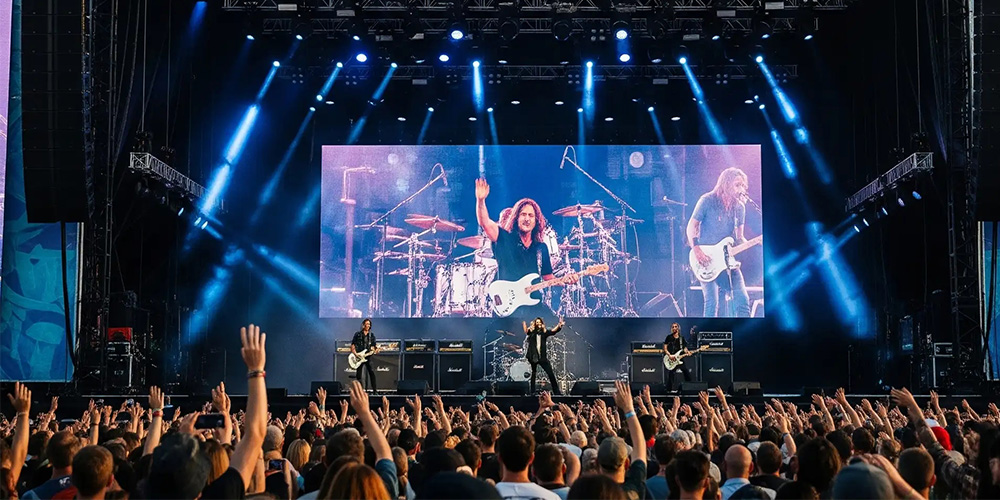
05 Rental and Event Screens
Rental cabinets are repeatedly assembled, moved, and exposed to accidental impacts. Check connector covers, corner protection, module locks, fast rigging, and how the IP rating changes when ports are open during service. Our LED screens for events guide covers rental planning and cost factors.
5. Waterproof LED Displays for Different Environments
01 Coastal Areas
Salt accelerates corrosion and can create conductive deposits. Specify marine-suitable coatings, stainless fasteners of a compatible grade, protected circuit boards, sealed connectors, and more frequent inspections. IP66 alone does not prove salt-spray resistance.
02 Tropical Climates
High humidity, heavy rain, and daily temperature swings increase condensation risk. Prioritize drainage, breathable vents, corrosion protection, stable adhesives, and automatic brightness control to reduce unnecessary heat.
03 Desert Environments
Fine dust can pass through weak joints and clog cooling paths. Solar load can also make internal temperatures much higher than ambient. Choose dust-tight cabinets, protected ventilation, UV-resistant seals, and a thermal design tested at full operating load.
04 Cold and Snowy Regions
Freeze-thaw cycling can widen gaps and block drains. Specify low-temperature components and flexible gasket materials, place drains where meltwater can escape, and avoid pockets where refreezing can damage the enclosure.
| Environment | Main risks | Priority specification | Inspection interval |
|---|---|---|---|
| Coastal | Salt spray and corrosion | IP66, anti-corrosion system, protected PCB, compatible fasteners | Every 6 months |
| Tropical | Humidity, rain, condensation | Drainage, pressure equalization, wide temperature range | Every 6 months |
| Desert | Fine dust, UV, solar heat | Dust-tight enclosure, UV-resistant seals, thermal margin | Every 6 months |
| Cold region | Snow, ice, freeze-thaw | Low-temperature components, flexible gaskets, clear drains | Before and after winter |
| Temperate city | Rain, pollution, seasonal change | IP65, automatic dimming, routine seal checks | Every 12 months |
6. Waterproof LED Display Installation and Maintenance
01 Front-Service Installation
Front-service modules are useful on solid walls and building facades where no rear corridor is available. Confirm that technicians can remove modules, power supplies, receiving cards, and cables from the front without damaging the weather seal.
02 Rear-Service Installation
Rear-service systems are often simpler for freestanding billboards and stadium structures. A maintenance corridor of roughly 60-100 cm is common, but the final width must follow local access, fall-protection, electrical, and structural requirements.
03 Steel Structure and Water Management
The support structure must be engineered for screen weight, wind load, maintenance loads, and local codes. Keep roof edges and cladding from directing water into cabinets. Provide drip edges, drainage paths, grounding, surge protection, and safe isolation points.
04 Preventive Maintenance
- Inspect cabinet gaskets, door compression, cable glands, and connector caps.
- Clear drain holes and check for water tracks or mineral deposits.
- Look for corrosion at fasteners, edges, welds, and ground connections.
- Clean optical surfaces without forcing water into module joints.
- Review fan, filter, power-supply, and temperature alarm logs.
- Shorten the interval from 12 months to 6 months in harsh environments.
7. Waterproof LED Display Cost and Budget
A credible budget should be built from the whole installed system rather than a single price per square meter. Pixel pitch, LED package, cabinet material, brightness, weather protection, control system, structure, power distribution, logistics, installation, commissioning, spares, and service access all change the final cost.
| Cost driver | Why it changes price | How to compare quotes |
|---|---|---|
| Pixel pitch | Smaller pitch uses more LEDs and driver electronics per area | Compare total resolution, viewing distance, and content needs |
| Brightness | Higher output affects LED selection, power, and thermal design | Request calibrated and maximum brightness separately |
| Cabinet and protection | Materials, coatings, connectors, gaskets, and testing add cost | Compare complete cabinet drawings and test evidence |
| Structure and installation | Wind load, access, lifting, power, and permits vary by site | Separate screen supply from site works and commissioning |
| Lifecycle support | Spares, remote monitoring, and accessible service reduce downtime | Compare warranty exclusions, response time, and spare-part package |
Ask every bidder to quote the same bill of materials and operating assumptions. A lower equipment price can become more expensive if the design requires difficult access, frequent seal replacement, or high nighttime power.
8. Waterproof LED Display Buying Tips
01 Buyer Checklist
- The IP rating matches the exposed faces and installation environment.
- Brightness matches measured sun exposure and includes automatic dimming.
- Pixel pitch matches the closest viewer and required resolution.
- Cabinet, fasteners, coatings, and gaskets suit local corrosion risk.
- Power, data connectors, and cable entries are protected when assembled.
- Drainage works in the final installed orientation.
- Front or rear service access is safe and practical.
- The supplier provides traceable test reports and cabinet drawings.
- The warranty defines water-ingress and corrosion coverage.
- The quote includes spares, commissioning, and lifecycle support.
02 Compare Like for Like
Normalize every proposal to the same screen size, resolution, calibrated brightness, LED package, refresh rate, power assumptions, cabinet material, protection level, control system, spares, warranty, and delivery scope. Use our screen aspect ratio guide before locking cabinet quantity and content format.
03 Questions to Ask the Supplier
- Which standard and laboratory method were used for the IP test?
- Does the result apply to the complete cabinet, front only, or individual module?
- What gasket material and compression design are used?
- Are external connectors rated while mated, capped, or both?
- What is the calibrated brightness and power at that setting?
- How are condensation, drainage, and pressure changes handled?
- What failures are excluded from the water-ingress warranty?
- Can the factory provide aging, temperature, and relevant corrosion test evidence?
04 Verify the Manufacturer and Product
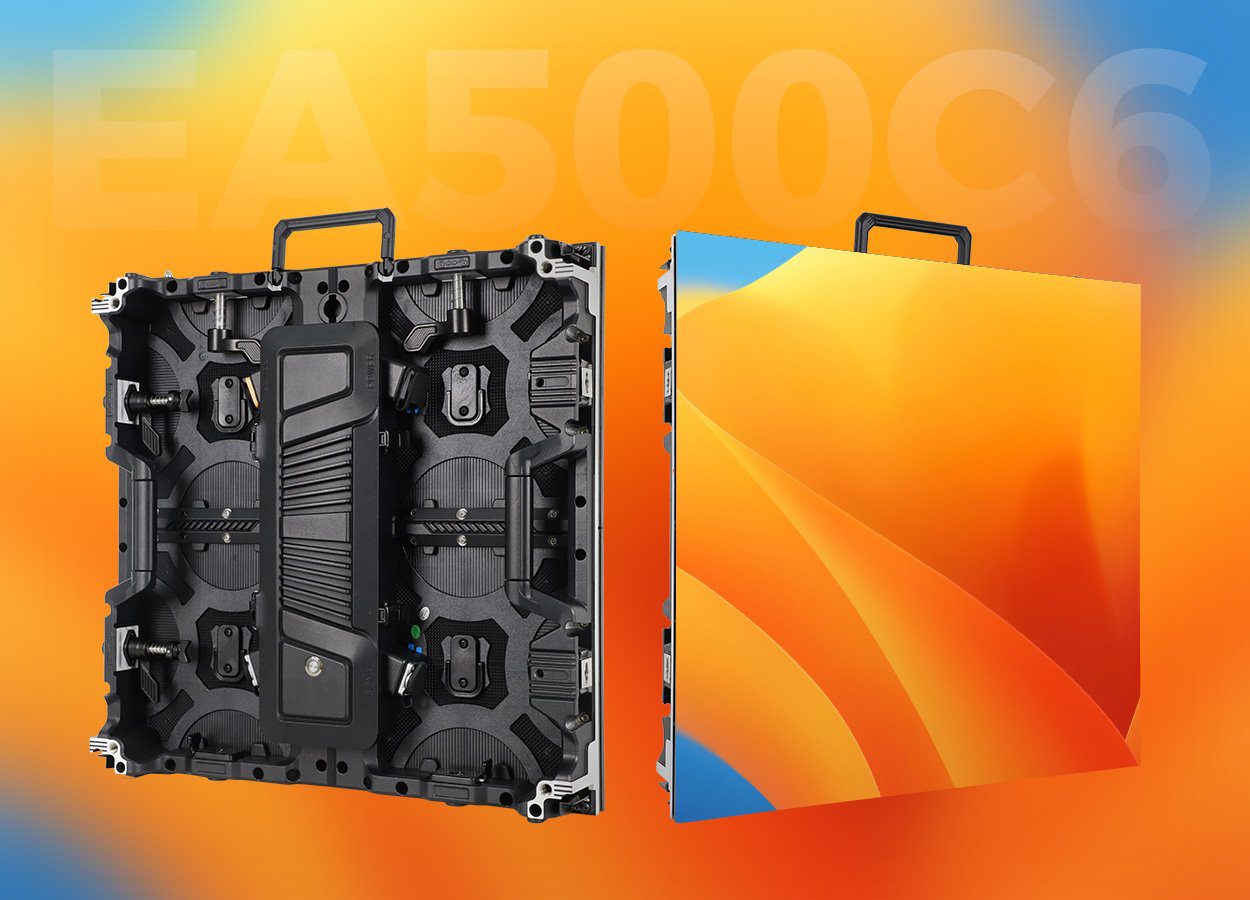
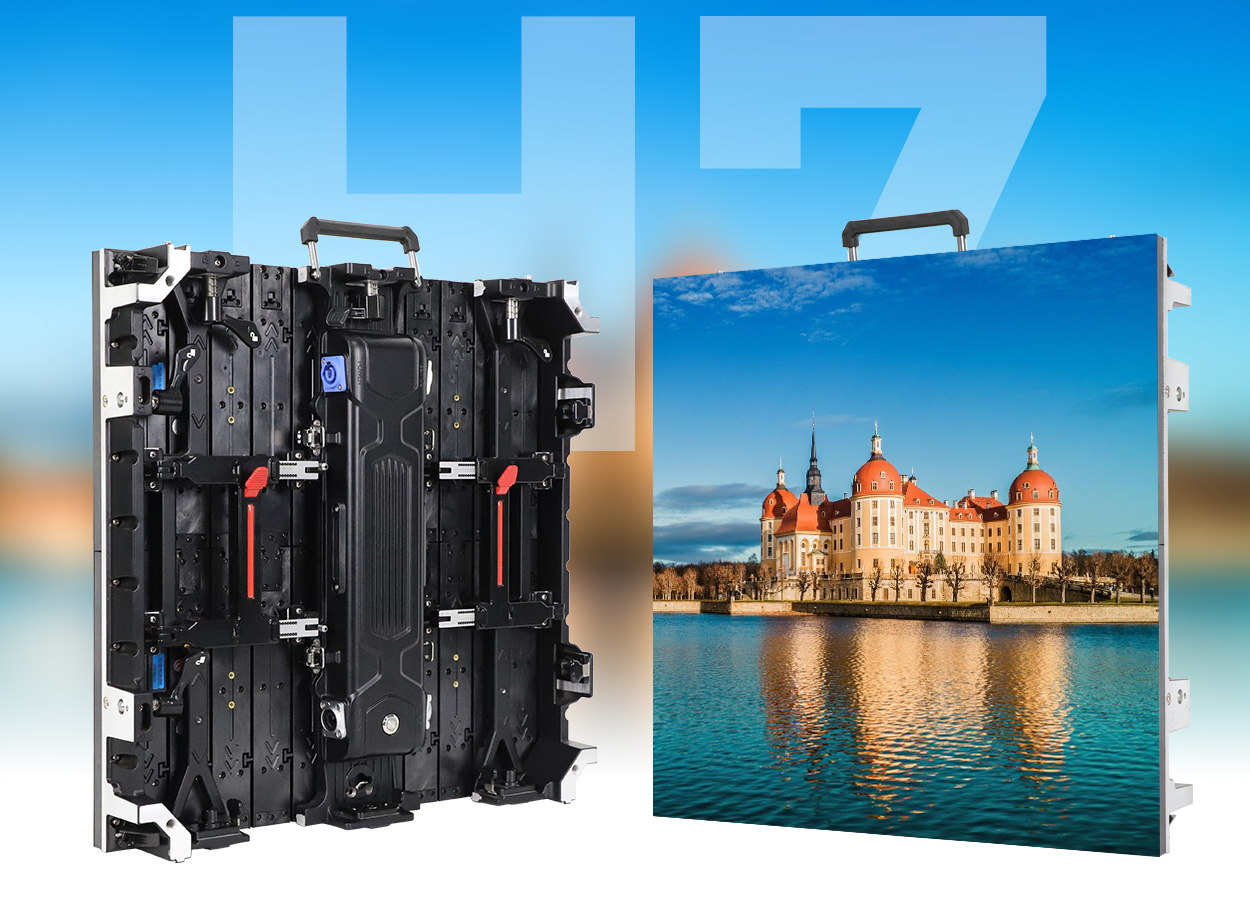
Ask for a live factory walkthrough, current production records, aging-test procedures, serial-number traceability, and recent installations in a similar climate. For temporary outdoor work, compare the cabinet and service design of the EA1000H9 rental LED display and the compact EA500H9 rental LED cabinet.
05 Common Buying Mistakes
- Buying on IP rating alone: the test does not replace drainage, corrosion control, or thermal design.
- Choosing maximum brightness without dimming: it raises power and heat and can be uncomfortable at night.
- Ignoring maintenance access: a sealed screen that cannot be serviced safely will create long outages.
- Comparing unmatched quotes: different resolution, brightness, spares, and structure scopes hide the real cost.
- Accepting a report without model traceability: confirm that the tested construction matches the supplied cabinet.
9. Frequently Asked Questions
01What IP rating is best for a waterproof LED display?
IP65 is a practical minimum for most fully exposed outdoor LED displays. Consider IP66 for wind-driven rain, coastal sites, heavy dust, or wash-down areas. Verify which faces and components were tested.
02What is the difference between IP65 and IP66?
Both are dust-tight. IP66 uses a more severe water-jet test than IP65. It provides a stronger enclosure test, but it does not by itself prove resistance to salt spray, flooding, or long-term condensation.
03Can an IP65 LED screen withstand heavy rain?
A correctly assembled and maintained IP65 system is designed to resist water jets and is commonly used in rain. Real performance still depends on intact gaskets, mated connectors, cable entries, drainage, installation angle, and maintenance.
04Is IP67 or IP68 better than IP65 for outdoor LED screens?
Not automatically. IP67 and IP68 concern immersion under defined conditions, while conventional outdoor LED displays also need heat management and service access. IP65 or IP66 is usually more relevant to rain-exposed cabinets.
05How bright should an outdoor LED display be?
Many direct-sun installations start around 4,500-6,000 nits, but orientation, shade, climate, content, and local rules matter. Specify calibrated brightness, an ambient-light sensor, and appropriate nighttime dimming.
06Which cabinet material is best for outdoor use?
Die-cast aluminum is often preferred for low weight, precision, heat transfer, and corrosion resistance. Coated steel can suit fixed installations when weight, edge protection, weld treatment, and maintenance are properly managed.
07How often should a waterproof LED display be maintained?
Inspect a typical installation at least every 12 months. Use a 6-month interval for coastal, tropical, desert, polluted, or heavily used rental environments, and inspect immediately after severe weather or physical damage.
08Are flexible LED screens waterproof?
Some flexible modules can be moisture-resistant, but flexibility does not guarantee a complete outdoor IP rating. Ask how the module, backing, seams, power, data connections, and supporting enclosure are protected in the final shape.
10. Conclusion
The right waterproof LED display is the one whose enclosure, brightness, pixel pitch, thermal design, corrosion protection, structure, and service plan match the actual site. Start with IP65 or IP66 as appropriate, then verify the assembled system and the evidence behind every claim.
Before ordering, document sun direction, minimum viewing distance, climate risks, service access, structure, power, content format, and warranty expectations. That one site brief makes supplier quotes easier to compare and prevents the most expensive specification mistakes.
For a project-specific configuration, review our LED display product range or contact the EagerLED team with your screen size, location, viewing distance, and installation photos.
 NovaStar VX400 Specifications, Setup & Buying Guide
 LED Panels vs All-in-One LED Displays: 8 Key Differences