
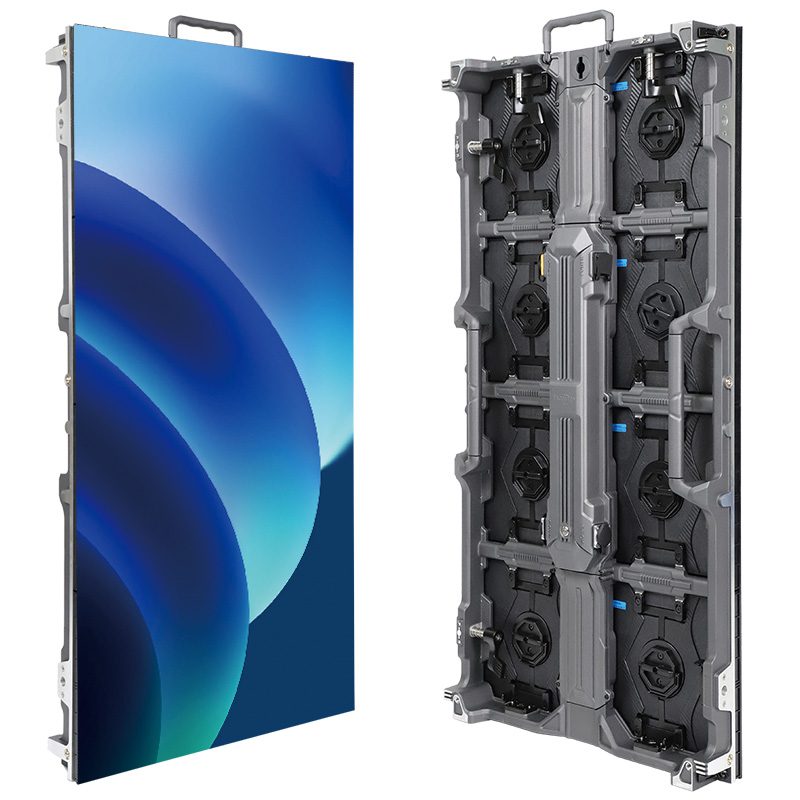
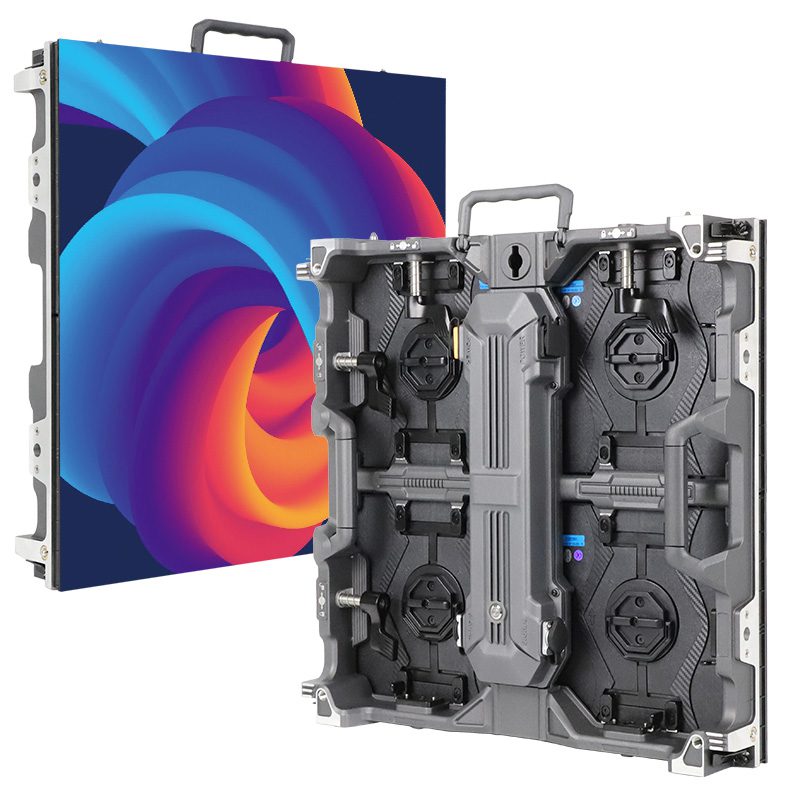
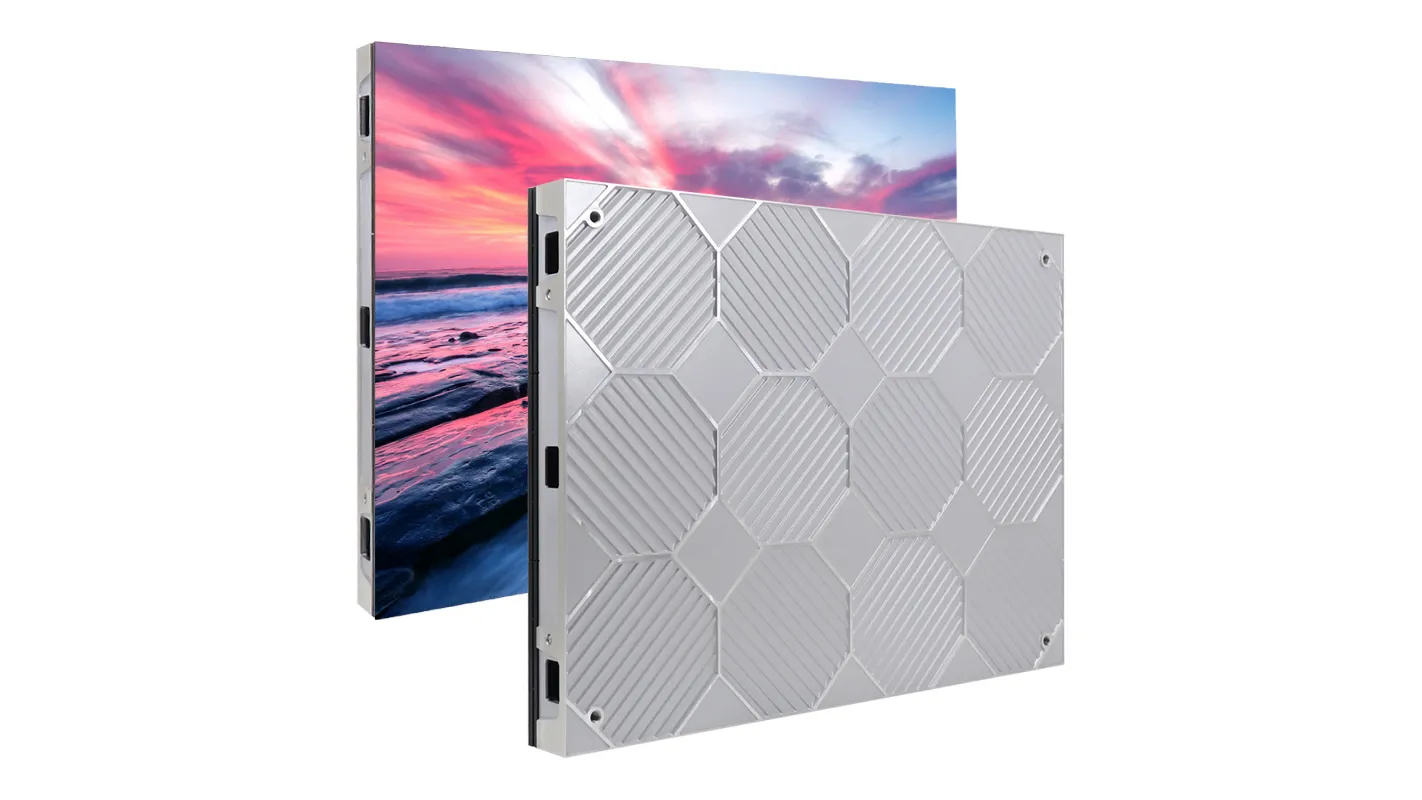
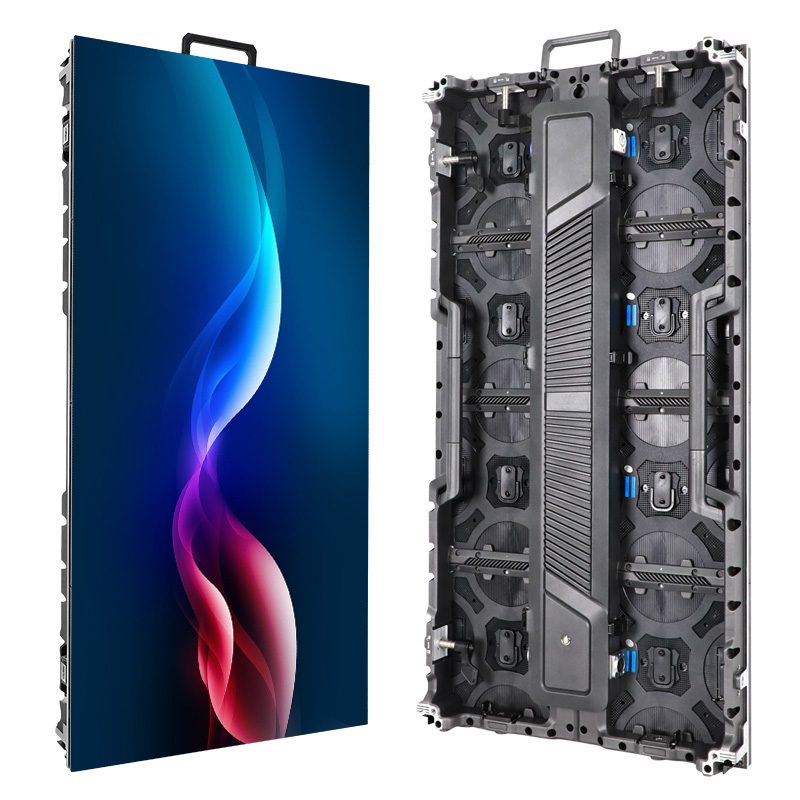
A 2026 Jumbotron price can start near $20,000 for a small indoor display and exceed $1 million for a permanent stadium system. Most school, church, event, and mid-size sports projects require roughly $50,000 to $300,000 when the LED display, structure, controls, freight, installation, and commissioning are included. The fastest way to compare costs is to request the same scope from every supplier.
The headline hardware quote is only one part of the total. Screen area, pixel pitch, outdoor protection, steelwork, electrical service, video processing, access equipment, local labor, and long-term support can move the final project budget by tens or hundreds of thousands of dollars. This guide answers the GSC queries how much does a Jumbotron cost, how much is a Jumbotron, and turnkey Jumbotron for high school football with practical 2026 planning ranges.
Table of Contents
- 1. How Much Does a Jumbotron Cost in 2026?
- 2. Jumbotron Price by Size and Venue
- 3. What Does a Jumbotron Price Include?
- 4. How Is Jumbotron Pricing Calculated?
- 5. What Changes the Final Jumbotron Price?
- 6. Turnkey Jumbotron Cost for High School Football
- 7. Buy, Rent, or Lease a Jumbotron?
- 8. Three Jumbotron Budget Examples
- 9. Operating Cost, Maintenance, and Payback
- 10. Jumbotron Price FAQ
- 11. Build an Accurate Jumbotron Budget
1. How Much Does a Jumbotron Cost in 2026?
For early budgeting, use four broad bands. A compact indoor screen may have a display budget of $20,000 to $70,000 for hardware, while a complete installed package may reach $35,000 to $120,000. A school stadium or large church project commonly needs a wider $80,000 to $300,000 turnkey allowance. College and professional venues can move from several hundred thousand dollars into multi-million-dollar programs.
The answer depends on what the word Jumbotron means in the quote. Some proposals cover LED cabinets only. Others include the load-bearing structure, controls, power distribution, installation, content systems, testing, and training. Before judging whether the total is high or low, align the scope line by line.
| Project type | Typical display area | Hardware planning range | Turnkey planning range |
|---|---|---|---|
| Small indoor venue | 15-30 m2 (161-323 ft2) | $20,000-$70,000 | $35,000-$120,000 |
| Church, gym, or auditorium | 25-60 m2 (269-646 ft2) | $35,000-$140,000 | $60,000-$220,000 |
| High school football stadium | 40-100 m2 (431-1,076 ft2) | $60,000-$250,000 | $120,000-$500,000 |
| College or municipal stadium | 80-200 m2 (861-2,153 ft2) | $180,000-$700,000 | $350,000-$2 million+ |
| Major professional venue | 200 m2+ (2,153 ft2+) | $500,000-$3 million+ | $1 million-$10 million+ |
These bands are decision-making ranges, not a substitute for a site-specific quote. A 60 m2 screen mounted on an existing indoor wall is a different engineering problem from the same area installed 60 feet above an outdoor end zone. The display area is identical, but the final total is not.
01. Screen-only price versus installed price
A screen-only proposal normally includes cabinets or modules, receiving cards, power supplies, basic spares, and sometimes a controller. An installed proposal may add steel, foundations, electrical work, data paths, cranes, lifts, permits, labor, calibration, and operator training. Ask suppliers to label exclusions because a low screen-only quote can become the highest total after local work is added.
02. Why a published range cannot replace a quote
Project conditions determine the real scope. Wind load, soil, mounting height, access, union rules, local codes, freight distance, and the amount of redundant equipment are different at every venue. Use the range to set an approval budget, then replace it with a bill of materials and responsibility matrix before purchasing.
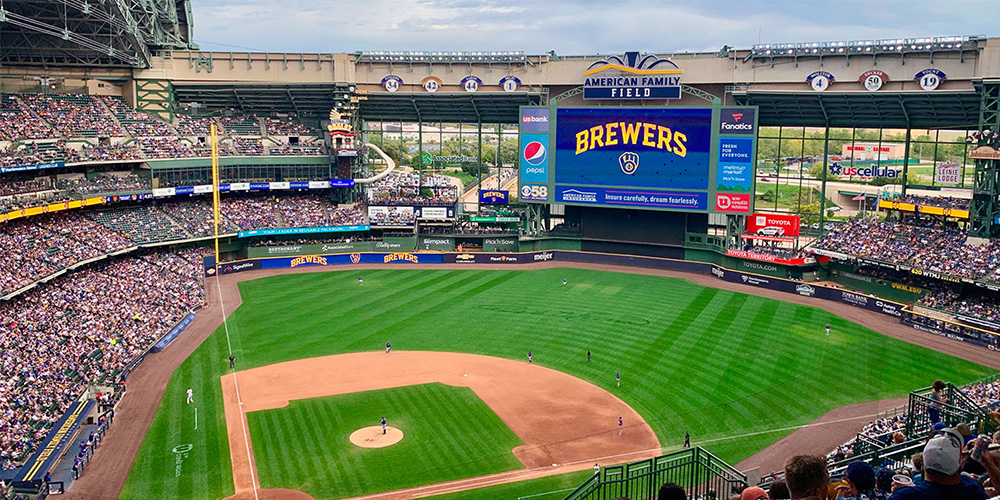
2. Jumbotron Price by Size and Venue
Screen size is the easiest comparison point, but venue type explains why two screens of similar dimensions can have very different budgets. Indoor walls avoid weather sealing and may use lighter mounting. Outdoor scoreboards need higher brightness, drainage, thermal management, weather-resistant cabinets, and a structure designed for local loads. Those requirements raise both hardware cost and installation cost.
The planning table below separates common venues so buyers can choose a realistic starting budget. If the display dimensions are not yet known, use the LED screen size and viewing-distance guide to narrow the physical format before requesting prices. AVIXA’s DISCAS calculators provide another standards-based method for relating image size, content, and viewing position.
| Venue | Typical priorities | Common budget pressure | Planning advice |
|---|---|---|---|
| Indoor gym | Wide viewing angle, camera-friendly refresh rate, low-noise operation | Wall reinforcement, power, scoreboard integration | Confirm wall capacity and service access before fixing screen size |
| Church or auditorium | Close viewing, color accuracy, quiet cooling, multiple inputs | Fine pixel pitch, rigging, content workflow | Compare the church LED screen requirements with the general price range |
| High school stadium | Daylight visibility, scoring, replay, weather resistance | Steel, foundation, power trenching, press-box controls | Budget the entire end-zone system, not the LED face alone |
| College stadium | Large format, redundancy, broadcast integration, audio | Production room, fiber, structural work, premium service | Treat the project as a venue technology program |
| Concert or temporary event | Fast assembly, touring durability, redundant signals | Labor, rigging, transport, daily rental term | Price a rental package by event days and load-in days |
01. Indoor display cost
Indoor screens can use lower brightness and lighter cabinet protection, so the display hardware is often less expensive per unit of area. However, a close audience may require a finer pixel pitch and more total pixels. A smaller 2.5 mm display can therefore cost more than a larger coarse-pitch wall. The correct indoor Jumbotron price comparison uses screen dimensions, total resolution, mounting, and controller capacity together.
02. Outdoor display cost
An outdoor Jumbotron price reflects more than brighter LEDs. The cabinet must manage rain, dust, heat, cold, drainage, and service access. The supporting steel and foundation may dominate a difficult site. Outdoor projects also need a brightness-control plan so the display remains readable during daytime events without running at unnecessary output after dark.
03. Stadium video board cost
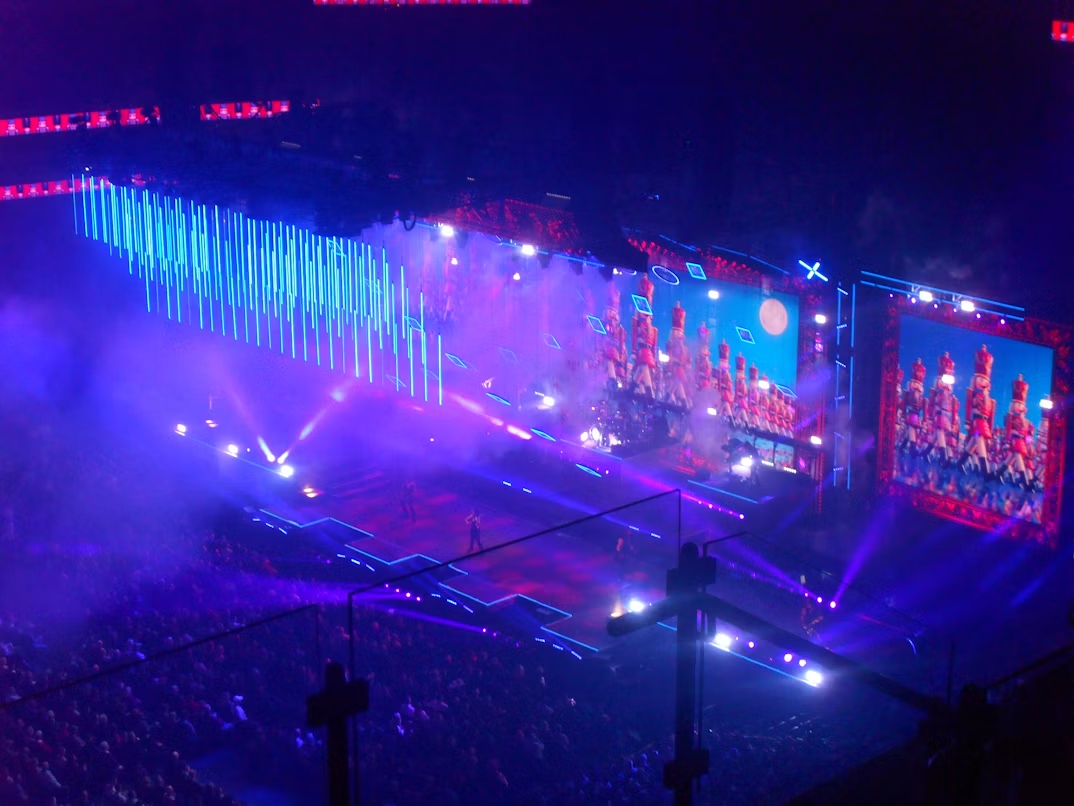
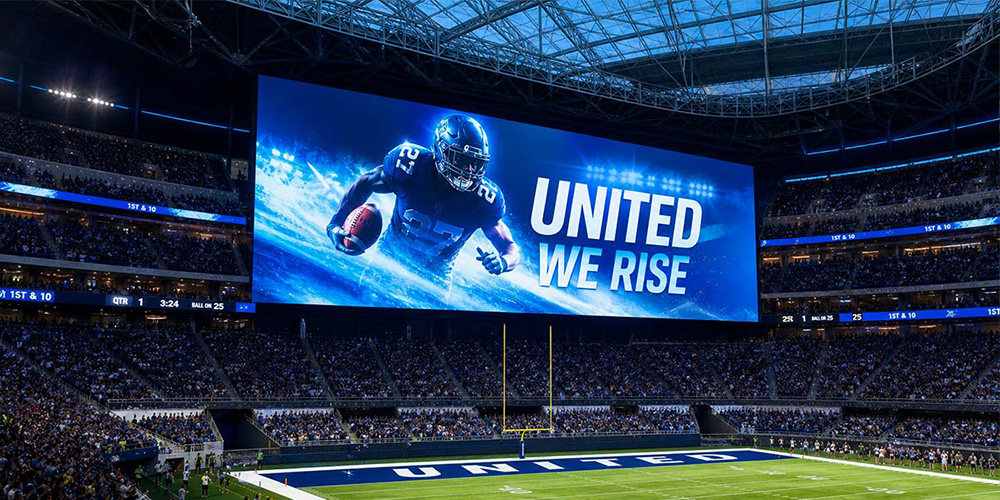
A stadium system usually connects the screen to scoring, cameras, replay, advertising, audio, and emergency messaging. Review the stadium screen planning guide for venue-specific layout choices. When the project includes those connected systems, the stadium Jumbotron price should be evaluated as a complete operational package.
3. What Does a Jumbotron Price Include?
An accurate proposal divides the project into visible hardware, supporting infrastructure, professional services, and owner-supplied work. If one vendor leaves out steel and another includes it, the totals are not comparable. A strong procurement document defines who designs, supplies, installs, powers, tests, and supports every part of the system.
The public University of Michigan example shows how quickly the surrounding scope can exceed the LED display itself. MLive reported a $41 million Michigan Stadium project in which the two video boards were budgeted at about $12 million, while infrastructure, site work, design, production upgrades, audio, and other access work accounted for the remainder. It is an extreme major-venue example, not a typical school project, but it demonstrates why buyers should never compare panels alone.
| Cost group | Typical items | Question to ask |
|---|---|---|
| LED hardware | Cabinets, modules, receiving cards, power supplies, cables, spare parts | What pixel pitch, brightness, protection rating, and spare ratio are included? |
| Video control | Processor, sending system, switcher, scaler, fiber converters, backup signal path | Which resolutions, frame rates, inputs, and failover functions are supported? |
| Structure | Mounting frame, freestanding steel, catwalks, ladders, foundation, stamped drawings | Who is engineer of record, and which loads are included? |
| Electrical and data | Panels, breakers, disconnects, grounding, surge protection, conduits, fiber and network | Where does the supplier scope end and the electrical contractor scope begin? |
| Installation | Freight, unloading, crane or lift, crew, supervision, alignment, testing, commissioning | Are travel, equipment rental, permits, and local labor included? |
| Operations | Software, scoring feed, replay, cameras, production room, training, content templates | Can the staff run the complete event workflow on day one? |
| Support | Warranty, remote diagnostics, on-site response, spare modules, maintenance plan | What is covered, for how long, and who pays travel and labor? |
01. LED display hardware
The display face includes modules, cabinets, power supplies, receiving electronics, internal cables, masks, and weather seals where required. Hardware selection sets the baseline equipment cost, but specifications must be comparable. A proposal should state pixel pitch, cabinet dimensions, total resolution, calibrated brightness, refresh rate, grayscale, ingress protection, service direction, and spare quantities.
02. The system around the screen
Steelwork, foundations, power, data, controls, installation, and access are not optional just because they are missing from a quotation. Oregon State University’s public Reser Stadium video board RFP required vendors to address engineering, demolition, installation, testing, training, warranty, documentation, and coordination. That scope is a useful checklist for any buyer trying to turn a hardware number into a defensible turnkey Jumbotron price.
03. Exclusions that change the final total
Common exclusions include taxes, duties, permits, bonding, prevailing-wage labor, utility upgrades, underground conflicts, asbestos or hazardous-material work, fiber between buildings, scoreboard software, audio, and ongoing content production. Record every exclusion in a responsibility matrix. The safest project budget is not necessarily the lowest number; it is the number with the fewest unresolved responsibilities. Electrical design must follow the requirements adopted by the local authority; NFPA 70 is the U.S. National Electrical Code reference, but adoption and amendments vary by jurisdiction.
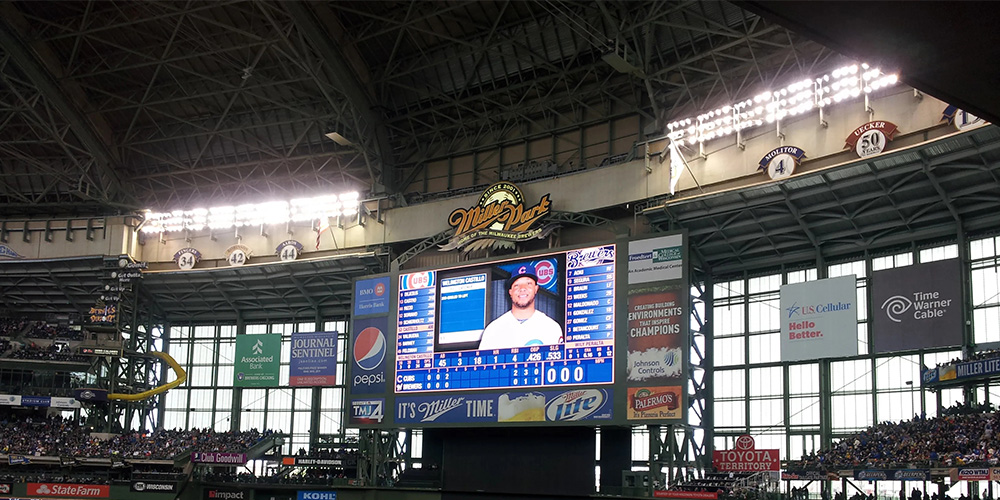
4. How Is Jumbotron Pricing Calculated?
Suppliers normally start with the display configuration, then add control, spares, structure, logistics, installation, and support. The calculation should be transparent enough for a buyer to change one input and understand the result. A simple planning formula is:
Turnkey Jumbotron price = LED display + video control + structure/foundation + electrical/data + freight + installation + commissioning/training + contingency.
Do not use a single price per square foot as the only estimator. It is useful for a first pass, but it hides pixel pitch, cabinet design, brightness, steel, access, and controls. A better estimate keeps screen hardware separate from site-dependent costs.
01. Calculate physical screen area
Multiply active width by active height. A 30 ft by 17 ft display has 510 ft2 of active area, or about 47.4 m2. Cabinet dimensions may force the final size slightly above or below the architectural target. Confirm aspect ratio at this stage, especially when the screen must show 16:9 video without permanent unused bands.
02. Calculate native resolution from pixel pitch
Native pixel width equals physical width in millimeters divided by pixel pitch in millimeters. The same formula applies to height. For example, a 9.6 m wide screen at 10 mm pitch has 960 pixels across. Smaller pitch increases pixel count and usually raises the Jumbotron price because more LEDs, driver components, receiving capacity, and processing are required for the same physical area.
03. Add site and service costs
Once the display is defined, obtain separate allowances for steel, foundations, power, data, labor, lifting, and permits. Add a contingency for unknown site conditions rather than hiding risk in an unexplained lump sum. The project team should also decide whether commissioning, staff training, remote support, and an on-site event test are included in the acceptance criteria.
04. Compare total cost, not unit price
Convert every proposal into the same comparison sheet. Show hardware, excluded owner work, one-time project costs, five-year operating costs, warranty limits, and optional alternates. This makes a Jumbotron price defensible to a school board, church committee, facilities director, or finance team.
5. What Changes the Final Jumbotron Price?
Five variables create most of the spread between quotes: display area, pixel pitch, outdoor design, structural scope, and operational complexity. Changing any one can affect several other line items. A larger or finer-pitch screen may need a larger processor, more electrical capacity, heavier steel, more shipping volume, and a longer installation schedule.
01. Size, aspect ratio, and viewing distance
A larger screen increases material and structure, but the relationship is not perfectly linear. Cabinet layouts, crane mobilization, and control equipment may create step changes. Choose size from the farthest and most important viewing zones, not from an arbitrary budget number. The goal is readable content, not simply the lowest Jumbotron price per square foot.
02. Pixel pitch and total resolution
Pixel pitch is the center-to-center distance between adjacent pixels. Closer viewers generally benefit from a smaller pitch; distant stadium viewers can use a larger pitch. Compare native resolution and content needs before selecting. Paying for pixels the audience cannot resolve raises the Jumbotron price without improving the experience, while an overly coarse pitch can make text and sponsor graphics look rough.
03. Brightness, weather, and temperature
Outdoor displays require appropriate daylight brightness, automatic dimming, weather protection, drainage, corrosion control, and temperature management. Indoor displays prioritize close-view image quality and quieter operation. Ask for performance at the venue’s real temperature range and exposure. A high maximum brightness figure alone does not prove a screen will be readable, efficient, or reliable.
04. Steel, foundations, and access
A wall-mounted indoor system may need a simple subframe. A freestanding outdoor board can require geotechnical information, structural calculations, concrete foundations, ladders, platforms, fall protection, and maintenance clearances. These items can outweigh a modest change in panel cost. Include them early so the approved Jumbotron price does not collapse during construction. The engineer should identify the governing load standard; ASCE 7 is a common U.S. reference for minimum design loads, while the permit authority determines the adopted edition and local requirements.
05. Cameras, scoring, replay, and audio
A basic presentation screen needs fewer inputs than a live sports production system. Cameras, slow-motion replay, score data, clock integration, graphics, switchers, routing, fiber transport, intercom, and audio each add equipment and training. The Michigan Stadium case illustrates the scale: the reported program included $8 million for production-room upgrades, $5 million for audio, and $4 million for safety and access work in addition to the displays and infrastructure.
06. Warranty, spares, and local support
Warranty language matters more than the headline duration. Confirm whether coverage includes parts, labor, travel, shipping, removal, reinstallation, and response time. A lower Jumbotron price that ships replacement parts slowly can be expensive during a season. Specify a local spare-parts package and train staff to replace common field-serviceable components safely. Maintenance planning should also account for the venue’s applicable fall-protection rules; the U.S. Occupational Safety and Health Administration publishes the federal overview.
6. Turnkey Jumbotron Cost for High School Football
A turnkey high school football system commonly needs a planning allowance of $120,000 to $500,000. The range covers a wide gap between a compact video board on an existing structure and a new end-zone system with steel, foundations, scoring, cameras, audio, power, fiber, installation, and training. For this use case, the Jumbotron price should be presented as a complete stadium project.
The screen often serves several goals at once: game presentation, instant replay, sponsor inventory, school announcements, graduations, and community events. Define those uses before selecting hardware. A system designed only around Friday-night video may omit inputs, workflows, or sound coverage needed for the rest of the calendar.
01. Essential high school scope
- Display: outdoor LED cabinets, controller, fiber transport, brightness sensor, and recommended spares.
- Structure: stamped drawings, mounting steel or freestanding support, foundation, service access, and wind-load design.
- Electrical: utility capacity review, distribution, disconnects, surge protection, grounding, conduit, and data paths.
- Game-day control: scoreboard data, graphics, video playback, camera inputs, replay or recording as required, and operator monitors.
- Delivery: freight, unloading, crane or lift, installation, calibration, acceptance testing, documentation, and staff training.
The stadium LED screen product overview can help teams identify display configurations before the engineering phase. Keep the procurement specification performance-based so competing vendors quote equivalent brightness, resolution, protection, serviceability, and controls.
02. Sample high school budget allocation
| Budget category | Illustrative amount | Share |
|---|---|---|
| LED display, controls, and spares | $125,000 | 50% |
| Steel, engineering, and foundation | $50,000 | 20% |
| Electrical, fiber, and integration | $25,000 | 10% |
| Freight, lifting, and installation | $30,000 | 12% |
| Commissioning, training, and contingency | $20,000 | 8% |
This allocation is an example, not a standard ratio. An existing engineered structure may reduce the site share; difficult soil, a tall support, long power runs, or a new production room may increase it. The value of the model is that it prevents the screen hardware from being mistaken for the total Jumbotron price.
03. Funding and sponsor revenue
Schools often combine capital funds, booster support, donations, and sponsor packages. Funding should be documented independently from projected advertising revenue. In The Detroit News coverage of the Michigan project, Rob Rademacher, then executive senior associate athletic director and COO, said, “We plan to fully fund this upfront with athletic department gifts that are restricted for capital purposes.” The quote is relevant because it separates committed capital from hoped-for future revenue.
Create conservative sponsor packages only after measuring available inventory, event frequency, audience, sales responsibility, and content-production capacity. Revenue can improve payback, but it should not be used to force an unaffordable capital plan through approval.
7. Buy, Rent, or Lease a Jumbotron?
Buy for frequent use and a stable venue, rent for a short event or uncertain requirement, and consider leasing only after comparing the full financing cost and end-of-term terms. The right choice depends on event frequency, installation permanence, staffing, storage, maintenance responsibility, and capital availability.
A fixed purchase has a higher initial Jumbotron price but can deliver a lower cost per event over a long service life. Rental shifts logistics, setup, teardown, and technical operation to the event supplier. Read the fixed versus rental LED screen comparison before choosing the equipment format.
| Model | Best fit | Budget pattern | Main risk |
|---|---|---|---|
| Purchase | Permanent venue with frequent use | High capital cost plus maintenance and operation | Owner carries lifecycle and technology risk |
| Rental | One-off event, seasonal pilot, or changing locations | Per-event fee with transport, crew, and equipment | Repeated events can cost more than ownership |
| Lease or finance | Stable long-term need with limited upfront capital | Scheduled payments, possible buyout or return | Finance charges, insurance, and end-of-term conditions |
01. Typical rental planning ranges
For a planning conversation, a compact mobile LED package may start around $2,000 to $10,000 per event, a medium outdoor package may fall near $10,000 to $40,000, and a large festival or stadium production can exceed $40,000. Rental Jumbotron price varies with screen area, event days, load-in and rehearsal days, rigging, ground support, transport, crew, power, weather planning, and video production.
Ask whether the day rate includes technicians, travel, accommodation, insurance, permits, generators, ballast, crane work, and overnight security. The rental LED screen range shows the cabinet formats normally used for temporary builds.
02. Break-even comparison
Estimate the five-year purchase cost, including installation, maintenance, staff time, insurance, power, and eventual deinstallation. Then estimate comparable rental cost for the same number of events and production scope. Divide each total by projected event count. This does not predict future pricing, but it reveals whether the purchase Jumbotron price is being justified by realistic use.
03. Lease questions
Request the total of payments, interest or implied financing cost, insurance requirements, maintenance obligations, early-termination terms, ownership at the end, and removal responsibility. A low monthly payment can conceal a high total Jumbotron price. Compare the cash purchase and lease on the same lifecycle period.
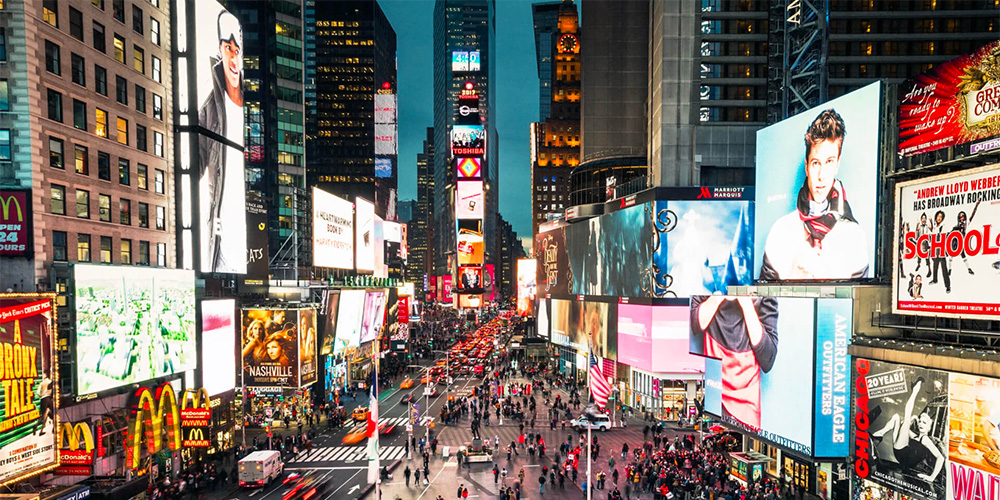
8. Three Jumbotron Budget Examples
The examples below show how the same estimating method works at different scales. They are deliberately itemized so buyers can substitute local numbers. Each example assumes normal access and does not include taxes, duties, abnormal civil work, or a building-wide electrical upgrade.
01. Indoor gym: 30 m2
Assume a 30 m2 fine-pitch indoor display mounted to a verified wall, with a video processor, basic spares, electrical distribution, installation, calibration, and training. A reasonable planning Jumbotron price is $70,000 to $150,000. Fine pitch and total pixel count are the main hardware variables; wall reinforcement and access are the principal site variables.
For a gym, ask the camera operator to review scan behavior and refresh rate, and ask facilities staff to review ventilation and front-versus-rear service. A small saving on cabinet depth or service access can create a much larger maintenance cost if modules cannot be reached safely.
02. High school stadium: 60 m2
Assume a 60 m2 outdoor board with new support steel and foundation, a controller in the press box, fiber transport, scoring data, one camera input, basic replay, installation, commissioning, and training. A planning Jumbotron price of $180,000 to $400,000 is more realistic than a panels-only figure. Soil, mounting height, and power distance can move the result sharply.
Separate alternates for audio, additional cameras, a larger production switcher, live-stream integration, and sponsor-content services. That keeps the base system comparable while allowing the school to add operational capability in priority order.
03. Stadium program: 150 m2
Assume a 150 m2 main board, redundant controls, new steel, venue fiber, multiple camera feeds, replay, upgraded production space, and a formal support plan. The installed Jumbotron price may range from $600,000 to $2 million or more before major audio, broadcast, or extensive civil work. At this scale, governance, engineering, integration, and acceptance testing are as important as LED specifications.
Public projects show why the upper limit is open-ended. The Michigan program paired video boards with infrastructure, production, audio, and access improvements. In published coverage of the scoreboard work, Regent Denise Ilitch described the rationale this way: “To me, this is an investment in our fans and our fan experience, and it is a reinvestment in our infrastructure.” The point is not that every venue needs a $41 million program; it is that the screen and venue systems must be planned together.
9. Operating Cost, Maintenance, and Payback
The purchase order is not the whole lifecycle budget. Electricity, preventive maintenance, replacement modules, technical staff, connectivity, insurance, content production, and eventual removal continue after commissioning. A five-year cost model makes two proposals with different efficiency, warranty, and support terms easier to compare.
01. Estimate electricity with measured assumptions
Use the supplier’s maximum and typical power specifications, then model realistic brightness and event hours. Annual electricity cost equals average operating kilowatts multiplied by annual hours and the local rate per kilowatt-hour. The U.S. Energy Information Administration reported an all-sector national average of 14.48 cents per kWh for June 2026; commercial rates vary materially by state, so replace the national figure with the venue’s tariff.
For illustration, a screen averaging 20 kW for 600 hours per year uses 12,000 kWh. At $0.1448 per kWh, the energy component is about $1,738 per year. This example excludes demand charges, HVAC, control-room equipment, and utility-specific fees. It is a calculation example, not a promised operating cost or Jumbotron price adjustment.
02. Build a spare-parts and maintenance plan
Specify spare LED modules, receiving cards, power supplies, cables, and any proprietary components. Store them in a controlled environment and record module calibration data. Schedule inspection of seals, fans or ventilation paths, fasteners, grounding, surge protection, drainage, and structural access. Preventive work reduces the risk that a small component failure affects a major event.
03. Measure value without overstating revenue
Track events served, audience, sponsor inventory sold, content-production cost, operator hours, downtime, and incremental revenue that can be documented. For schools and municipalities, value may also include graduations, emergency messaging, community events, and reduced temporary-equipment rental. Do not call the Jumbotron price “self-funding” unless signed sponsor commitments and realistic operating costs support that conclusion.
04. Plan the replacement horizon
Ask how long the manufacturer will supply compatible modules and control components, how firmware and software are maintained, and what happens if a product line changes. Include future deinstallation and disposal in the long-range plan. A durable support path may justify a higher initial Jumbotron price when it lowers disruption and replacement risk.
10. Jumbotron Price FAQ
01. How much does a Jumbotron cost?
A Jumbotron can cost about $20,000 for a small indoor display and more than $1 million for a permanent stadium system. Many school, church, and mid-size sports projects plan $50,000 to $300,000 for a complete installed package. The final Jumbotron price depends on screen area, pixel pitch, outdoor protection, structure, controls, power, labor, and support.
02. How much is a Jumbotron per square foot?
There is no reliable universal price per square foot because equal-size screens can have different pixel counts, brightness, cabinet construction, controls, and structural needs. Use a unit price only for a first estimate, then compare itemized hardware and site costs. The installed Jumbotron price per square foot can rise sharply when new foundations, tall steel, or fine pixel pitch are required.
03. How much does a turnkey Jumbotron for high school football cost?
A turnkey high school football system commonly needs a $120,000 to $500,000 planning budget. A smaller board on an existing structure may be lower; a new end-zone structure with foundations, scoring, cameras, replay, audio, power, fiber, and training may be higher. Ask for one Jumbotron price that clearly identifies every included and owner-supplied item.
04. How much does it cost to rent a Jumbotron?
A compact mobile package may start around $2,000 to $10,000 per event, a medium outdoor package may cost roughly $10,000 to $40,000, and a large production can exceed $40,000. Rental Jumbotron price depends on event and rehearsal days, screen size, transport, crew, rigging or ground support, power, weather planning, and video production.
05. Why are stadium Jumbotrons so expensive?
Stadium projects combine a large weather-resistant display with engineered steel, foundations, electrical distribution, fiber, video processing, scoring, cameras, replay, audio, access, safety, installation, and support. Public major-venue examples show that infrastructure and production systems can exceed the display cost. The Jumbotron price is therefore a venue-systems budget, not simply a screen purchase.
06. What information is needed for an accurate Jumbotron quote?
Provide venue and site photos, indoor or outdoor use, target width and height, viewing distances, mounting height, location, desired pixel pitch or resolution, content sources, scoring and camera needs, operating hours, power and data availability, project schedule, and required warranty. The more complete the inputs, the fewer allowances and exclusions will remain in the final Jumbotron price.
11. Build an Accurate Jumbotron Budget
Start with the audience, viewing zones, content, and operating workflow. Then define screen dimensions and resolution, confirm site engineering, and request a common itemized scope from every supplier. This order prevents a low hardware number from becoming an incomplete project.
- Document active width, active height, mounting location, and important viewing distances.
- State indoor or outdoor exposure, temperature range, brightness needs, and service access.
- List every source: scoring, clock, cameras, replay, graphics, playback, streaming, and emergency messaging.
- Assign responsibility for steel, foundation, power, data, permits, lifting, labor, testing, and training.
- Request separate prices for required scope, optional upgrades, recommended spares, and support.
- Compare five-year ownership cost and acceptance criteria, not only purchase price.
A good Jumbotron price proposal should let a reviewer answer three questions: What exactly is being delivered? What must the owner provide? What will it cost to operate and support? If any answer is unclear, request a revised line item before approval.
For a site-specific estimate, contact EagerLED for an itemized Jumbotron quote and include the project details above. The resulting Jumbotron price will be far more useful than a generic per-square-foot number because it will connect the screen specification to the real venue scope.
 White Spots on LED Display: 7 Causes and Safe Fixes
 NovaStar H2 Video Processor: Specs, Setup & Price Guide