
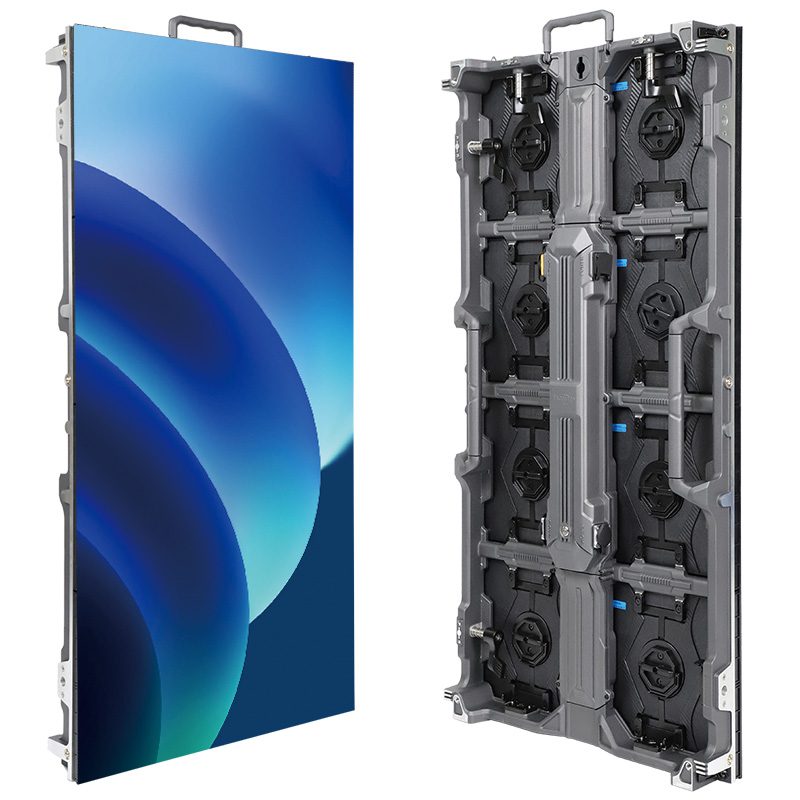
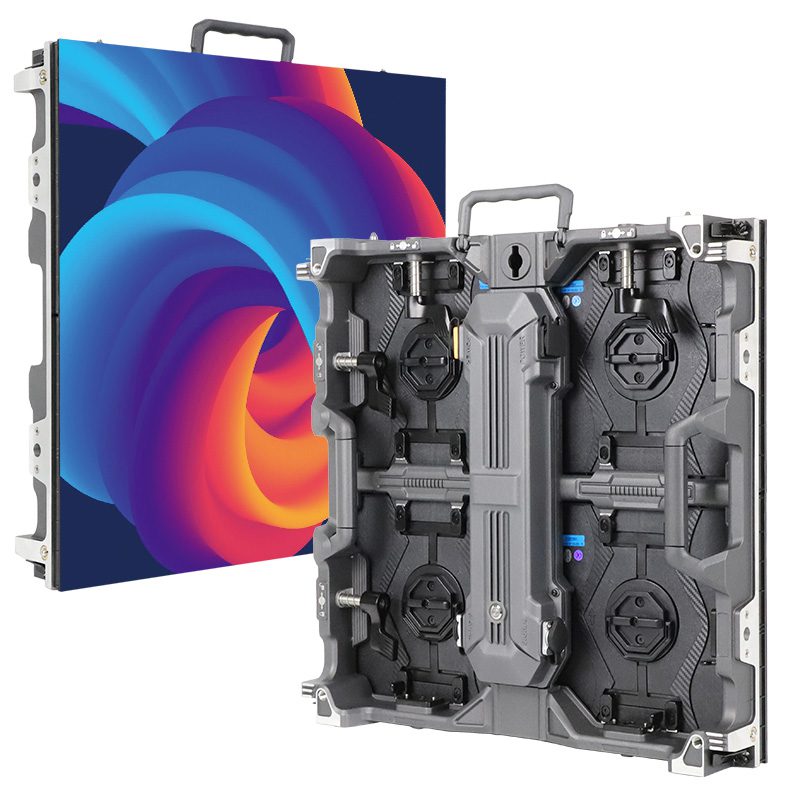
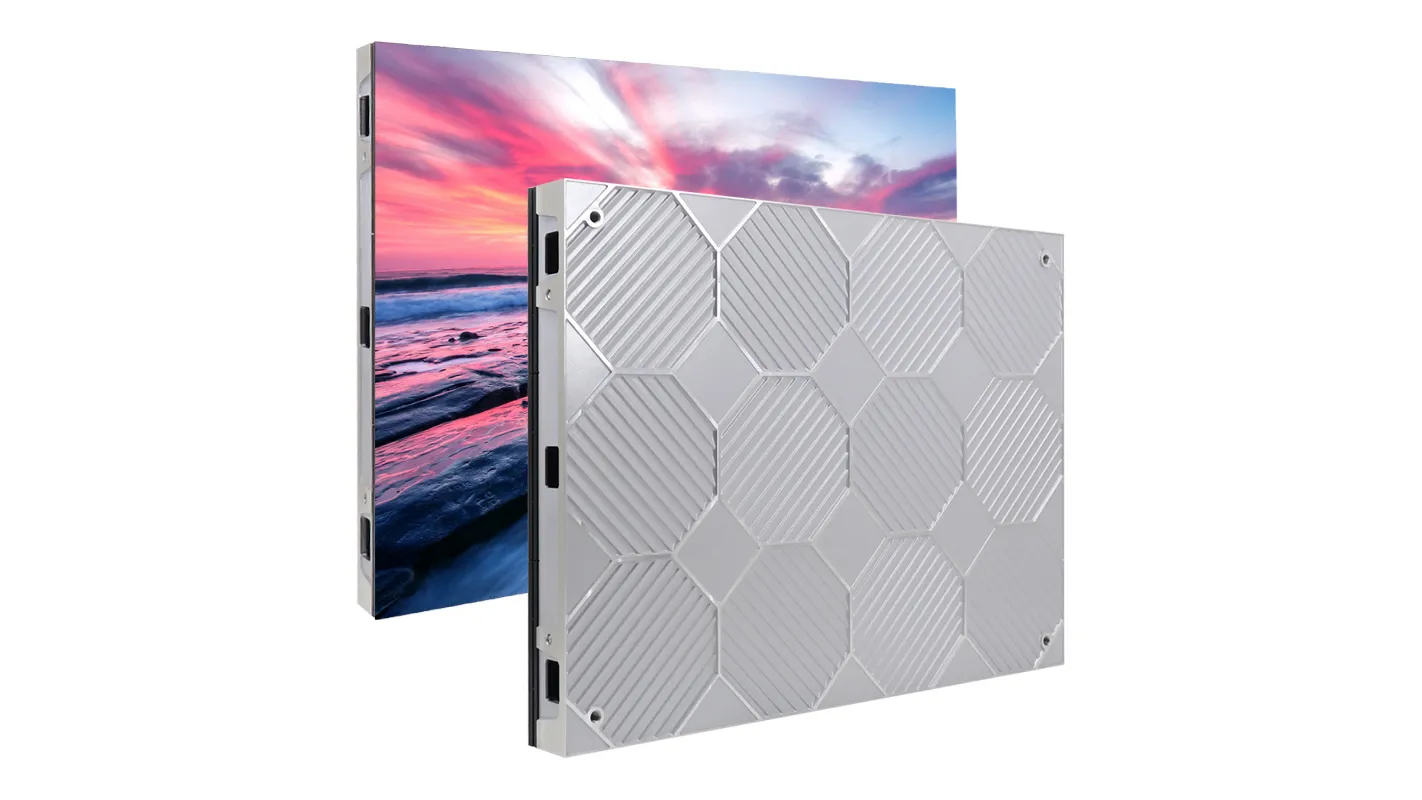
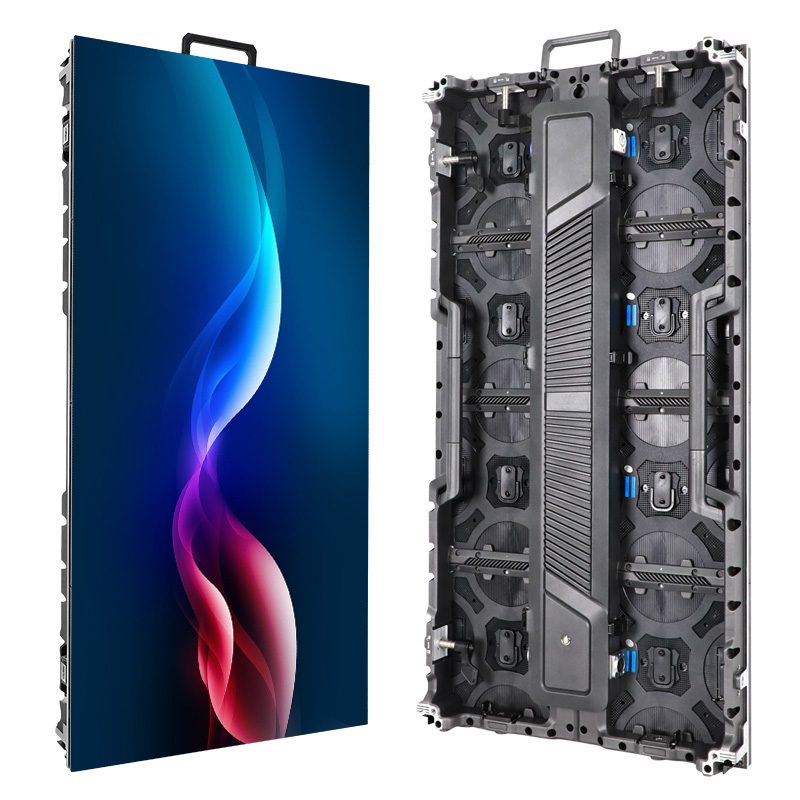
LED screen weight starts with the number of cabinets multiplied by the mass of the exact cabinet configuration. That figure describes the display cabinets only. A venue submission also needs a separate schedule for support hardware, attached accessories and cables, while the shipping list must include cases and packaging. Keep these totals separate so a reviewer can see what each number includes.
This explanation is for AV contractors preparing equipment information before installation. It shows how to turn a cabinet layout into a traceable weight schedule. It does not determine allowable hanging heights, lifting arrangements, floor capacity or structural approval; those decisions require the responsible project specialists and the actual installation documents.
What Does an LED Screen Weight Figure Include?
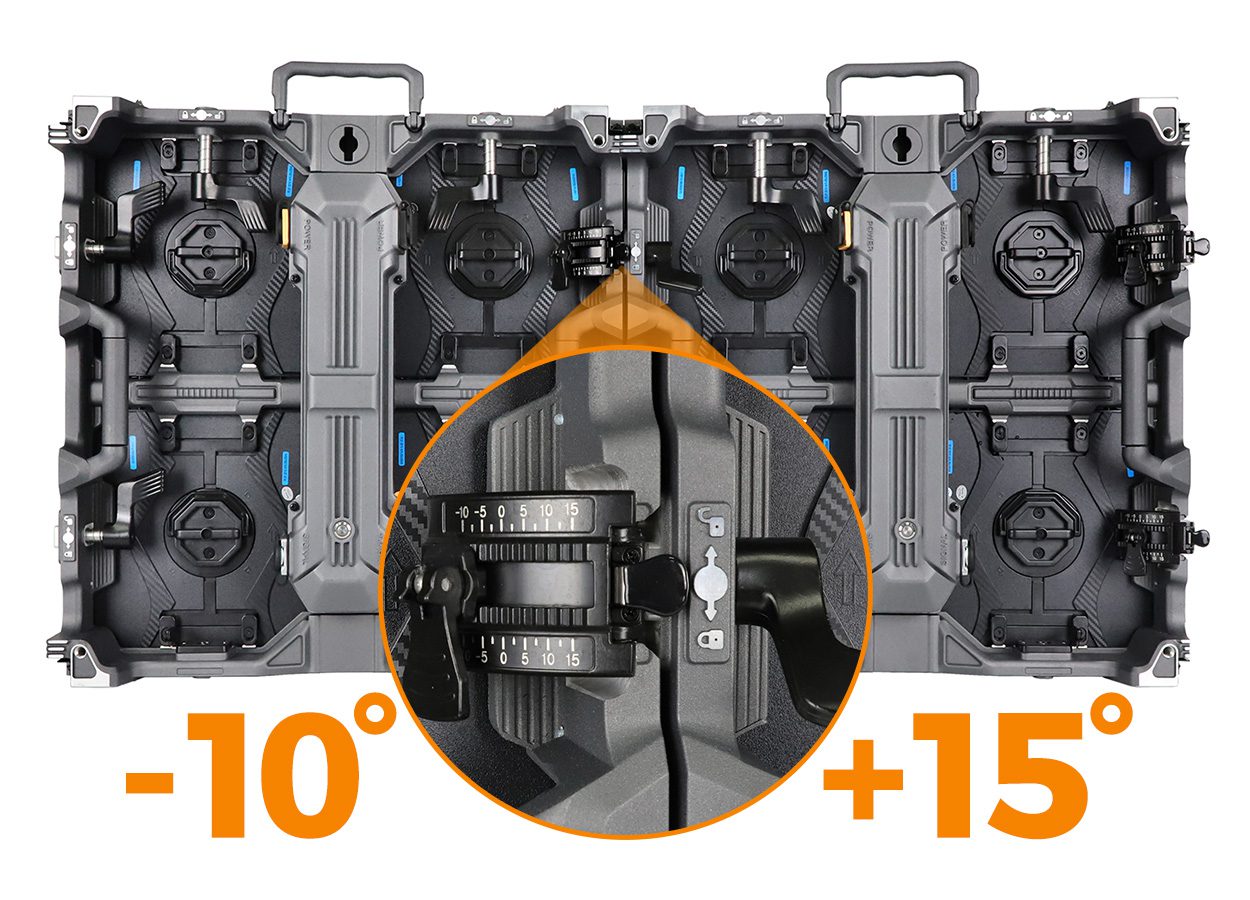
A weight figure is useful only when its equipment boundary is stated. Ask whether the supplier means an empty frame, a complete working cabinet, the installed display assembly or a packed transport case. These are different objects. A complete cabinet commonly contains modules, power and receiving electronics, covers and fitted connection features, but the supplier must identify the exact contents of the quoted configuration.
For example, the EA500H9 product page lists a 500 × 500 mm cabinet, with published masses of 7 kg indoors and 7.5 kg outdoors, approximately 15.4 and 16.5 lb. Those values identify different versions of the same cabinet family. Confirm the ordered version and included components before using either value in an equipment schedule.
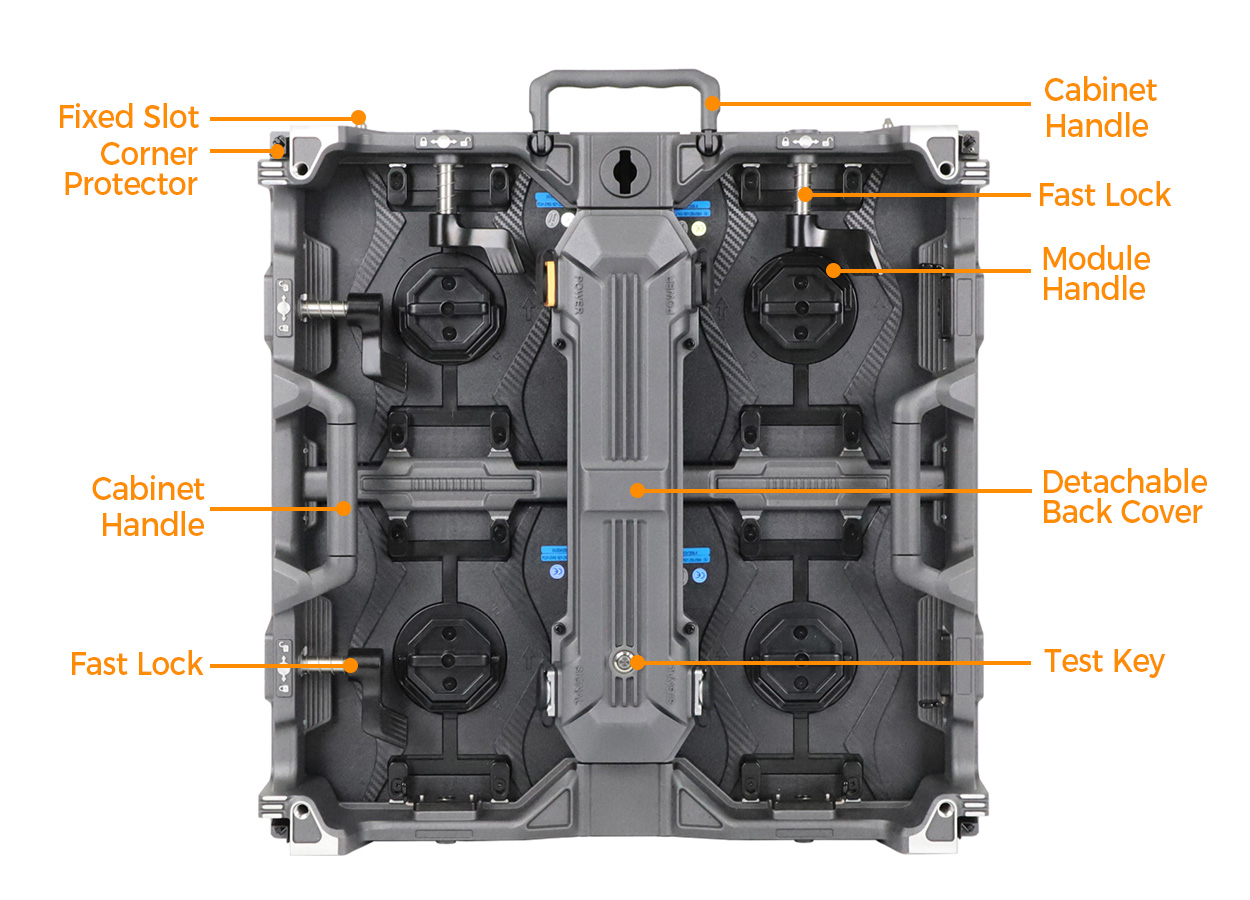
Record LED screen weight with its unit, source document, model and revision. Avoid a spreadsheet heading that says only “weight.” A clearer heading is “complete cabinet mass, excluding external cables and support,” provided the supplier confirms that boundary. Keep an approximate published value marked as approximate until a configuration-specific figure is available.
Calculate Cabinet Mass from the Approved Layout
Use the actual cabinet count, not a rounded screen area. For a rectangular wall with identical cabinets, multiply columns by rows, then multiply that quantity by the mass per cabinet. For mixed formats, calculate one line for each model and version, then add the subtotals. The layout and the weight schedule should carry the same revision.
Consider a hypothetical flat wall measuring 3 × 2 m, approximately 9.8 × 6.6 ft, made from 500 × 500 mm cabinets, approximately 19.7 × 19.7 in. It contains six columns and four rows, or 24 cabinets. Using the EA500H9 published indoor value, the cabinet-only calculation is 24 × 7 = 168 kg, approximately 370 lb. Using the outdoor value gives 24 × 7.5 = 180 kg, approximately 397 lb.
This LED screen weight example is arithmetic based on published product figures, not a completed project or an approved support design. The 12 kg difference, approximately 26 lb, belongs to these two stated configurations. It cannot be generalized to all indoor and outdoor screens. Neither total includes external accessories, support equipment or packaging.
| Schedule entry | Calculation or evidence | Boundary to confirm |
|---|---|---|
| Cabinet count | Columns × rows; count each format separately | Installed units only, excluding depot spares |
| Cabinet subtotal | Quantity × configuration-specific cabinet mass | Which fitted components the unit value includes |
| Attached accessories | Itemized quantities and documented unit masses | Items actually supported by this assembly |
| Support equipment | Approved component list and supplier figures | Separate supporting assemblies where applicable |
| Shipment total | Packed contents plus cases and packaging | Transport inventory, including separately packed spares |
Weight per square meter can help compare different cabinet sizes, but retain the original unit mass and dimensions. Divide cabinet mass by cabinet face area to calculate this comparison value. Do not confuse a cabinet-area comparison with floor pressure or load at a fixing point. LED screen weight distributed across a display face does not describe how its support transfers forces into a building.
Separate Installed Accessories from Shipping Contents
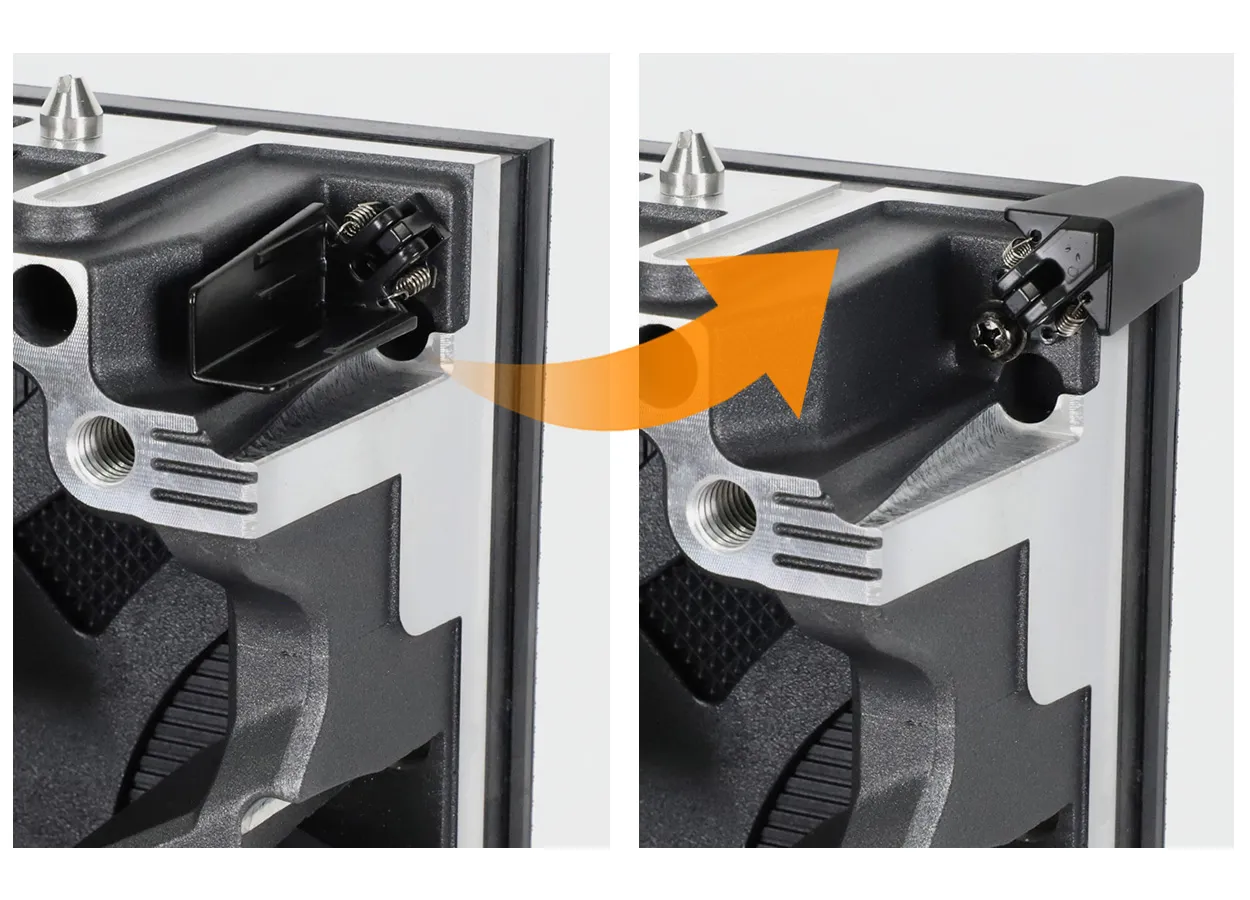
Build the accessory list from the supplied equipment schedule and installation drawing. Depending on the actual arrangement, additional items may include mounting members, adapters, hanging bars, external power and signal cables, attached distribution equipment and trim. Have the supplier identify what is already included in the cabinet figure, then count each additional physical item once.
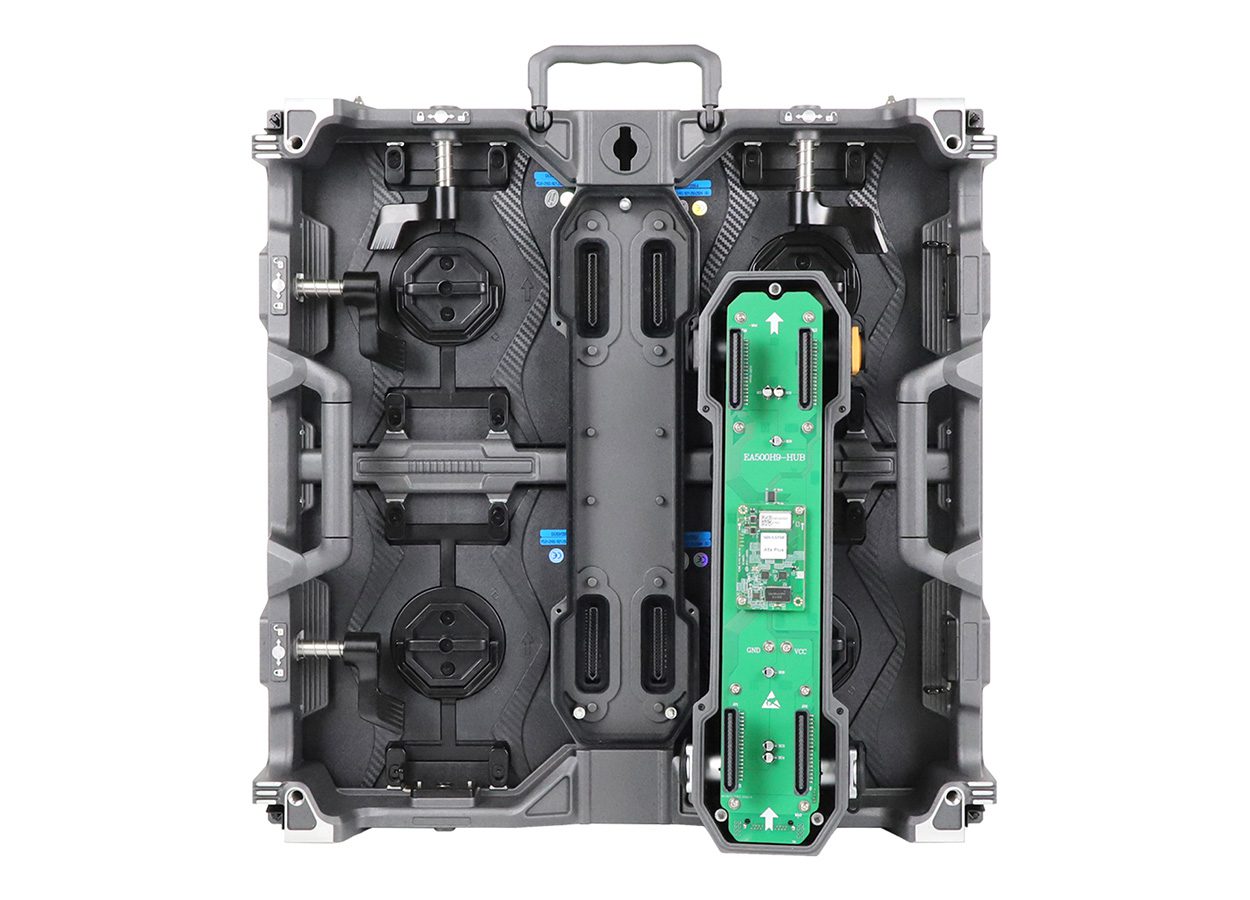
A removable power box is a useful example of the double-counting problem. Removability describes service access, not whether its mass is excluded from the published specification. Ask that question directly. Similarly, an item supplied in a separate carton may become part of the installed assembly, while a flight case normally belongs to the transport schedule.
Keep the LED screen weight schedule separate from the shipping manifest. Spare cabinets, spare modules, tools and cases can travel with the project without becoming part of the installed display. Record where these items will be stored during the event or installation, because the venue may need separate storage and handling information. Do not subtract an assumed case weight from a gross shipment figure to invent a cabinet mass.
The broader cabinet compatibility and acceptance guide addresses revision identification and sample inspection. Use those records to make sure the units counted in this schedule are the units that will actually arrive.
How to Handle Missing or Conflicting Figures
Leave an unknown entry visibly unresolved. If a brochure, quotation and packing list disagree, ask the supplier to reconcile their scope and revision. One may describe an indoor version, another a complete outdoor cabinet, and another the packed shipment. Choosing the smallest number would hide the uncertainty instead of resolving it.
When a physical check is needed, agree a suitable weighing method with the supplier and the responsible handling team. Record the unit identifier, fitted configuration, measurement equipment, result and date. A sample measurement supports the documented sample; it does not establish that every revision or accessory has the same mass. Have the supplier explain how the checked sample represents the order.
Update the LED screen weight schedule when the layout or equipment changes. Adding a row changes cabinet quantity. Substituting a different format changes unit mass and may change accessories. Adding a decorative surround changes the installed scope. Preserve the previous revision and identify which totals changed, rather than circulating an updated number without an explanation.
What to Give the Venue’s Structural Reviewer
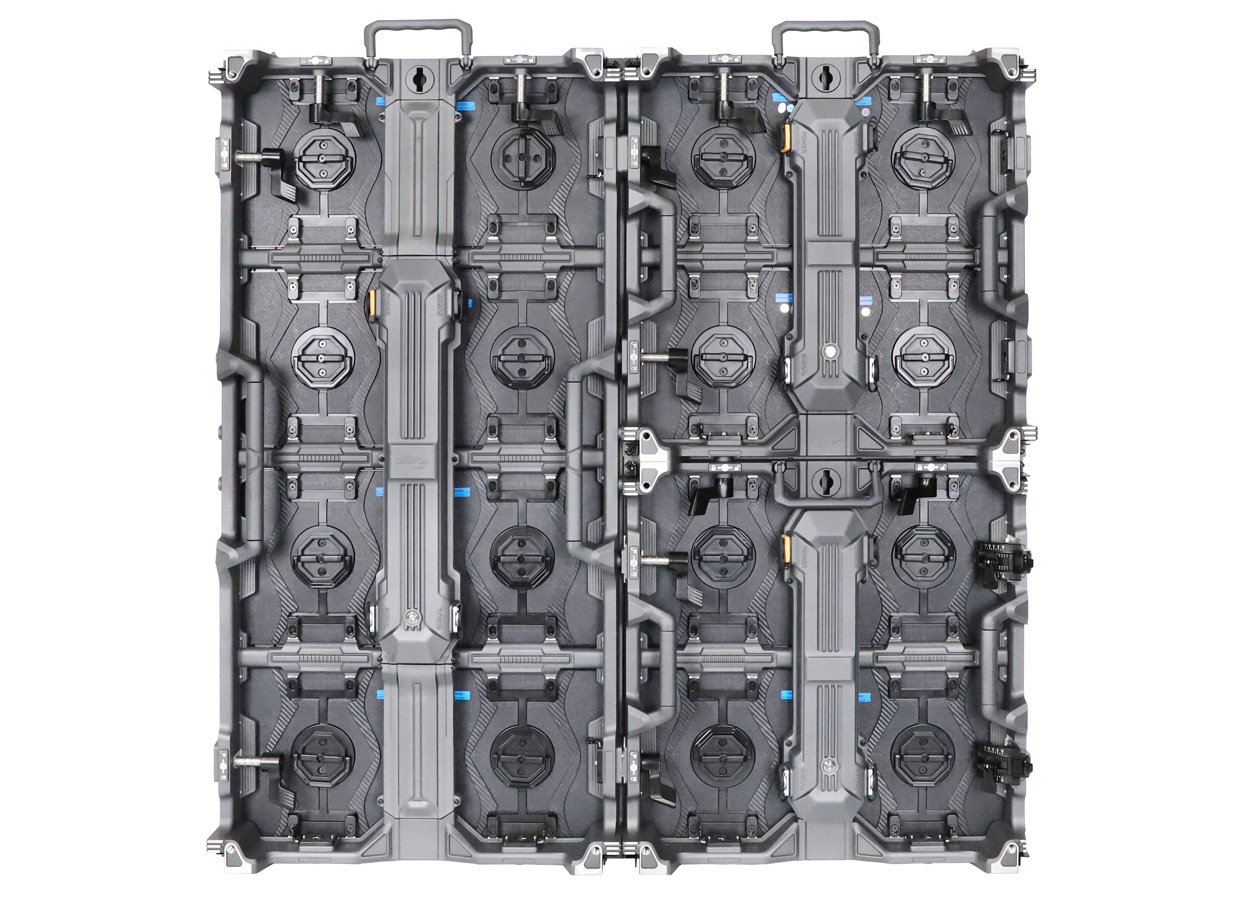
Submit the cabinet layout, equipment schedule, configuration-specific supplier documents and a clear list of exclusions. Identify the proposed support arrangement and where each item belongs. Include unresolved masses, the source of provisional values and the person responsible for obtaining final information. This lets the reviewer request the missing inputs before the installation is committed.
The LED screen weight total is one input to that review. It does not establish individual support reactions, fixing suitability, allowable stacking, lifting capacity or outdoor stability. Do not divide the total equally among attachment points and present the result as an approved load. Geometry, support behavior and project conditions must be assessed by the responsible specialists.
Give the venue, supplier and installer the same revision of the documents. If the accepted equipment changes, return the revised information to the appropriate reviewer. A previously accepted number cannot automatically approve a different assembly, even when its overall display dimensions remain unchanged.
Frequently Asked Questions
Should I round kilograms before converting to pounds?
For an LED screen weight calculation, keep the original precision through the arithmetic and round only the reported result. Use one consistent conversion method and label approximate values. Repeated rounding at cabinet level can create an avoidable difference when many units are added.
Does a lighter cabinet automatically need fewer crew members?
No. Handling also depends on dimensions, grip locations, access, working height and the approved work method. Use the manufacturer’s handling instructions and the project’s lifting assessment; a brochure mass alone does not establish a safe crew size.
Can transport weight be used to select a vehicle?
The complete packed inventory is the appropriate starting information, but vehicle selection also needs package dimensions, distribution and the carrier’s loading requirements. Ask the logistics provider to review the actual packing list rather than using only the display cabinet subtotal.
Request Configuration-Specific Weight Information
Send EagerLED your cabinet layout, intended indoor or outdoor configuration, installation method and planned accessory scope. Ask for the cabinet mass boundary, itemized accessory figures and a separate packing list. Identify the information your venue reviewer still needs.
To prepare a traceable LED screen weight schedule, request the matching product and accessory documents. Keep supplier figures attached to the layout revision, then pass the completed equipment information to the responsible venue and installation teams.
 Curved LED Wall: Smooth Surface or Angled Cabinets?