
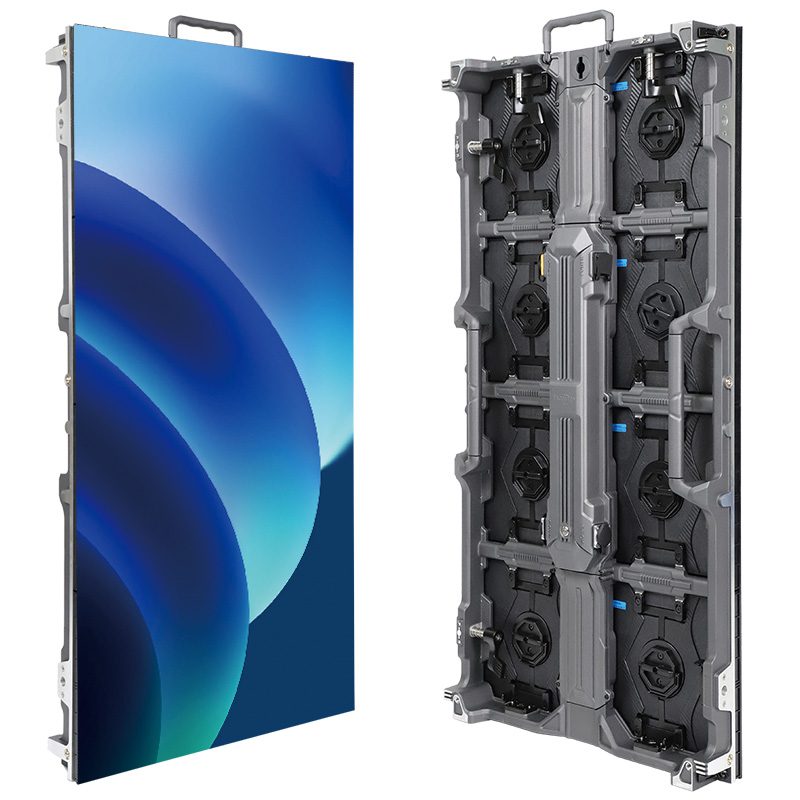
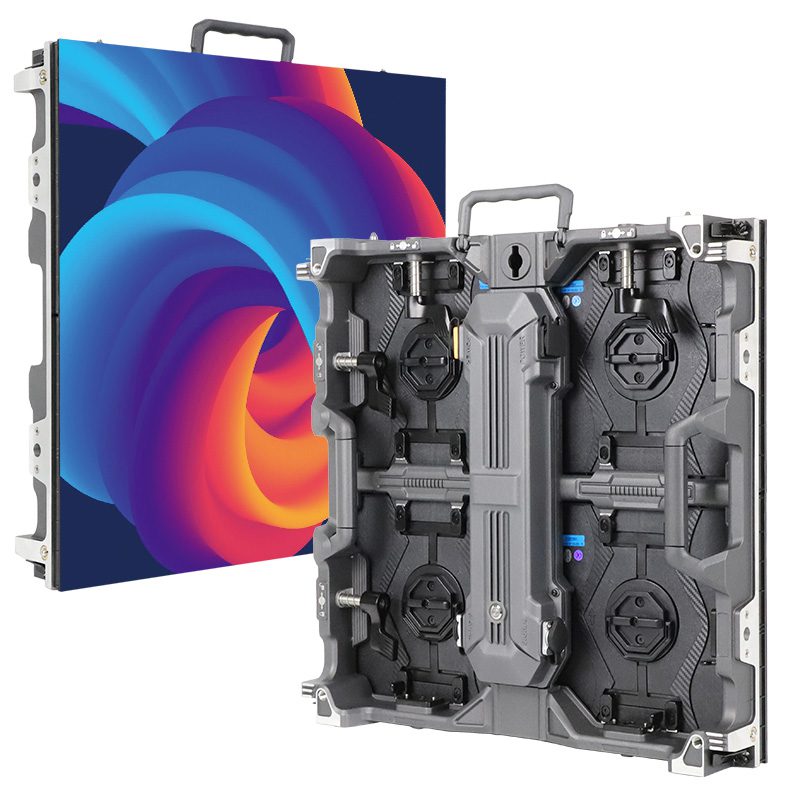
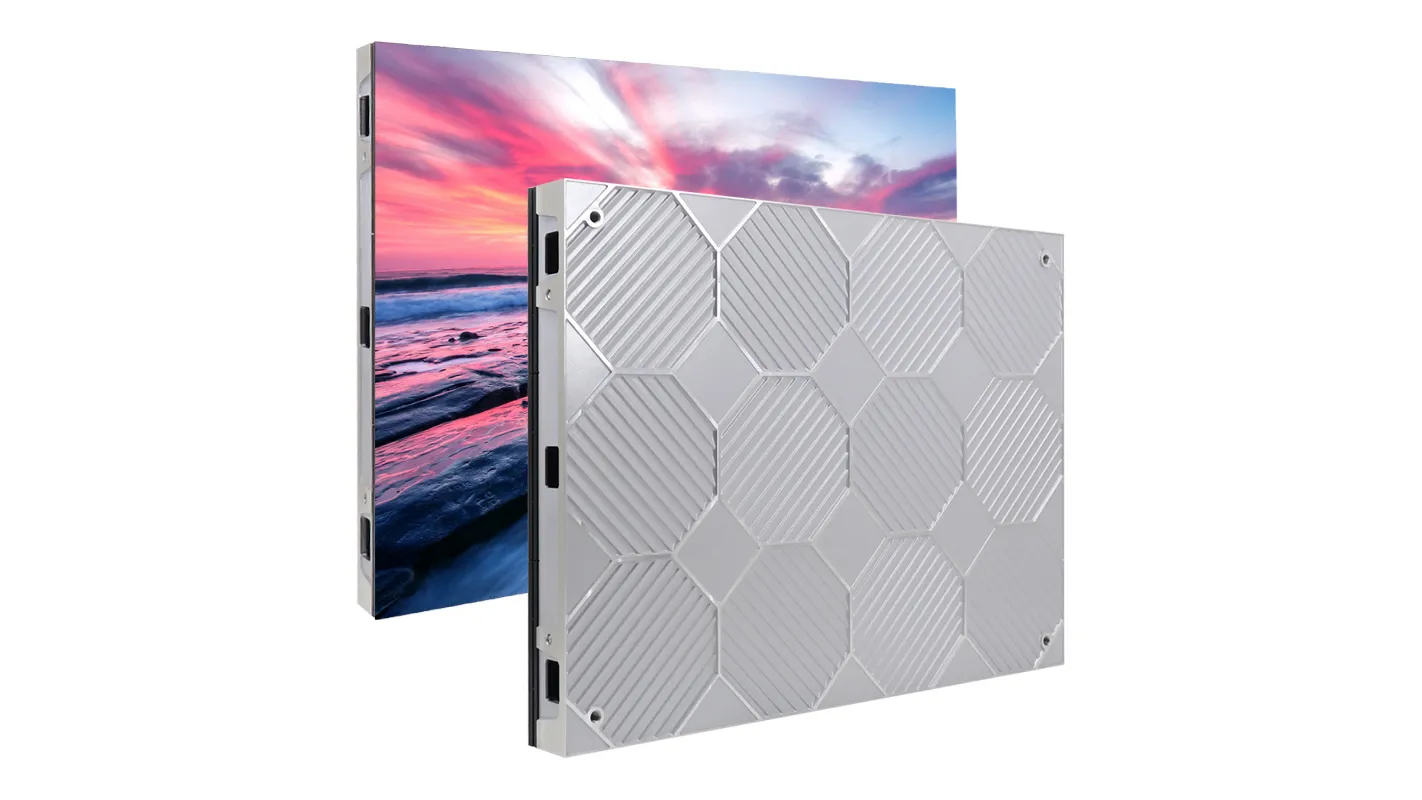
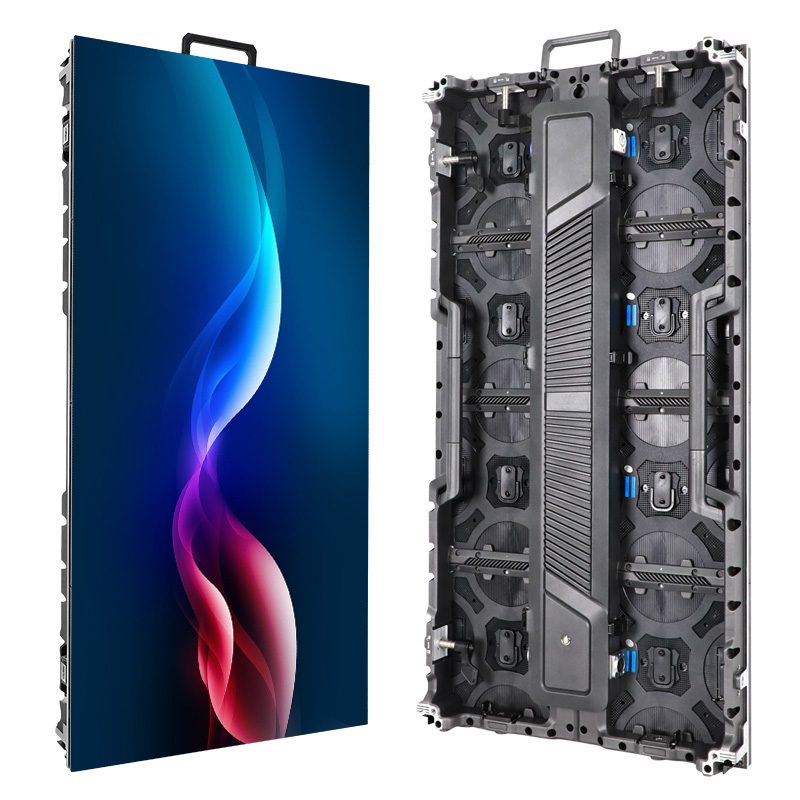
Choosing between SMD1415 and SMD1921 for outdoor LED modules affects more than the component description on a quotation. The decision connects to pixel pitch, image quality, manufacturing requirements, and replacement planning. For distributors, AV integrators, and project contractors, those details influence whether a display meets the brief and remains practical to maintain.
SMD1415 generally provides a smaller package footprint, which gives designers more room for tighter pixel layouts. SMD1921 uses a larger package and appears in many outdoor display configurations. Neither package code, by itself, guarantees higher brightness, lower power consumption, better weather protection, or longer service life. Those results depend on the specific LED and the complete module design.
This distinction matters when evaluating quotations. Comparing a fine-pitch SMD1415 module with a wider-pitch SMD1921 module changes several variables simultaneously. A price or brightness difference cannot automatically be attributed to the LED package.
The following guide explains how to compare both options, identify meaningful specifications, and prepare a purchasing brief for EagerLED. It focuses on the questions that determine project suitability, from viewing distance and sunlight readability to acceptance testing and spare-parts support.
1. What Are SMD1415 and SMD1921 LEDs?
SMD means surface-mounted device. In a conventional full-color SMD LED display, each pixel typically contains a single package with red, green, and blue emitting chips. The module’s circuitry controls these channels to produce the required colors and brightness.
SMD1415 and SMD1921 refer to nominal package-size families, commonly associated with approximately 1.4 × 1.5 mm and 1.9 × 2.1 mm, respectively. These labels are useful for initial identification, but engineers should use the selected component’s mechanical drawing for actual body dimensions, terminal positions, height, and tolerances.
A package family is also different from a complete component model. Two SMD1921 LEDs can have different optical characteristics, internal construction, electrical limits, and intended applications. The same applies to SMD1415.
EagerLED’s Nationstar LED specification library provides access to multiple component families and revisions. It is a useful starting point for identifying the exact lamp specified in a module quotation.
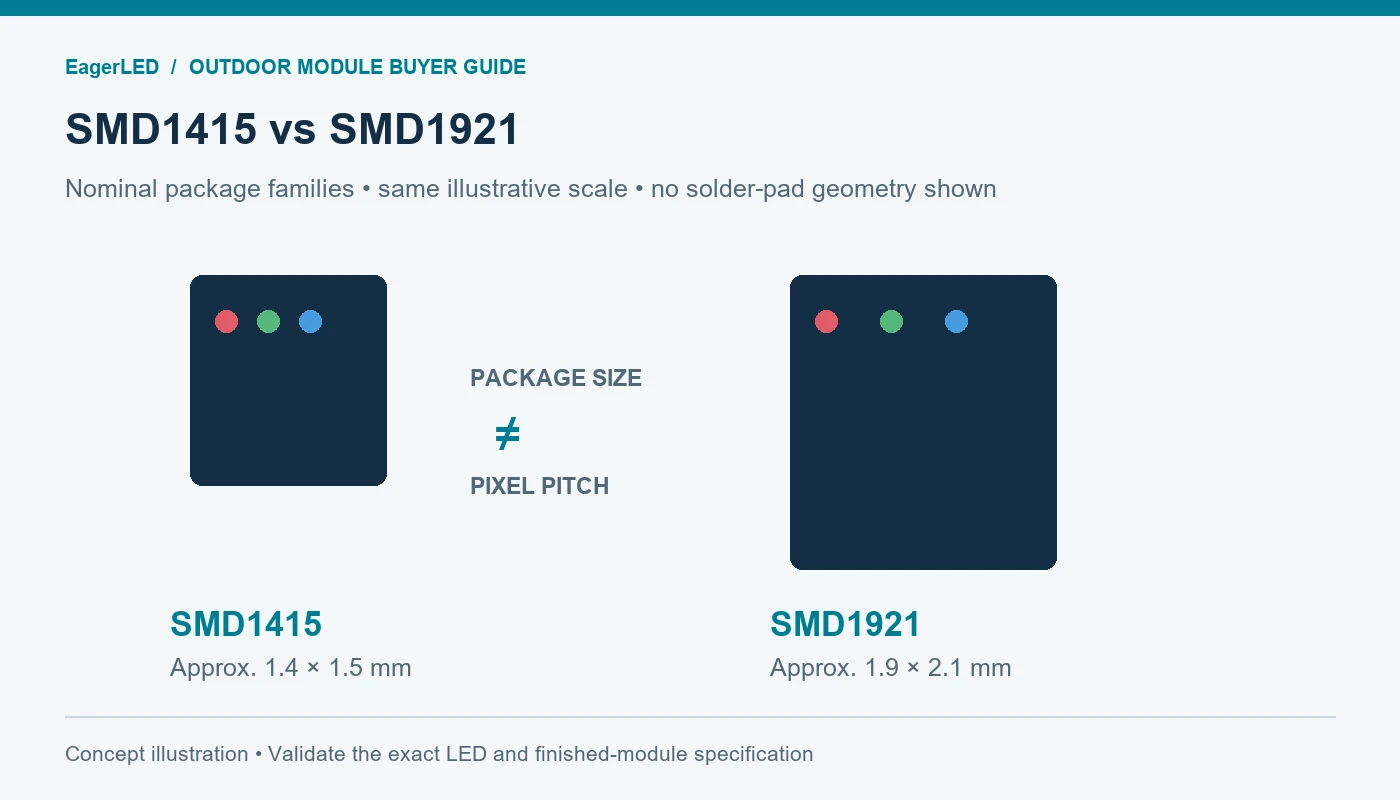
| Comparison point | SMD1415 | SMD1921 | Purchasing implication |
|---|---|---|---|
| Nominal package footprint | Smaller | Larger | Check the actual drawing and PCB layout |
| Layout consideration | Offers more space around LEDs at a given pitch | Occupies more space at the same pitch | Assess mask openings and assembly clearances |
| Screen resolution | Determined by pixel pitch and screen dimensions | Determined by pixel pitch and screen dimensions | Package size alone does not establish resolution |
| Brightness capability | Depends on the selected component and drive conditions | Depends on the selected component and drive conditions | Compare finished-module measurements |
| Outdoor suitability | Requires an appropriate outdoor component and assembly | Requires an appropriate outdoor component and assembly | Verify the exact product configuration |
| Replacement identity | Full component and module specification required | Full component and module specification required | Record more than the four-digit package code |
For a professional buyer, the first question is therefore: Which exact LED and module configuration is being offered?
A quotation that specifies only “SMD1415 outdoor module” or “SMD1921 outdoor module” leaves too much unresolved. Request the lamp manufacturer, full part number, module model, and approved configuration before comparing performance claims.
2. Package Size, Pixel Pitch, and Viewing Distance Compared
01. Package size and pixel pitch describe different dimensions
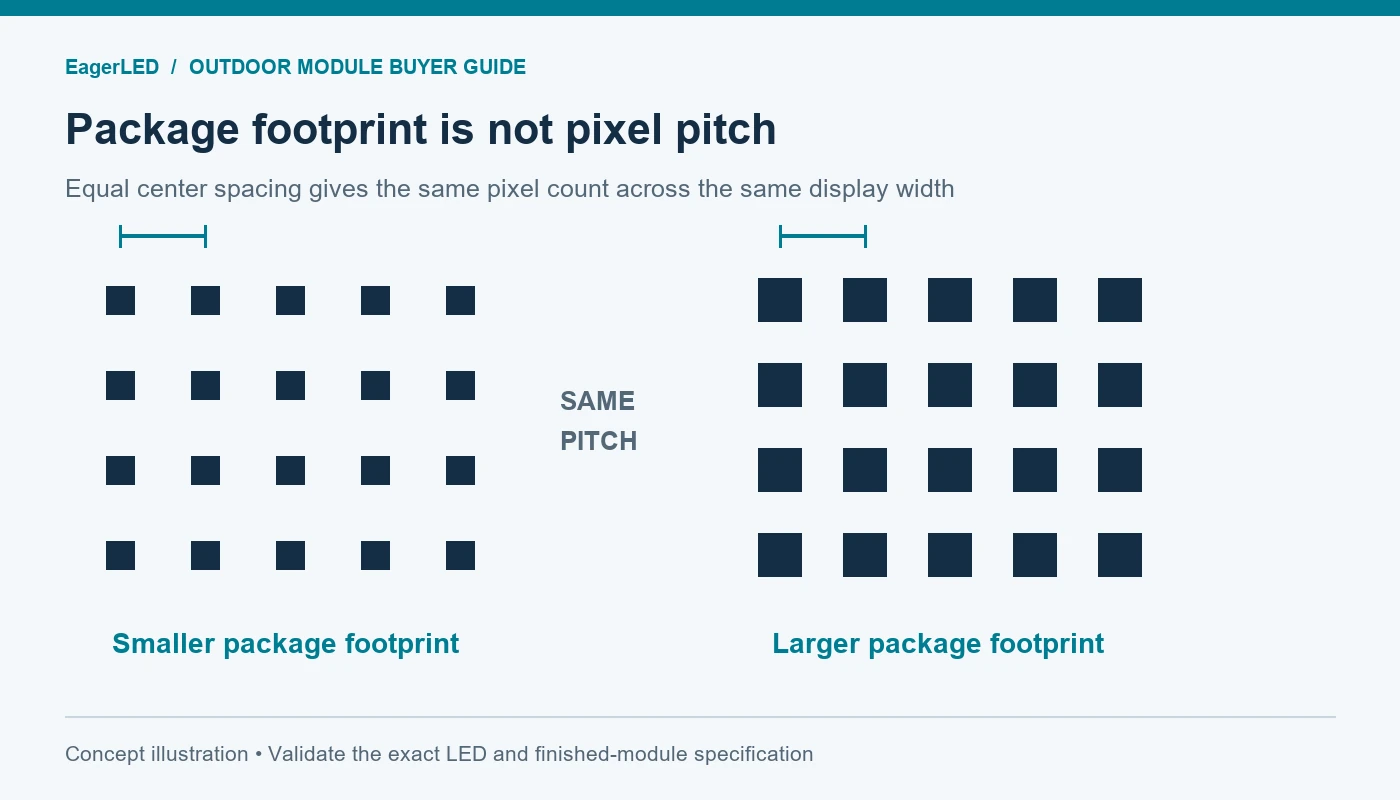
Package size describes the LED component. Pixel pitch describes the center-to-center spacing between neighboring pixels.
A P3 outdoor LED module has a nominal pixel pitch of 3 mm. The “3” does not describe the LED body size. Likewise, choosing SMD1921 does not automatically mean choosing P4, P5, or any other particular pitch.
The smaller footprint of SMD1415 can make tighter layouts more practical. However, the achievable pitch also depends on solder pads, PCB routing, manufacturing tolerances, mask design, and the component’s recommended mounting arrangement.
As a documented product example, EagerLED’s P4 SMD1921 module specification describes a 256 × 128 mm module containing 64 × 32 pixels. This illustrates one valid combination, rather than a universal pitch requirement for SMD1921.
02. Calculate resolution before selecting the package
For a square pixel grid:
Pixel density per square meter = (1,000 ÷ pixel pitch in millimeters)²
The following values are calculated examples, not specifications for particular EagerLED products.
| Nominal pixel pitch | Approximate pixels per m² | Pixels across an illustrative 6 m width | Practical consideration |
|---|---|---|---|
| P2.5 | 160,000 | 2,400 | More pixels available for detailed content |
| P3 | 111,111 | 2,000 | Evaluate text size and close viewing needs |
| P4 | 62,500 | 1,500 | Assess whether this resolution satisfies the brief |
| P5 | 40,000 | 1,200 | Confirm that important details remain readable |
Actual screen dimensions must follow available module and cabinet increments.
At the same pitch and screen size, SMD1415 and SMD1921 layouts have the same pixel count. A smaller LED package does not independently increase resolution.
03. Match pitch to content and audience position
Viewing distance should be assessed alongside text height, image detail, screen dimensions, and audience movement. A pedestrian reading a directory has different requirements from someone seeing a large advertising graphic across a plaza.
Avoid treating a simple pitch-to-distance rule as an acceptance standard. Prepare representative content and evaluate it at the nearest important viewing position. Confirm that small text, logos, and essential details remain readable before deciding whether the additional pixels justify their cost.
3. Brightness, Contrast, and Color Quality in Outdoor Displays
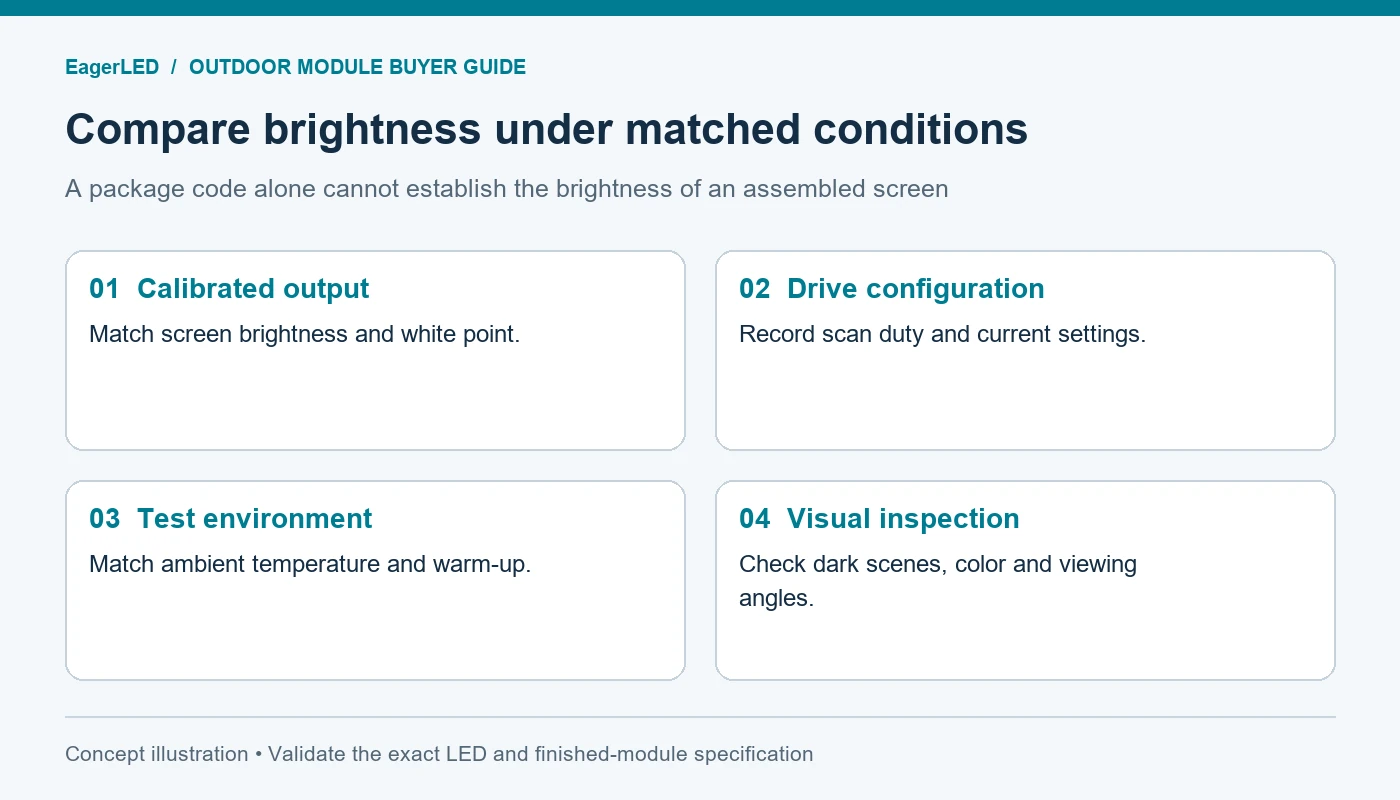
01. Compare usable brightness under matching conditions
There is no universal brightness winner in an SMD1415 vs SMD1921 comparison.
Screen luminance, usually expressed in nits or cd/m², depends on LED output, pixel density, operating current, scan duty, optical distribution, and calibration. Component luminous intensity, often expressed in millicandelas, is a different measurement and cannot be substituted directly for finished-screen luminance.
For procurement, request brightness measurements with the operating conditions attached:
- Calibrated white point and brightness setting.
- Ambient temperature and warm-up procedure.
- Test pattern and measurement position.
- Scan configuration and drive-current setting.
- Whether the value is a guaranteed minimum or a typical result.
A short demonstration at maximum output does not establish how the display will perform throughout a hot afternoon. Ask whether the required brightness can be sustained within the manufacturer’s operating limits.
02. Contrast depends on the complete front surface
Outdoor readability depends on how effectively the display separates the image from reflected ambient light.
The LED package surface, mask, surrounding black area, encapsulation, and viewing geometry all affect the result. A smaller package may allow more exposed black area at the same pitch, but that geometric possibility does not guarantee better measured contrast.
For SMD1415 and SMD1921 samples, compare dark scenes and saturated graphics under similar illumination. Observe reflections with the screen switched off as well as image separation with it operating. These checks reveal differences that a peak-brightness figure can miss.
03. Evaluate color from the audience’s actual angles
A screen can look uniform from the center and show a noticeable color shift when viewed from the side or below. This matters for elevated building displays, wide pedestrian areas, and event screens serving audiences across a large space.
Check horizontal and vertical viewing performance separately. Ask how the quoted viewing angle is defined; a brightness-based angular limit does not necessarily describe acceptable color consistency.
For example, Nationstar publishes optical characteristics for specific RS-1415MBAR and RS-1921MBAR components. Such documents support component evaluation, while the assembled screen still needs its own viewing assessment.
Finally, test dimmed operation. Outdoor displays often serve evening audiences as well as daytime viewers. Smooth gradients, neutral grays, and clean dark areas at reduced brightness can matter more than an impressive maximum-output demonstration.
4. Power Consumption and Heat Management: What Matters?
Neither SMD1415 nor SMD1921 is inherently the lower-power choice for every outdoor display. A useful comparison requires equivalent visual output and clearly defined measurement conditions.
A finer-pitch screen contains more pixels per square meter. Each pixel may operate at a different current, while the driver circuitry, power supply, and scan arrangement introduce additional differences. Package dimensions alone cannot predict the final electricity demand.
01. Separate electrical capacity from operating consumption
Maximum power is relevant to supply capacity, distribution equipment, and thermal planning. Operating consumption is relevant to electricity costs. They answer different questions.
An “average power” figure is useful only when the content and settings behind it are known. Dark video, bright advertising slides, and a full-white test pattern place different demands on a display.
When comparing SMD1415 and SMD1921 outdoor modules, request input-power measurements at the same calibrated screen brightness. Include any cabinet cooling equipment in the comparison or identify it separately.
For an illustrative calculation:
Energy in kWh = average input power in kW × operating hours
If a hypothetical 20 m² screen averages 200 W/m² for 10 hours, its consumption is:
20 × 200 ÷ 1,000 × 10 = 40 kWh
This is an arithmetic example, not a product rating or an expected result for either package family.
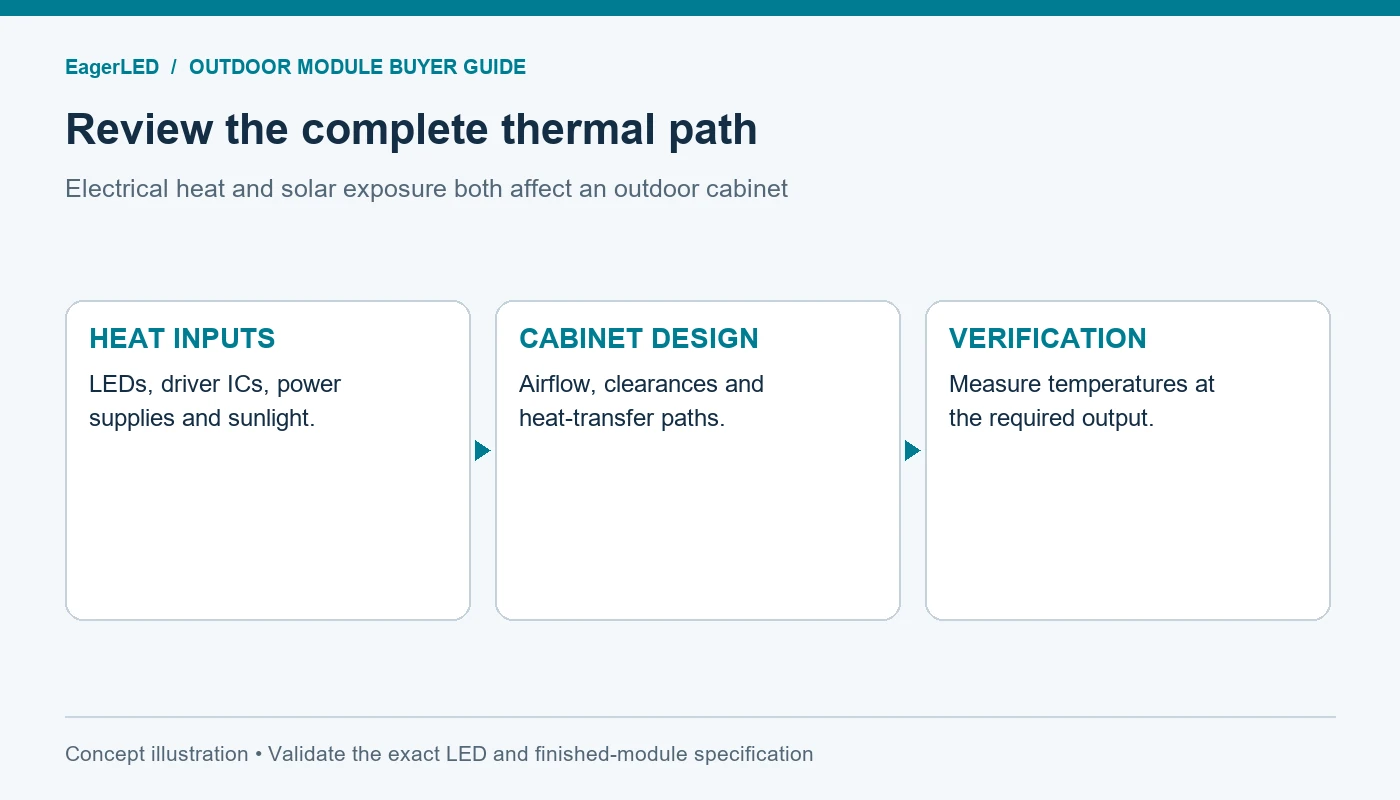
02. Inspect the thermal design as a system
LEDs, driver ICs, and power supplies all contribute heat. Outdoor installations also receive solar heat, while restricted rear clearance can limit ventilation.
Ask how the cabinet handles the intended ambient temperature, mounting arrangement, and operating schedule. A component’s temperature rating does not establish the allowable temperature for the complete display.
Useful evidence includes temperature measurements at identified locations, the test configuration, and any brightness reduction required under elevated temperatures. These details help determine whether the proposed module can meet the project’s visual target continuously.
5. Outdoor Durability: Weather Protection and LED Lifespan
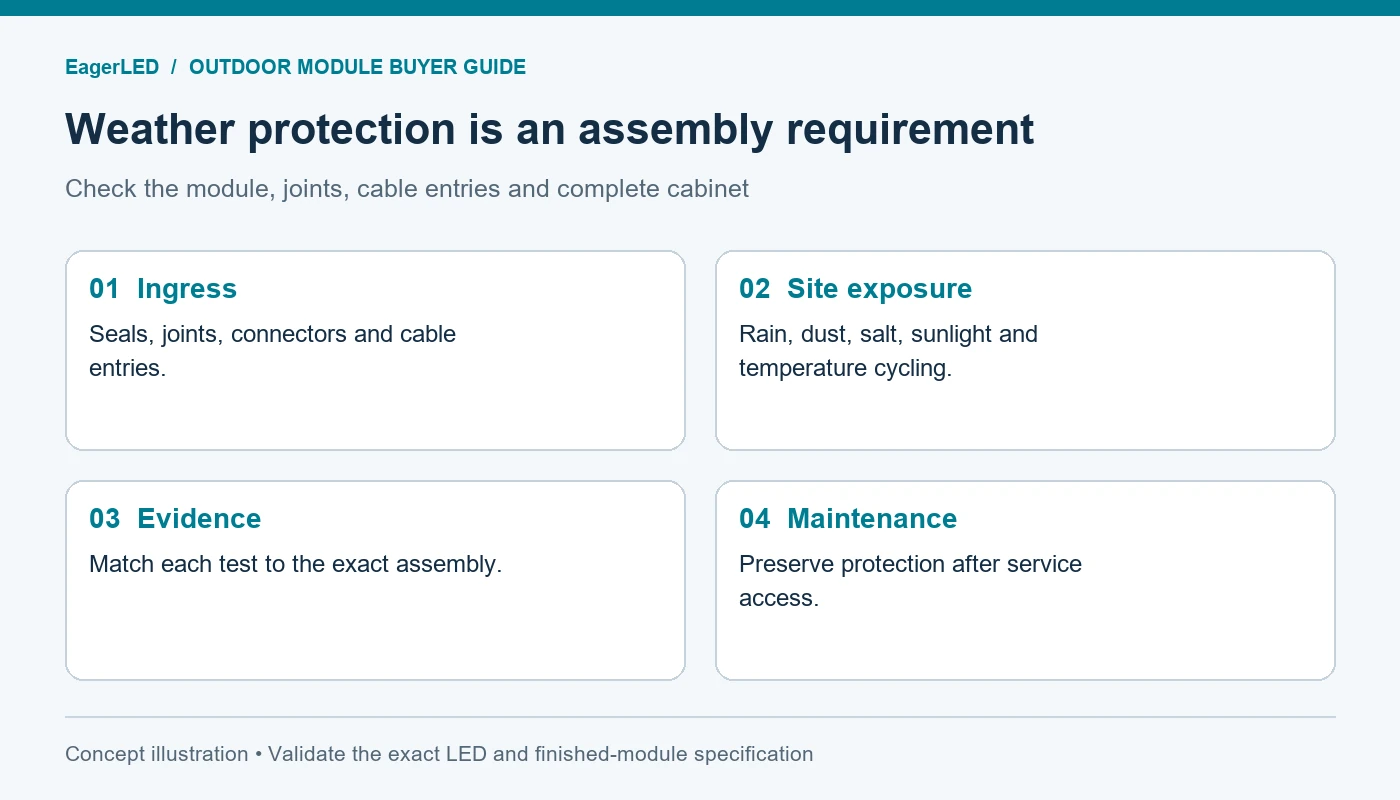
01. Weather protection extends beyond the LED package
Outdoor suitability depends on the interaction of the LED, PCB protection, sealing materials, module joints, connectors, and cabinet construction.
An outdoor-rated SMD1415 component does not make every assembly using it suitable for rain exposure. An SMD1921 module also needs appropriate protection around the areas where water can enter or collect.
IP ratings classify enclosure protection against specified ingress conditions. Their scope comes from IEC 60529, so buyers should identify the exact assembly and surfaces covered by the claimed rating.
For a cabinet quotation, clarify whether front and rear protection differ. Also confirm the installation conditions required to preserve that protection, including cable entry, connector mating, and module seating.
02. Match environmental evidence to the site
Rain is only one exposure. Coastal salt, intense sunlight, airborne contamination, temperature cycling, and condensation can create different reliability demands.
Request evidence relevant to the actual location. A water-ingress result does not establish corrosion resistance or resistance to prolonged ultraviolet exposure. Likewise, a component test cannot establish the durability of every material in a finished cabinet.
For SMD1415 and SMD1921 modules, the useful question is how the proposed construction has been evaluated—not which package number sounds more robust.
03. Define what “lifespan” means
A quoted service-life figure needs an endpoint. It might describe light-output depreciation under stated conditions, rather than years of maintenance-free screen operation.
The display can also require service because of power-supply, connector, driver, or control-system faults. These mechanisms are separate from LED light-output degradation.
Ask suppliers to explain:
- The conditions supporting the claimed operating life.
- The brightness or failure threshold used.
- The applicable warranty coverage.
- The repair process and parts availability.
For long-term installations, a clear service arrangement is often more useful than an isolated lifetime number. It gives the operator a workable response when maintenance becomes necessary.
6. Module Costs, Maintenance, and Long-Term Value
Comparing SMD1415 vs SMD1921 prices requires a consistent purchasing scope. A bare module price cannot be compared directly with a cabinet price that includes power supplies, receiving cards, cables, and mounting hardware.
Pixel density also changes the economics. A tighter-pitch module contains more LEDs per unit area, alongside different circuit and assembly requirements. That does not establish a universal price premium for SMD1415 itself.
| Cost item | What to compare | Why it matters |
|---|---|---|
| Display hardware | Same screen area, required resolution, and included components | Prevents misleading unit-price comparisons |
| Control equipment | Processor capacity, receiving cards, and required functions | Determines whether the system supports the project |
| Installation | Structure, access, cabling, and cabinet arrangement | Can materially affect the total project budget |
| Electricity | Matched brightness, content, and operating schedule | Makes running-cost estimates meaningful |
| Maintenance | Access method, replacement procedure, and labor | Influences repair time and service cost |
| Spare parts | Approved module revision and component compatibility | Supports future repairs |
| Commercial terms | Freight, warranty scope, and repair logistics | Clarifies responsibilities after delivery |
01. Price the service method
A front-service installation may reduce the need for rear access, but the benefit depends on the actual maintenance procedure. Technicians need enough working space and the correct tools to remove modules without damaging surrounding components.
Ask for a service demonstration using the proposed cabinet. Include access to power supplies and receiving cards, rather than checking module removal alone.
02. Plan spares before shipment
For both SMD1415 and SMD1921 displays, spare quantities should reflect project size, service response requirements, and replenishment lead time. Avoid adopting a fixed percentage without considering those factors.
Record spare-module identities and store the relevant configuration and calibration files. Initial visual matching also deserves attention: a replacement can function electrically yet remain noticeable because of optical differences or accumulated aging.
Distributors should include these support requirements in their resale offer. A well-defined replacement process protects the relationship with the integrator and end customer.
7. SMD1415 vs SMD1921: Which Suits Your Outdoor Application?
The most useful selection sequence begins with the site and content requirements, then narrows the available module configurations.
| Application | Main purchasing priority | How to approach the package choice |
|---|---|---|
| Pedestrian retail display | Readable detail at short viewing distances | Evaluate fine-pitch options; SMD1415 may offer useful layout flexibility |
| Outdoor advertising display | Legible content across the intended audience area | Compare complete modules at the required resolution and brightness |
| Rental event screen | Handling, image consistency, camera use, and fast servicing | Evaluate cabinet construction alongside either package |
| Elevated façade screen | Off-axis visibility and difficult maintenance access | Prioritize viewing tests and service planning |
| Sports venue display | Moving content, audience coverage, and camera requirements | Validate the full display and control configuration |
| Distributed signage network | Consistent supply and repeatable maintenance | Standardize approved module revisions and replacement procedures |
These are selection priorities, not product approvals.
For a close-view retail project, SMD1415 may help achieve the desired pixel layout. Its advantage has value only if the resulting module also meets brightness, environmental, and service requirements.
For a project whose resolution needs are satisfied by an available SMD1921 configuration, moving to a smaller package does not automatically improve the audience experience. The budget may produce more benefit through better service access, control equipment, or replacement support.
Rental operators should be particularly careful about assuming that a larger LED package guarantees greater impact resistance. Handling performance also depends on component attachment, mask geometry, corner protection, and transport procedures.
If both candidates meet the visual brief, compare operational evidence and commercial support. A package preference should not outweigh a configuration that is demonstrably easier to install and maintain.
8. What to Check Before Buying Outdoor LED Modules
A useful request for quotation describes the outcome the screen must achieve. Give EagerLED the screen dimensions, installation location, viewing distances, content examples, operating hours, and maintenance access.
Then request comparable proposals rather than asking only for the cheapest SMD1415 or SMD1921 module.
01. Build a specification that can be verified
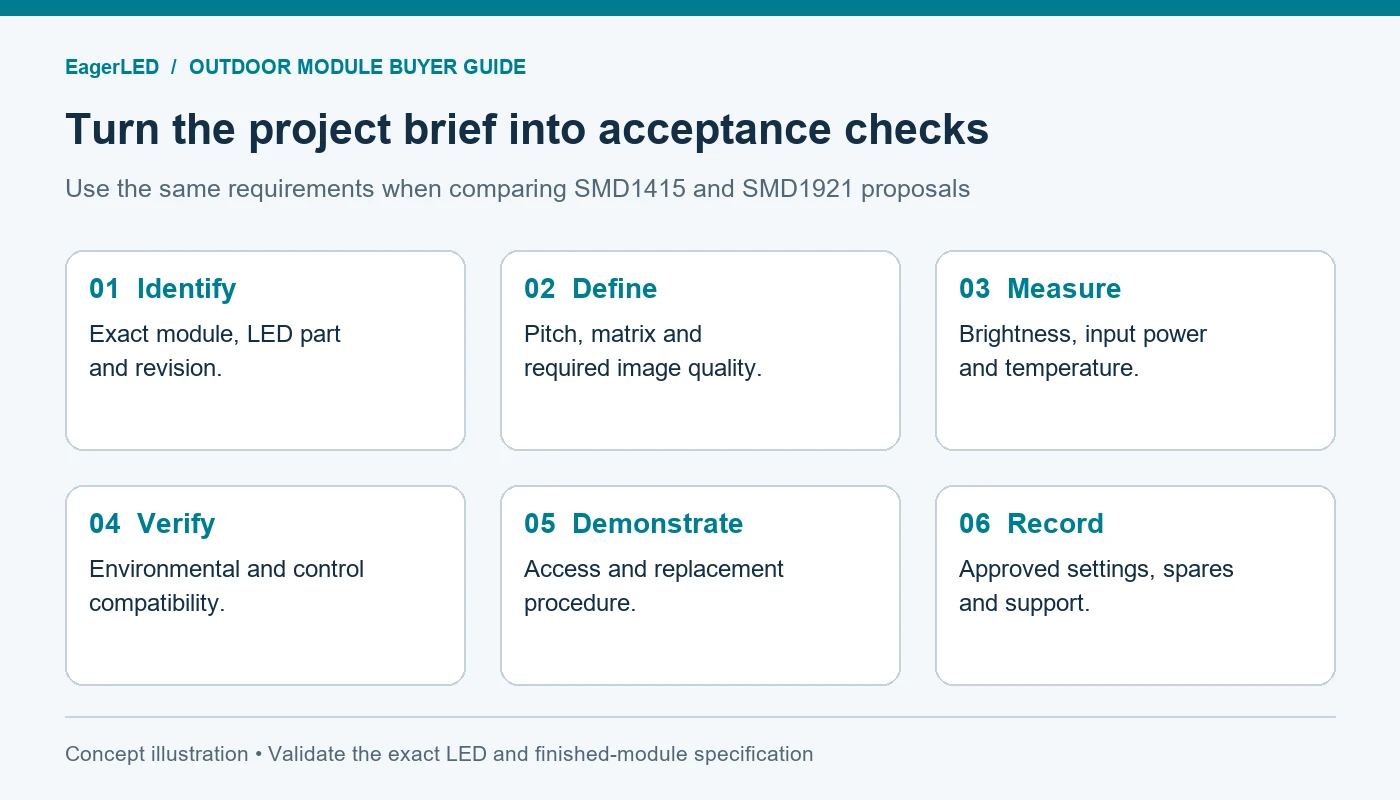
| RFQ requirement | Information to request | Acceptance approach |
|---|---|---|
| Product identity | Module model, LED part number, and revision | Check supplied records against the approved proposal |
| Resolution | Pitch, module matrix, and cabinet layout | Confirm the final pixel map |
| Image performance | Calibrated brightness, white point, and uniformity criteria | Inspect agreed test patterns and representative content |
| Electrical demand | Maximum input and defined operating measurements | Measure the agreed configurations |
| Environmental suitability | Protection scope and relevant supporting evidence | Review documents for the actual assembly |
| System integration | Control hardware, firmware, and signal arrangement | Test the intended source-to-screen workflow |
| Service support | Access procedure, spare list, and repair terms | Demonstrate representative maintenance tasks |
State tolerances and pass criteria before placing the order. “Good uniformity” or “high brightness” leaves room for disagreement because neither phrase defines an acceptance threshold.
02. Compare representative samples
An SMD1415 vs SMD1921 sample comparison should use equivalent settings wherever practical. Match calibrated brightness, white point, content, viewing position, and warm-up conditions.
If pixel pitch differs, acknowledge the resulting resolution difference. Otherwise, a sharper image may be incorrectly credited to package size.
For uniformity assessment, viewing several adjacent modules is more informative than inspecting one isolated sample. Include full-field red, green, blue, white, and gray patterns, followed by realistic content.
03. Control changes between approval and delivery
Ask the supplier to document the production configuration and communicate proposed substitutions before shipment. Changes to LEDs, driver ICs, PCB revisions, or masks can affect compatibility and appearance.
Keep the approved specification, sample identification, acceptance records, and service files together. For distributors managing repeat orders, this creates a clear reference for later shipments.
When approaching EagerLED, describe the business priorities as well: project budget, delivery schedule, local technical capability, and expected support period. These constraints help shape a proposal that can be evaluated as an installed system.
9. FAQ
01. Can SMD1415 LEDs be replaced directly with SMD1921 LEDs?
Generally, they should not be treated as direct component substitutes. Different package dimensions can require different solder pads, mask clearances, and placement arrangements. Electrical characteristics and optical output may also differ. A change from SMD1415 to SMD1921 requires engineering review and validation of the affected module, rather than simply changing the component on a repair bench.
02. Can different LED brands be mixed in the same outdoor screen?
Do not assume that components from different brands will match because their package codes are identical. Wavelength, intensity, angular output, and electrical behavior can differ. Even if mixed modules operate, visible boundaries may remain. Have the supplier qualify any proposed alternative on the actual screen configuration before approving it for production or maintenance.
03. Can SMD1415 and SMD1921 modules use the same receiving card?
They may use the same receiving-card model if that card supports both module designs. However, compatibility depends on the driver IC, scan arrangement, data mapping, interface, and load—not the LED package name. Different modules may require different configuration files. Confirm support for each exact module and retain its approved settings.
04. Does choosing SMD1921 guarantee a higher refresh rate?
No. SMD1921 and SMD1415 are package descriptions, not refresh-rate specifications. Refresh and grayscale behavior depend on the module electronics and control configuration. NovaStar discusses these relationships in its technical explanation of grayscale performance. For filmed applications, also test the intended camera, shutter settings, and dimmed scenes; a headline refresh figure alone is insufficient.
05. Is GOB coating available for SMD1415 or SMD1921 modules?
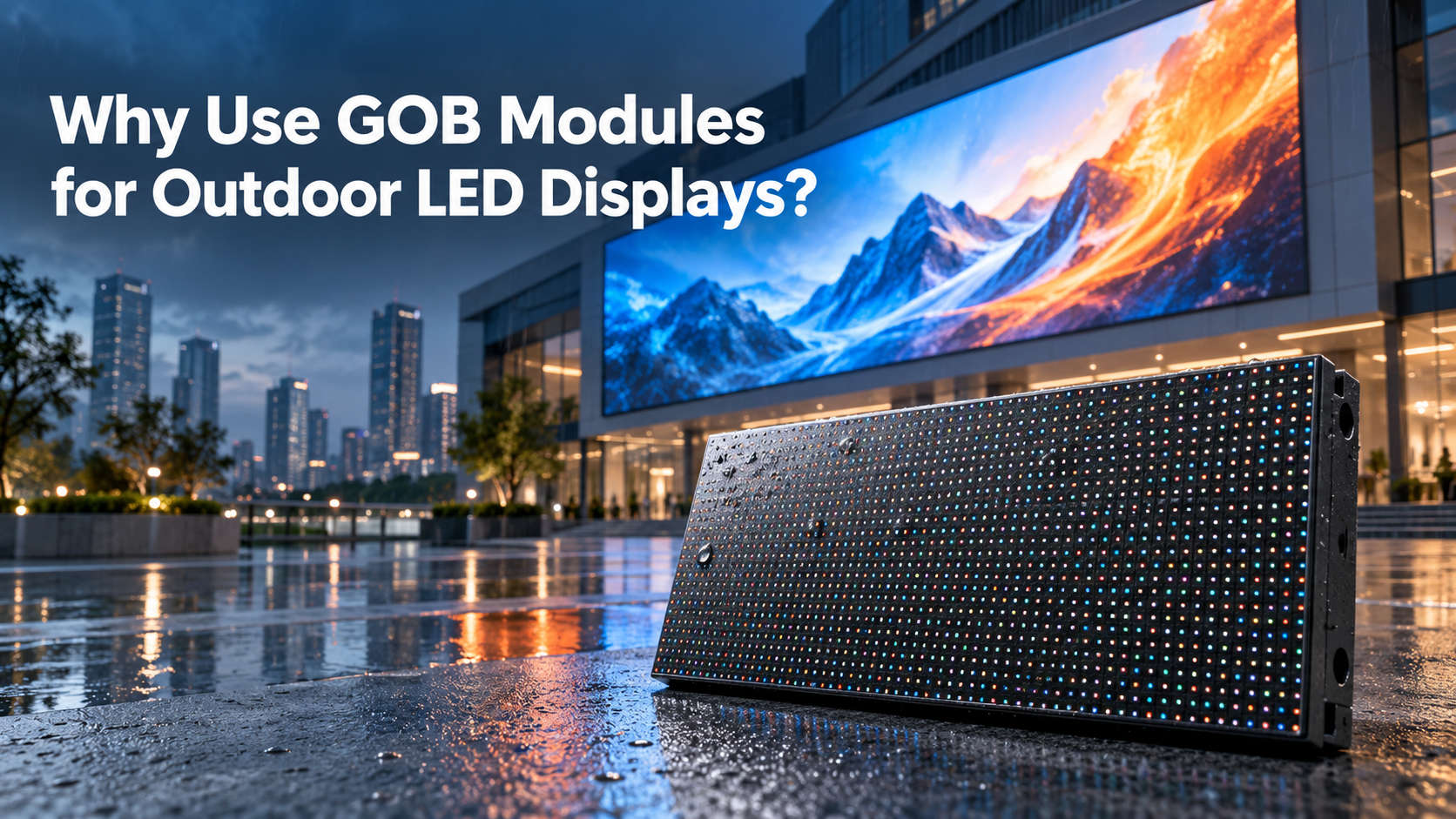
A manufacturer may offer a protective coating over a compatible SMD module, but compatibility must be confirmed for the particular product. GOB describes an additional protection approach rather than a replacement package code. Ask how the coating affects reflections, repair procedures, color appearance, and outdoor exposure performance. Do not assume that adding a coating automatically establishes weather resistance.
06. Does the LED forward voltage specify the module power supply?
No. LED forward voltage describes the voltage across an individual emitting junction under defined conditions. The module’s input supply must also support its driver circuitry and electrical architecture. Use the finished module’s specified supply voltage and connection instructions. Never select a power supply solely from an SMD1415 or SMD1921 component’s forward-voltage table.
07. How should spare outdoor LED modules be stored?
Follow the module manufacturer’s storage instructions, including temperature, humidity, packaging, and handling requirements. Protect the display face and connectors from mechanical damage and contamination. Loose LEDs intended for component-level repair may have separate moisture-handling and soldering requirements. Label spare modules clearly and inspect them before use, especially after extended storage or transport.
08. Does a dead pixel mean the LED package has failed?
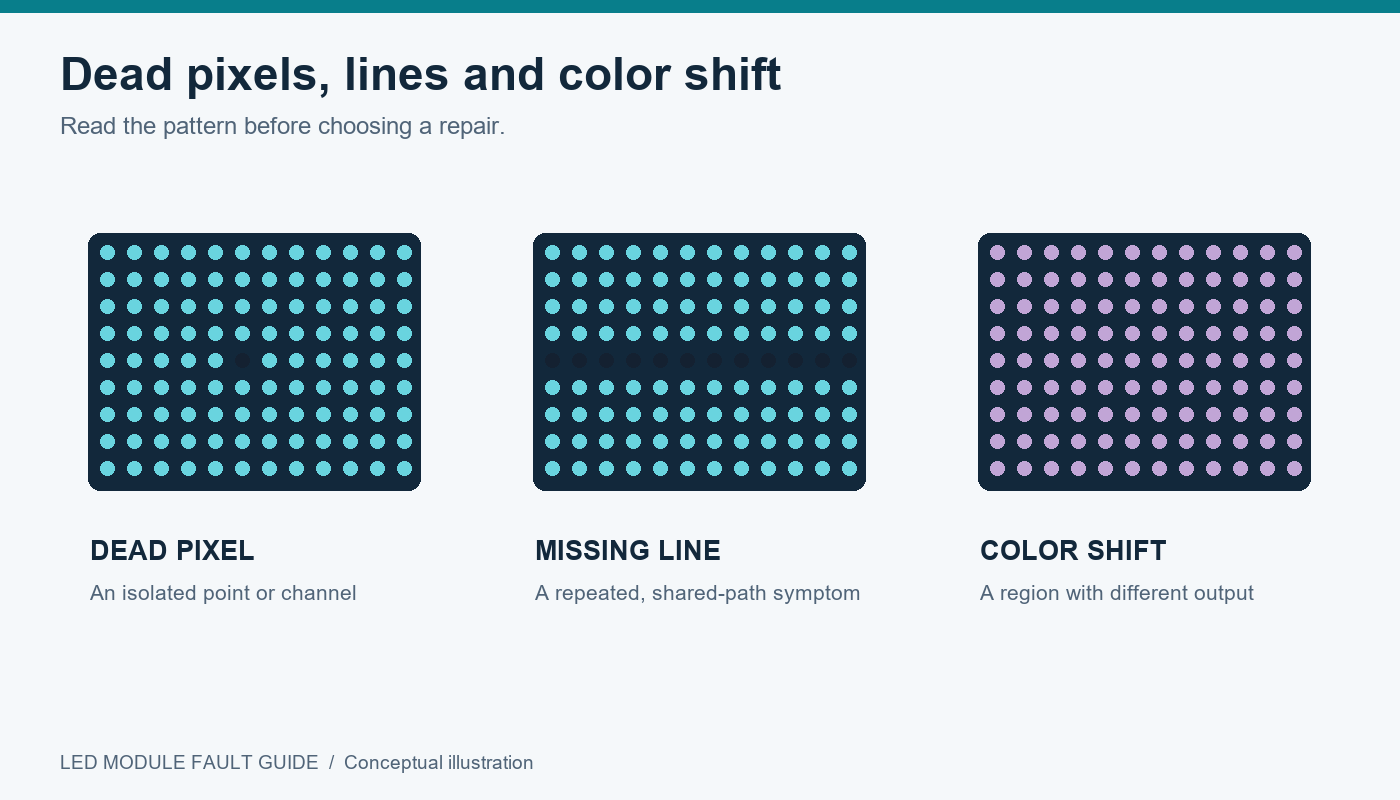
Not necessarily. A missing color or dark pixel may involve the LED, a solder joint, a driver output, or another circuit fault. The pattern of the problem can help a technician narrow the cause. Use the supplier’s diagnostic procedure before replacing parts; changing an SMD1415 or SMD1921 LED will not resolve a fault elsewhere in the circuit.
09. What if the original module is discontinued?
Ask the supplier to identify a qualified replacement and demonstrate mechanical, electrical, and visual compatibility. Matching dimensions and pitch is not enough. If a direct replacement cannot be validated, replacing a larger coordinated section may be more practical than inserting visibly different modules. Procurement records and reserved spares make this decision easier later in the display’s service life.
10. Conclusion
The SMD1415 vs SMD1921 decision starts with package size, but the purchasing decision must account for the complete outdoor LED module.
SMD1415 offers a smaller footprint that can support tighter layouts. SMD1921 remains a relevant option where the proposed module meets the project’s resolution and operating requirements. Brightness, energy use, environmental protection, and maintenance performance must be checked at the appropriate component, module, and system levels.
For buyers, distributors, and integrators, the strongest comparison uses a defined project brief, matching test conditions, and documented acceptance criteria.
To discuss an outdoor LED display with EagerLED, provide the screen dimensions, viewing distances, site conditions, content requirements, and service-access plan. Request a proposal with the exact module configuration and supporting specifications so the final choice can be justified technically and commercially.
 Rental LED Screen Spare Parts: A Fleet Checklist