
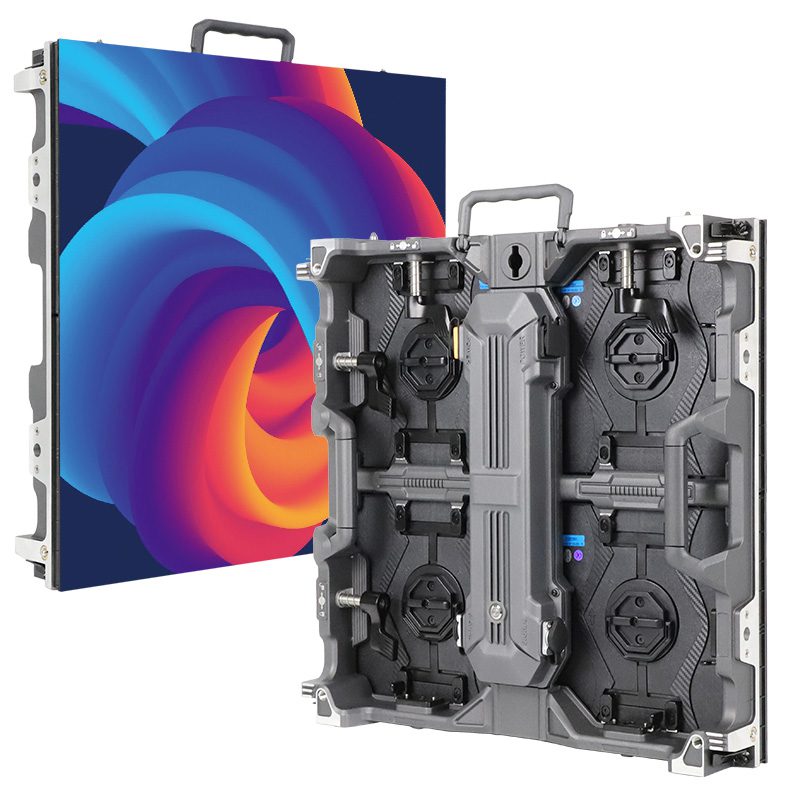
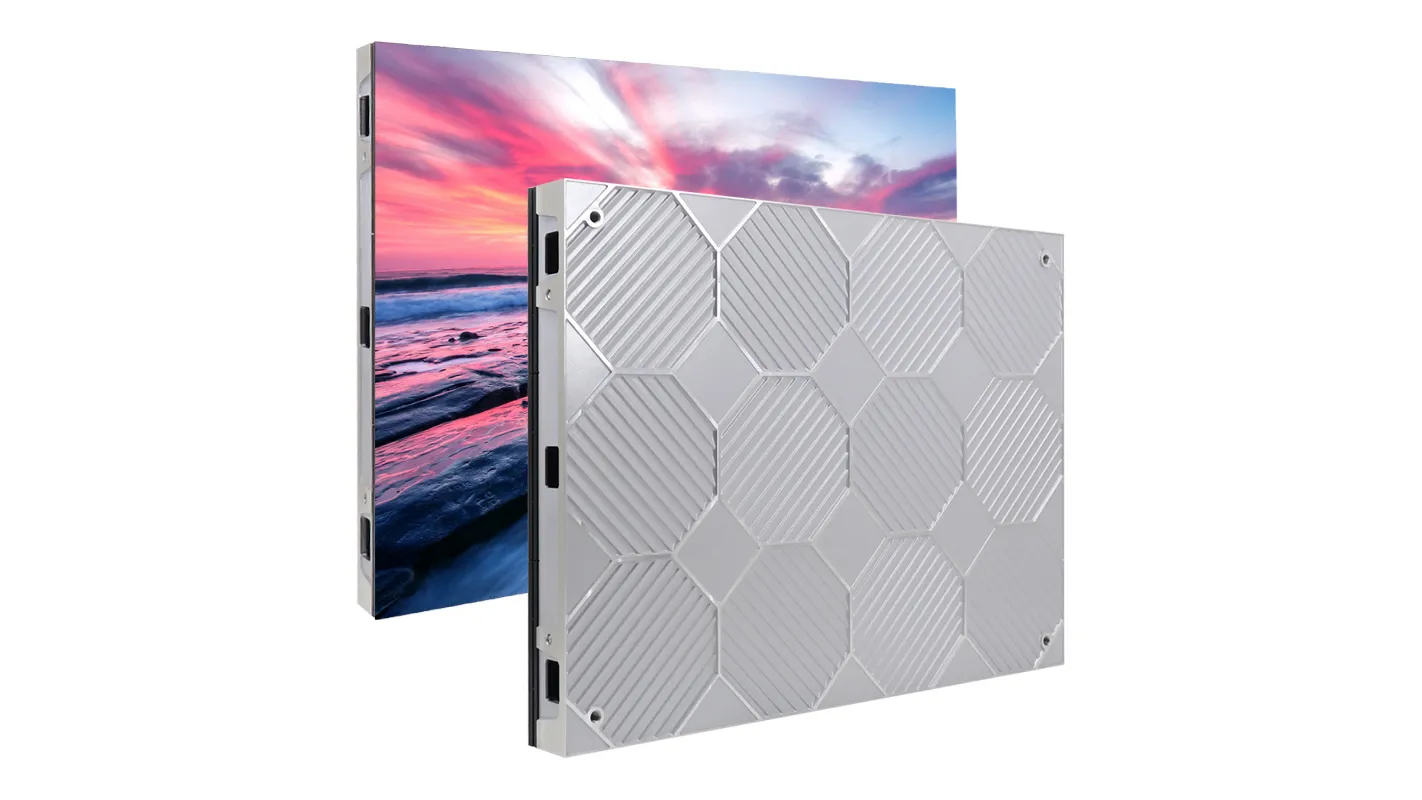
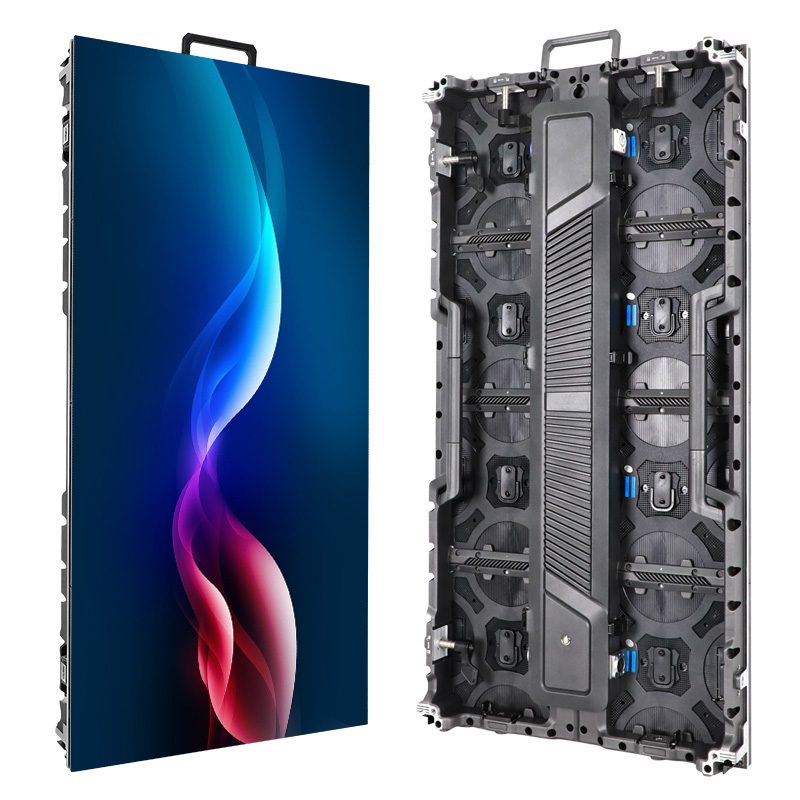
Choosing between a black LED display and a white LED display is mainly a choice between image quality, brightness efficiency, and budget.
This guide is for buyers comparing LED screens for conference rooms, retail stores, rental events, studios, control rooms, and outdoor advertising.
However, LED package color is only one factor. Pixel pitch, brightness, refresh rate, module quality, and viewing distance can have a greater impact on the final result.
Quick answer: Choose black LED when contrast, close viewing, premium video, or camera performance matters most. Consider white LED when the screen is large, the content is simple, and the initial budget is more important. For outdoor projects, compare the actual performance of both options.
| If you need… | Choose | Why |
|---|---|---|
| High-contrast images | Black LED | Deeper blacks |
| Short-distance viewing | Black LED | Cleaner images and less visible LED structure |
| Studio or camera use | Black LED | Better dark-scene performance |
| Lower initial cost | White LED may be suitable | Often used in lower-cost products |
| Large screen with simple content | White LED may be suitable | Contrast is less important |
| Outdoor advertising | Compare both | Brightness and daylight contrast both matter |
Table Of Contents
1.What are Black LED Display and White LED Display?
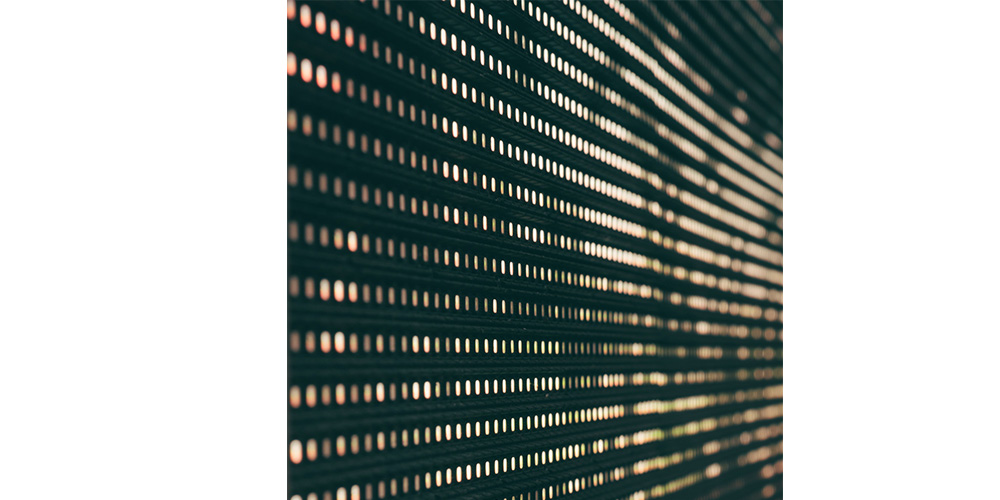
The terms “black” and “white” do not mean that the screen displays only black or white images. They describe the surface around the LED chips.
Both types can produce full-color content.
1.1 Black LED Display
A black LED display has a dark-colored surface around each LED pixel. The visible face of the screen therefore appears mainly black when the LEDs are switched off.
Recommended for: indoor fine-pitch displays, rental stages, studios, control rooms, and premium retail screens.
1.2 White LED Display
A white LED display uses a white or light-colored surface around each LED pixel. This surface reflects more light toward the viewer.
Recommended for: selected large displays, simple advertising signs, and cost-sensitive projects where premium contrast is not required.
1.3 Comparison Table
| Feature | Black LED | White LED |
|---|---|---|
| Package surface | Dark | White or light |
| Contrast | Usually higher | Usually lower |
| Reflection | Lower | Higher |
| Dark scenes | Deeper and clearer | May look gray |
| Close viewing | Better | Less ideal |
| Recommended viewing | Short to long distance | Usually medium to long distance |
| Initial cost | Often higher | Can be lower |
| Best for | Premium image quality | Large or budget-sensitive projects |
These are general differences. A high-quality white module can perform better than a low-quality black module. Package color should not be the only buying factor.
2.Black LED vs White LED Display Differences
Quick Decision Guide: Which LED Display Should You Choose?
| Your project | Recommended choice | Buyer tip |
|---|---|---|
| Conference room | Black LED | Prioritize contrast and pixel pitch |
| Studio or broadcast | Black LED | Request a camera test |
| Concert stage | Black LED | Check refresh rate and cabinet strength |
| Premium retail display | Black LED | Test product images and dark content |
| Large screen with simple text | White LED may work | Compare cost at the same brightness |
| Outdoor billboard | Compare both | Test daylight contrast |
| Long viewing distance | Depends on content and environment | Content and budget may matter more |
2.1 Contrast and Image Quality
A black LED surface absorbs more ambient light. When pixels are switched off, they blend into the dark screen face. This creates deeper blacks and stronger contrast.
A white surface reflects more surrounding light. Dark areas may look gray or washed out, especially indoors and at short viewing distances.
Higher contrast also makes colors appear richer. This is useful for product videos, films, skin tones, and content with many dark scenes.
Other components also affect final image quality.
Contrast winner: Black LED display.
Buyer tip: Compare both modules at the same brightness. A brighter test sample can appear better even when its contrast is weaker.
2.2 Brightness and Visibility
White LED surfaces can reflect light efficiently, but white LED displays are not always brighter than black ones.
Actual brightness depends on the LED components, power settings, module design, and factory adjustment. A high-quality black outdoor module can be brighter than a low-cost white module.
More brightness is not always better. An overly bright indoor screen can cause discomfort. Outdoor screens need both high brightness and strong daylight contrast.
Buyer tip: Ask for normal working brightness, not only the highest possible value shown in a product brochure.
2.3 Reflection and Viewing Experience
Black LED packages normally reflect less light from windows, spotlights, and stage lighting. This keeps the image clearer and reduces bright patches on the screen.
White LED surfaces reflect more ambient light. The LED structure may also be easier to see when viewers stand close to the display.
Reflection winner: Black LED display.
Buyer tip: View sample modules while they are switched off. This makes surface reflection easier to compare.
2.4 Power Consumption
Package color alone does not decide power consumption.
A white surface may support efficient light output. However, a high-contrast black screen may provide a good indoor image at a lower brightness setting.
Actual power use depends on brightness, content, module design, and daily operating hours.
Buyer tip: Compare average power consumption per square meter under the same brightness and test conditions.
2.5 Category Winners
| Category | Better choice |
|---|---|
| Contrast | Black LED |
| Dark scenes | Black LED |
| Reflection control | Black LED |
| Close viewing | Black LED |
| Camera use | Usually black LED |
| Initial cost | Often white LED |
| Large, simple display | White LED may work |
| Outdoor visibility | Depends on actual screen design |
| Power efficiency | Depends on actual screen design |
3.Black LED vs White LED Applications
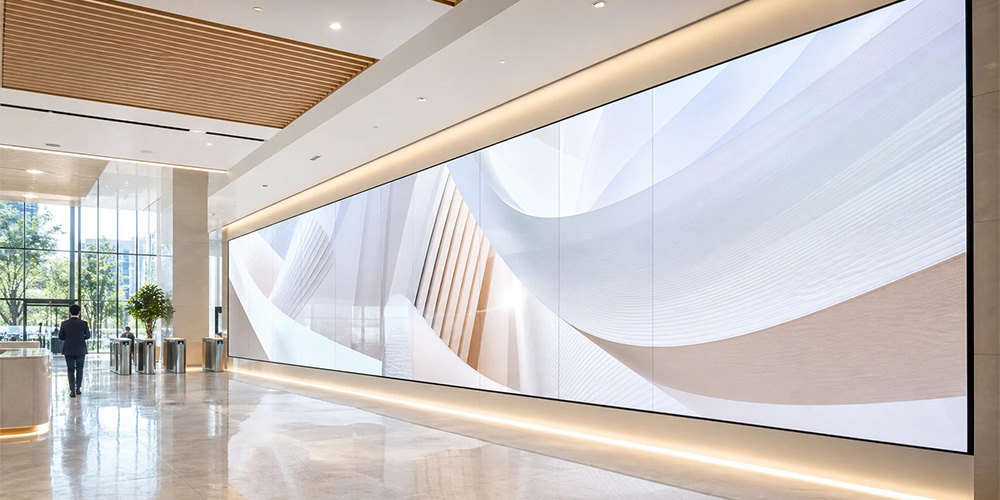
3.1 Indoor Applications
Black LED is usually the better indoor choice, especially when the closest viewing distance is below five meters.
It provides stronger contrast for conference rooms, showrooms, control centers, museums, and retail stores. Small text and dark video content also appear clearer.
Recommended for:
- Fine-pitch video walls
- Premium video content
- Short viewing distances
- Rooms with spotlights or windows
- Camera-based presentations
White LED may not be the best choice for:
- Close viewing distances
- High-end video content
- Dark image content
- Camera shooting
For a large indoor display viewed from far away, pixel pitch and budget may matter more than package color.
3.2 Rental LED Display Applications
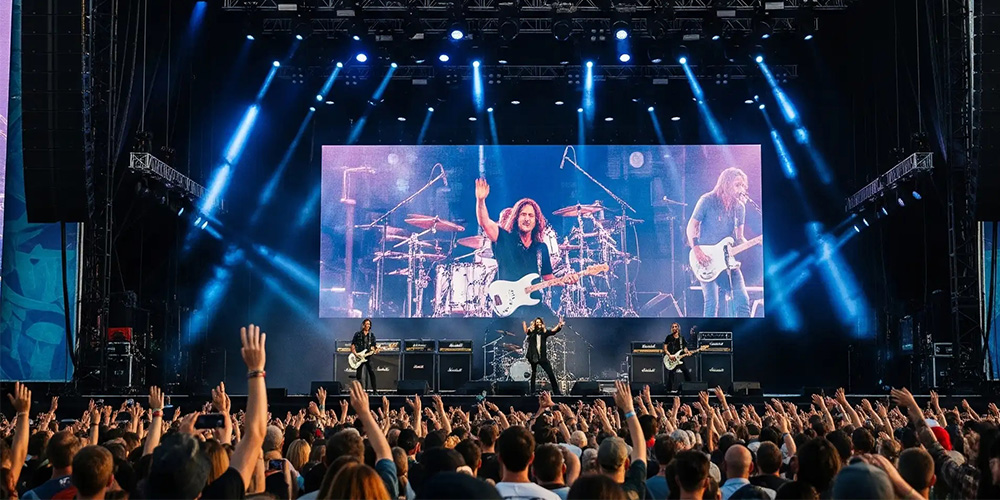
Rental displays are used for concerts, exhibitions, product launches, and live events. Black LED packages are normally preferred because they reduce reflection and improve dark scenes.
Rental buyers usually prioritize:
- Cabinet durability
- Fast installation
- Front or rear maintenance
- Refresh rate and camera performance
- Image quality
- Weight and transport efficiency
Buyer tip: For rental companies, reliability is often more important than the highest image specification. A durable screen that is easy to install, maintain, and transport can provide better long-term value.
Recommended choice: Black LED for most professional stage and rental applications.
Avoid buying based only on image quality. A rental screen must also withstand frequent transport, installation, and removal.
3.3 Outdoor Applications
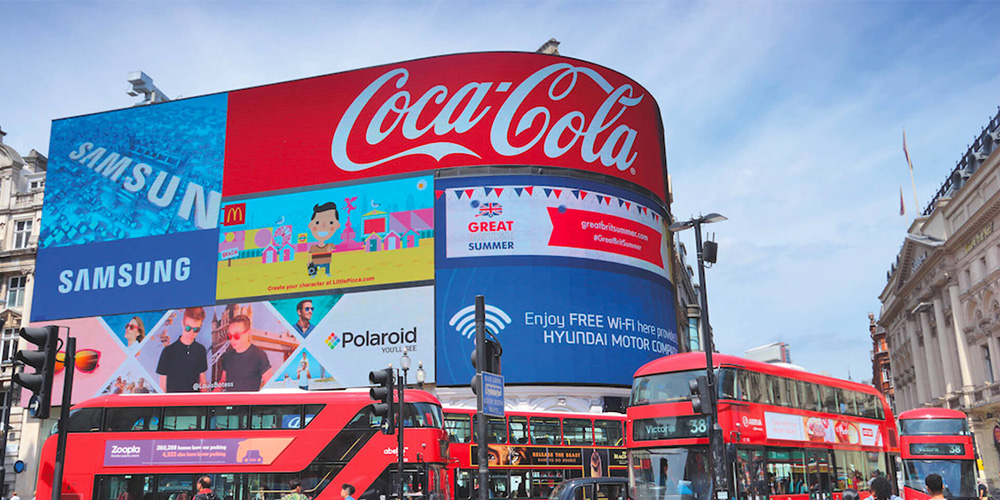
Outdoor does not automatically mean white LED.
Many outdoor displays use black packages because daylight contrast remains important. A black surface can help advertising content stay clear under direct or reflected sunlight.
White packages may suit large signs that show prices, logos, basic text, or public information. At a long viewing distance, weaker black levels may be less noticeable.
For outdoor projects, compare:
- Working brightness
- Daylight contrast
- Weather protection
- Viewing angle
- Heat control
- Automatic brightness adjustment
- Maintenance access
Buyer tip: Test both options outdoors or under strong lighting. Do not choose white LED only because the screen will be installed outside.
4.Pros and Cons Comparison
| Type | Advantages | Avoid if… |
|---|---|---|
| Black LED | Strong contrast, deep blacks, low reflection, and better close-range or camera performance | The lowest purchase price is your only priority |
| White LED | Can offer efficient light output and a lower cost in some large projects | You need premium dark scenes, close viewing, or studio performance |
5.Black LED vs White LED: Cost Comparison
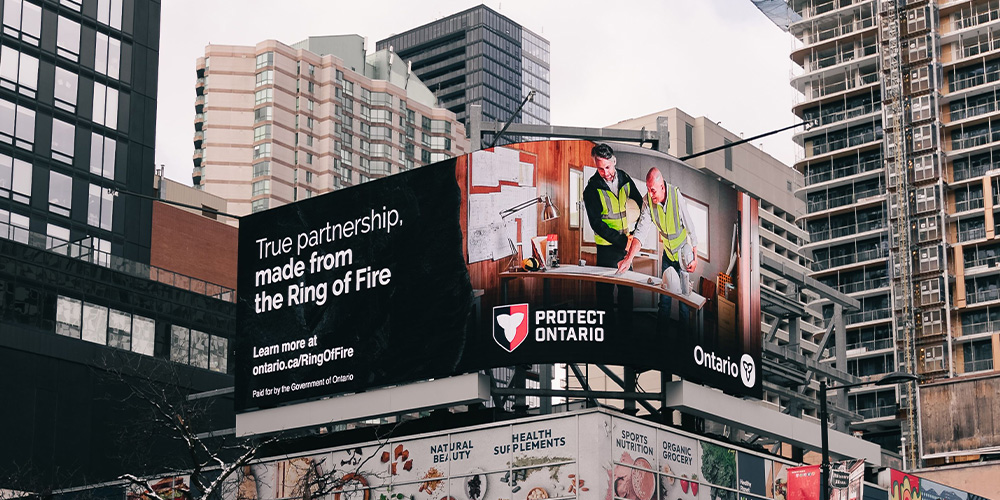
Black LED displays often cost more, but there is no fixed price difference.
Black packages are frequently used in screens with finer pixel pitches, stricter image requirements, and higher-end components. These features may cause the higher price rather than the package color itself.
Important price factors include:
- Pixel pitch
- LED component quality
- Brightness
- Refresh rate
- Module and cabinet design
- Manufacturing quality
- Warranty and support
A premium white LED module can cost more than a basic black one. Always compare quotations with the same specifications.
Total Cost of Ownership
| Cost item | Why it matters |
|---|---|
| Initial purchase | Determines the starting investment |
| Power consumption | Affects long-term operating costs |
| Maintenance | Adds labor and replacement costs |
| Spare modules | Reduces downtime after a failure |
| Warranty and support | Reduces repair risk |
White LED often has a lower initial price, but the cheapest option may not provide the lowest long-term cost.
6.How to Choose the Right LED Display
Use this buying process:
- Define the installation environment.
- Measure the closest viewing distance.
- Decide what content the screen will show.
- Confirm whether cameras will be used.
- Set the budget and required performance.
- Compare matched samples.
6.1 Viewing Environment
Check whether the screen will be indoors or outdoors. Note sunlight, windows, spotlights, operating hours, and viewer position.
Choose black LED as the starting point for indoor, premium, and camera-based projects. For outdoor use, compare the measured brightness and contrast of both options.
6.2 Pixel Pitch
Pixel pitch is the distance between two pixels. A smaller pitch produces a smoother close-range image but normally costs more.
The actual choice also depends on content type and required image detail.
| Closest viewing distance | Practical starting range |
|---|---|
| 1–3 meters | P1.2–P2.5 |
| 3–6 meters | P2.5–P4 |
| More than 6 meters | P4–P10 or larger |
Buyer tip: Do not pay for a very small pixel pitch if viewers will always be far from the screen.
6.3 Brightness and Refresh Rate
Many indoor screens work well at around 600–1,200 nits. Outdoor screens often require about 4,500–7,000 nits, depending on sunlight and screen direction.
A refresh rate of 3,840 Hz is a useful target for normal video. Studio and camera projects may need higher performance.
Ask suppliers for normal working brightness and a camera test instead of relying only on specification sheets.
6.4 Sample Testing
For a large order, compare black and white samples with similar specifications.
Use the same brightness setting and test:
- Dark image
- Full-white image
- Small text
- Normal video
- Camera recording
Compare contrast, reflection, color, flicker, and viewing comfort.
Buyer Checklist
| Check | Why it matters |
|---|---|
| Viewing distance | Helps select pixel pitch |
| Content type | Sets image-quality needs |
| Indoor or outdoor | Sets brightness and protection needs |
| Camera use | Affects refresh-rate requirements |
| Ambient light | Affects contrast and visibility |
| Maintenance access | Affects future repair costs and service time |
| Budget | Balances price and performance |
| Sample test | Confirms real results |
7.Black LED vs White LED: Common Buying Mistakes
| Mistake | Why it is a problem | Better action |
|---|---|---|
| Choosing by package color only | Other specifications may matter more | Compare complete modules |
| Choosing the highest brightness | Too much brightness can reduce viewing comfort | Match brightness to the site |
| Ignoring viewing distance | The wrong pixel pitch can waste money or reduce clarity | Measure the closest viewing position |
| Buying only by price | Low quality may increase repairs and downtime | Compare total long-term cost |
| Skipping sample testing | Specification sheets do not show real viewing quality | Test matched samples before ordering |
| Ignoring camera use | The screen may show flicker or lines on video | Run a camera test |
8.FAQ
8.1 Which Is Better: Black or White LED Display?
Black LED is usually better for contrast, close viewing, premium video, and camera use. White LED may suit large, simple, or cost-sensitive projects.
8.2 Is Black LED Always Better?
No. A black surface normally improves contrast, but a well-designed white module can outperform a low-quality black one.
8.3 Is Black LED More Expensive?
It often is, but the difference may come from finer pixel pitch, better components, or higher image-quality requirements.
8.4 Which Is Better for Indoor Use?
Black LED is normally better indoors, especially for short viewing distances, dark content, and premium applications.
8.5 Which Is Better for Outdoor Advertising?
Either type can work. Compare daylight contrast, working brightness, weather protection, and power consumption. Many outdoor screens use black LED packages.
8.6 What Should I Compare Besides Package Color?
Compare pixel pitch, brightness, refresh rate, power use, viewing angle, cabinet design, maintenance access, warranty, spare parts, and supplier support.
8.7 Does Black LED Consume More Power?
Not necessarily. Power consumption depends more on brightness, module design, content, and operating conditions than package color alone. Compare average power use at the same brightness.
8.8 Which LED Package Is Better for Outdoor Screens?
Neither package is always better outdoors. Black LED packages often provide stronger daylight contrast, while some white packages may offer efficient brightness at a lower cost. Compare working brightness, contrast, weather protection, and power consumption before choosing.
9. Conclusion
Choose black LED for strong contrast, premium images, close viewing, or camera use. Consider white LED for large, simple, and budget-sensitive projects.
The safest buying decision is not choosing black or white LED first. It is choosing the right display based on viewing distance, environment, content, and performance requirements.
Before making a final decision, compare samples with the same brightness, content, and viewing conditions. A reliable supplier should help you evaluate the complete display performance, not only the LED package color.
EagerLED provides LED display solutions for indoor, rental, and outdoor applications. By sharing your installation environment, screen size, viewing distance, and content requirements, you can receive a recommendation based on your actual project needs.
 Sports LED Screens Buying Guide: How to Choose the Right One
 Dimension LED: How to Choose the Right Screen Size