
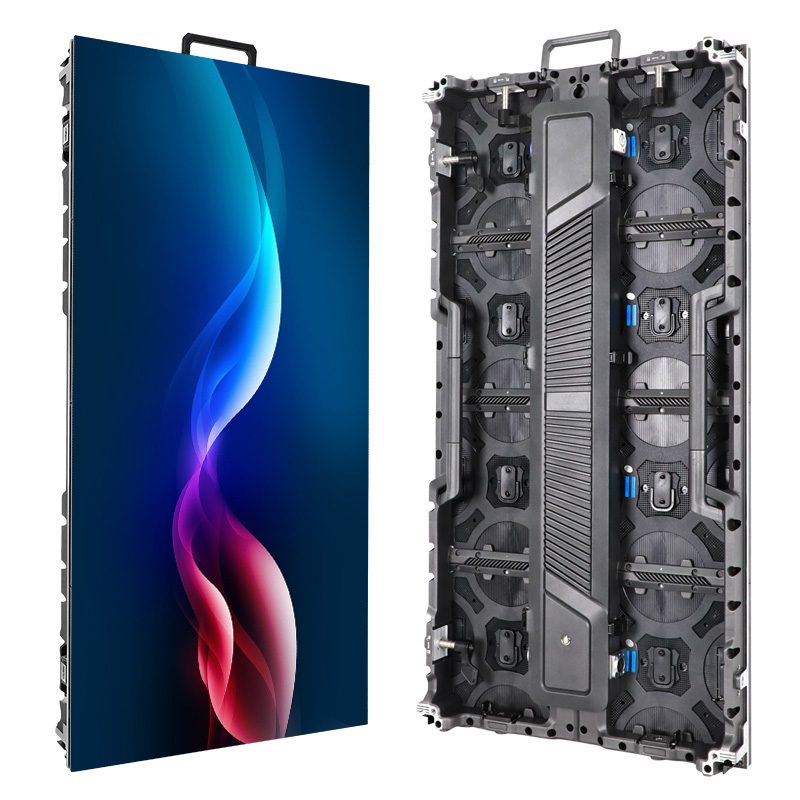
Nobody sits in a stadium thinking “I wish this screen had a smaller pixel pitch.” They think “I wish I could actually see the replay from the nosebleed seats.”
Buying a sports LED screen can feel overwhelming when every supplier talks about P3, P6, 5,000 nits, and IP65. But you do not need to become an LED expert to make the right choice. This guide explains what really matters — from screen size and pixel pitch to cost and installation — so you can choose the right display for your venue with confidence.
Quick Guide:
| Venue | Viewing Distance | Recommended Sports LED Screen | Typical Budget |
|---|---|---|---|
| School gym / indoor court | 5-25m | P3-P5, 10-20 sqm | $10,000-$30,000 |
| Mid-size arena | 15-50m | P4-P6, 20-50 sqm | $30,000-$70,000 |
| Outdoor stadium | 30-100m+ | P6-P10, 50-80+ sqm | $80,000+ |
Not sure which category you fall into? Measure the distance from your farthest seat to where the screen will go. That number determines everything else.
Table Of Contents
1.Do You Need a Sports LED Screen?
A sports LED screen is worth considering if your venue needs any of the following:
- Live video replays during games
- Sponsor advertisements displayed between plays
- Live camera feeds so fans in the back can see the action
- Professional branding for tournaments and events
- A better fan experience than a static scoreboard can provide
If your current setup only shows numbers and you are happy with that, you may not need a full sports LED display. A scoreboard tells fans the score. A sports LED screen helps them experience the game. But if you want video, sponsorships, or a more professional atmosphere, a sports LED screen is the most direct upgrade path.
2.Where Sports LED Screens Are Used
2.1 Common Venues for Sports LED Screens
Sports LED screens show up in many types of venues, from school gyms to professional stadiums.
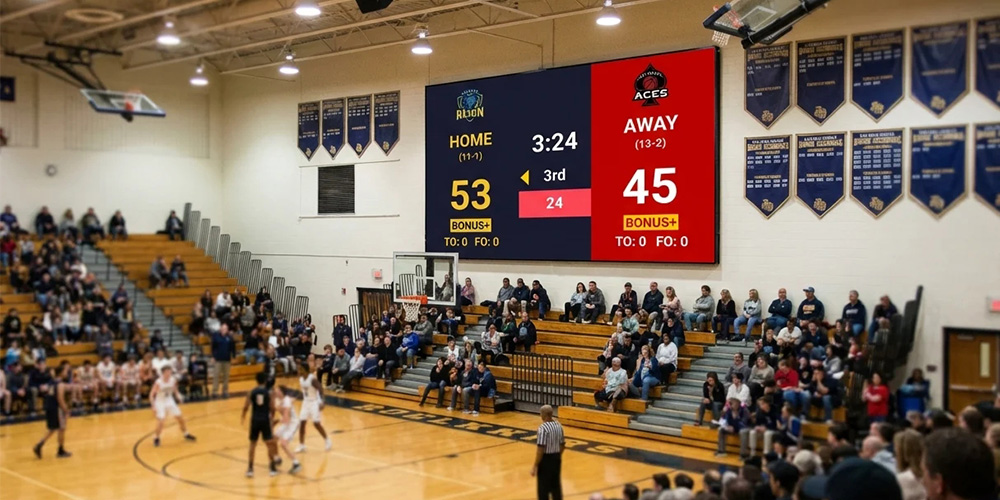
School gyms and indoor courts. Schools use indoor sports LED screens for scores, game clocks, live replays, player introductions, and tournament announcements. A school gym LED screen at 15-25 sqm creates a professional game-day experience without a stadium-level budget. Many schools start with a basketball LED scoreboard and add video capability later.
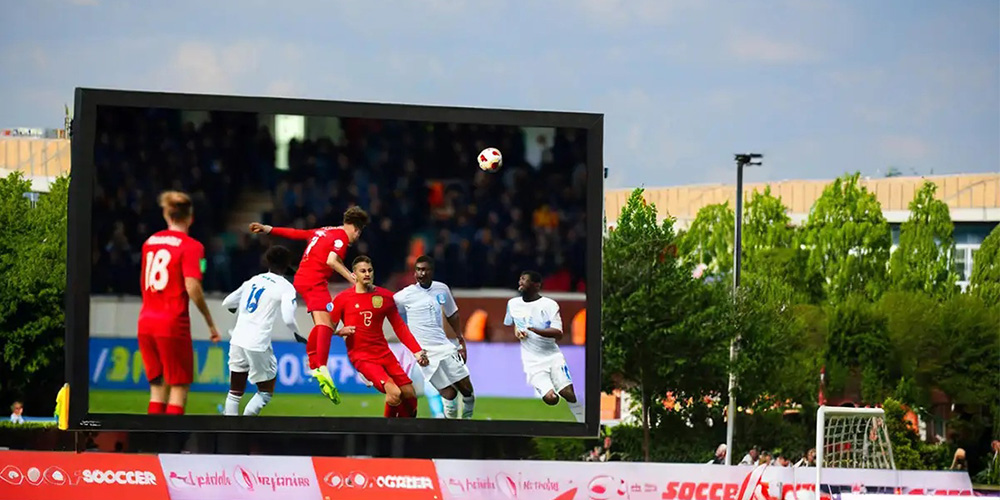
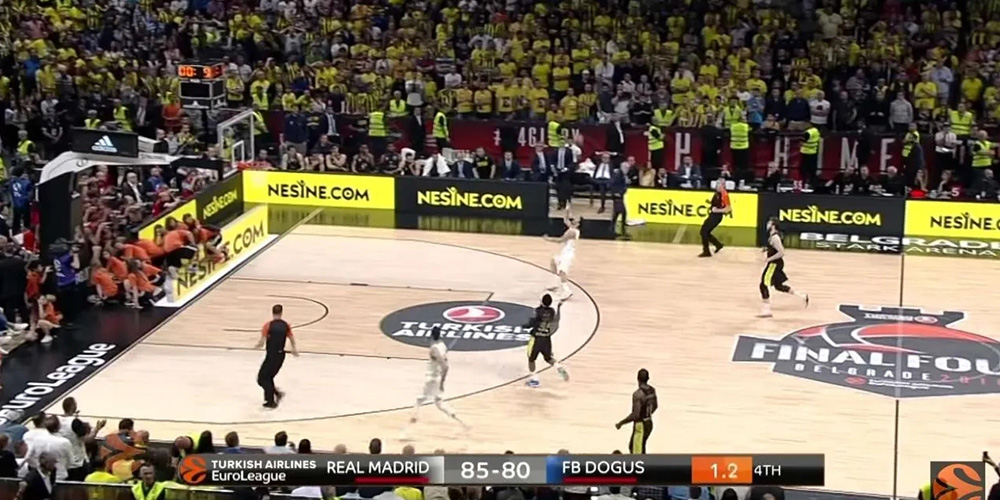
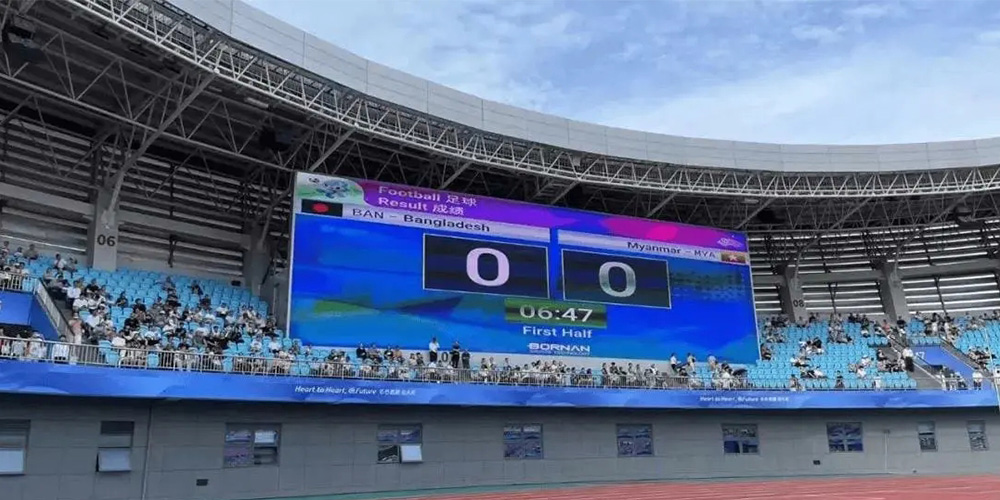
Stadiums and outdoor fields. Outdoor sports LED displays handle larger crowds and longer viewing distances. Football stadiums and soccer fields use them for live video feeds, match highlights, sponsor ads, and fan engagement. These outdoor sports LED screens need high brightness and full weatherproofing.
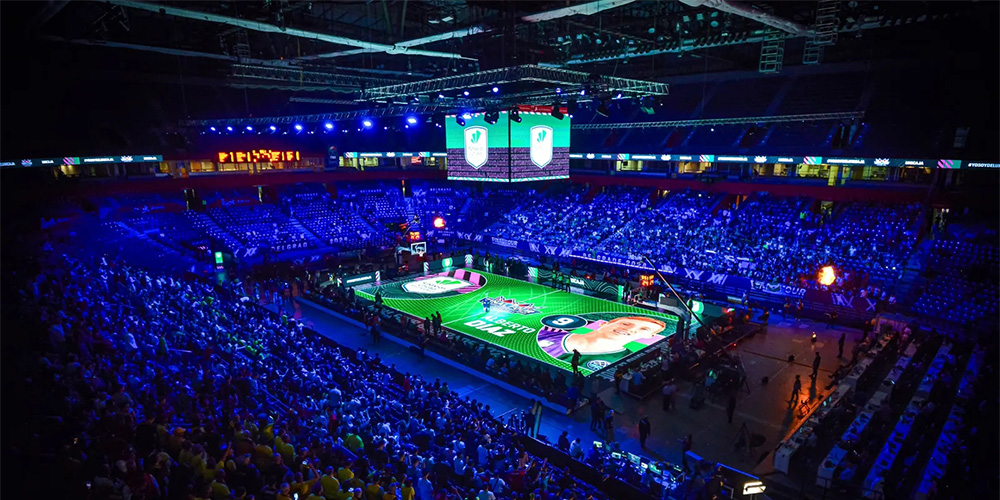
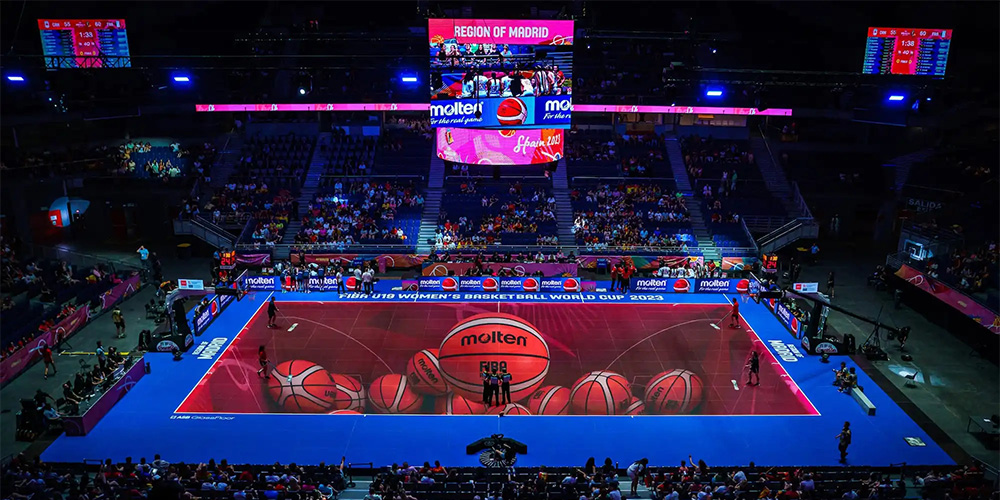
Arenas and multi-purpose venues. Large arenas host basketball, concerts, exhibitions, and other events under one roof. The sports LED display here must switch between different content sources quickly and support frequent event changes. Ceiling-hung video boards are common in these spaces.
Sports events and tournaments. Temporary events often use rental sports LED screens because they need fast setup and flexible configurations. A portable sports LED display can be assembled for a weekend tournament and taken down on Monday.
2.2 Types of Sports LED Screens
- Video boards: Center-hung or wall-mounted screens for replays, live feeds, and highlights. Think of the cube hanging at center court in a pro arena.
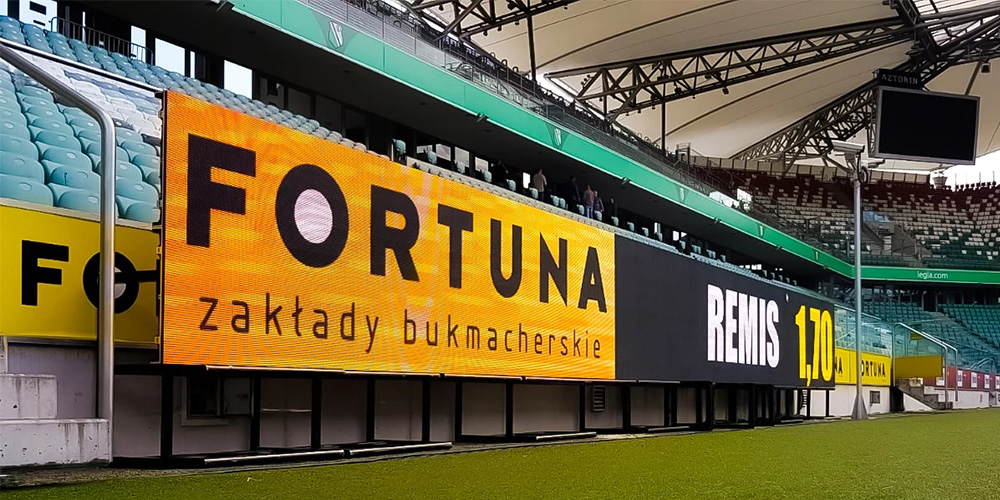
- Perimeter displays: LED strips along sidelines of courts and fields. Built for sponsor messaging and physical impact.
- Scoreboards: Show scores, clocks, and basic stats. The most budget-friendly sports LED option.
3.Sports LED Screen Cost
| Sports LED Screen Type | Typical Cost Range | What Is Included |
|---|---|---|
| Small scoreboard (6-10 sqm) | $8,000-$20,000 | Screen, basic processor, mounting |
| Mid-size video board (15-30 sqm) | $25,000-$60,000 | Screen, processor, mounting, installation |
| Large stadium display (50+ sqm) | $80,000+ | Full system: screen, processors, rigging, installation, training |
Cost drivers:
- Pixel pitch: Smaller number = sharper image = higher cost.
- Indoor vs outdoor: Outdoor sports LED screens need waterproof cabinets (IP65+), adding 20-40% to cost.
- Installation: Wall-mounted is cheapest. Center-hung rigging costs significantly more.
What Is Often Not Included in a Quote:
Many first-time buyers get surprised by costs that were not in the initial quote. Before comparing prices, confirm the quote includes:
- Steel mounting structure
- Installation labor
- Video processor and control system
- Spare LED modules for future maintenance
- Shipping and freight
- On-site training
- Content management software
A quote that looks 30% cheaper is usually just leaving things out. Ask for a line-by-line breakdown.
4.How Big Should Your Sports LED Screen Be?
Unlike TVs, LED screens are measured by display area in square meters, not diagonal inches. This is the question every buyer asks, and the answer depends on your venue.
| Venue Type | Recommended Size | Example Dimensions |
|---|---|---|
| Small school gym | 10-20 sqm | About 4m wide x 3m high |
| High school or college arena | 20-50 sqm | About 6m wide x 4m high |
| Outdoor stadium | 50-80+ sqm | About 10m wide x 6m high |
For basketball gyms, P3-P5 indoor LED screens at 15-25 sqm are the most common choice. Many schools start with a basketball LED scoreboard before upgrading to a full video display. Football stadiums usually require larger outdoor LED displays (50+ sqm) with higher brightness for long-distance viewing.
A good rule: if fans in the back row cannot read the text on screen, your display is too small. When in doubt, go slightly larger — the cost difference between 15 sqm and 20 sqm is smaller than the regret of a screen nobody can see.
5.Pick the Right Sports LED Display: 4 Key Decisions
5.1 Indoor or Outdoor?
Indoor sports LED screens do not need weatherproofing. Outdoor displays must handle rain, dust, and direct sunlight. An indoor screen placed outside will fail within weeks. If your venue has any exposure to the elements — even a partially covered stadium — choose an outdoor-rated sports LED screen.
5.2 Pixel Pitch Explained Simply
Pixel pitch = the distance between LED pixels. Smaller number = sharper image, higher cost. Smaller pixel pitch is not always better — the right choice depends on viewing distance.
| Pixel Pitch | Best For | Typical Venue |
|---|---|---|
| P2.5-P3 | Close-up (3-10m) | Indoor courts, VIP areas |
| P4-P5 | Mid-range (10-30m) | School gyms, mid-size arenas |
| P6-P8 | Long-range (30-80m) | Outdoor stadiums |
| P10+ | Very far (80m+) | Large outdoor venues |
Fans sitting 50 meters away cannot tell P5 from P6 — but your budget can. Match the pitch to your farthest seat, not to the smallest number available.
5.3 Refresh Rate
For sports, minimum 1,920Hz. Lower refresh rates can cause flickering or visible lines when cameras record the screen. If you broadcast games, go for 3,840Hz to avoid on-camera flicker.
5.4 Brightness and Weather Protection
Indoor sports LED screens: At least 1,200-1,500 nits. Sports venues have much stronger lighting than homes or offices, so LED screens need higher brightness to stay clearly visible.
Outdoor sports LED displays: 4,500-6,000 nits to compete with direct sunlight.
Outdoor sports LED screens must have IP65 (front) and IP54 (back) ratings for waterproofing. If a supplier cannot confirm IP ratings in writing, walk away.
6.Installation, Timeline, and Maintenance
6.1 Installation Types
- Wall-mounted: Cheapest. Common for gym scoreboards.
- Ground-mounted: A steel frame on the ground holding the screen upright. Good for temporary events.
- Ceiling-hung: Large screens hanging from arena ceilings. Requires structural engineering and a bigger budget.
- Perimeter: Sideline panels built into court edges. Designed for impact.
6.2 Buying Process Timeline
| Step | Time |
|---|---|
| Site measurement and consultation | 1 week |
| Design and quotation | 1-2 weeks |
| Production and manufacturing | 3-5 weeks |
| Shipping | 1-2 weeks |
| Installation and testing | 1-3 weeks |
Plan at least 2-3 months from decision to first use. Schools often schedule installation during summer break.
6.3 Maintenance
A sports LED screen lasts 8-12 years. Individual modules are replaceable without swapping the entire screen, keeping maintenance costs low. Ask for at least 3 years warranty on panels and 2 years on the control system. Also ask whether spare parts will still be available after the warranty period — this matters more than most buyers realize.
7.Sports LED Screen Buying Checklist
- Measure farthest viewing distance
- Check viewing angle from the worst seats, not just the best ones
- Decide indoor or outdoor
- Determine target screen size
- Confirm IP rating (for outdoor)
- Ask for an all-in quote with line-by-line breakdown
- Confirm installation timeline
- Check warranty terms
- Plan who will manage content
8.FAQ: Sports LED Screens
8.1 What is the best pixel pitch for a sports LED screen?
P4-P5 for indoor gyms and arenas. P6-P8 for outdoor stadiums. Match the pitch to your farthest viewing distance, not to the smallest number.
8.2 How much does a stadium LED screen cost?
A mid-size sports LED display (15-30 sqm) runs $25,000-$60,000. Large outdoor stadium screens (50+ sqm) start around $80,000. Always ask for an all-in quote.
8.3 Can a sports LED screen be used both indoors and outdoors?
No. Indoor screens lack weatherproofing. Outdoor sports LED displays have sealed cabinets and higher brightness. Using an indoor screen outside can quickly damage the screen.
8.4 Do I need a video processor for a sports LED screen?
Yes, if you plan to show anything beyond static scores. A processor handles camera feeds, replays, scoreboard overlays, and switching between sources.
8.5 What size LED screen do I need for a basketball gym?
Many high school basketball gyms use 15-25 sqm indoor sports LED screens (about 5m wide x 3-4m high). The exact size depends on your seating capacity and the distance from the back row to the screen.
8.6 How far away can you see a sports LED screen?
Viewing distance depends on pixel pitch and screen size. As a simple guide, P4 works well from around 6 meters away, P6 from around 9 meters, and P10 from around 15 meters.
8.7 Can a sports LED screen generate revenue?
Yes. Many venues use their sports LED screen to display sponsor ads during games and events. Local businesses pay for ad slots shown during timeouts, halftime, and between plays. For schools and smaller venues, this can help reduce the overall cost of the investment over time.
9.Conclusion: Is a Sports LED Screen Worth It?
For venues that host regular games, tournaments, or events, a sports LED screen is more than a display upgrade — it improves fan experience, attracts sponsors, and creates new revenue opportunities.
Start by measuring your space, deciding indoor vs outdoor, and getting at least three all-in quotes. If you are not sure where to begin, EagerLED works with stadiums, arenas, gyms, and event venues to recommend the right sports LED display for your space. Send us your venue size, viewing distance, and a few photos — we will put together a transparent, all-in quote.
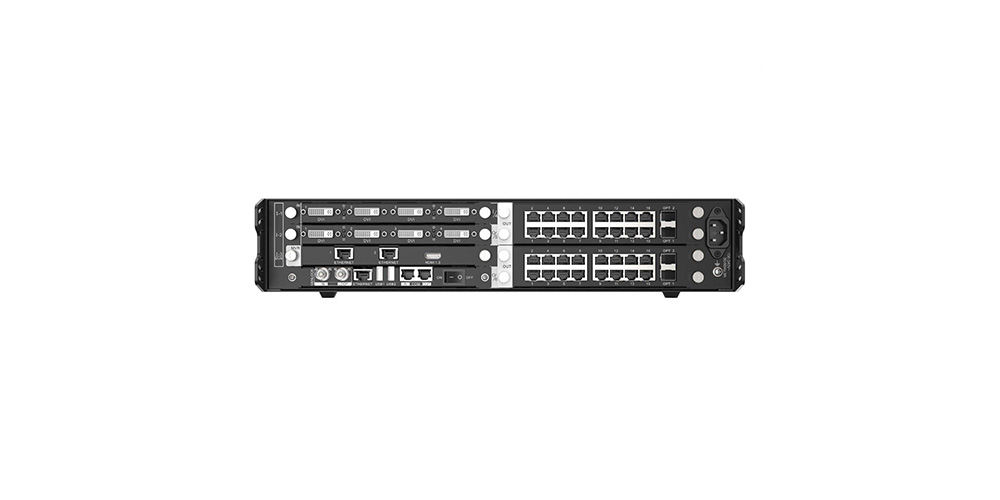 NovaStar H2 Video Processor: Specs, Setup & Price Guide
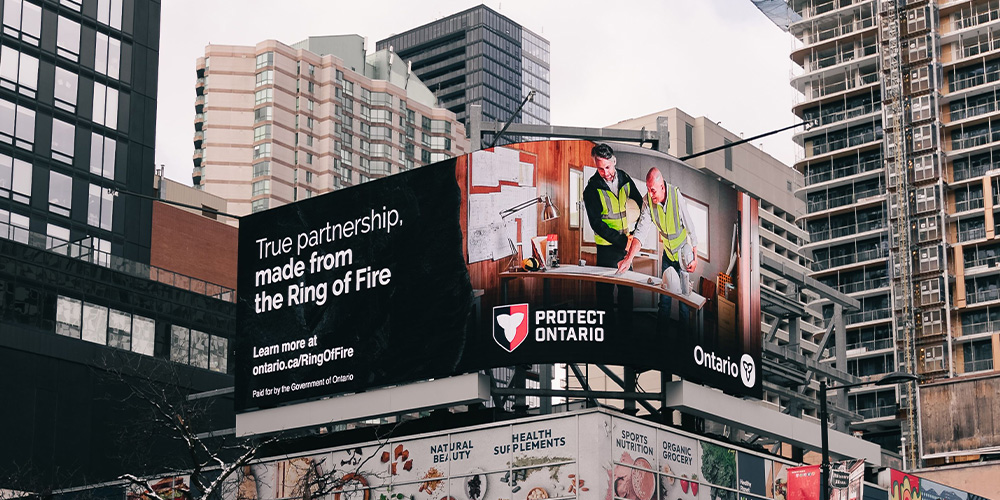 Black LED Display vs White LED Display: A Buyer’s Guide