
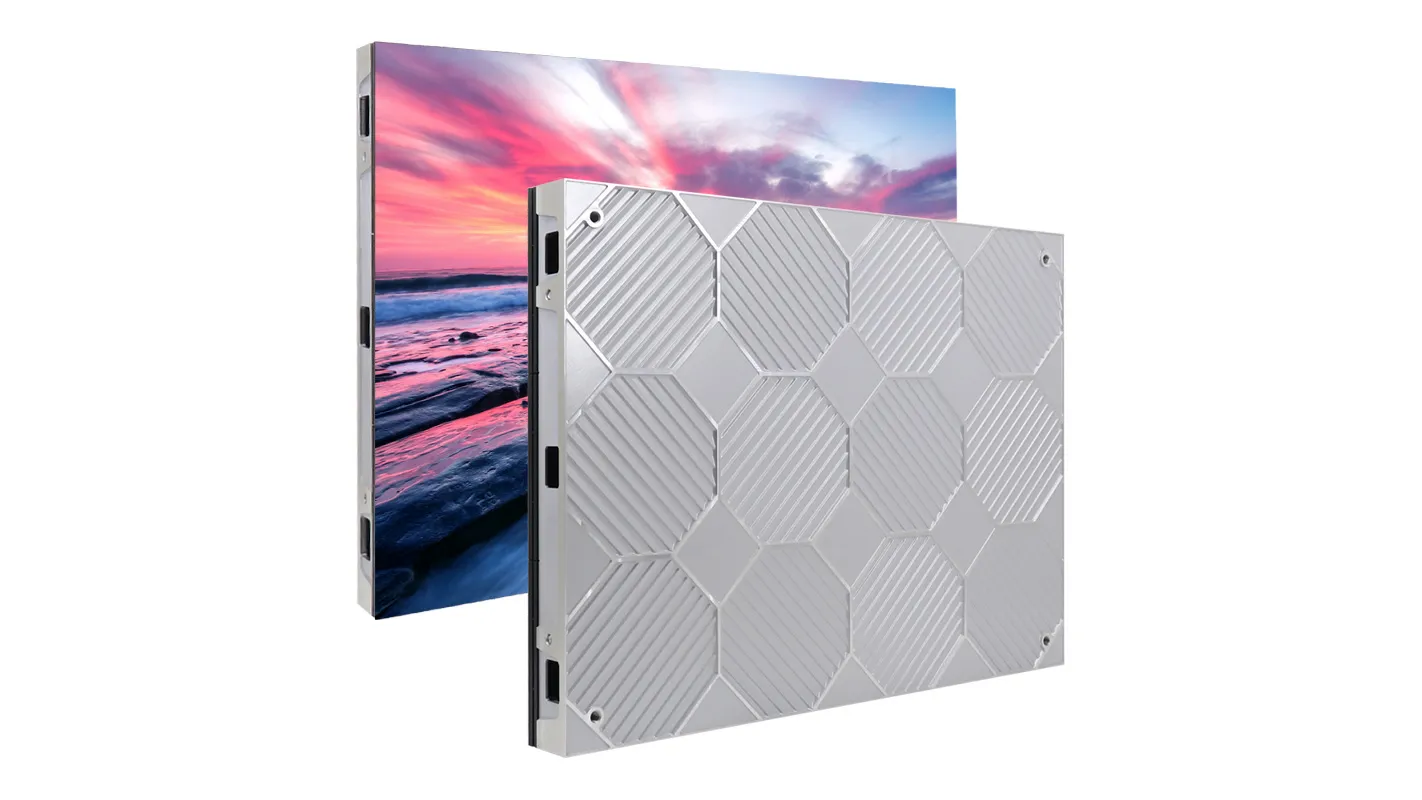
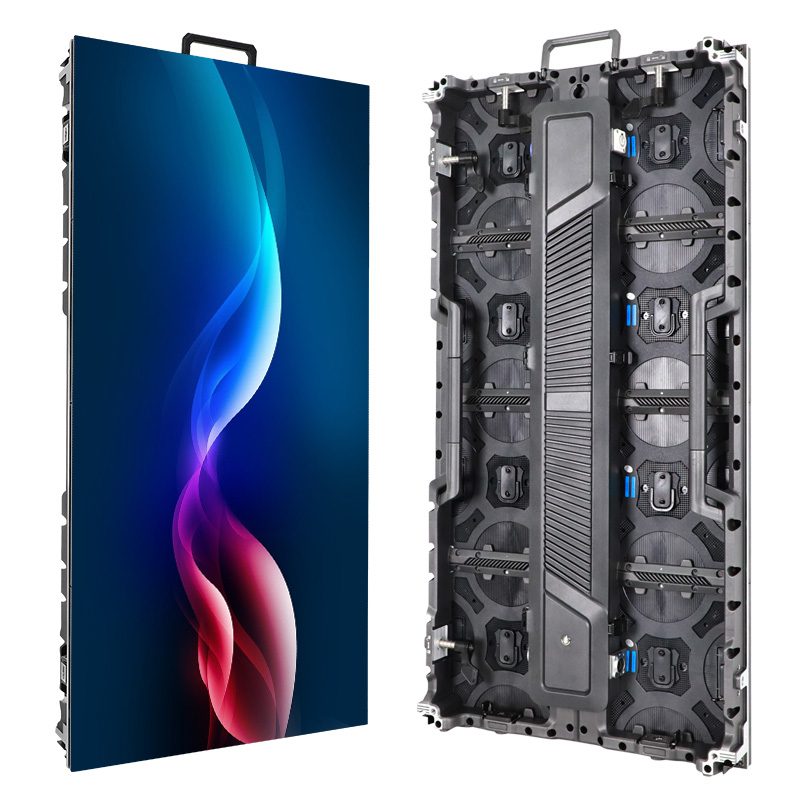
LED screen flight case dimensions must describe the closed, ready-to-ship package, including wheels and other protruding parts. Cabinet width and height alone cannot tell you the case size. Before approving a quotation, request the external length, width, and height, the approved contents, and the packed gross weight for each case type.
This guide is for a rental-company buyer adding cabinets to an equipment fleet. The immediate decision is whether the proposed packaging fits your storage and delivery workflow. It focuses on the measurements needed to compare offers; it does not assign a universal case capacity or a safe lifting allowance.
- What exactly is inside each case, including spares and accessories?
- What are its maximum outside dimensions in the shipping condition?
- Can your transport and venue teams move, open, and store that loaded package?
1. Specify LED screen flight case dimensions clearly
Ask for a labeled drawing with a measurement convention. A line reading “case size: 1,000 mm” is incomplete: you need three dimensions and the shipping orientation. State whether the dimensions include casters, corner fittings, handles, protective wrapping, and any pallet supplied with the shipment.
Separate outside dimensions from usable internal space. External measurements support freight and access planning. Internal dimensions describe the protected space available to the equipment. Neither one proves that the correct cabinet fits: dividers, padding, handles, and connectors affect the packing arrangement.
| Field | Ask the supplier to state | Use it for |
|---|---|---|
| Closed external dimensions | Length × width × height, units, orientation, and included protrusions | Freight estimates, door clearance, and storage footprint |
| Internal arrangement | Approved cabinet positions, support points, and accessory compartments | Confirming equipment fit and separation |
| Opening space | How lids or panels move, and where removed parts are placed | Planning unpacking and repacking at the venue |
| Packed gross weight | Case plus every item shipped inside it | Transport and handling review |
| Case identification | Drawing revision and corresponding cabinet model | Keeping a repeat order tied to the approved design |
Use millimeters for the supplier drawing and add inches if your warehouse system requires them. Do not mix centimeters and millimeters across different quotation lines. Keep the original units beside any converted value so a rounded conversion cannot silently replace the controlling measurement.
2. Cabinet size does not determine how many fit
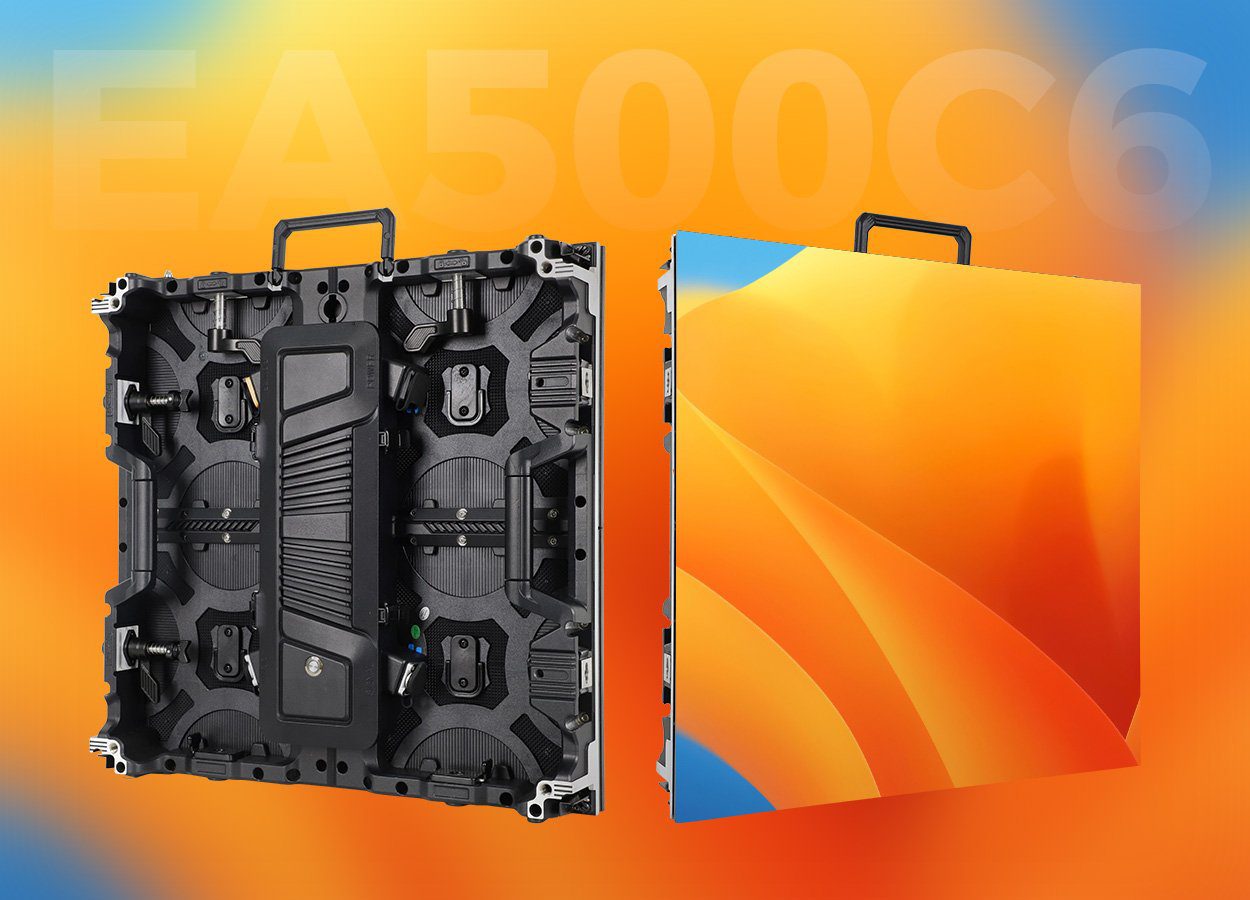
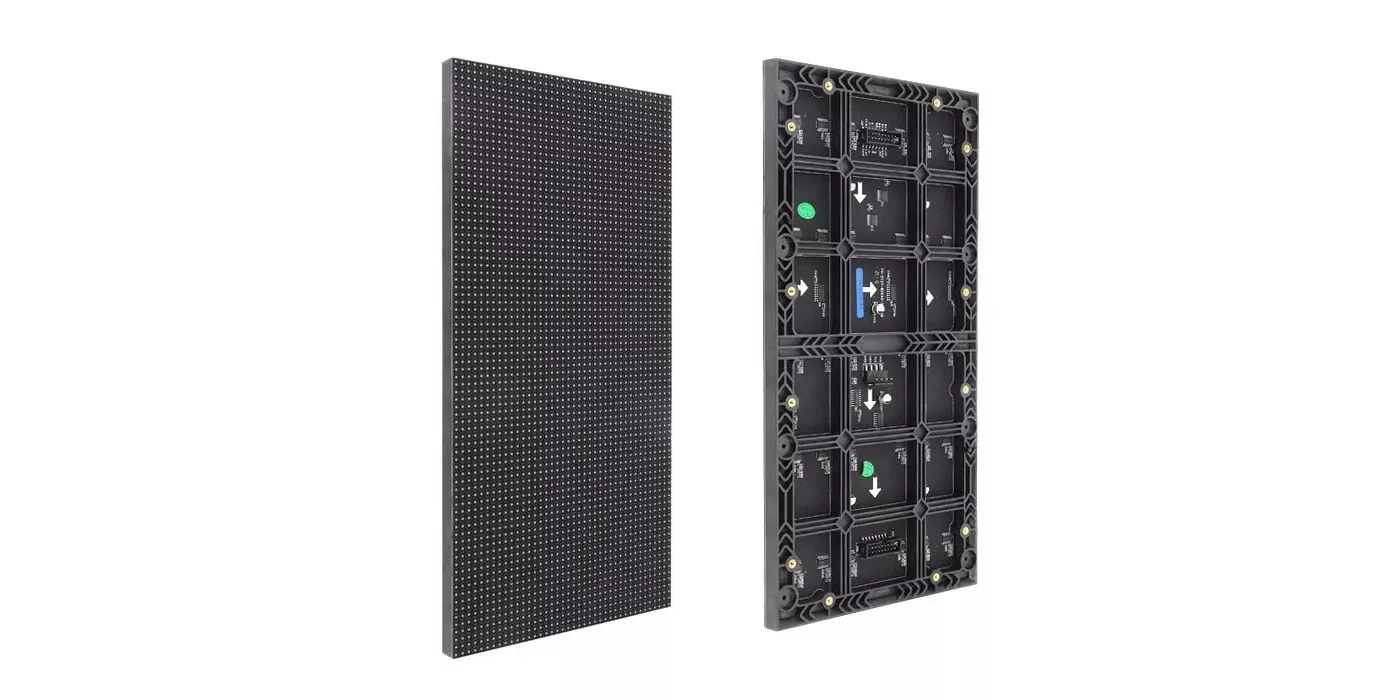
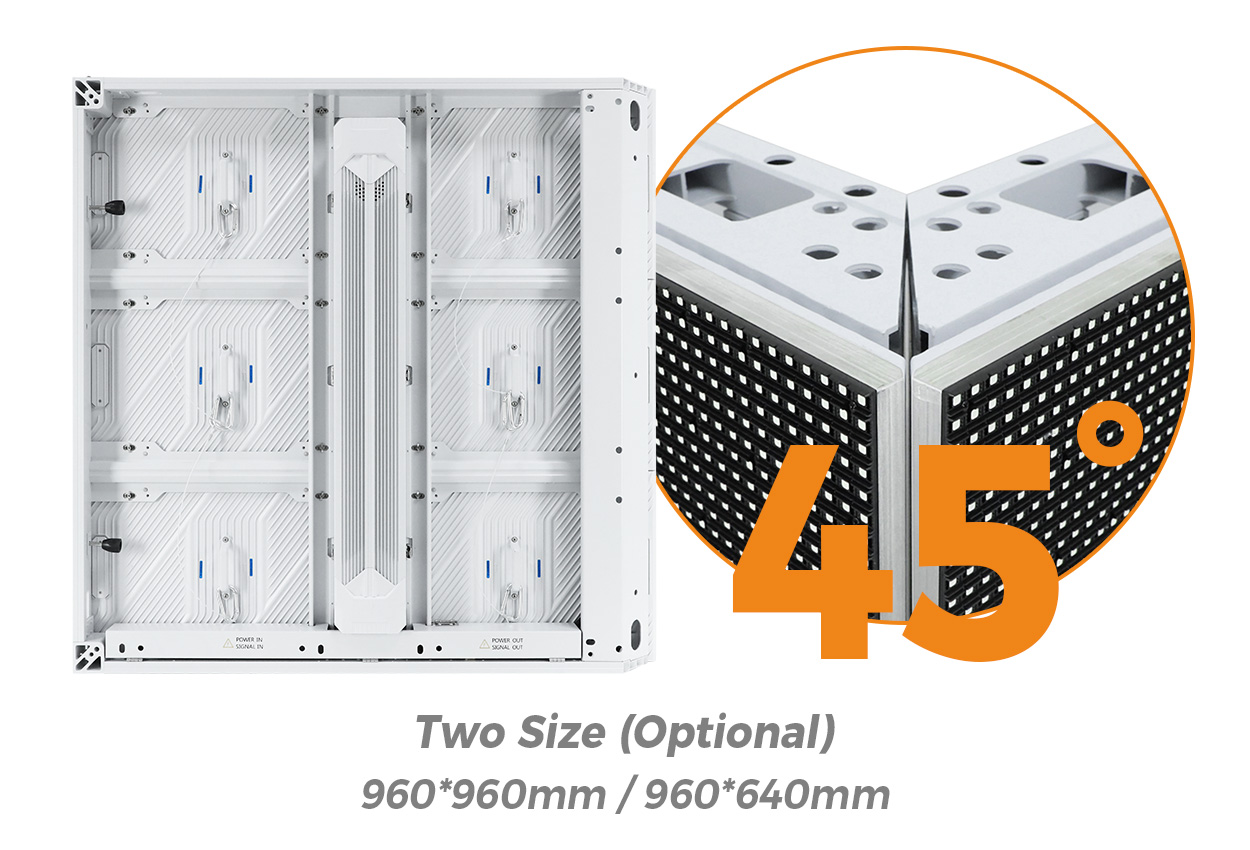
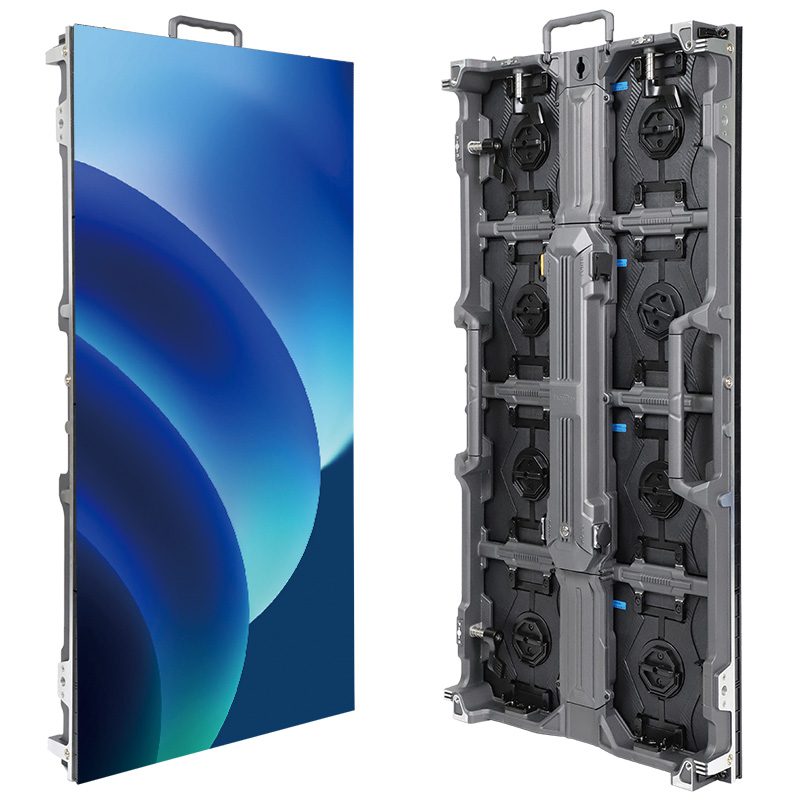
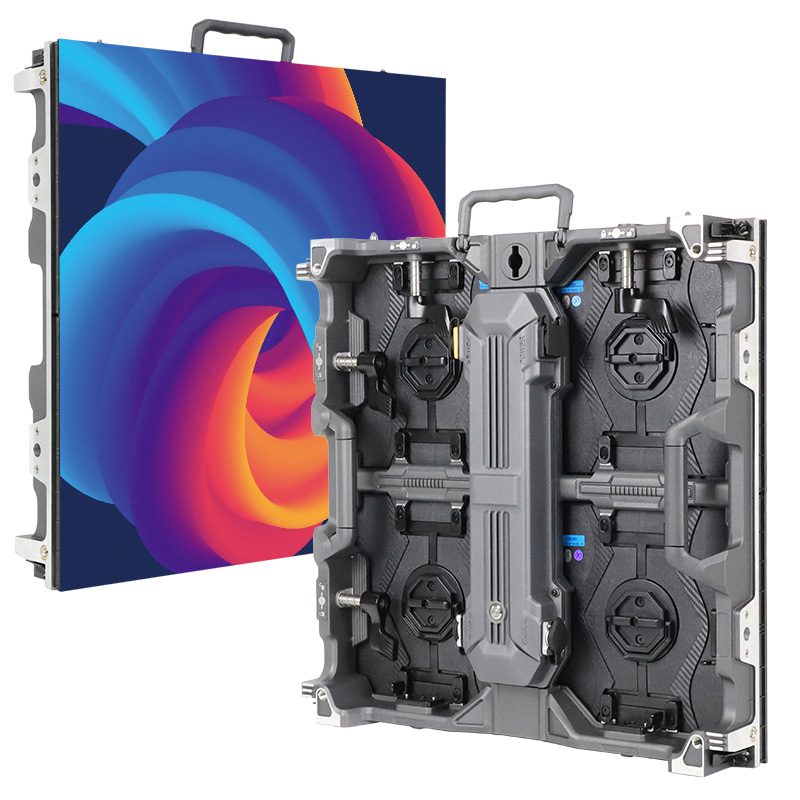
A 500 × 500 mm (19.7 × 19.7 in) cabinet designation describes the display face, not the full packed shape. The rear housing, locks, handles, and approved protective materials still occupy space. Even two cabinet designs with the same face dimensions can need different inserts or case layouts.
Confirm the actual cabinet list first. Our rental cabinet size planning example explains how square and tall cabinets affect a screen build. Packaging requires a separate approval for each resulting hardware group. Do not assume an unused position in one case is suitable for a different cabinet.
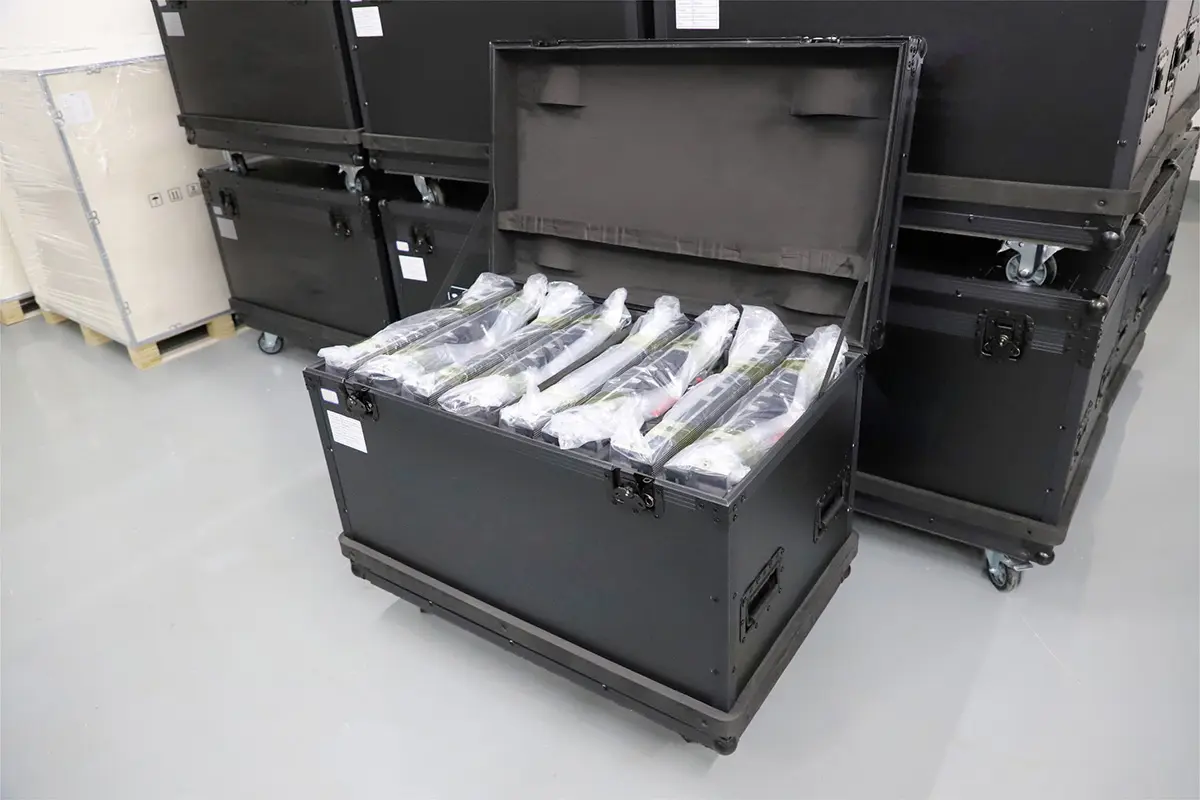
Ask for a loaded-case photograph or demonstration using the ordered equipment. It should show how the cabinets are supported, how neighboring items are separated, and where loose accessories go. The lid should close by the intended method without using pressure to force equipment into position.
LED screen flight case dimensions also depend on the supplied configuration. Tell the supplier whether protective covers, brackets, or other removable parts stay attached during transport. Identify separate cable and spare-part cases explicitly. “Packaging included” should not leave these items without an assigned location.
3. Compare the whole shipment, not one box
Compare proposals against the same equipment quantity and the same packing scope. A smaller case can mean more packages. A larger case can reduce the package count while increasing the weight of each handling unit. Neither result is automatically better for your crew or venue.
The following is a hypothetical arithmetic example, not an EagerLED case specification. Assume 24 identical cabinets, no mixed contents, and two supplier-approved packing options. The assumed capacity, dimensions, and weight below are invented only to demonstrate the comparison.
| Assumed field | Option A | Option B |
|---|---|---|
| Cabinets per approved case | 6 | 4 |
| Cases needed | 24 ÷ 6 = 4 | 24 ÷ 4 = 6 |
| Outside size per case | 1.20 × 0.70 × 0.80 m (47.2 × 27.6 × 31.5 in) | 0.85 × 0.65 × 0.80 m (33.5 × 25.6 × 31.5 in) |
| Geometric volume per case | 0.672 m³ (23.7 ft³) | 0.442 m³ (15.6 ft³) |
| Total geometric volume | 2.688 m³ (94.9 ft³) | 2.652 m³ (93.7 ft³) |
| Assumed gross weight per case | 100 kg (220 lb) | 75 kg (165 lb) |
| Total gross weight | 400 kg (882 lb) | 450 kg (992 lb) |
In this example, the six-case option has slightly less geometric volume but more total weight. It also creates six separate handling units. That difference cannot be judged from the price of one empty case. Add every accessory package before requesting comparable freight quotations.
Calculate rectangular volume as length × width × height in meters. Then multiply by the number of identical cases. LED screen flight case dimensions provide this geometric estimate, but the result is not a truck-loading plan. Orientation, usable vehicle space, securing arrangements, and confirmed stacking limits can change the required space.
Keep cabinet weight separate from packed weight. The LED screen weight guide distinguishes equipment mass from other project loads. For shipment planning, request the completed package weight rather than adding an unverified allowance to a cabinet specification.
4. Check the route and the space to open the case
A closed case passing through a doorway is only one part of the access check. Give the venue team the measured envelope, weight, turning route, and opening method. Ask it to assess lift doors, corridors, thresholds, unloading arrangements, and the space where unpacking will happen.

For repeated events, also ask where the empty cases and lids will stay while the screen operates. A clear plan for returning them to the repacking area is more useful than discovering at strike that storage is on another floor.
EagerLED’s official video below shows wooden packaging and a reusable flight case. It helps identify the physical differences between the packaging types. It does not provide certified load limits or dimensions for an individual order.
Watch the official EagerLED packaging video
The company’s packaging overview describes reusable flight cases for equipment that travels repeatedly. Have the responsible logistics team confirm the handling method for the actual loaded case. Wheels and handles alone do not establish suitability for stairs, slopes, lifting, or outdoor storage.
5. Freeze the packing details with the purchase order
Keep an approved packing drawing alongside the cabinet order. State which revision applies, how many cases are included, and whether the quoted dimensions are estimates or final measurements. Request final LED screen flight case dimensions and gross weights when the shipment is packed, before the transport booking is finalized.
Include a process for changes. If the cabinet design, protective insert, or accessory list changes, ask the supplier to reconfirm the packing information. A repeat order should refer to the accepted case design, not only to a previous invoice number.
At receiving, compare the package identifiers and counts with the packing list. Record discrepancies and visible condition before discarding packaging materials. This gives the supplier a specific case and item list to investigate, rather than an unexplained report that the shipment does not match expectations.
Questions before ordering
Does “flight case” mean it is approved as airline baggage?
No. The name does not establish carrier acceptance. Give the actual dimensions, gross weight, contents, and packing method to the selected carrier and obtain its requirements for the shipment.
Can we order cases before choosing the cabinet model?
Only as a provisional design exercise. Do not approve production from face dimensions alone. Confirm the full cabinet configuration and the internal support arrangement first.
Can the case be tipped to pass through a smaller door?
Do not treat rotation as an automatic solution. Ask the supplier and handling team whether the loaded package supports that orientation and how it would be moved. A clearance calculation does not establish safe handling.
Will reducing the volume always reduce the freight bill?
No. Charging depends on the selected service, actual weight, dimensions, route, and other shipment conditions. Ask the transport provider to quote both complete packing proposals on the same basis.
Can an existing case be reused for a new cabinet batch?
Have its identity, condition, insert layout, and approved contents checked against the new equipment. Similar outside dimensions do not confirm internal fit or continued serviceability.
Request a measured packing proposal
Send EagerLED your cabinet models and quantities, spare equipment list, country, purchase timeline, and any storage or venue access constraints. For a new screen, include its dimensions, indoor or outdoor use, and viewing distance. Ask the proposal to list LED screen flight case dimensions, packing capacity, and gross weight by case type, with estimates clearly identified.
 LED Display Power Supply Replacement: 6 Buying Checks