

DJ Booth LED Screens & Stage Video Walls
A DJ booth LED screen is a modular video display fitted to the audience-facing side of a DJ desk. A stage LED wall provides a larger backdrop. Choose the format first, then specify the physical size, native pixel resolution, cabinet access and media-server signal path for the venue.
EagerLED supplies LED display equipment for stage integrators, equipment dealers and rental companies. This page helps you prepare a purchase specification for permanent club installations or reusable touring inventory. Confirm event operation, local installation and support services separately in the quotation.
- Booth front: check close-view text, desk depth, ventilation and front or rear service access.
- Stage backdrop: confirm sightlines, support structure, total canvas resolution and processor output.
- Touring inventory: compare locks, handling, cases, spare parts and repeatable cabling.
- Camera use: test the complete signal chain at the intended brightness and camera settings.
Explore DJ screen formats, specifications and buying checks
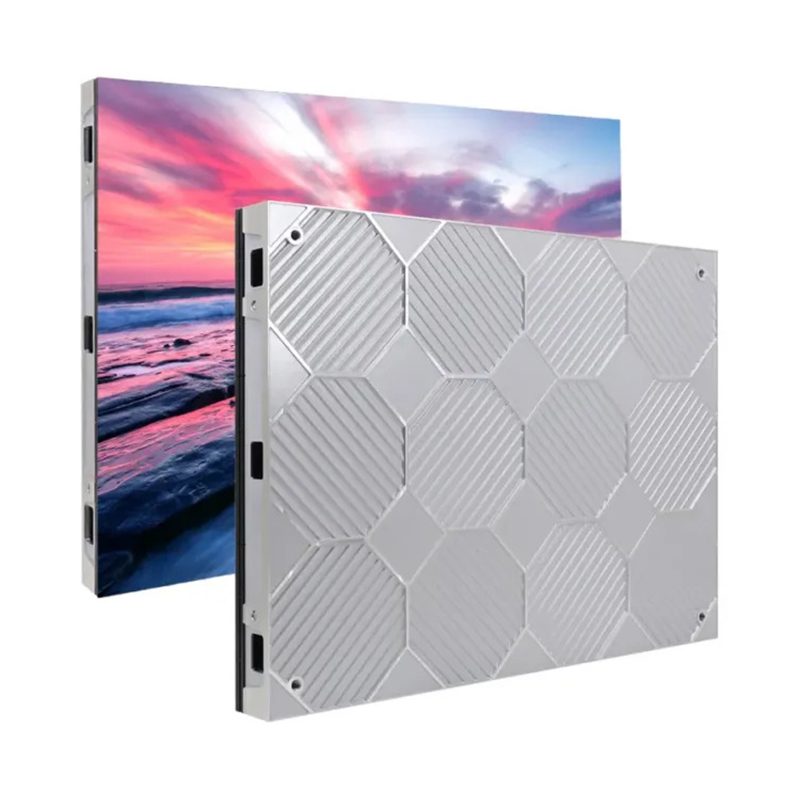
EA640F2 Indoor LED Screen
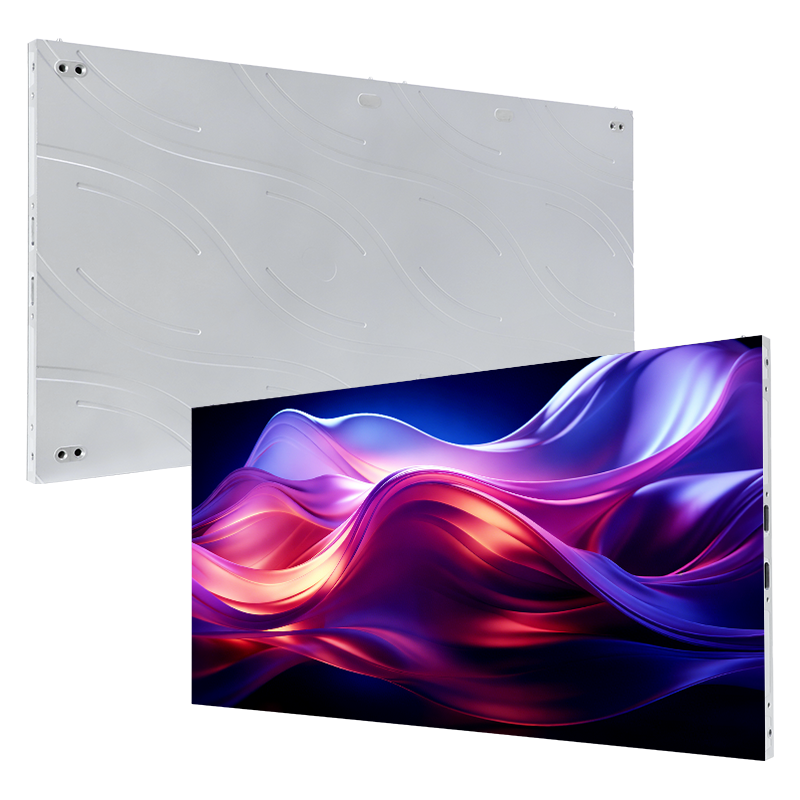
EA250WH5 Indoor LED Screen
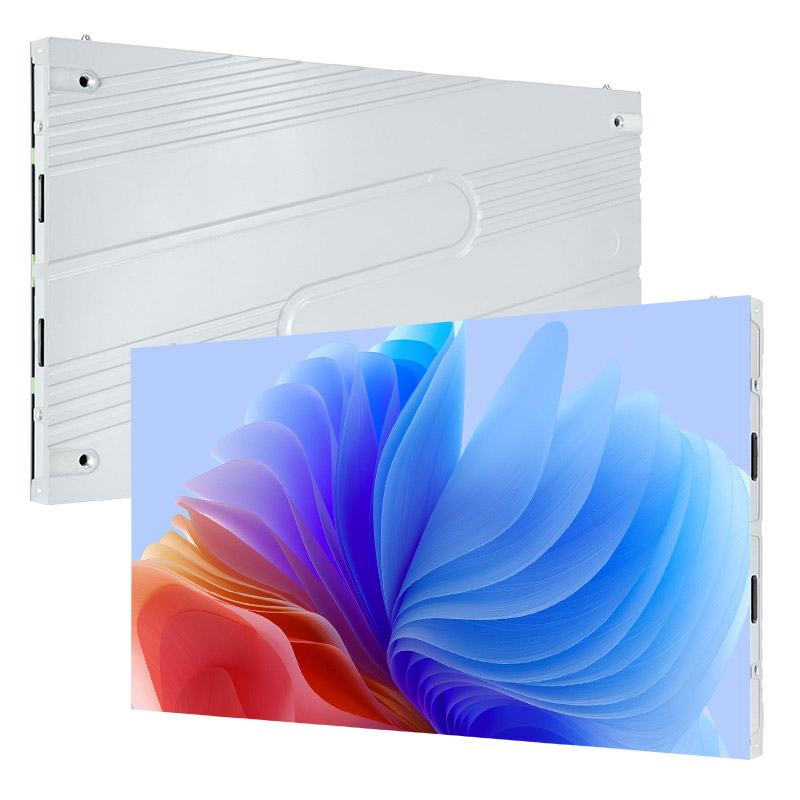
EA600COB3 Indoor LED Screen
What Is a DJ LED Screen?
A DJ LED screen displays real-time video, motion graphics, logos and live camera feeds around a DJ booth or stage. Unlike a projector, the LED surface produces its own light, so visuals remain visible under stage lighting and can be assembled into different sizes and formats.
The display is built from repeatable cabinets or modules. A video processor maps the incoming signal across the full canvas, while the control system manages brightness, color and content playback.
01 What Does a DJ LED Screen Look Like?
A DJ setup can use one or several LED surfaces:
- Booth front: a compact display facing the audience.
- Stage backdrop: a larger LED wall behind the performer.
- LED floor: load-rated panels that extend visuals underfoot.
- Transparent or custom shape: panels that preserve lighting depth or create a distinctive stage outline.
02 How Does a DJ LED Screen Improve a Performance?
The screen turns music cues into visible moments. Timecode, VJ software or a live operator can synchronize graphics with drops, transitions and lighting changes. A high refresh rate keeps fast motion clean on phones and broadcast cameras, while suitable brightness and contrast preserve detail under show lighting.
It also gives promoters a controlled surface for artist identities, sponsor assets, countdowns and event messaging without changing the physical set.
DJ LED Screen Solutions by Stage Format
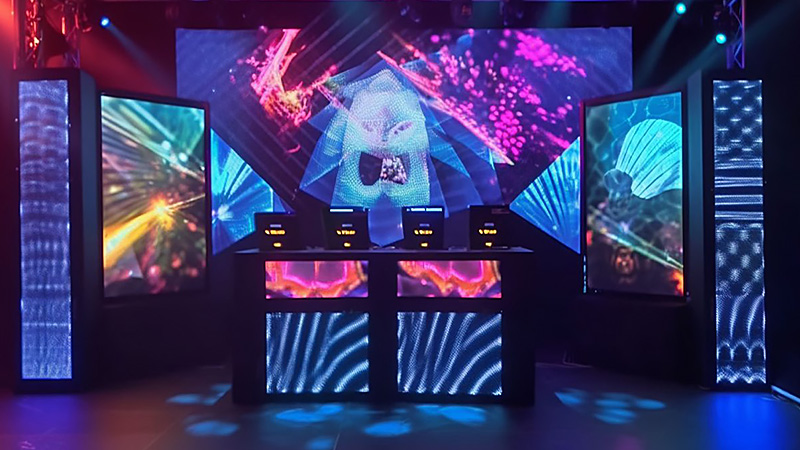
01 DJ Booth LED Screen
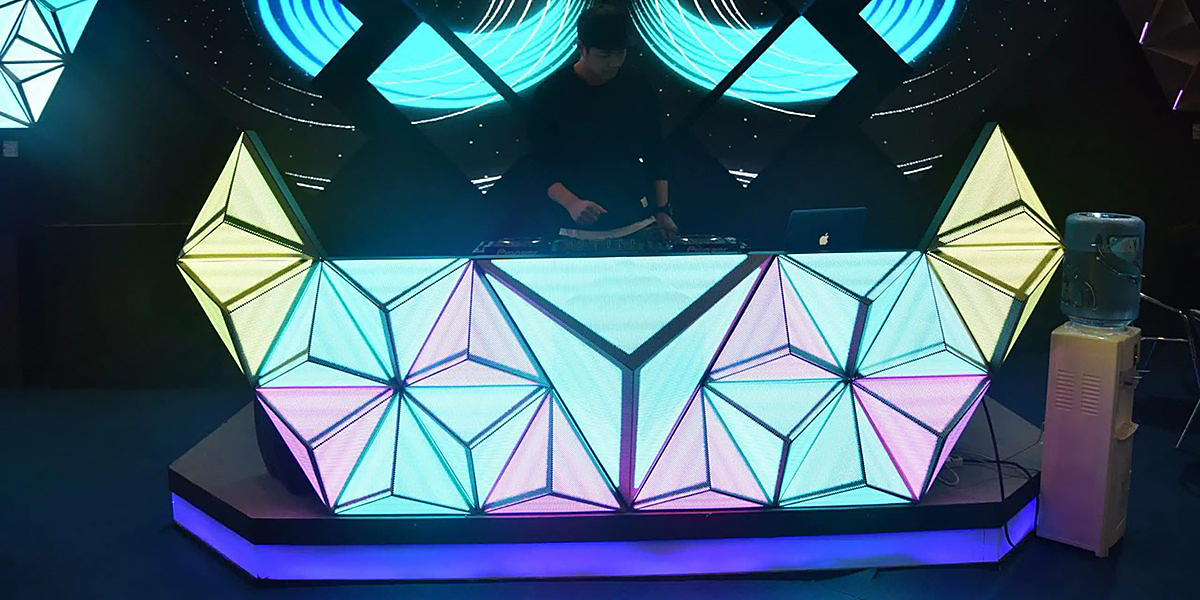
A booth screen sits on the front or sides of the DJ desk, facing the audience. Use it for artist branding, logos and short visual sequences where viewers are close to the performer.
Check before ordering: the desk opening, cabinet depth, cable exits, cooling space and service direction. Test the smallest text or logo at the nearest viewing position.
02 DJ LED Wall Background
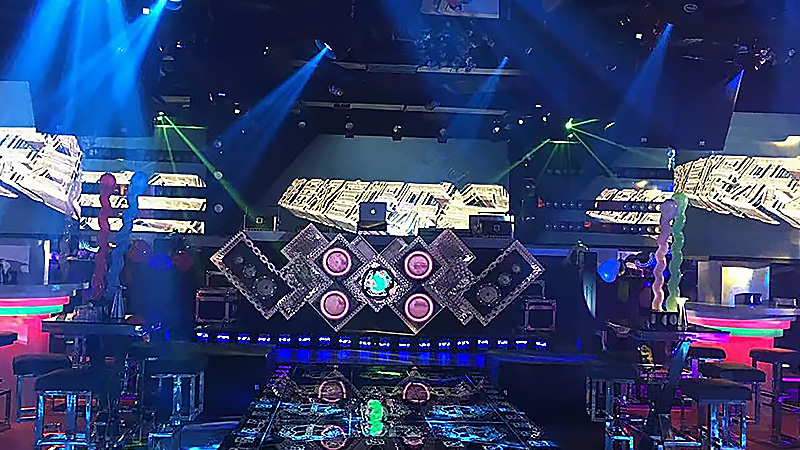
A DJ LED wall creates the main video canvas behind or beside the performer. Choose the wall dimensions around audience sightlines, the stage structure and the content layout.
Check before ordering: the support method, power distribution, native canvas resolution and processor outputs. A larger physical wall does not automatically provide more detailed content unless its pixel count also meets the design.
03 Floor LED Screen for DJ Stages
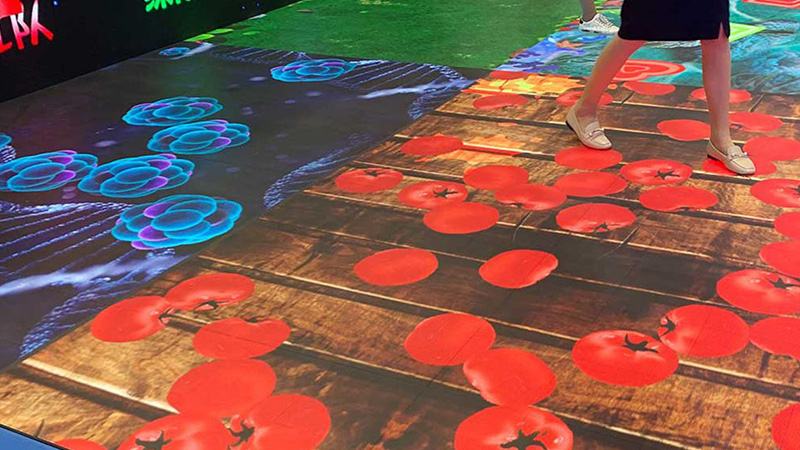
An LED floor extends visual content across the stage surface. It requires a purpose-designed floor system with documented loading, surface traction, support and maintenance provisions.
Check before ordering: the actual loads and use pattern with the supplier and local project team. Do not assume a vertical LED wall cabinet is suitable for people to walk or perform on.
04 Custom-Shape DJ LED Screen
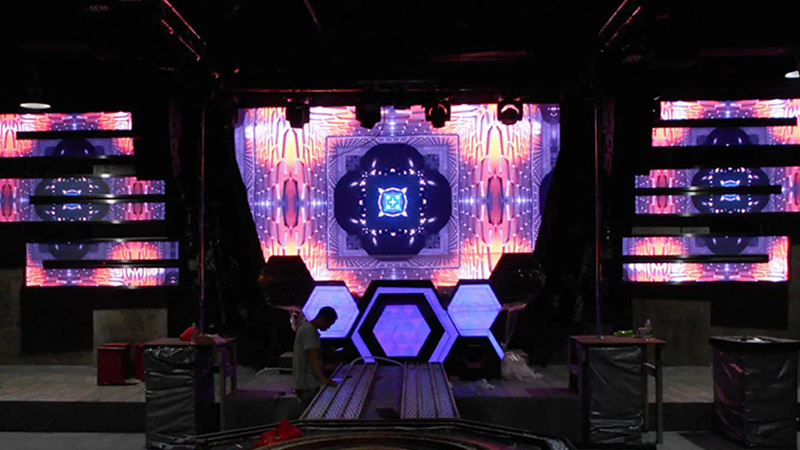
Curved, faceted or custom-shape DJ screens can frame the booth and lighting set. The feasible geometry depends on the specific cabinet or module, its permitted angles or bend radius, support and access.
Check before ordering: cabinet drawings, corner treatment, cable routing and the pixel map. Prepare content for the real outline rather than stretching one rectangular image over every surface.
Buying guide summary: Match pixel pitch to viewing distance, brightness to ambient light, refresh rate to camera use, and cabinet type to the installation schedule. A DJ booth screen, stage LED wall and transparent backdrop solve different production problems, so the layout should be chosen before the final product model.
The sections below compare formats, explain the core specifications and answer the questions buyers ask before requesting a system design.
Use the expandable guide at the top to jump to formats, specification checks, the quotation checklist and FAQs.
1. Why DJ LED Screens Matter for Live Events and Clubs
A DJ LED screen gives the visual team a programmable canvas that can change with every cue. The same wall can carry artist graphics, live feeds, sponsor assets and abstract motion without replacing physical scenery between sets.
01 Synchronize Visuals with Music
Music synchronization depends on the media workflow. VJ software, timecode or a live operator can trigger content while the LED processor scales the signal to the mapped screen. Low processing delay helps visual hits stay aligned with rapid musical transitions.
02 Keep the Audience Focused
Strong contrast and properly calibrated brightness keep the screen readable beside moving lights and strobes. Clean motion also matters because many attendees record vertical video; a refresh rate of at least 3,840 Hz is a practical target for camera-facing applications.
03 Build an Immersive Stage Environment
Immersion comes from placement as much as size. A backdrop sets the scene, a booth front brings graphics closer to the performer, and an LED floor extends motion through the stage. Using the same mapped content system across surfaces creates a coherent environment instead of unrelated visual elements.
2. DJ LED Display vs. LED Wall vs. Booth Screen
These terms describe different formats rather than competing technologies. Use the table to match each format to the production goal.
| Format | Best for | Main advantage | Planning priority |
|---|---|---|---|
| DJ LED display | Small and medium clubs, portable setups | Flexible size and fast content changes | Pixel pitch, portability and control workflow |
| DJ LED wall | Concerts, festivals and large venues | Large visual canvas for distant audiences | Rigging, brightness, power and viewing distance |
| DJ booth LED screen | Booth fronts and close audience positions | Artist branding and direct audience focus | Fine pixel pitch, front service and cabinet depth |
A production may combine all three: a booth screen for identity, a background wall for scale and side or floor panels for depth.
3. How to Choose the Right DJ LED Screen
01 Match Screen Size to Venue and Viewing Distance
Measure the available width and height, then identify the nearest and farthest audience positions. Close viewers need a finer pixel pitch because they can see individual pixels more easily; distant viewers benefit more from sufficient physical size than from extremely fine pitch.
Use the LED screen size guide to turn venue dimensions and viewing distance into a practical starting point. Final dimensions must also fit the rigging, stage clearance and content aspect ratio.
02 Choose Pixel Pitch, Resolution and Refresh Rate
Pixel pitch controls pixel density, while total resolution depends on both pitch and screen dimensions. Refresh rate describes how often the panel redraws the image; it is especially important for fast visuals, phone video and broadcast cameras.
For DJ applications, confirm the native canvas resolution, processor capacity and camera frame rates together. The updated LED screen resolution guide explains how these values work together.
03 Plan Transport, Rigging and Setup
Touring systems should use rental cabinets, protective flight cases, quick locks and a repeatable cable plan. Fixed club installations can prioritize front service and minimal cabinet depth because the display moves less often.
Before ordering, confirm transport volume, crew size, installation time, access route, hanging or ground-support method and spare-module plan. The rental LED display buyer’s guide covers the wider logistics checklist.
04 Build a Realistic DJ LED Screen Budget
Compare complete system cost, not only panel price. A realistic budget includes cabinets, video processing, mounting or rigging, power distribution, signal cabling, flight cases, spare modules, freight, installation and commissioning.
Request a quotation based on a measured screen size, pixel pitch, indoor or outdoor rating and expected use schedule. This prevents a lower panel price from being offset by missing structural, control or service components.
4. Essential DJ LED Screen Features
Prioritize specifications that affect image quality, reliability and crew time. The most important checks are refresh rate, processing delay, protection level, cabinet weight, service access, signal compatibility, cooling and power planning.
01 High Refresh Rate and Low-Latency Processing
Fast motion and strobe-heavy content expose flicker and scan artifacts. A refresh rate of at least 3,840 Hz is a useful camera-facing target, while the complete signal chain should be tested for delay from the media server through the processor to the screen.
02 GOB and COB Protection for High-Traffic Use
GOB and COB protect LEDs in different ways. GOB LED modules add a protective resin layer over the display surface, while COB LED modules package multiple chips directly on the board.
Both approaches can improve resistance to impact, dust and moisture compared with an exposed surface. Choose by viewing distance, repair method, surface durability and project budget rather than by packaging name alone.
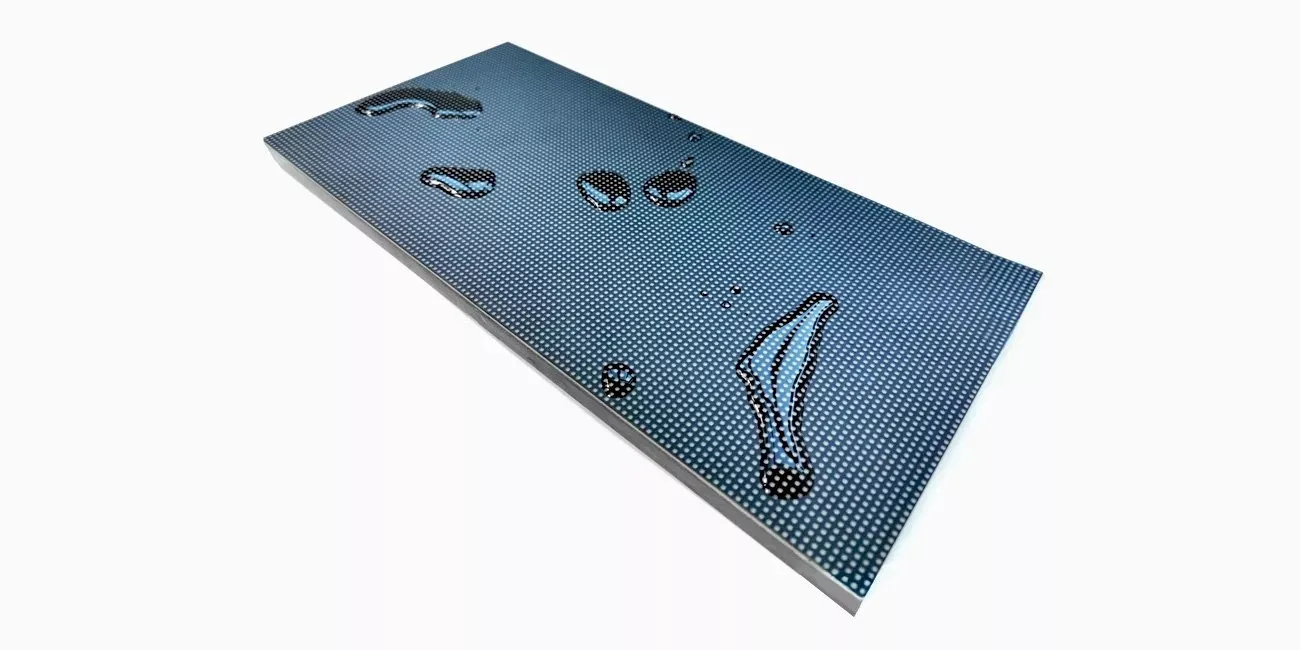
GOB LED module for protected, high-traffic display applications.
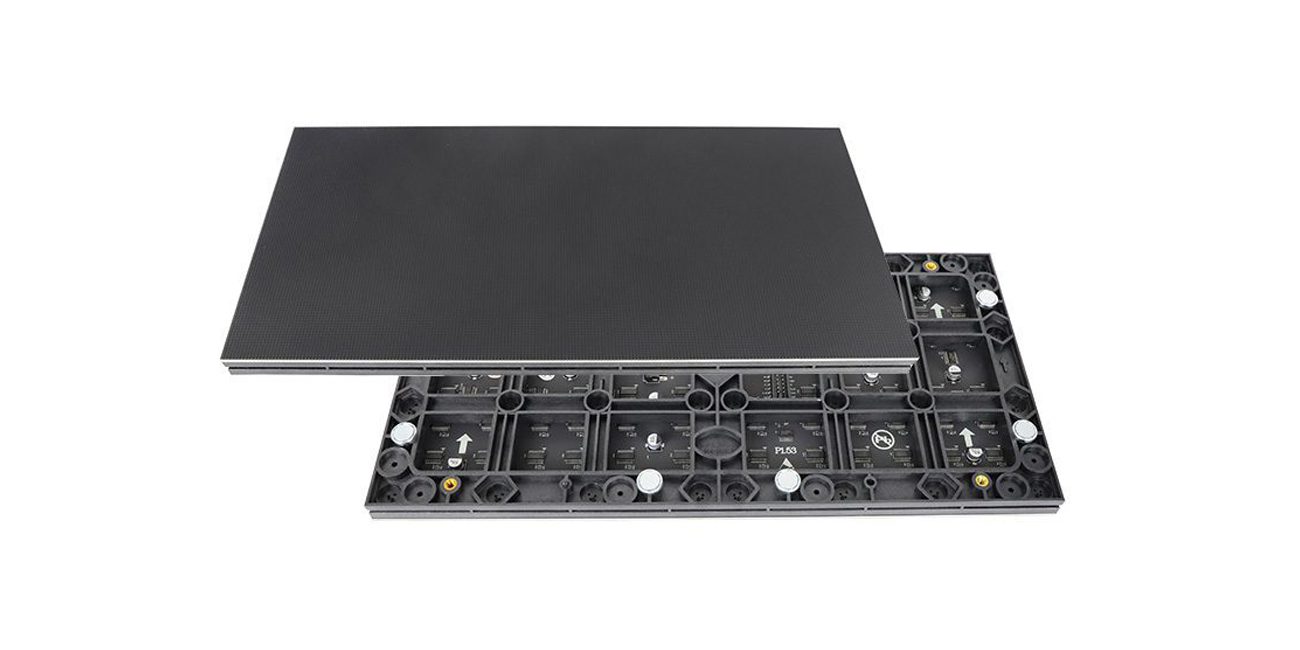
COB LED display module for close-viewing, fine-pitch installations.
03 Outdoor Weather Protection
For exposed stages, specify an outdoor-rated cabinet and verify protection on both the display face and service side. IP65 indicates dust-tight protection and resistance to water jets, but it does not replace correct drainage, sealed connectors, structural calculations or a severe-weather operating plan.
04 Lightweight Modular Cabinets
Modular cabinets let crews build different screen sizes from repeatable units. For touring, compare cabinet weight, handle positions, quick-lock design, cable access and the number of crew members needed for safe assembly.
05 Compatible Control and Signal Inputs
List every required input before choosing the processor: HDMI, SDI, media server, camera feeds, backup sources and network control. Confirm total output resolution, scaling, redundancy and compatibility with the VJ or show-control software used on site.
06 Cooling and Power Efficiency
Cooling and power design affect stability during long sets. Confirm maximum and average power demand, circuit distribution, ventilation clearance, fan noise for indoor venues and the ambient temperature range. Brightness schedules can reduce unnecessary power use when full output is not required.
5. DJ LED Screen Production Acceptance
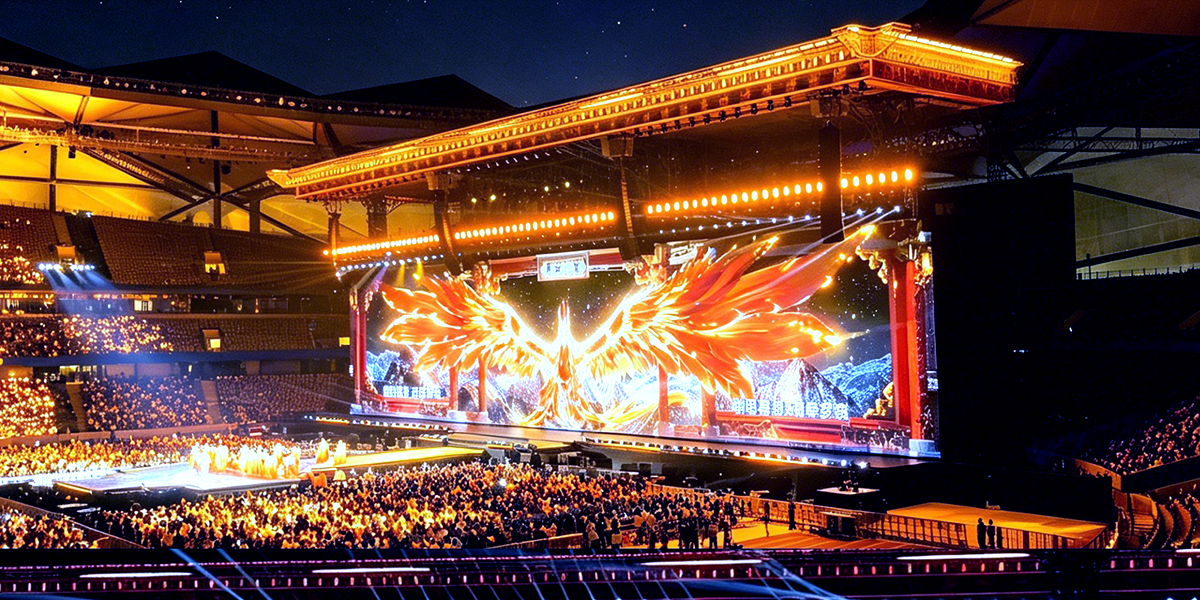
Before accepting a DJ LED screen system, review the proposed layout with the actual stage dimensions, audience positions and content. Use the existing stage photographs as layout references; confirm the equipment and service scope for your own project in writing.
| Acceptance check | Test or document | Record with the quotation |
|---|---|---|
| Canvas and detail | Display the intended booth logo, text and video at the native pixel map. | Physical dimensions, cabinet count and native resolution. |
| Camera and timing | Check motion, dim scenes and cue timing with the intended source, processor and cameras. | Input format, frame rate, processor configuration and agreed image criteria. |
| Assembly and service | Review support, access, cabling and module replacement with the installation team. | Cabinet drawings, local responsibilities and spare quantities. |
| Delivered scope | Compare equipment, cases, cables, freight and any local work as separate items. | Included items, exclusions and the delivery basis. |
For touring systems, repeat the setup with the intended cabinet layout and show file before the first event. For a permanent club installation, include service access and operating brightness in the handover review.
Agree the tests before purchasing so the supplier, integrator and production team evaluate the same configuration.
6. DJ LED Screen FAQs
These answers cover the specification and planning questions most often associated with DJ LED displays, booth screens and stage walls.
01 What pixel pitch is best for a DJ LED screen?
The best pixel pitch depends on the nearest viewing distance and screen size. Fine-pitch options such as P1.25-P2.5 suit close indoor viewing, while wider pitches can be practical for larger stages viewed from farther away. Confirm the choice with a viewing-distance calculation and sample inspection.
02 What refresh rate should a DJ LED screen use?
For camera-facing DJ stages, use a display rated at 3,840 Hz or higher and test it with the actual camera frame rates and shutter settings. Refresh rate is only one part of clean capture; scan mode, brightness and the processor also affect visible bands or flicker.
03 How much does a DJ LED screen cost?
Cost depends on total screen area, pixel pitch, cabinet type, indoor or outdoor rating, processor capacity, mounting, freight and installation. A useful quotation must include the complete system and project conditions, not only a price per square meter.
04 Do I need an indoor or outdoor DJ LED screen?
Use an indoor screen in a controlled venue where the display is protected from rain and direct outdoor exposure. Use an outdoor-rated system for open-air stages or any installation exposed to moisture and dust. Covered outdoor use still requires a site-specific risk review because wind, condensation and water paths vary.
05 Can a DJ booth LED screen use a custom shape?
Yes. Modular LED cabinets and flexible or custom modules can create curved, circular, wave and faceted booth designs. The feasible shape depends on module geometry, minimum radius, support structure, service access and pixel mapping, so the visual design and engineering plan should be developed together.
7. Plan Your DJ LED Screen Project
Send the required screen width and height, nearest viewing distance, indoor or outdoor use, installation method, content source and show schedule. State whether you are buying a booth front, a backdrop or a combined system.
Ask for a written equipment list covering cabinets, control hardware, cables, spares and cases where needed. Confirm the structure, local electrical work and event operation scope separately.
