
An LED screen trailer combines two systems that are often supplied by different companies: an outdoor LED display with its processor and power distribution, and a towable platform with a lift, stabilizers and sometimes rotation. Most buying problems come from treating them as one product. Check each part on its own, then agree in writing who is responsible for the interface between them.
This guide is for event companies, sports clubs and councils that want to own a mobile screen rather than hire one for every event. It covers what the package includes, how to size the screen, what to check about deployment and wind, how to estimate power, and when buying makes sense.
Screen figures use EagerLED’s published data for its EA500H8 outdoor rental cabinet. EagerLED supplies the display package; the trailer chassis, lift and road approval come from a trailer builder or integrator.

1. What an LED Screen Trailer Includes
A complete LED screen trailer has a display side and a platform side. Listing both on the quote, by model and quantity, is the simplest way to see whether two offers are comparable.
01. The display package
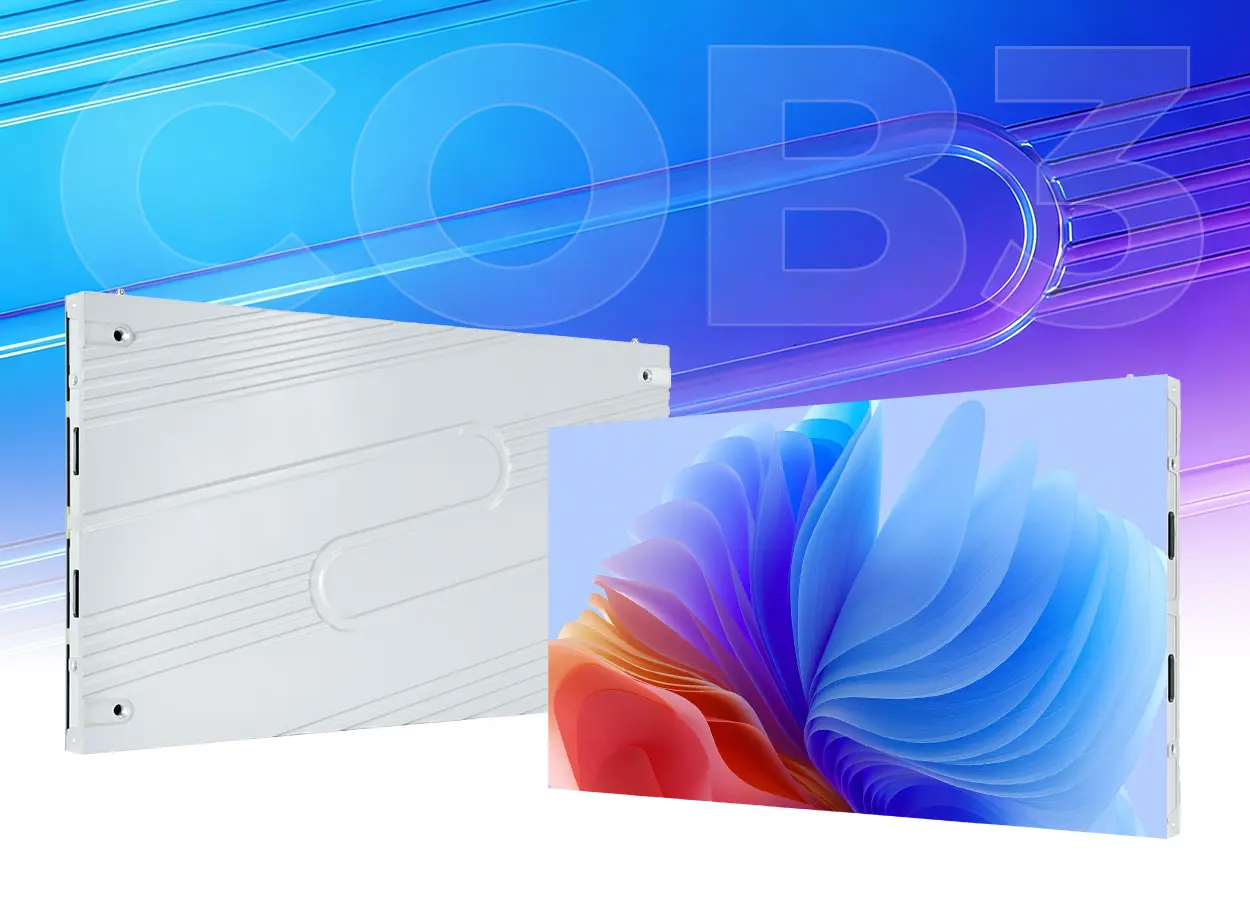
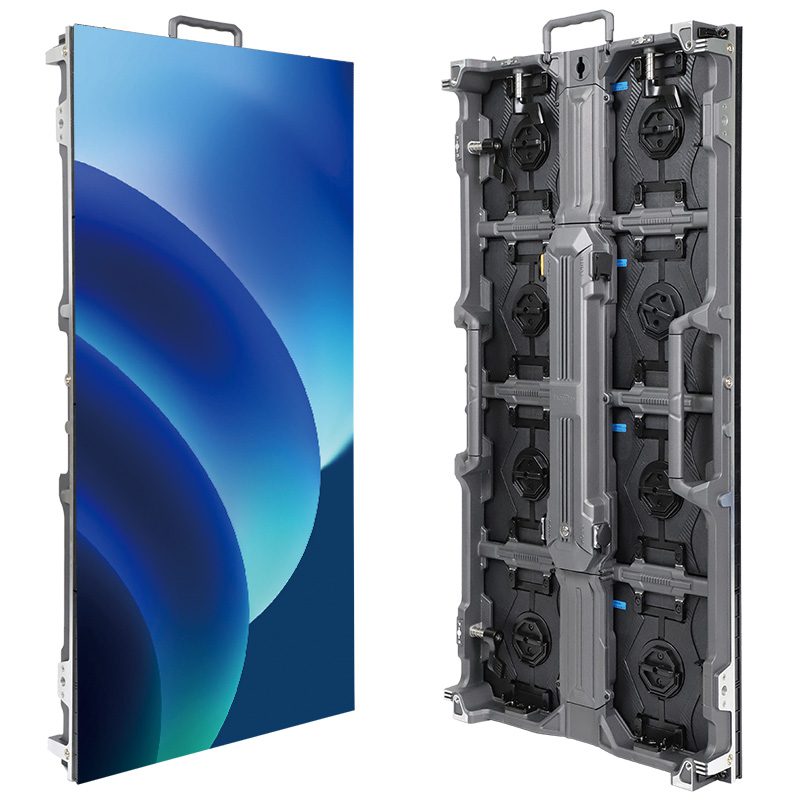
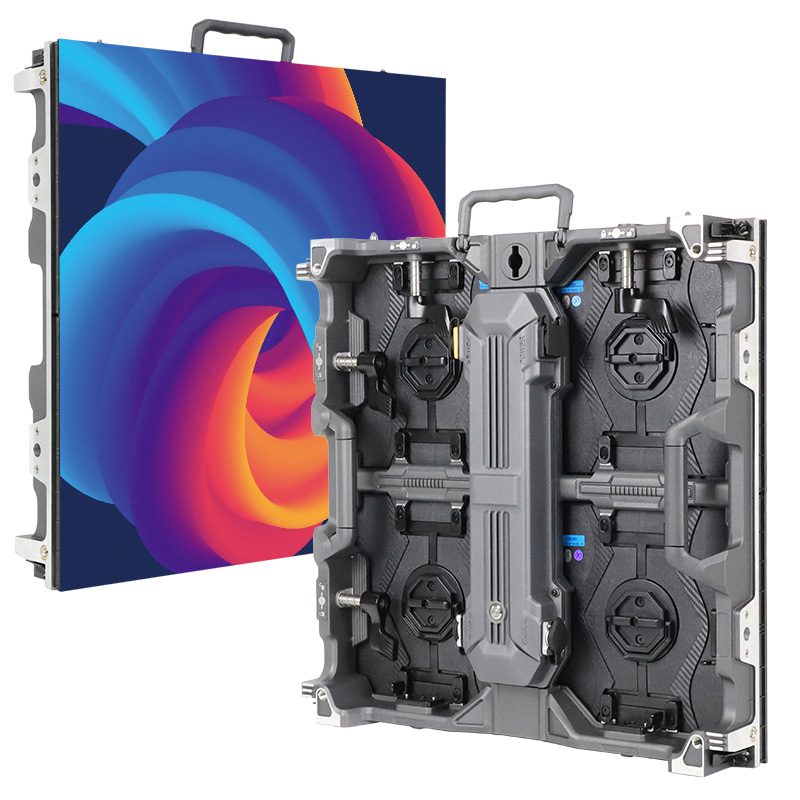
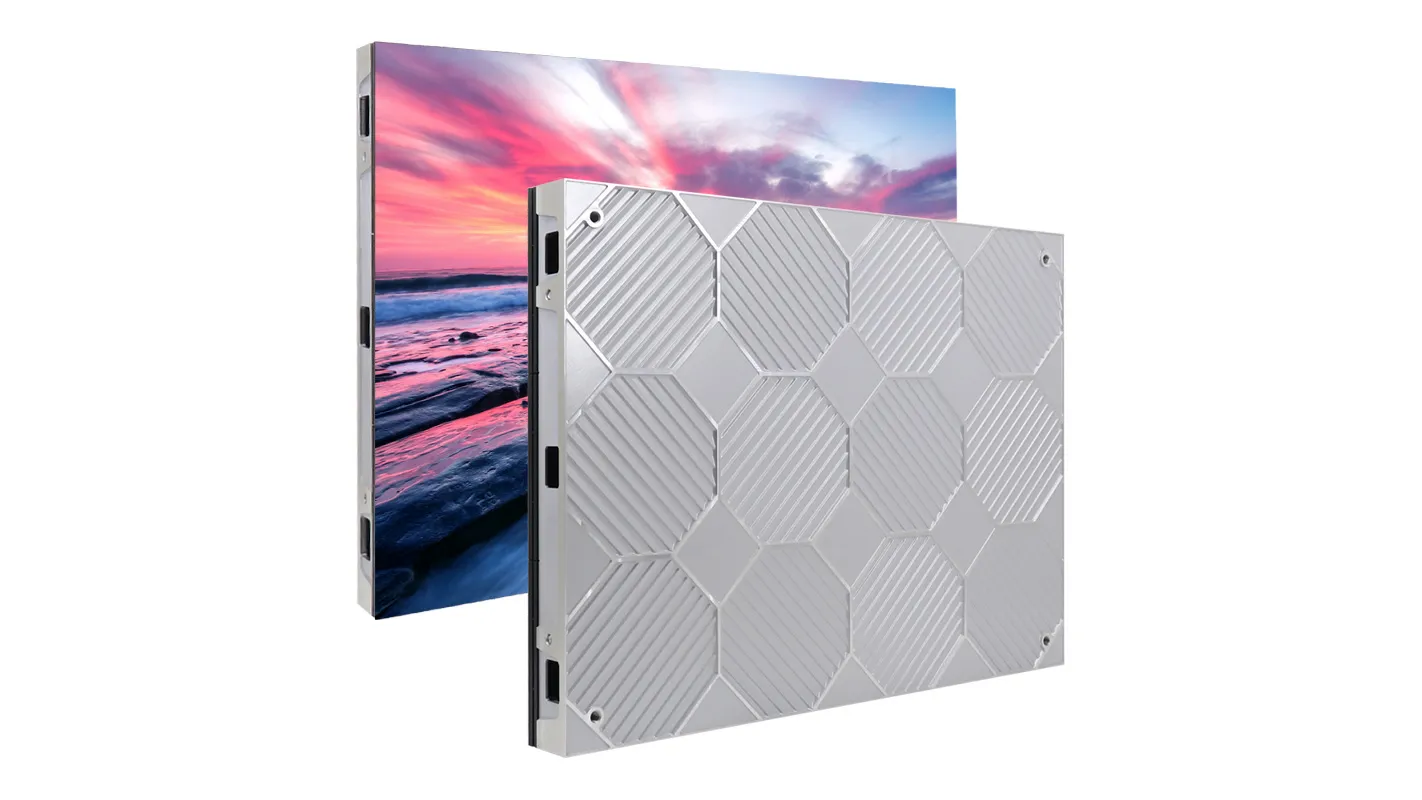
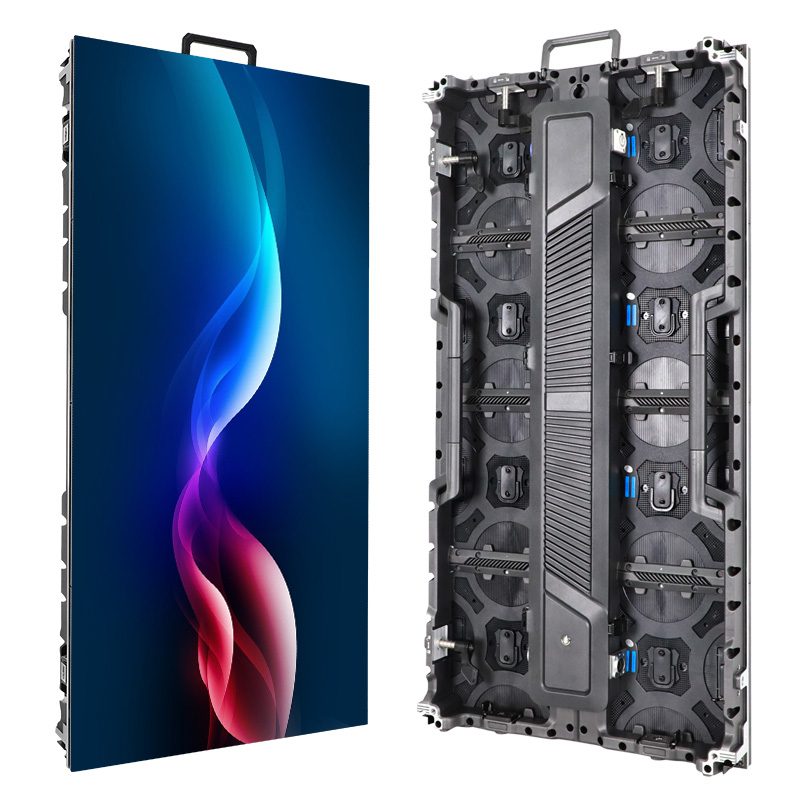
The display side includes the outdoor LED cabinets, a video processor or controller, power distribution, signal and power cables, and spare modules. Outdoor rental cabinets suit trailers because they are built to be handled often. EagerLED’s EA500H8 outdoor rental cabinet, for example, is a 500 x 500 mm (19.7 x 19.7 in) die-cast unit weighing 6.5 kg (14.3 lb), listed in P2.6, P2.97 and P3.91, with front and rear service access and a removable power box.

02. The trailer platform
The platform side includes the chassis, the mast or lift that raises the screen, stabilizers or outriggers, and any rotation or folding mechanism. It also covers the enclosure for electronics, ventilation, and the road registration required where the trailer will be towed. EagerLED’s mobile LED screen page recommends agreeing this boundary early: who supplies the frame, the lifting system and the ventilation, and who signs off the finished unit.
2. Size the Screen for the Audience
Start from the closest viewer and the content, not from the largest screen an LED screen trailer can carry. A common rule of thumb is that the closest comfortable viewing distance in meters roughly equals the pixel pitch in millimeters, so a P3.91 screen looks smooth from about 4 m (13 ft). Treat that as an estimate and check it with your own content.
01. Work out resolution and cabinet count
A 500 mm cabinet at P3.91 is 128 pixels wide. A 4 x 2.5 m (13.1 x 8.2 ft) screen is a grid of 8 x 5 cabinets, or 40 in total, giving a canvas of about 1,024 x 640 pixels. Those 40 cabinets weigh 260 kg (573 lb) before frames, cables and the processor are added, which the trailer builder needs for the lift and axle design.
| Pitch and scan | Published brightness | Canvas (approx.) | Max / avg power for 10 m² | Rough closest viewing distance |
|---|---|---|---|---|
| P2.6, 1/24 | 4,500 nits | 1,536 x 960 | 5,000 W / 1,700 W | About 2.6 m (8.5 ft) |
| P2.97, 1/21 | 4,500 nits | 1,344 x 840 | 5,500 W / 1,850 W | About 3 m (9.7 ft) |
| P3.91, 1/16 | 4,800 nits | 1,024 x 640 | 5,800 W / 1,950 W | About 3.9 m (12.8 ft) |
| P3.91, 1/8 | 6,000 nits | 1,024 x 640 | 6,500 W / 2,200 W | About 3.9 m (12.8 ft) |
Power is calculated from EagerLED’s published W/m² figures for the EA500H8. Canvas sizes are approximate; confirm the exact module matrix with the supplier.
02. Choose brightness for daytime events
An LED screen trailer often runs in daylight at markets, sports fields and festivals. All EA500H8 outdoor options are listed at 4,500 nits or more, with the 1/8-scan P3.91 version at 6,000 nits for the brightest sites. Ask whether brightness can be reduced automatically in the evening, because a screen set for midday sun can be uncomfortably bright at night.
3. Deployment, Wind, and Ground
Setup speed is the main reason to choose an LED screen trailer over a ground-stacked wall, but it depends on the site being suitable.
01. Ground and stabilizers
Before raising the screen, an LED screen trailer must sit level on firm ground with its stabilizers deployed. Ask the trailer builder for the footprint with stabilizers extended, the load at each support point, and whether ground plates are needed on grass or soft surfaces. Check that there is room to lift and, if the screen rotates, to turn it at full height.

02. Wind limits
A raised screen acts like a sail. The trailer builder should state the wind speed at which the screen may stay raised and when it must be lowered, and your crew should have a way to monitor wind on site. Treat that limit as part of your event plan, not a footnote in the manual.
03. Weather protection
EagerLED lists the EA500H8 outdoor cabinet as IP65 at the front and IP54 at the rear. The rear rating means the enclosure behind the screen still matters: ask how the trailer protects cables, the processor and power distribution from rain and dust.
4. Estimate Power Before Choosing a Generator
Use the maximum figure to size the generator or supply and the average figure to estimate fuel or energy use. For the 4 x 2.5 m P3.91 (1/16) example, EagerLED’s figures give about 5,800 W maximum and 1,950 W average for the screen alone. Add the processor, lift motors, lighting and sound, then ask an electrician to size the generator, cabling and protection for your local standards.
Also decide whether the unit should run on site power when it is available. An LED screen trailer that only accepts generator power is limited in where it can be used.
5. Buy, Build, or Rent?
Owning an LED screen trailer makes sense when you have regular bookings, a place to store it and a crew trained to tow and deploy it. Renting suits occasional events, because the hire company handles towing, maintenance and the operator. A third option is to buy the display package and have a local trailer builder fit it to a chassis that meets your road rules.
Whichever route you choose, ask for these items in writing:
- Display model, pitch, cabinet count and processor model.
- Lift height, rotation, deployment time and wind limit.
- Trailer weight with the screen fitted, and the towing requirements where you operate.
- Maximum and average power, and the generator or supply it needs.
- Spare parts, service access and who handles warranty claims for each part.
For route-based advertising rather than events, our guide to truck billboard advertising covers vehicle-mounted screens. EagerLED’s main site also explains mobile LED screens for events more broadly.
FAQ
01. How big can an LED screen trailer be?
It depends on the chassis, lift and wind rating rather than the LED cabinets. Ask the trailer builder for the largest screen they will certify for your towing rules, then size the cabinet grid to fit.
02. Can I fit my own cabinets to a trailer?
Yes, if the trailer builder designs the frame for the cabinet size, weight and lock system. Share the cabinet drawings early, and agree who is responsible for the mounting and electrical connection.
03. Does an LED screen trailer need a computer on site?
Not always. Many processors and players can run scheduled or stored content, and a laptop can be added for live feeds. Confirm which inputs and playback modes the supplied control system supports.
04. What should I check after delivery?
Deploy the full system once before the first event: raise, rotate and lower the screen, run test patterns on every cabinet, and confirm the generator handles full white content without tripping.
Planning Your Mobile Screen
If you are planning an LED screen trailer, send us the screen size you need, the closest viewing distance, daytime or evening use, the countries where it will be towed, your power source, and whether you already have a trailer builder. We can propose a cabinet and processor package with drawings and power figures for the builder to work from. Contact EagerLED about the display package for your trailer.
 Small LED Display Screen: Sizes, Pitch, and When to Choose LED