
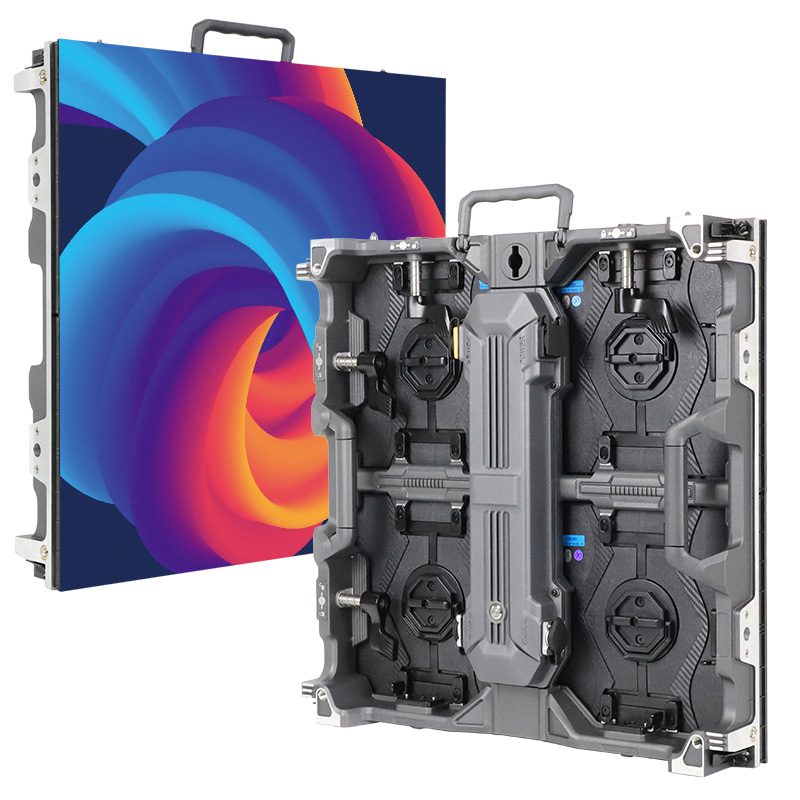
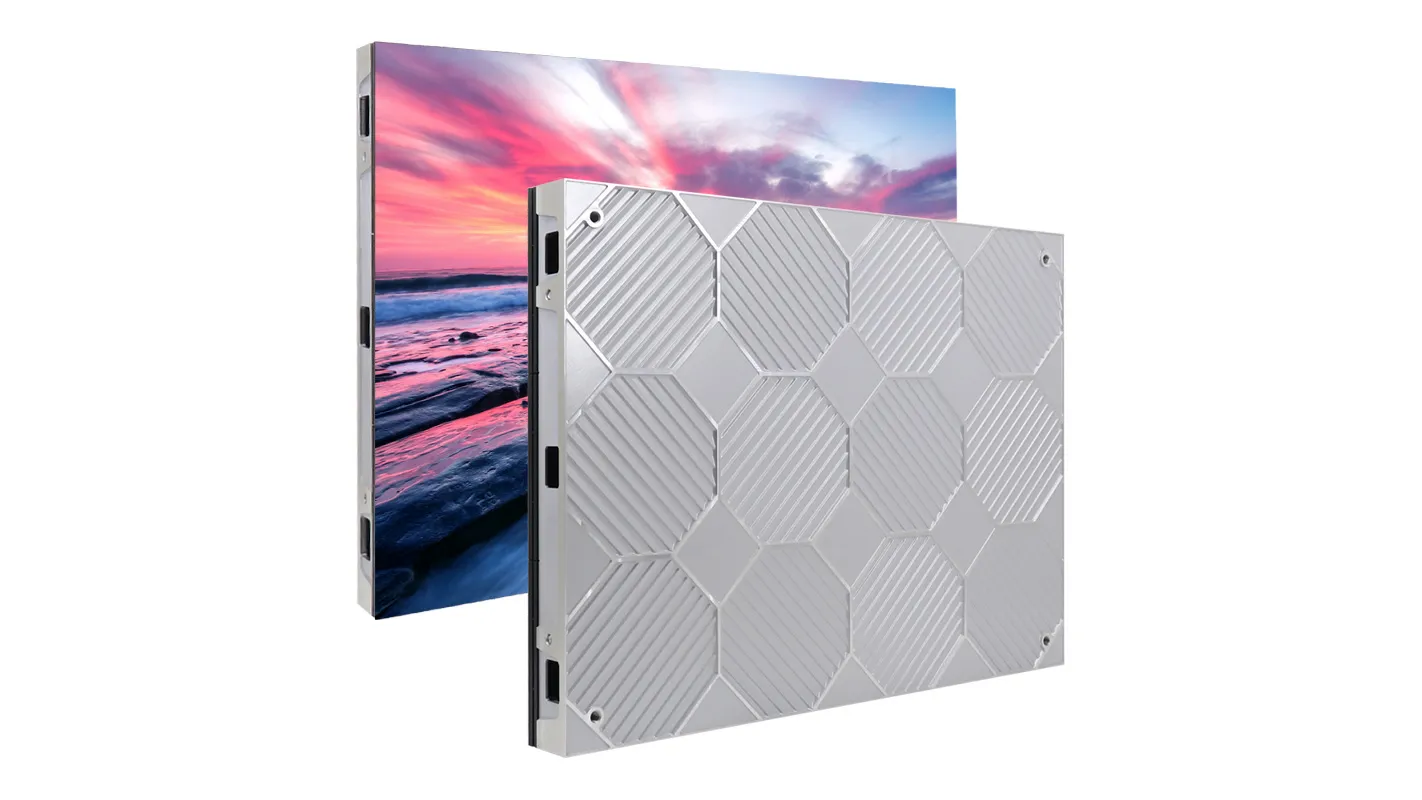
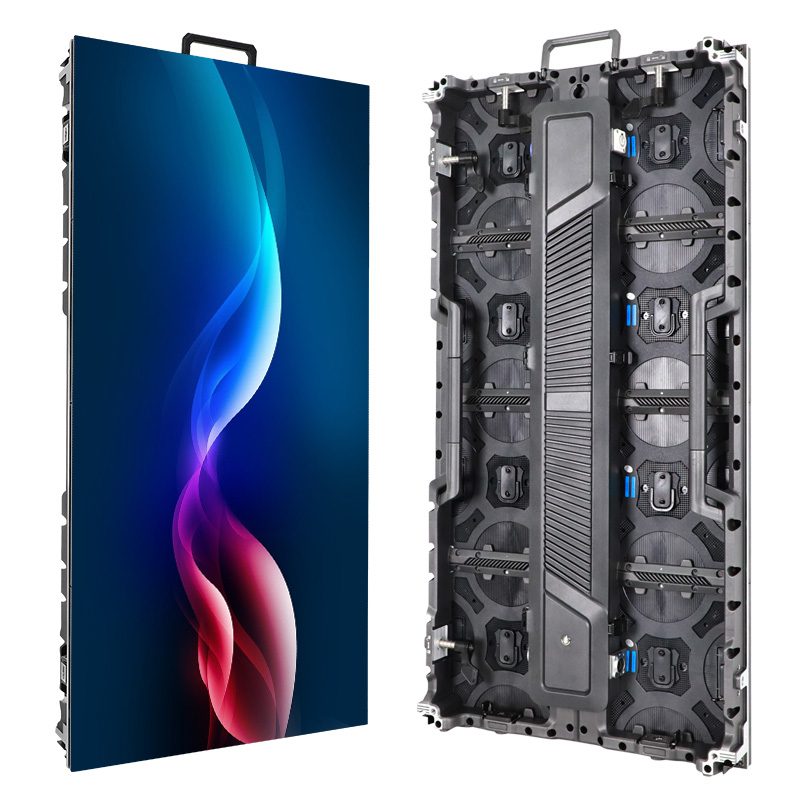
LED screen storage before installation needs a written plan for the exact equipment, packaging and delay. Before approving early delivery, obtain the supplier’s storage limits, inspection instructions and release procedure for first power-up. A flight case protects an approved load arrangement; its presence does not establish safe humidity, outdoor storage or an unlimited storage period.
For an AV integrator, the buying decision is whether the project can receive equipment before the installation site is ready. Construction dust, repeated unpacking and an unassigned warehouse can turn a delivery milestone into additional handling and uncertain commissioning. Compare those obligations before deciding between early shipment and a revised delivery schedule.
This guide addresses a delayed installation, rather than selecting a case size or diagnosing a failed display. It explains which conditions belong in the purchase discussion, what warehouse staff should record and when the equipment needs supplier review before use.
Define LED screen storage before installation
Ask for storage requirements separately from operating specifications. A screen that can run at a stated temperature does not automatically have the same limits while packed and unpowered. The modules, assembled cabinets, controller and accessories may also have different instructions. Obtain a project-specific answer covering everything in the shipment.
One published example illustrates the distinction. EagerLED’s P3.076 outdoor module specification, model P3.076-O13S-SMD1415-104×52, lists working temperature of −20 to 60°C (−4 to 140°F) and storage temperature of −30 to 70°C (−22 to 158°F). These are that module’s published limits, not a recommended warehouse setting for every complete display. The listed working humidity must not be relabeled as a storage-humidity specification.
For the actual order, request the allowed storage temperature and humidity, packaging condition, inspection interval and maximum unattended period. Ask how the instructions change after opening a carton or case. Where a limit is missing, leave the requirement unresolved until the supplier responds; do not substitute a value from a different model.
Discuss the actual building, too. A finished indoor warehouse and a partly enclosed construction floor present different exposure. Provide the expected delay, location, seasonal conditions and any transfers between warehouses. If the receiving location cannot meet the approved conditions, compare another storage location or a changed shipment schedule.
Keep the approved packing arrangement
Preserve the supplied supports, separation and orientation unless the supplier approves a different arrangement. Do not move loose accessories into spaces occupied by display surfaces. Ask how to handle material removed for receiving inspection and which protective items must be renewed before closing the package.
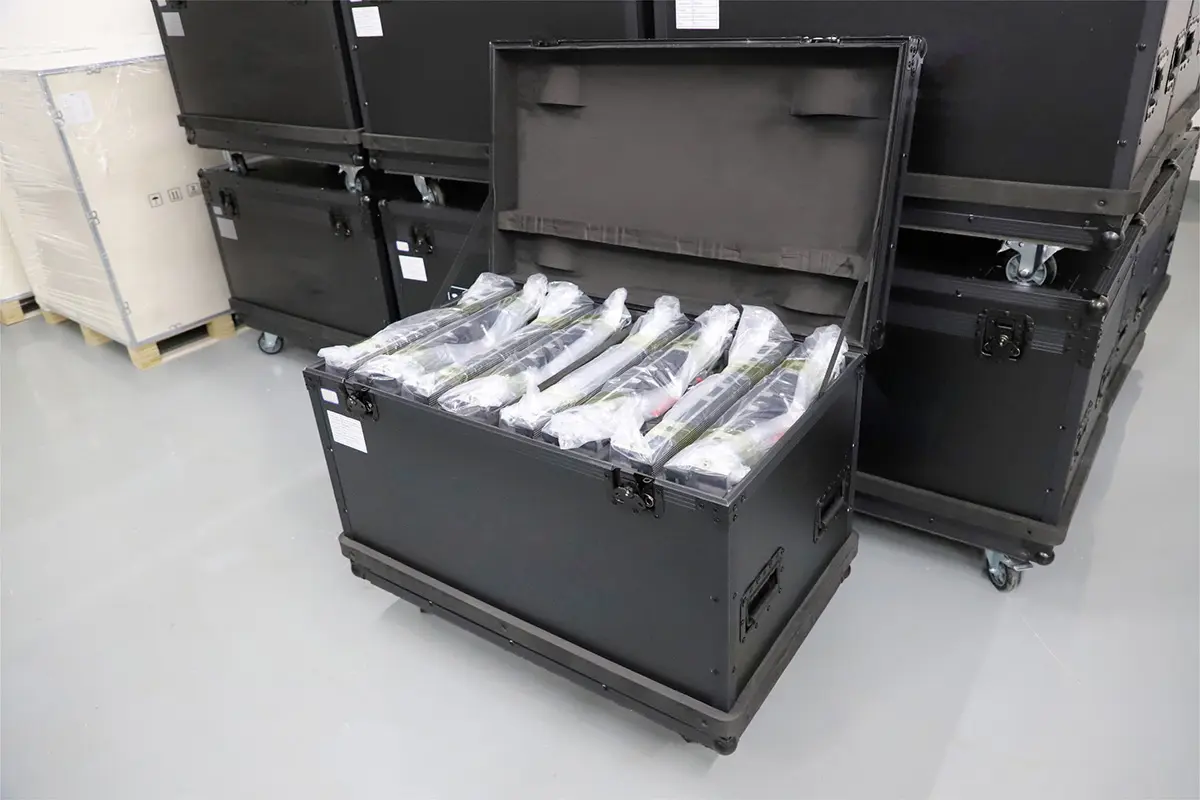
A photograph of the accepted load gives the warehouse team a useful reference after inspection. Keep it with the packing revision and case identifier. For the separate question of equipment fit, dimensions and loaded weight, use our LED screen flight case buying checks.
Do not infer permission to stack loaded cases from a warehouse photograph. Obtain the approved arrangement and load limits for the actual packaging. Keep handling access and inspection points usable. A protected storage location still needs a plan for the route from receiving dock to warehouse and later to the installation area.
LED screen storage before installation also requires an opening procedure. Specify who may open a case, where removed panels go and who checks that the original supports are restored. A quick component count should not leave exposed modules beside unfinished building work.

Record the warehouse handoff
Use one record that follows the equipment through receiving, storage and release. A packing label identifies contents; it does not prove the equipment’s present condition. Record both, so the commissioning team can distinguish an intact, unopened case from one inspected or moved during the delay.
| Stage | Record to retain | Decision it supports |
|---|---|---|
| Receiving | Case IDs, packing-list reconciliation and dated condition photos | Accept, investigate discrepancies or hold affected equipment |
| Storage assignment | Approved conditions, named owner and inspection schedule | Confirm the proposed warehouse is suitable |
| Opening or transfer | Date, reason, affected items and restored packing arrangement | Identify changes since initial receiving |
| Installation release | Final inspection, unresolved exceptions and supplier restart instructions | Authorize the next technical step for the actual equipment |
EagerLED’s official video demonstrates case and packing labels for displays, modules, accessories and spare parts. It is relevant to identifying stored equipment, not evidence of a moisture test or a guarantee that the contents are ready to power on.
For LED screen storage before installation, connect the exterior identifier to the equipment inventory and approved configuration files. Keep loose spares identifiable after their outer packaging is opened. Report a missing or unreadable identifier before items are mixed into general stock.
Agree on the handling cost separately from the display price. Ask whether the quotation includes additional warehouse time, repeated inspection, repacking, transfers and technical assistance at release. Record what is included and what needs a separate quotation; there is no universal allowance for a construction delay.
Plan release for installation
Do not treat the original factory test as permission for unrestricted first power-up after storage. The factory aging-test report documents its stated test conditions. The release decision must also consider the equipment’s subsequent storage history and current condition.
Some control products provide a specific dehumidification function. For example, the NovaStar TU20 Pro/TU15 Pro user manual V1.5.0 describes a setting that adjusts brightness and aging procedures according to power-off duration; it is disabled by default. That documented feature does not establish a universal restart recipe for other controllers, versions or displays.
Ask the supplier to identify the applicable procedure, prerequisites and person authorized to perform it. Visible moisture, damaged packaging or unexplained deterioration needs technical review before energizing affected equipment. Do not improvise a high-brightness run, heating temperature or baking period from a general article.
Make LED screen storage before installation part of the commissioning handoff. The installer should receive the storage log, current exceptions, matched configuration files and approved release instructions before the planned installation date. If the delay changes materially, ask the supplier to review the plan again.
Frequently asked questions
Does early delivery change the warranty start date?
Do not assume delivery, installation and commissioning start the same contractual period. Ask the supplier to state the applicable date and any storage obligations in the quotation or agreement. This guide does not promise a particular warranty term.
Can stored spare modules be treated as interchangeable stock?
Keep them linked to their intended project, model and batch information. A matching face size or pixel pitch alone does not establish electrical or visual compatibility. Resolve substitutions with the supplier before issuing a spare for installation.
Should the equipment stay at the factory until the site is ready?
Compare the proposed storage conditions, revised shipping plan and responsibility for each option. Factory holding is not automatically included or available. Request a written proposal for the actual delay instead of assuming either location is suitable.
Discuss your delivery schedule
Planning LED screen storage before installation? Send the screen dimensions, indoor or outdoor use, viewing distance, destination country, purchase timeline, expected installation delay and proposed warehouse conditions. Include the cabinet and controller models if already selected, plus any packages that will need opening before installation.
 LED Screen Light Sensor Compatibility: Before You Buy