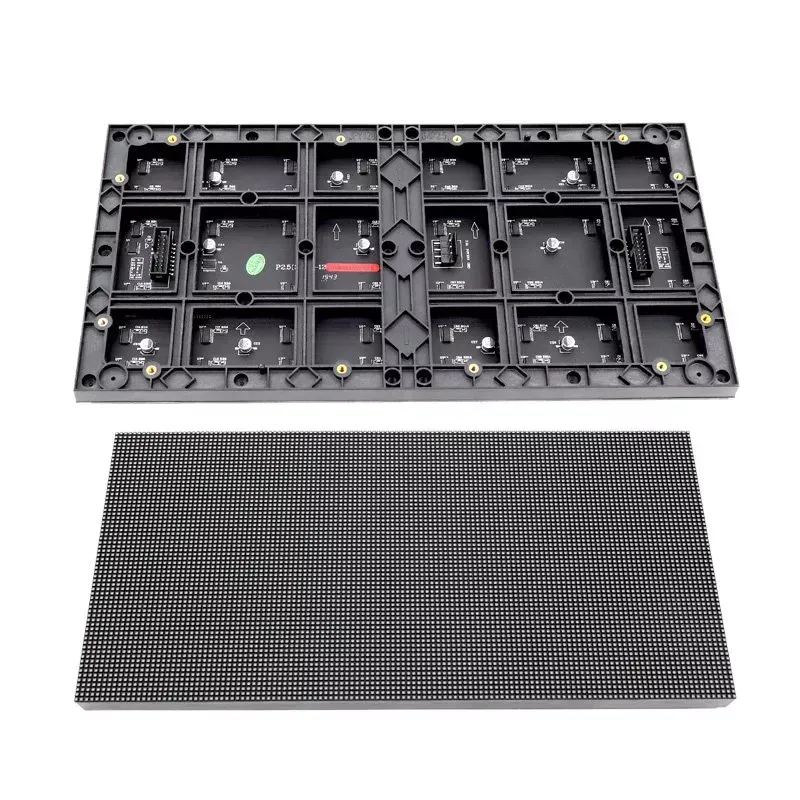

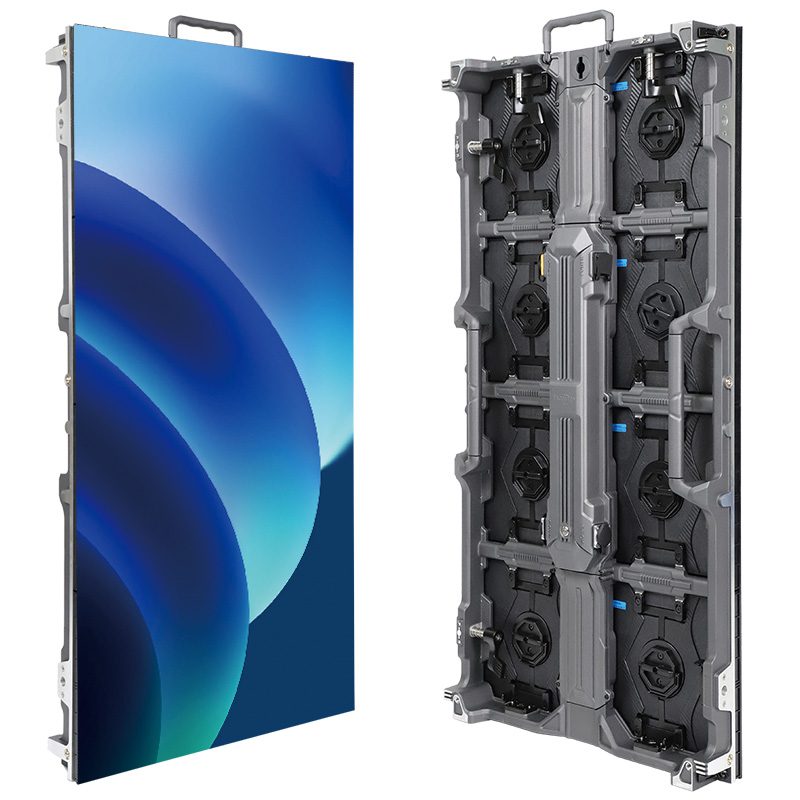
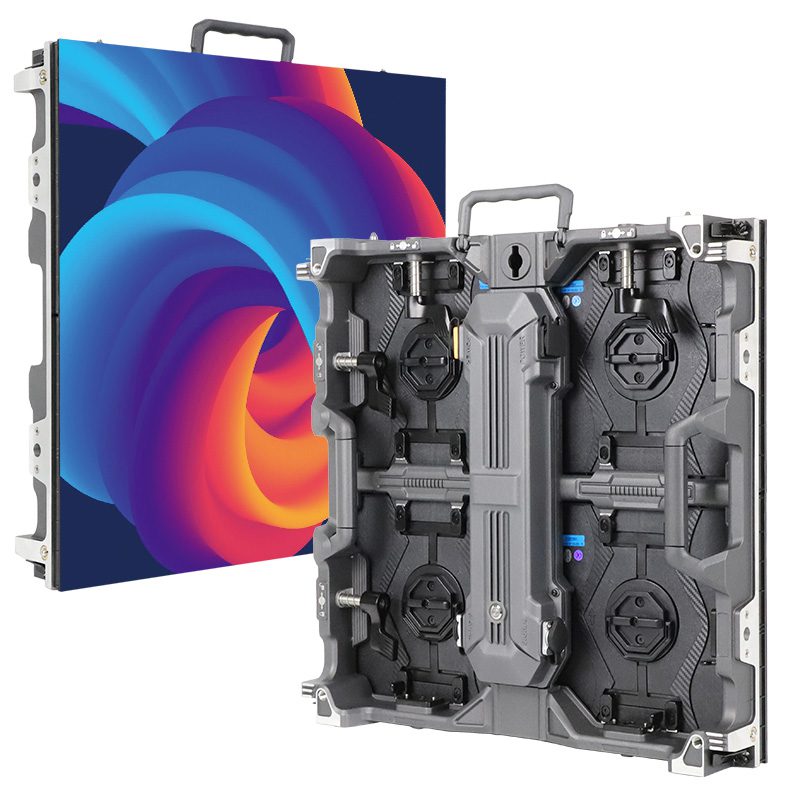
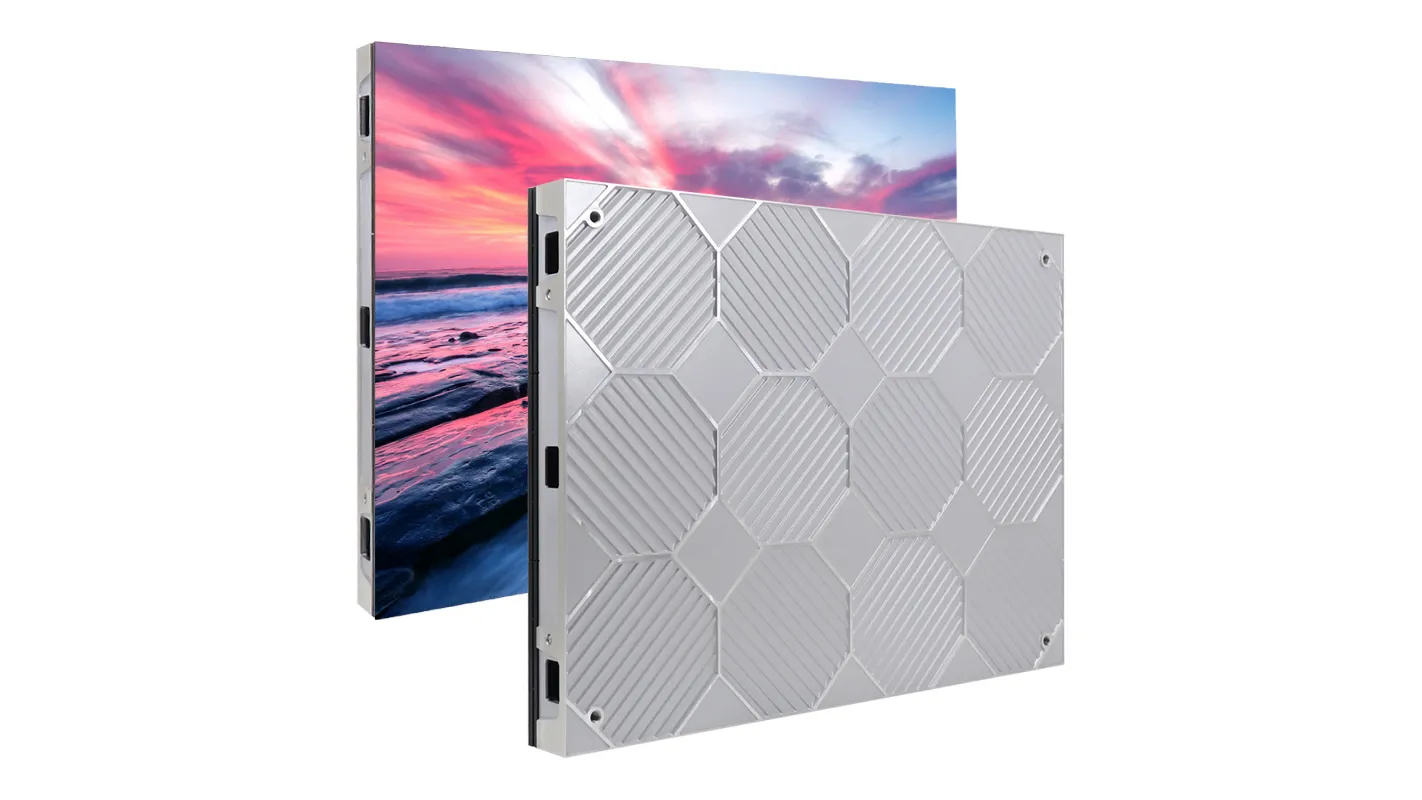
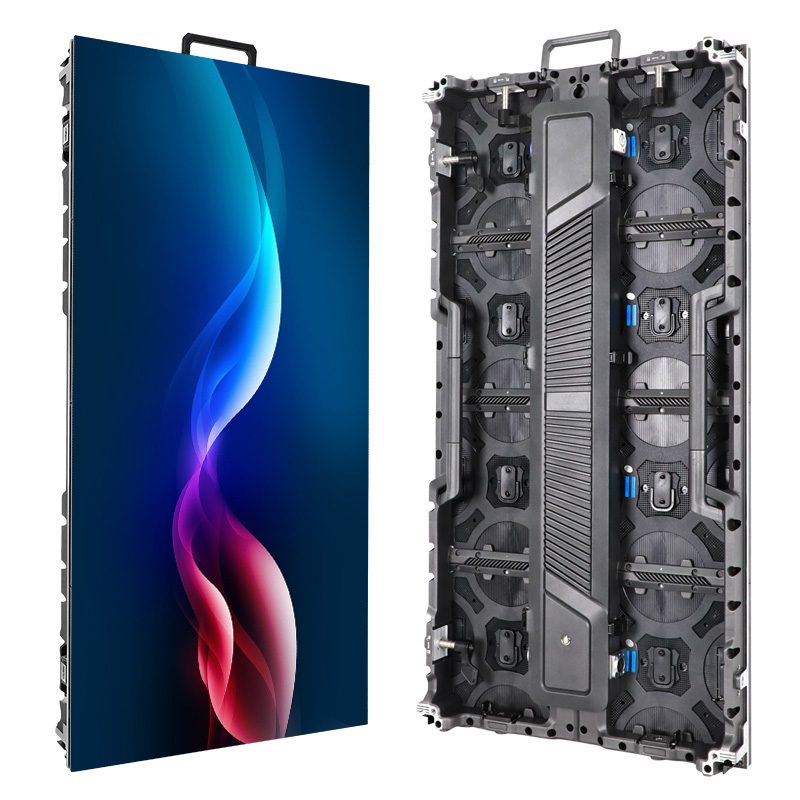
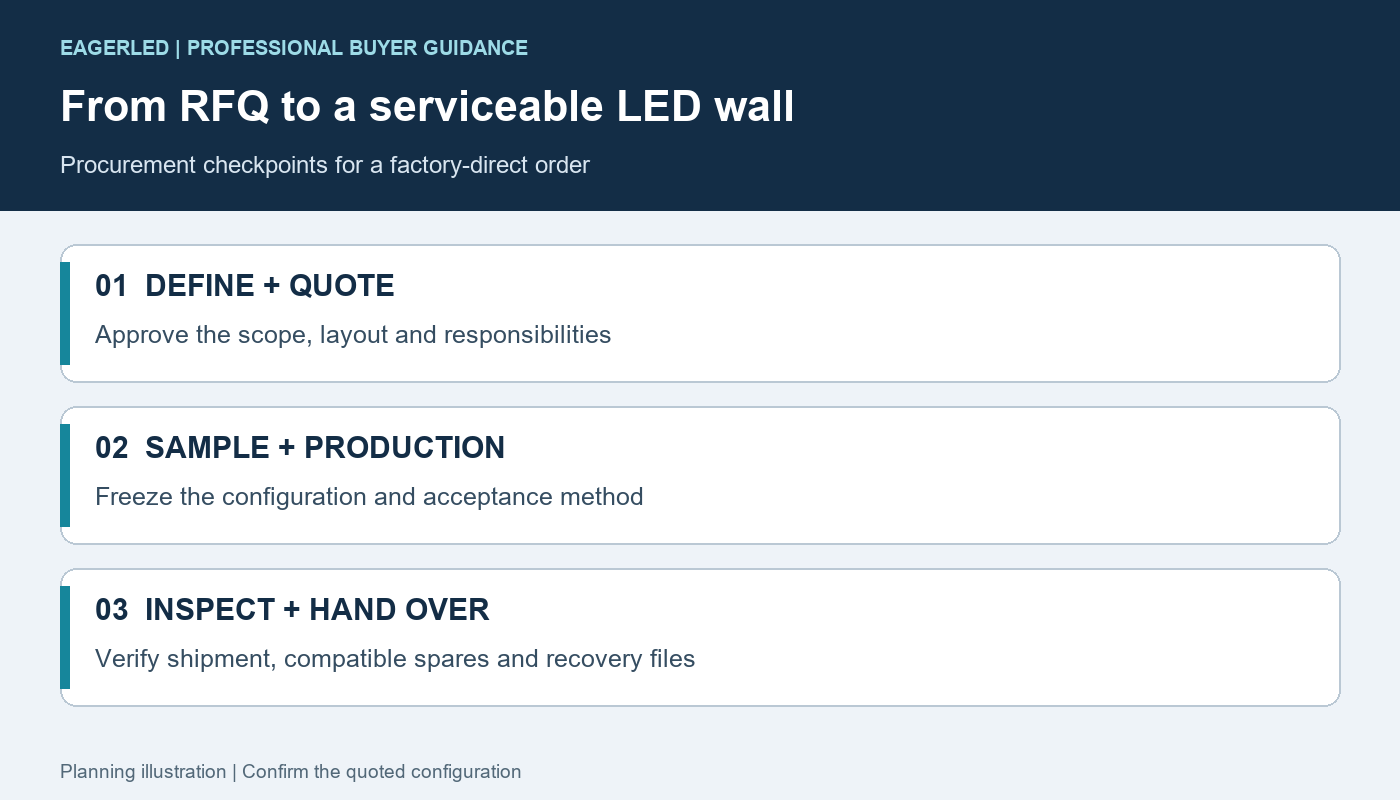
To buy LED screens directly from a Chinese factory, prepare a detailed RFQ, verify the seller, compare itemized quotations, approve a representative sample and agree pre-shipment acceptance checks. Confirm freight responsibilities, compatible spares and configuration files before delivery. The goal is a complete display system your team can install, operate and maintain—not just a low price per square meter.
Factory-direct purchasing can give distributors and AV integrators a direct route to configuration discussions and production planning. It also leaves the buyer responsible for coordinating functions that a local turnkey supplier might otherwise manage, including destination logistics, site readiness and installation. Identify those responsibilities before comparing offers.
This guide is for contractors, rental businesses and professional buyers preparing to purchase LED screens from China. It explains what to put in an RFQ, how to compare complete quotations, what to approve before production and which files and spare parts should accompany the shipment. Use the tables as a checklist when requesting offers and recording supplier responses.
Scope and source note: EagerLED publishes this guide. References to its products and processes describe manufacturer-published information reviewed on October 15, 2026. Your purchase must be governed by the current written quotation, approved configuration and order-specific acceptance records.
1. What Factory-Direct LED Screen Purchasing Includes
Buying LED screens directly from a factory means negotiating the equipment and agreed services with the manufacturing supplier. It does not mean that every component is manufactured in-house or that the quotation includes a complete installed project. LED packages, power supplies and control hardware may come from specialist component suppliers.
Ask what the factory actually assembles, configures, tests and supplies. Some orders cover finished cabinets; others include processors, cabling, cases, spare modules and remote configuration support. A responsible purchasing plan names the items included and identifies the owner of everything outside that scope.
| Buyer profile | Useful factory-direct scope | Responsibility to arrange separately |
|---|---|---|
| Distributor | Repeatable cabinet configuration, labels and compatible replacement stock | Customer installation, local support and inventory management |
| AV integrator | Approved display layout, control hardware and commissioning documents | Site engineering, signal integration and operator training |
| Rental company | Cabinets, approved accessories, transport cases and fleet spares | Show operation, rigging coordination and field repairs |
| Project contractor | Defined equipment package and documented acceptance results | Structure, power distribution, installation and client handover |
Direct purchasing may reduce some intermediary costs, but the completed project cost depends on the selected system and division of work. Do not treat “factory price” as proof of a lower installed total. If you need a local partner to finish the project, include that partner’s scope when comparing your options.
Establish one decision owner on the buyer’s side. Commercial staff can collect quotations, but someone must reconcile engineering questions and approve changes. When several people give different instructions about LED screens, the factory may produce a technically consistent system that still fails the customer’s actual expectations.
2. Prepare an RFQ That Factories Can Quote Accurately
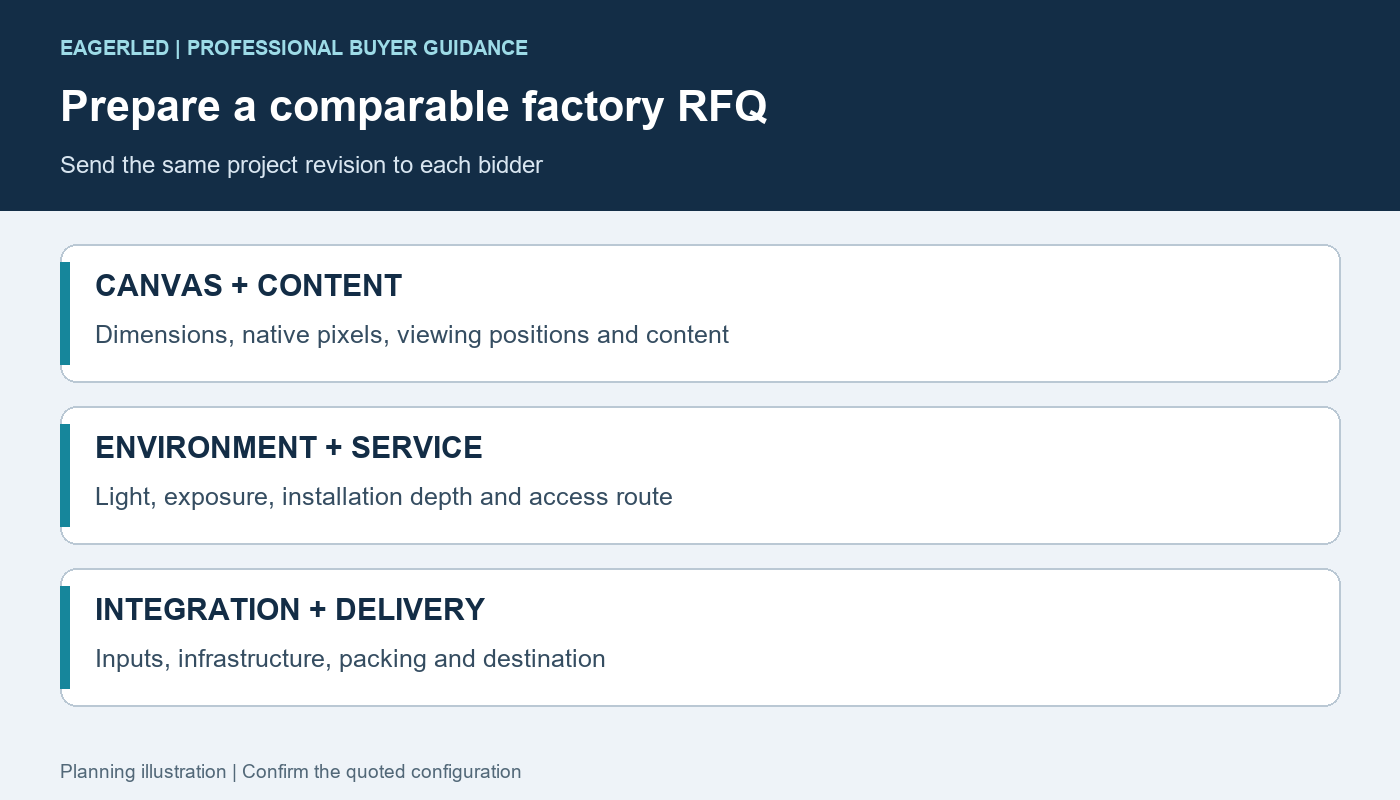
An RFQ, or request for quotation, should describe the intended outcome and physical constraints. Give factories enough information to identify suitable LED screens, while allowing them to explain where an assumption needs confirmation. Send the same revision to every bidder so the resulting proposals remain comparable.
Include screen dimensions, audience locations, content samples, indoor or outdoor exposure and operating hours. Describe the available installation depth and the route technicians will use to reach modules and internal components. For camera-facing displays, name the intended filming workflow instead of asking only for a high refresh-rate number.
| RFQ field | Information from the buyer | Required supplier response |
|---|---|---|
| Application | Rental, fixed installation, signage or camera-facing use | Named series and explanation of configuration suitability |
| Canvas | Target active dimensions, content type and audience positions | Cabinet grid, actual dimensions and native pixel count |
| Environment | Ambient light, exposure, ventilation and site restrictions | Operating limits, environmental assumptions and supporting documents |
| Integration | Source formats, cable routes and available infrastructure | Processor, receiving cards, accessories and interface drawings |
| Service | Access direction, local skills and acceptable recovery process | Removal procedure, spare schedule and support responsibilities |
| Delivery | Destination, installation sequence and required delivery date | Packing proposal, production milestones and quoted delivery scope |
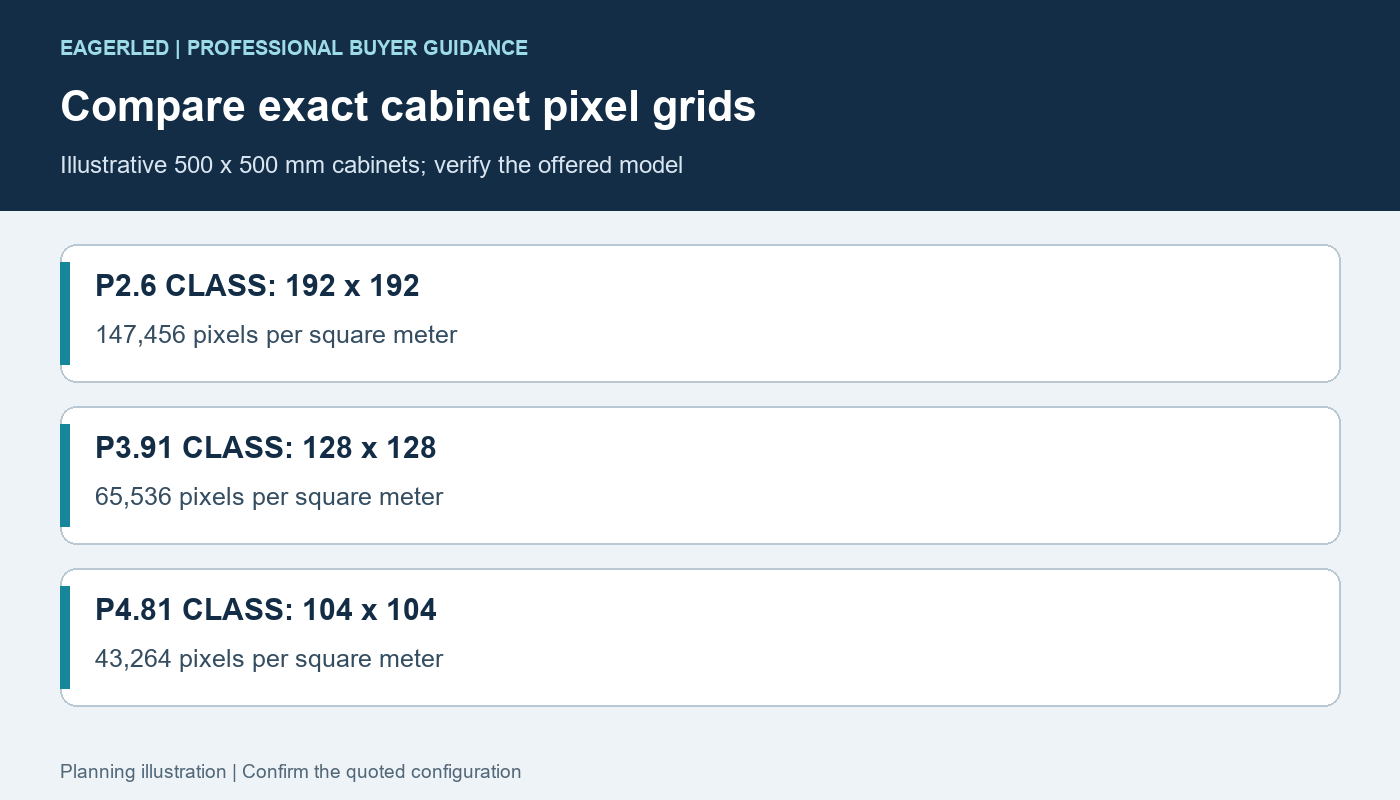
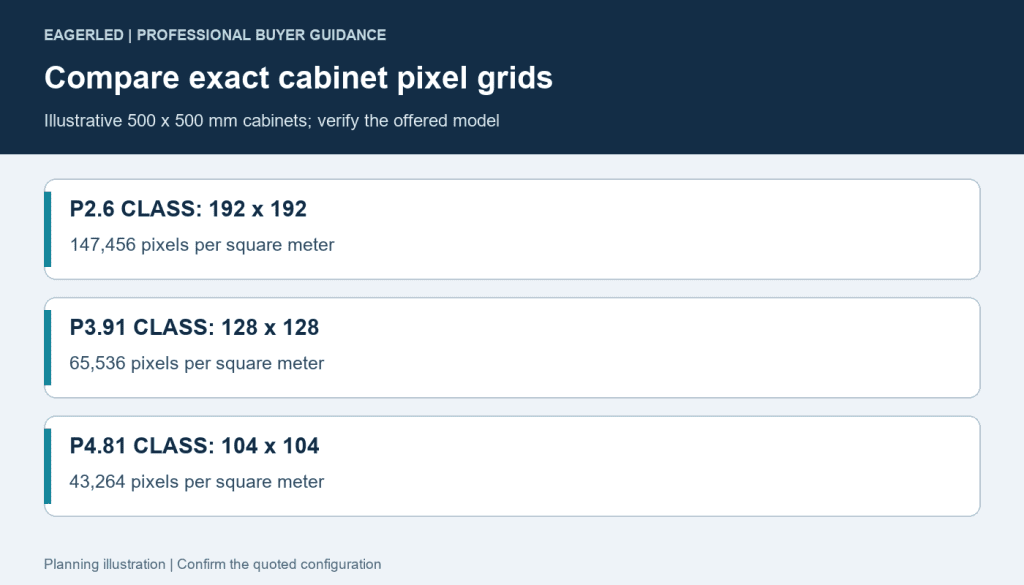
LED screens have a discrete pixel grid. The requested physical size may need adjustment to fit the proposed cabinet arrangement. Require the actual native resolution, not just an input-format label such as “4K.” A processor accepting a 4K source does not establish that the wall contains a 4K pixel canvas.
For example, an idealized 5,000 × 2,500 mm active area at exactly 2.5 mm pitch contains 2,000 × 1,000 pixels. This is a mathematical illustration, not an EagerLED model specification. Check the proposed module and cabinet grid before using that calculation in content production or control-system sizing.
Mark requirements as essential, preferred or open for supplier recommendation. If rear access is impossible, service direction is essential. If cabinet dimensions are flexible, invite alternatives. This helps factories suggest LED screens that meet the project rather than simply reproducing an incomplete specification.
3. Confirm the Seller, Factory and Support Responsibilities
Before placing an order for LED screens, establish the identities and roles of the contracting seller, production facility and support provider. A recognizable website or brand does not by itself tell you which business will invoice the order or handle a warranty request. Keep the responsibility record with the purchase documents.
Request the seller’s company details and an explanation of any different production or export entity. If documents name different organizations, ask how they relate and who remains responsible for the agreed supply. Have your procurement team reconcile the information before committing to the order.
A factory walkthrough should follow the proposed LED screens through production rather than merely show a showroom. Ask where assembly, configuration, testing and packing occur, and which processes apply to your order. A remote tour can answer useful questions, while an independent inspection may be appropriate for a larger or unfamiliar purchase.
EagerLED provides LED screen factory capabilities as a starting point for this discussion. Buyers should still request evidence tied to the configuration being quoted. Public descriptions of manufacturing capability should not substitute for the actual order’s inspection and engineering records.
Separate sales communication from technical support. Ask who answers questions about mapping, firmware, replacement modules and fault diagnosis. Confirm the working language, contact route and escalation procedure. A quick initial reply is useful, but it is different from restoring an installed screen or supporting a live event.
For broader supplier evaluation before the purchase, see the China LED manufacturer selection guide. Keep this transaction focused on the approved equipment and responsibilities; the best-known factory is not automatically the right contracting partner for every project.
4. Compare LED Screen Quotes on a Complete Supply Basis
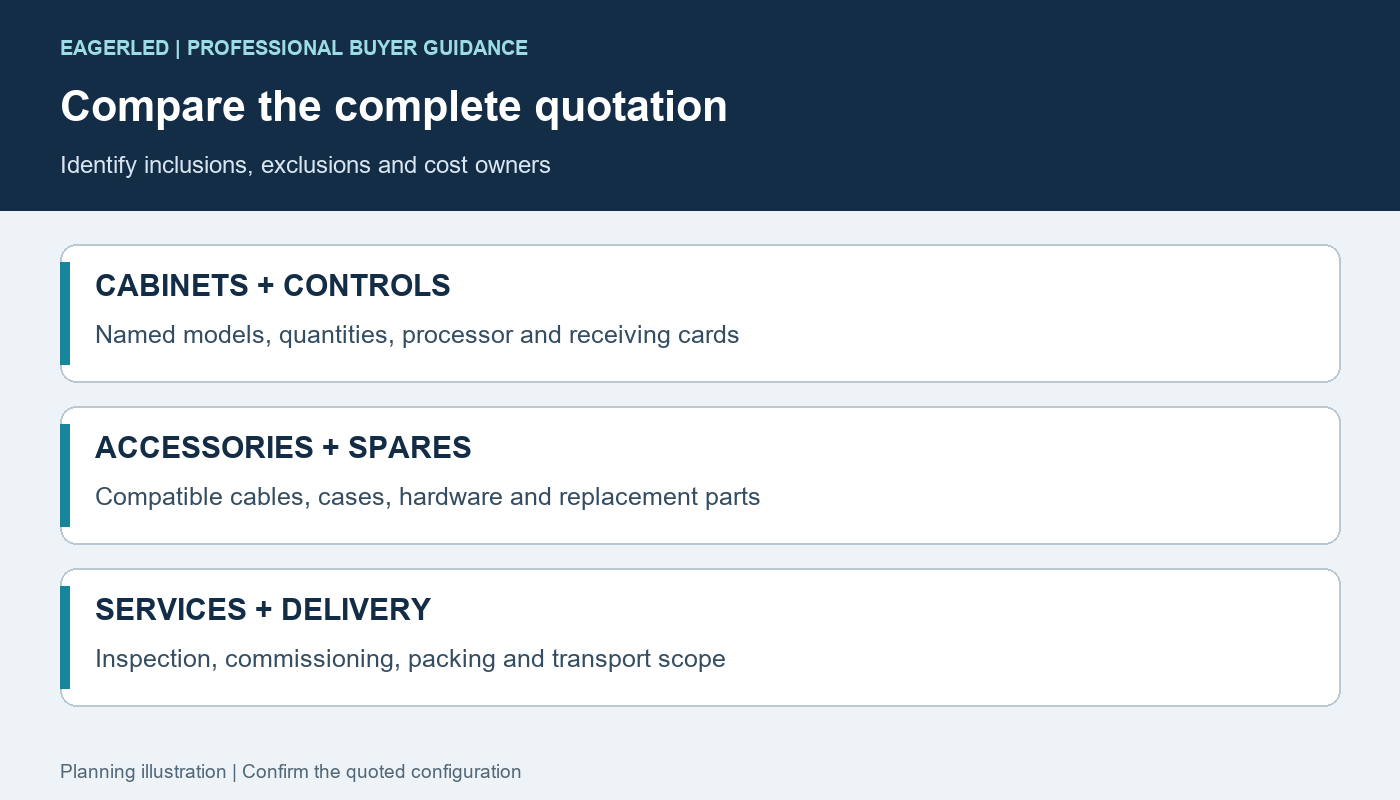
For LED screens, a price per square meter is meaningful only when the configuration and included equipment are known. Two quotations can show similar pitch and cabinet dimensions while using different electronics, accessories, service arrangements or quantities of spare parts.
Build a comparison sheet that records the quoted item, quantity, configuration, inclusion and exclusion for each bidder. Leave missing items open until the supplier confirms them. Do not silently assume that a processor, structural accessory or power cable is included because it appears in a product photograph.
| Package item | What the quotation should identify | What to clarify |
|---|---|---|
| Display cabinets | Series, pitch, module revision, quantity and dimensions | Whether substitutions need approval and how revisions are tracked |
| Control hardware | Processor model, receiving cards and distribution equipment | Input formats, loading constraints and requested recovery features |
| Accessories | Specified cables, mounting accessories and cases | Site-provided equipment and approved structural limitations |
| Spares | Module, power-supply and receiving-card quantities and identifiers | Calibration, compatibility and replacement method |
| Services | Configuration, training, inspection and commissioning scope | Attendance, session limits, travel or local labor exclusions |
| Delivery | Packing, transport responsibility and agreed destination | Insurance, handling and destination costs outside the quotation |
Agree what constitutes the final bill of materials, often shortened to BOM. Some details are essential to performance and future compatibility; others may permit an approved equivalent. Record that distinction. A vague component-brand list does not prevent a factory from selecting a different part within the same brand.
Commercial terms should connect to the real production sequence. Ask when the design is approved, when materials are committed, when inspection can take place and what evidence is supplied at each milestone. Agree payment milestones, inspection access and the process for resolving failed acceptance checks before committing funds.
Budget separately for packing, freight, insurance, destination charges, site preparation, installation and operation. Obtain current estimates from the responsible providers and record their exclusions. The factory’s equipment offer is one part of the budget, and the buyer should understand the completed cost before approving a configuration that is difficult to change later.
5. Approve a Representative Sample and Freeze the Configuration
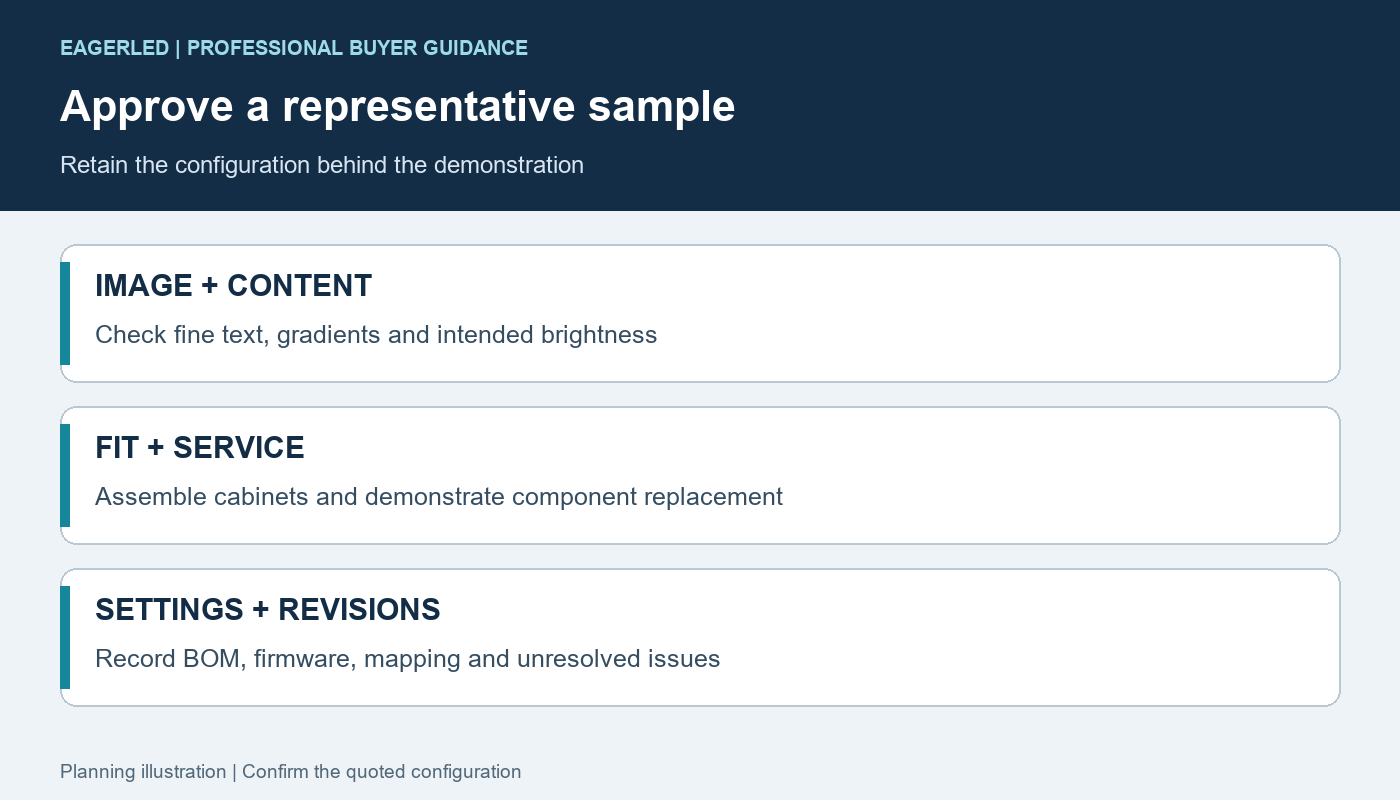
A sample is valuable when it represents the LED screens that will enter production. Specify the module construction, electronics, cabinet design and intended operating settings. Ask which aspects a small sample can demonstrate and which require a larger test assembly.
01. Test the Actual Content and Service Procedure
Use representative graphics, small text, gradients, dark scenes and moving content. Inspect the sample at the planned brightness, viewing distance and ambient light. A saturated demonstration video can hide limitations that appear immediately in a corporate presentation or low-brightness installation.
Test removal and replacement of the relevant modules and internal parts. Confirm the tools and clearances needed after mounting. For LED screens intended for rental inventory, assemble adjacent cabinets and inspect the alignment and handling features as well as the image.
If filming matters, use the intended camera settings and proposed processor. Display refresh rate and camera exposure interact; a brochure refresh number cannot guarantee clean footage. Brompton’s camera-timing explanation illustrates why the complete filming configuration needs testing.
02. Retain an Approved Configuration Record
Capture the sample identifiers, settings and observations in an approval record. List unresolved issues and their required corrections. The buyer and factory should understand whether approval authorizes production or only confirms a limited part of the design.
Freeze the layout and approved BOM before volume production of LED screens begins. Require written review of substitutions that affect optics, control compatibility or serviceability. Keep the accepted firmware and configuration information with the sample record so the delivered system can be checked against it.
6. Set Production Checks and Pre-Shipment Acceptance
Establish inspection requirements before the factory builds the LED screens. The plan should explain what is checked, who checks it, what records are kept and how unacceptable results are corrected. It should also distinguish visual acceptance from mechanical and control-system acceptance.
For image tests, agree the brightness and patterns, viewing conditions and defect criteria. For cabinet fit, define the test arrangement and accepted tolerances. For controller operation, verify mapping, restart behavior and the recovery functions specifically included in the purchase.
| Checkpoint | Evidence to request | Decision before proceeding |
|---|---|---|
| Engineering release | Approved layout, BOM and unresolved-question list | Configuration is ready for production |
| Production testing | Functional records, conditions, failures and retest results | Nonconforming equipment has been corrected |
| Final assembly | Agreed test wall, image observations and mechanical checks | System meets documented acceptance criteria |
| Inventory verification | Cabinet IDs, accessory quantities and compatible spare list | Shipment matches the approved package |
| Packing release | Package labels, packing list and handling instructions | Equipment and documents are ready for transport |
Ask what an aging or burn-in test is intended to reveal, and request its actual operating conditions and results. Test duration alone cannot establish a screen’s service life. A test wall that remains lit for a period may still require checks of uniformity, alignment, configuration and spare inventory.
EagerLED describes its process on the quality-control page. Use that description to ask better questions about the selected LED screens. Confirm which stages apply to your order and which inspection records will be delivered; do not assign unverified failure-rate or lifespan claims to the process.
Resolve acceptance disagreements before shipment. Keep the correction, retest and approval records together. If inspection is performed remotely or by a third party, give the inspector the approved documents and test instructions so the result assesses the purchase rather than a generic definition of a good display.
7. Plan Packing, Freight and Destination Readiness
LED screens need a packing plan suited to their handling risks and destination workflow. Cabinets may be transported in reusable cases or other specified protective packaging. Identify how modules, processors, cables and spare parts will be restrained, labeled and counted.
Ask for package dimensions, gross weights, lifting information and access requirements before booking transport. Check whether the delivery vehicle, loading route and receiving area can accommodate the packages. A compact cabinet system can still arrive in cases that require different handling equipment from the screen itself.
Agree the transport responsibilities in writing. If an Incoterms rule is used, identify the exact rule, edition and named place in the commercial documents. Have your logistics partner explain the resulting transport and destination responsibilities for this shipment rather than assuming that an abbreviation means every charge is included.
Ask your logistics or compliance specialist to confirm the documents required for the destination before shipment. Reconcile the commercial invoice, packing list and applicable product documentation against the actual models and quantities. Have the responsible specialist verify classification and charges for this order; a certificate for a different model does not establish compliance for the delivered equipment.
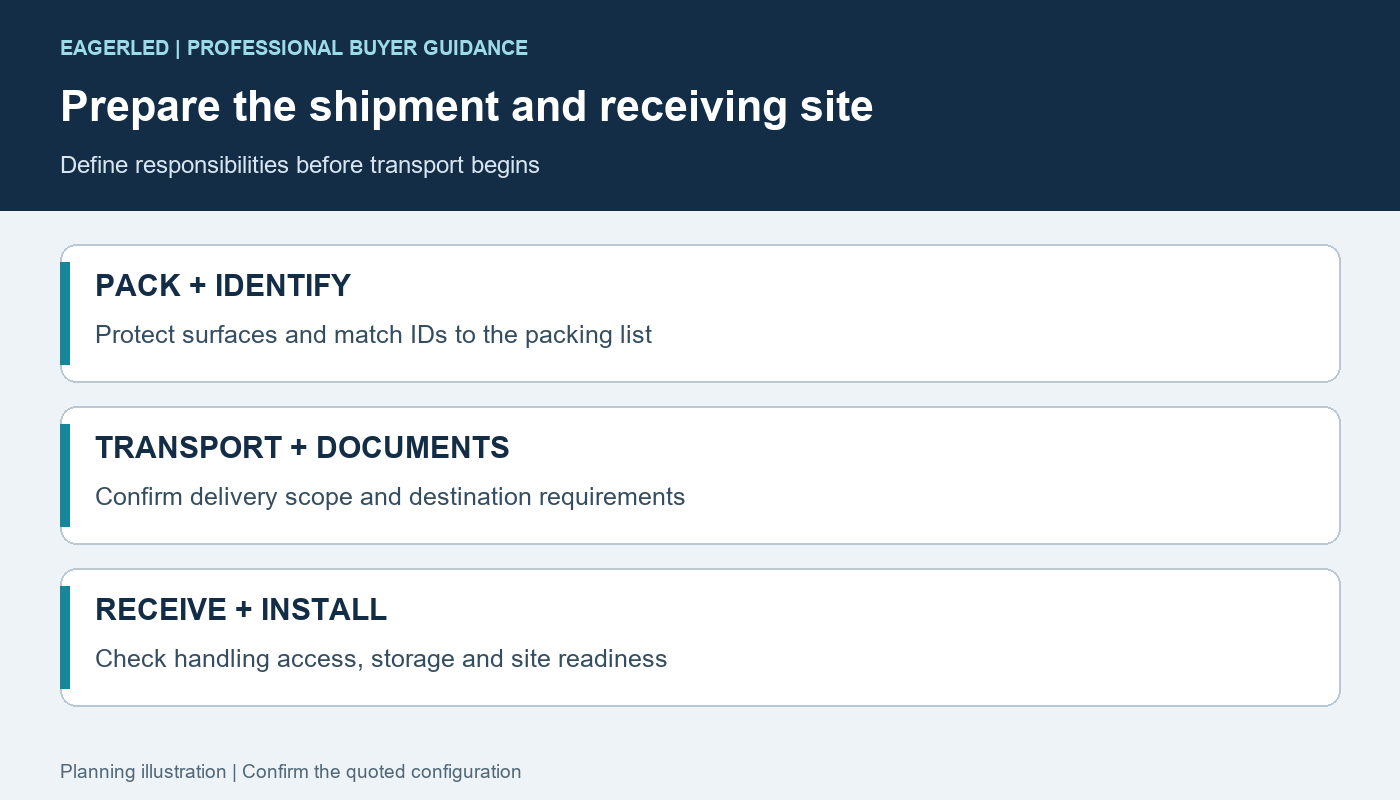
Make site readiness a separate milestone. Confirm the structure, power, signal routes and service space before equipment arrives. Sequence delivery around safe storage and installation capacity. If the venue is incomplete, your team needs a defined storage plan for the LED screens and the associated control hardware.
On arrival, reconcile package labels and visible condition with the packing records. Follow the agreed reporting process for discrepancies and preserve relevant photographs and labels. Avoid distributing components across several installation areas before completing the inventory check; missing items become harder to trace afterward.
8. Prepare Installation, Spare Parts and Service Handover
A useful handover makes the LED screens maintainable by the people who will operate them. Confirm that the delivery includes the cabinet layout, connection drawings, control configuration, firmware records, manuals and agreed calibration information. Store validated copies where the operator and integrator can recover them.
Spare parts should be identified by compatibility, not only quantity. Ask the factory to explain which module revision, power supply, receiving card or other service item fits each configuration. A physically similar component is not automatically electrically or optically interchangeable.
The EagerLED specification downloads provide model information, but the approved purchase package must document the delivered version. If the operator later orders replacements, it should be able to reference the order, cabinet identifiers and configuration without reconstructing them from old sales messages.
Obtain written warranty terms: coverage period, exclusions, claim evidence, repair or replacement process, and responsibility for labor and freight. Agree remote commissioning tasks, connection requirements, language, working hours and session arrangements. Define which local technician will handle the equipment and which supplier contact will assist with configuration. Remote guidance does not take ownership of site electrical or structural work.
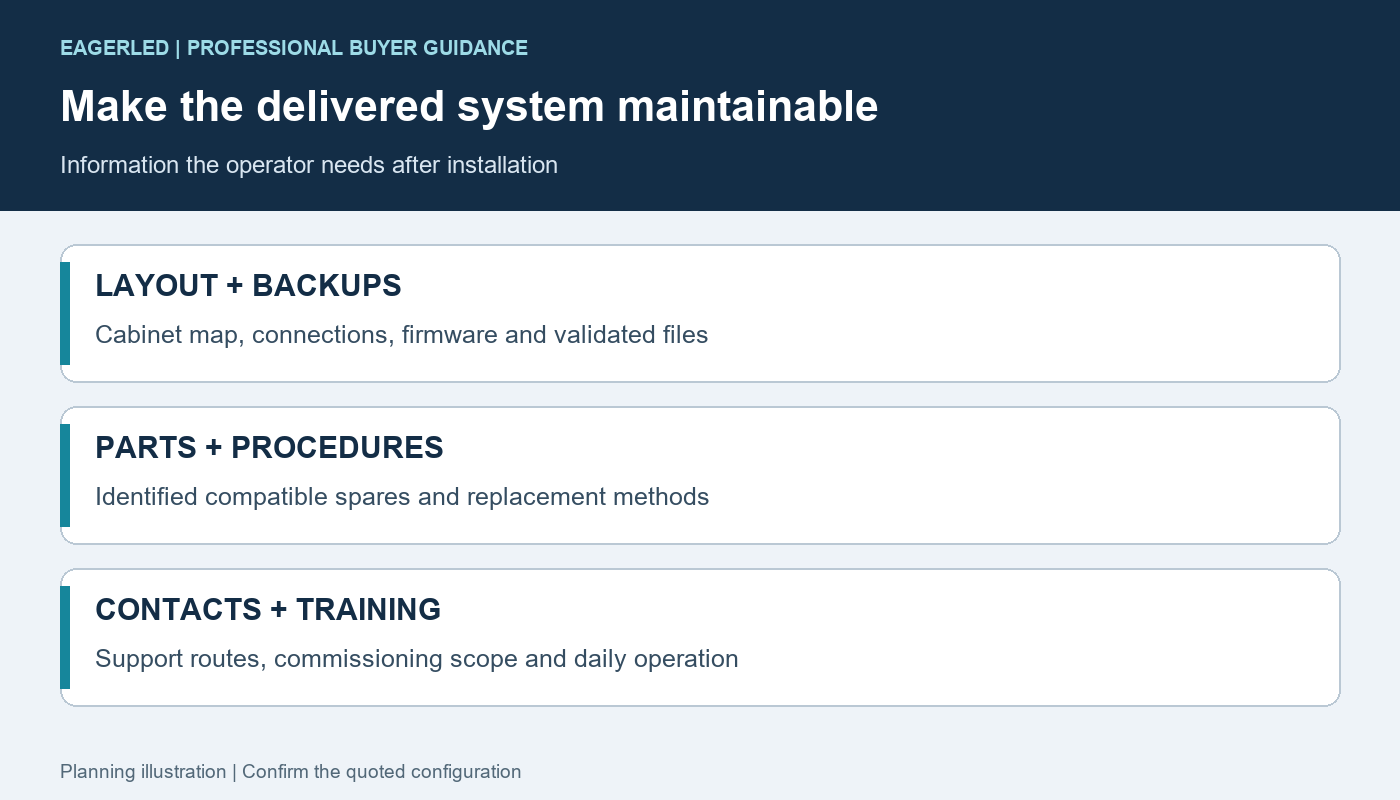
Before client acceptance, demonstrate the agreed daily operating and recovery procedures. Check input switching, intended content playback and the service workflow. Record responsibility for future configuration changes so a routine content update does not overwrite the validated system setup.
To request LED screens from EagerLED, send the RFQ and drawings through the project contact page. Ask for an itemized configuration, acceptance plan and handover scope. The purpose of a factory-direct inquiry is to reach an approvable purchase package, not merely collect a headline screen price.
9. FAQ
01. Can I purchase a trial cabinet instead of a complete wall?
Ask which sample options are available for the selected configuration and how they are priced. A trial cabinet can help evaluate handling, service and image behavior, but it cannot prove a complete wall’s seams or final control loading. Record what the trial does and does not approve.
02. Can the factory put my distributor branding on LED screens?
Define the requested labels, packaging and documentation changes. Ask whether they affect model identification, lead time or support records. Keep a reliable cross-reference to the underlying cabinet and module versions so private labeling does not make compatible replacements difficult to identify.
03. Can I expand an imported wall in a later order?
Discuss expansion before ordering LED screens. Future LED bins, module revisions or cabinet hardware may differ. Request a compatibility and color-matching plan; a shared product name is insufficient. Reserving suitable modules or cabinets with the original purchase may be worth considering for a planned expansion.
04. What if the factory proposes a different processor?
Ask it to explain the change against your required inputs, canvas, distribution and recovery functions. Have the integration team approve the revised system before production. Accepting a familiar control brand is not equivalent to confirming that the specific processor supports the entire proposed setup.
05. Can an independent inspector attend before shipment?
Discuss attendance, scheduling, access and test scope with the supplier before production. Give the inspector the approved layout, BOM and acceptance instructions. The inspection report should document the actual checks and limitations rather than simply state that the LED screens appeared functional.
06. How should split deliveries be identified?
Request a shipment-specific packing list and clear mapping of cabinet IDs, spares and control equipment to each delivery. Confirm what can be commissioned independently. Do not assume that the first shipment of LED screens includes every accessory or configuration file needed to operate a partial wall.
07. Can I reuse flight cases from an existing rental inventory?
Provide the internal dimensions, supports, closures and handling arrangement for assessment. External cabinet dimensions alone do not establish a safe fit. Confirm protection for the module face, connectors and locks, and test the actual packing arrangement before transporting new cabinets in old cases.
08. Is factory-direct purchasing suitable for a first-time buyer?
It can be, when the buyer has qualified integration and logistics support and understands the factory’s scope. If those functions are absent, include suitable local partners in the purchase plan. The readiness of your team matters as much as the supplier’s ability to manufacture LED screens.
10. Conclusion
To buy LED screens directly from a Chinese factory, make the transaction specific: define the RFQ, reconcile the parties and responsibilities, compare complete quotations and approve a representative configuration. Establish acceptance evidence before production and retain the records that connect testing to shipment.
A successful order delivers LED screens together with the compatible parts, files and support arrangements your team needs. EagerLED can be evaluated through its published factory, quality-control and specification resources, then through the current project quotation. Release the order when the configuration and handover are clear enough to operate and service the system at its destination.
 Sphere LED Screen: Content Mapping & Handover Checks
 Rental LED Display Buying Guide: P2.6 vs P3.91 vs P4.81