
A rolling LED screen price is comparable only when the quotation covers the same display, movement system, support, controls, packing, and delivery responsibilities. A low panel price can leave a distributor responsible for the mechanism and equipment needed to make the product usable. Request an itemized proposal before comparing totals.
This guide is for equipment distributors comparing portable display proposals for resale or repeated deployment. It explains how to turn a product description into a purchase schedule, identify missing items, and agree on evidence before ordering. No current project quotation is available here, so the examples explain scope rather than inventing a market price.
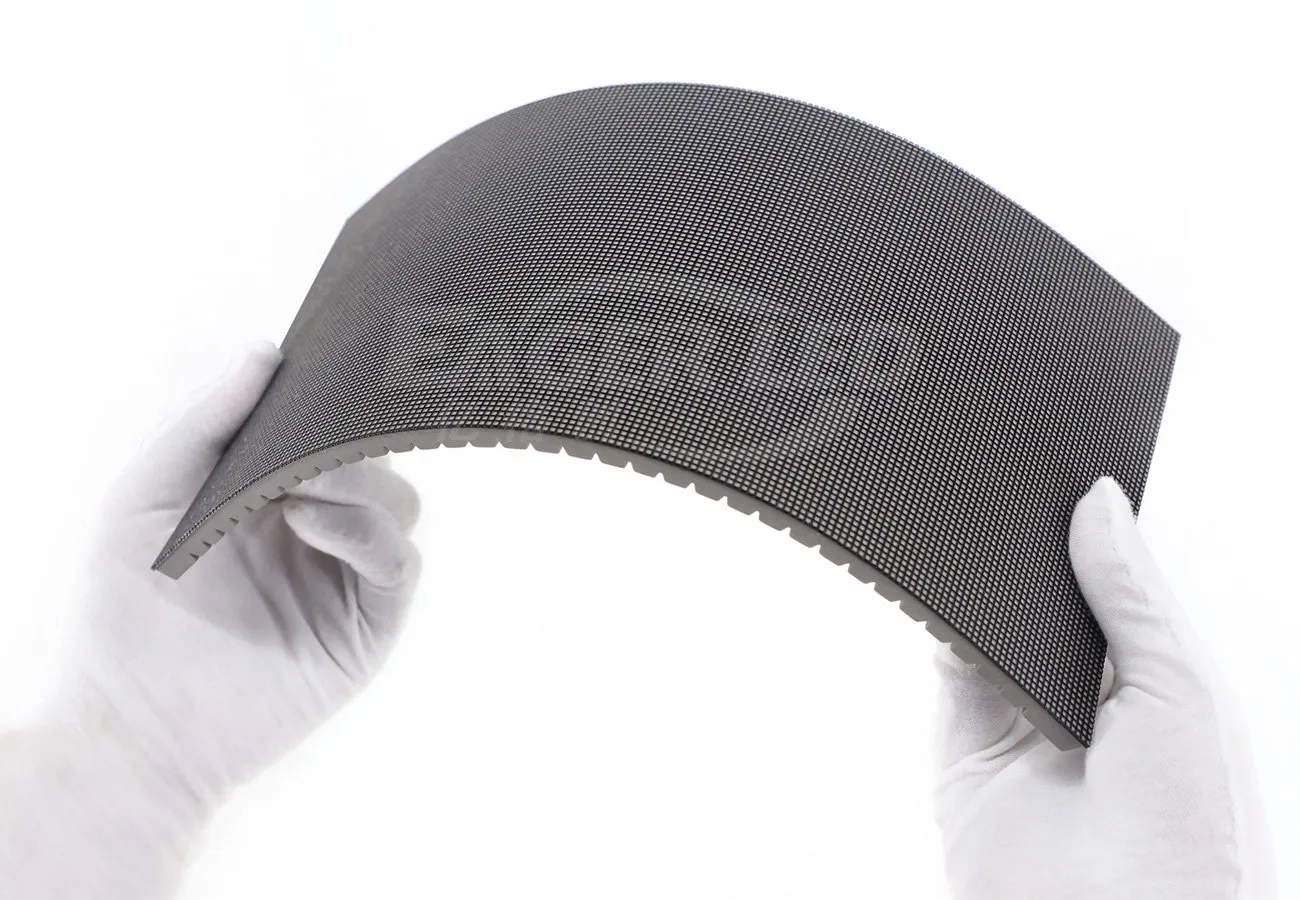
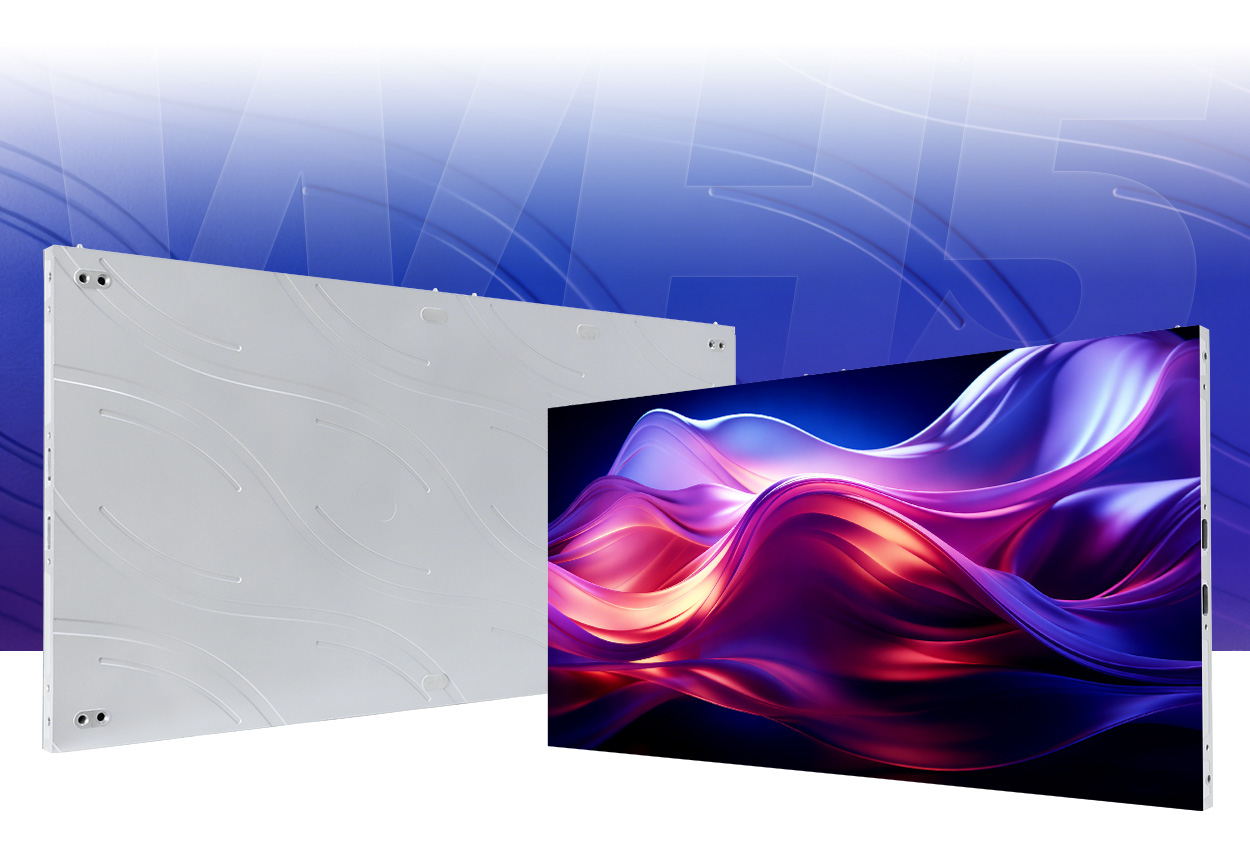
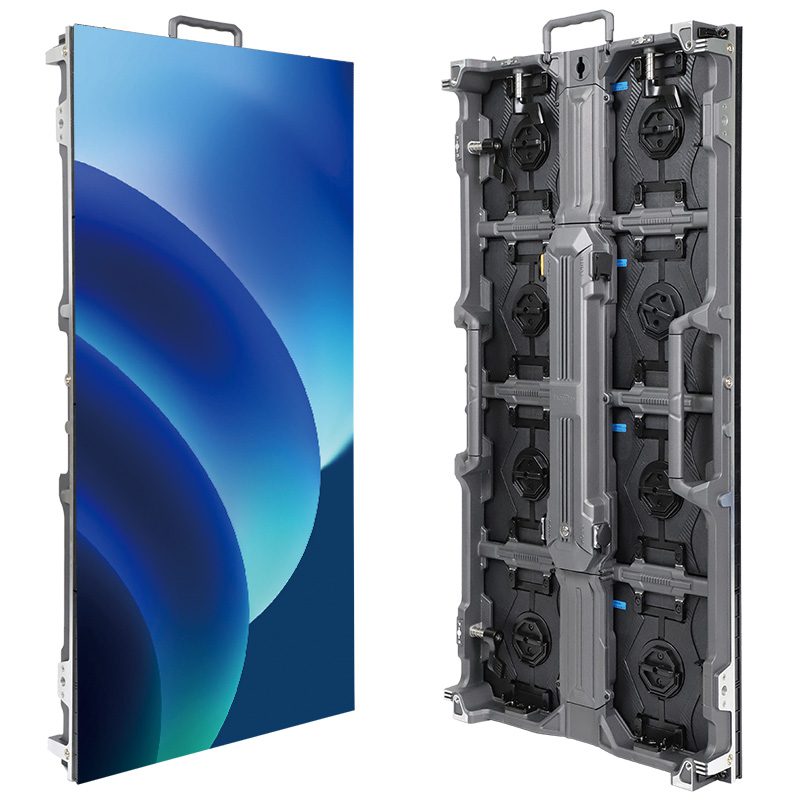
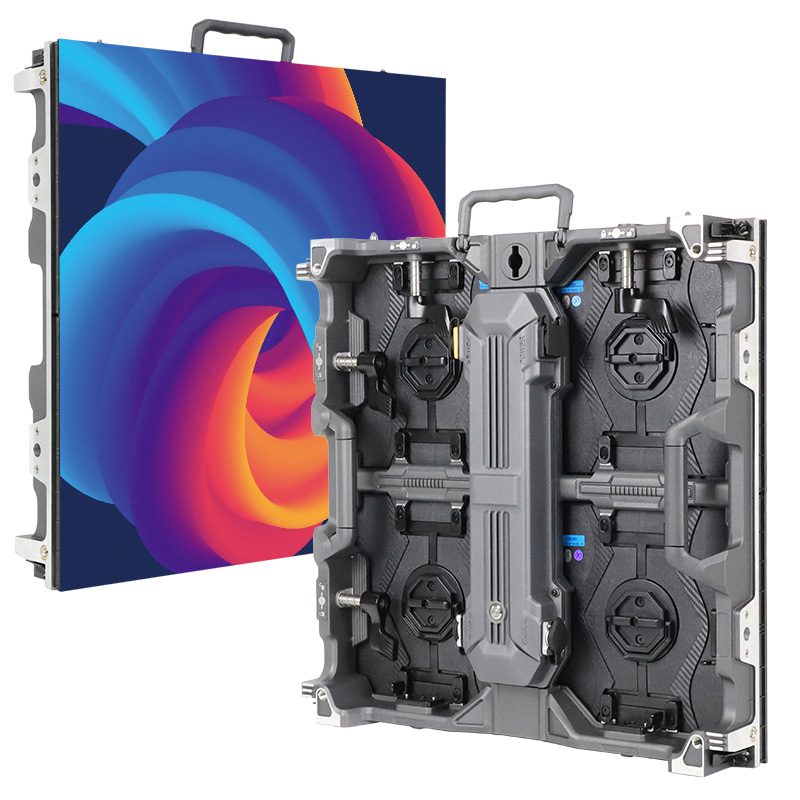
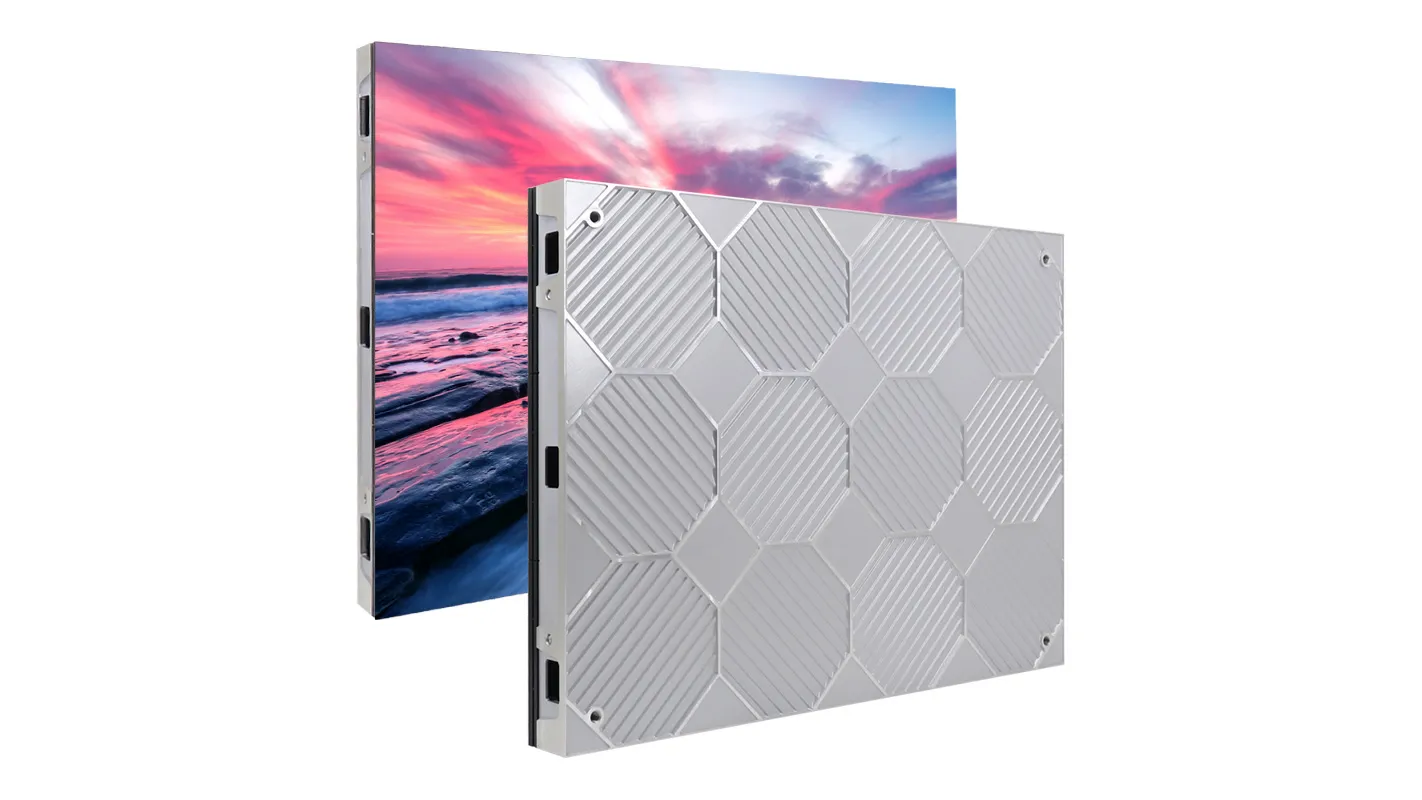
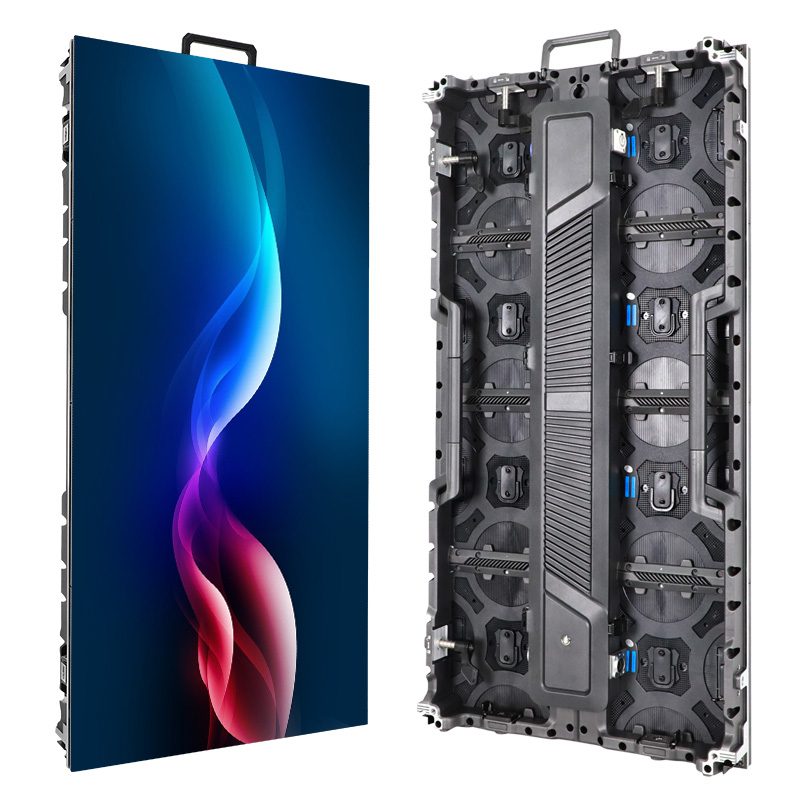
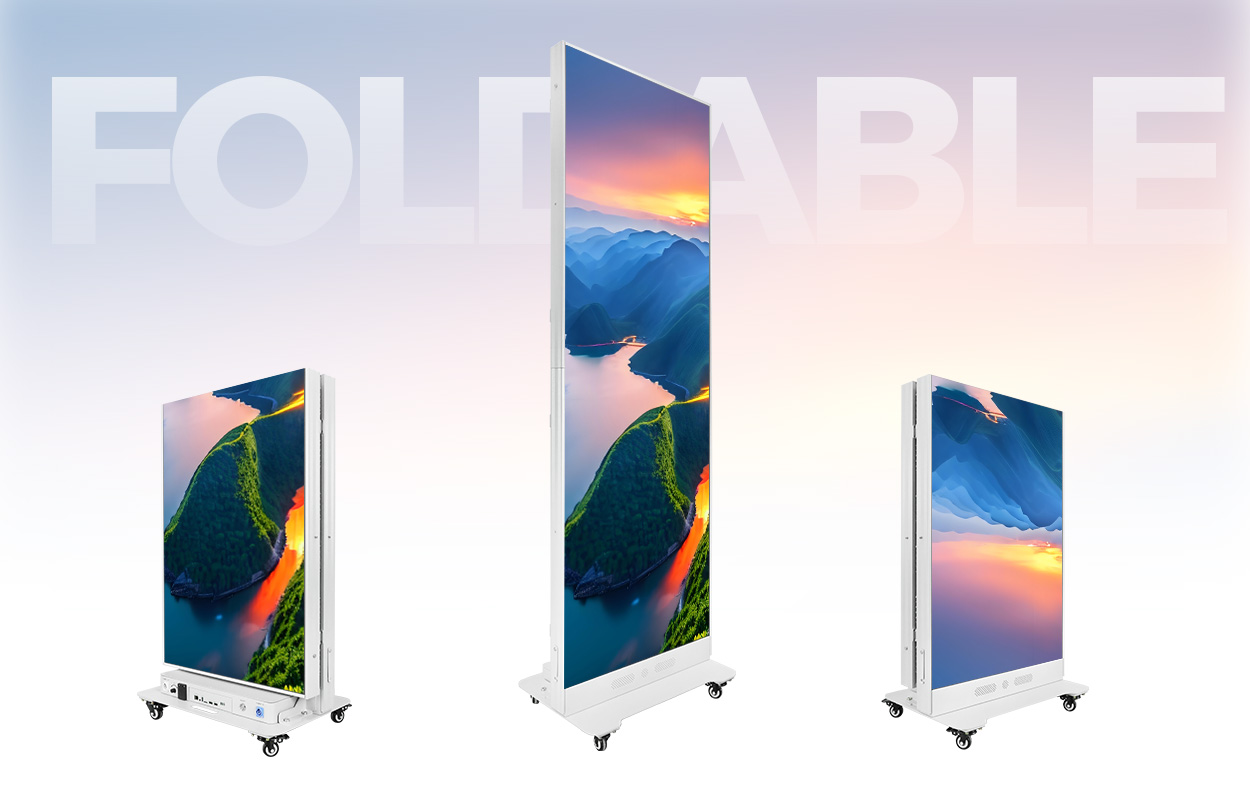
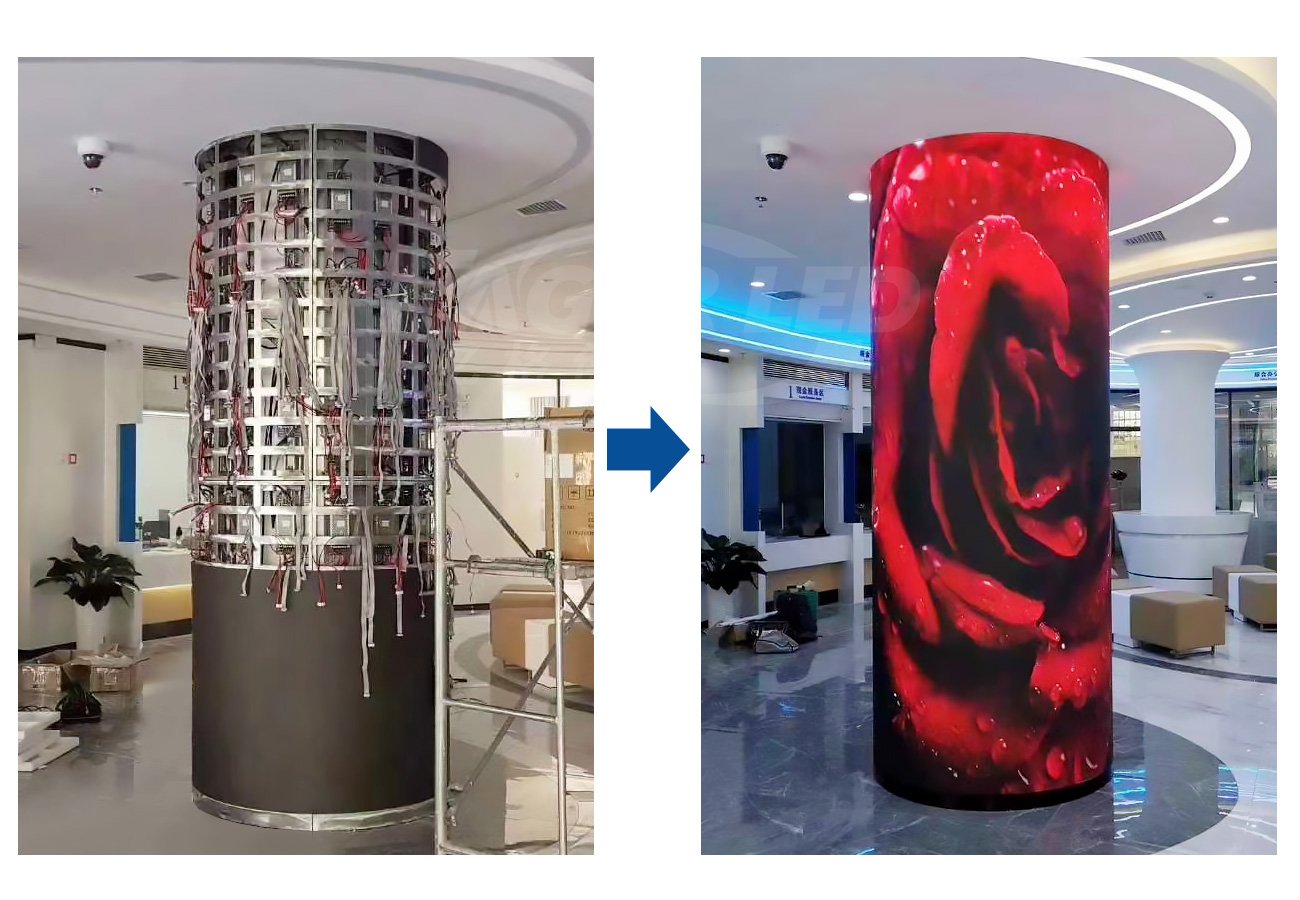
The product photographs show identified foldable-poster and fixed-flexible alternatives. They help explain differences in construction, interfaces, packing, and service. They do not demonstrate a retractable rolling mechanism or establish that those products can be wound repeatedly.
1. Confirm What the Proposed Screen Actually Does
01. Separate rolling, folding, and fixed flexibility
Start a rolling LED screen price comparison by naming the physical operation required. Does the display wind around a specified path, fold at engineered joints, or remain attached to a curved structure? These are different purchasing requirements. A wheeled base describes movement across the floor; it does not prove that the image surface rolls.
Ask each bidder to identify the exact model, display technology, deployed dimensions, packed dimensions, and approved operating sequence. Request a drawing or demonstration showing how the surface moves and where the cables travel. The quotation should describe the offered assembly rather than relying on a category name used differently by different suppliers.
For example, EagerLED describes the EA1920iP5 as an indoor foldable poster display with front-service modules and a wheeled base. Those features make it a relevant portable alternative, but they do not establish roll-up capability. Review the poster display range when a hinged portable sign could satisfy the customer’s brief.
02. Record the job the customer is buying
Describe the content, nearest viewing position, operating location, deployment frequency, and available storage. Separate a temporary retail promotion from daily retraction in a permanent venue. If camera recording matters, identify the camera workflow for the sample test. These inputs let a supplier explain why its proposed format fits the job instead of quoting whichever portable product is available.
2. Build the Rolling LED Screen Price Schedule
Require a rolling LED screen price schedule that separates supplied equipment from services and optional items. Each row needs a quantity, model or description, inclusion status, and any dependency. “Complete set” is insufficient when the stand, processor, transport case, or commissioning work may be supplied by another party.
The following schedule identifies different cost boundaries. It is a request template, not a statement that every product contains every component. If a mechanism is manual, the motor row should say “not applicable,” with the actual operating method stated. If a controller is integrated, identify it within the package instead of pricing it again.
| Schedule item | Define the inclusion | Evidence or clarification |
|---|---|---|
| Display assembly | Active area, pitch, native pixels, surface construction | Model-specific specification and pixel map |
| Movement system | Roller, guides, drive or manual handling arrangement | Approved sequence, movement limits, component list |
| Support | Base, frame, restraint parts, mounting interfaces | Configuration drawing and installation responsibilities |
| Control and power | Processor, player, power equipment, interconnects | System diagram, supplied cables, supported functions |
| Packing | Cases, internal protection, accessory compartments | Packed dimensions, gross weights, packing photographs |
| Service stock | Compatible modules, cables, mechanical wear parts | Part numbers, quantities, replacement procedures |
| Delivery services | Configuration, training, freight and commissioning | Named locations, responsibilities, exclusions |
Ask the supplier to mark every row included, separately priced, excluded, or not applicable. This prevents a blank cell from becoming an assumption. Keep optional upgrades outside the required base package so the decision-maker can see which costs are necessary and which depend on a preference.
For a distributor, a rolling LED screen price should also identify what can be repeated on subsequent orders. Record the configuration revision and substitution policy. A different receiving card, surface assembly, connector, or drive component may change compatibility with stock already held for customers. Require approval before a substitution becomes part of a repeat shipment.
Include supplied documentation and labeling in the order scope. A distributor may need customer-facing operating instructions, equipment identification, and a packing list that can be checked on receipt. Ask which languages and document formats are available, whether printing is included, and how revisions are communicated. These are concrete handover items rather than an undefined promise of assistance.
3. Price the Mechanism and Support Together
01. Resolve the frame exclusion
When one rolling LED screen price includes a support frame and another does not, request an added price for the missing approved support package. Compare both proposals at the same usable handover condition. Do not substitute an estimated local frame cost unless the supplier has provided the necessary interface information and the responsible project professionals have assessed it.
The moving surface, housing, support, and connections must work as an agreed assembly. Request the permitted bending direction, minimum radius where relevant, movement clearances, and approved mounting arrangement. For powered movement, ask how travel stops, operator controls, obstruction handling, and recovery after power interruption are addressed in the offered design. Treat missing documentation as an unresolved requirement.
02. Keep fixed curved installations separate
A fixed flexible screen needs a structure suited to its final shape. That is a different scope from a surface that repeatedly retracts. The flexible display planning page provides a useful starting point for that alternative. A rolling LED screen price cannot be justified simply by comparing its display area with the area of bare flexible modules.
For a portable system, ask who verifies the operating surface, stability requirements, audience separation, cable protection, and site restrictions. Obtain the required operating envelope, including space needed during deployment and maintenance. A compact stored package may need substantially more space while opening; confirm dimensions rather than assuming the packed footprint is the working footprint.
4. Check Controls, Power, and Content Costs
A rolling LED screen price should name the equipment that receives content, maps pixels, and drives the display. Identify whether the package includes a player, external processor, receiving electronics, configuration files, and the cables required between supplied items. A connector photograph does not establish the software functions or complete signal capacity.
Define the actual task: local playlist playback, live laptop input, remote content updates, or synchronized operation with other displays. Ask which functions are supported in the quoted configuration and which require licenses, subscriptions, network services, or additional hardware. Separate initial setup from ongoing account administration and content production.
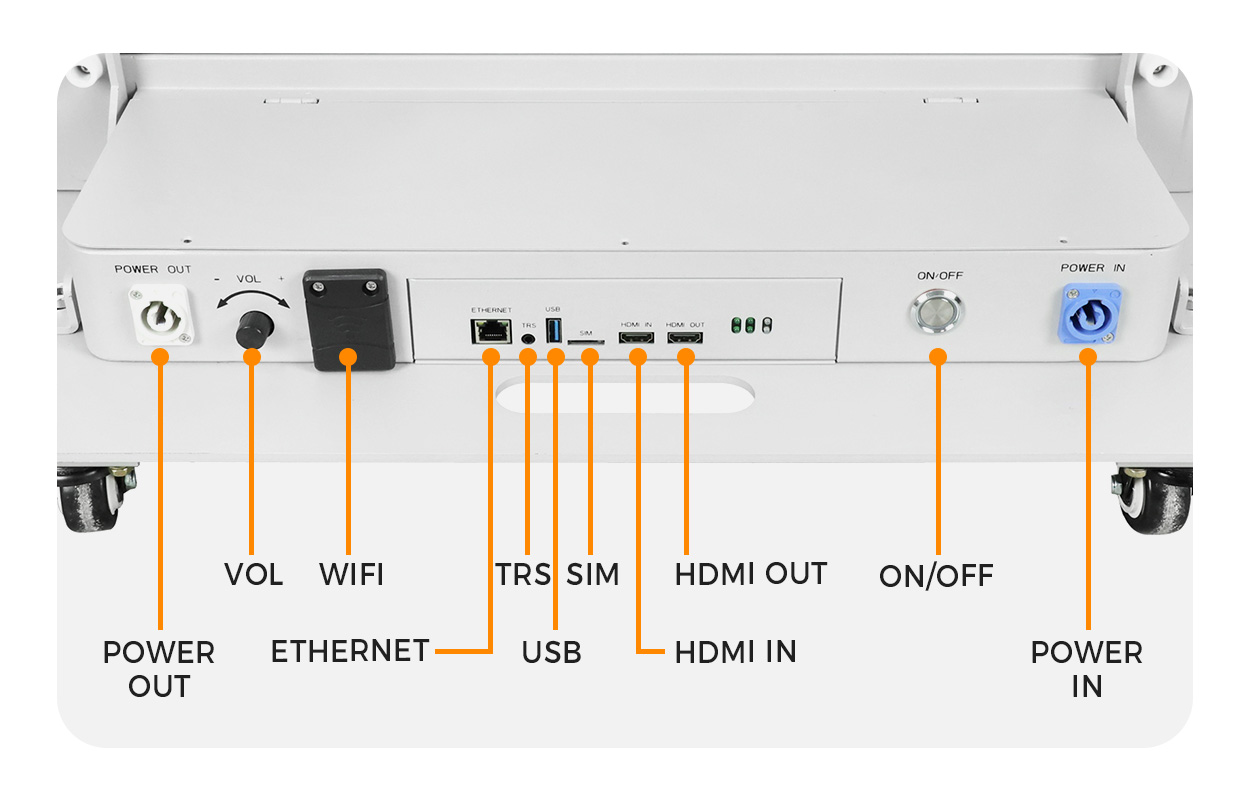
For a rolling LED screen price comparison, specify the same display dimensions, native pixel requirement, representative content, and intended brightness conditions. Accepting a high-resolution input does not prove the screen contains that many pixels. Ask for a native pixel map and demonstrate the smallest customer text through the proposed playback chain.
Request power-input requirements, maximum demand, operating-consumption assumptions, and ventilation instructions for the exact configuration. Have the local electrical design checked by qualified personnel. Avoid comparing an average consumption figure with another supplier’s maximum rating. Neither a low energy estimate nor a connector shape independently proves compatibility with the destination installation.
5. Compare Packed Delivery and Transport
Assess a rolling LED screen price against the complete shipment rather than the display surface alone. Request case counts, outside dimensions, gross weights, accessory locations, and the approved loading method. Confirm which parts travel assembled and which require separate packing. The transport housing may determine vehicle and storage needs even when the screen itself is thin.
Ask for photographs of the actual proposed packing arrangement with the accessories inside. Establish whether a case protects the display during the intended handling route, and confirm the required restraints and orientation. A protective box intended for factory dispatch is not automatically a reusable touring case with the same operating requirements.
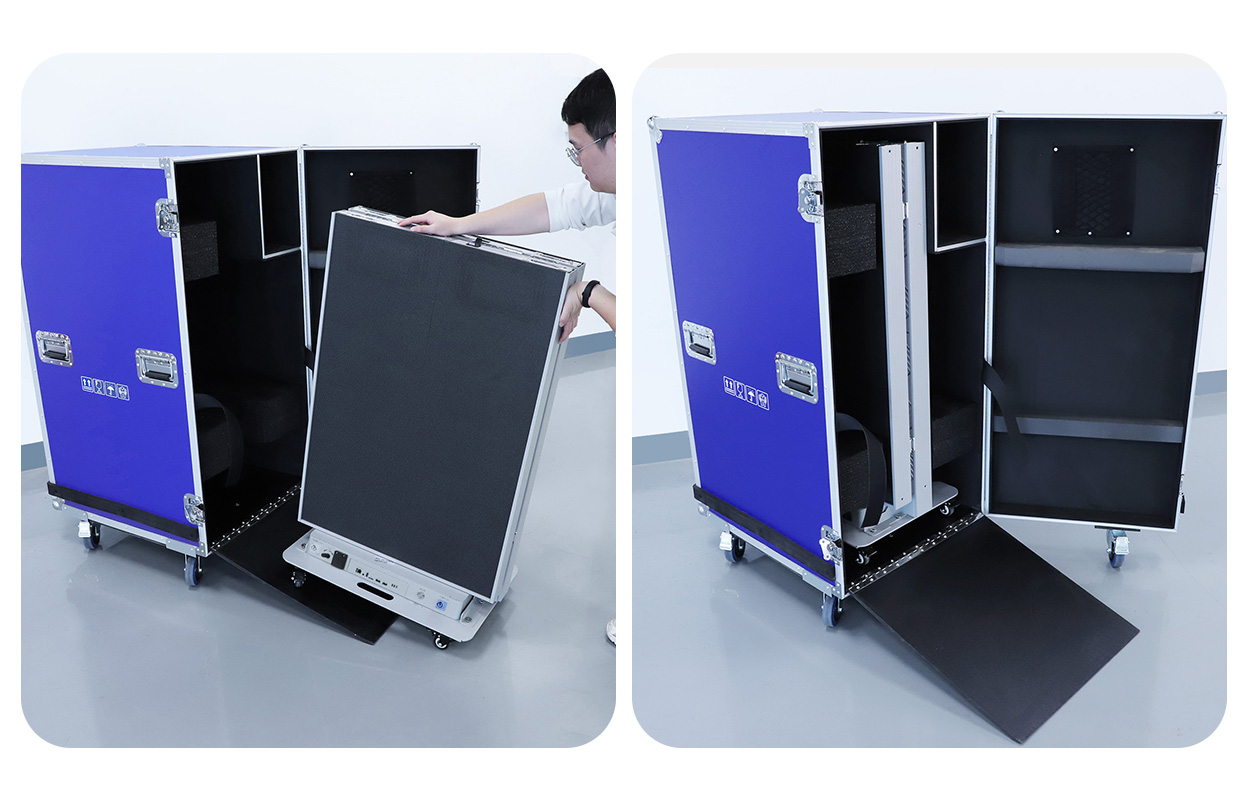
Keep freight, destination handling, taxes, and local installation responsibilities visible in the proposal. Compare quotations using the same delivery location and agreed trade terms. Ask the logistics provider how packed dimensions and gross weight affect the route; do not assume that a percentage reduction in panel volume produces the same percentage reduction in freight charges.
Distributors should also include return logistics in the service plan. Clarify whether a faulty assembly returns in its original case, who arranges collection, and what accessories must accompany it. Keep serial numbers and packing records together so a later service shipment can be matched to the delivered configuration without relying on memory.
Review the final delivery route with the customer before approving case dimensions. Loading docks, elevators, door openings, and storage access can affect whether an otherwise portable package is practical. Record who checks those dimensions and who supplies any handling equipment. Treat a route restriction as a design input before shipment, because repacking at the destination can introduce additional work and responsibility.
6. Normalize Proposals Before Comparing Totals
Normalize each rolling LED screen price by adding missing required scope and removing duplicated inclusions. Keep the supplier’s original offer intact, then create a separate comparison column for adjustments supported by a written quotation. An unpriced required item remains an open cost; it should not be entered as zero.
Consider a hypothetical comparison with two proposals that meet the same image requirements. Offer A includes the display and controls but excludes the support and case. Offer B includes all four. Their headline totals do not describe the same deliverable. The table shows how to close that gap without inventing a price for the missing equipment.
| Comparison line | Offer A | Offer B | Buyer action |
|---|---|---|---|
| Display and controls | Included | Included | Confirm equivalent specification and functions |
| Approved support | Excluded | Included | Request a written addition to A |
| Reusable case | Excluded | Included | Request matched packing scope and price |
| Training and configuration | Scope unclear | Remote session included | Agree the same deliverables and access conditions |
| Freight and destination costs | Not normalized | Not normalized | Use the same destination and delivery boundary |
| Comparable total | Pending additions | Pending delivery alignment | Compare only after required gaps are priced |
Keep currency, quotation validity, payment milestones, and configuration revision beside the comparison. If an exchange conversion is needed, state the rate and date used for budgeting. Do not treat that conversion as a guaranteed future settlement amount. Ask suppliers to identify which changes would require requoting, including quantity, specification, destination, or delivery schedule.
A rolling LED screen price decision should consider repeat-deployment costs separately from the initial purchase. Estimate handling, transport, storage, inspection, repair, and content work using your own operating schedule. Label assumptions and show uncertain items. A purchase becomes commercially attractive only under the actual utilization and support conditions; a claimed universal payback period cannot replace that calculation.
Distinguish a lower purchase total from lower commercial exposure. Review when money becomes due, which documents accompany each milestone, and what must happen before dispatch is approved. Match the payment schedule to the agreed order and inspection arrangements. Clarify the treatment of changes requested after configuration approval, including revised artwork, control functions, packing, and destination details.
For repeat stock orders, compare one-time work with recurring unit costs. Initial configuration, demonstration preparation, or custom packing development may be charged differently on later batches. Ask for that distinction explicitly without assuming a volume discount. Keep a dated record of the accepted configuration and commercial assumptions so a later quotation can be assessed against the same baseline.
7. Agree on Demonstrations and Support
01. Test the offered configuration
Before approving a rolling LED screen price, agree on a demonstration using the proposed assembly and representative content. Observe packing, deployment, image checks, and return to storage under the supplier’s procedure. Record the equipment identity and settings. A brief demonstration can reveal handling issues, but it does not independently prove a long service life.
Request any claimed cycling evidence with its conditions: movement range, operating load, inspection method, maintenance performed, and failure criteria. Ask how the tested assembly relates to the offered revision. A cycle count without those details gives the distributor little basis for explaining the claim to its own customers.
02. Put service responsibilities in writing
Require separate coverage descriptions for display electronics and moving components. Clarify diagnosis, replacement parts, return shipment, repair labor, on-site work, and exclusions. If the proposal promises technical support, ask what assistance it includes and how a case is opened. Do not assume remote guidance includes local labor or a replacement rental unit.
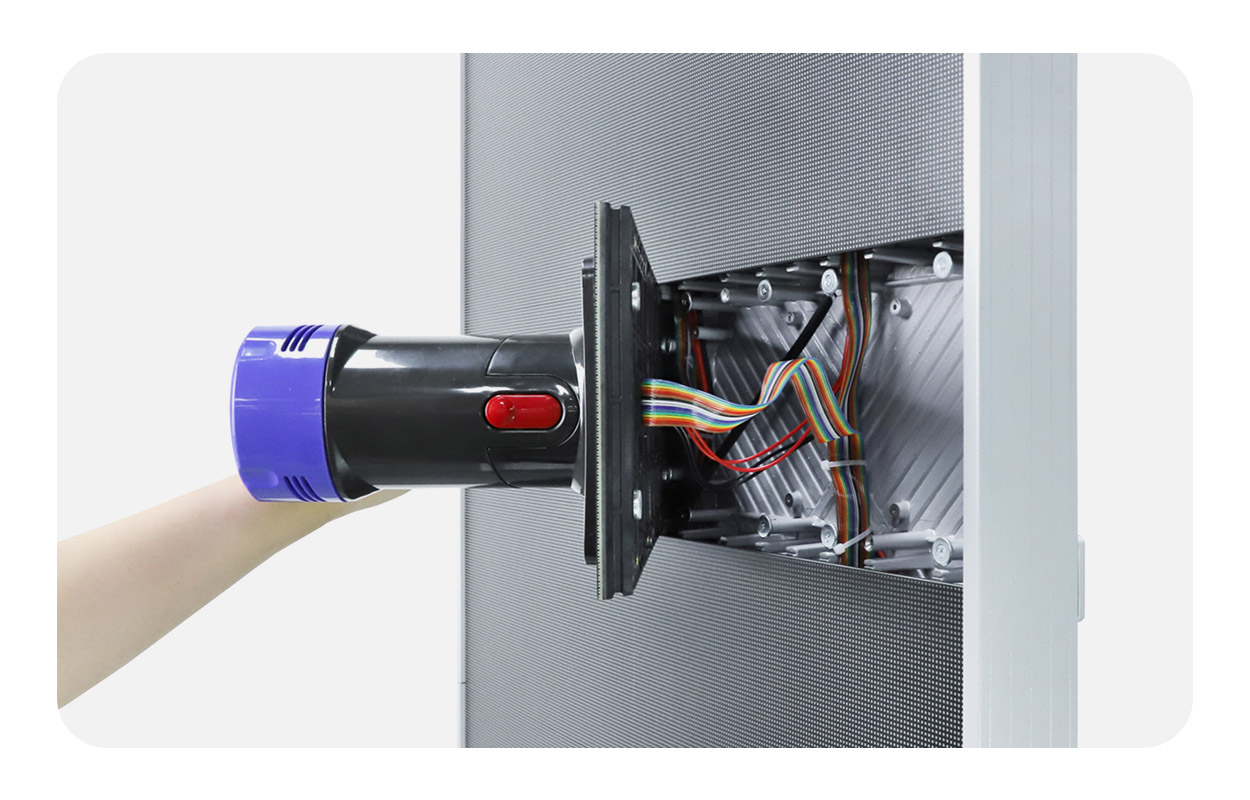
Retain the operating manual, configuration backups, wiring diagram, compatible spare-parts list, and agreed demonstration record. A rolling LED screen price that includes service stock should identify quantities and part numbers. Ask what happens when a later revision replaces an original part, and whether restoring the image requires supplier configuration or recalibration.
Agree how discrepancies are recorded at receipt. Keep photographs of packaging, identification labels, supplied accessories, and any observed damage, together with the shipment documents. Follow the supplier’s and carrier’s reporting procedures where applicable. Establishing this record is different from approving the equipment for customer operation; functional acceptance should still follow the agreed demonstration and installation conditions.
8. FAQs
Can I request a small evaluation order before committing to distribution stock?
Yes, ask the supplier to quote an evaluation configuration separately and identify how it matches the proposed production order. Agree which results will be assessed, who retains the equipment, and whether any evaluation charges affect a later order. Do not assume a sample discount or credit applies automatically.
Should spare mechanical parts match every display in my inventory?
Compatibility must be confirmed by model and revision. Similar-looking guides, connectors, or drive components may not be interchangeable. Keep the supplier’s approved parts schedule with each serial-number group and request written confirmation before consolidating spares across different purchases.
Who should own the cloud account used for customer content?
Agree account ownership, administrator access, license charges, and transfer arrangements before handover. A distributor managing several customer systems needs a clear separation of permissions. Ask how a customer can change service providers or recover access without losing its content and configuration.
Can I order a different size after approving the sample?
Request a revised specification and quotation. A size change can alter native pixels, support, movement geometry, control capacity, and packing. The original demonstration should not be treated as acceptance of a larger configuration unless the supplier explains which evidence remains applicable.
What should I do if a quoted required item remains unpriced?
Keep the comparison conditional and ask for a written price or an agreed alternative. An unresolved support, controller, case, or commissioning requirement prevents a reliable total. Identify the responsible party and needed decision date rather than assuming the cost will be absorbed later.
9. Conclusion
Send the required display dimensions, content examples, viewing conditions, deployment frequency, storage constraints, destination, and expected order quantity. State whether genuine repeated rolling is mandatory or whether a foldable alternative is acceptable. Attach the inclusion schedule and ask bidders to mark exclusions explicitly.
For a rolling LED screen price proposal, request the model-specific movement procedure, support drawing, packing data, demonstration plan, and written service terms alongside the equipment list. Send your portable display requirements to EagerLED to discuss the available configuration and obtain an itemized scope for comparison.
 LED Screen Supplier for AV Integrators: How to Qualify a Factory Partner