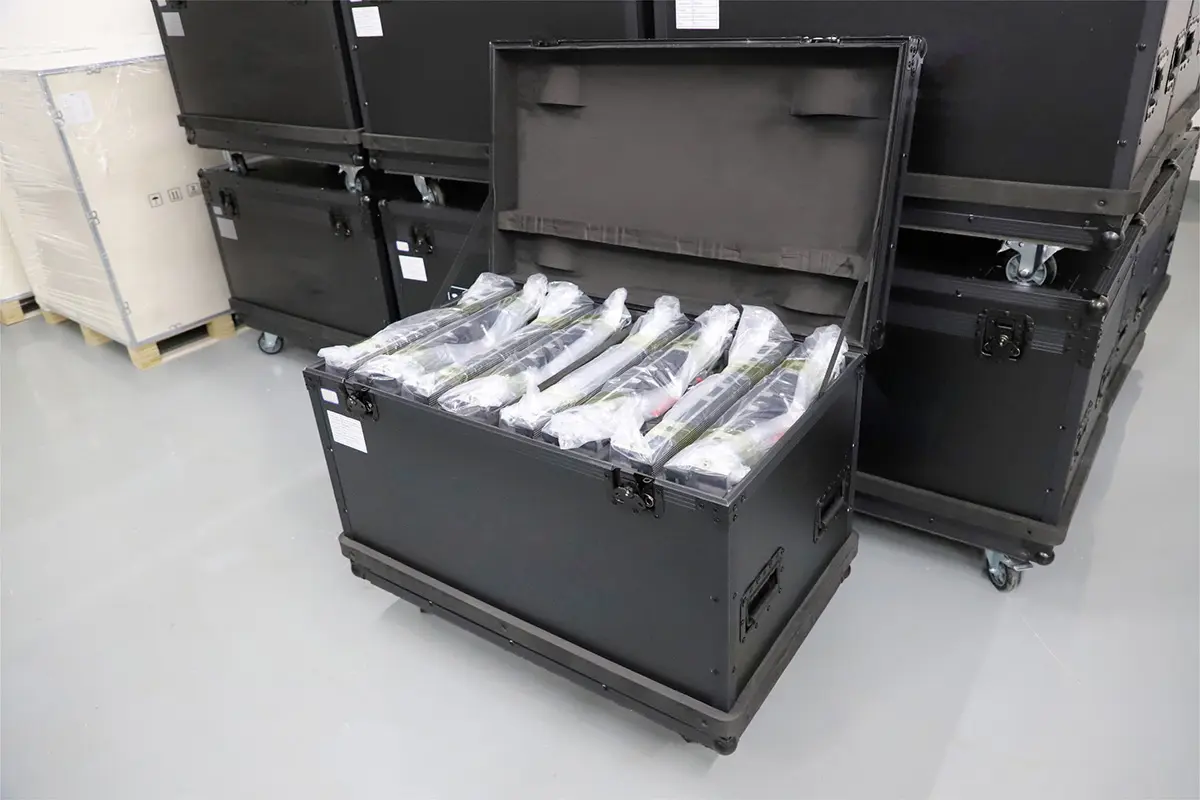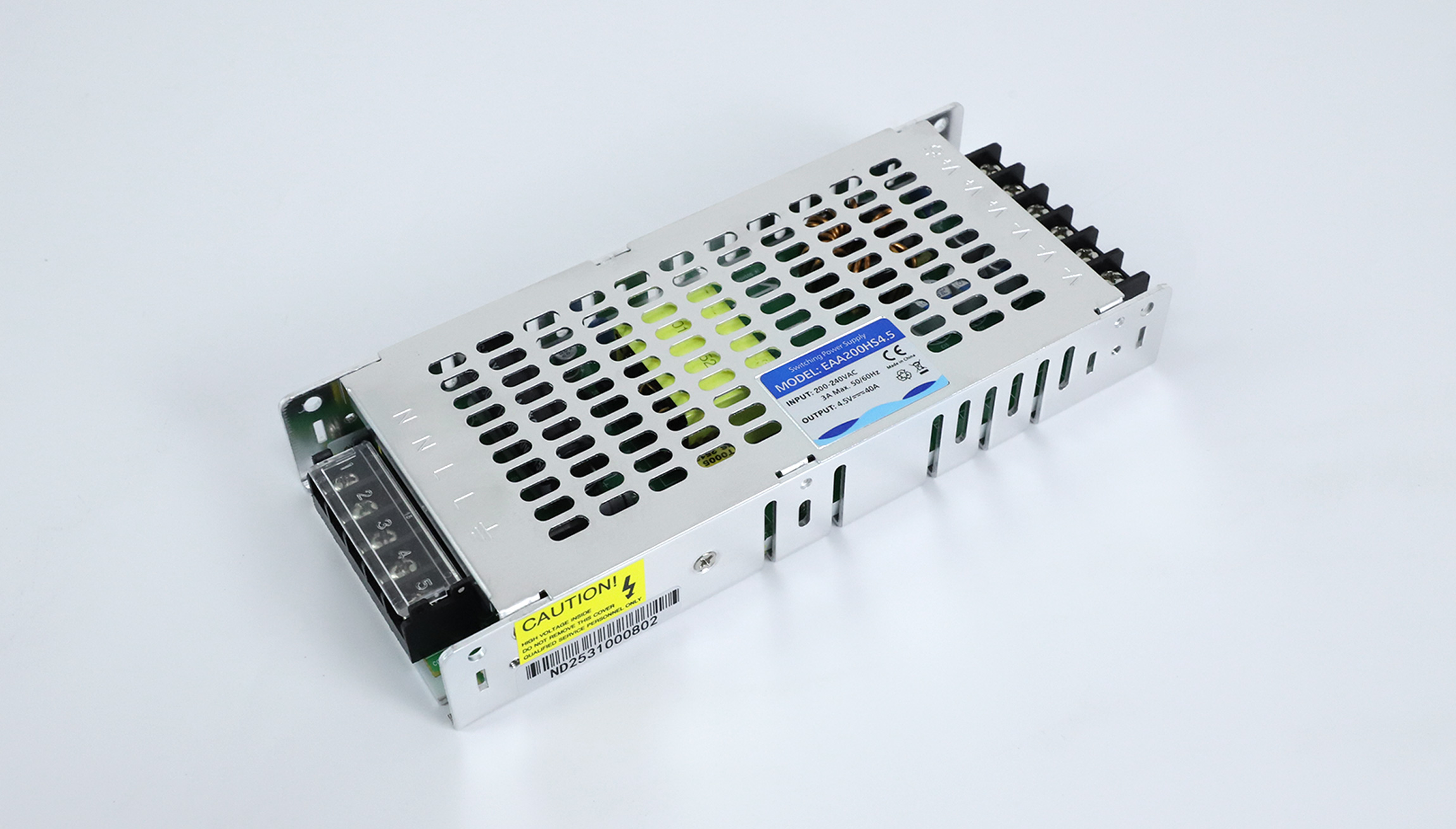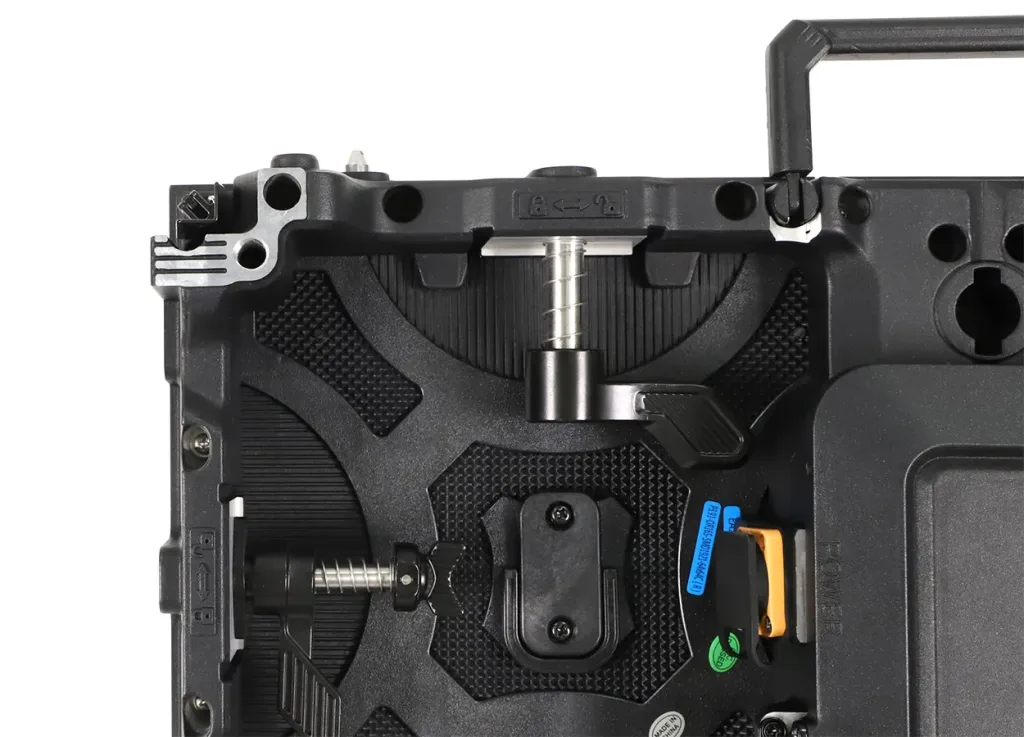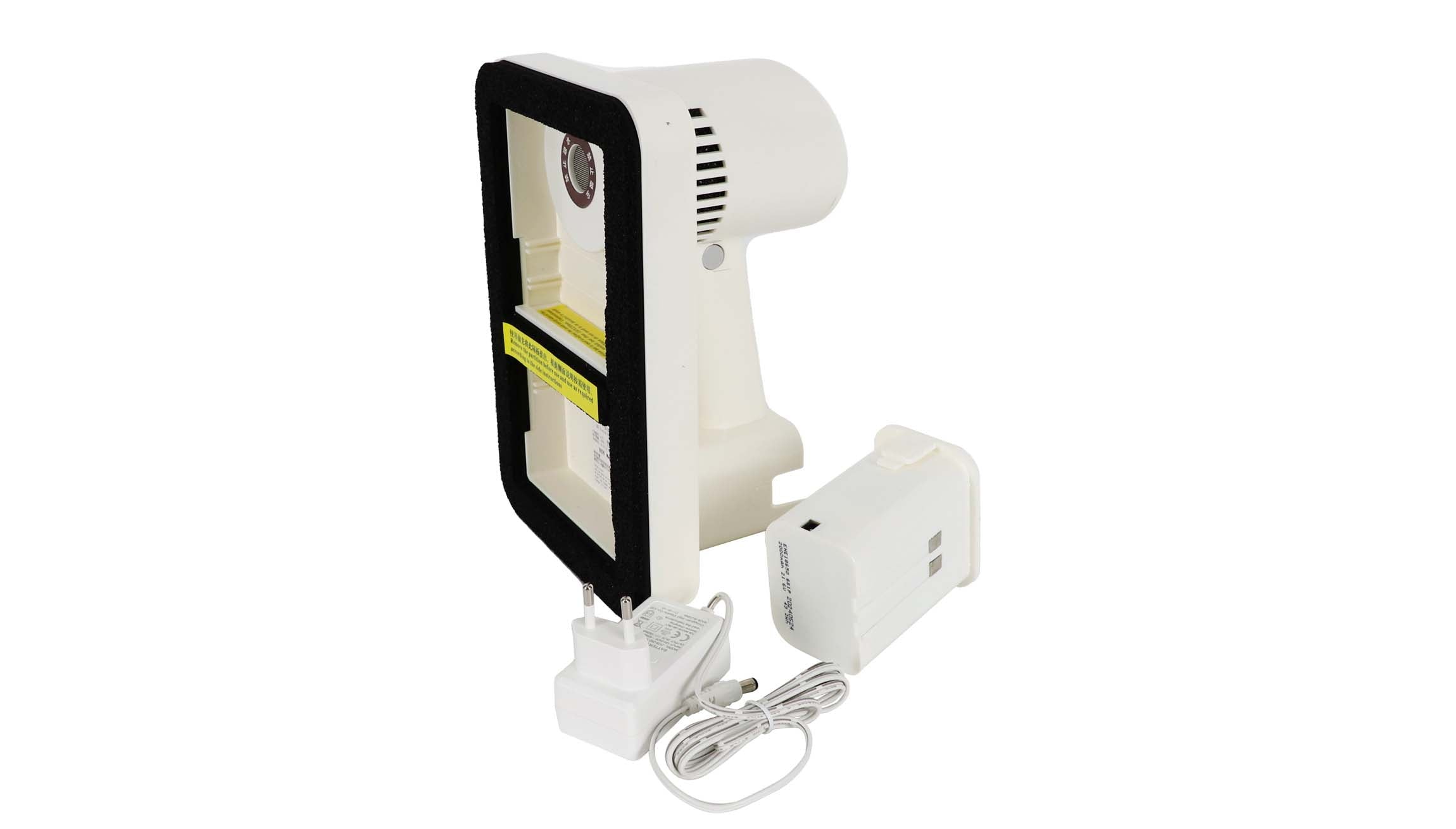

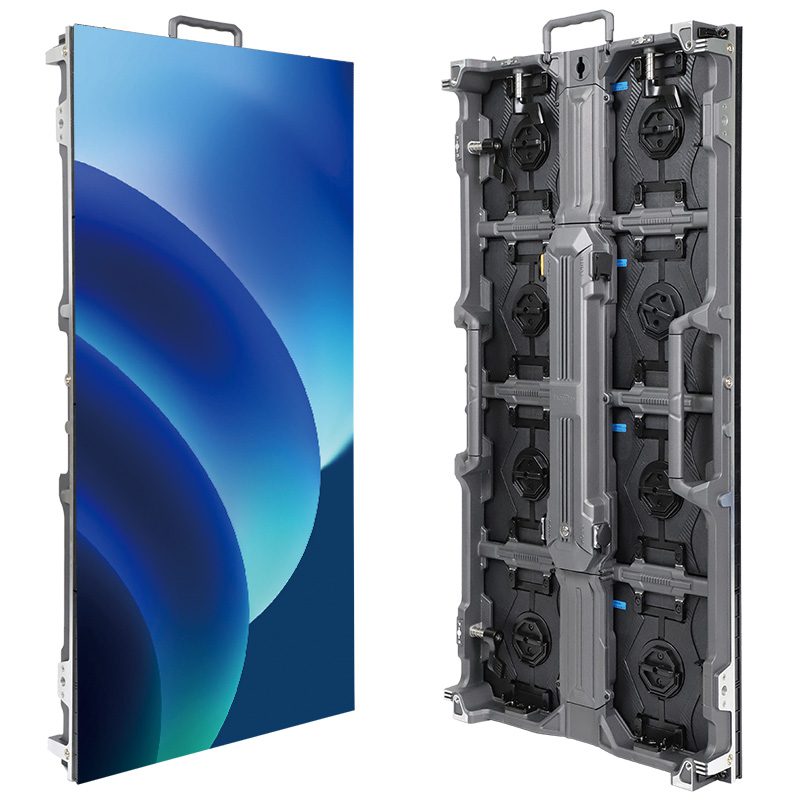
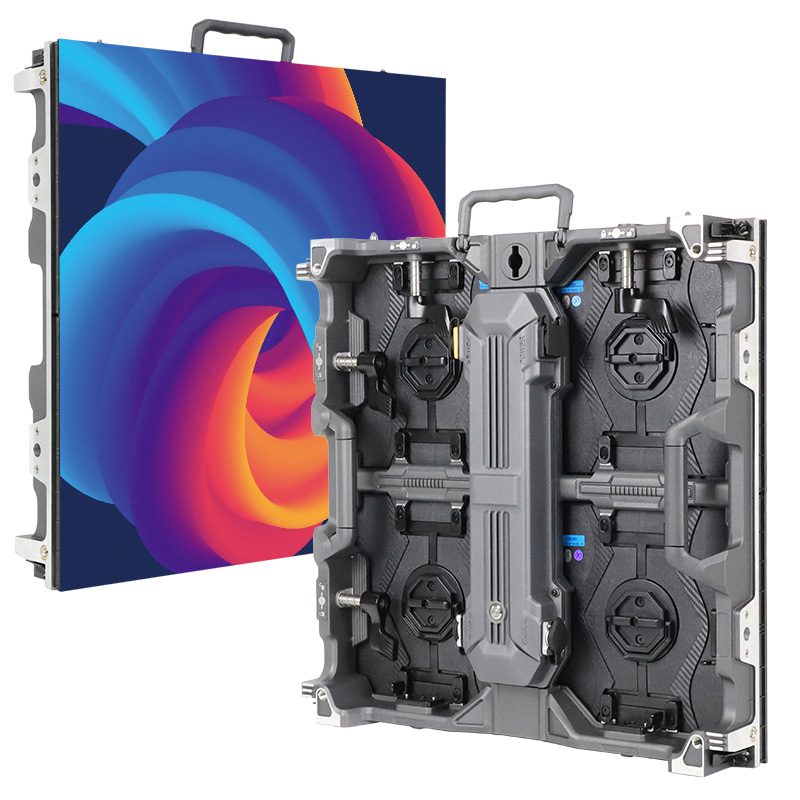
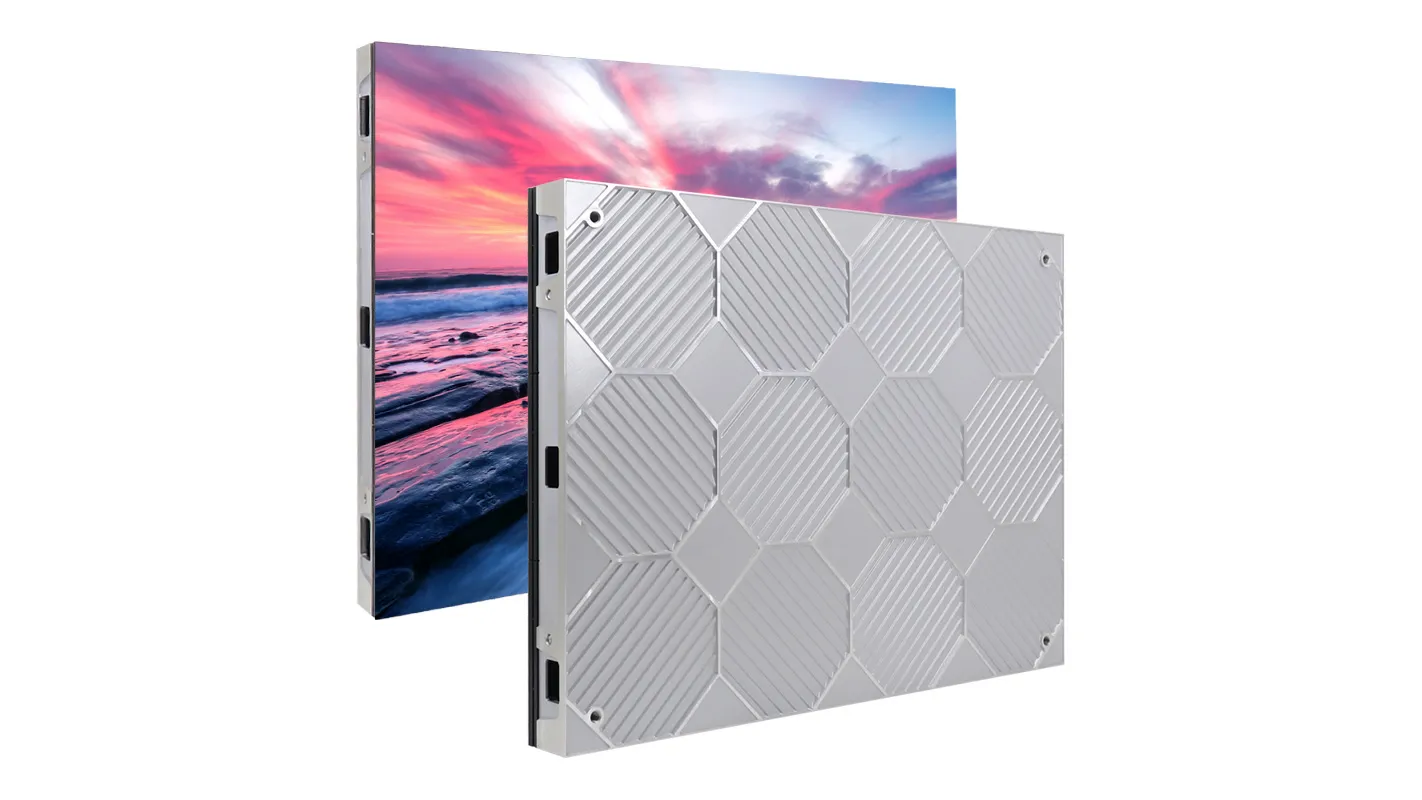
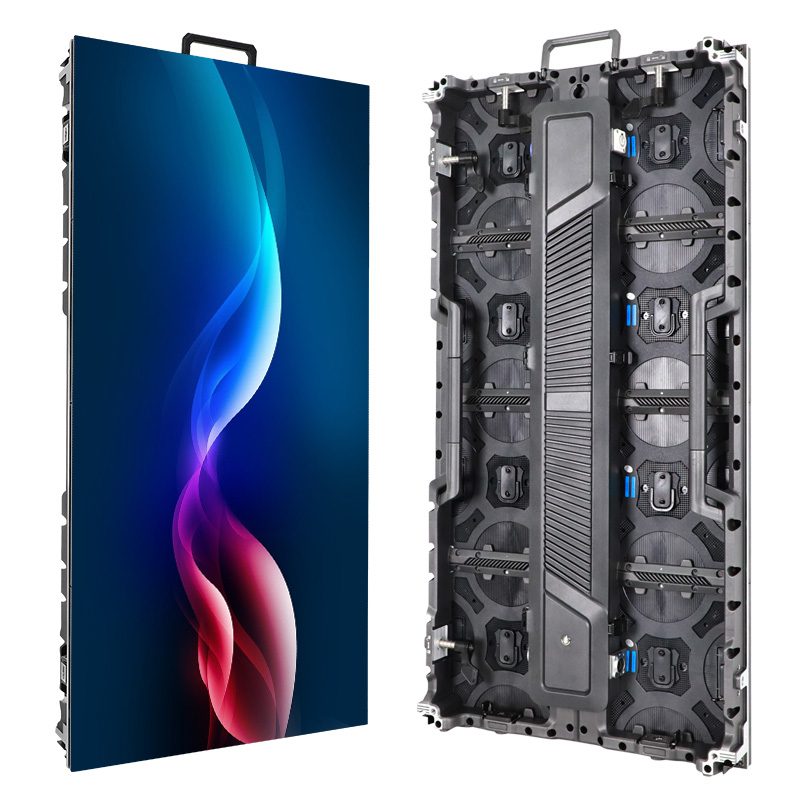
An LED display sample order should contain the smallest assembly that can answer your purchasing question. Choose a module to review the component itself. Choose a complete cabinet to review its construction and service access. If the decision depends on cabinet joints or a corner, request an assembly that includes those joints. A loose module cannot demonstrate the behavior of a finished wall.
This guide is for an AV integrator deciding what to request before committing to a project configuration. It addresses sample scope, rather than repeating a full factory inspection checklist. The aim is to avoid paying for a demonstration that leaves your most important design question unanswered.
- Component identification: request the specified module and its supporting information.
- Cabinet handling or maintenance: request the assembled cabinet and relevant tools.
- Seams, corners, or joining hardware: request enough of the proposed assembly to reproduce that detail.
1. Define your LED display sample order by the question
Write one sentence describing the decision you need to make. “Can our team remove this module through the proposed service opening?” is actionable. “We want to see the quality” leaves the supplier guessing what to send and leaves your team without a clear review task.
Then identify what must be present for that observation. Service access involves the module, cabinet, attachment method, surrounding clearance, and tool. Looking at the module on a desk removes most of those conditions. Conversely, shipping a whole cabinet may add little value if the unresolved question is the location of a module connector.
| Format | Useful for reviewing | Still unresolved |
|---|---|---|
| Unpowered module | Visible construction, dimensions, connector location, and markings | Displayed image and operation with the intended control equipment |
| Powered module with documented setup | Basic display behavior under the recorded configuration | Cabinet assembly, cabinet-to-cabinet joints, and complete-wall performance |
| Complete cabinet | Handles, service access, internal arrangement, and cabinet operation | The joint between neighboring cabinets unless another is included |
| Joined or corner assembly | The specific seam, locking arrangement, or corner being considered | Unrepresented portions of the final installation and production-wide consistency |
Price the alternatives against the questions they resolve. An LED display sample order is not automatically more useful because it contains more hardware. A small, correctly configured assembly can be a better review tool than an impressive demonstration built with parts that will not be in your quotation.
2. Use a module sample for component-level decisions
A module sample lets your team inspect the display face and the rear construction directly. Ask for its model and revision, mechanical drawing, connector information, and the proposed operating configuration. Keep the identifying label visible in your photographs so the observations remain tied to a particular item.
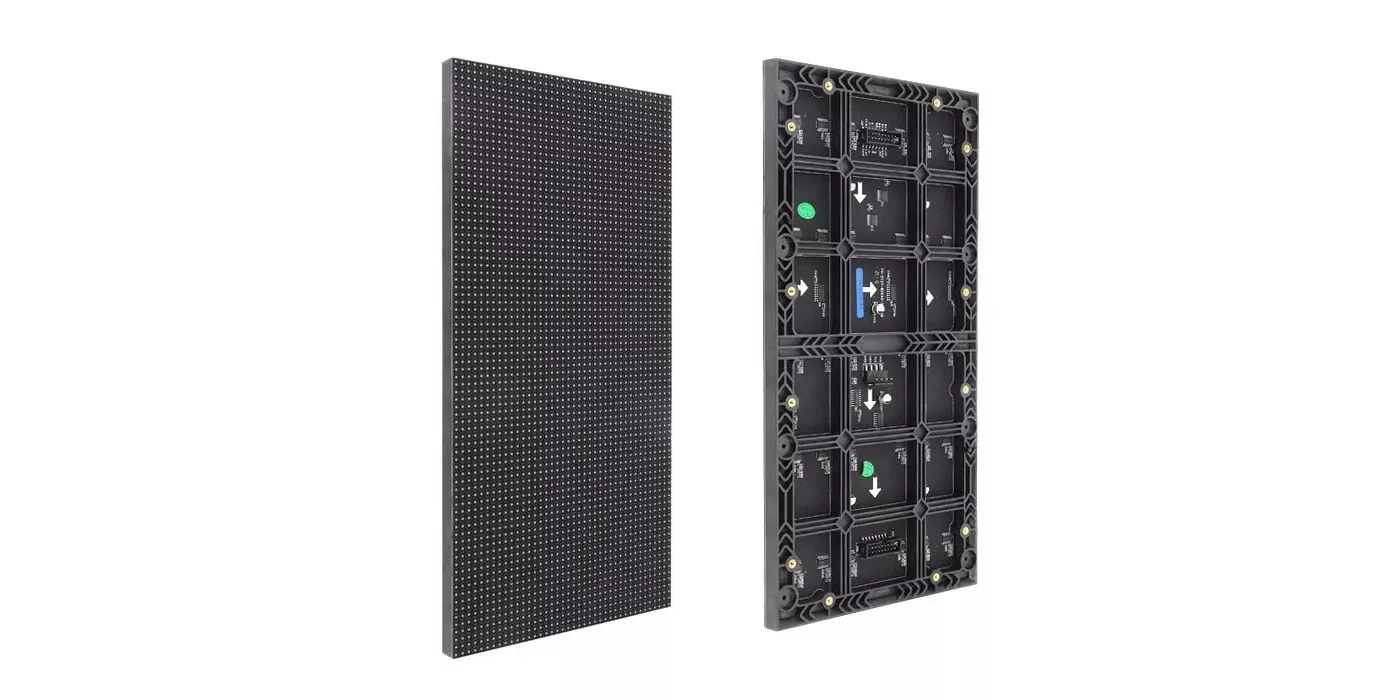
For a powered review, confirm which power supply, receiving hardware, adapter, cables, and configuration file are required. Have qualified personnel assemble the setup according to the supplied instructions. Do not infer pin assignments, voltage, or compatibility from a connector that looks familiar.
A single illuminated module also leaves an important gap: it does not show how neighboring surfaces look together. If your concern is visible borders between modules, specify a supported assembly containing those borders. If you are comparing replacement batches, use the separate replacement-module batch comparison guide to define the matching question first.
Make the limits explicit in the LED display sample order. Receiving one module should not silently become approval of the cabinet, installation hardware, packaging, or an entire production batch. List those items as outside this review unless they are actually included and assessed.
3. Request a cabinet when the assembly is the question
An LED display sample order containing a complete cabinet is appropriate when the decision involves handling, service access, connector accessibility, or the arrangement of internal components. Ask for the proposed production configuration, with any demonstration-only substitutions identified before shipment. A different handle or rear enclosure can change the practical review even when the displayed picture looks similar.

One cabinet still cannot demonstrate a cabinet-to-cabinet seam. For a straight joint, request adjacent cabinets using the intended locks. For a corner, identify the actual corner construction and the viewing directions that matter. Do not extrapolate a flat demonstration into approval of a different geometry.
Tell the supplier which maintenance action your technician needs to observe. Include the intended tool and enough clearance to reproduce that action. If the sample will be demonstrated on a temporary support, ask the responsible installer to approve that support; the demonstration is not evidence that the final mounting design is adequate.
4. Make the sample demonstration repeatable
Before the LED display sample order ships, agree how the sample will produce an image at your location. Confirm the required source device, supported connection, control equipment, configuration backup, and documentation. A cabinet arriving without the necessary setup information can leave the review waiting on an avoidable support exchange.
Use your intended content as well as simple test images. Record the brightness setting, viewing position, ambient conditions, and relevant processing settings. When comparing alternatives, keep those conditions consistent. A phone recording can document visible behavior, but it is not a calibrated measurement of brightness or color accuracy.
EagerLED’s official video below shows packaged items on a vibration-test platform and powered modules on aging racks. It illustrates two factory activities. It does not establish the results, duration, or acceptance criteria for the sample you receive; request the records that apply to your identified equipment.
Watch the official EagerLED testing video
For the broader delivery package, the screen-and-controller quotation guide helps separate the supplied equipment from items your team provides. Apply that same separation to this smaller review setup.
5. Keep a specific approval record
Close the review with a short decision record. Identify what was observed, which configuration was used, what remains open, and who is responsible for the next action. “Sample approved” is too broad if your team only checked the rear service mechanism.
| Record | What to enter |
|---|---|
| Identity | Sample ID, model, revision, and dated photographs |
| Configuration | Included components, settings, software versions, and declared substitutions |
| Decision | The specific observation accepted, rejected, or requiring another review |
| Open work | Unrepresented joints, installation conditions, or missing documents |
| Production reference | Which approved details must carry into the quotation and how proposed changes will be reviewed |
Ask how the supplier will identify the approved configuration when preparing the production order. An LED display sample order creates a reference for discussion; it does not replace production inspection. A later component substitution should be disclosed and assessed against the decision it could affect, rather than disappearing behind an unchanged product name.
Sample ordering questions
Does a sample price include the controller and cables?
Do not assume so. Request an itemized scope showing the sample hardware, control equipment, cables, software or configuration support, packing, and freight. Identify anything your team must supply before the demonstration.
Can we approve the sample remotely?
You can review visible features remotely if the demonstration identifies the equipment and follows your agreed questions. Record which checks were witnessed and which were not. Physical fit or handling questions may still require an on-site review.
Will the sample charge be credited against the bulk order?
That is a commercial term to confirm in writing before purchasing. Ask about the applicable order, timing, return conditions, and any excluded freight or other charges. Do not treat a possible credit as an agreed discount.
Must we keep the sample after the review?
Agree its ownership and disposition. Keeping an identified reference may help later comparisons, but storage conditions and any modifications should be recorded. Returning a loan unit requires a separate arrangement for timing and shipping responsibility.
Request a sample that answers your project question
For your LED display sample order, send EagerLED the decision you need to make, proposed screen dimensions, environment, viewing distance, destination country, and purchase timeline. Include the candidate model, planned order quantity, and control equipment already available to your team. Ask for a module, cabinet, or joined assembly proposal with clear inclusions and unresolved checks.
 LED Screen Flight Case Dimensions: 5 Buying Checks
 Control Room Video Wall: Operator-Led Specification