
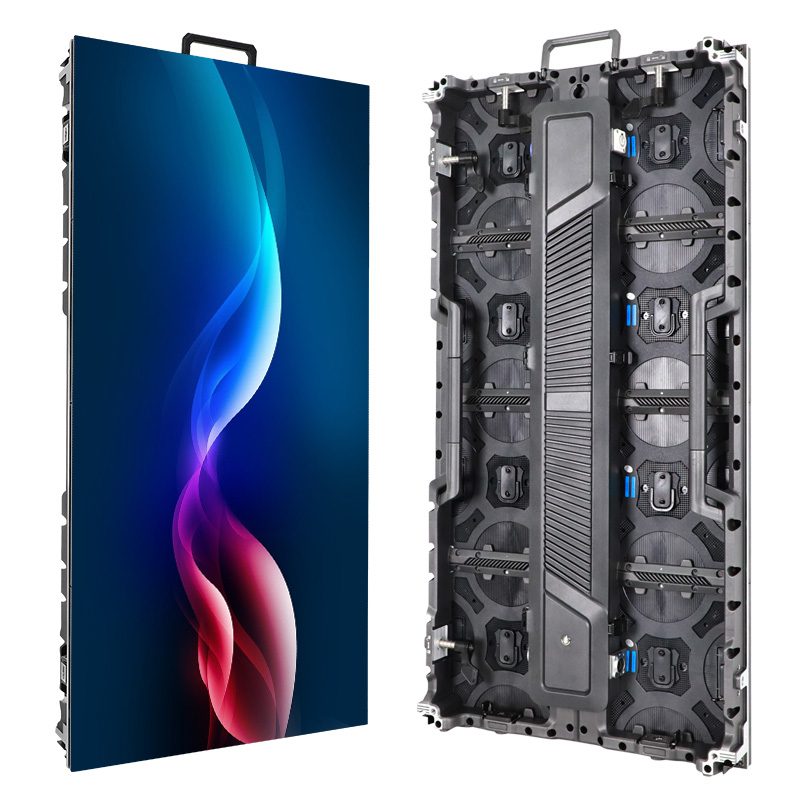
The best cinema screen depends on the film, the presentation system, and where you sit. IMAX Melbourne is a strong starting point for viewers seeking a giant, tall-format experience; Traumpalast Leonberg holds the published Guinness record for the largest permanent cinema screen, verified at 814.8 square metres. Those are different reasons to choose a cinema, and neither guarantees the best showing of every movie.
This guide compares ten notable venues, explains IMAX 70mm, laser projection, Dolby Cinema, and direct-view cinema LED, and shows how to judge the image you will actually watch. It covers commercial cinemas rather than home projector screens, temporary outdoor installations, domes, or entertainment spheres. The numbered venue list is an editorial shortlist, not a laboratory-tested global ranking.
For moviegoers, the best cinema screen combines a suitable movie version with clear pictures, convincing sound, and comfortable sightlines. For exhibitors evaluating an LED cinema screen, the decision also includes pixel pitch, secure playback, calibration, speaker placement, maintenance, and operating cost. Published specifications are attributed below; screening formats and availability should be checked before booking.
1. The 10 Best Cinema Screens at a Glance
Use this best cinema screen comparison to build a shortlist around your priorities. Measurements describe the published physical screen unless stated otherwise; they are not guarantees of the illuminated image area. The list retains ten distinct cinema experiences rather than claiming these are the ten largest screens in strict size order.
| Cinema and location | Published specification | Main reason to consider it | Check before booking |
|---|---|---|---|
| IMAX Melbourne, Australia | 32 m wide × 23 m high | Tall-format immersion and selected IMAX film presentations | Exact film or laser session |
| BFI IMAX, London, UK | 85 ft wide × 65 ft high | IMAX 70mm and varied film programming | Projection format for your showing |
| AMC Lincoln Square 13, New York, USA | Comparable operator dimensions not confirmed here | Selected IMAX 70mm engagements | Correct auditorium and film format |
| Traumpalast Leonberg, Germany | 38.80 m × 21.00 m; 814.8 m² | Guinness-listed permanent screen area | Image ratio and seating position |
| Airbus IMAX, Chantilly, USA | 86 ft wide × 63 ft high | Museum setting and dual 4K laser | Feature versus documentary schedule |
| Cineworld Leicester Square, London, UK | 87.5 ft wide, as published by operator | Wide curved screen and laser presentation | IMAX rather than another auditorium |
| TCL Chinese Theatre, Los Angeles, USA | 94 ft wide × 46 ft high | Historic main auditorium and event screenings | Main theatre versus adjacent screens |
| Swagath Onyx, Bengaluru, India | 14 m-wide cinema LED installation, announced in 2019 | Direct-view alternative to projection | Current screen, schedule, and presentation |
| IMAX Sydney, Australia | Large-format screen; see current venue specification | Laser presentation at Darling Harbour | Current dimensions and movie ratio |
| Royal Cinemas IMAX, Pooler, USA | Operator uses “World’s Tallest IMAX” branding | Tall-format auditorium experience | Current dimensions and format |
A search for the biggest cinema screen in the world asks a measurable size question. A search for the best cinema screen asks a broader quality question. Leonberg is the clearest documented area record in these sources, while a smaller auditorium may be preferable for a particular movie, seat, or soundtrack. Do not infer missing dimensions from photographs.
2. How the Ranking Works
01. Compare evidence, not unsupported scores
This best cinema screen shortlist considers image presentation, screen geometry, available formats, sound integration, and practical access. It does not assign numerical quality scores because the venues have not been measured under identical conditions. Operator specifications establish capabilities; they do not establish comparative contrast, uniformity, loudness, or audience preference.
The source hierarchy is straightforward: use a record authority for a record, an operator or institution for installed equipment, and cinema standards for technical requirements. An opening announcement documents an installation at that time. It cannot establish that the same equipment remains unchanged years later. Promotional superlatives therefore stay attributed, and unverified measurements stay out of the table.
02. Separate screen area from visible picture
The best cinema screen for expanded imagery must support both the movie version and the required projection geometry. Aspect ratio is image width divided by image height. At equal width, a 1.43:1 image is taller than 1.90:1, and both are taller than 2.39:1. A tall screen alone does not create additional picture information.
| Image ratio | Calculated image height | Calculated image area | Practical meaning |
|---|---|---|---|
| 1.43:1 | 13.99 m | 279.72 m² | Requires compatible content and presentation |
| 1.90:1 | 10.53 m | 210.53 m² | Common expanded digital IMAX framing |
| 2.39:1 | 8.37 m | 167.36 m² | Wide theatrical composition |
These are calculations, not measurements of the ten venues: height = width ÷ aspect ratio; area = width × height. They assume the image fills the same width without cropping. A real auditorium may be height-limited, masked, curved, or unable to illuminate the full surface. Compare like-for-like picture dimensions before deciding which is the biggest IMAX screen for your movie.
3. The 10 Best Cinema Screen Experiences
01. IMAX Melbourne, Australia
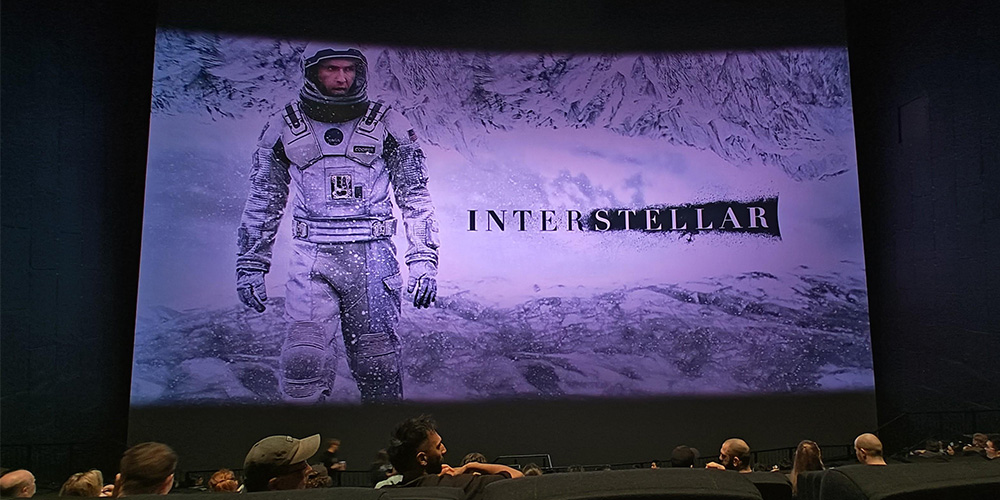
IMAX Melbourne publishes a 32-by-23-metre screen and describes it as the world’s largest 1.43:1 screen. It is an appealing best cinema screen candidate when the available presentation makes use of that height. The venue’s published specifications should be distinguished from the size of the image in an individual movie.
Start with the session label, then check whether the title offers expanded sequences and whether your booking is for film or digital presentation. The venue name alone does not answer either question. A centered seat farther back can make the full frame easier to scan, especially for viewers who dislike looking sharply upward.
02. BFI IMAX, London, United Kingdom
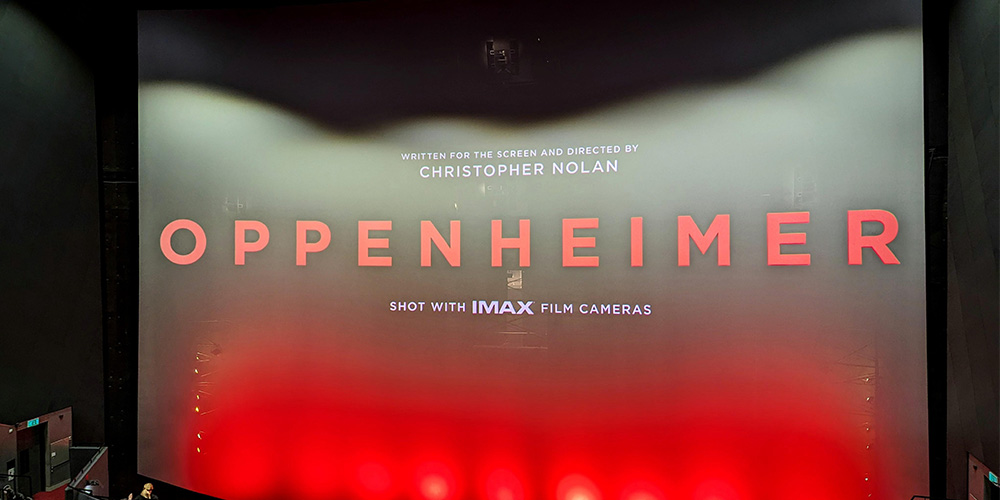
The BFI’s upgrade announcement documents an 85-by-65-foot screen, 4K laser projection, and 12-channel sound, alongside retained IMAX 70mm capability. Its programming also includes other film formats. That combination makes it a best cinema screen candidate for viewers interested in both current releases and specialist screenings.
Read each event description carefully: IMAX 70mm, standard 70mm, and digital presentations are distinct experiences. Do not assume a tall physical screen means every digital screening fills it vertically. For a special trip, choose the advertised presentation first and then reserve a seat with an unobstructed view.
03. AMC Lincoln Square 13, New York City, United States
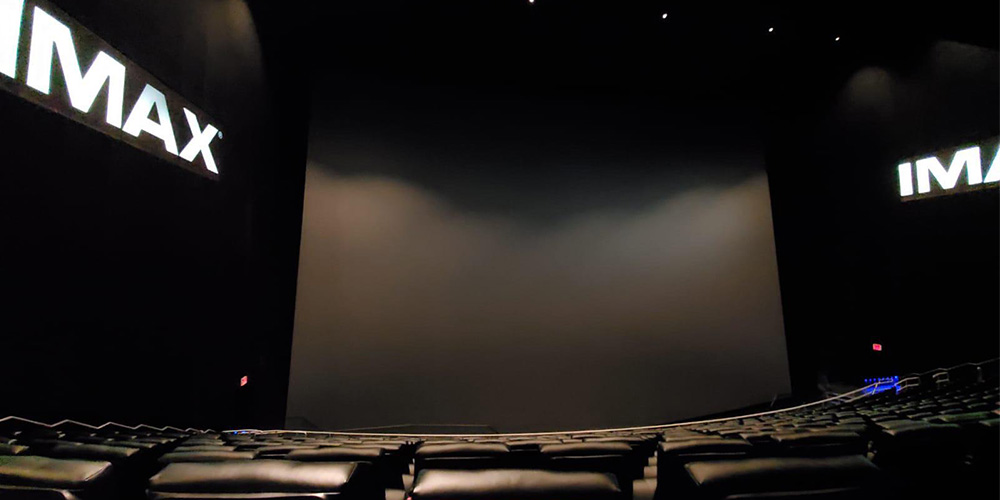
Lincoln Square belongs on a best cinema screen shortlist because of its history of selected IMAX 70mm engagements. This guide does not assign it dimensions taken from enthusiast estimates. The useful decision is whether the specific screening provides the format you want, rather than whether an unverified size figure outranks another cinema.
For example, Associated Press reporting on the 2024 Tenet reissue named Lincoln Square among the IMAX 70mm venues. That establishes a documented engagement, not a permanent promise for all films. Check the current booking page and avoid assuming every auditorium in the multiplex has the same equipment.
04. Traumpalast Leonberg, Germany
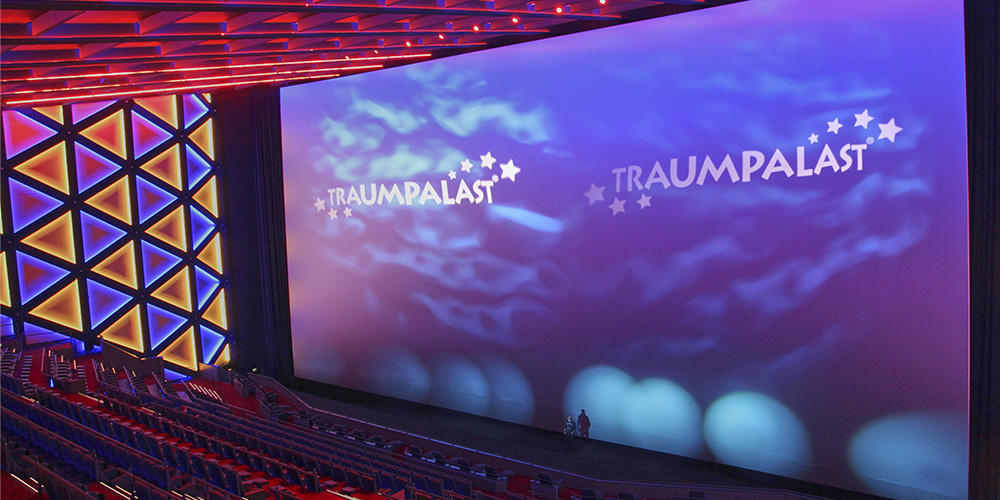
For readers asking about the biggest cinema screen in the world, Guinness lists Leonberg at 814.8 square metres, measuring 38.80 by 21.00 metres, verified on December 6, 2022. The record is specifically for a permanent cinema screen; it is not an award for overall picture quality.
Leonberg is a best cinema screen candidate when extraordinary width is the priority. Its appeal still depends on how the movie fits the screen and how far off-center you sit. Guinness notes that records can change before online listings are updated, so treat the cited record and verification date as the evidence rather than an unlimited guarantee.
05. Airbus IMAX Theater, Chantilly, Virginia, United States
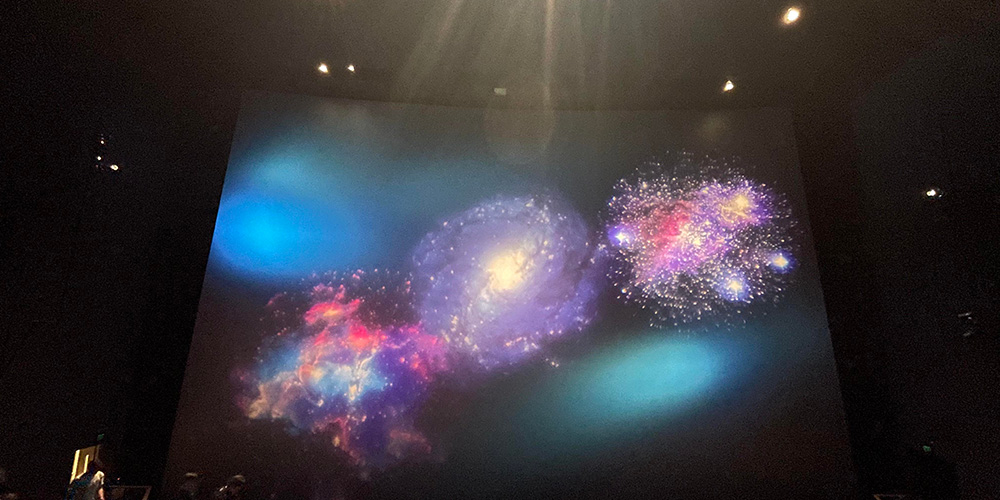
The Smithsonian documents an 86-by-63-foot screen at Airbus IMAX. Its later reopening announcement also describes dual 4K laser projection and 12-channel sound. This is a best cinema screen option for visitors combining a giant-screen film with the National Air and Space Museum’s Udvar-Hazy Center.
Distinguish short educational films from feature presentations when planning the visit. Runtime, museum access, parking, and the final screening time can affect the day more than a small difference in screen dimensions. The technical installation creates potential; your selected program determines the content, framing, and available presentation.
06. Cineworld Leicester Square, London, United Kingdom
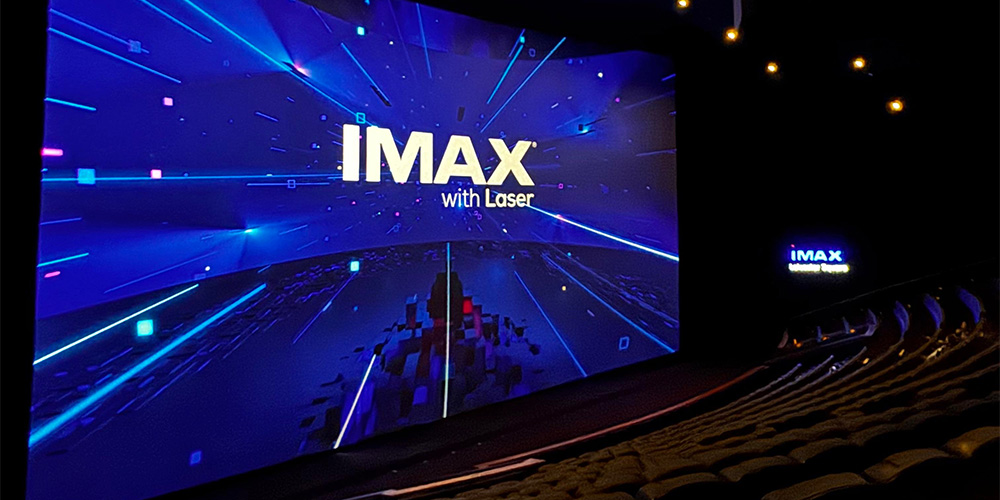
Cineworld has published an 87.5-foot width for its curved Leicester Square IMAX screen and describes dual 4K laser projection and 12-channel sound. It is a best cinema screen candidate for a wide digital presentation in central London. Keep its IMAX auditorium separate from the location’s other premium formats.
Compare the actual showing with BFI rather than assuming one venue wins every comparison. Screen width, available movie version, seat position, and travel convenience can lead to different choices. The operator’s IMAX guide confirms Leicester Square among its laser locations; use the current session listing for the final booking decision.
07. TCL Chinese Theatre IMAX, Los Angeles, United States
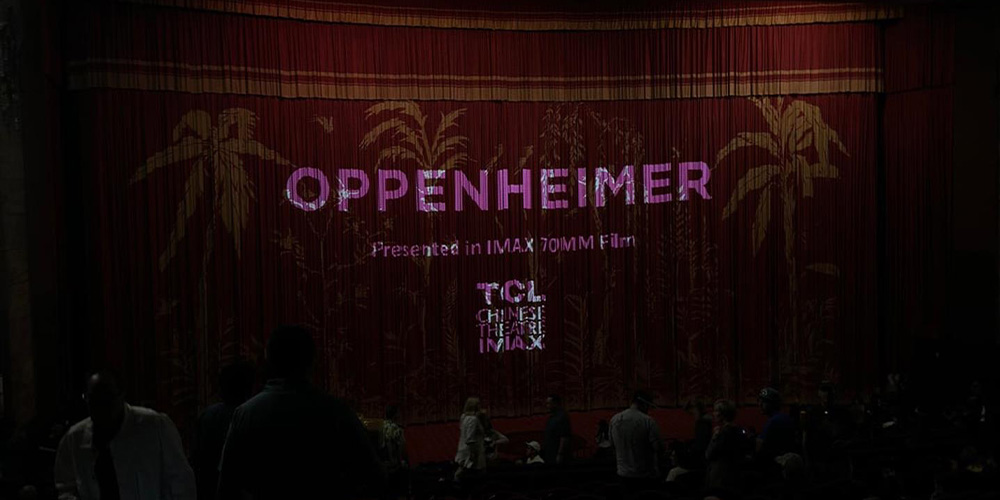
Visit California identifies a 94-by-46-foot IMAX screen and 932 seats in the main auditorium. The historic setting adds a reason to visit beyond image dimensions. TCL is a best cinema screen candidate for travelers who want a Hollywood movie-palace experience with a large-format presentation.
The main auditorium matters: a ticket elsewhere in the complex is not interchangeable with it. Selected film engagements have been documented, but verify the current format instead of relying on an old event photograph. Also separate seating capacity from screen area; the biggest movie theater and the biggest movie screen describe different measurements.
08. Swagath Onyx Theatre, Bengaluru, India
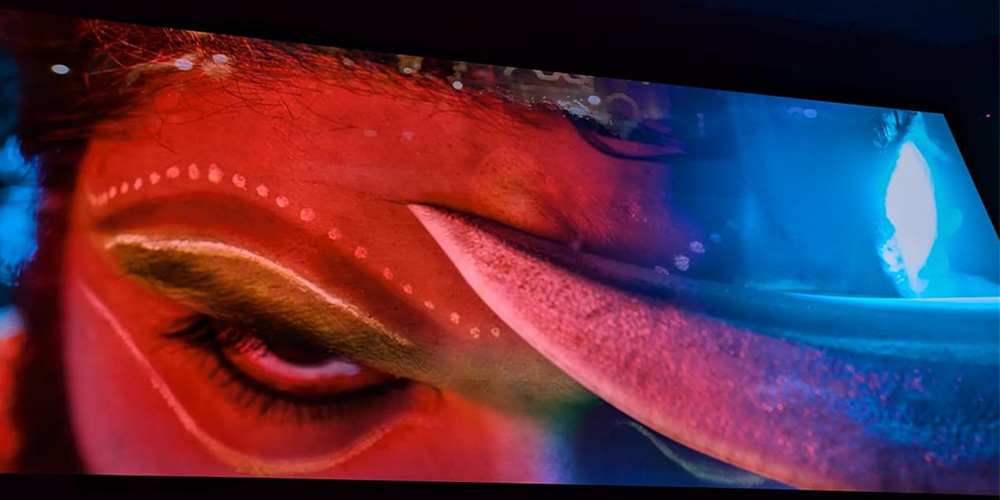
Swagath illustrates how the best cinema screen discussion changes when the display itself emits light. Samsung’s 2019 installation announcement described a 14-metre-wide, DCI-certified 4K cinema LED screen. Those are historical installation specifications, not proof that it remains the world’s largest cinema LED display or that every performance uses HDR content.
A direct-view screen removes the projector beam from the audience space. Evaluate dark-scene detail, module uniformity, and how dialogue appears to originate from the screen. The best cinema screen for this application needs an integrated sound design as well as a bright picture. Confirm the venue’s current operation and presentation before arranging a visit.
09. IMAX Sydney, Australia
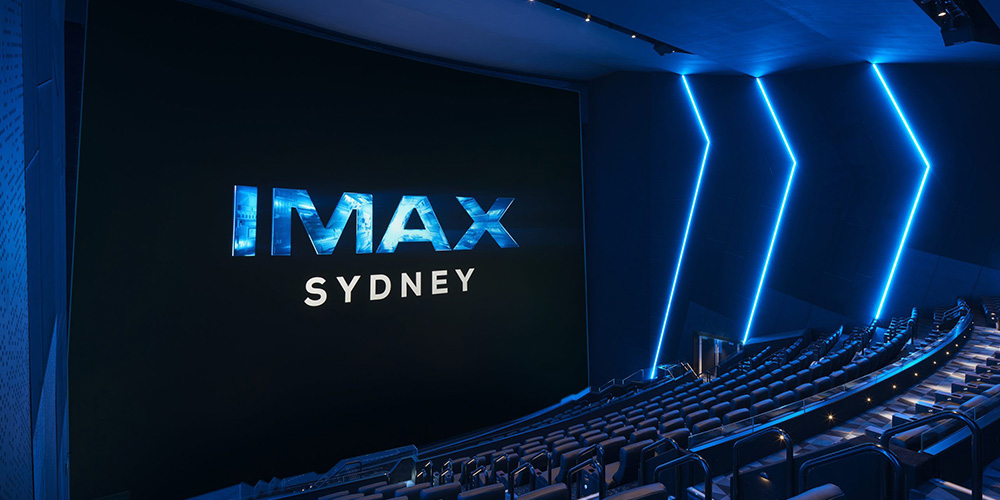
IMAX Sydney offers a large-format cinema experience at Darling Harbour. This best cinema screen shortlist treats it as a venue to compare on its current laser presentation and movie framing. Older online measurements can refer to the previous auditorium, so they should not be mixed with specifications for the rebuilt cinema.
Ask which ratio the current showing uses and compare seats for the image you will actually see. A distant seat changes perceived scale, even on a very large surface. If your objective is a particular film print or full-height sequence, verify that requirement explicitly rather than assuming all major IMAX venues deliver the same version.
10. Royal Cinemas IMAX, Pooler, Georgia, United States
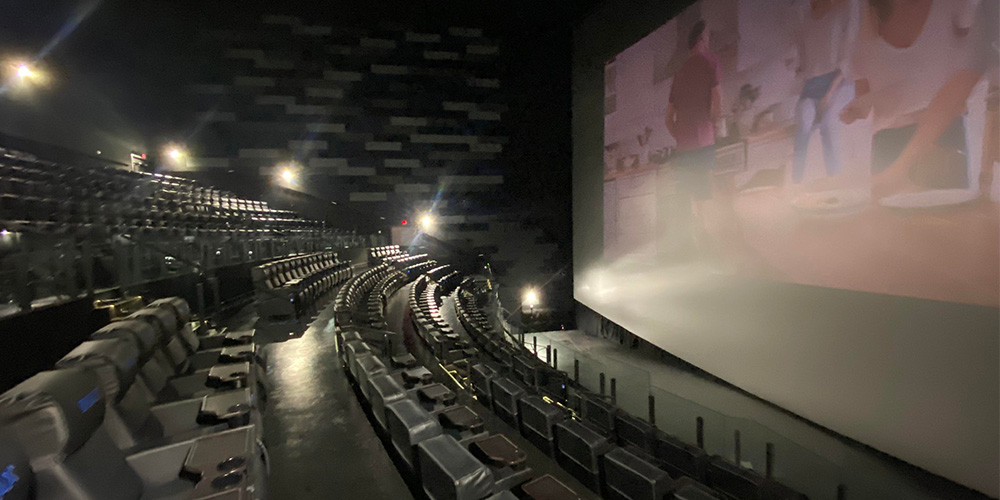
Royal Cinemas uses “World’s Tallest IMAX” branding for its Pooler venue. This guide attributes that description to the operator rather than treating it as an independently remeasured record. It is a best cinema screen candidate for viewers seeking a tall-format experience in the southeastern United States.
For a useful comparison, request current width, height, projection system, and the ratio of your chosen release. Height contributes little extra image when a wide composition leaves unused space above and below. Search results for the largest IMAX screen in the US can mix height, area, and older installations; confirm which measurement the claim actually describes.
4. Which Cinema Technology Is Best?
The best cinema screen technology is the one that reproduces the intended movie version well in the actual room. Projection, film, and direct-view LED have different installation constraints. Compare the complete presentation chain rather than a single advertised brightness, resolution, or contrast number.
| System | Potential advantage | Main limitation or question | Best use case |
|---|---|---|---|
| IMAX 70mm film | Large film frame and compatible tall imagery | Print availability, projection condition, title-specific framing | A release explicitly offered in this format |
| IMAX with Laser | Digital presentation suited to large-format rooms | System and aspect-ratio capability vary | Expanded digital releases at compatible venues |
| Dolby Cinema | Dolby Vision projection with Dolby Atmos | Movie version and local auditorium still matter | Viewers prioritizing contrast and immersive audio |
| Cinema LED | Emissive image without a projection beam | Pixel visibility, calibration, acoustics, secure playback | A properly integrated direct-view cinema |
| Conventional digital projection | Broad compatibility and established installation practice | Screen reflectance, ambient light, maintenance | A well-maintained room showing the right master |
01. IMAX 70mm and laser projection
IMAX 70mm and conventional 70mm are different film formats. Likewise, “laser” describes a light-source technology, not one universal screen size or aspect ratio. A best cinema screen comparison should identify the actual system and the movie version supplied to it. Avoid converting film into an unsupported digital-resolution number or assuming two 4K projectors produce an 8K picture.
With projection, screen material and room surfaces affect what reaches the audience. Higher gain can concentrate reflected light toward some seats; the trade-off may be less even brightness at other viewing angles. Perforated screens can accommodate speakers behind the image, but the screen and acoustic system must be designed together. Calibration and maintenance remain essential throughout operation.
02. Dolby Cinema and alternative immersive formats
Dolby Cinema combines Dolby Vision picture technology with Dolby Atmos sound. Dolby Atmos alone identifies an audio system, so an Atmos listing is not sufficient evidence of a full Dolby Cinema installation. For a film without meaningful expanded imagery, compare local picture quality, sound, comfort, and price before paying for the largest room.
ScreenX and motion-based formats emphasize different experiences from a single large central image. They may appeal to viewers seeking peripheral imagery or seat effects, but the effect depends on the supported movie and individual preference. The best cinema screen for faithful framing may therefore be a different choice from the most physically stimulating experience.
03. Cinema LED: pixel pitch, black levels, and compliance
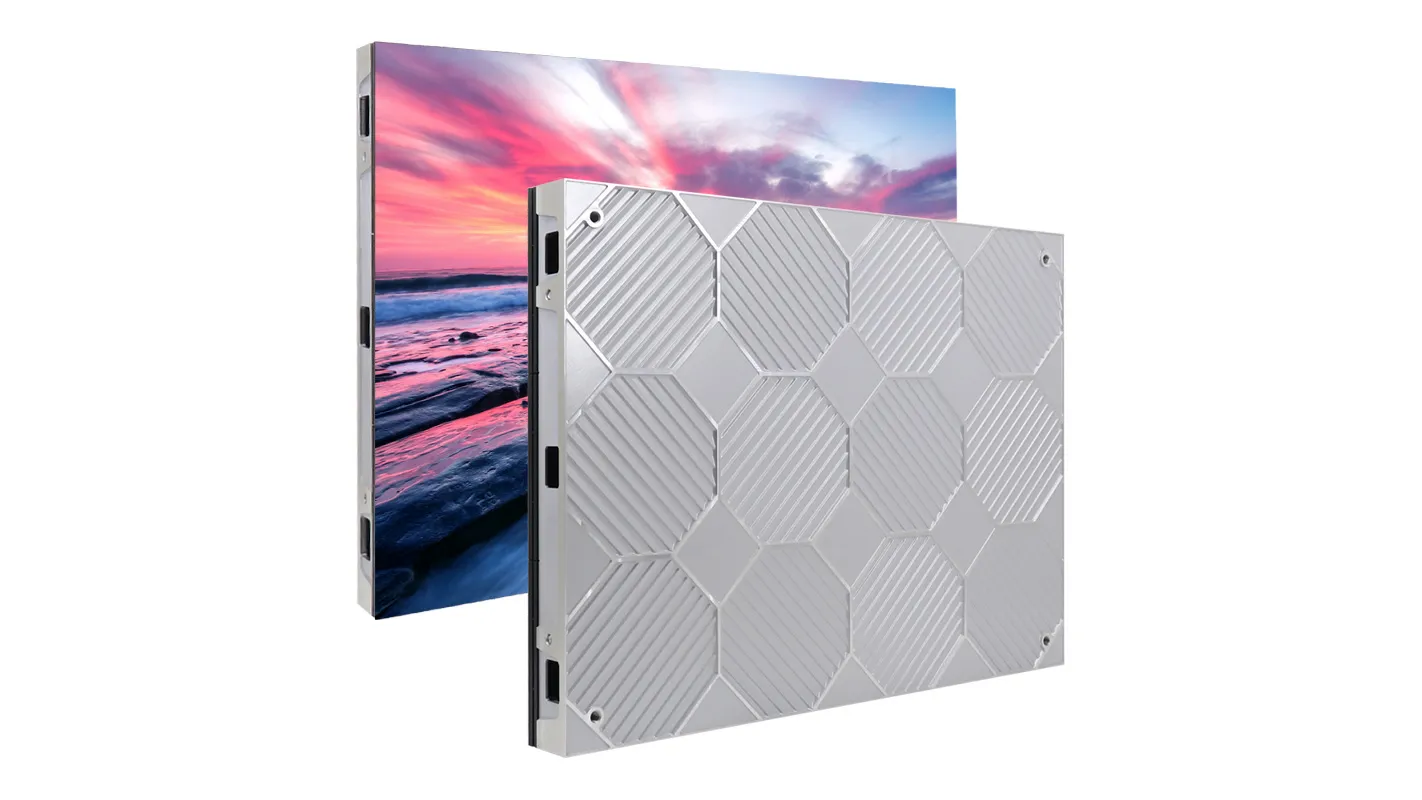
A cinema LED screen forms the image using an array of light-emitting pixels. Pixel pitch is the distance between neighboring pixel centers. For a fixed width, smaller pitch increases horizontal pixel count: a hypothetical 10.24-metre-wide wall at 2.5 mm pitch has 4,096 pixel columns. This calculation alone does not establish full 4K resolution; the vertical count and complete signal path must also be verified.
The best cinema screen assessment includes visibility of pixel structure from the closest intended seats, uniformity across module joins, low-gray detail, and color consistency. Test dark gradients, faces, subtitles, and slow camera movement. A vivid demonstration reel can conceal crushed shadows or uneven modules. COB, SMD, and protective coatings describe construction choices; none independently proves cinema compliance or superior final image quality.
For commercial theatrical playback, consult the Digital Cinema Initiatives specifications and the DCI compliant-equipment listings. Check the exact system configuration rather than accepting a generic “DCI-ready” claim. Security, image performance, playback compatibility, and the installed configuration all need evidence. A product family name or an impressive pixel count is not enough.
High peak luminance is a capability, not a reason to show every film brighter than its intended presentation. SDR and HDR content require appropriate operating modes. Room reflections and ambient light can reduce perceived contrast even when emitters turn off. The best cinema screen preserves shadow detail and highlight intent without making brightness the only objective.
04. Integration, service, and total ownership cost
Many direct-view installations use solid display modules, which change conventional behind-screen speaker placement. Ask the integrator how dialogue localization, coverage, and room equalization will be verified. Do not assume one acoustic design applies to every LED system. Include the first row and side seats in listening checks, not just the central demonstration position.
| Check | Evidence to request | Why it matters |
|---|---|---|
| Image geometry | Native pixel map, active image sizes, scaling demonstration | Avoids cropping or unnecessary resampling |
| Uniformity and calibration | Low-gray patterns, color measurements, module replacement procedure | Finds visible seams and inconsistent replacement modules |
| Playback and security | Exact equipment listing and supported cinema workflow | Separates an indoor display from an integrated cinema system |
| Acoustics | Speaker plan and listening tests across seating zones | Keeps dialogue connected to the image |
| Power and heat | Typical-content and maximum electrical loads, cooling design | Supports electrical and HVAC planning |
| Service and lifecycle | Access plan, spare-module policy, warranty exclusions, response times | Makes downtime and long-term cost assessable |
For a useful quotation, separate display hardware, processing, cinema playback equipment, structure, installation, calibration, cooling, and service. Request assumptions behind power figures and projected maintenance costs. A best cinema screen purchase balances reliable daily operation with image quality; a low panel price can be misleading when integration and support are excluded.
For general display planning, our LED screen size guide explains dimensions and layout. Our indoor LED screen range covers broader indoor applications. These resources help define a project brief; they do not imply that every listed product is certified for commercial cinema.
5. How to Choose a Screen and Seat
01. Match the showtime to the movie version
Before selecting the best cinema screen, write down the title, release version, language, subtitles, 2D or 3D format, and desired presentation. Then check the specific showtime. A film-capable theatre can run digital sessions, and an expanded version can differ from the standard theatrical version. If a detail is decisive, confirm it with the venue before paying for travel.
02. Choose a seat for the actual geometry
Begin near the horizontal center and choose a distance that lets you follow the complete frame comfortably. Sitting closer increases the viewing angle but can make a tall image tiring to scan. Moving farther back reduces apparent scale. There is no universally best row because screen height, slope, seat elevation, eyesight, and preference all vary.
For the best cinema screen experience, check railings, accessibility positions, subtitle visibility, and whether front seats require a steep upward gaze. In an LED auditorium, assess pixel structure at the intended viewing distance. In a strongly curved projection room, compare side-seat sightlines before assuming every available seat offers the same geometry.
03. Judge the complete visit
Compare the actual ticket surcharge, transport, booking conditions, and runtime. A convenient, well-maintained auditorium can offer better value than a distant flagship with poor remaining seats. If you are evaluating venues repeatedly, keep notes on the film version, seat, date, brightness uniformity, focus, sound clarity, and visible defects. This makes future comparisons more useful than remembered brand impressions.
6. Frequently Asked Questions
01. What is the best cinema screen in the world?
There is no universal winner. IMAX Melbourne is a strong candidate for giant tall-format presentations, Leonberg has the cited Guinness permanent-area record, and cinema LED offers a different direct-view experience. The best cinema screen for a particular movie depends on the available master, auditorium, and seat.
02. What is the biggest cinema screen in the world?
The Guinness listing cited in this guide identifies Traumpalast Leonberg at 814.8 square metres, verified in December 2022. Specify the category and date when repeating the claim. A permanent cinema screen is not directly comparable with a dome, temporary outdoor surface, or entertainment sphere.
03. Are these the top 10 largest IMAX screens in the world?
No. This is a shortlist of ten notable cinema experiences, including a cinema LED installation. It is not a complete size ranking of IMAX auditoriums. A defensible top-ten size ranking would require current, comparable dimensions for all candidates and a clear choice between physical surface and illuminated picture area.
04. Is IMAX or Dolby Cinema better?
Choose according to the movie version and the specific room. Compatible IMAX presentations can offer expanded imagery; Dolby Cinema combines Dolby Vision and Atmos. Neither name guarantees your preferred seat or the best local maintenance. Compare the actual showtimes, image format, sound, and ticket premium.
05. Is ScreenX better than IMAX?
ScreenX emphasizes additional peripheral imagery on supported presentations, while IMAX focuses on its central large-format image and associated sound system. The better choice depends on whether you value the additional effect or a particular IMAX version. Check support for the individual movie rather than deciding from the format name alone.
06. Is a cinema LED screen better than projection?
Cinema LED can deliver an emissive image without a projection beam, but pixel visibility, calibration, acoustics, and playback integration still matter. Projection offers established options for very large surfaces and behind-screen speakers. Compare demonstrations of the same content under appropriate calibrated conditions.
07. Can a standard indoor LED wall show commercial cinema releases?
Do not assume so. Ordinary video playback is different from a secure theatrical cinema workflow. Ask for evidence covering the exact display and playback configuration, content compatibility, and applicable compliance. Resolution, brightness, or an HDMI input alone does not establish suitability.
7. Conclusion
Choose the best cinema screen by matching the movie, display system, room, and seat. Use Leonberg’s documented record when comparing permanent screen area, examine tall-format venues for compatible expanded imagery, and evaluate cinema LED as a complete display-and-audio installation. A carefully selected presentation is more useful than an unsupported score.
For a cinema project, turn the comparison into a written brief covering image dimensions, closest viewing distance, native pixels, content workflow, sound, power, cooling, service access, and acceptance tests. For a cinema visit, confirm the session format and seat before booking. These practical checks connect impressive specifications to the experience you actually receive.
 LED Screen Size Guide: Dimensions, Pitch & Cabinet Layout
 Truck Billboard Advertising: Costs & LED Buying Guide