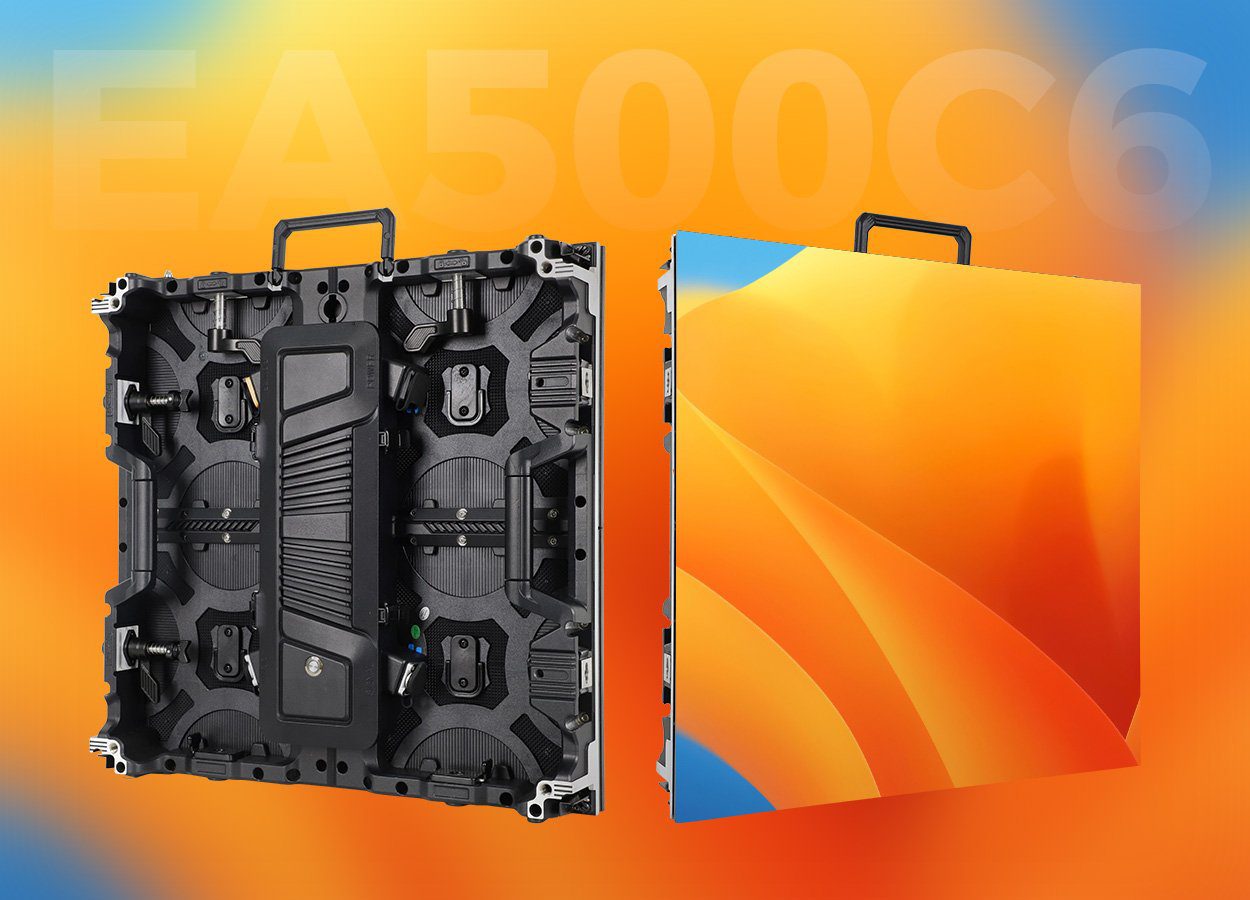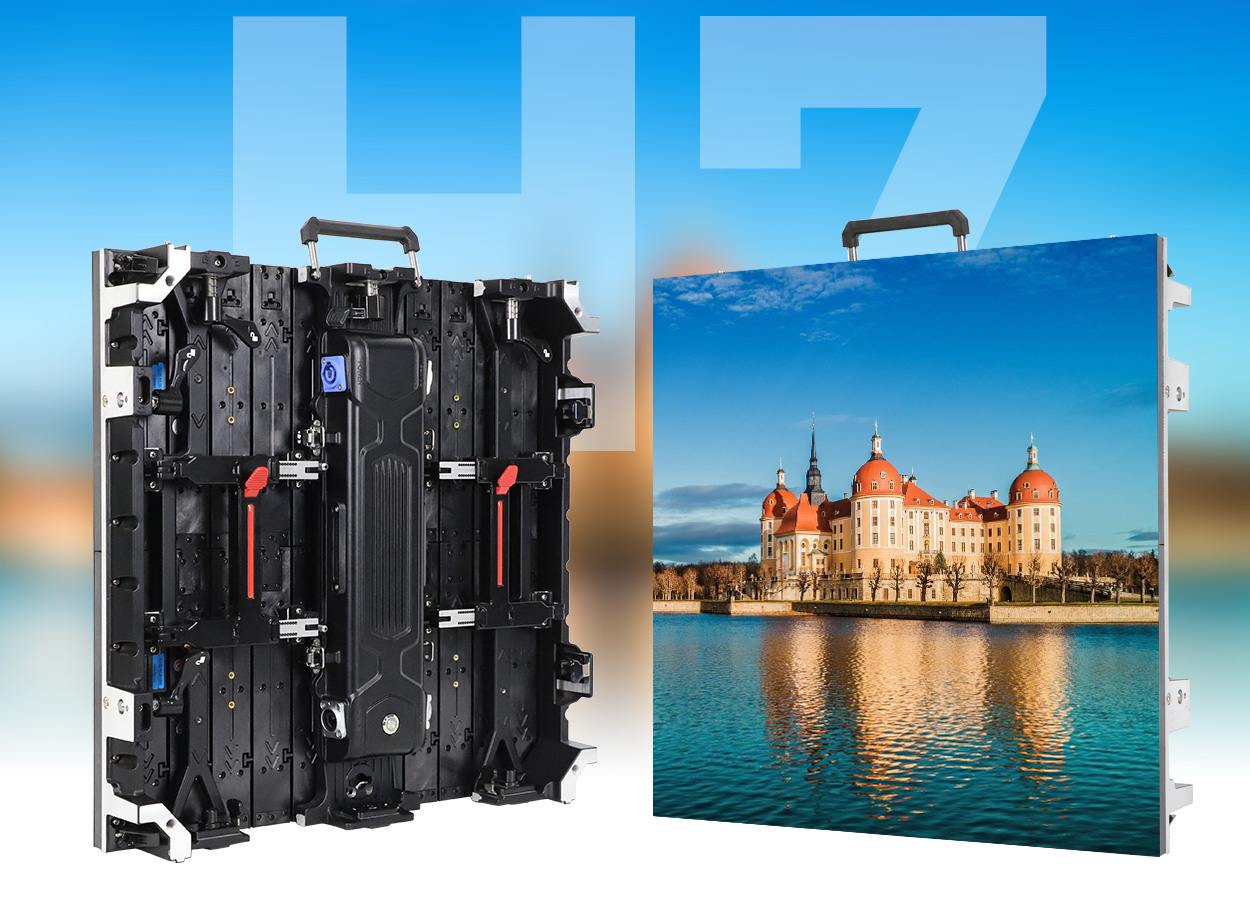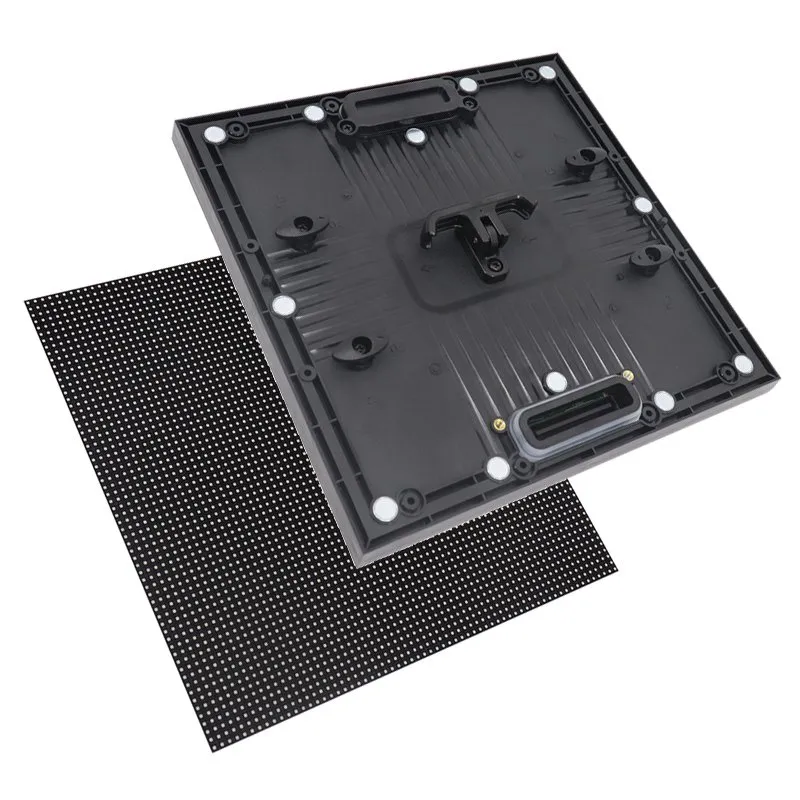

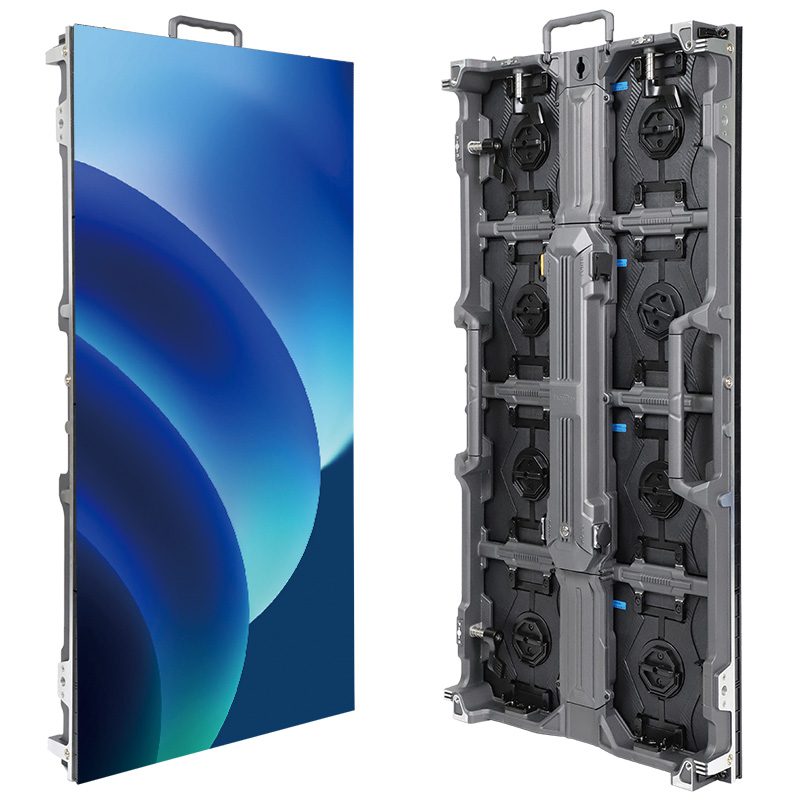
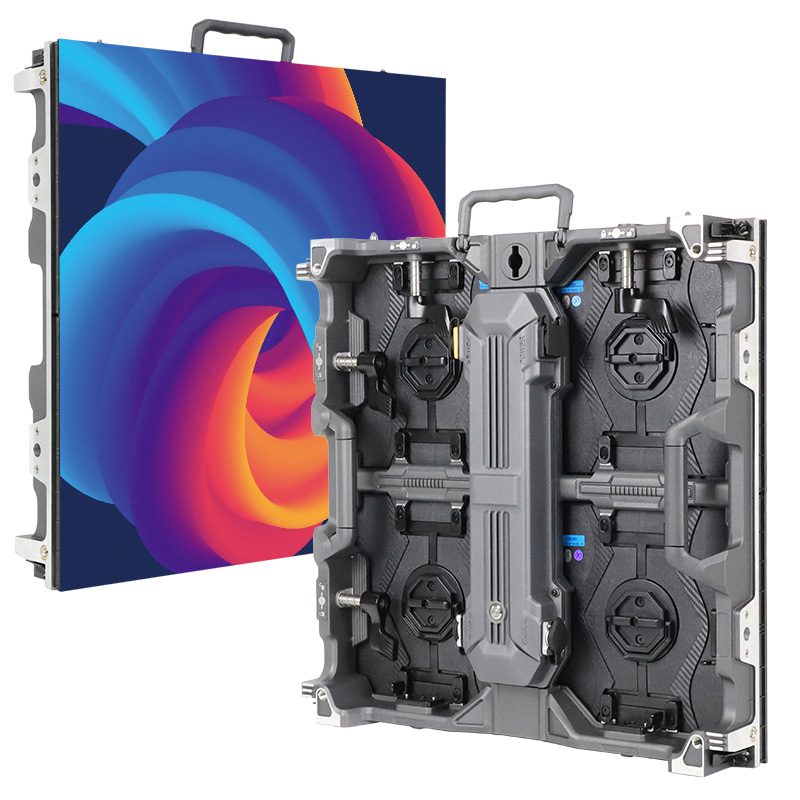
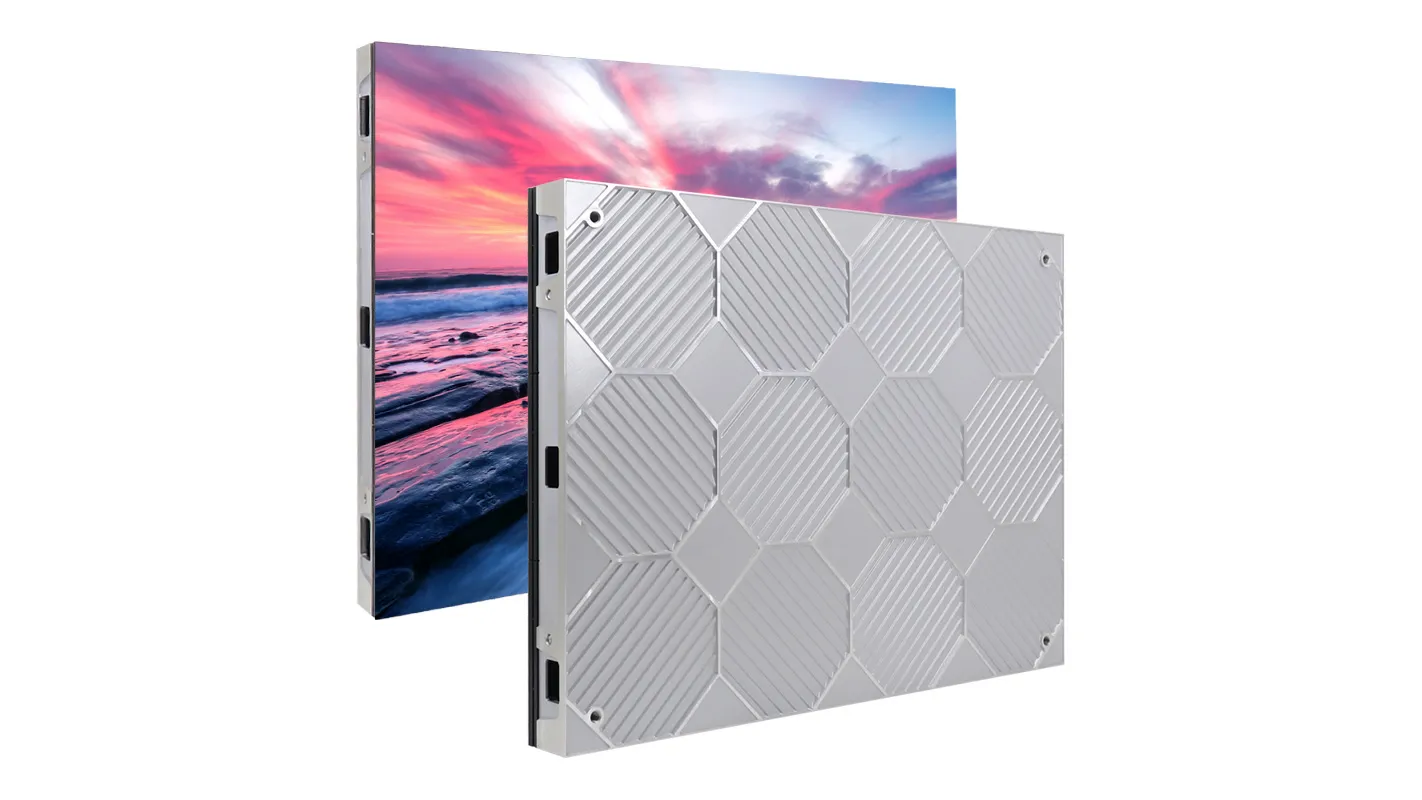
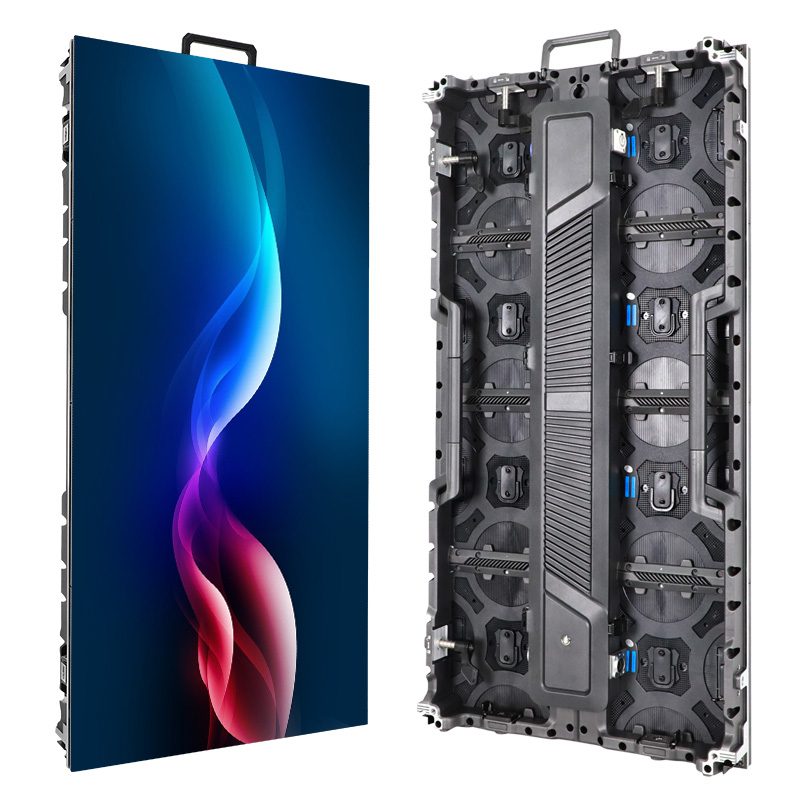
Choosing an LED display manufacturer starts with the job your screen must perform. A concert wall, a shopfront advertising display and a church screen can all use modular LED cabinets, but they demand different brightness, handling, control and maintenance arrangements. Buying by screen area or the lowest quotation alone leaves those differences unresolved.
A dependable LED display manufacturer should translate your venue, viewing distance and content into a complete, documented system. That means specifying the pixel canvas, cabinets, controller, power distribution, mounting accessories and spare parts together. It also means explaining which work belongs to the factory, the integrator and the local installation team.
This guide helps event companies, advertising operators, venue managers and purchasing teams compare proposals on equal terms. It covers manufacturer verification, practical calculations, application choices and delivery checks. Technical examples are planning illustrations, not product guarantees; obtain the exact model documentation before approving a purchase.
1. What Should an LED Display Manufacturer Deliver?
An LED display manufacturer produces or assembles the modules and cabinets that form a direct-view video wall. LEDs create the image themselves, while receiving cards and a controller distribute image data across the screen. The finished installation also depends on supporting equipment that may come from other specialist suppliers.
01 Manufacturing, integration and local service
Clarify who designs the cabinet, assembles the electronics, calibrates the modules and supports the control system. A reseller can provide valuable local installation and service, while a factory may offer more direct configuration control. The useful distinction is accountability: identify the company responsible for each deliverable and each possible fault.
Ask the LED display manufacturer for a named technical contact and a written scope. A quotation should state whether engineering drawings, processing, cables, rigging accessories, commissioning and operator training are included. “Complete screen” is not a sufficiently precise description when the venue still needs power distribution or a supporting structure.
02 Evidence that a system fits your project
Request comparable installations with similar ambient light, screen dimensions and operating hours. A photograph establishes appearance, but it does not establish reliability, service response or camera performance. Where references are available, ask about replacement lead times, recurring faults and how the supplier resolved them.
A capable LED display manufacturer should also explain limitations. A rental cabinet may support repeated assembly but require separate weather protection for its control equipment. A front-service design may still need rear ventilation. A clear explanation of these conditions is more useful than a promise that one cabinet suits every application.

2. How to Verify an LED Display Manufacturer
Evaluate the proposed product and the supplier behind it as separate questions. A polished showroom cannot establish the quality of a different production batch. Give every shortlisted LED display manufacturer the same project brief and request evidence tied to the model being quoted.
| Check | Useful evidence | Purchasing decision |
|---|---|---|
| Company and scope | Contracting entity, factory role and named service contacts | Know who supplies, installs and repairs the system |
| Exact configuration | Model data sheet, module layout and component list | Prevent substitutions hidden behind a series name |
| Production quality | Inspection records, aging-test conditions and defect criteria | Evaluate a defined process rather than an unsupported claim |
| Image consistency | Calibration files and a demonstration using your content | Check seams, grayscale and replacement-module matching |
| Market requirements | Applicable declarations, reports and model identification | Have the local compliance team verify suitability |
| After-sales support | Warranty exclusions, repair procedure and spare availability | Estimate downtime and the real cost of service |
01 Confirm the approved bill of materials
Record the LED package, driver electronics, receiving cards, power supplies and cabinet version in the approval documents. Substitutions can affect color, power consumption and controller compatibility. Agree how proposed changes will be reviewed before production, and retain a reference sample or documented acceptance configuration.
02 Read compliance documents in context
Ask the LED display manufacturer to identify the intended destination market. CE marking concerns applicable EU requirements and is supported by conformity assessment and documentation; it is not a general North American approval. The European Commission explains the manufacturer’s responsibilities. For U.S. projects, check the applicable FCC equipment-authorization requirements separately; the FCC’s LED sign advisory explains why authorization matters. Product paperwork does not replace local structural, electrical or sign approvals.

3. LED Display Specifications That Matter
Ask your LED display manufacturer to connect each specification to a viewing or operating requirement. Pixel pitch describes spacing, brightness describes light output, and native resolution describes the number of addressable pixels. None of these numbers alone establishes whether the audience can read your content.
01 Pixel pitch and native resolution
Pixel pitch is the center-to-center distance between adjacent pixels, measured in millimeters. Smaller pitch increases pixel density at a given screen size. Planar’s pixel-pitch guidance explains why viewing distance and content should drive the choice, and why comfortable viewing is partly subjective. Do not treat a single distance rule as a guarantee of readable text.
For an initial calculation, divide screen width and height in millimeters by pitch in millimeters. A theoretical 6,000 × 3,000 mm wall at 2.5 mm pitch contains 2,400 × 1,200 pixels, or 2.88 million pixels. At 5 mm pitch, the same area contains 1,200 × 600 pixels, or 720,000 pixels. These are calculated examples; the actual cabinet grid determines the achievable dimensions.
The LED display manufacturer should provide the final cabinet count and native pixel map. Check input support, total processing capacity, individual output limits and required frame rate. A processor accepting a 4K source does not turn a lower-resolution LED wall into a native 4K display.
| Specification | Event screen priority | Advertising display priority |
|---|---|---|
| Pitch and resolution | Readable slides, faces and sponsor graphics from audience positions | Readable messages within the available viewing time |
| Brightness control | Balance stage lighting, viewer comfort and camera exposure | Maintain daylight visibility and controlled nighttime dimming |
| Mechanical design | Repeatable alignment, protected edges and compatible locks | Engineered mounting, service access and long-term alignment |
| Environmental protection | Match temporary exposure and protect every system component | Review rain, dust, heat, drainage and site-specific corrosion |
| Control and recovery | Live inputs, agreed latency and tested backup paths | Scheduling, playback monitoring and recovery after outages |
| Power data | Maximum demand for venue distribution planning | Maximum demand plus measured operating consumption |
02 Brightness, grayscale and camera behavior
Brightness is commonly expressed in nits, equivalent to cd/m². Specify the ambient light and viewing direction, then inspect the image at the intended operating setting. Maximum output is not always the setting you will use. Low-brightness gradients, skin tones and black backgrounds can reveal problems that a bright promotional video conceals.
Ask the LED display manufacturer to demonstrate the actual camera setup when recording matters. Refresh rate, scan behavior, shutter timing and processing interact. Brompton’s ShutterSync explanation illustrates why matching LED timing to the camera matters. A headline refresh-rate number alone does not guarantee artifact-free footage.
03 Protection ratings and service access
The IEC 60529 standard classifies enclosure protection using the IP code. Request the tested front and rear ratings and the installation conditions. An enclosure rating does not establish wind resistance, corrosion resistance or protection for unrelated processors and connectors. Confirm how a technician can remove modules safely without blocking ventilation or dismantling the entire wall.
4. Choosing an LED Display Manufacturer for Events
An event screen must survive transport and repeated assembly while delivering the approved image on schedule. Start with the audience layout, content sources and setup window. The LED display manufacturer then has a basis for comparing cabinet sizes, pitch options, flight cases and mounting accessories.
01 Plan the complete production workflow
List presentation computers, playback servers, live cameras and any switching equipment. Agree input formats, scaling, audio synchronization and backup behavior with the production team. Test a lost input and a failed signal path before the audience arrives. A backup cable helps only if the system is configured to use it.
Compare a rental LED screen system by handling as well as image quality. Check alignment pins, locks, corner protection and how modules are replaced. Ask the LED display manufacturer which cabinet sizes can be combined mechanically and electronically; equal outside dimensions do not guarantee compatibility.
02 Buy equipment or hire a local production service?
“Rental LED display” can describe hardware designed for rental companies, even when the transaction is a purchase. If you need one event delivered locally, a production provider may supply transport, crew, installation and operation. Establish whether you are buying cabinets or booking a managed event service before comparing prices.
For repeat use, model storage, transport, crew training, repairs and utilization. Ownership makes sense only when those responsibilities fit your operation. For outdoor events, coordinate the approved structure, forecast monitoring and operating limits with qualified event professionals. The LED display manufacturer supplies equipment limits; the site team remains responsible for the installation and its operating plan.
5. Specifying an Advertising LED Board
An advertising LED board is an operating media asset as well as a screen. The site determines exposure and viewing time; the content determines whether a message can be understood. Ask the LED display manufacturer to review daytime photographs, nighttime conditions, screen orientation and the nearest meaningful viewing position.
01 Design for the message and location
A pedestrian shopfront and a distant building facade should not use the same creative assumptions. Test a short headline, logo and call to action at the proposed pixel canvas. Avoid relying on tiny legal text, thin strokes or complicated layouts that disappear at distance. Motion and brightness must follow the conditions permitted at the location.
For a permanent outdoor screen, discuss drainage, heat management, service access and the supporting structure early. An LED display manufacturer can provide cabinet drawings and equipment ratings, but the local design team must evaluate the installation. Confirm whether service requires a rear walkway, a lift or front access, because those choices can change the total project cost.
02 Make content operations part of the specification
Specify who approves campaigns, who uploads them and what appears if the network disconnects. Ask whether playback is stored locally, how schedules use time zones and how the operator checks that content actually played. Access permissions, account recovery and software support are practical purchasing questions for a connected display.
Your LED display manufacturer should distinguish the screen controller from any separate content-management subscription. Request a demonstration of scheduling, brightness changes and recovery after a power interruption. Explore the advertising LED board range for relevant formats, then compare the proposed configuration against your site brief. Display capability alone cannot guarantee advertising revenue or sales growth.
6. Church LED Screens and Permanent Indoor Venues
A church LED screen often combines lyrics, presentation slides, live video and an online broadcast. The audience may include people close to the stage and people at the back of a deep room. Give the LED display manufacturer a seating plan and representative content instead of choosing pitch from room capacity alone.
01 Test readability and comfort
Use actual lyrics and announcement slides during the demonstration. Check the smallest important text from the back row and side seats, and inspect the image from the nearest seats. More pixels cannot compensate for undersized text or an obstructed sightline. Screen height, content layout and mounting position should be reviewed together.
Request a quiet-room demonstration if fan noise could affect speech or music. Test dim scenes as well as full white, especially where the display sits behind a speaker. The LED display manufacturer should explain the usable dimming range and show color consistency at that setting, rather than relying only on maximum-brightness specifications.
02 Plan for volunteers and future maintenance
A repeatable startup routine, labeled connections and backed-up settings make daily operation easier. Assign responsibility for training new operators and restoring the system after a fault. Ask for a plain-language handover guide covering normal use and the point at which an operator should call a technician.
For application-specific layouts, review the church LED screen guide. Confirm access before building the surrounding wall or decorative frame. Your LED display manufacturer should document how modules, receiving cards and power supplies are serviced, including any clearance that the finished interior must preserve.

7. Compare LED Display Costs and Supplier Quotations
The lowest price per square meter is not necessarily the lowest working-system cost. Normalize the finished size, pitch, cabinet configuration and delivery scope before comparing bids. Ask each LED display manufacturer to identify exclusions explicitly, including installation, freight, import charges and supporting equipment.
| Cost category | Include in the proposal | Question to resolve |
|---|---|---|
| Display hardware | Cabinets, modules, receiving cards and power supplies | Is the exact configuration and quantity fixed? |
| Processing | Controller, required inputs, licenses and backup equipment | Does capacity cover the final pixel map and operating mode? |
| Structure and power | Mounting accessories, distribution and installation labor | Who supplies site engineering and local electrical work? |
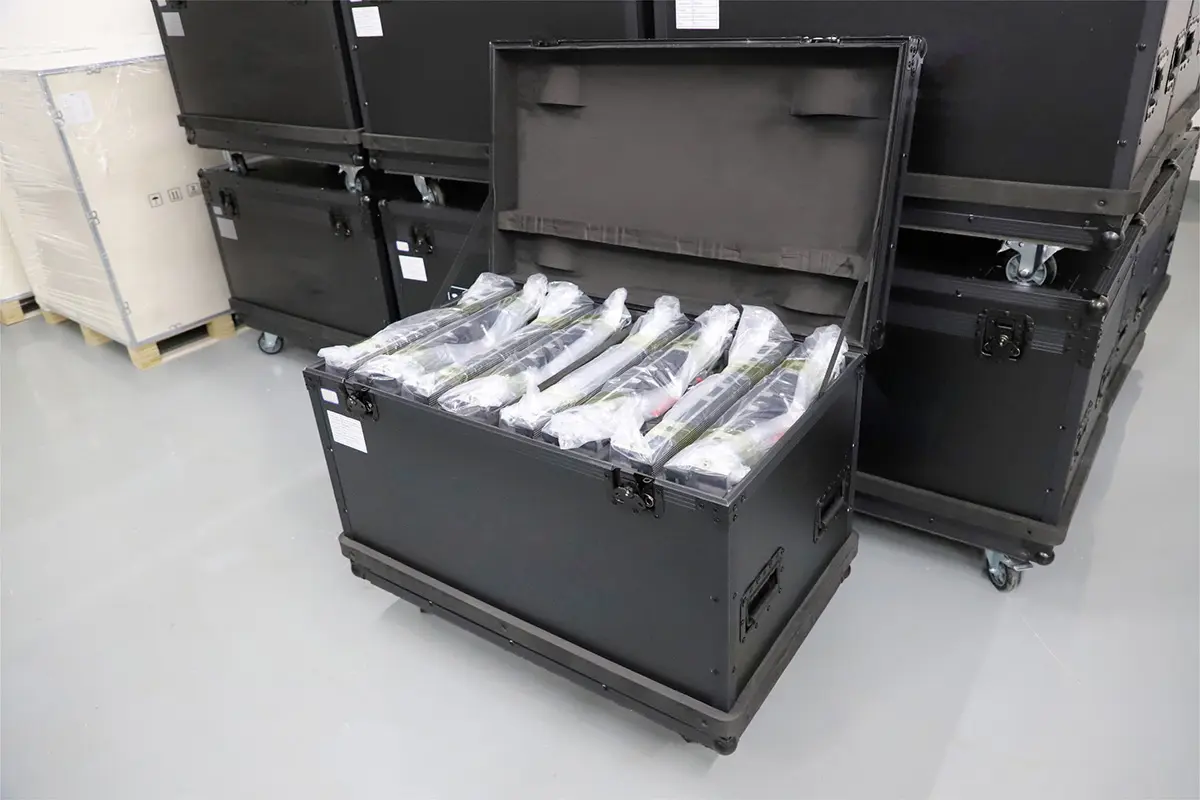
| Logistics | Cases, packing, freight, delivery terms and unloading | Which costs remain payable after the factory invoice? |
| Service provision | Spares, training, warranty handling and repair transport | Who pays labor and shipping when a component fails? |
| Operation | Electricity, connectivity, software and planned maintenance | What assumptions support the annual operating estimate? |
01 Separate power capacity from energy consumption
Use the specified maximum demand when the qualified electrical team plans distribution. Use representative operating consumption to estimate energy. Those are different tasks. A dark advertising sequence and a bright test pattern can produce different loads, so an average figure needs stated brightness and content conditions.
For example, assume a 20 m² display averages 250 W/m² during operation. Its screen load is 5 kW. At 10 hours per day, that is 50 kWh per day, excluding processors, cooling and other equipment. Multiply by the applicable electricity tariff for an estimate. These assumed values illustrate the calculation; obtain measurements from the LED display manufacturer for the proposed system.
02 Evaluate warranty and usable service life
A component lifetime claim is not a promise that the complete installation will run that long without repair. Ask what brightness degradation, failed pixels and color variation the warranty covers. Check when coverage begins, whether advance replacements are available and how long compatible spare parts are expected to remain obtainable.
A credible LED display manufacturer should make the repair workflow understandable before the order is placed. Include access equipment, technician travel and shipping in your comparison. A modest hardware saving can be outweighed by a long outage or an expensive service visit to a difficult installation.
8. Acceptance Tests, Delivery and Maintenance
Agree acceptance criteria before manufacturing starts. The LED display manufacturer and buyer should know which configuration will be tested, which records will be supplied and what happens if the system does not meet the agreed requirements. This avoids debating an undefined standard after the shipment arrives.
01 Factory and site acceptance
Use a test playlist containing solid colors, grayscale ramps, moving video, faces and the smallest required text. Inspect alignment, visible seams, uniformity and defective pixels under agreed conditions. Test the intended brightness settings and camera modes. Record the controller configuration and the identities of the cabinets or batches used.
Ask the LED display manufacturer to demonstrate a module replacement and restoration of its calibration. Check the spare-parts inventory against the packing list. At the site, repeat the important image and signal tests after installation; successful factory testing does not establish that local power, cabling or mounting has been completed correctly.
02 A handover package that supports recovery
Retain the final cabinet map, wiring drawings, configuration backups, calibration files, approved firmware versions and operating instructions. Store a second copy where the service team can retrieve it if the primary control computer fails. Document support contacts and the information needed to report a fault efficiently.
Set a maintenance schedule based on the manufacturer’s instructions and actual conditions. Inspect ventilation, connectors, seals and mounting hardware using the appropriate procedures. Log repairs and recurring faults. An LED display manufacturer should recommend compatible cleaning and replacement methods; the claim that an LED screen needs no maintenance should never substitute for an operating plan.
9. LED Display Manufacturer FAQs
01 How do I choose an LED display manufacturer?
Start with a written brief covering size, content, viewing distance, environment, installation and support. Compare model-specific evidence, an itemized scope and an actual demonstration. Choose an LED display manufacturer whose documented system and service arrangements satisfy those requirements, rather than judging only by factory photographs or price.
02 What pixel pitch should I choose for an event screen?
Choose pitch together with screen dimensions, the nearest important viewer and the smallest text you need to show. Compare representative content on candidate screens at the intended distance. Confirm the resulting native pixel count and processing capacity. There is no universal pitch that is best for every event.
03 Can an indoor LED display be used outdoors?
Use equipment explicitly specified for the actual outdoor exposure. Indoor cabinets may lack the required enclosure protection, daylight output or thermal design. A temporary roof does not automatically resolve wind-driven rain or condensation. Obtain the exact operating conditions from the LED display manufacturer and the installation team.
04 Does a higher refresh rate guarantee good camera images?
No. Camera shutter settings, frame timing, scanning and processing also affect the result. Test the intended cameras, lenses and exposure settings with the selected system. Confirm any synchronization features before purchase, particularly for broadcast, streaming or productions where the LED wall appears prominently in the shot.
05 What should an LED display quotation include?
Request cabinets, the native pixel map, processing, cabling, power accessories, mounting items, spare parts, packaging and delivery terms. Specify training, commissioning and warranty responsibilities. Your LED display manufacturer should show which items are included and which must be supplied by local contractors or the event provider.
06 How can I reduce downtime after installation?
Keep compatible spares, configuration backups and clear service instructions available. Provide safe access and train operators to recognize faults without attempting unauthorized repairs. Agree escalation contacts and replacement procedures with the LED display manufacturer. Recovery planning is valuable even when the system includes backup signal or power paths.
10. Choose an LED Display Manufacturer With a Verifiable Plan
The right LED display manufacturer connects the screen specification to the people who will view, operate and maintain it. Define the application first, compare the complete system and require evidence for important claims. Use a practical content test, an agreed acceptance checklist and a documented service plan to turn a promising quotation into a manageable project.
To discuss an EagerLED configuration, send your project requirements, including dimensions, viewing distances, site photographs, content sources, installation method and delivery location. Request an itemized proposal and confirm the exact model details before ordering. That gives your team a clear basis for comparing options and approving the final design.
 Custom LED Display Solutions: Design, Specs & Cost
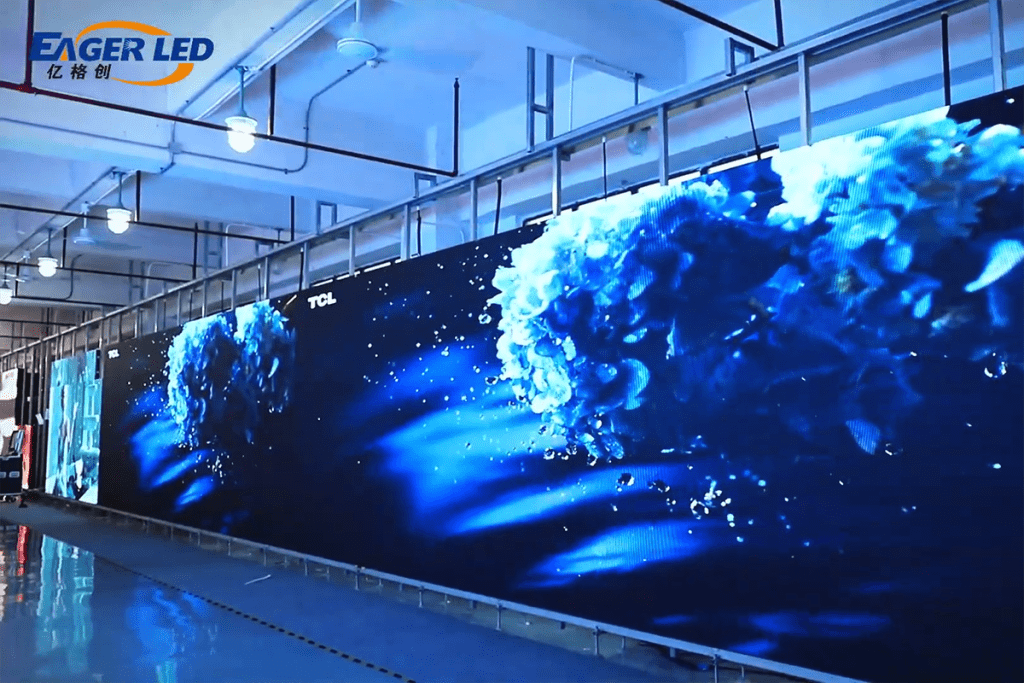 Feedback From Hungary Clients On EA1000C3 Outdoor Rental LED Screen