
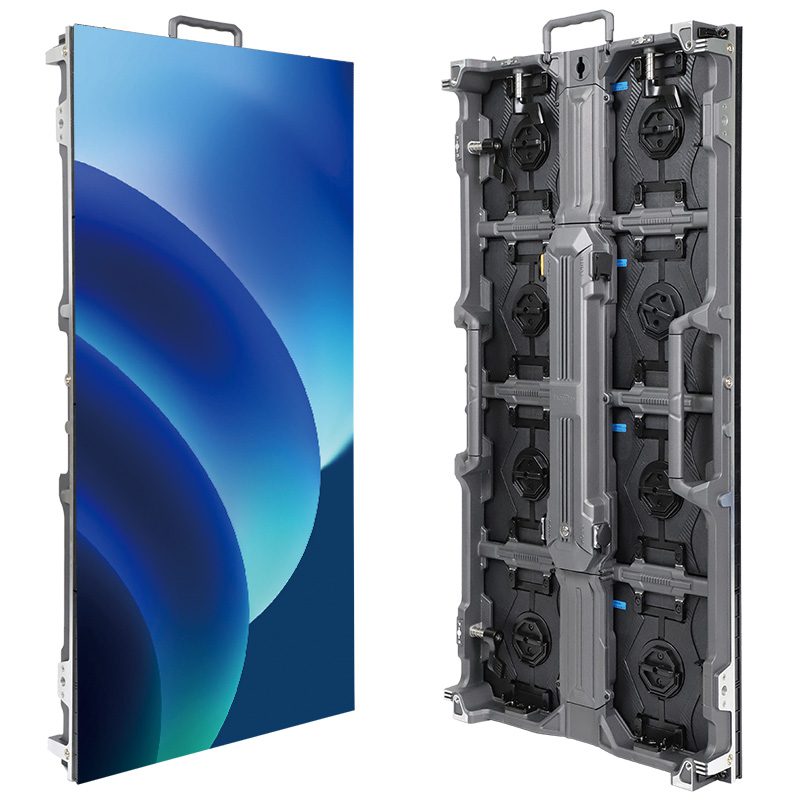
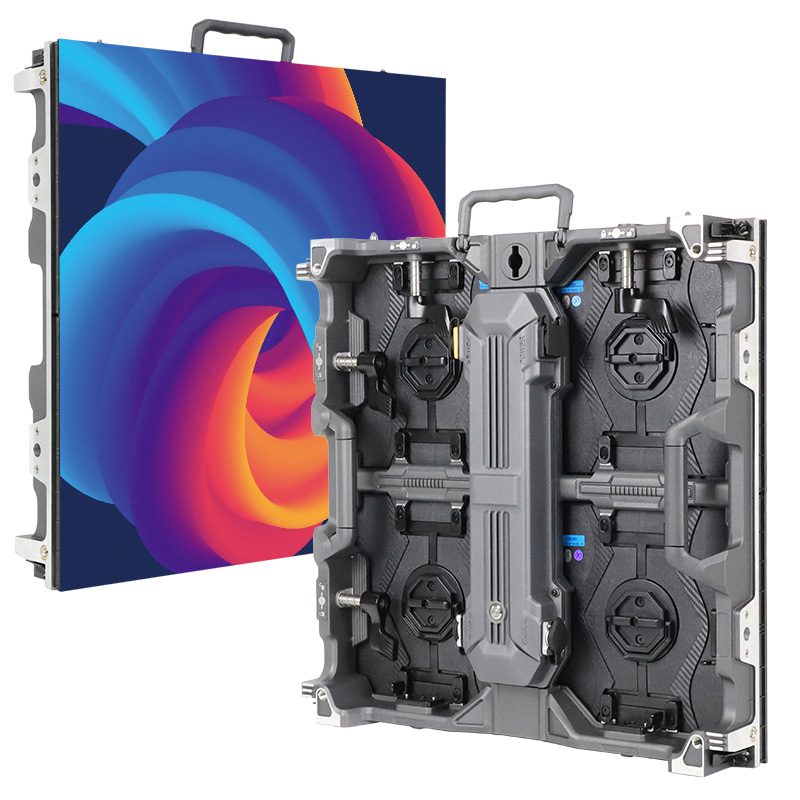
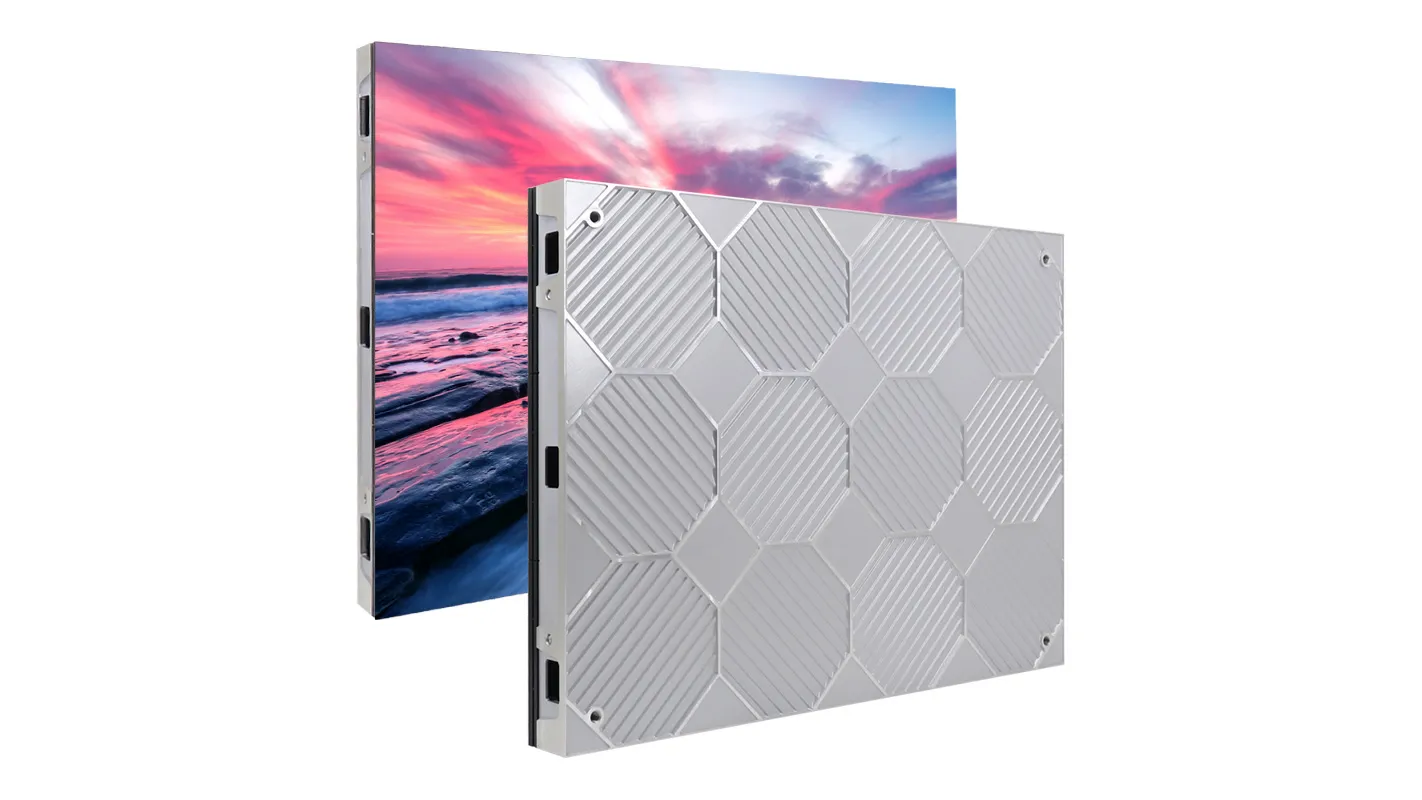
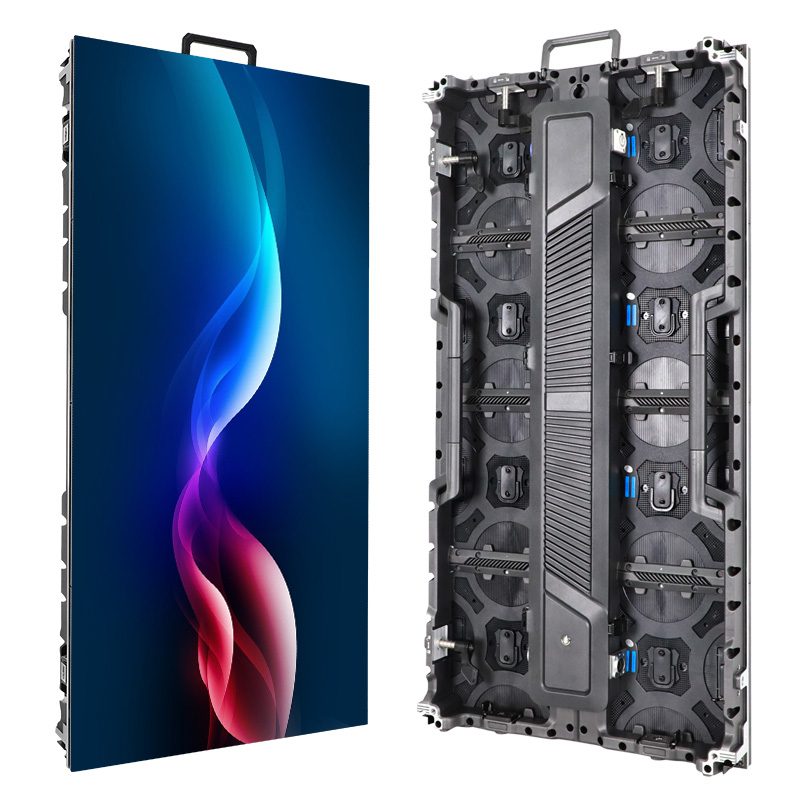
LED screen boards are modular electronic displays that use light-emitting diodes to show text, graphics and video. Businesses use them for advertising, event backdrops, meeting rooms and public information. The right system makes a message readable at the intended distance; the wrong specification can leave you paying for detail viewers cannot see, or struggling with text they cannot read.
This guide explains how LED screen boards work and how to compare indoor, outdoor and flexible designs. It also covers pixel pitch, resolution, brightness, controllers, installation, operating costs and maintenance. The aim is to turn a broad product search into a specification you can discuss with an installer or supplier.
Start with five facts: the installation environment, available screen dimensions, nearest viewer, smallest content that must be readable, and daily operating hours. Use the tables and worked examples below to compare LED screen boards on the same basis. Calculations are illustrative planning examples, not product quotations or guaranteed performance figures.
1. What Is an LED Screen Board?
An LED screen board is a direct-view display assembled from LED modules, usually mounted in cabinets. The LEDs themselves produce the visible image. Full-color versions combine red, green and blue light at each pixel; simpler message boards may use one color or a limited palette.
01. What does an LED board do?
An LED board converts a digital signal or stored playlist into visible messages. A shop can schedule promotions, an event operator can show live camera feeds, and a transport facility can present timetable information. LED screen boards need a compatible control system and content source; the physical panel does not independently create or update those messages.
A typical signal path runs from a computer or media player to a processor or sending device, then to receiving cards in the cabinets and finally to the LED modules. Power supplies feed the display electronics. Larger systems divide the image across many cabinets while presenting one coordinated canvas.
02. LED screen boards versus LED-backlit LCD screens
An ordinary television advertised as an “LED TV” commonly uses an LCD panel with an LED backlight. Direct-view LED screen boards use LEDs as the picture elements and can be assembled into much larger or unusually shaped surfaces. LCD can still be a practical choice for smaller displays requiring dense text at close range.
Choose the technology around the task. Compare readable content, available space, maintenance access and installed cost, rather than assuming one display type always wins. A seamless large canvas is useful only if its native pixel resolution supports the material you intend to show.

2. Advantages of LED Screen Boards
The main benefits of LED screen boards are scalable dimensions, changeable content and application-specific brightness. These benefits depend on correct design, calibration and operation. They do not automatically guarantee lower energy bills, more sales or maintenance-free service.
01. Flexible size and timely content
Modular cabinets let designers build wide, tall or curved surfaces within the product’s mechanical limits. LED screen boards can replace repeated printed campaigns with scheduled digital content, allowing several messages to share one display. Local playback can keep an approved playlist running even when an internet connection fails, if that function is included in the selected player.
The operational advantage comes from the workflow: somebody must own the schedule, approve assets and retire outdated offers. A clear message, readable typography and appropriate display time are usually more valuable than adding another animation to an already crowded screen.
02. Visibility with measurable tradeoffs
Brightness is expressed in nits, equivalent to candelas per square meter. Outdoor LED screen boards generally need more luminance than displays in controlled indoor lighting. However, increasing brightness also affects power and heat. Nighttime dimming should be part of the operating plan.
| Potential benefit | Practical limitation | Buyer check |
|---|---|---|
| Large continuous image | Misalignment and calibration differences can reveal seams | Inspect uniform gray and white test patterns |
| Remote content updates | Depends on the player, network and software | Test scheduling, permissions and offline playback |
| Daylight visibility | Glare and direct sun affect perceived contrast | Review the actual site at its brightest time |
| Serviceable modules | Replacement parts must match the original system | Confirm spare availability and calibration process |
| Reduced printing | Electricity, manufacturing and disposal still have impacts | Compare lifecycle costs and operating hours |
Assess LED screen boards with real content at normal brightness. A vivid demonstration video can conceal poor low-gray detail, uneven colors or unreadable small text. Include your most demanding presentation slide or advertising asset in the evaluation.

3. Key Parts of LED Screen Boards
LED screen boards are complete systems, not just illuminated panels. A low panel price may exclude equipment needed for processing, power distribution or mounting. Ask for a bill of materials showing what is included and who is responsible for each connection.
01. Modules, cabinets and LED packaging
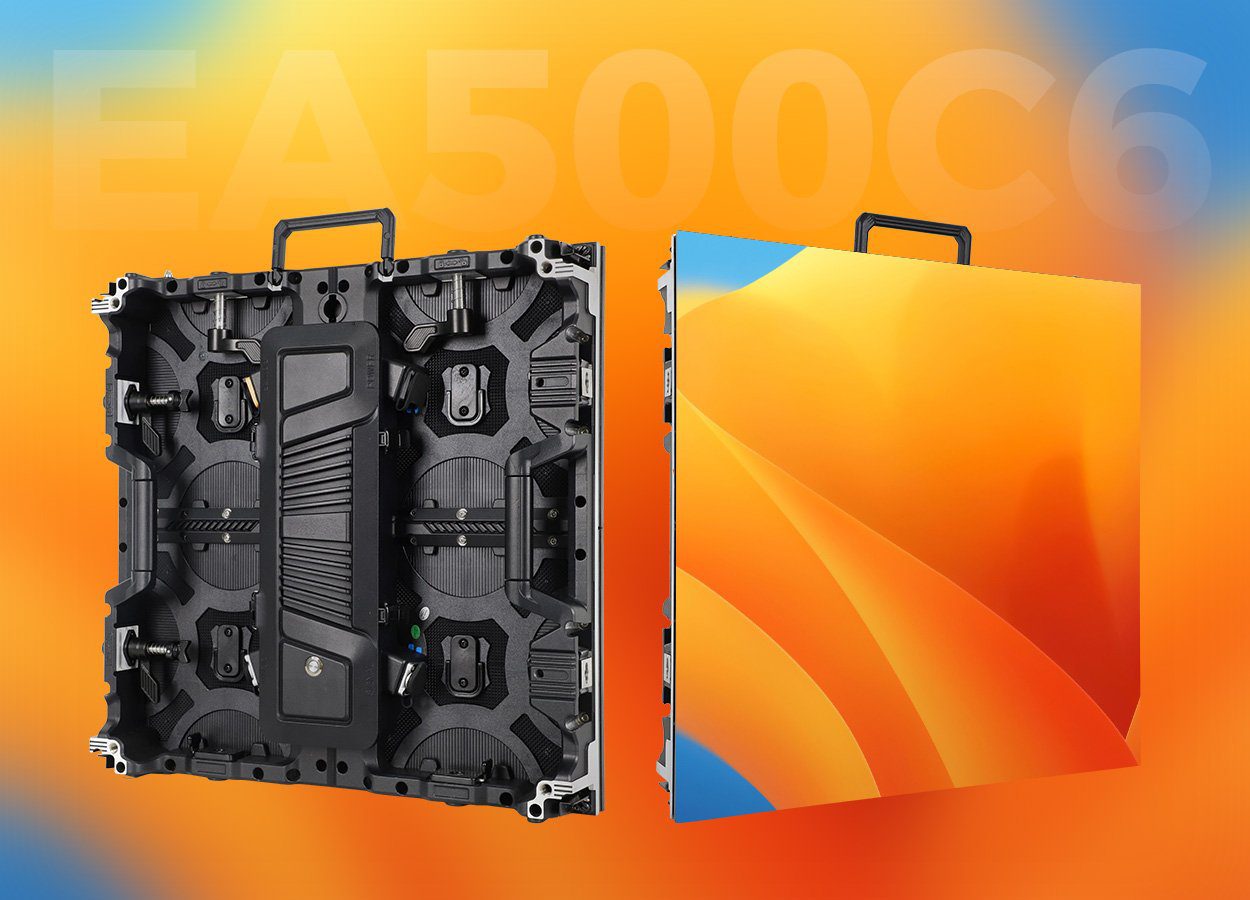
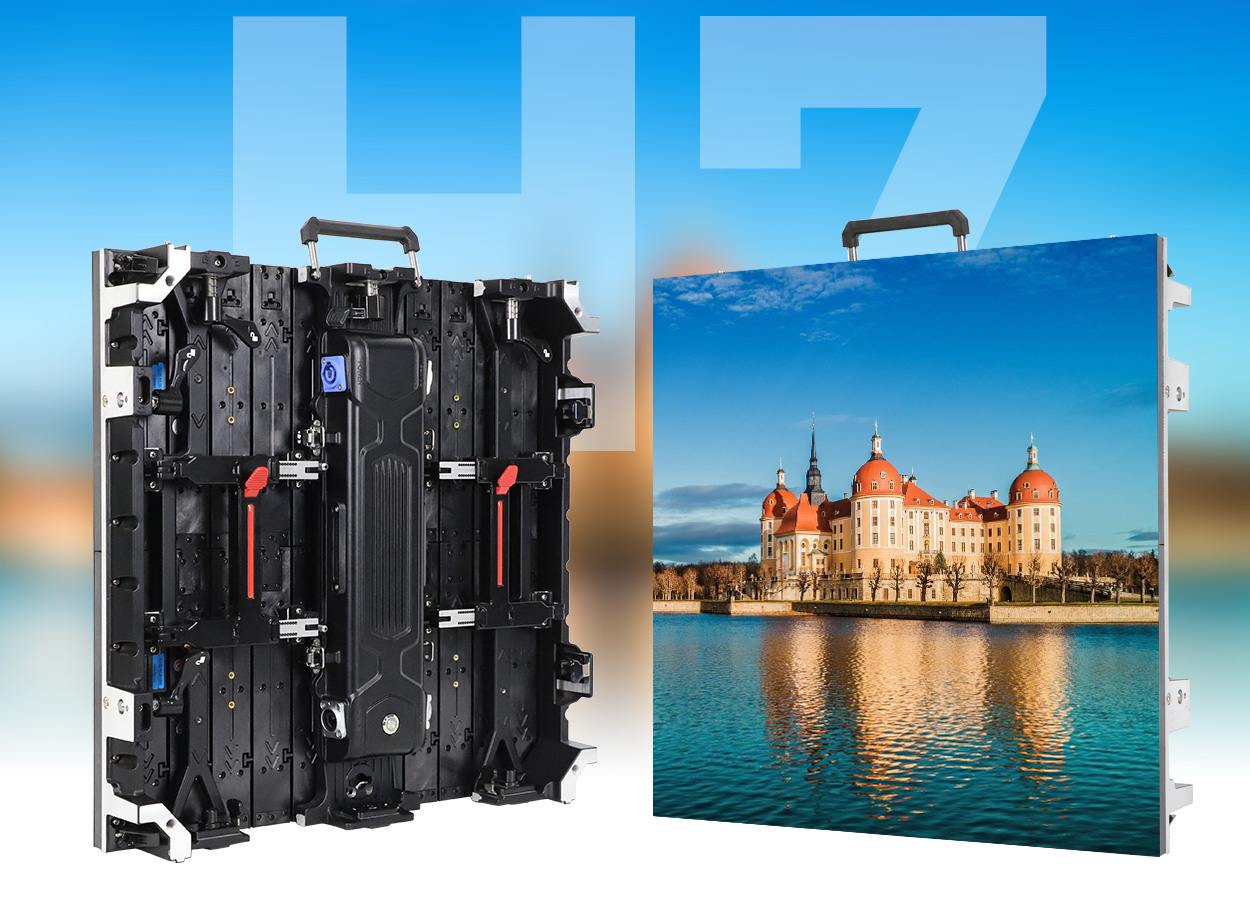
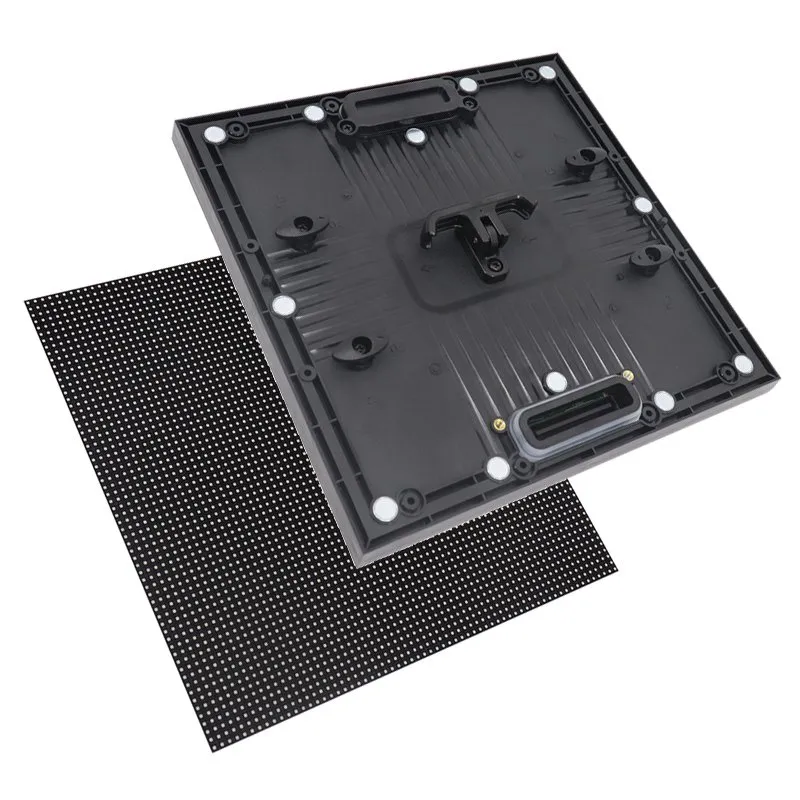
A module contains LEDs, a printed circuit board, driver electronics and connectors. A cabinet supports one or more modules and associated electronics. EagerLED’s LED display module overview explains the available categories and replacement compatibility checks.
SMD uses packaged LEDs mounted to a circuit board. COB mounts LED chips directly to the board with an encapsulated surface. GOB adds a protective layer over an LED module. These terms describe construction approaches; they do not by themselves establish the brightness, outdoor suitability or repair cost of LED screen boards. Compare the exact model and its test documentation.
02. Controllers, power and service access
The processor scales or arranges input content, while sending and receiving hardware distributes pixel data. Confirm the controller’s supported resolution, input formats, frame rate and output loading for the final cabinet layout. A connector that looks like a network port does not mean the downstream LED data link can be routed through an ordinary network switch.
Power supplies convert the incoming electrical supply to the voltage required by the display. Cable sizing, distribution and protective devices must be designed for the actual installation. LED screen boards also need a service strategy: front access can suit a wall-mounted installation, while rear access needs a usable maintenance space.
| Component | Function | Information to request |
|---|---|---|
| LED modules | Create the picture | Pitch, resolution, package, scan configuration and spares |
| Cabinets and frame | Align and support modules | Dimensions, weight, tolerances and access method |
| Processor and control cards | Map and distribute the image | Model numbers, loading limits and configuration backup |
| Power system | Supply electrical energy | Maximum input load, distribution plan and protection |
| Player or CMS | Store, schedule and manage content | Licenses, supported media, account ownership and connectivity |
4. Applications of LED Screen Boards
Different applications place different demands on LED screen boards. Define the viewing task before selecting a cabinet family: a boardroom spreadsheet, a concert camera feed and a roadside advertisement require different levels of detail, brightness and operational resilience.
01. Advertising, retail and public information
An outdoor LED advertising board must remain legible in changing light and survive its installation environment. Specify how brightness will change between day and night, how technicians will reach the screen, and what should happen if the player loses its network connection. The EA960F3 outdoor LED board is one product reference to discuss with a supplier; confirm current specifications and suitability for your project.
Retail LED screen boards may sit indoors yet face direct sun through glass. That location needs a separate light and temperature assessment. For public information, prioritize readable text, dependable updates and a fallback message. Avoid designs that depend on a remote data feed without any provision for an outage.
02. Meeting rooms, events and flexible screens
Meeting-room LED screen boards should be evaluated using small text, charts, skin tones and video calls at the actual seating positions. Review conference room LED display solutions alongside the room’s lighting, acoustics and conferencing equipment. Fan noise and low-brightness image quality can matter as much as maximum output.
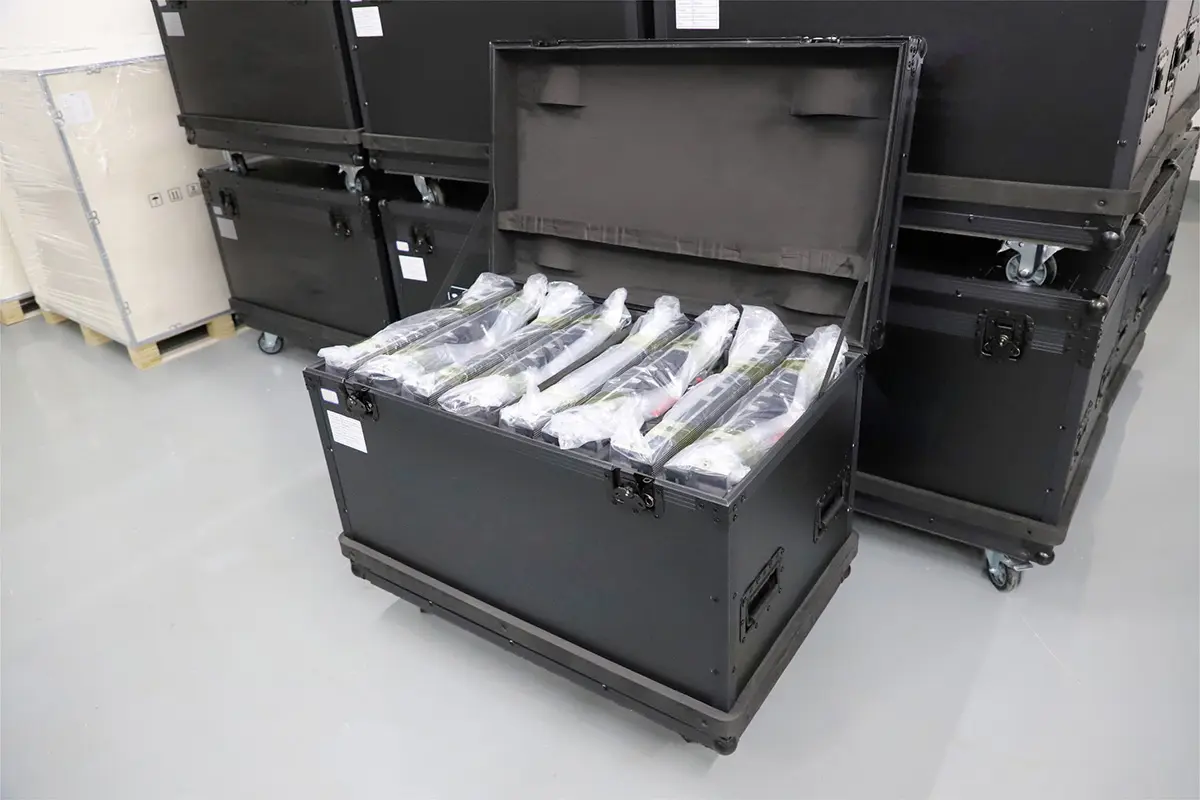
Event systems need repeatable assembly, suitable handling protection, approved support hardware and a clear spare-parts plan. An LED flex screen uses bendable modules or a flexible construction to follow curves. Flexibility does not mean unlimited bending: specify the permitted radius, supporting surface, module orientation and maintenance access. Flexible LED screen boards should be chosen for a defined shape, not bent experimentally on site.
For stadiums and stages, test the content from both the nearest and farthest important audience positions. Wide viewing angles, reliable operation and camera compatibility may outweigh the benefit of a smaller pixel pitch. Advertising artwork should be designed for the final canvas, rather than squeezed into an unsuitable aspect ratio.

5. How to Choose the Right LED Screen Board
Choose LED screen boards by working from the viewing task to the hardware. Record the installation conditions, then compare pixel pitch, native resolution, brightness, service access and total cost. Send the same requirements to every bidder so the proposals can be compared fairly.
01. Match pixel pitch to viewing distance and content
Pixel pitch is the center-to-center spacing between adjacent pixels, measured in millimeters. P2.5 means a nominal spacing of 2.5 mm. Smaller pitch provides more pixels in a fixed area, but costs can rise and very fine detail may offer little benefit to a distant audience.
There is no universal minimum viewing distance. Planar distinguishes visual-acuity distance from comfortable viewing distance. Its visual-acuity calculation is pitch in millimeters multiplied by 3.438 to obtain distance in meters. This is a pixel-visibility reference for 20/20 vision, not a guarantee that a particular font is readable. Test LED screen boards with actual content before approving a pitch.
| Nominal pitch | Pixels per m² | Theoretical resolution | Visual-acuity reference |
|---|---|---|---|
| P1.25 | 640,000 | 3,200 × 1,600 | 4.30 m |
| P2 | 250,000 | 2,000 × 1,000 | 6.88 m |
| P2.5 | 160,000 | 1,600 × 800 | 8.60 m |
| P4 | 62,500 | 1,000 × 500 | 13.75 m |
| P5 | 40,000 | 800 × 400 | 17.19 m |
The table uses width or height in millimeters divided by pitch; pixel density is (1,000 ÷ pitch) squared. Actual dimensions and resolution must follow whole modules and cabinets. Ask the supplier for the final pixel map rather than relying on rounded marketing labels.
For example, a theoretical 4 m × 2 m P2.5 wall has 1,600 × 800 physical pixels. Feeding it a 4K signal does not create 4K native detail. If you need 1,920 pixels across at P2.5, the nominal active width is 4.8 m before checking cabinet increments. Our pixel pitch selection guide provides further context.
02. Specify brightness, weather protection and image quality
Indoor LED screen boards need a comfortable image at normal room brightness. Outdoor versions must account for daylight, rain, dust, heat and the mounting location. Request calibrated operating brightness, dimming behavior and model-specific environmental limits. Maximum brightness alone says little about low-gray uniformity or the quality of dark scenes.
An ingress-protection rating applies to a specified enclosure and test condition. Check whether a stated rating covers the front, rear or complete cabinet, including connectors. A protected module face does not establish that the entire installation is suitable for exposed outdoor use. Include drainage, ventilation and any relevant corrosion exposure in the design discussion.
LED refresh rate and source frame rate describe different things. NovaStar explains LED refresh behavior in relation to the driving of the LEDs. A high advertised refresh number does not guarantee clean camera footage: scan behavior, brightness, shutter settings and synchronization also matter. Test filmed LED screen boards with the intended cameras, frame rates and exposure settings.
03. Compare installed cost and power consumption
LED screen board price depends on pitch, area, cabinet construction, processing, installation and support. Require an itemized project quote with currency, validity period, delivery terms and exclusions. A module price, a cabinet price and a turnkey installation price are different products and should not be compared as if they were equivalent.
| Cost category | Include in comparison | Common omission |
|---|---|---|
| Display hardware | Cabinets, modules, control cards and spares | Replacement modules from a compatible batch |
| Control and content | Processor, player, licenses and training | Recurring cloud fees or extra input hardware |
| Installation | Structure, access equipment, electrical work and commissioning | Building preparation and maintenance clearance |
| Delivery | Packaging, freight, insurance and applicable import costs | On-site handling and unloading |
| Operation | Electricity, cooling, inspections and service | Labor, travel and downtime outside warranty coverage |
Calculate energy using measured or clearly stated average operating power, not maximum load: daily kWh = screen area in m² × average W/m² × hours ÷ 1,000. An illustrative 8 m² display averaging 200 W/m² for 10 hours uses 16 kWh per day. Multiply by your electricity tariff and operating days; add cooling and external equipment separately.
This example is arithmetic, not a consumption claim for any model. LED screen boards vary with brightness, content and configuration. Electrical infrastructure must still be designed for the specified maximum load and relevant starting behavior, even when normal energy use is much lower.
04. Agree on acceptance and installation responsibilities
Before ordering LED screen boards, agree on cabinet alignment, pixel-defect criteria, color uniformity, operating brightness and the content used for acceptance. Request a demonstration of power recovery, network loss and replacement of a serviceable component. Establish who retains the controller configuration, calibration data and administrative accounts.
Have qualified professionals assess the mounting structure and electrical design. Outdoor supports need site-specific loading assessment, while suspended event displays require a documented rigging plan. Obtain applicable approvals before installation and make maintenance access part of the drawing, rather than discovering after delivery that technicians cannot reach a failed power supply.

6. Maintenance Tips for LED Screen Boards
A maintenance plan for LED screen boards should follow the manufacturer’s instructions and the site’s conditions. Dust, moisture, heat and frequent handling create different service needs. Keep a dated log of inspections, faults, operating settings and replacement components so recurring problems can be investigated.
01. Routine inspection and cleaning
Inspect LED screen boards for visible damage, blocked ventilation, loose external connections and changes in image uniformity. Clean only with approved methods and materials. Do not assume an outdoor rating permits pressure washing or the use of solvents. Isolate equipment as required before maintenance, and leave internal electrical work to qualified personnel.
Set inspection intervals around exposure and usage rather than copying a universal schedule. A dusty roadside installation may need attention more often than a clean meeting room. After unusual weather or an impact, arrange an inspection before resuming normal operation if the equipment may have been compromised.
02. Troubleshooting and spare parts
When a fault appears, record whether it affects one pixel, one module, a cabinet or an entire signal path. Photograph the symptom and note the source, brightness setting and recent changes. Check the approved troubleshooting procedure before replacing parts. The same visible black area can result from different power, data or configuration faults.
Spare modules for LED screen boards must match electrical and control requirements as well as size and pitch. Keep labeled spares, receiving cards and power supplies appropriate to the project, along with configuration backups. After replacement, check calibration and image uniformity; a functioning part can still look different from its neighbors.
03. Software, access and service life
Use supported software and restrict who can publish content or change the display configuration. Keep recoverable backups before approved firmware or configuration changes. EagerLED’s digital signage software guide is a starting point; verify compatibility with the exact controller and operating system.
Quoted LED lifetime is not the same as a warranty for the whole system. Ask how lifetime is defined, under which temperature and brightness conditions, and what brightness degradation is permitted. Power supplies, control electronics and connectors may need service before the LEDs reach their stated life. Assess LED screen boards on supportability and spare availability as well as a headline hour rating.
7. LED Screen Boards: Frequently Asked Questions
01. What does an LED board do?
An LED board displays electronic messages, graphics or video by controlling light-emitting pixels. A player or live input supplies the content, while the control system maps it to the display. LED screen boards can support advertising, announcements, presentations and live events when configured for those tasks.
02. How much do LED screen boards cost?
There is no reliable universal price. Specify dimensions, pitch, environment, control equipment and installation requirements, then request an itemized quote. Compare total installed and operating cost, including spares and support. A low advertised panel price may exclude the structure, processor, freight and commissioning.
03. Can indoor LED screen boards be used outdoors?
Only if the manufacturer explicitly approves the complete system for the intended exposure. Indoor equipment may lack suitable enclosure protection, thermal design or brightness. A roof or temporary cover does not automatically protect against wind-driven rain, condensation or heat.
04. Which pixel pitch should I choose?
Start with the nearest important viewer and the smallest detail that must remain readable. Calculate native resolution from the proposed dimensions, then test representative content. Viewing-distance formulas help shortlist LED screen boards, but they cannot replace a demonstration at the real distance and brightness.
05. Is an LED flex screen suitable for any curve?
No. Flexible modules have specified bending and mounting limits. Confirm minimum radius, bending direction, support design and service access before fabrication. Flexible LED screen boards also require content mapping that fits the finished geometry, especially where viewers see the surface from different angles.
06. Do LED screen boards need internet access?
Not always. A compatible local player can run stored content, and a live system can receive a local video feed. Internet access is needed for functions such as cloud management or remote data retrieval when those services are used. Confirm offline playback and recovery behavior during acceptance.
8. Conclusion: Specify LED Screen Boards Around the Viewing Task
The best LED screen boards balance readable content, suitable brightness, reliable installation and manageable lifetime cost. Begin with the environment and audience, calculate the required pixels, and compare complete systems using a shared specification. Preserve access for service and test the finished image with the material people will actually see.
For a useful supplier discussion, prepare the active screen dimensions, installation photos, nearest and farthest viewers, content examples, operating schedule and service expectations. Those details make proposals for LED screen boards more comparable and help prevent expensive changes after fabrication. Select the system that passes your practical checks, rather than the one with the longest list of headline specifications.
 LED Screen Solutions: How to Choose the Right Display
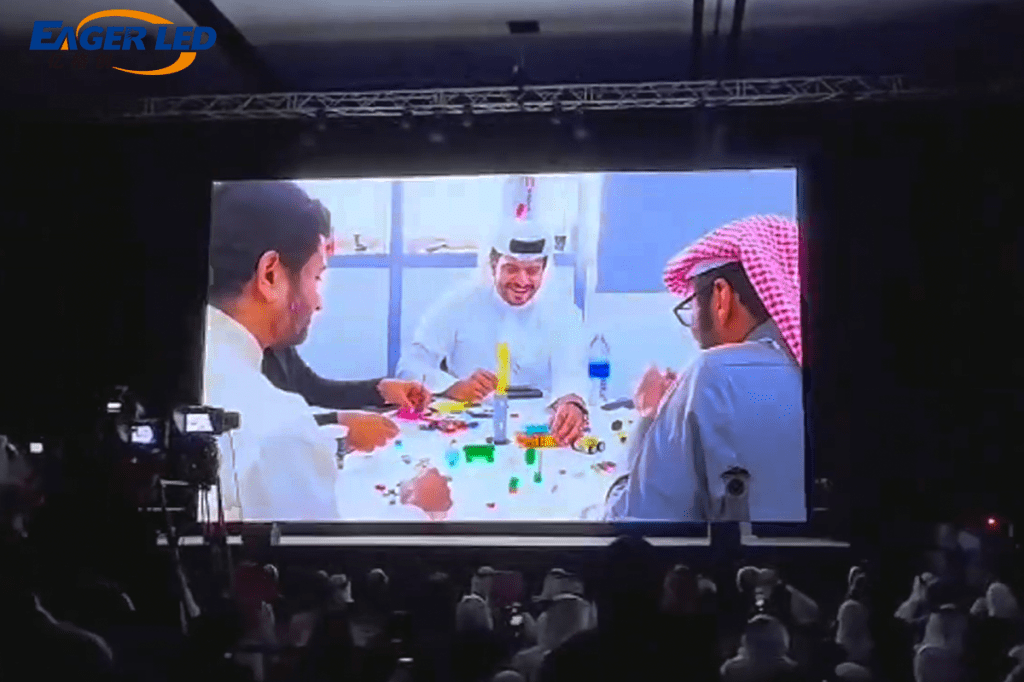 EA1000C3 LED Rental Display Has Been Well-Regarded By Bahrain Clients