

3D LED Billboard Equipment and Project Planning
A 3D LED billboard creates a glasses-free depth illusion by matching perspective-rendered content to a real screen and a planned viewing zone. This guide helps advertising companies, media owners and LED installers specify the display equipment and coordinate it with the content-production team.
- Choose a primary viewing zone from the actual site, rather than from a promotional video.
- Approve the cabinet geometry, corner arrangement and native pixel canvas before final rendering.
- Match brightness, outdoor protection, power and service access to the selected model and location.
- Separate display equipment, local structure, installation and content-production scope in the quotation.
How the Naked-Eye 3D Billboard Solution Works
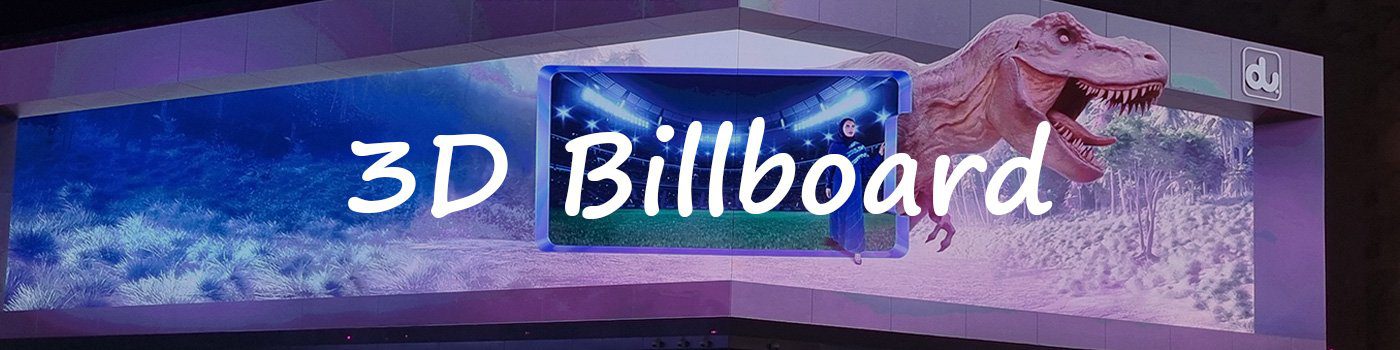
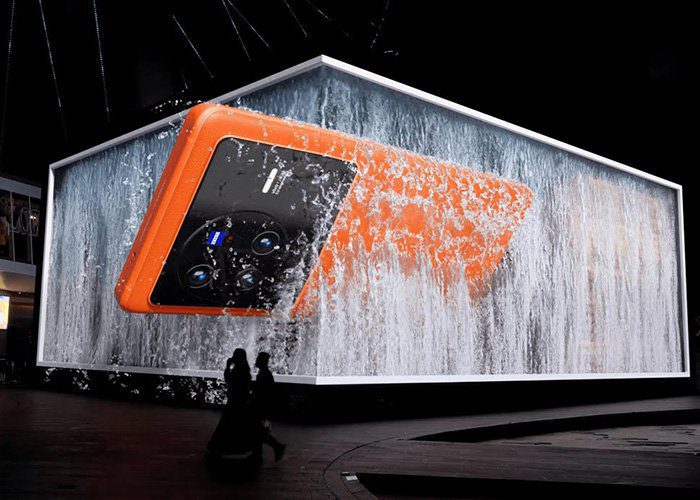
Naked-eye 3D billboards use perspective-based animation on a flat or corner LED canvas. The strongest illusion appears inside a planned viewing zone, where the screen geometry and the rendered camera angle align. A right-angle corner can strengthen the effect, but the creative content, pixel mapping, calibration, and viewing position are just as important as the hardware.
EagerLED’s solution process covers cabinet layout, resolution planning, brightness and protection requirements, control and power distribution, service access, installation coordination, and content testing. This creates a practical system for daily advertising instead of a one-time visual demonstration.
3D Billboard Application Scenarios
1. Commercial Building Facades
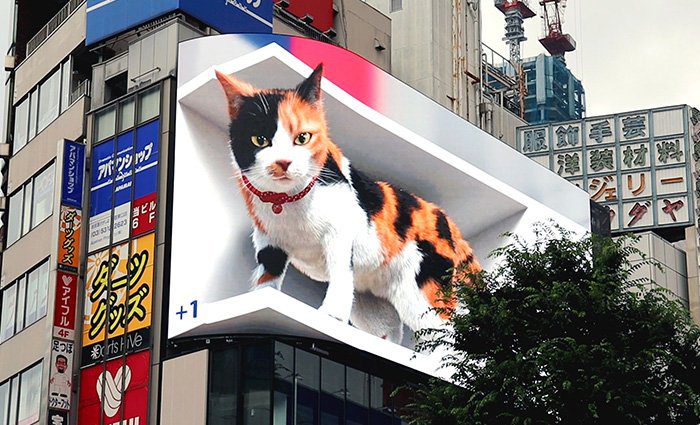
Best for: retail headquarters, shopping-center facades, mixed-use developments, and brand flagship locations. A corner or wraparound screen can turn an unused building surface into a coordinated media asset. Before specification, confirm the primary pedestrian or vehicle viewing zone, local sign rules, structural loads, power access, and service route.
Creative should be built for the actual cabinet map and tested from the intended camera position. This avoids distorted products, cropped text, and an effect that only works in a rendering.
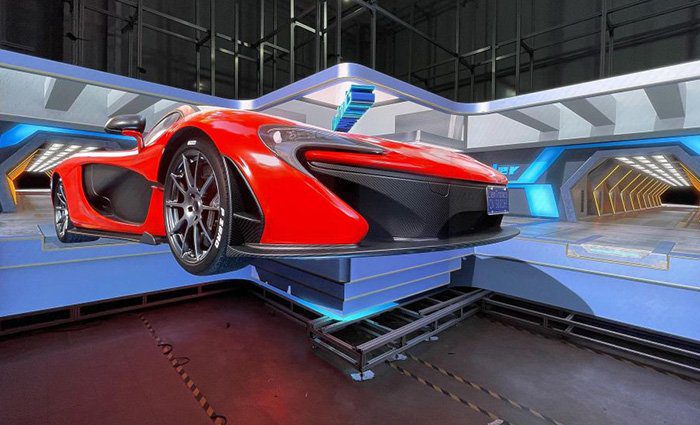
2. Indoor Commercial and Cultural Spaces
Best for: atriums, exhibition halls, hotels, museums, experience centers, and premium retail interiors. Indoor projects typically prioritize closer viewing distances, finer pixel pitch, low-noise operation, color consistency, and discreet integration with architecture.
A flat display can still create forced perspective, while an L-shaped corner gives content designers more depth cues. Ambient lighting, sight lines, ceiling height, fire access, and maintenance clearance should be resolved before production.
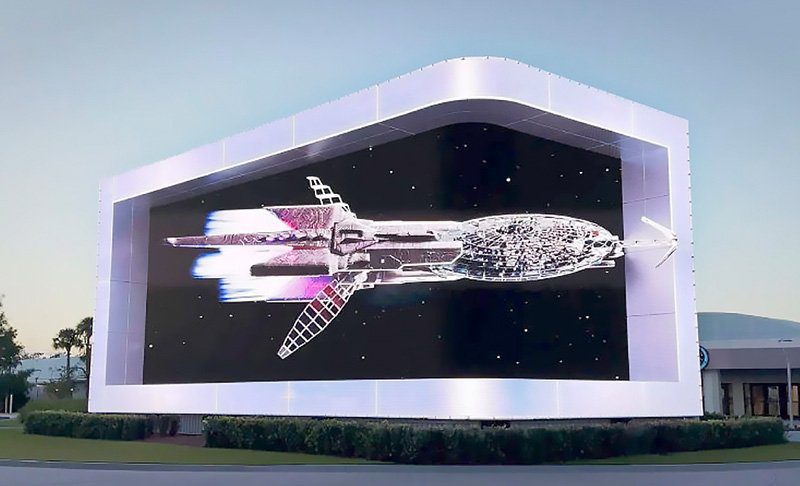
3. Outdoor Advertising Locations
Best for: roadside media, transport hubs, outdoor retail, entertainment districts, and high-traffic commercial zones. Outdoor projects need sufficient luminance for the site, weather-rated cabinets, drainage, ventilation, surge protection, and a maintenance plan.
3D creative performs best when the subject is large, the motion is readable at a glance, and critical brand information remains legible outside the ideal 3D viewing zone. A flat fallback version should also be prepared for standard campaign playback.
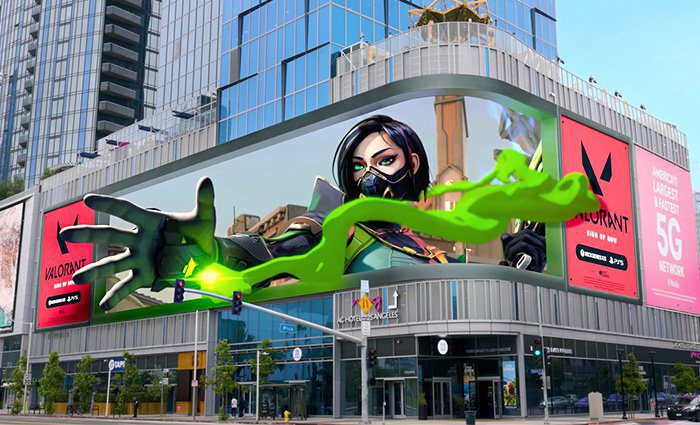
4. City Landmarks and Public Media
Best for: city squares, tourism districts, cultural venues, landmark buildings, and large public media installations. These projects often combine architectural lighting, scheduled content, live data, and seasonal campaigns.
The solution should balance spectacle with long-term operation: structural engineering, screen access, local approval, brightness scheduling, content governance, emergency messaging, and remote monitoring all belong in the project brief.
Why Choose EagerLED for a 3D LED Billboard Project
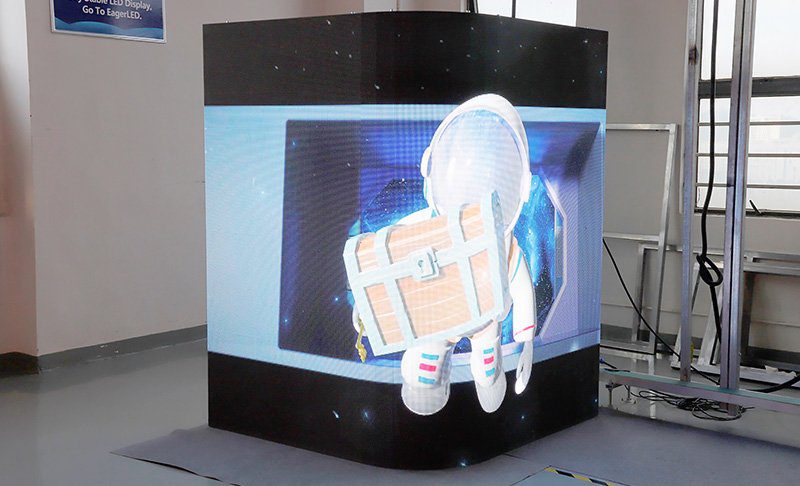
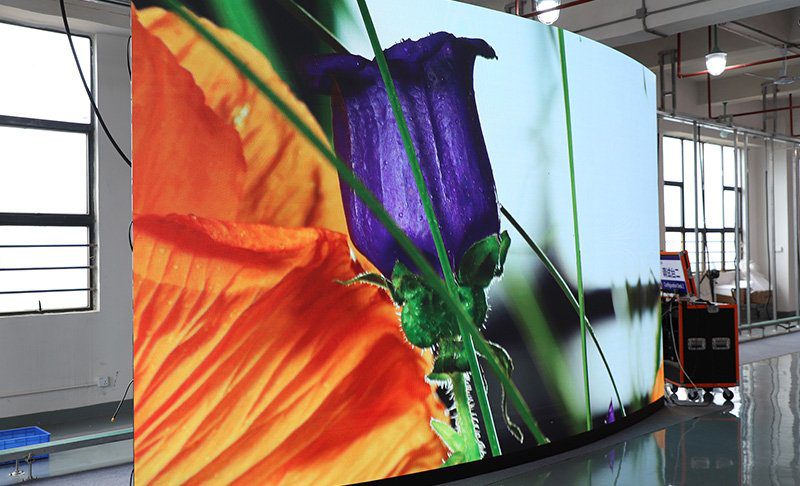
- Display options: compare the EA960F4 and EA-OFixed configurations below against the required geometry, resolution, brightness and service access.
- Integration inputs: provide site drawings, screen dimensions, viewing-zone information and the local structure interface.
- Content coordination: agree the final cabinet map and native pixel canvas with the creative team before rendering.
- Equipment scope: confirm controllers, power and signal accessories, packing, spare parts, testing and agreed support as specific quotation items.
Confirm which party supplies the structure, installation and content work. Product availability or a corner cabinet does not by itself guarantee the final visual effect.
Recommended 3D Billboard Products
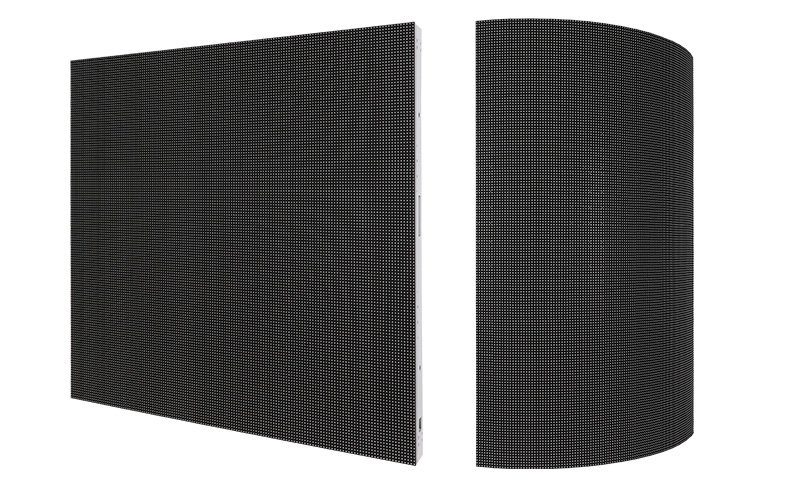
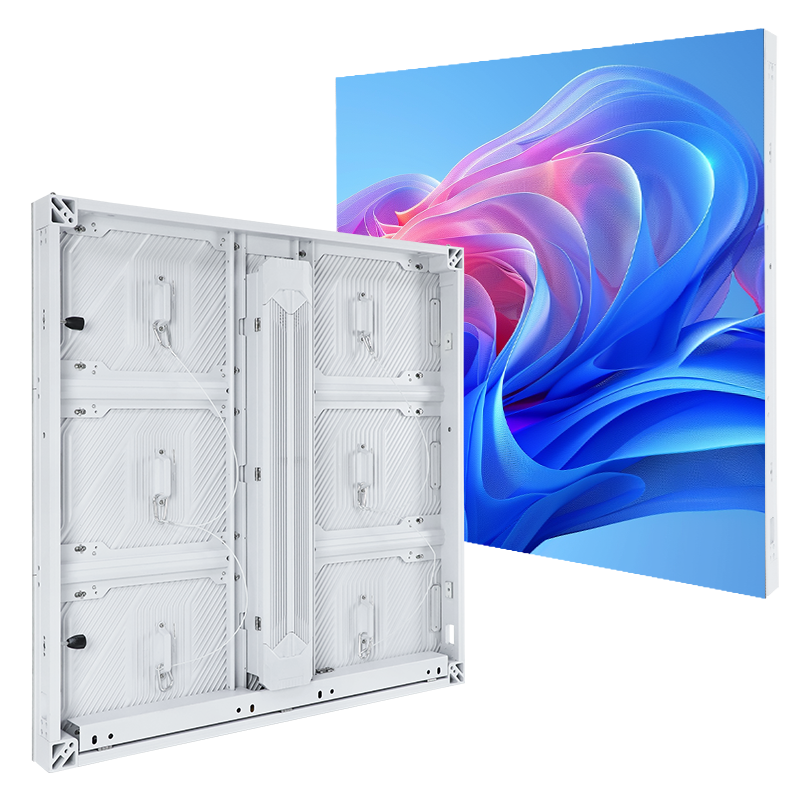
EA960F4 Series
960×960mm Outdoor LED Billboard
- 960 × 960 mm aluminum cabinet, 21.8 kg
- Front and rear service access
- IP65-rated outdoor protection
- Optional 90° corner and 45° beveled cabinet configurations
- Up to 6,500 cd/m² brightness
- 3,840 Hz refresh rate
- 960 × 960 mm, 1,440 × 960 mm, and 1,440 × 640 mm cabinet formats
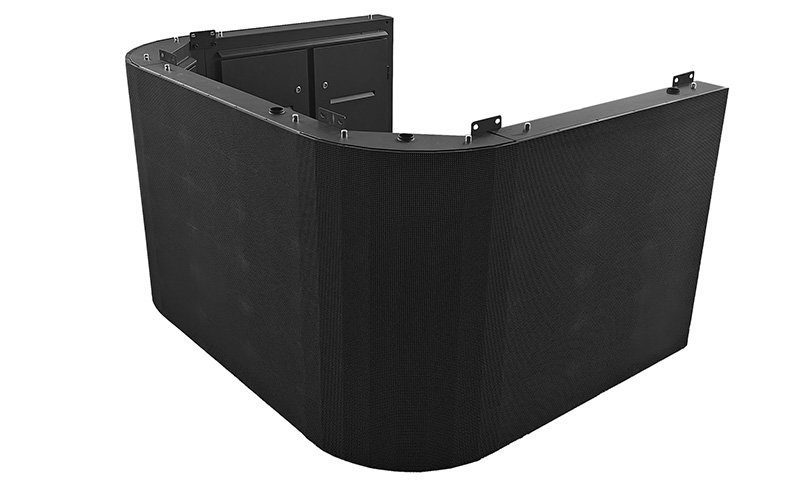
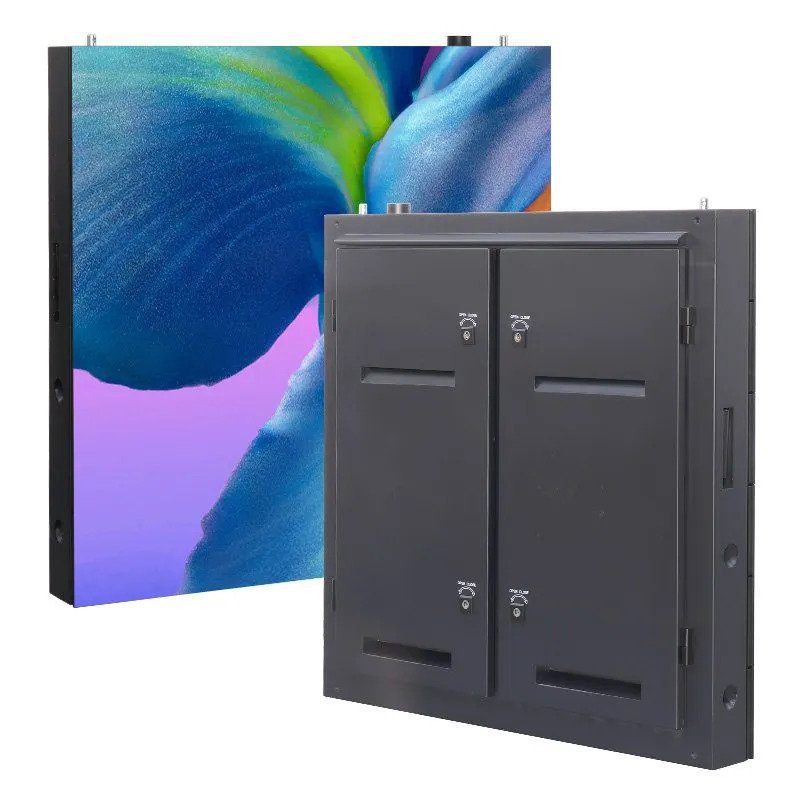
EA-OFixed
Outdoor Fixed Advertising LED Board
- P3-P16 pixel-pitch options
- 5,500-10,000 cd/m² brightness, depending on configuration
- ≥3,840 Hz refresh rate and 14-bit grayscale
- IP65 front and IP54 rear protection
- -20 °C to +60 °C specified operating range
- 140° listed viewing angle
- Active fan-assisted cooling for fixed outdoor operation
View the EA-OFixed specifications and available cabinet sizes.
EA960F4 Outdoor Arc 3D LED Display Screen
Outdoor Fixed LED Video Wall丨EA-OFixed
3D Billboard Solution Guide: Design, Products, Cost and Deployment
The buying process should produce two coordinated deliverables: a display specification and a content brief for the same site. Keep a conventional campaign version available for broader viewing directions, service periods and fallback playback.
3D Billboard Solution Guide
On this page: 3D billboard project guide
1. What Is 3D Billboard?
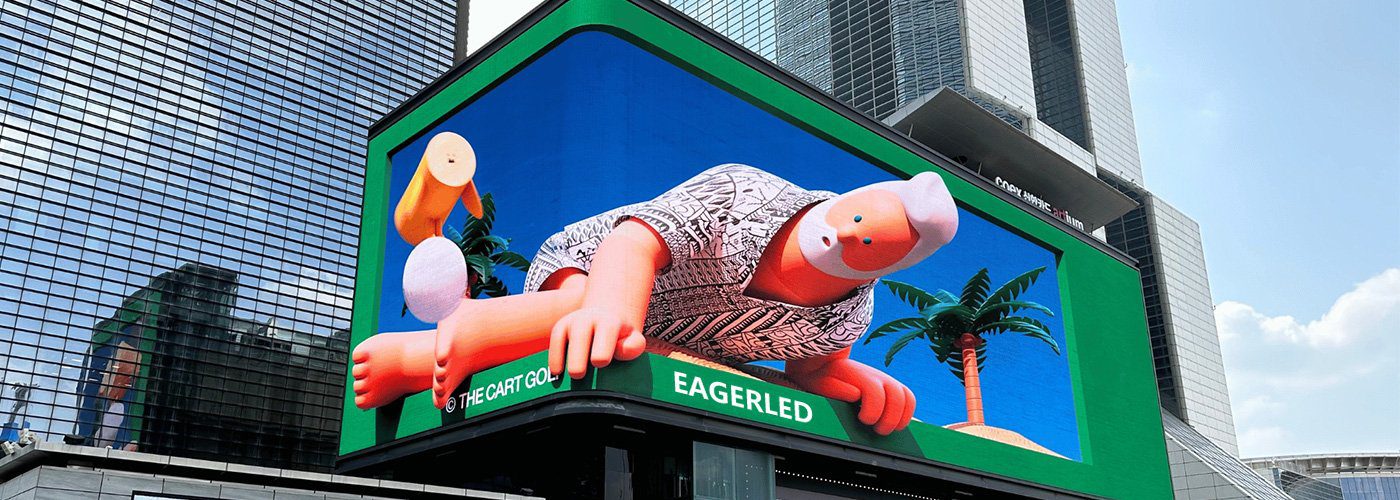
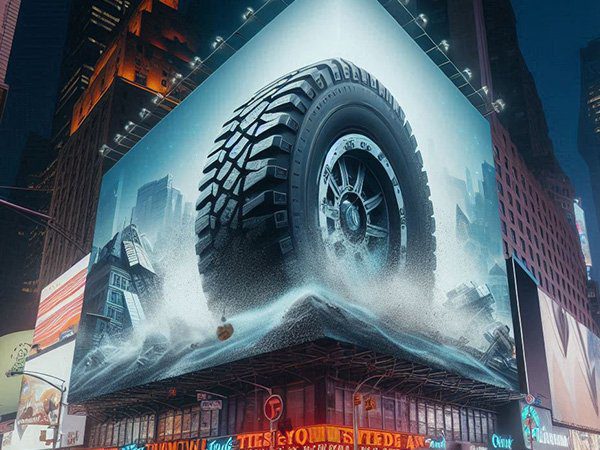
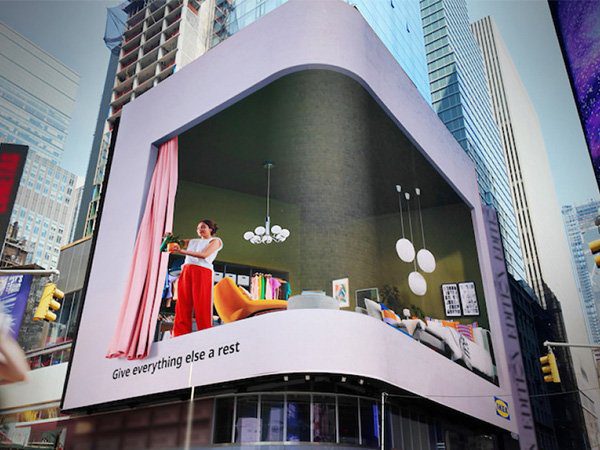
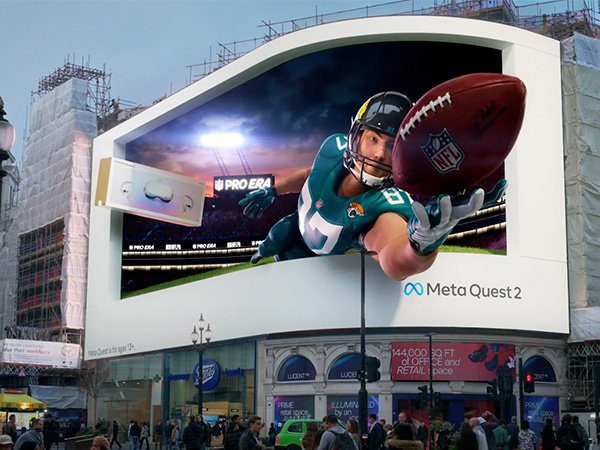
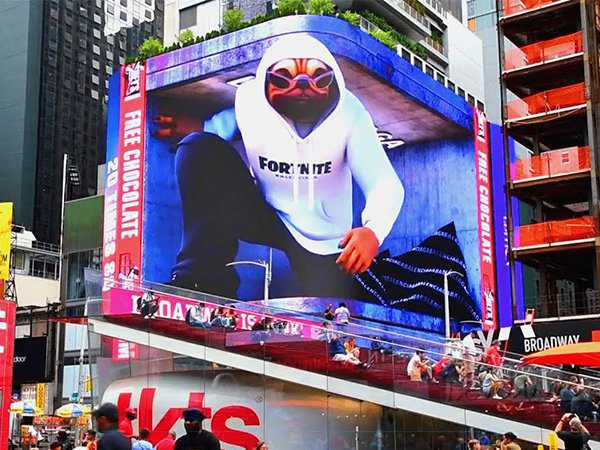
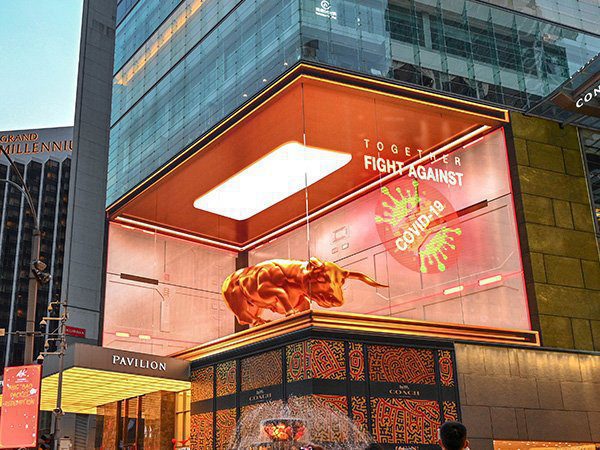
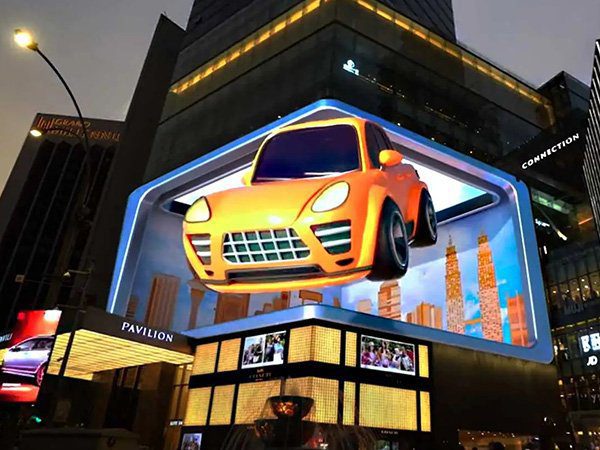
A 3D billboard is a direct-view LED display that shows perspective-rendered animation designed for a specific screen shape and observation point. It does not normally require glasses, lenticular lenses, or a special optical layer. Instead, scale, occlusion, shadow, motion, and perspective cues make an object appear to extend beyond or recede behind the physical display surface.
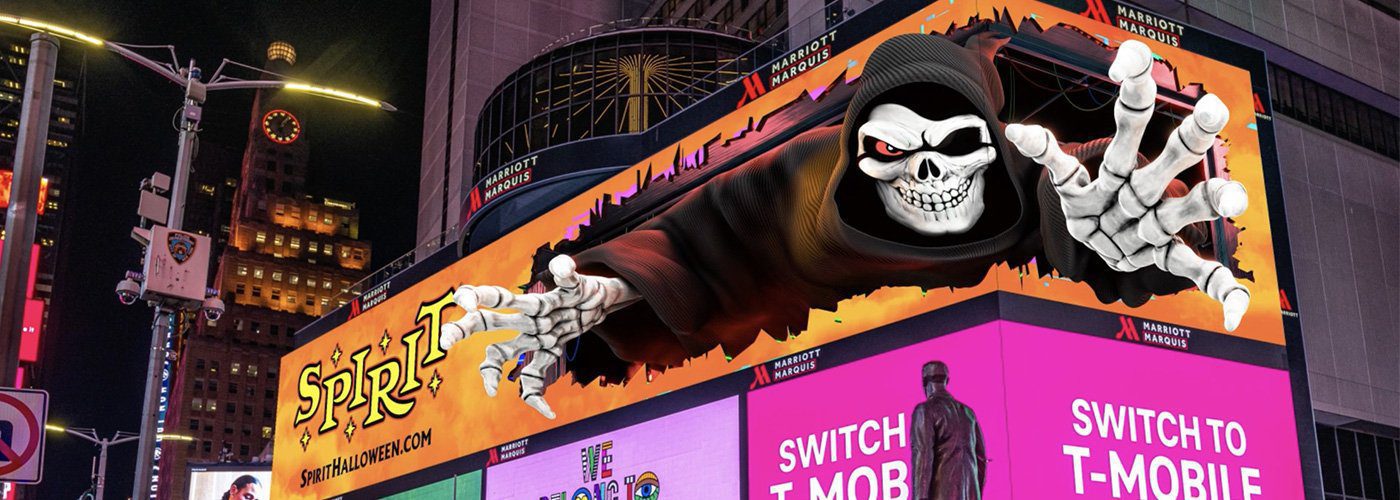
Many well-known installations use an L-shaped building corner because two visible planes provide a strong spatial frame. Flat screens can also produce the effect when the creative establishes a clear virtual box. The illusion becomes weaker as viewers move far away from the planned viewing zone, so every project should define both the ideal 3D position and the acceptable general viewing area.
2. Flat LED Display vs. 3D LED Billboard
Both formats use LED modules, cabinets, control equipment, power distribution, and video content. The difference is the way the canvas and content are designed for the audience.
| Decision factor | Standard flat LED display | 3D LED billboard solution |
|---|---|---|
| Primary goal | Clear, flexible playback for general information and advertising | High-impact forced-perspective campaigns with a defined viewing zone |
| Screen geometry | Usually one flat plane | Flat, L-shaped, beveled, curved, or custom architectural canvas |
| Content workflow | Standard video and image assets | 3D modeling, camera matching, pixel-map rendering, preview, and on-site calibration |
| Viewing behavior | Consistent message across a broad area | Strongest depth effect near the planned observation point; readable fallback outside it |
| Project scope | Display, control, structure, power, and content playback | All standard scope items plus geometry validation, 3D content production, viewing-zone planning, and effect testing |
2.1 Display effect
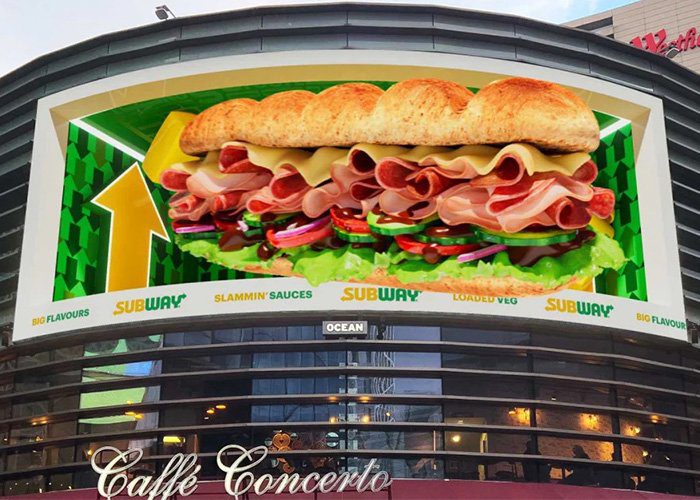
A flat display presents content on one physical plane and is the most flexible format for mixed campaigns. A 3D billboard uses rendered perspective cues to make that plane appear deeper than it is. Corner cabinets can add a physical edge that helps define a virtual room, product box, window, or portal.
The best format depends on the building, audience path, content schedule, and budget. A corner is useful when the facade and viewing direction support it; it is not a substitute for accurate content production.
2.2 Application Scenarios
Choose a conventional flat screen when viewers approach from many directions, information must remain equally readable, or most content is standard video. Choose a 3D-focused solution when the site has a strong primary sight line and the campaign can justify dedicated 3D creative.
Retail facades, entertainment districts, exhibition halls, transport hubs, product launches, and landmark media are common fits. Meeting rooms, control rooms, menus, and routine information displays usually gain more value from a standard flat configuration.
2.3 Visual Experience
Standard content remains readable across the display’s supported viewing angle. A forced-perspective scene has two viewing concepts: the technical viewing angle of the LED modules and the creative viewing zone where the virtual camera aligns with the physical screen.
Project teams should evaluate both. Wide LED viewing performance helps general visibility, while a clearly marked primary observation point helps photography, video capture, and the strongest 3D illusion.
2.4 Cost
A 3D billboard usually requires more planning and content work than a standard display of the same area. Cost can increase through custom corner cabinets, structural steel, access systems, additional design review, 3D animation, media-server requirements, and on-site calibration.
The correct comparison is total project scope, not the LED price alone. A well-designed flat billboard with strong creative may be the better investment when the site lacks a useful viewing zone.
3. Benefits of a 3D LED Billboard Solution
A 3D LED billboard can deliver a distinctive visual experience, but its business value comes from matching the format to a suitable site, campaign, and operating plan. The following benefits are strongest when hardware, content, and installation are specified together.
3.1 Enhanced visual experience
Forced perspective gives familiar products and characters a sense of scale, depth, and motion that a conventional layout cannot reproduce in the same way. This can make a facade feel like a stage, window, room, or product display rather than a rectangular screen.
For the effect to remain convincing, the content team needs the final pixel map, corner angle, visible cabinet dimensions, and intended viewing position before rendering.
3.2 Improve advertising effect
A distinctive creative concept can help a campaign stand out in a visually busy district and give viewers a clear subject to photograph or share. The billboard should still communicate the brand and offer in a few seconds, including when the viewer is outside the ideal 3D zone.
Use large focal objects, controlled motion, short copy, and a clear final frame. Avoid placing essential text across a corner seam or making product proportions depend on a single camera position.
3.3 Rich Content Display
The same display can run 3D animation, standard video, static branding, live information, event content, and scheduled campaigns. Content management should include the exact resolution, aspect ratio, safe zones, frame rate, file format, brightness schedule, and playback calendar.
Preparing both a hero 3D asset and efficient standard assets gives operators more flexibility between launches and reduces the need to force every message into a 3D format.
3.4 Multifunctionality
Cabinet systems can be configured for flat walls, right-angle corners, beveled transitions, and project-specific dimensions. This supports outdoor advertising, retail, hospitality, exhibitions, cultural venues, transport environments, and architectural media.
Flexibility still has engineering limits. Wind load, cabinet weight, access clearance, ventilation, cable routes, local codes, and the building surface must be reviewed before the final layout is approved.
3.5 Project Value and Total Cost of Ownership
Evaluate value through total cost of ownership: display hardware, steel structure, control and power equipment, freight, installation, content production, commissioning, electricity, maintenance access, spare modules, and future creative updates. A lower hardware quote can become more expensive if access, cooling, or service planning is incomplete.
EagerLED can compare suitable cabinet and pixel-pitch options after receiving the screen dimensions, viewing distance, environment, installation method, and content objective.
4. What Determines 3D Billboard Cost?
4.1 LED board size
Screen area directly affects the quantity of cabinets, modules, power supplies, receiving cards, structure, cable, freight, and installation labor. Geometry also matters: a simple rectangle is easier to engineer than a wraparound corner, beveled transition, or custom facade.
Provide the maximum available width and height, structural drawings if available, and any required aspect ratio. The project team can then calculate a cabinet layout with minimal unused space.
4.2 Pixel Pitch and Image Performance
Pixel pitch affects resolution, viewing distance, cabinet choice, power density, and cost. A smaller pitch increases pixel count for the same area, but it is not automatically the best option for a distant outdoor audience. Brightness, refresh rate, grayscale, LED package, scan method, and control system must be evaluated as a complete image-performance specification.
Use the LED screen resolution guide to understand how screen size, pitch, and content resolution work together.
4.3 Content production
Budget content production separately from the LED equipment. Define concept and storyboard approval, product-model preparation, animation, rendering for the native pixel canvas, preview from the agreed virtual camera, revisions and on-screen acceptance.
Agree licensing, editable-file ownership, permitted reuse and future adaptation with the creative supplier. Request a standard flat fallback asset and a file-delivery specification; these items are not automatically included in a screen quotation.
4.4 Installation and maintenance
Installation cost depends on the support structure, building access, crane or lift requirements, power distribution, data distance, ventilation, waterproofing, lightning and surge protection, permits, labor, and commissioning. Outdoor protection ratings do not replace correct drainage, sealed cable entry, and site-specific engineering.
Maintenance planning should define front or rear access, safe working space, spare modules and power supplies, cleaning, inspection intervals, and who will recalibrate replaced modules.
4.5 How to Get an Accurate Project Quote
A complete 3D billboard price cannot be compared from screen area alone. Cabinet model, pixel pitch, corner geometry, processing, structure, access, shipping, installation and creative work can change the scope.
- Display package: screen dimensions, selected cabinets, receiving hardware, processor, cables and spares.
- Local works: structure, building interfaces, electrical distribution, access equipment and installation responsibilities.
- Creative package: concept, scene and camera setup, native-resolution render, revisions, playback files and usage rights.
- Delivery and operation: destination, packing, commissioning, support and future content updates.
Send site photos or drawings, proposed dimensions and corner angle, viewing positions, environment, service access and required launch date. Ask each quotation to state inclusions and exclusions for the same scope.
5. How a 3D Billboard Works
The visual effect comes from aligning the physical LED canvas with a virtual camera used in the 3D scene. A practical workflow has five stages:
- Survey the site: record screen geometry, viewing routes, ambient light, structure, power, network, and access.
- Define the viewing zone: choose the main observation point and acceptable secondary views.
- Build the display specification: finalize cabinet map, pixel pitch, resolution, brightness, refresh, protection, control, power, and service method.
- Render and preview content: use the final pixel map and virtual camera to test depth, cropping, seams, and safe areas.
- Install and calibrate: align cabinets, map pixels, calibrate color and brightness, test playback, and verify the effect from the real viewing zone.
5.1 Forced-Perspective Content
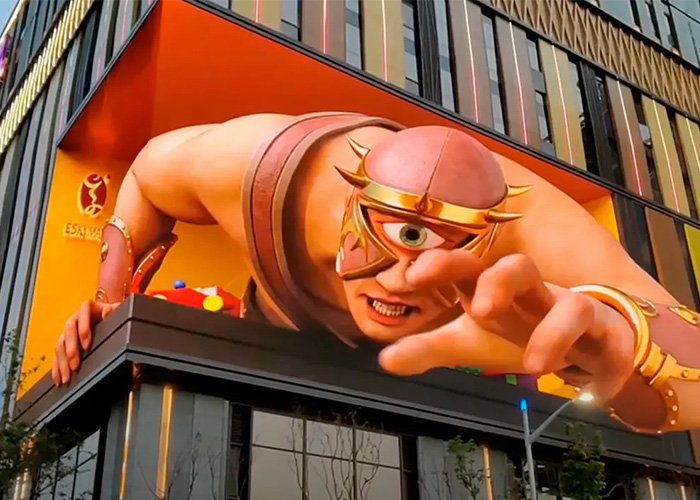
Most commercial naked-eye 3D billboards use forced perspective rather than sending a different image to each eye. The animation is rendered from one planned virtual camera. Scale, occlusion, shading, cast shadows, motion, and the edges of a virtual box provide depth cues that the brain interprets as three-dimensional space.
This is why footage captured from the primary viewing point often looks strongest. From other positions, the display still plays normally, but the geometry of the illusion may appear stretched.
5.2 Perspective and Viewing Zone
The content artist models the physical screen as one or more surfaces and places a virtual camera at the intended observation point. On an L-shaped billboard, the render is split across both faces so lines and objects appear continuous across the corner.
The viewing zone should be chosen from real pedestrian flow, road direction, camera locations, distance, and safety. It should not be selected only from an architectural rendering.
5.3 LED Cabinet and Pixel System
The LED system supplies the brightness, resolution, refresh rate, grayscale, color consistency, and continuous canvas needed to reproduce the rendered scene. Cabinets and modules form the pixel grid; sending equipment maps the video signal to the physical layout.
Standard corner 3D LED billboards do not require cylinders or lens arrays. What matters is accurate cabinet alignment, a known pixel map, consistent module calibration, and a control system sized for the total resolution.
5.4 3D Content Production and Calibration
Agree the display-to-content handoff before production
| Deliverable | What the teams confirm | Acceptance check |
|---|---|---|
| Physical canvas | Dimensions, cabinet map, corner angle and visible edges | Approved drawing matches the installed arrangement |
| Pixel canvas | Native resolution, surface mapping and processor capacity | Test pattern maps correctly across every face |
| Viewing zone | Primary observation point, height and approach direction | Perspective preview uses the agreed virtual camera |
| Playback files | Format, frame rate, codec, synchronization and fallback asset | Files play correctly on the proposed control chain |
| Final presentation | Color, brightness schedule, alignment and maintenance access | On-site review from the planned audience position |
Production begins with the approved cabinet map and viewing zone. The content team creates a storyboard, builds the 3D scene, locks the virtual camera, animates the subject, renders to the exact output resolution, and reviews a mapped preview before delivery.
After installation, test the content on the real screen. Small adjustments to brightness, black level, color, seam position, motion speed, and virtual-camera alignment can materially improve the illusion.
6. 3D Billboard Technology Trends
Additional integration can include responsive content, remote operations and campaign scheduling. Select these functions from a practical operating need and confirm the controller, software, data source and support responsibilities. They are optional project choices, rather than a requirement for every 3D billboard.
6.1 Data-Responsive Content
Media servers can combine scheduled animation with time, weather, inventory, event, or sensor data to create context-aware campaigns. Any audience measurement or personalization should follow local privacy rules and use clearly defined data governance.
The operational priority is dependable data input and a safe fallback playlist. A billboard should continue showing approved content if an external feed fails.
6.2 Interactive and Immersive Integration
Interactive triggers, mobile experiences, spatial audio, lighting, and extended-reality content can connect the billboard to events or product launches. These additions should support a clear campaign objective rather than compete with the main visual.
Interaction design must account for response time, crowd flow, accessibility, moderation, and fail-safe behavior in public spaces.
6.3 Better Calibration and Realism
Higher-quality LED packages, processing, grayscale control, camera-friendly refresh, calibration tools, and physically based rendering can improve realism. Consistent blacks, believable shadows, restrained highlights, and accurate edge alignment often matter more than extreme motion.
Regular calibration and a controlled content pipeline help the display maintain the intended look after module replacement or long-term operation.
6.4 Cross-Channel Campaign Integration
A 3D billboard can serve as the hero asset for social video, live events, retail screens, web campaigns, and product launches. Planning these formats together allows the same model, scene, and key animation to be adapted efficiently.
The outdoor version should remain understandable without audio, while social edits can use close-ups, alternate camera angles, captions, and behind-the-scenes content.
7. 3D Billboard FAQs
7.1 Why Is a 3D Digital Billboard Effective for Marketing?
A 3D billboard can make a product launch or brand story easier to notice because forced perspective gives the subject scale, depth, and a clear visual event. It is especially suitable for sites with strong foot traffic, a defined viewing direction, and space for people to stop or capture the display.
Marketing performance is not guaranteed by the screen alone. The message, location, media schedule, creative quality, viewing zone, and measurement plan determine whether the installation supports awareness, visits, leads, or sales.
7.2 Where Does 3D Billboard Content Come From?
A 3D animation team can build content from licensed product models and an approved storyboard. For the perspective effect, the scene and virtual camera must match the physical screen geometry and viewing zone. Standard videos and static artwork can also play on the screen, but do not automatically become perspective-correct 3D content.
Provide brand files, reference models, the final pixel map, playback requirements, language versions, revision limits and delivery dates. Agree ownership and permitted reuse with the content supplier.
Which software is needed for a 3D billboard?
Content-creation software and LED playback control have different roles. The creative team renders a scene for the agreed geometry and virtual camera; the media player or processor maps and plays the delivered pixels. Confirm file format, codec, frame rate, resolution and any synchronization requirements with both teams before final delivery.
7.3 What Does a 3D Billboard Installation Site Require?
Yes. The site must support the screen’s weight, wind load, power, data route, drainage, ventilation, service access, and local approval requirements. For the visual effect, it also needs a practical primary viewing zone with a clear sight line and enough distance for the complete canvas to be seen.
Outdoor cabinet ratings help resist dust and water, but the final installation still needs correctly sealed connections, water management, grounding, surge protection, and engineering for the local climate.
7.4 How Do I Choose Resolution, Pixel Pitch, and Refresh Rate?
Resolution should be calculated from physical screen size and pixel pitch, then checked against the closest viewing distance and content detail. Refresh rate should match the playback and camera-capture requirements. There is no single pitch or refresh value that is correct for every 3D billboard.
As current product examples, EA960F4 is listed at 3,840 Hz with brightness up to 6,500 cd/m², while EA-OFixed configurations are listed at ≥3,840 Hz, P3-P16, and 5,500-10,000 cd/m². Final values depend on the selected configuration and should be confirmed in the project specification.
8. Plan Your 3D Billboard Solution
Send the installation location, site photos or facade drawings, proposed dimensions, corner geometry and primary viewing zone. Include the environment, maintenance access, content objective and target launch date. Request an itemized display proposal and identify the local structure, installation and creative responsibilities separately.
