

An LED screen module price is comparable only after the replacement part, test scope, quantity, and delivery terms are defined. For an existing installation, the lowest unit price can leave a service distributor paying separately for sample evaluation, color matching, additional freight, or a second site visit. Start with a confirmed replacement specification, then compare the cost of an accepted, usable batch.
This guide is for service distributors buying spare modules for screens already in operation. The purchasing decision is how to replenish compatible stock without confusing a catalog listing with a confirmed replacement offer. The worksheets below are proposed purchasing tools, not EagerLED quotations or standard warranty terms.
There is no universal replacement price or spare percentage that fits every installation. Hardware revisions, screen history, service commitments, and replenishment time all matter. Obtain a written, project-specific offer before committing to a batch.
1. Define What the LED Screen Module Price Includes
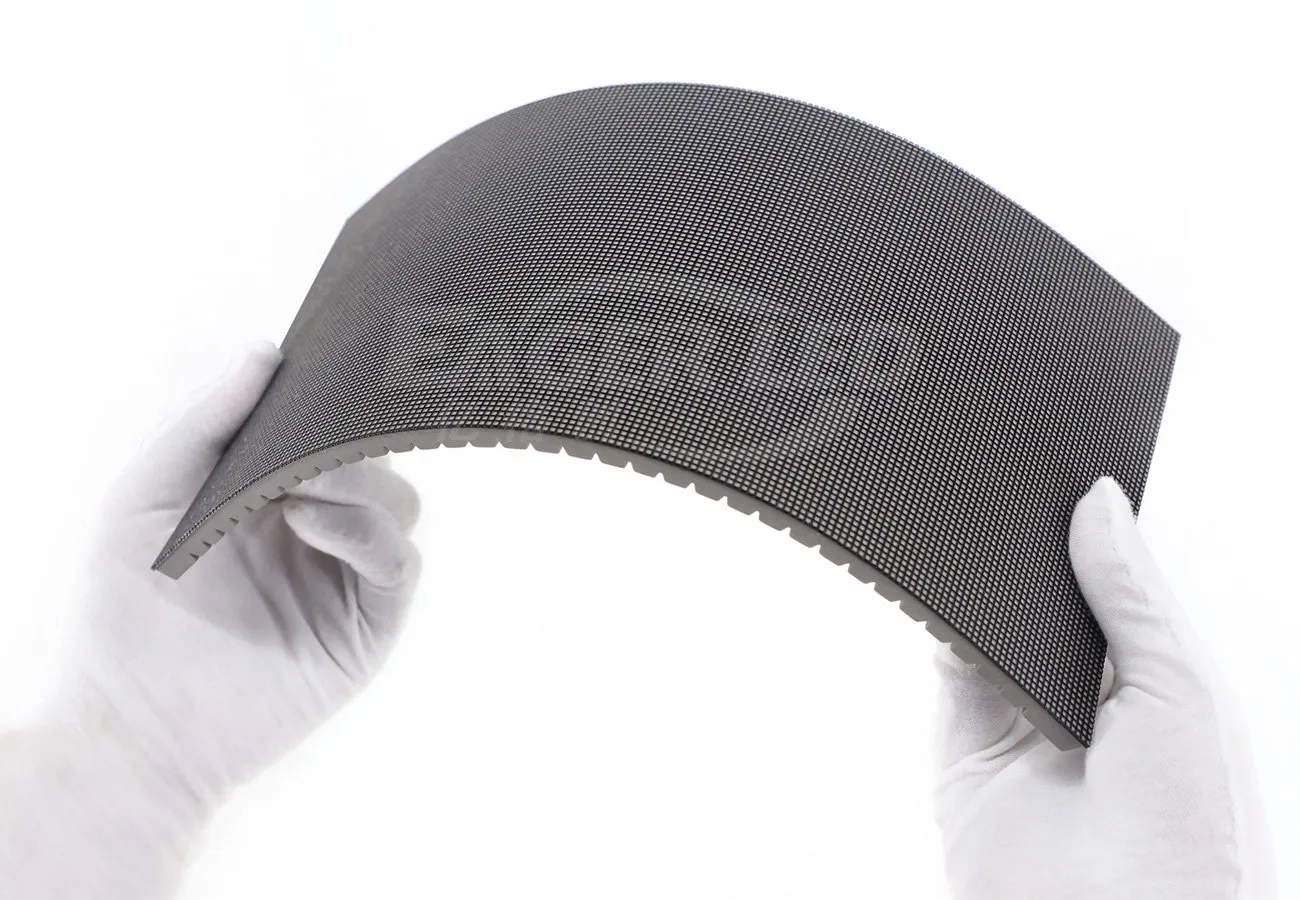
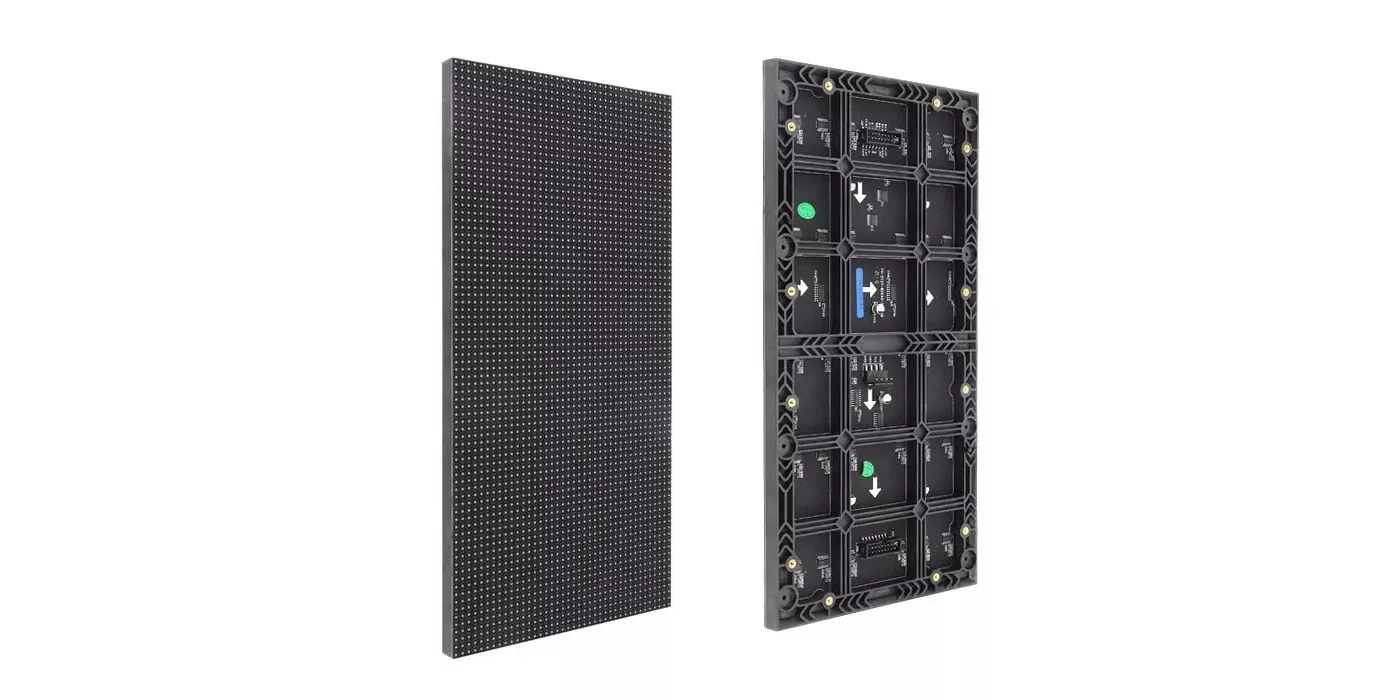
Ask the supplier to identify the exact assembly being priced. A bare display module, a module with cables, and a tested assembly with mounting hardware are different purchase scopes. A price per piece also needs the module dimensions: comparing unlike areas as though they were identical spare parts produces a misleading ranking.
For replacement work, however, price per square meter is only a secondary reference. A less expensive board with a different connector or mounting arrangement cannot be treated as a substitute. EagerLED’s indoor module specifications distinguish cable and hub connection series. Matching the external size alone does not establish interchangeability.
Record whether the offered stock is newly manufactured, retained stock from an earlier order, or repaired material. Do not assume those descriptions from a photograph. Ask for the part identification, revision, supplied accessories, and condition in the quotation. If substitutions are allowed, identify who must approve them and what evidence is needed before shipment.
A useful LED screen module price therefore has an attached scope statement. It names one approved configuration, one quantity, a currency, a quotation date, and the included services. A supplier’s willingness to investigate compatibility is helpful, but investigation is not the same as an approved replacement.
Keep technical qualification separate from commercial comparison. First identify offers that can satisfy the installed system. Then compare the complete cost among those offers. This prevents a procurement spreadsheet from giving an incompatible item an apparently winning score simply because its unit price is lower.
2. Send the Installed-Screen Records Before Requesting a Batch
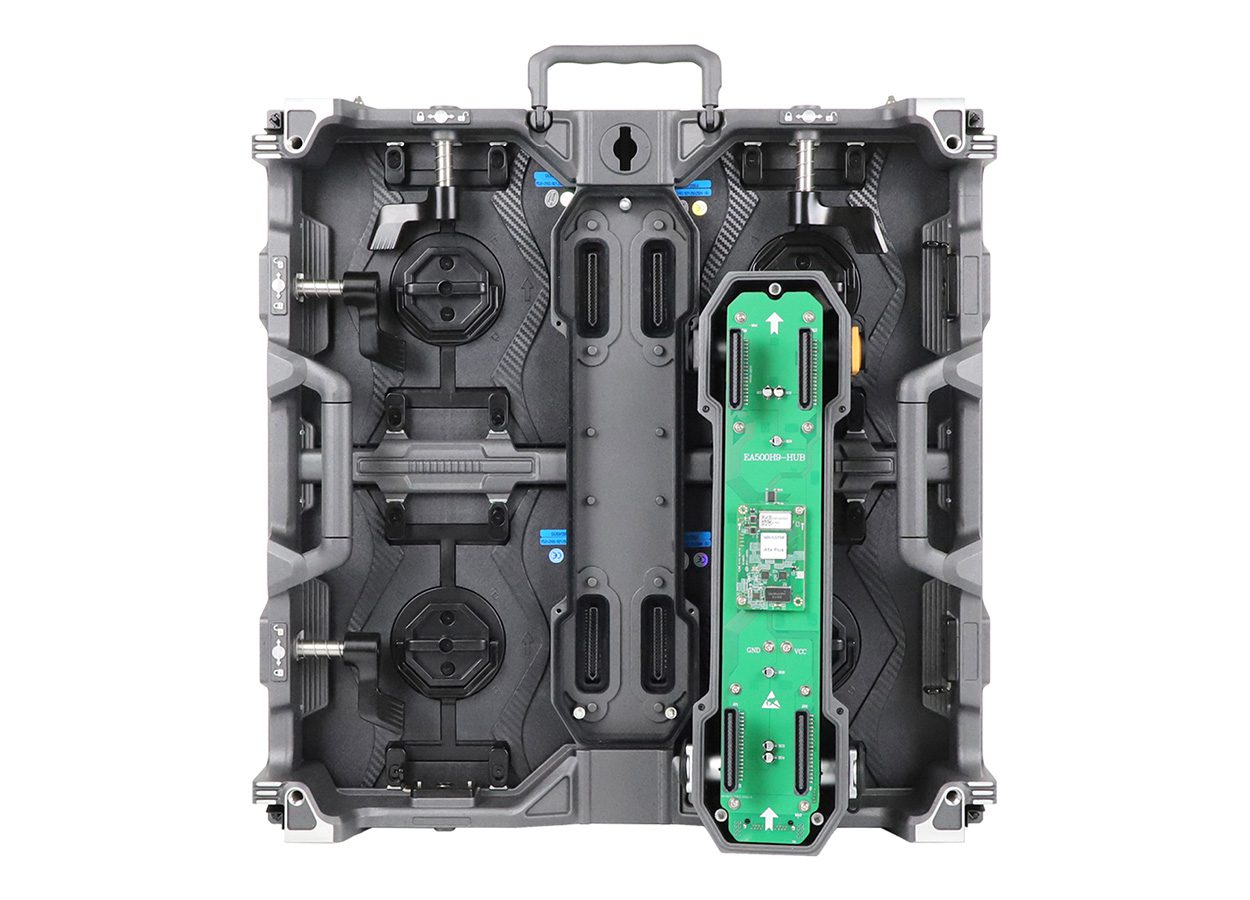
A supplier can assess a replacement more reliably when the inquiry describes the equipment already installed. Send legible front and rear photographs, label information, the original order reference if available, and the cabinet model. Include a picture of the mating connection rather than only the detached board.
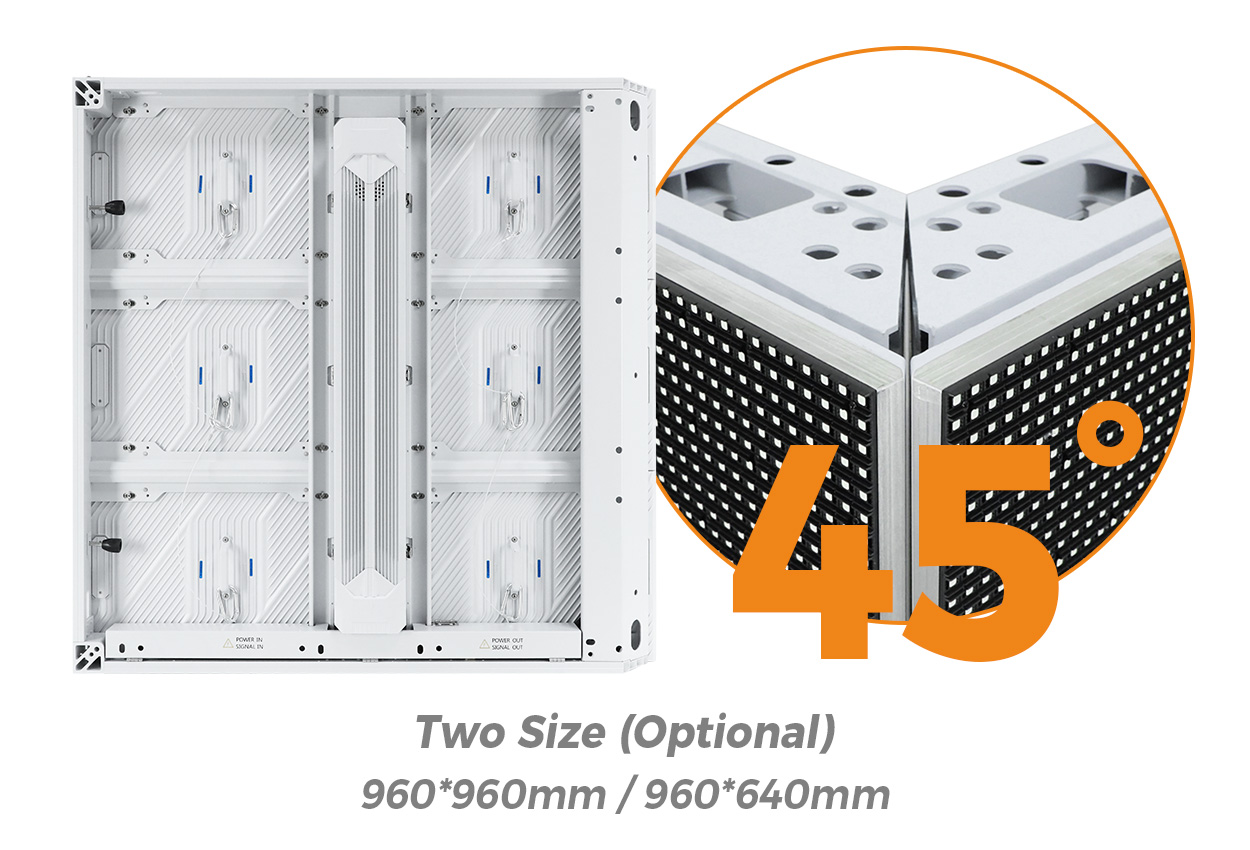
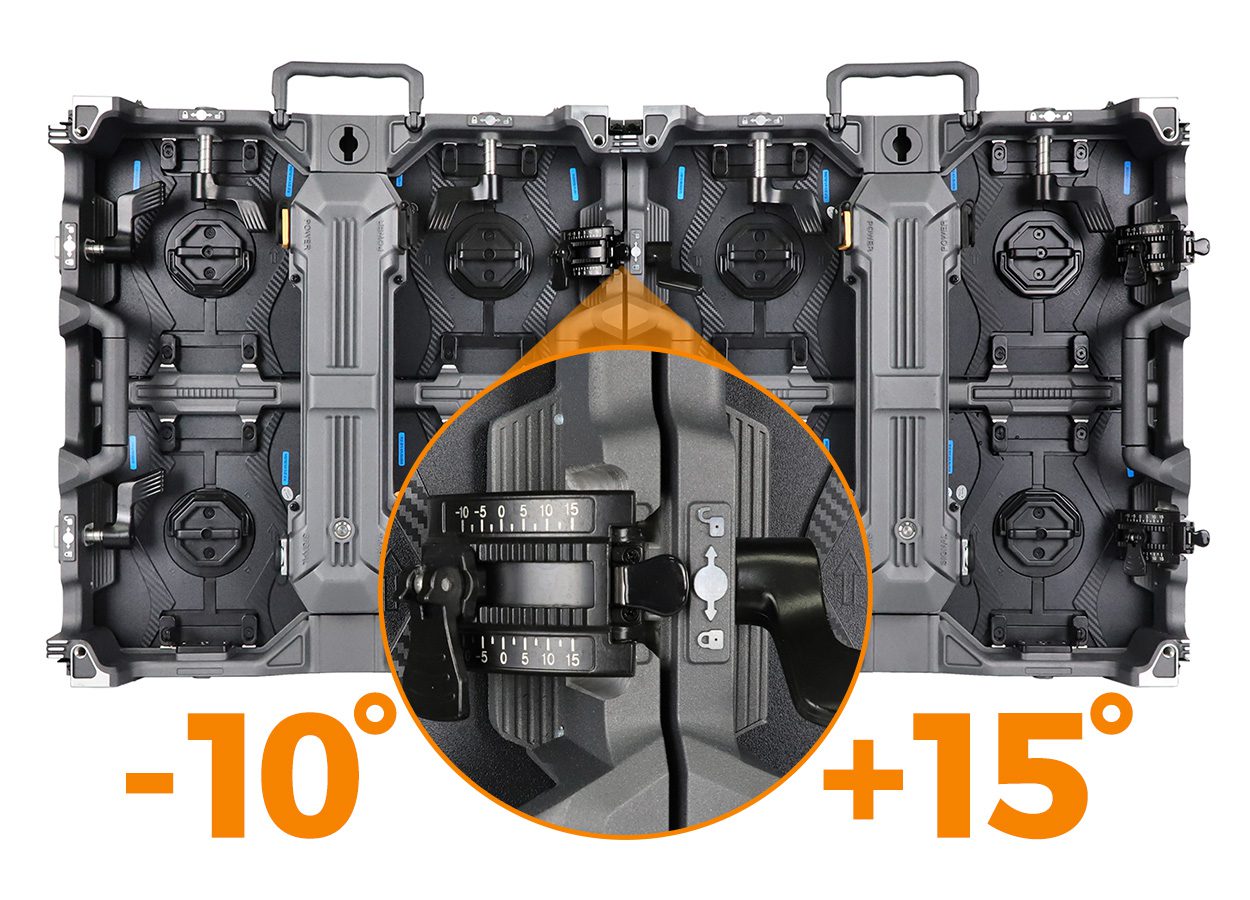
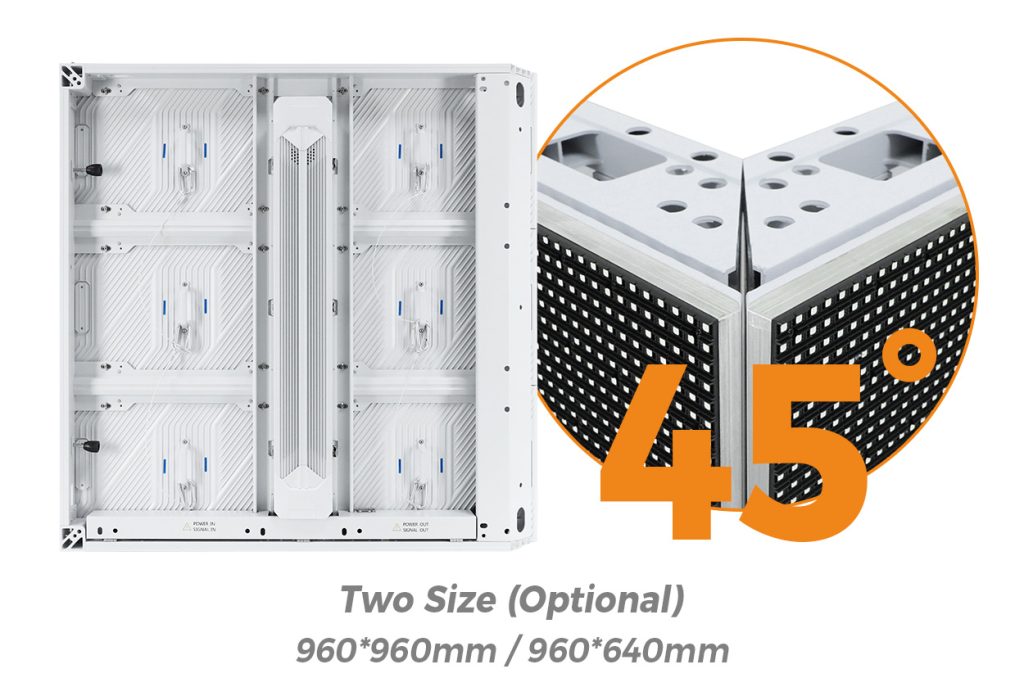
For a screen assembled from several deliveries, create a location map showing where each known revision is installed. Identify the area the replacement batch must serve. If the installation includes a corner, record the edge geometry and orientation as well as the flat dimensions. A part that fits a straight section may not reproduce the required corner arrangement.
The LED screen module price should refer back to that evidence package. Use a simple revision number for the inquiry so every bidder works from the same information. If a technician later discovers a different driver or connector, update the package and ask suppliers to reconfirm their offers.
Record the module dimensions, pixel matrix, scan arrangement, LED package, driver information, and power requirements that are actually known. Mark missing fields as unknown. Do not guess an electrical rating from a visually similar catalog product, and do not assume the original screen contains only one hardware revision.
EagerLED’s outdoor module range also calls for checking mounting, power, data, and hub or cable interfaces for replacement projects. For an outdoor installation, include the enclosure and sealing arrangement in the review. A module purchase does not establish the weather protection of the assembled cabinet.
Provide the receiving-card identification and available approved configuration backups through the agreed service channel. Ask which files the supplier needs before sending unrelated project information. Keep an unchanged backup of the working installation, and have qualified personnel carry out any electrical inspection or replacement under the manufacturer’s procedures.
Finally, describe the visible service problem and the screen’s operating history. A working spare taken from storage may look different beside modules that have accumulated operating hours. This does not justify assuming the new batch is defective; it means visual acceptance needs conditions agreed before the order.

3. Separate Sample Approval from Batch Matching Costs
Sample approval answers whether the proposed replacement can work in the intended system under agreed conditions. Batch acceptance answers whether the delivered order meets the approved specification. These are related checks, but one successful sample does not verify every later unit or establish a statistical sampling plan.
When comparing an LED screen module price, ask whether a sample is charged separately, credited against the later order, or supplied under another written arrangement. Include shipment of any reference module and its return. Clarify who provides a representative cabinet and who performs the trial.
Separate electrical and data compatibility from visual matching. A module may display the correct image yet show an unacceptable boundary against its neighbors. Evaluate representative content and agreed test patterns at the intended operating brightness. Define the viewing position, ambient conditions, controller configuration, and any camera requirements before judging a result.
Calibration and adjustment are not interchangeable promises. Ask what procedure is included, which hardware and software support it, which files are delivered, and whether the service concerns the sample, the replacement batch, or the installed wall. Do not assume adjustment can correct every difference in hardware or aging.
The quoted LED screen module price may include factory checks while excluding a site trial. Name both activities separately. A photograph or video can document a test arrangement, but it should not silently replace the inspection conditions both parties agreed to use.
| Activity | Question for the supplier | Evidence to retain |
|---|---|---|
| Reference assessment | Are identification, reference shipment, and return included? | Reference part identification and assessment scope |
| Sample trial | Who supplies the test cabinet and pays for the sample? | Approved sample record and test conditions |
| Visual matching | Is adjustment included, and for which units or installation? | Procedure, settings, limitations, and files |
| Batch inspection | What quantity is inspected and how are defects handled? | Agreed inspection plan and batch report |
| Site verification | Are technician travel, access, and repeat visits excluded? | Site scope and responsibility assignment |
A testing allowance makes the LED screen module price comparison more useful only when it buys a defined result. Avoid vague entries such as “quality service included.” Ask what is performed, what constitutes acceptance, and what happens if the proposed part fails the trial.

4. Normalize the Complete Replacement-Batch Quote
Compare the same quantity and scope in one currency before ranking offers. Keep the quoted exchange rate or internal budgeting rate visible if conversion is necessary. Do not mix a current offer with an old online price and present the difference as a verified saving.
The LED screen module price is the starting line, followed by sample charges, agreed matching services, packing, freight, and any locally applicable charges. Obtain import and tax figures from the appropriate logistics or accounting source. This guide does not supply tax rates or landed-price estimates.
Use two totals: the cash required to receive and approve the order, and the resulting cost per accepted usable module. The second measure is an accounting comparison, not permission to accept an unexplained rejection rate. Agree remedies for nonconforming items instead of assuming the distributor will absorb them.
For example, suppose an illustrative purchase request needs 24 accepted spares. Let the quoted unit price be P, the sample cost S, matching cost M, freight F, and other confirmed charges C. If all 24 units are accepted, the acquisition cost per usable module is (24P + S + M + F + C) divided by 24. These symbols are a calculation method, not market prices.
If only 22 modules are accepted initially, do not automatically divide the same amount by 24 and close the order. Record the two unresolved units, the expected replacement or credit, and any additional freight. Update the final cost when the agreed remedy is completed.
| Commercial line | Required entry | Comparison rule |
|---|---|---|
| Approved module | Part, revision, condition, quantity, unit price | Use the same accepted replacement scope |
| Samples and matching | Charges, credits, deliverables, exclusions | Include every required qualification activity |
| Delivery | Destination, packing, freight, delivery terms | Compare an equivalent delivery boundary |
| Acceptance | Inspection window, evidence, remedy | Identify costs of unresolved items |
| Warranty service | Covered parts, labor, shipping, process | Separate included support from optional work |
| Future replenishment | Availability statement and reconfirmation conditions | Do not treat an estimate as reserved stock |
Keep urgent restoration freight separate from the normal replenishment order. Otherwise, one emergency shipment can distort the apparent LED screen module price for future stock planning. Record the reason for exceptional spending so the next buyer understands the comparison.
Ask whether the delivery schedule starts after payment, after receipt of the reference module, or after sample approval. These are different starting points. Record the planned sequence from assessment through production, inspection, packing, and transit. A short stated production time does not necessarily mean the accepted stock will reach the service warehouse before the required date.
For split shipments, identify which units are samples, urgent restoration parts, and routine stock. Require the packing list to preserve those groups and their batch references. This makes receipt checks easier and prevents a technician from consuming the retained reference unit as an ordinary spare. Ask for the cost of each shipment rather than assuming one freight allowance covers all movements.
A lower LED screen module price can still be attractive after normalization. The purpose of this worksheet is to expose missing scope, not to assume that a higher-priced offer is better. Choose among technically qualified offers using the requirements of the installed project.

5. Set Stock Quantity from Service Demand and Replenishment
Spare quantity should follow the service obligation and the actual installed population. List each compatible equipment group separately, including revisions that cannot share stock. Several screens described as the same pitch may require different modules, so a combined inventory total can hide a shortage.
Use observed service consumption where reliable records exist. Separate accidental damage, repeat faults, and planned replacements from ordinary consumption. A short history may be insufficient to predict future demand; label estimates and review them when better information becomes available.
For an illustrative stock calculation, suppose a distributor plans for six module withdrawals during replenishment and wants four additional accepted units as a reserve. With three usable units already available and two confirmed incoming units, the proposed new order is six plus four minus three minus two, or five units. This example explains the arithmetic; it does not prescribe a failure rate or reserve level.
Do not count quarantined, untested, allocated, or incompatible modules as available stock. Confirm incoming quantities and dates instead of counting an unanswered inquiry as a delivery commitment. Ask whether the LED screen module price changes with quantity, then compare the additional inventory cost with the service need.
A bulk discount does not by itself justify a larger order. Storage, identification, handling, and future system changes can make excess stock costly. Obtain the supplier’s storage instructions, preserve labels, and record which installed group each accepted module is intended to support.
The LED screen module price also needs a clear validity period. If replenishment occurs months later, reconfirm availability and revision rather than assuming the previous part remains unchanged. Ask whether a proposed replacement has changed and whether another sample approval is needed.

6. Agree What Happens When a Delivered Module Does Not Match
Write the acceptance process before shipment. Identify who checks quantity, packaging, labels, mechanical fit, operation, and visual agreement with the approved reference. State the inspection period and evidence required for a discrepancy report. The parties should agree any formal sampling method rather than inventing one during receipt.
The LED screen module price should be read with the remedy terms. Confirm whether a mismatch leads to replacement, investigation, repair, or credit, and who arranges each freight movement. Ask how damaged arrivals differ from technically nonconforming parts and from units found incompatible because the original inquiry information was incorrect.
Keep disputed units identifiable and separate from accepted inventory. Record serial or batch references, test conditions, photographs, and the observed symptom. Avoid unauthorized modifications that could complicate investigation. For practical servicing context, EagerLED’s front-service maintenance guide explains why replacement identification and configuration records matter.
Set an internal release step between receiving a carton and making its contents available to technicians. The receiving team can confirm quantity and physical condition, while the designated technical reviewer confirms the agreed compatibility checks. Record both decisions. If testing is delayed, show the stock as awaiting approval instead of promising it to an urgent service call.
Warranty duration alone cannot settle these responsibilities. Confirm covered items, exclusions, labor, travel, shipping, and the reporting process in the actual order documents. This article proposes questions for agreement; it does not create or extend a supplier warranty.
After acceptance, save the final approved part list, matching records, configuration references, and stock allocation together. This turns the LED screen module price from an isolated number into a traceable purchasing record that the next service coordinator can use.
Frequently Asked Questions
Can two sites share one spare-module inventory?
Only after compatibility and allocation are confirmed for both installed groups. Give each site a service priority and record committed stock separately. A shared warehouse can reduce duplicate holdings, but an item already reserved for one site is not freely available to the other.
Should an approved sample be installed immediately?
Agree its role first. If it is the retained acceptance reference, installing it can change its operating history and remove the comparison unit from the inspection location. Decide whether a documented reference, a retained unit, or another agreed method will support later checks.
Can I order only the faulty module and skip replenishment stock?
Yes, if that matches the service plan and confirmed supply arrangement. Compare the consequences of another fault before delivery with the cost of holding accepted spares. There is no mandatory universal spare percentage in this guide.
What if the original module label is unreadable?
Provide the original order reference, cabinet identification, clear photographs, dimensions, and available configuration information. Ask the supplier what further inspection is required. Do not convert a visually similar catalog item into an approved replacement without that review.
Should rejected units be included in an inventory valuation?
Keep their acceptance status separate from service-ready quantities. Have the business’s accounting process determine financial treatment while the commercial remedy remains open. A purchasing worksheet should not conceal unresolved items by marking every delivered unit as usable.
Prepare a Replacement-Batch Inquiry
To request an LED screen module price for existing equipment, assemble the original-screen records, required accepted quantity, sample plan, destination, and target service date. List matching, freight, and warranty questions as separate lines. Send EagerLED your replacement-module requirements so the proposed configuration and quotation scope can be reviewed together.
 90-Degree LED Display: Sharp or Rounded Corner?