
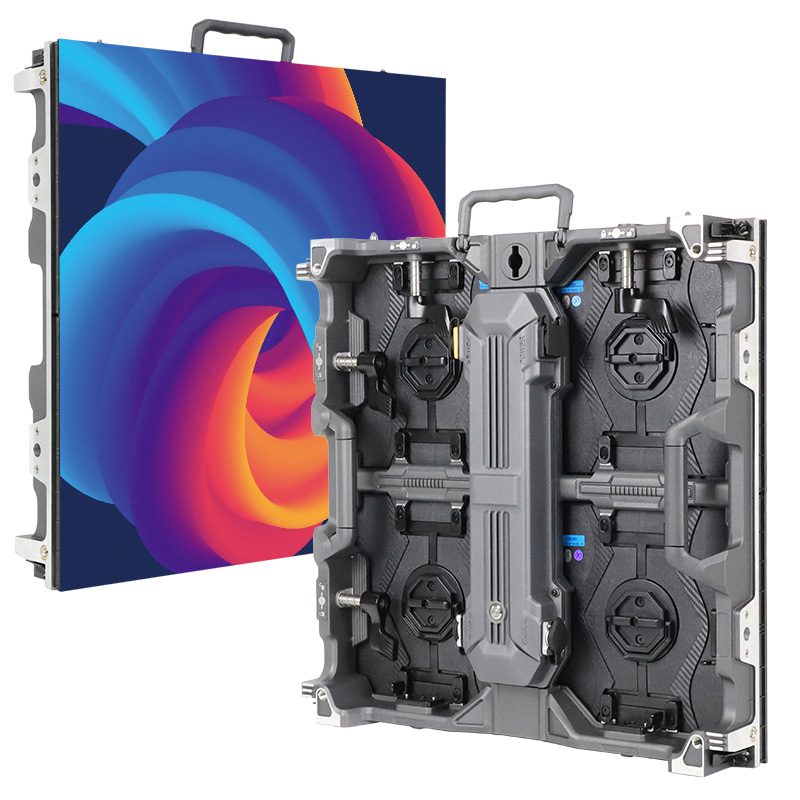
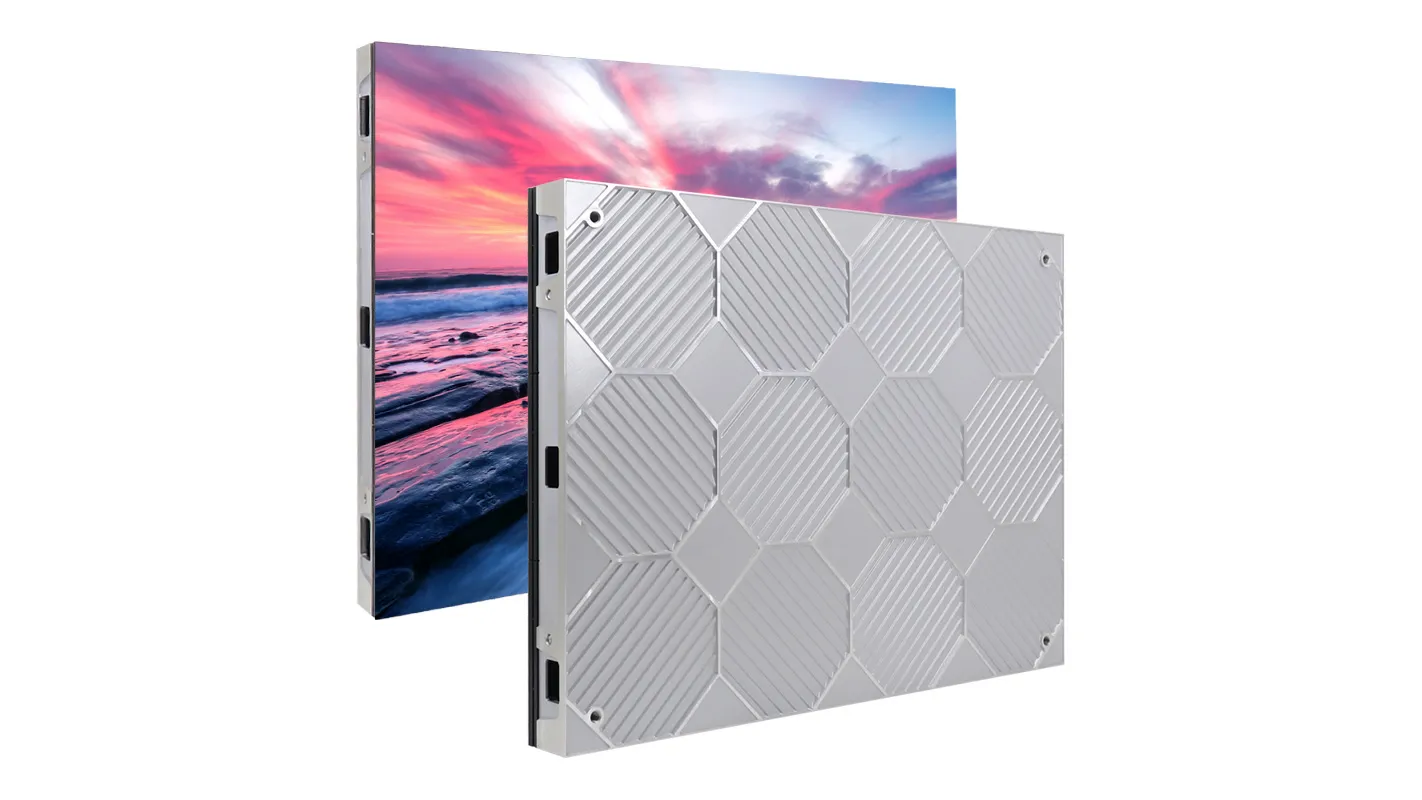
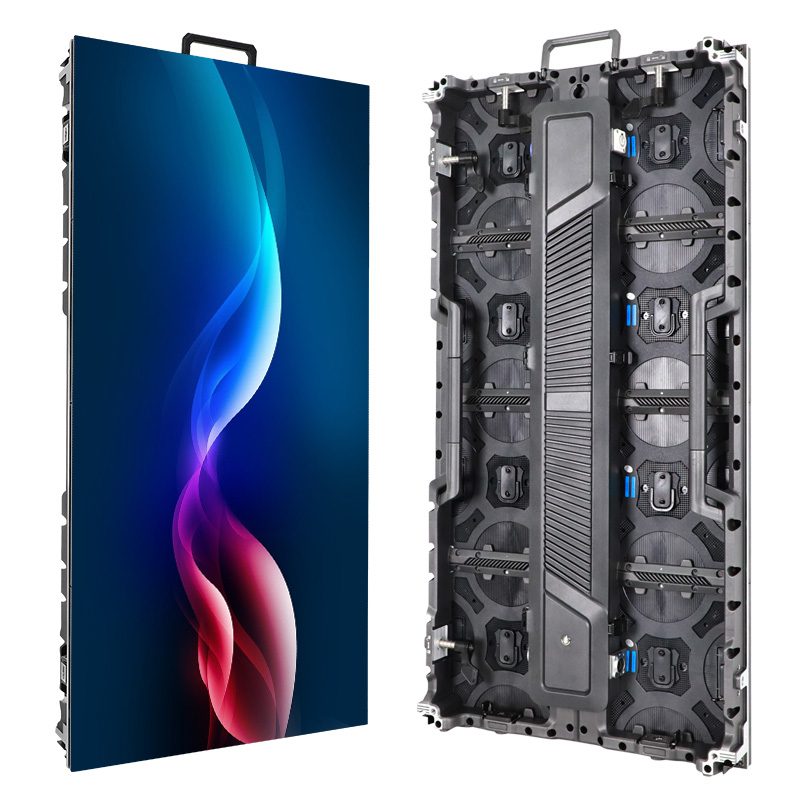
This P2.5 LED module review examines the original EagerLED sample comparison: displayed color and brightness, rear conformal coating, and the LED bracket demonstration. Use it to identify questions for a purchasing specification, rather than treating one video as proof of every production batch or future service life.
The guide is for indoor LED wall integrators, equipment buyers and maintenance teams comparing modules. P2.5 identifies nominal pixel spacing; it does not identify the complete module design, component bill of materials or compatibility with an existing screen.
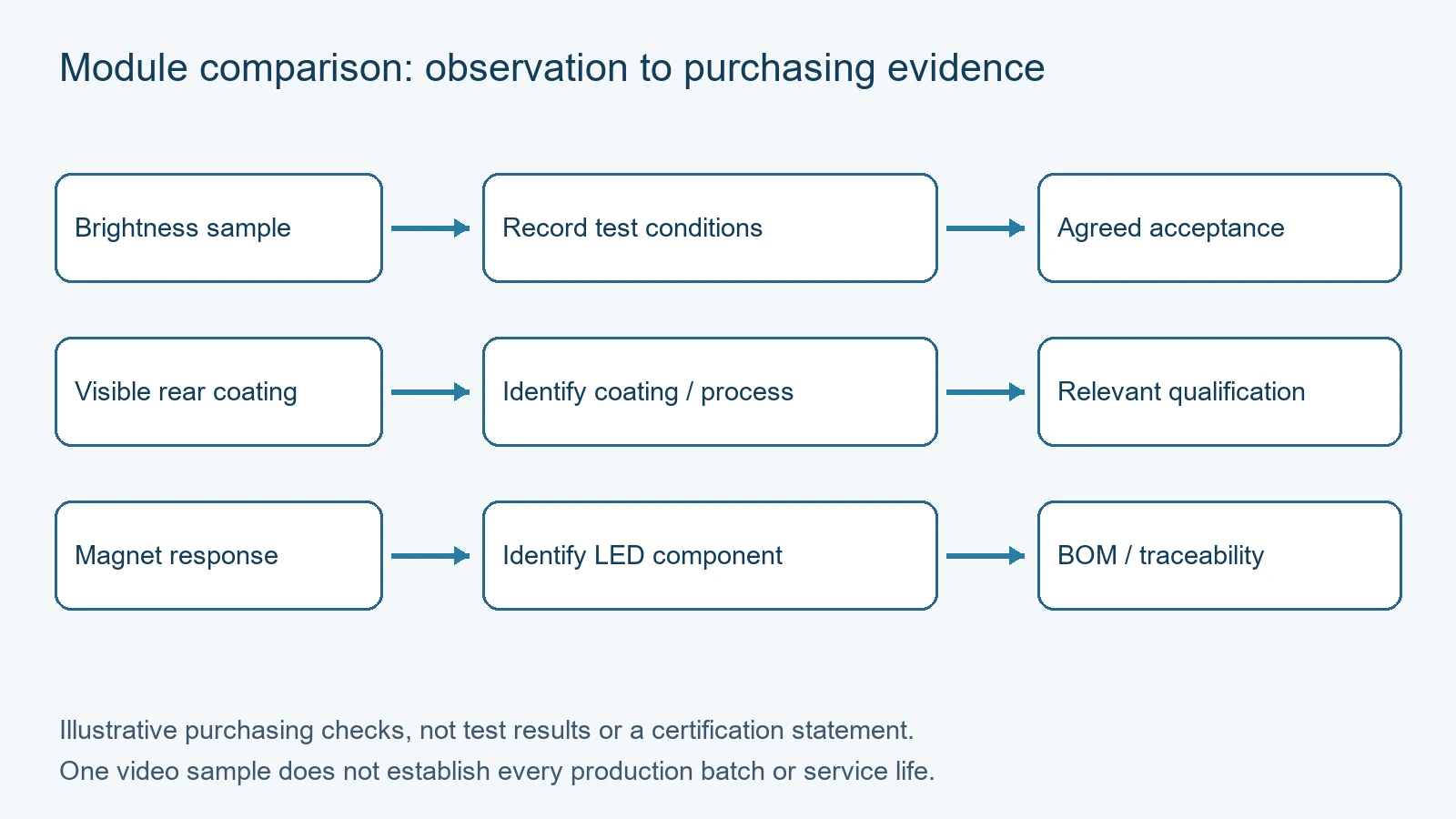
- The video reports brightness readings for the demonstrated samples, not a universal product rating.
- A visible coating does not establish its formulation, qualification or whole-screen protection.
- A magnet response is not a complete component-material or thermal-performance test.
- Ask for an identified module, agreed acceptance conditions and traceable replacement parts.
On this page
P2.5 LED Module Review: What the Comparison Covers
| Area | Original demonstration | Further evidence to request |
|---|---|---|
| Optical performance | Sample patterns and reported brightness readings | Defined test settings, measurement conditions and acceptance limits |
| Rear coating | Comparison of the sample backs | Coating identification, application requirements and relevant qualification |
| LED bracket | Material discussion with a magnet demonstration | LED component identification, material declaration and traceability |
Read Color and Brightness Evidence Carefully
The original video reports readings of 646 for the EagerLED sample and 557 for the comparison sample. They describe the demonstrated comparison. This P2.5 LED module review does not convert them into a guaranteed minimum for a current order or claim that every competing product has the same result.
For a repeatable comparison, identify the samples and record the displayed pattern, operating settings, instrument and measurement arrangement. Ask how the agreed brightness is checked and whether the report applies to the proposed configuration. A single reading does not describe the uniformity of the whole assembled wall.
Inspect the intended content as well as solid-color patterns. Look for visible differences between adjacent modules, readable fine text and the appearance at the planned viewing position. If a result matters to acceptance, define the condition and pass criterion in the proposal instead of relying only on a video impression.
Phone recordings and camera exposure can change the appearance of a display. Treat the original demonstration as useful context for a discussion, while asking for the measurement evidence needed for the actual installation. A brighter sample is not automatically the right setting for every indoor environment.
Rear Coating Does Not Establish Every Protection Claim
The video discusses the coating on the rear of the EagerLED sample and compares it with the other sample. A protective coating can be a relevant manufacturing feature, but its visible presence alone does not identify its chemistry, coverage, thickness, curing process or performance in a particular venue.
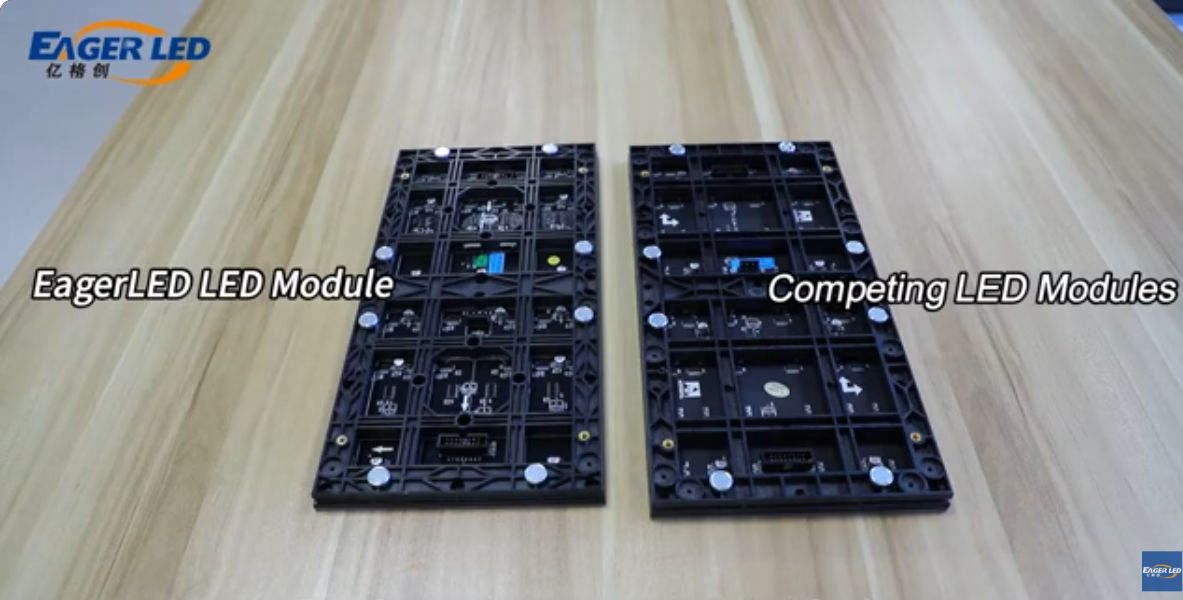
Ask which coating is specified and how its application is controlled. If a coating qualification is part of the requirement, confirm its scope. A material qualification, including one specified under IPC-CC-830, should not be presented as proof of the complete module’s performance in the end-use environment.
In particular, do not turn a rear-coating observation into an outdoor-use or whole-cabinet protection claim. Identify whether the proposed installation is indoor, how it is enclosed and what conditions the supplier has agreed to support. Request evidence for the actual assembly where an environmental requirement is important.
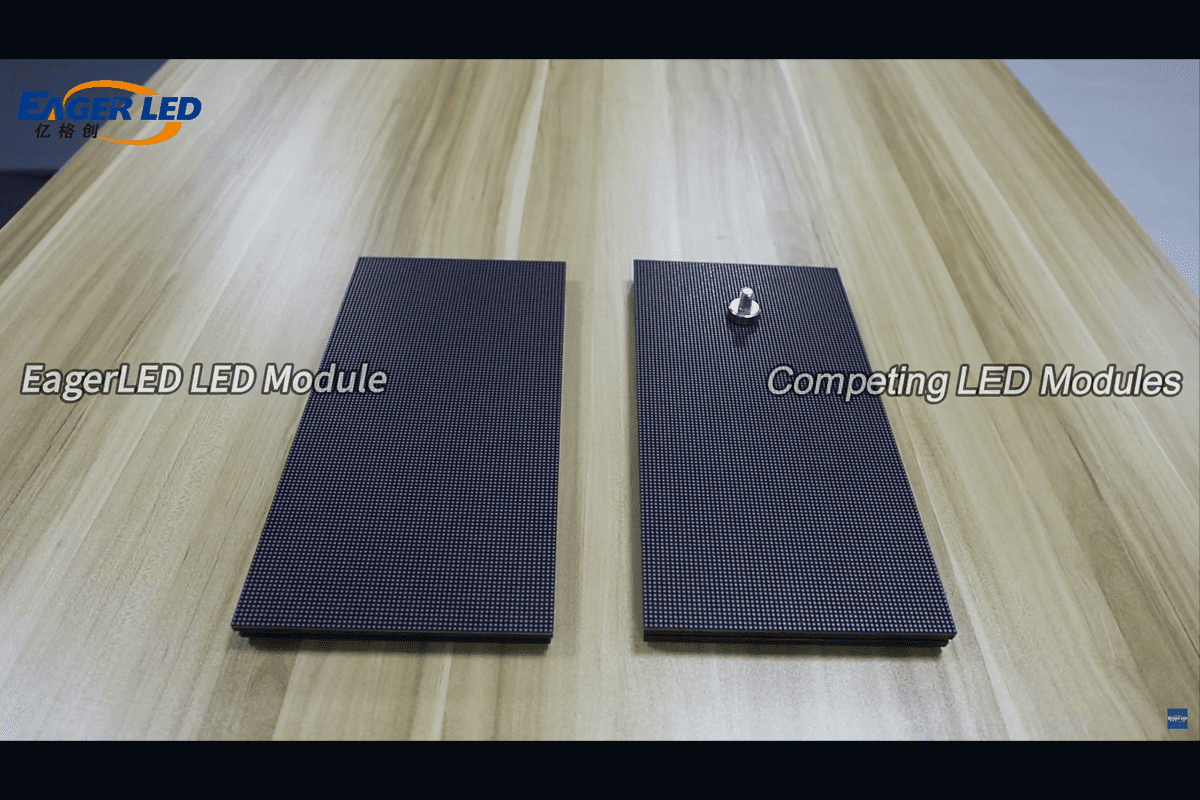
Original article comparison image retained above. Its sample labels describe the demonstration, not all products available in the market.
LED Brackets and the Magnet Demonstration
The original review discusses copper and iron brackets and uses a magnet during the comparison. Retain that demonstration as an observation of the samples. A magnet response by itself does not establish the complete composition of an LED package, its plating, thermal behavior or the reliability of the assembled module.
For this P2.5 LED module review, the practical purchasing step is to request the LED component identification and the agreed material specification. Ask how the supplied component can be traced to the accepted module sample. A broad phrase such as “copper bracket” is less useful when the actual component and supply scope are not identified.
Do not infer a fixed lifetime, freedom from overheating or the absence of color shifts from this demonstration. Those are different performance questions. If thermal performance or reliability is a selection criterion, ask what relevant test evidence supports the proposed configuration and which operating conditions it covers.
Turn the Review into Buying Checks
Use the P2.5 LED module review to prepare a clear inquiry for LED display modules. State whether the requirement is for a new wall or replacement stock. For a replacement, provide the existing module identity, dimensions, pixel arrangement, connections and the screen’s accepted configuration rather than assuming that equal pitch makes two modules interchangeable.
For a new installation, agree the sample and acceptance conditions before comparing quotations. Identify which optical checks, component information and coating requirements will be recorded. Keep the approved sample details with the order so a later discussion refers to the same configuration.
If the decision is actually about pitch and screen resolution, use the separate P2.5 versus P4 indoor display guide. That is a different question from judging the evidence behind two module samples. Avoid choosing a product only because one photographed sample looks brighter.
Ask how replacement modules and spare quantities will be handled, and what information is needed for a matched order. Record the supplied batch and configuration at handover. These details are more actionable for maintenance than an unsupported promise that a module will never fail.
A useful follow-up to this P2.5 LED module review is a written sample record. Include the supplier’s model reference, the sample identifier, the agreed components and the conditions under which it was accepted. If a later quotation changes a component, ask whether the accepted performance and replacement arrangement still apply. Do not treat the same product description as proof of an unchanged bill of materials.
For a fair procurement comparison, give each supplier the same project brief and ask them to separate confirmed specifications from optional choices. Keep questions about coating, brightness and LED components distinct so an answer in one area is not mistaken for evidence in another. This P2.5 LED module review can guide that discussion, but the final acceptance record should describe the actual equipment being ordered rather than an unidentified comparison sample.
Common Purchasing Questions
Does this P2.5 LED module review prove every supplied module reaches 646?
No. The reading belongs to the demonstrated sample comparison. Request the specification and measurement conditions for the proposed order, including any agreed acceptance limit.
Does rear conformal coating mean an indoor module is waterproof?
No. A coating observation does not establish the environmental performance of the full module, cabinet or installation. Confirm the assembly and relevant evidence for the intended conditions.
Can I replace a module with any other P2.5 module?
No. Equal nominal pitch does not establish matching dimensions, electrical connections, components or configuration. Provide the existing module details and confirm compatibility before ordering.
Request a Matched Module Proposal
Share the screen’s purpose, module or cabinet identification, required quantity, viewing conditions and destination market. Include existing photos and configuration details for replacement work. Ask the proposal to identify the supplied module, accepted sample, relevant evidence and spare-part scope.
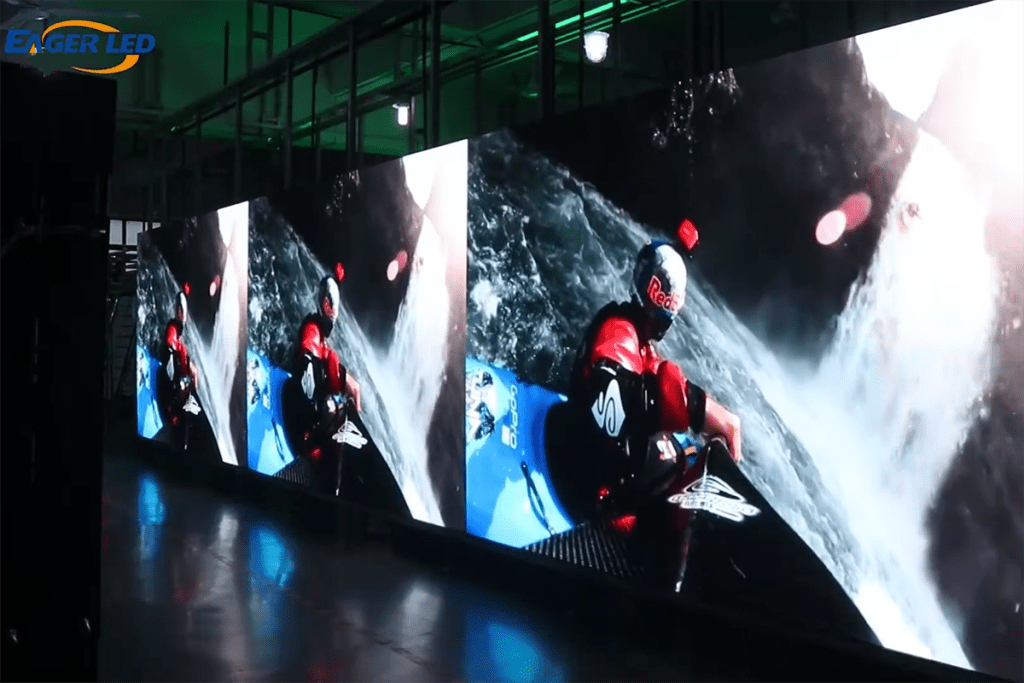 EagerLED LED Wall Stage Brings Concerts To A New Level Of Beauty
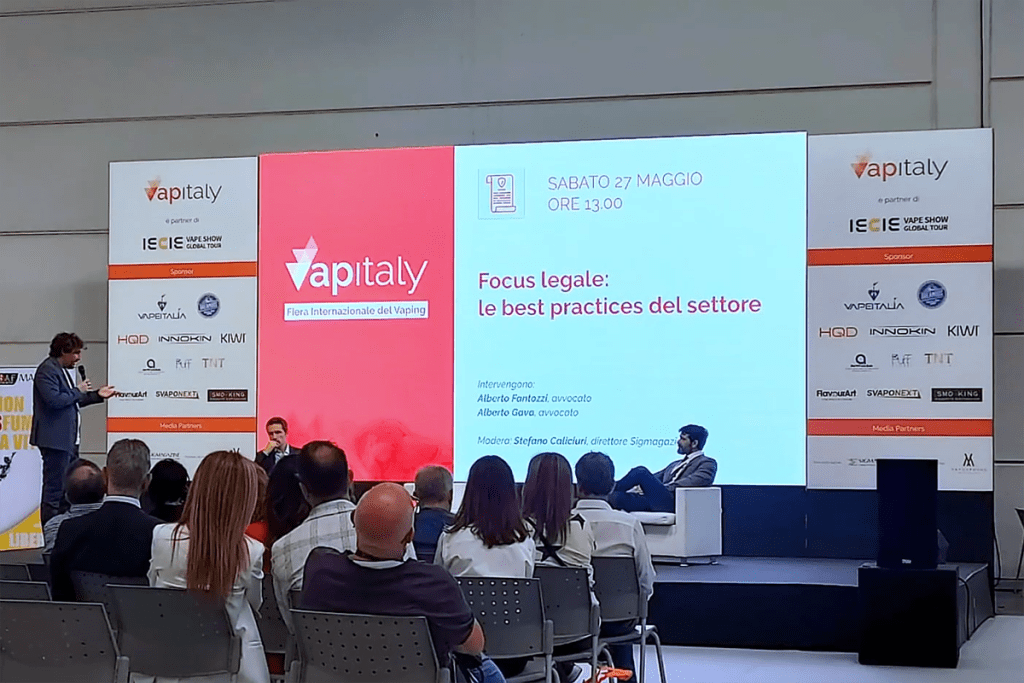 Feedback From Italian Clients On EagerLED LED Video Wall Panels