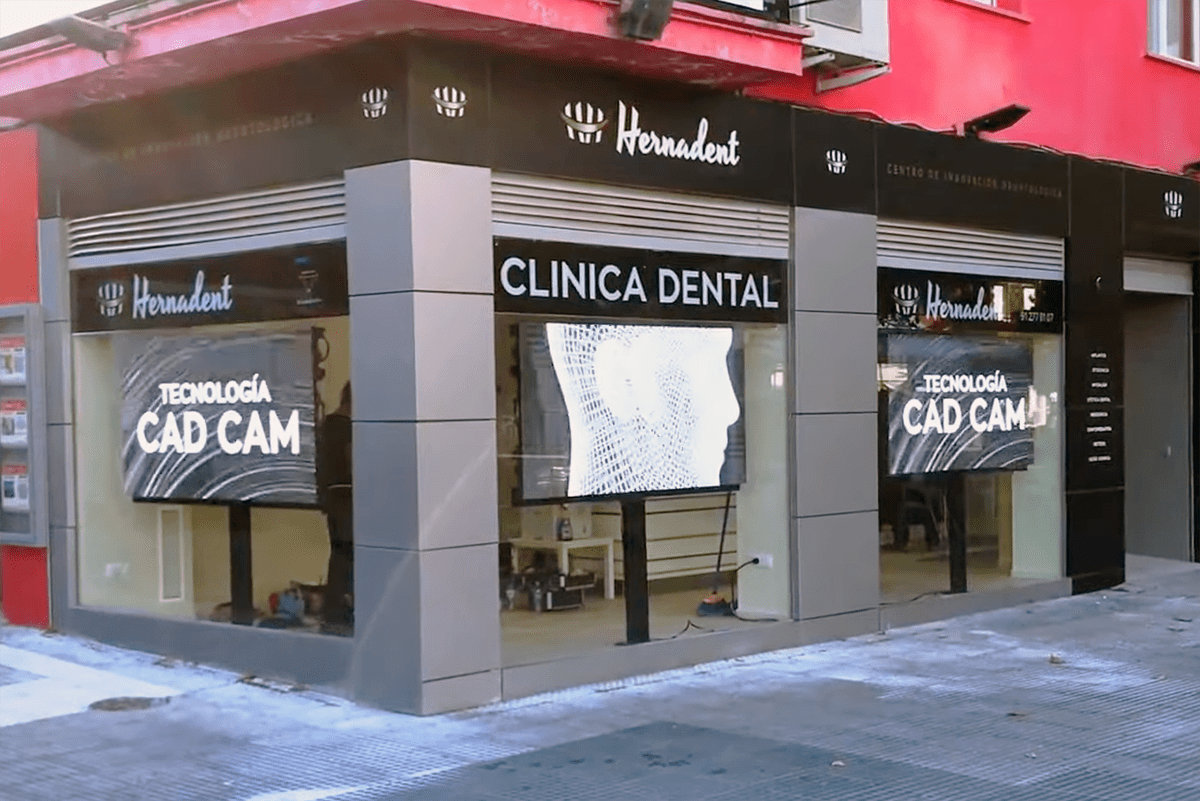

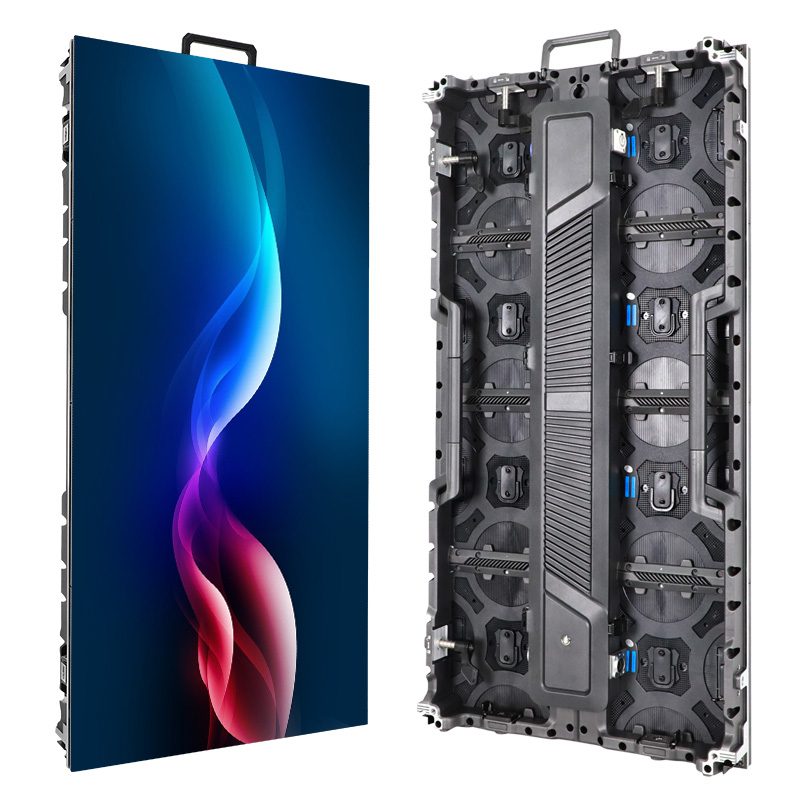
This EagerLED P2.5 indoor LED screen case shows a pillar advertising display made with indoor fixed-installation modules for a customer in Indonesia. The original company video and retained site image document the column application. They do not identify the complete module configuration, screen dimensions or measured commercial results.
For an AV integrator planning a retail column display, the useful starting point is its shape and content layout. The photograph shows flat faces meeting at a corner; it is not enough to classify the installation as a curved flexible-module cylinder. Compare the indoor LED screen range when developing a new project.
- Application: an indoor advertising screen around a column.
- Pitch: P2.5 indoor fixed-installation modules, as identified by the official video.
- Original media: the manufacturer’s customer-feedback video and site photograph.
- Not confirmed: module model, overall dimensions, controller map, color-gamut measurements or advertising income.
On this page
EagerLED P2.5 Indoor LED Screen in an Indonesian Column Application
The original photograph shows advertising graphics on adjacent faces of a tall column display in an indoor public space. The video description confirms that an Indonesian customer used the company’s P2.5 indoor fixed-installation modules for the pillar. It reports positive feedback, but provides no independent performance test or direct customer quotation.
The visible result demonstrates a physical signage application. It does not verify the original article’s claims about covering more than eighty percent of visible colors, a particular color count or additional business profit. Those claims need measurements or commercial evidence and are not treated as project facts here.
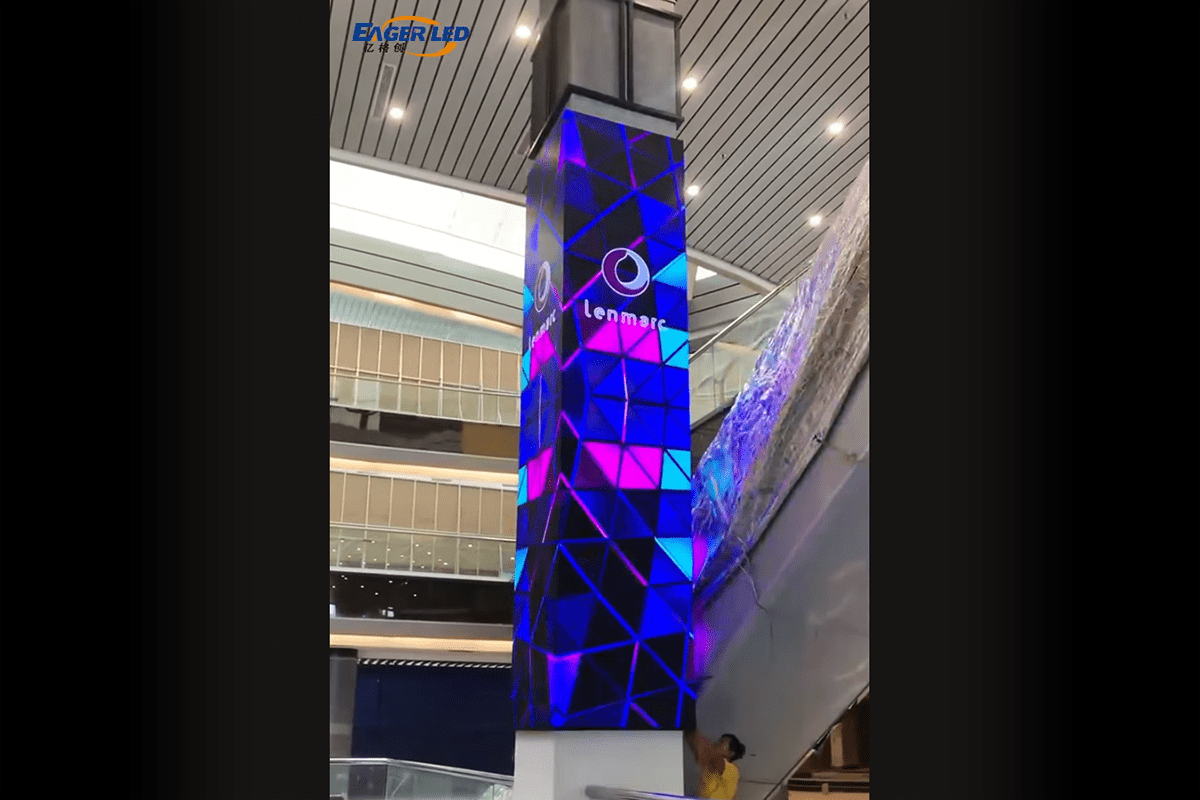
Check Pitch and Module Construction Separately
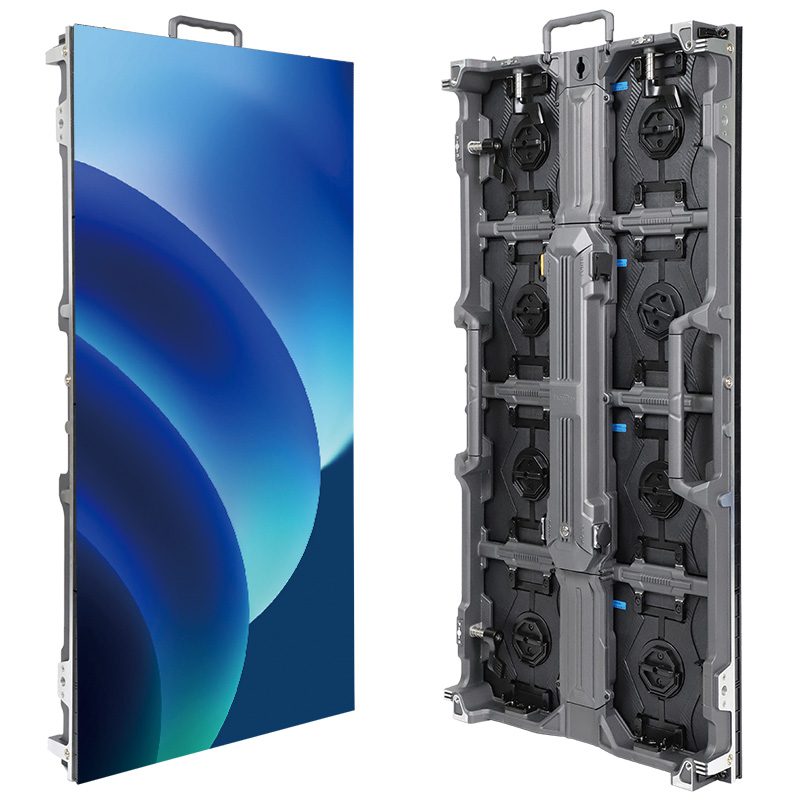
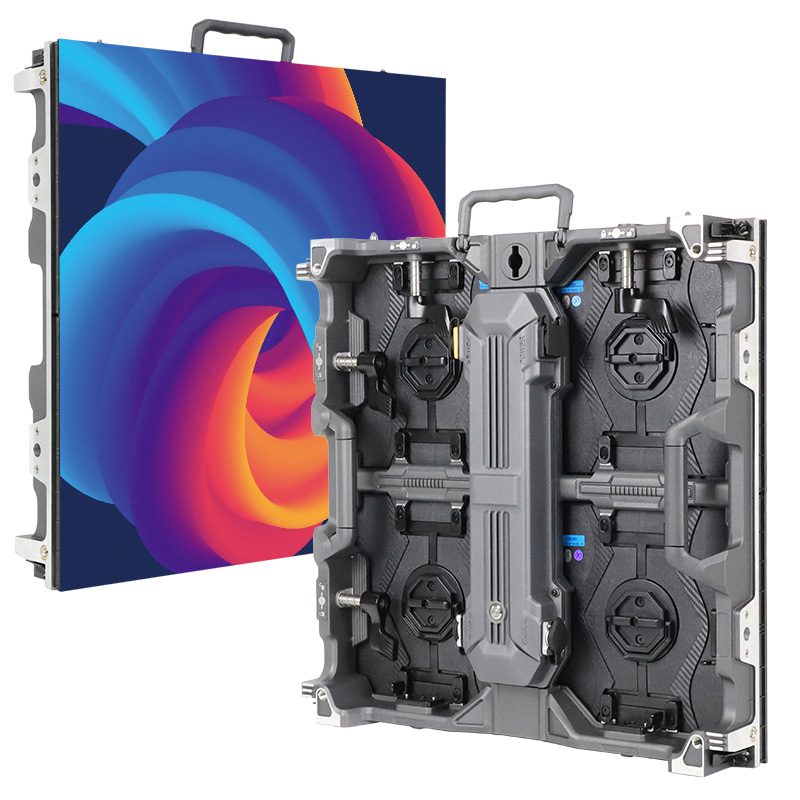
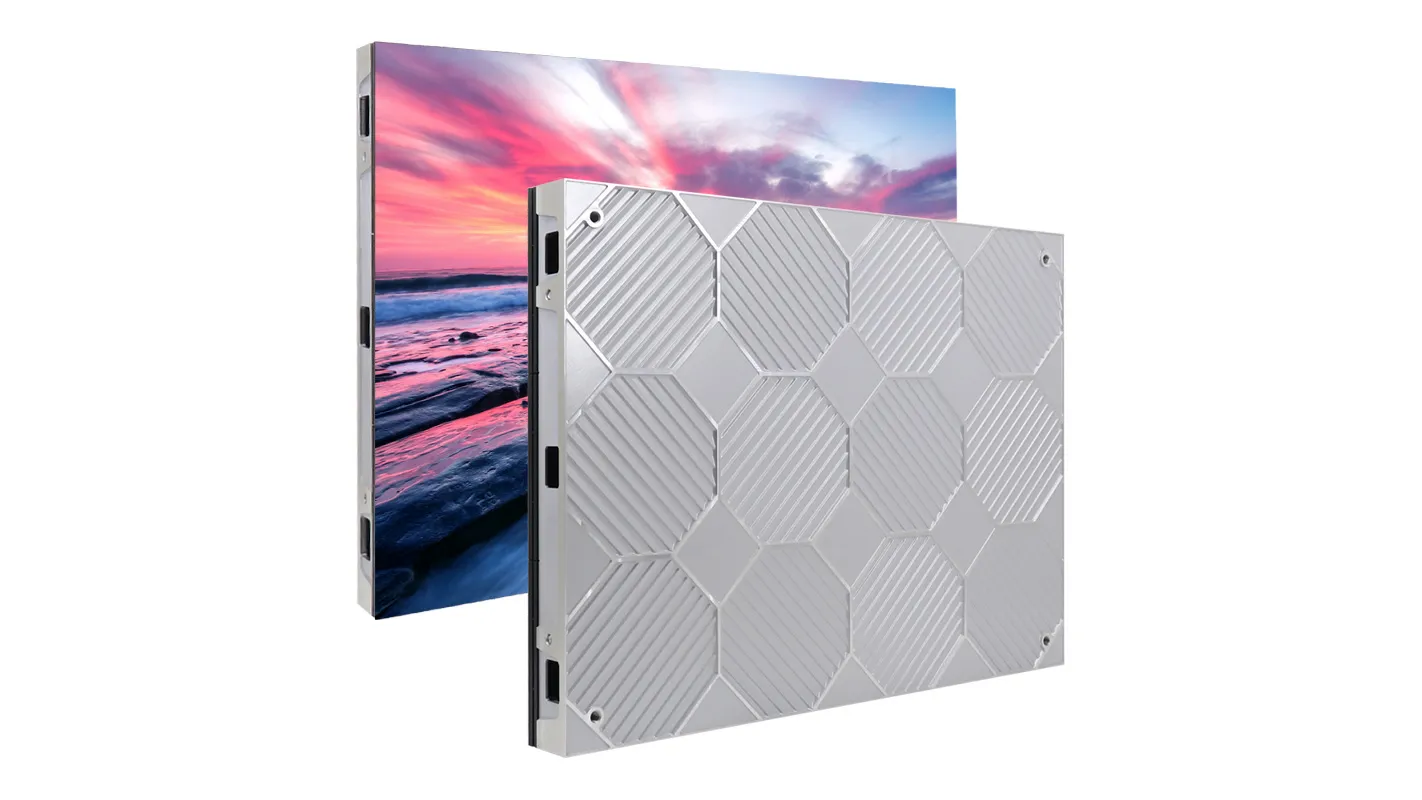
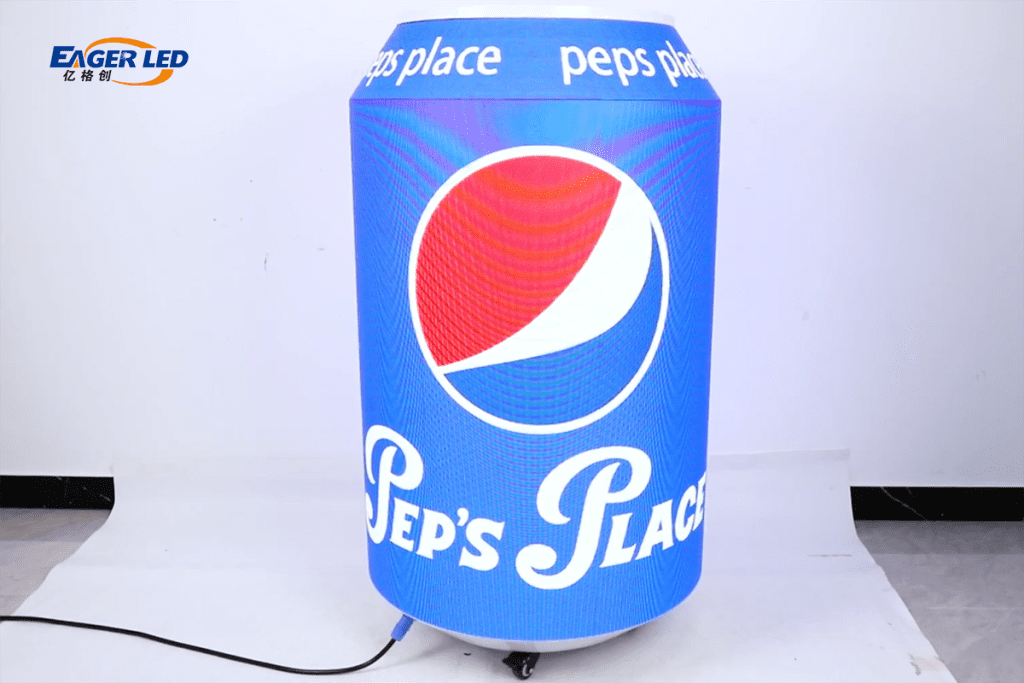
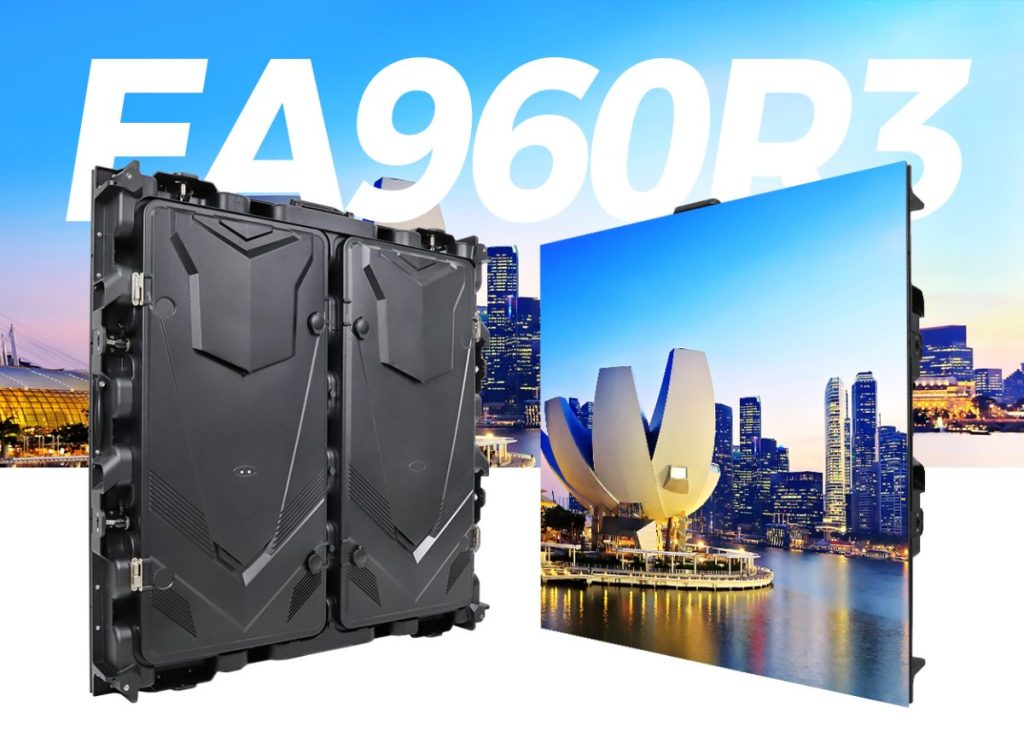
P2.5 describes nominal 2.5 mm pixel spacing. It does not identify a module’s physical size, driver, connector or mounting arrangement. The two catalog references below show why a purchase specification needs more than the pitch label. Neither image confirms which module was installed in Indonesia.
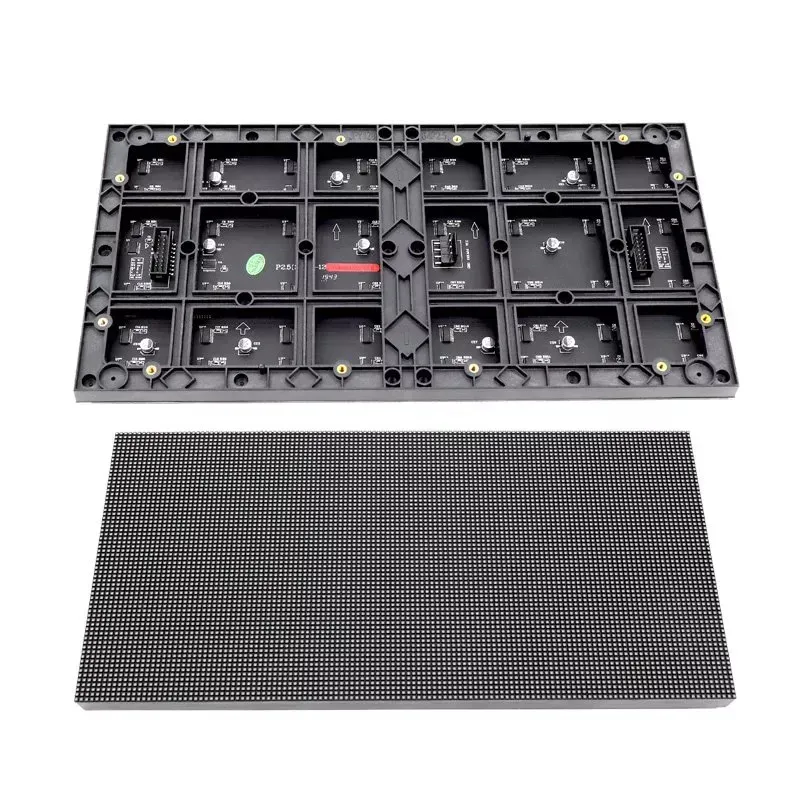
The rear view helps explain the information to request for a replacement: label, board layout, connectors and mounting points. Matching the visible face alone is insufficient. The indoor LED module selection page lists several formats and configuration fields for comparison.
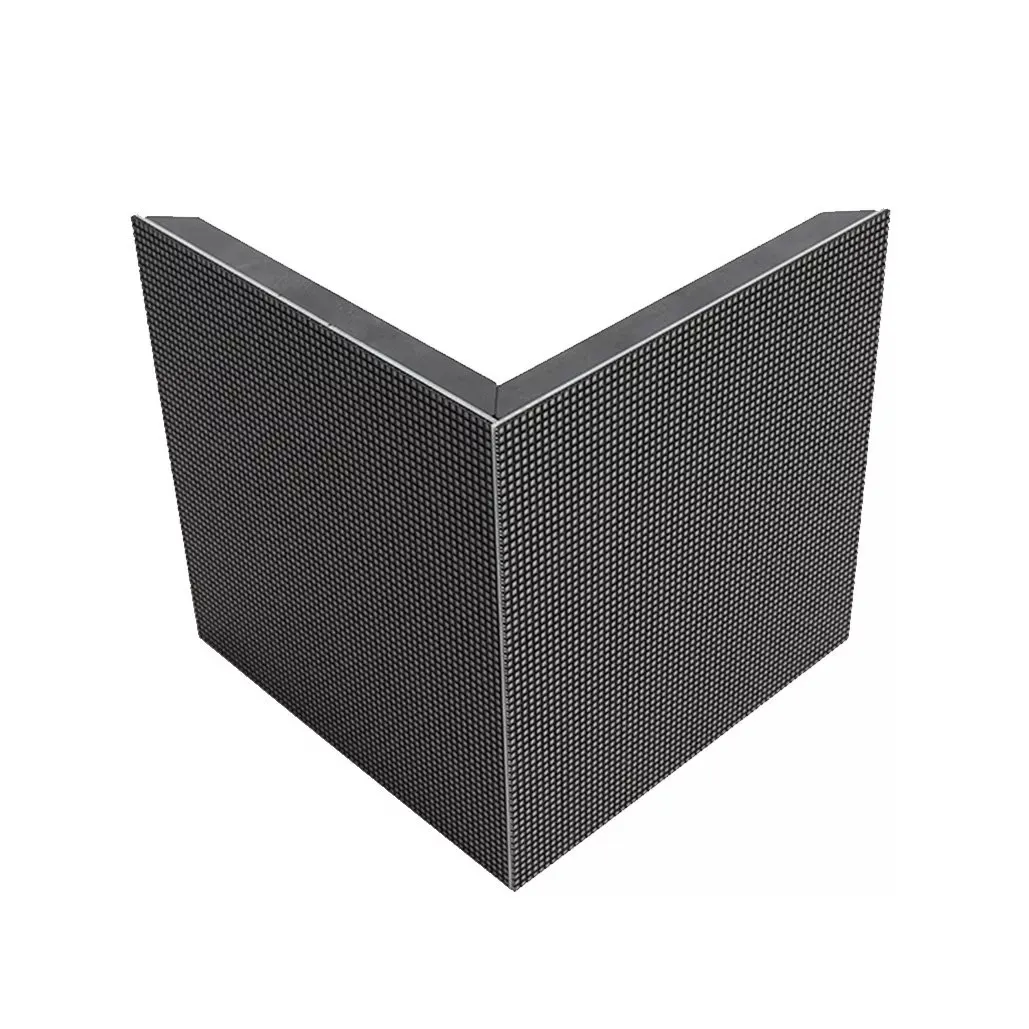
Plan Each Column Face Before Ordering
| Decision | What to prepare | Why it matters |
|---|---|---|
| Geometry | Width and height of each face, corner angles and clearances. | Defines module layout and the required corner treatment. |
| Content | A pixel map for each face and any continuous graphics. | Avoids placing critical text across a corner or unavailable area. |
| Service | Removal direction and access to power/control components. | Module removal does not automatically provide access to every part. |
| Configuration | Exact module size, scan, driver and connector details. | Same-pitch modules are not automatically interchangeable. |
| Acceptance | Agreed content tests, inspection conditions and records. | Provides evidence beyond a general customer-feedback video. |
Review the proposed layout with the site team before finalizing the equipment list. Keep structural support, electrical provision, ventilation and maintenance responsibilities explicit. These project requirements cannot be reconstructed reliably from a short video of the completed EagerLED P2.5 indoor LED screen.
Integration Questions
Does P2.5 guarantee readability from every position?
No. Content size, viewing position, physical dimensions and ambient light also matter. Review representative artwork from the intended viewing positions rather than assigning a universal viewing-distance guarantee from pitch alone.
Can the feedback video establish the supply scope?
No. It records an application, not an itemized quotation. Confirm whether a proposal covers modules, cabinets, controls, support, cables, spare parts and any agreed technical assistance.
Discuss Your Column Display Project
Reference this EagerLED P2.5 indoor LED screen case and send face dimensions, corner drawings, viewing conditions and access details. Include existing module labels when replacing equipment so the proposed parts can be checked for compatibility.
 EagerLED Can-Shaped LED Advertising Screen
 Polish Customers Purchased EA960R3 LED Advertising Board