
Related Posts
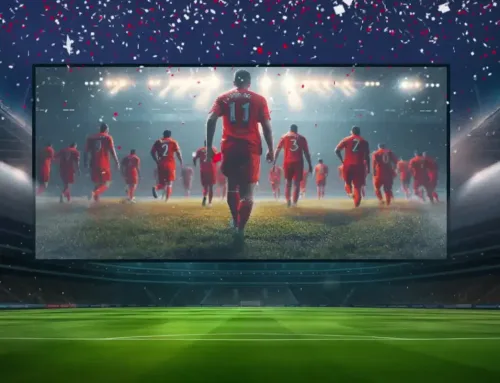
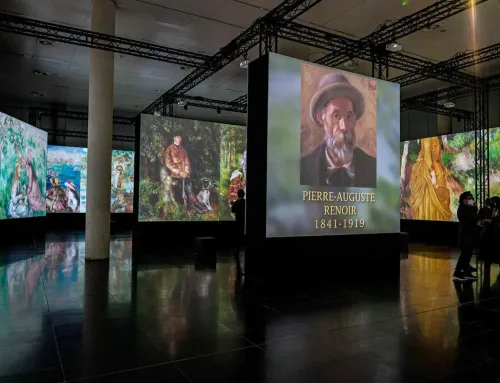
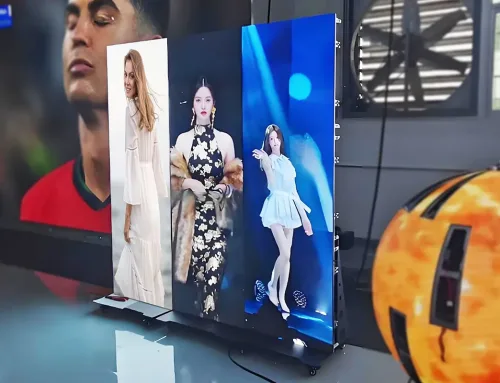
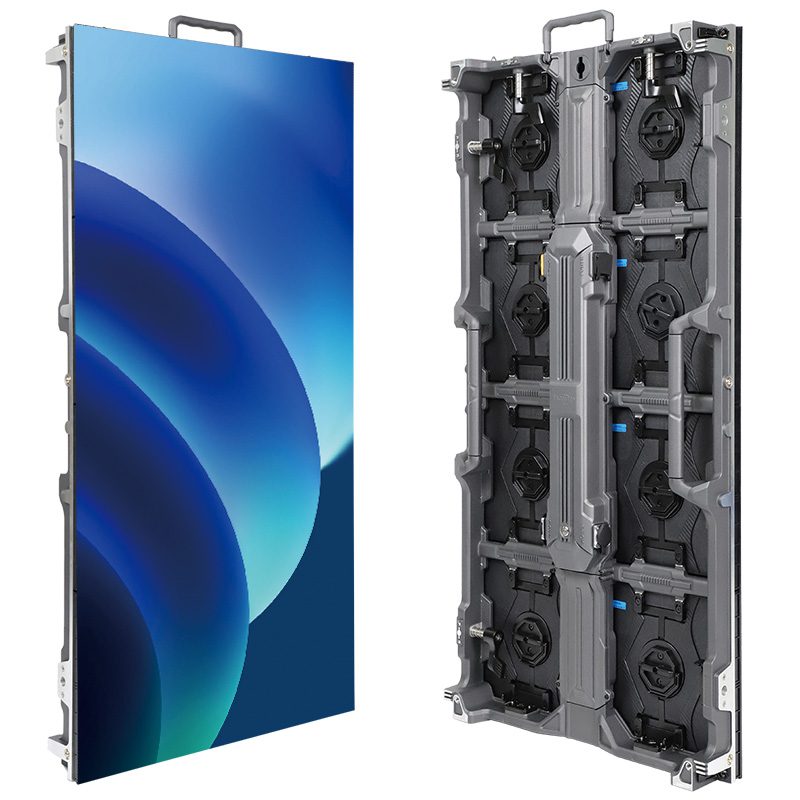
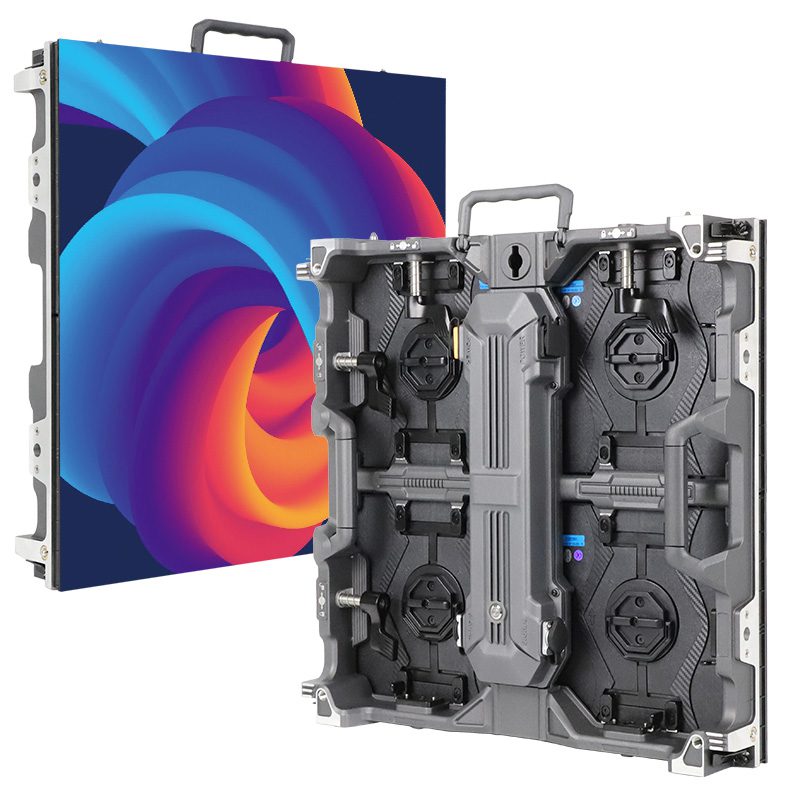
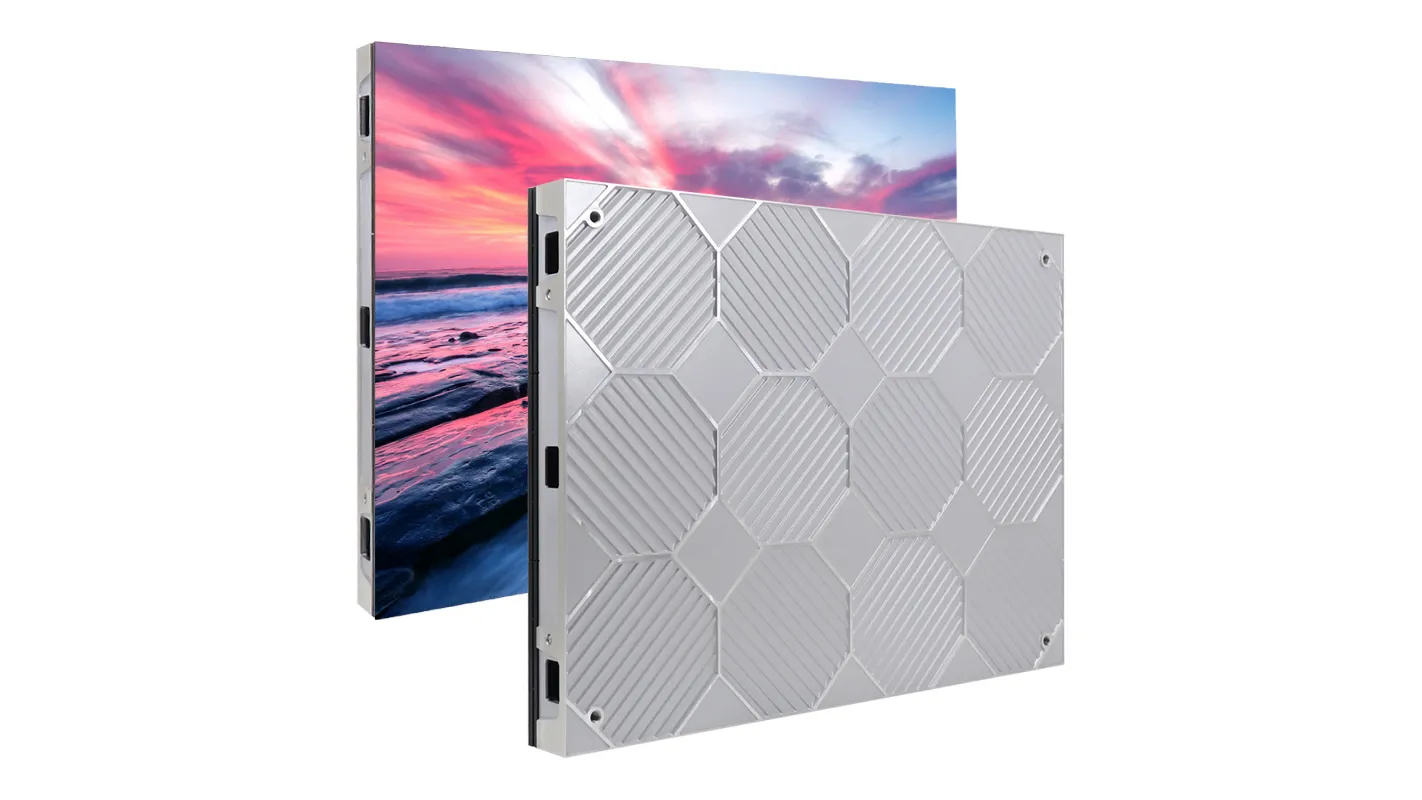
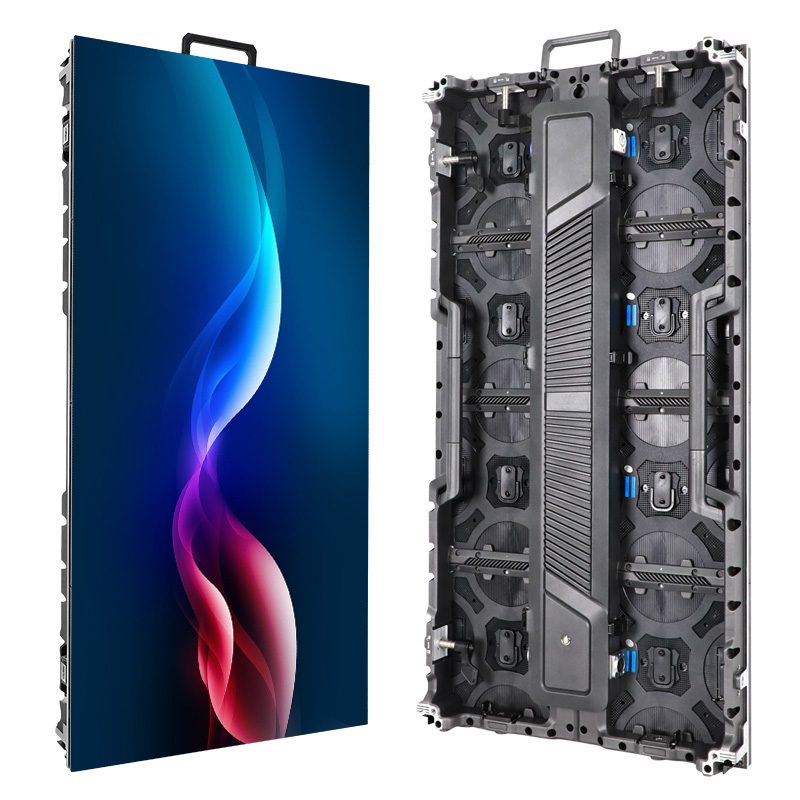
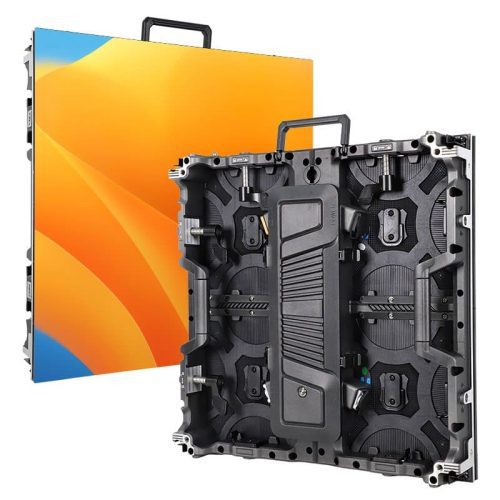
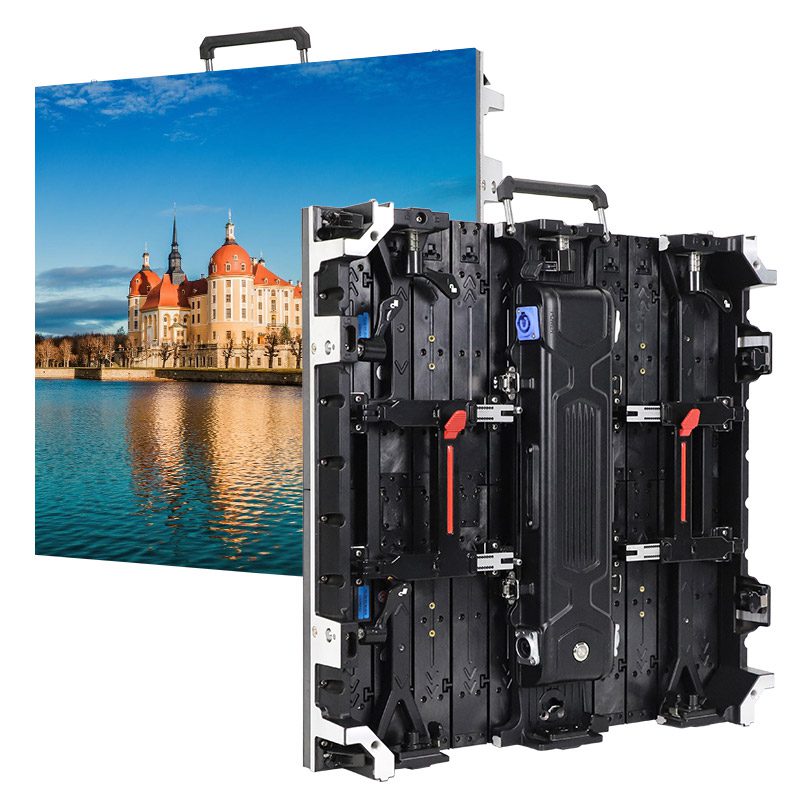
In modern sporting activities and entertainment centers, stadium screens have developed from plain scoreboards to reliable gadgets for enhancing the experience of sports lovers and unlocking brand-new revenue streams. These lively screens do much more than screen scores; they produce an immersive environment, offer targeted advertising opportunities, and ignite onlookers’ engagement in an unprecedented manner.
Whether it’s a vibrant football stadium or a theatre auditorium, sportsLED display, LED ticker displays, and numerous other screen innovations are currently at the heart of the action. From real-time replays to social media content and sponsor promotions, screens magnify every little thing taking place in the stadium. As competition grows and fan expectations increase, recognizing how to tactically make use of stadium screens has become vital. In this article, we’ll explore the types, costs, benefits, and business potential behind today’s most innovative display technologies.
catalogue
1.What Screens Do Stadiums Use?
Modern stadiums make use of diverse stadium screens to improve fan interaction, reveal scores, and unlock marketing opportunities. Each screen type caters to a distinct objective depending on its build and placement.
Different Types of Stadium Screens
LED Ticker Display
The LED ticker display is a long, slender screen that twists around the stadium’s border or grandstand. These scrolling screens showcase real-time scores, social media posts, and high-value ads. They are particularly effective during gameplay interludes, guaranteeing consistent visual stimulation and brand awareness.
LED Scoreboard
A staple in modern venues, the LED scoreboard has replaced conventional analog versions. These screens not only display scores and ratings but also exhibit animations, sponsor logos, and live video statistics. Their high-quality display and sharpness aid fans in following the activity without confusion, regardless of where they’re seated.
Giant Video Screens (Jumbotrons)
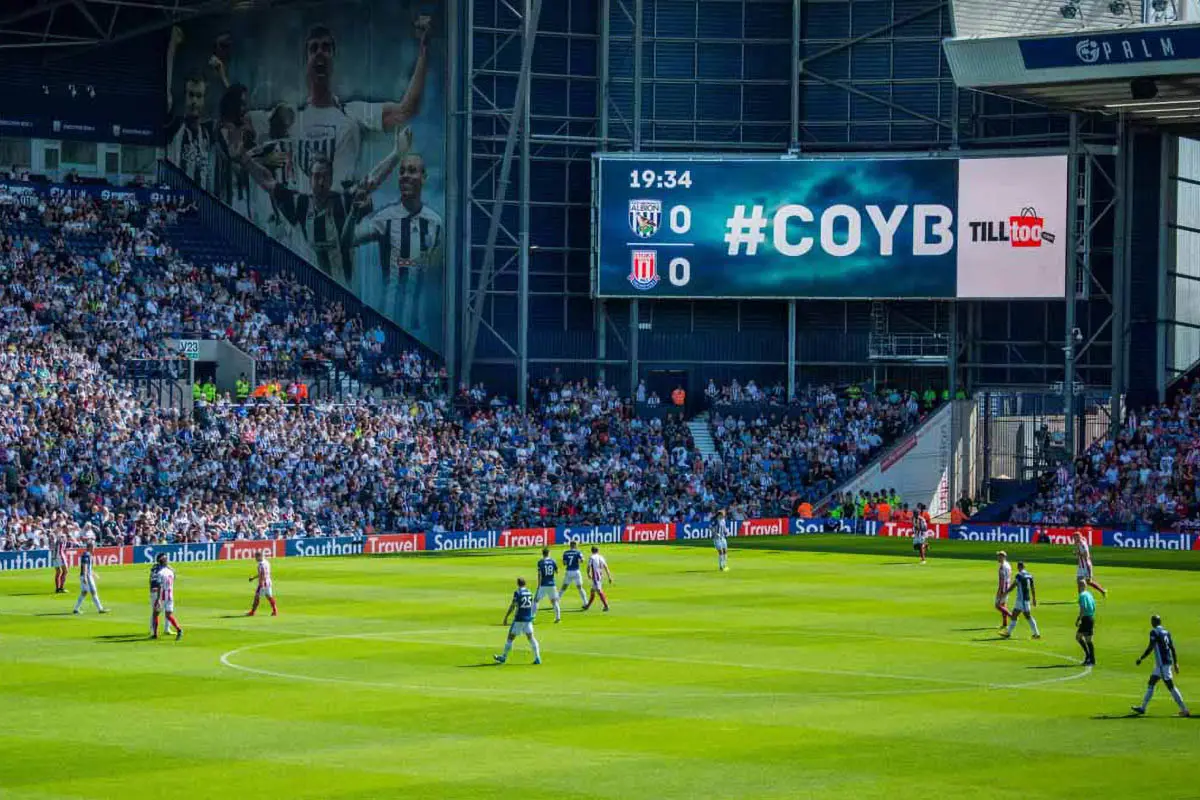
Mounted high over stands or behind goals, these gigantic stadium LED displays dominate the stadium’s visual field. They are utilized for swift replays, player announcements, fan cams, and dynamic visuals. Their plus size makes certain fans, even those seated far from the activity, relish in an immersive visual experience.
Ribbon Boards
Ribbon boards are lengthy, horizontal LED screens positioned along the fascia of upper decks. These are frequently used for advertiser promos, live updates, or in-game announcements. Their wraparound design creates a captivating layer of activity that thrills the audience.
360-Degree Center-Hung Displays
Mostly found in indoor arenas, these suspended sphere or square stadium screens ensure every spectator, notwithstanding the seat area, is able to see the screen easily. They’re ideal for basketball, hockey, and shows, displaying synchronized replays, sponsor ads, and immersive visuals.
2.What Are Stadium Screens Made Of?
The majority of stadium LED screens are made from modular LED panels using RGB diodes (Red, Blue, Green) to generate lively color arrays. These parts are installed right into cabinets and enclosed in weatherproof, lightweight aluminum or long-lasting polycarbonate encasement, protecting against rainfall and UV damage.
Resolution and visual quality are affected by the pixel pitch, which is the distance between LEDs. Lower pixel pitches generate sharper visuals. Take note that this may incur higher costs. High-refresh-rate drivers prevent flickering during live broadcasts, and several stadium screens have an in-built automatic brightness control and anti-glare surfaces for day-to-night performance.
Advanced sports LED screens also feature thermal monitoring systems to help reduce overheating for long usage durations. This guarantees stability, consistent high-resolution displays, and lasting durability, making these screens a worthy investment for any stadium intending to present top-notch viewer experiences and brand exposure.
3.How Much Are Stadium Screens?
The prices of stadium LED display screens are affected by several factors such as pixel pitch, size, installation specifics and usage. Below, we’ll take a look at the current market trends and discuss how various variables affect the prices of stadium LED screens.
3.1 Typical Price Ranges of stadium screens (USD)
Perimeter LED Displays:
Used around the edge of playing fields, prices vary between $400–$1,500 per m², depending on pixel pitch and cabinet quality. For example, P10mm aluminum cabinet options typically fall between $800–$1,100 per m², while iron cabinet models cost slightly less (around $600–$1,050 per m²).
Jumbotron and Video Walls:
Prices vary extensively depending on measurement, resolution, and modification. Stadium owners looking to purchase medium-sized stadium LED video walls can expect to spend around $100,000 to $200,000, with factors such as visual quality and clarity having an effect on pricing.
Smaller stadium LED screens are comparably less costly, with their prices ranging between $30,000 and $50,000. Giant video screens (For example, Jumbotron) used in large stadiums can be bought for around $200,000 to $500,000 and above, with factors such as resolution and installation demands playing a crucial role in pricing. High-end stadium LED screens for world-class stadiums can go as high as $1 million when taking installation demands, advanced controls, and visual quality into consideration.
LED Scoreboards:
Smaller-sized versions (for school or community centers) ideally cost around $20,000-$70,000, while larger stadium LED screens range from $150,000-$850,000, and can surpass $1 million for renowned pro stadiums.
3.2 Key Cost Drivers for Stadium Screens
Size and Resolution:
Larger displays obviously cost more. Higher-resolution systems (pixel pitch under P6mm) cost more due to increased module density and processing power needed for high-quality video.
Cabinet Material and Build:
One big factor that has a significant impact on the price of stadium LED screens is the material utilized in building their outer case, called the cabinet. If the screen is meant for outdoor use, it’s typically made with top-notch waterproof lightweight aluminum. This enables it to hold up against harsh weather, like heavy rainfall or scorching sunlight, although this makes it much more expensive.
However, rental LED display or mobile displays, like those used for one-off events or indoor use, might be made with lighter materials such as iron or standard lightweight aluminum. These are much less pricey and easier to move around, although they might not be as long-lasting or have the ability to hold up against severe weather conditions effectively.
Stadium owners will need to choose based on how and where they plan to make use of the LED display, whether it’s for regular matches, shows, or occasional events. The costlier the material, the higher the possibility that it will be sturdy and durable.
Technical Features & Brightness:
Increased brightness levels (≥ 7,000 nits), anti-glare coatings, high refresh rates for broadcast efficiency, and HDR video support all combine to increase prices but also substantially boost the audience experience.
Installation & Infrastructure:
Mounting hardware, steel framing, control systems, wiring, and labor can add an extra 10%-50% to initial expenses for the screen. Remote capacities or screen controls can also raise costs in addition to licensing fees.
Maintenance & Longevity:
Quality display screens might include multi-year warranty plans, software application updates, diagnostics, and component replacements. Expect additional recurring expenses around $10,000–$150,000 over numerous years.
3.3 What You Get : Value vs Cost
Regardless of their expensive nature, modern stadium LED displays deliver solid ROI. They offer high-quality branding opportunities, improve audience engagement, enhance vibrant advertising revenue, and facilitate digital content display, all while lasting over a decade with effective maintenance.
Simply put, what you pay initially impacts the screen’s reliability, quality, and money-making possibilities. Investing in sturdy, high-resolution screens rewards with an engaging audience experience and increased sponsorship revenue.
Enhancing Fan Engagement with Modern Stadium Screens
Entertainment has become a huge part of contemporary sporting activities and stadium screens are no longer just tools for displaying scores but now play a crucial role in keeping fans engaged. Passive spectators can be converted to enthusiastic viewers with the right use of stadium LED screens, which in turn creates a thrilling atmosphere from start to finish.
Real-Time Interaction Through Stadium LED Displays
One of the main methods stadiums use in keeping fans engaged is through real-time content that highlights in-game moments. Think about coordinated light displays while a player is making an entry or quick, slow-motion replays after a goal. These aren’t just fancy tricks; they intensify fans’ emotional connection to the activity and provide a cinematic experience to those seated much farther from the field.
Some stadiums go as far as setting up Stadium LED Display screens that react to crowd noise. When decibel levels get to a certain point, animations explode throughout the stadium screens, prompting more applause. These gamified moments not only feel electric but also go a long way in unifying crowd participation, boosting morale and transforming spectators right into a united force. It’s an experience fans do not easily forget and yearn to be part of again.
Interactive trivia games, emoji reactions through stadium apps, and live voting features shown on Sports LED Displays are additionally being used to engage the audience during downtime in between plays. This creates a smooth flow of entertainment that keeps fans absorbed throughout the event, not only when the main action is in play.
Romania Customers Purchased Outdoor EA960R3 Stadium LED Display
Social Media Integration & Crowd Participation
One more important use of stadium screens is the incorporation of fan-generated content. Hashtags promoted both prior to or during the match can motivate followers to post pictures or messages that are then shown on the stadium screen in real time. Watching yourself or your comment relayed to thousands is not only thrilling; it forms a memory bound to the place and the event. Most importantly, it encourages followers at home to engage online as well.
During halftime or breaks, stadiums can display curated fan selfies, Twitter voting stats, or birthday celebration shout-outs gotten from social media platforms. These functions make the game feel a lot more personal and inclusive, especially for a more digitally literate and youthful audience. Sponsors love this too; it’s a modern type of stadium LED display, powered by the fans themselves.
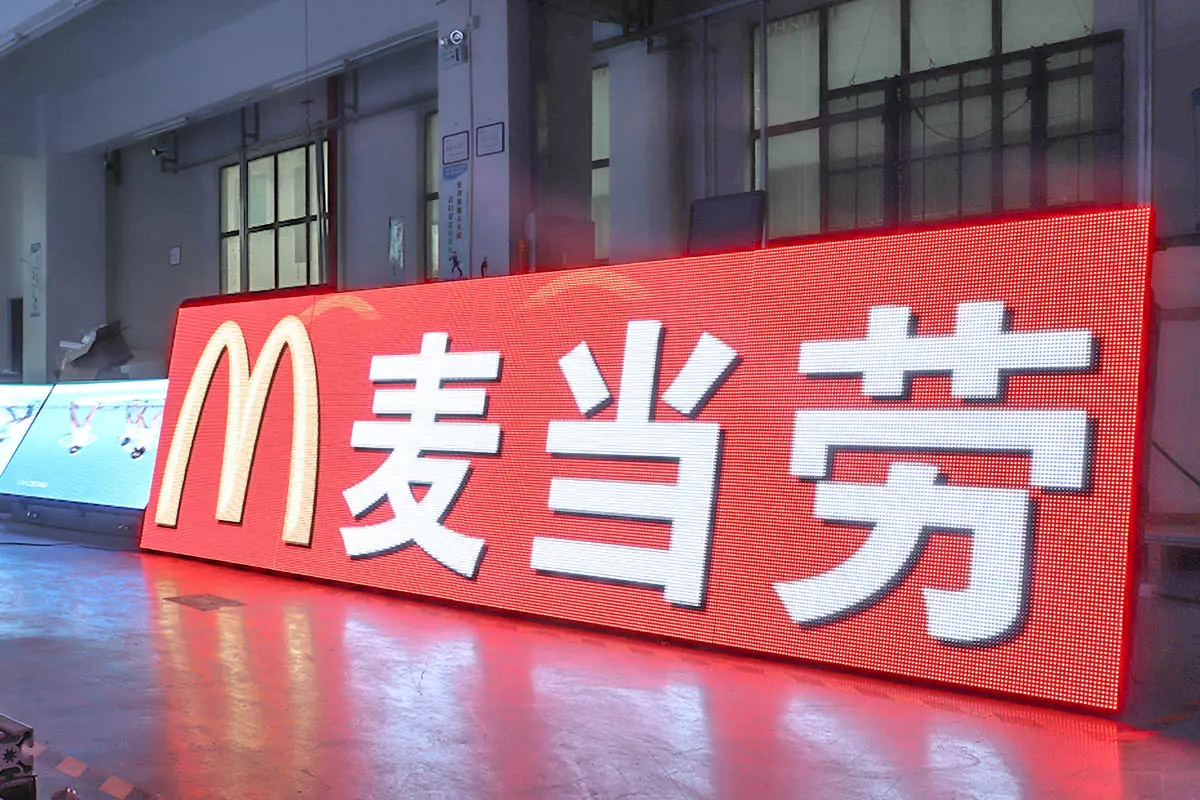
Ultimately, these digital touchpoints enabled by Stadium LED Displays aren’t just bells and whistles. They’re smart, strategic tools to grow loyalty, produce buzz, and create a game-day setting that keeps fans coming back.
4.Driving ROI Through Sports LED Screen Advertising
Digital ad schedulers are currently in use by most venues to organize messages based on audience type, game progress and period of the day.
4.1 Targeted Advertising and In-Game Brand Placements
One of the most powerful advantages of using Stadium Screens is their ability to deliver targeted advertising directly to thousands of fans in real time. Unlike online ads that customers can scroll past, stadium LED screens are very eye-catching and dominate the visual landscape of a stadium. They are conspicuous, which makes them highly valuable to promoters who want assured visibility.
For example, a break period can be sponsored by an energy drink brand, while an insurance company might decide to display adverts after an on-field injury. These refined yet strategic positioning are not easily forgettable because they correspond with the audience’s emotions and attention span. By coupling ad content with the appropriate moment, brands enhance recognition proficiently.
Some stadiums also use sports LED screens to trigger ads based on in-game events, like showing a special offer every time a team scores. This event-based advertising creates excitement while offering brands a unique, high-energy spotlight. Teams can also permit promoters to “own” particular moments, such as halftime breaks or fan cam highlights, offering businesses the opportunity to connect their brand with strategic moments that resonate with audience emotion.
4.2 Performance-Based Sponsorship Packages
Another emerging strategy involves performance-based sponsorships. These are ad packages where the sponsor’s exposure depends on real-time actions in the game. For example, if a player achieves a milestone, special display effects appear on the stadium LED display with the sponsor’s logo. Arrangements like this boost fan excitement while gratifying players and sponsors.
In addition, dynamic pricing models are beginning to be utilized for in-stadium advertising. As opposed to paying a fixed fee, advertisers now select bundles based on expected viewership, display frequency, and even fan sentiment. This data-driven model helps teams demonstrate actual return on investment for brand partners and provides flexibility to smaller sponsors.
Stadium operators can also segment their displays. While one screen shows general ads, another can rotate regional messages for localized sponsors. This maximizes the commercial utility of every screen and encourages community-level partnerships, especially for minor league clubs or college sports programs.
Overall, the combination of audience targeting, emotional timing, and interactive triggers makes advertising on stadium LED displays far more than a static experience. It becomes a living, responsive marketing channel; one that’s woven into the rhythm of the game. That’s why forward-thinking teams treat their stadium screens not as equipment, but as one of their most valuable business assets.
5.Technical & Installation Value for Stadium Screens
5.1 Customization by Venue Size and Viewing Angles
One of the most essential factors that needs to be considered when selecting stadium LED display screens is how well they can be customized to align with the distinct features of the stadium.
Every arena has its distinct qualities and no two stadiums are precisely the exact same. For instance, the Dodger Stadium, like numerous others, is open-air, while a dome structure is used in arenas like the Mercedes-Benz Stadium.
Features such as multi-tiered seating formats, retractable roofing systems and several others are qualities that distinguish one stadium from the other. With this in mind, the dimension and positioning of the stadium LED displays will need to be tailored to the distinct features of the stadium, while important factors such as viewing angles, distance from viewers, and illumination conditions will also have to be considered.
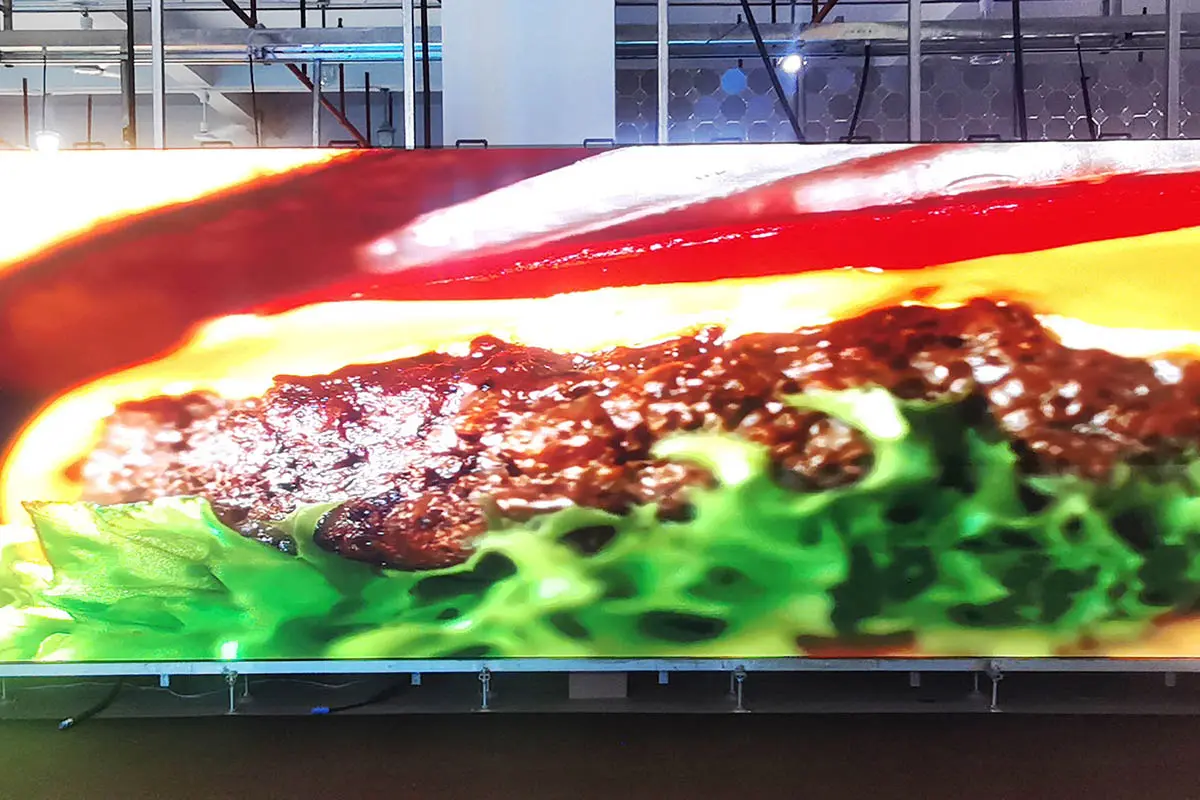
For example, wide-angle screens with high brightness levels might be beneficial in massive outdoor arenas to ensure maximum visibility during daytime games. On the other hand, clarity and resolution quality might be more of a priority for smaller-sized indoor stadiums.
A lot of stadiums that are just starting make use of modular display panels to help with scalable installations. This ensures that the display systems can be easily widened gradually over time instead of having to make a total overhaul. Meanwhile, curved stadium LED screens are often utilized to align with the contour of a stadium’s structure. This generally helps eliminate visual blind spots and improve audience engagement.
Creating a captivating atmosphere where everyone, regardless of whether they sit in the front row or upper stands, is able to enjoy an immersive viewing experience will require flexible customization levels and tailored techniques like we have discussed above. This will also help owners maximize the advertising value of the stadium and generate more revenue due to the fact that viewers are able to enjoy a clear view.
5.2 Operational Durability and Maintenance Savings
When investing in stadium LED screens, durability is one of the most important considerations. These display systems are expected to operate for countless hours annually, often under harsh weather conditions. That’s why professional-grade screens come with features such as high-refresh-rate chips, weatherproof housing, and elite cooling systems. Many top-tier screens also offer automated brightness adjustment to adapt to different times of day, reducing energy usage.
Maintenance-friendly design is another major cost-saving feature. Some stadium LED screens come with front or rear access, making it much easier to change faulty parts without taking down the full setup. Over time, these features minimize the overall cost of maintenance and help stadium managers stay clear of expensive repairs, ensuring events run smoothly and screens perform optimally.
6.FAQs
7.Conclusion
In today’s sports and entertainment industry, stadium screens are more than just digital upgrades; they’re revenue drivers, fan engagement tools, and brand amplifiers all in one. Whether it’s through immersive stadium LED displays that stream real-time content or LED ticker displays that keep fans connected and advertisers visible, these screens have reshaped what it means to attend a live event.