
Related Posts





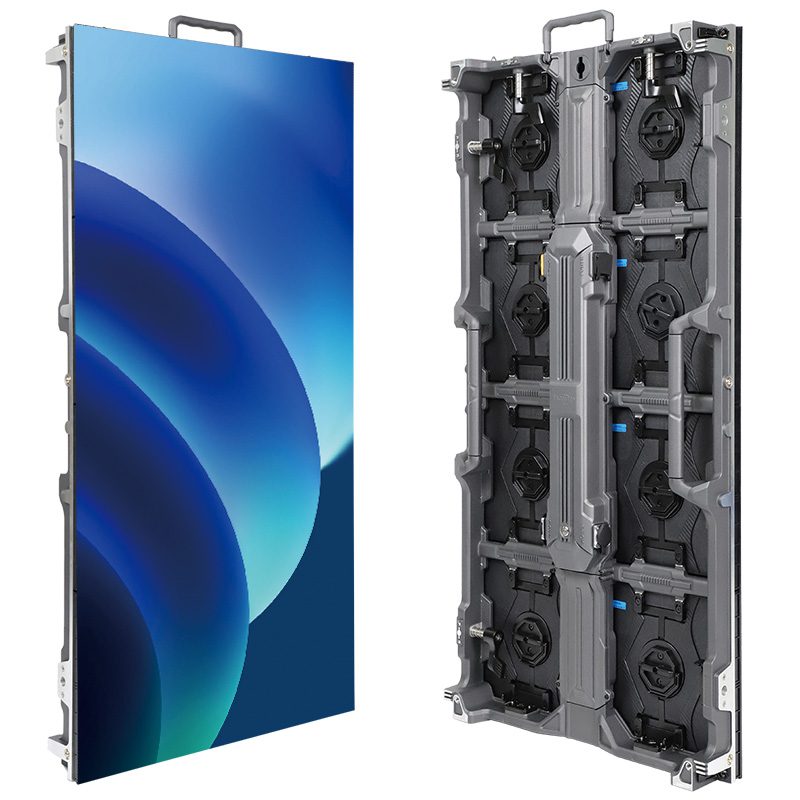
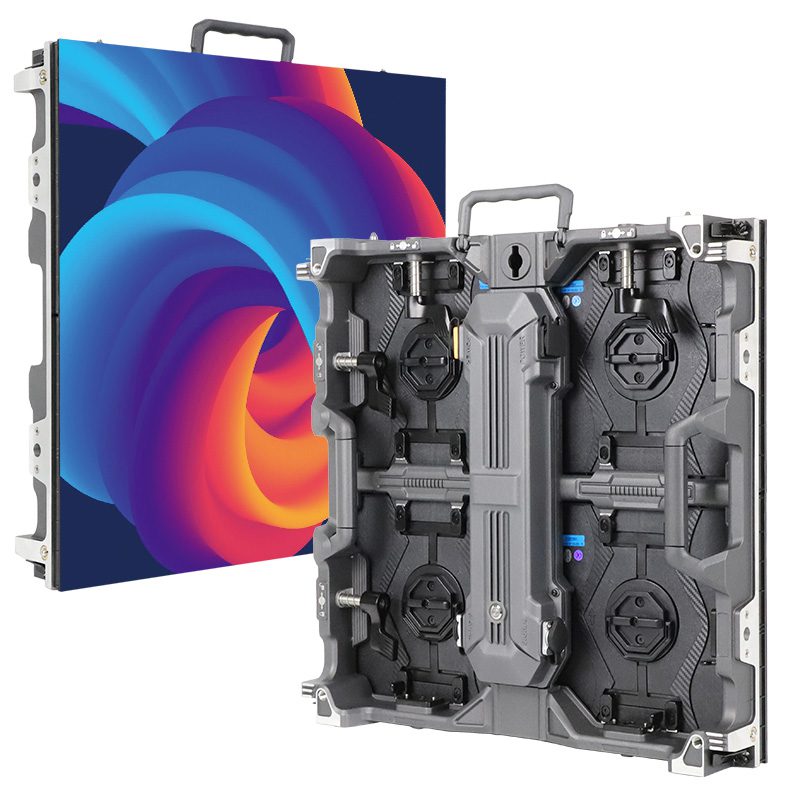

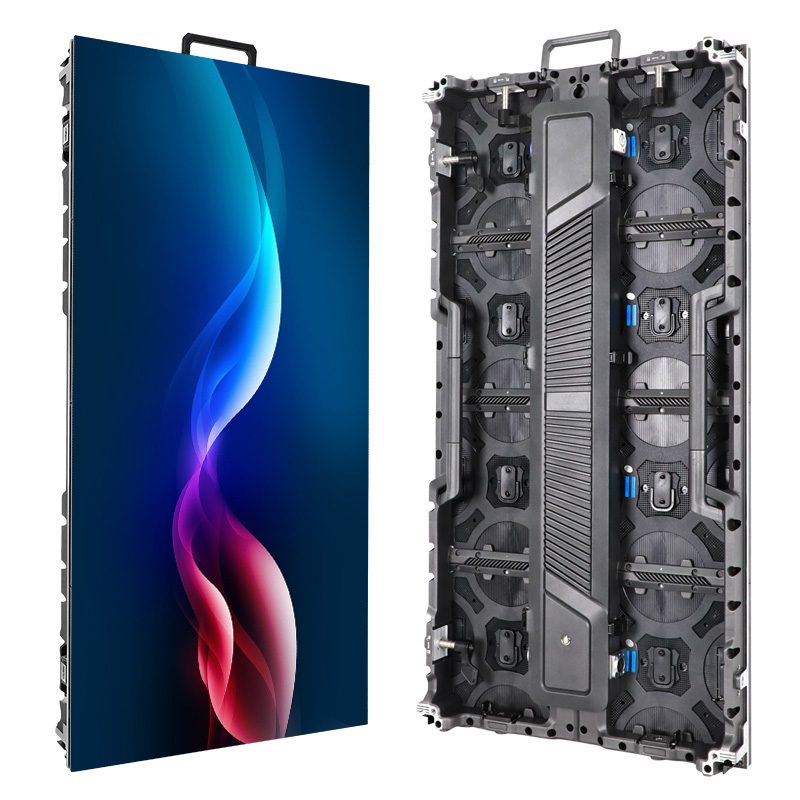
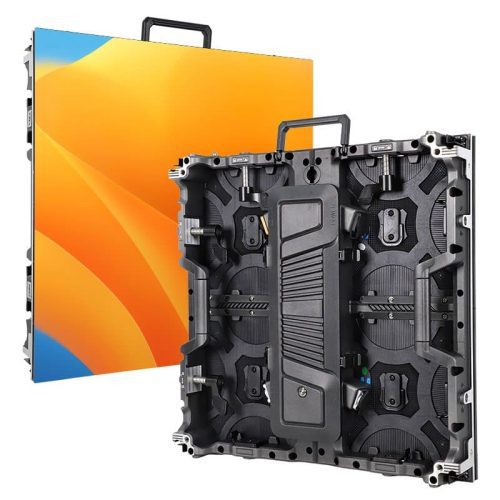
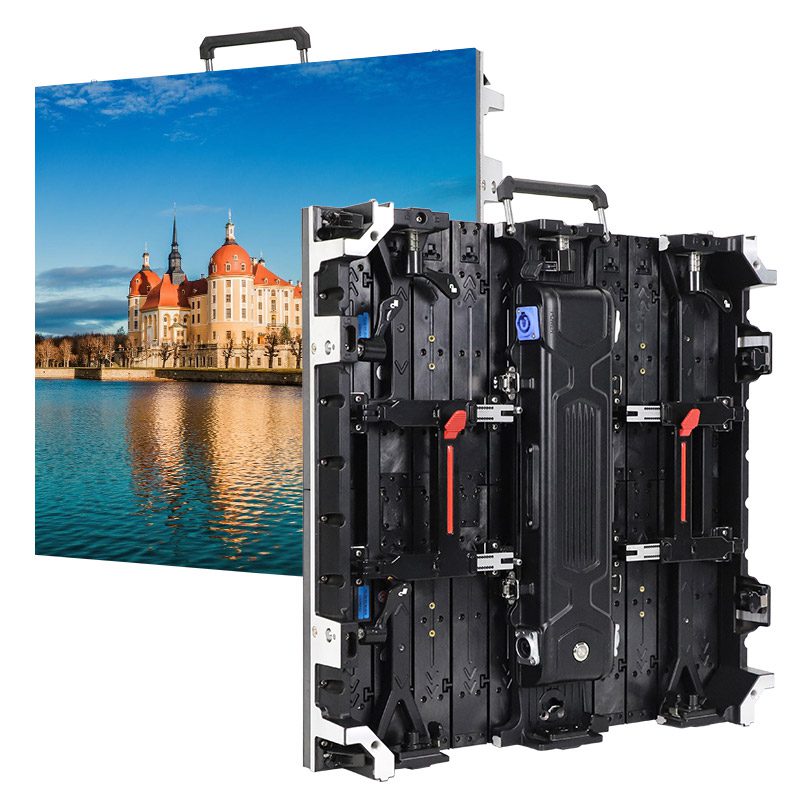
The world of business is very fast today and attracting attention and keeping customers interested is even more crucial. This is the reason why commercial digital signage displays became one of the most intelligent marketing and communication resources businesses have in 2025. Whether in retail shops or in airports, even hospitals, these displays are used to convey messages using a modern and stand out style.
catalogue
1. What Are Commercial Digital Signage Displays?
Digital signage commercial displays are commercial-level screens to display information, advertise or deliver a message in spaces in businesses and public. In contrast to consumer televisions, they are designed to last many hours of use and are brighter and more durable. They enable companies to relay visual messages to customers in a more effective manner than posters or billboards.
How do commercial digital signage displays work?
These screens are linked with the content management system (CMS) either via HDMI, Wi-Fi, or via cloud software. Businesses may upload videos, images or even text into the system and the display later plays the content. Some of the displays have interactive capabilities such as touch screens, which give customers more opportunities to interact with them.

2.Why Businesses Need Digital Signage Displays in 2025
In 2025, the level of competition is higher than ever before. Customers are continuously bombarded with information on their smartphones, social media, and elsewhere in the surrounding media. In order to gain selectivity, the business needs to have tools that are modern and effective. Likewise, it is no wonder that commercial digital signage displays have become so significant. They are the displays, but more importantly they are effective communication vehicles that get brands in touch with individuals.
Attracting customer attention
The main strength of the digital signage is that it can simply attract attention. Unlike the posters or banners that are stationary, digital displays incorporate moving graphics, animations and videos. These vivid, active screens tend to attract attention even in a crowded place. Be it displayed in a billing store, airport, or even a fast-food shop, they will ensure that the customers see your message immediately.
Consider a congested shopping mall. A static sign has the capability to be left in the background but a giant 4K display with video; once this is enlarged it is bound to catch the attention. That is the strength of digital signage.
Increasing brand visibility
Our company realizes that all about is the perceptibility of brands. Commercial digital signage displays allow businesses to present logos, brand color schemes, slogans and campaigns professionally. In the long term, this repeated visual contact reinforces brand recognition and customer confidence.
As an example, a clothing store can place visuals that demonstrate seasonal sets in brand colors, whereas a bank can present financial news along with its well-known logo. Such minor details solidify your brand in the minds of the customers without adding to additional work.
Supporting interactive customer experiences
Modern customers not only want to watch, but they also want to communicate. This can be done with touchscreen displays and interactive kiosks. Whether reading online restaurant menus, signing in at a hotel reception desk or navigating through the way-finder maps in a shopping mall, the interactive screens take charge.
When this type of digital experience is provided by businesses, it helps them increase customer satisfaction and ensures that people become more willing to come back.
As an example, a gymnasium could use interactive LED displays to allow members to easily monitor their exercise plans, and a university could offer campus mapping on touch kiosks to students.
Cost-effectiveness compared to traditional marketing
It is also true that an initial budget is needed to invest in commercial digital signage displays. But, in the long haul they are cost effective as regards to traditional print marketing. Flyers and posters, as well as billboards, need to be reprinted regularly and this is an additional expense. This is no longer a problem since digital signage allows you to update content at any time with a few clicks.
This flexibility also enables businesses to conduct multiple promotions at no additional cost. A restaurant may change its breakfast, lunch and dinner menu each day without printing new boards. That is the true cost savings in conjunction with efficiency.
3. Examples of success in the real world of Commercial Digital Signage Displays
- Retail stores: A lot of large retail outlets are utilizing commercial digital signage displays to promote items, run flash sales or specific product showcases. It builds urgency and it increases sales.
- Airports: Digital screens inform the customers about their flight schedules, delays and others in real time.
- Restaurants: Rainbow coloured menu boards made up of food graphics and videos not only give the restaurant a modern outlook, but also promote increased appetites and higher up-selling initiatives.
The fact that in every industry, businesses have achieved increased engagement, intense brand recall and satisfied customers just by switching to the commercial digital signage displays option is testimony to its efficiency.
4. Key Factors to Consider When Choosing a Commercial Digital Signage Display
Different displays are a long term investment. This system is not only about purchasing a screen- it is about choosing the right type of technology that will match the business goals of your firm in the long term. These are the key considerations that we suggest you use to make a decision:
Display Size & Screen Resolution (HD, 4K, 8K)
Size is important in the aspect of visibility. Smaller screens are more appropriate as menu boards or office lobby displays whereas larger video displays fit the outdoor advertisements and events. Other than its size, resolution is also a determining factor. By using a 4K screen or 8K screen, you can introduce sharp and crisp visuals to your content, making it appear professional and visually appealing.
When customers cannot read or perceive your message well, your money will go to waste. Always keep in mind that screen size and resolution are proportional to viewing distance and viewing location.

Brightness & Visibility (indoor vs outdoor displays, nits rating)
The brightness is quantified in terms of “nits.” Indoor applications tend to operate well at 500 700 nits, whereas outdoor displays often have brightness in excess of 2,000 nits or more to appear in direct sunlight.
We recommend paying attention to the location of your signage prior to the purchase. As an example, a mall kiosk does not require a high level of brightness whereas a roadside display certainly does.
Durability & Lifespan (24/7 usage, commercial-grade panels)
Commercial digital signage displays are a 24/7 operating product compared to consumer television sets. They come with reinforced panels that thwart overheating, image burn-in and other problems. If your business requires the display to run throughout the day, then investing in commercial height to ensure longevity is a must.
Connectivity & Compatibility (HDMI, Wi-Fi, USB, cloud-based software)
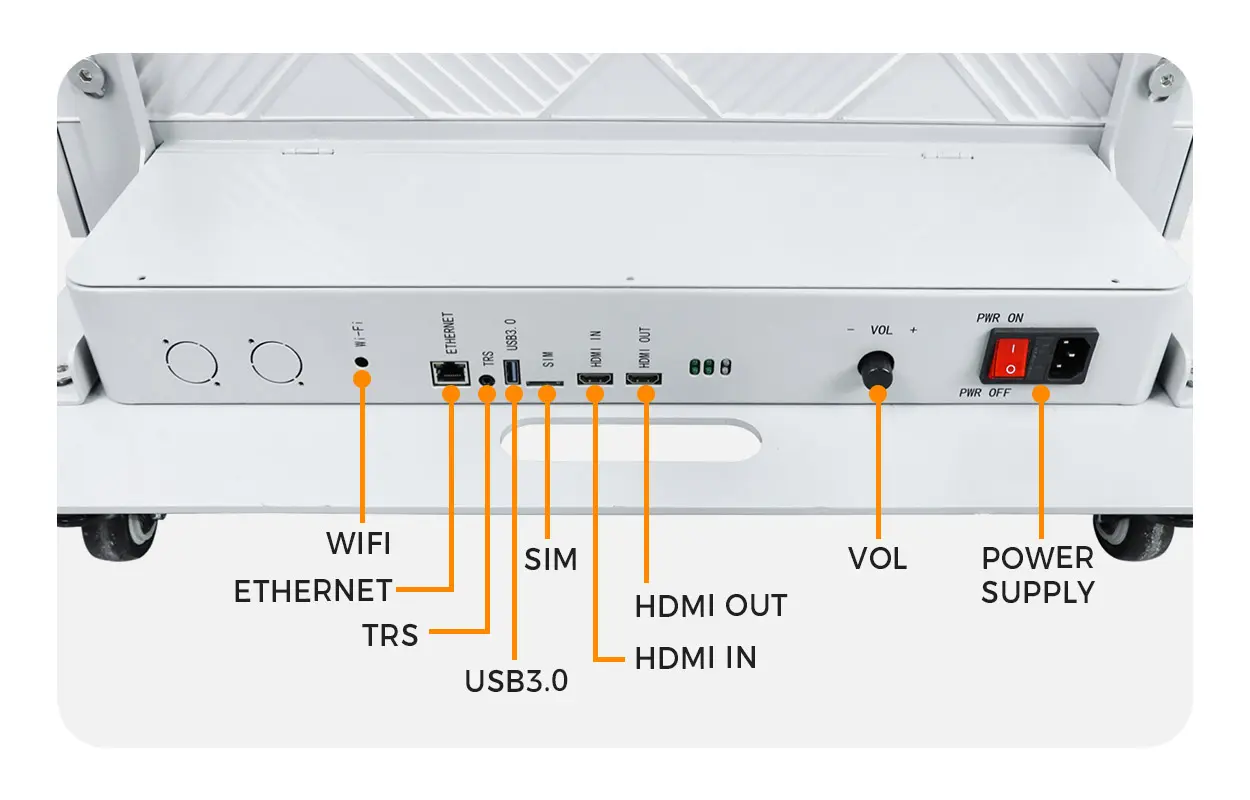
The most reliable signage systems can readily be connected with several devices. Major requirements are connectivity of both HDMI ports, Wi-Fi, and USB. Cloud systems are even superior since they allow the content to be controlled remotely through the various screens at different locations.
Touchscreen & Interactive Features
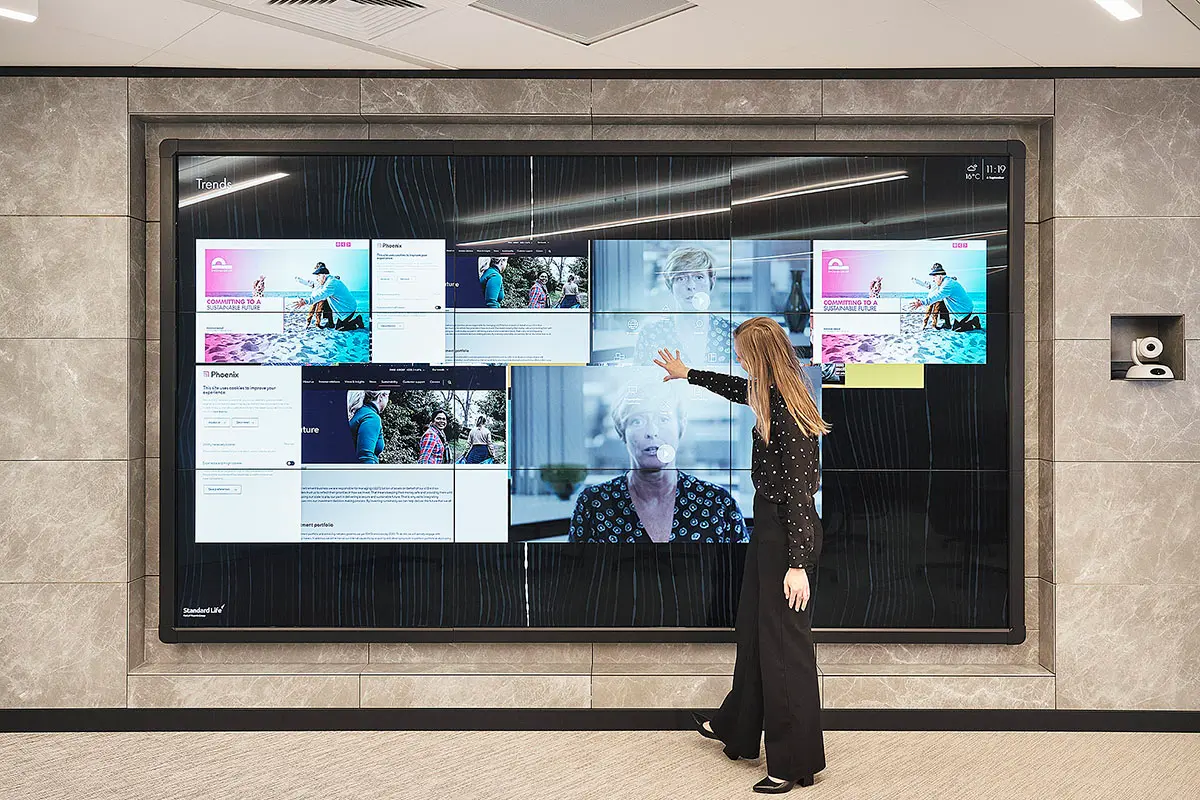
When customer interaction forms part of your strategy, consider displays with built in touchscreen technologies. Interactive kiosks can be used to offer such services as self-checkout, wayfinding, or product browsing, which improves customer experience and relieves the workload of the staff.
Content Management System (CMS) Integration
Digital signage screen is supported by a CMS. It allows you to upload, schedule and manage without trouble. A robust CMS allows you to change screens in real-time and even manage hundreds of displays across multiple locations with just a single dashboard.
Energy Efficiency & Eco-Friendly Options
Energy prices are on the increase and most businesses now favor environmentally friendly solutions. The new digital signage models are energy efficient as they can dim to conserve power and use low power settings. Screens with energy efficiency will save you money and have less on the environment.
Warranty & After-Sales Support
Digital signage is not a one-day deal so follow up services are important. You should always select a provider that will provide a clear warranty and technical support. This means that you are not faced by unforeseen expenses in case something goes awry.
5. Different Types of Commercial Digital Signage Displays in 2025
Indoor displays can typically be located in parts of a business that have a lot of foot traffic and allow companies to convey specific information, offers, or marketing messages. These are slick high resolution screens that can do well in controlled lighting conditions.
Uses are in places:
- Shopping malls: Directories, brand promotion, wayfinding.
- Restaurants and cafes: Digital menu boards, promotions and offers.
- Internal offices: News screens in the offices, visitor welcome screens.
- Gyms and fitness centers: Fitness schedules, inspirational messages or advertisements.
Outdoor Digital Signage
Outdoor-grade digital signage comes with high brightness displays and protective shells to handle outdoor weather conditions of direct sunlight, rain, dust, etc.
Uses are in places:
- Highways and roadsides: Digital Billboards and billboards.
- Transport centers: Bus stations, rail and airports to know schedules and notifications.
- Live sporting arenas: Match updates, advertising of partners.
- Urban centers: Billboards and publicity messages.
LED Video Walls
LED video wall LED video walls are large format displays composed of individual panels of LEDs and offer seamless video and high brightness. They can be seen very easily even at a far distance.
It is used in places:
- Casino: Promotions, events and stage decorations.
- Retail shops: Product launch promotion walls that are eye catching.
- Stadiums: live game coverage, replay, and advertisement.
- Branding walls: The appeal of corporate lobbies that generate a powerful image.
LCD Commercial Displays
The LCD screens are affordable, low energy billed, and flexible and thus business with a smaller or medium scale demands would suit it. They provide clear images in interior places.
Finds uses in places:
- Stores: Prices, promotions for seasons.
- Workshops and meeting rooms: Training, presentations and teamwork.
- Hospitals and clinics: Patient queue solutions and health awareness campaigns.
- Banks: Information about their services, exchange rates and offers.
Interactive Kiosks and Touchscreens
Interactive signage allows customers can interact with customers and gives a more self-service approach in a customized way.
- Finds application in places:
- Airports: Boarding, etc passenger information.
- Retail stores: Self check-out systems and virtual-catalogue.
- Hotels: Self-service check-in computer and local city provisions.
- Museums: Interactivity on exhibits and learning materials.
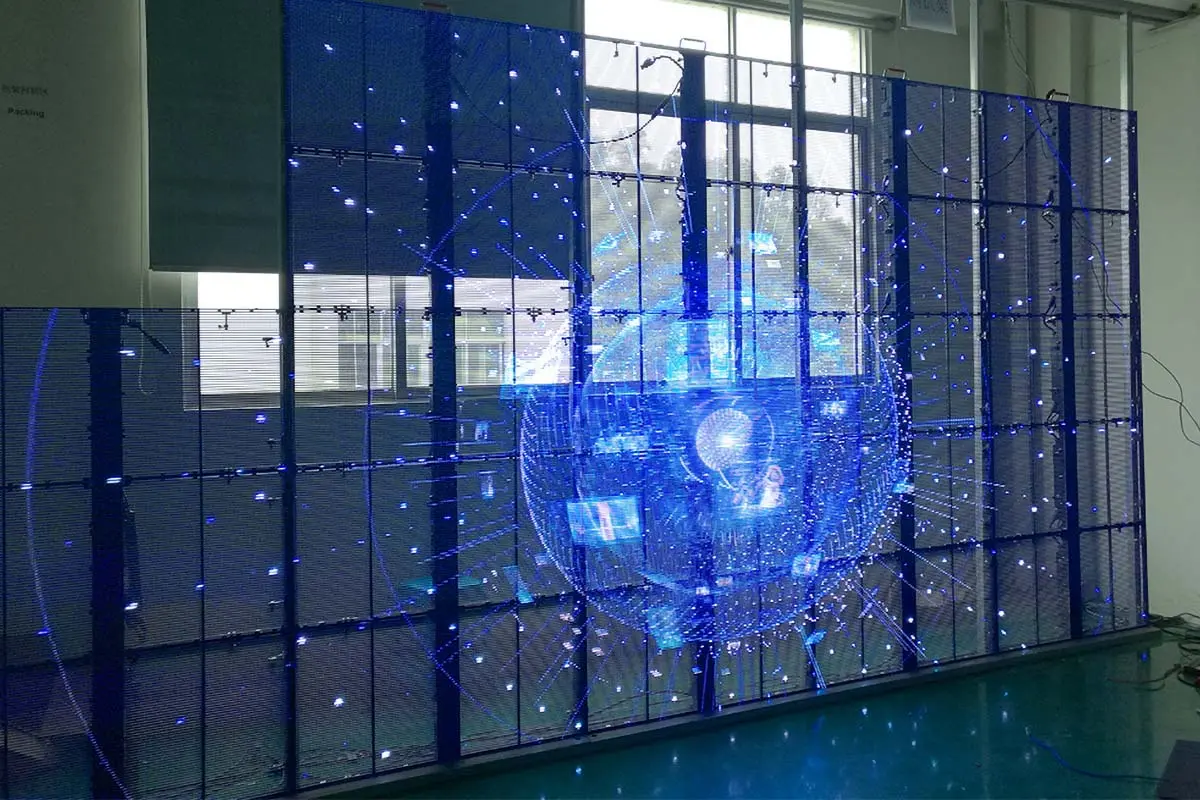
Transparent LED screens are the new technology displays that allow you to see through the glass and at the same time present bright and dynamic content. They work well in the branding of the future.
Uses in places:
- Luxury retail shops: Placing advertisements on shop windows without obscuring the view.
- Car showrooms: Showing car features and the actual product to the customers.
- New corporate events: Stage settings and branding.
- Museums and galleries: Integrating content with actual displays to create a multimedia display.
6. Top Industries Using Commercial Digital Signage in 2025
Almost all industries are creative in their applications of commercial digital signage displays in 2025. They are not only confined to shops or food outlets; they have become an indispensable tool in other industries. Here is an industry wise breakdown of how the industries benefit:
Retail stores & shopping malls
Digital signage is used by one of the largest users in the retail industry. They are used by the stores to market their products through promotions, during seasons and flash sales. The malls use them as directional maps, timetables of events and advertisements. By using digital displays, shopping becomes more interesting and increasing sales is achieved.
Restaurants and QSRs (menu boards, promotions)
QSR and cafes are swapping out static menu boards with dynamic digital displays. These are used to improve the eye appeal of menus but have moving images of drinks and food. They are also capable of enabling restaurants to instantly update prices, combos and promotions without reprint.
Corporate offices and meeting rooms
Organizations engage in the use of digital signage to disseminate internal information like timetables, meeting schedules, and corporate branding. Welcome displays greet visitors and express the values of the company in lobbies. In meeting rooms they can be used as a presentation screen and give a professional feel.
Healthcare facilities
Digital signage is used in hospitals and clinics to provide direction to the patients, avoid the stress on patients undergoing long wait-time and share other relevant health messages. As an example, a hospital lobby could promote the direction to various sections, and waiting rooms could communicate wellness tips or information that is in real-time.
Transportation hubs (airports, bus stations)
Airports, train stations, and bus facilities depend heavily on digital signage screen to provide results of the timetable, boarding flags, and crisis alarms. Well-written signs with large, visible, easy-to-read print direct passenger traffic and alleviate congestion in busy places.
Hotels and hospitality
Hotels: Hotels use commercial displays in the lobbies to display check-in information, event schedules, promotions of on-site restaurants or spas. Digital in-room screens are gaining momentum, providing guests with individual amusements and entertainment as well as personalized services.
Education sector
Digital signage is used in schools, colleges and universities to deliver school announcements, event schedules and emergency messages. They are additionally used on computerized notice boards as well as in classroom notification. This improves and enhances communication by making it quicker, more precise and comprehensible.
Gyms and fitness centers
Health clubs use screens to show schedules of workouts, videos to motivate them and offer promotional deals. They are also able to display health tips or real-time exercise classes to provide a more interactive type of involvement during exercising to give members a more active experience.
Banks and other financial institutions
Banks take advantage of using digital signage screen to communicate interest rates, loan options and service promotions. They also apply them in the queue management so that customers can know the right time to be served. Screens in holding areas may be used to present financial education videos to build customer credibility and trust.

7. Cost of Commercial Digital Signage Displays in 2025
Choosing consumer TVs instead of commercial-grade displays: The cost difference between consumer and commercial grade displays is also based on the fact that consumer grade displays are expected to last under controlled conditions and are supplied with a remote control that commercial-grade displays do not use.
Ignoring brightness and resolution needs: The outdoor screens must have a high brightness level (more than 2,500Nits) as it can be seen in the outdoors whereas the indoor screen can use lower brightness.
Overlooking software compatibility: Failing to check whether the CMS supports your hardware, content formats and scaling requirements can lead to operational problems in the future.
Not planning for future upgrades: Small firms do not consider future upgrading. Selecting one that is scalable would mean you should be able to add more greenscreens or add new technology without changing everything entirely.
9. Future Trends in Commercial Digital Signage Displays (2025 and Beyond)
AI-powered personalized ads: This technology will enable the usage of AI and data analytical tools to display an ad based on customer profiles, customer foot traffic, and real-time actions.
3D and Holographic displays: A holographic and glasses-free 3-D display and holograms will make brand messages all the more immersive.

VR/AR integration in retail and events: There will be a combination of augmented reality with signage where the customer will be engaging in the virtual content even in the real space.
More energy-consuming models: New displays employ low-power LEDs and automatic brightness control, with which businesses can minimize energy spending and remain environmentally friendly.
10. Conclusion
Commercial digital signage displays are becoming a necessity rather than a luxury for any business in 2025. They come with perks going beyond increasing customer attention and enhancing brand awareness and even providing interactive experiences regardless of the industry one is dealing with.
When deciding on what display to buy, it is important to concentrate on important attributes such as the display size, the display resolution, the display brightness, display life and the CMS integration. Think about the long-term support and scalability of such a system so that your investment can repay itself later.
As an eagerled, we advise you to use displays that fit your specific business objectives. With an informed choice, your digital signage screen will not only deliver a message, but it will foster longer term customer connections.