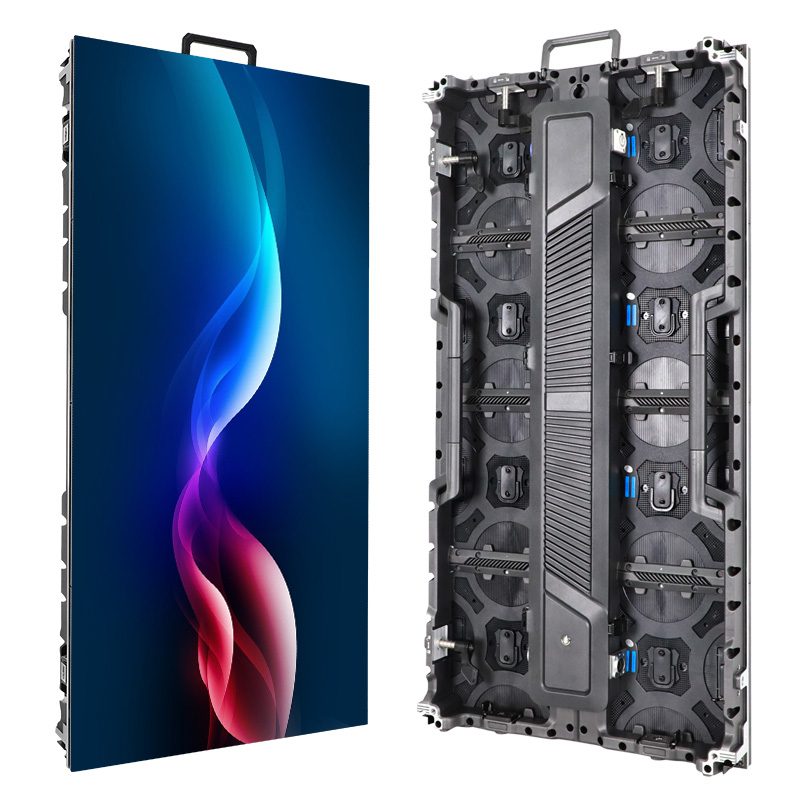
LED cabinet dew point means the temperature at which water vapor in the air around a cabinet surface can begin turning into liquid water. Condensation becomes possible when that surface reaches the local air’s dew point or falls below it. The relevant comparison is between the surface and the surrounding air’s dew point, not simply between indoor and outdoor temperature.
For an AV integrator evaluating a display location, this explains why a comfortable room can still contain a cold, damp cabinet. A humidity percentage, an outdoor protection rating and a warm air reading each answer different questions. This explanation focuses on those differences, using hypothetical temperatures rather than claiming results from an installed screen.
1. What LED Cabinet Dew Point Actually Describes
Dew point is an air property, even though the phrase attaches it to the cabinet. The U.S. National Weather Service defines it through cooling air to saturation at constant pressure. A cabinet does not have one permanent dew point printed into its metalwork. Its surfaces encounter air with changing moisture conditions.
Relative humidity describes how close air is to saturation at its current temperature. Dew point expresses the saturation threshold as a temperature. If you warm the same air without adding or removing water vapor, its relative humidity falls, but its dew point remains approximately unchanged at the same pressure. A lower humidity percentage therefore does not automatically mean moisture was removed.
Vaisala’s explanation of dew point uses a cooled pipe to show the surface effect. The same principle helps interpret a cold cabinet entering warmer surroundings: the air touching the cabinet can reach saturation locally while the rest of the room remains comfortable. This is a physical comparison, not a statement that every cold delivery will become wet.
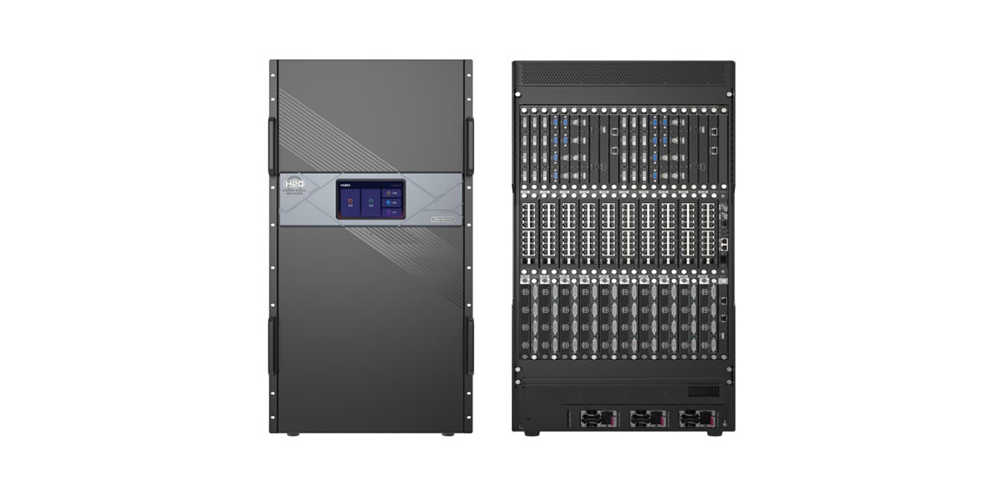
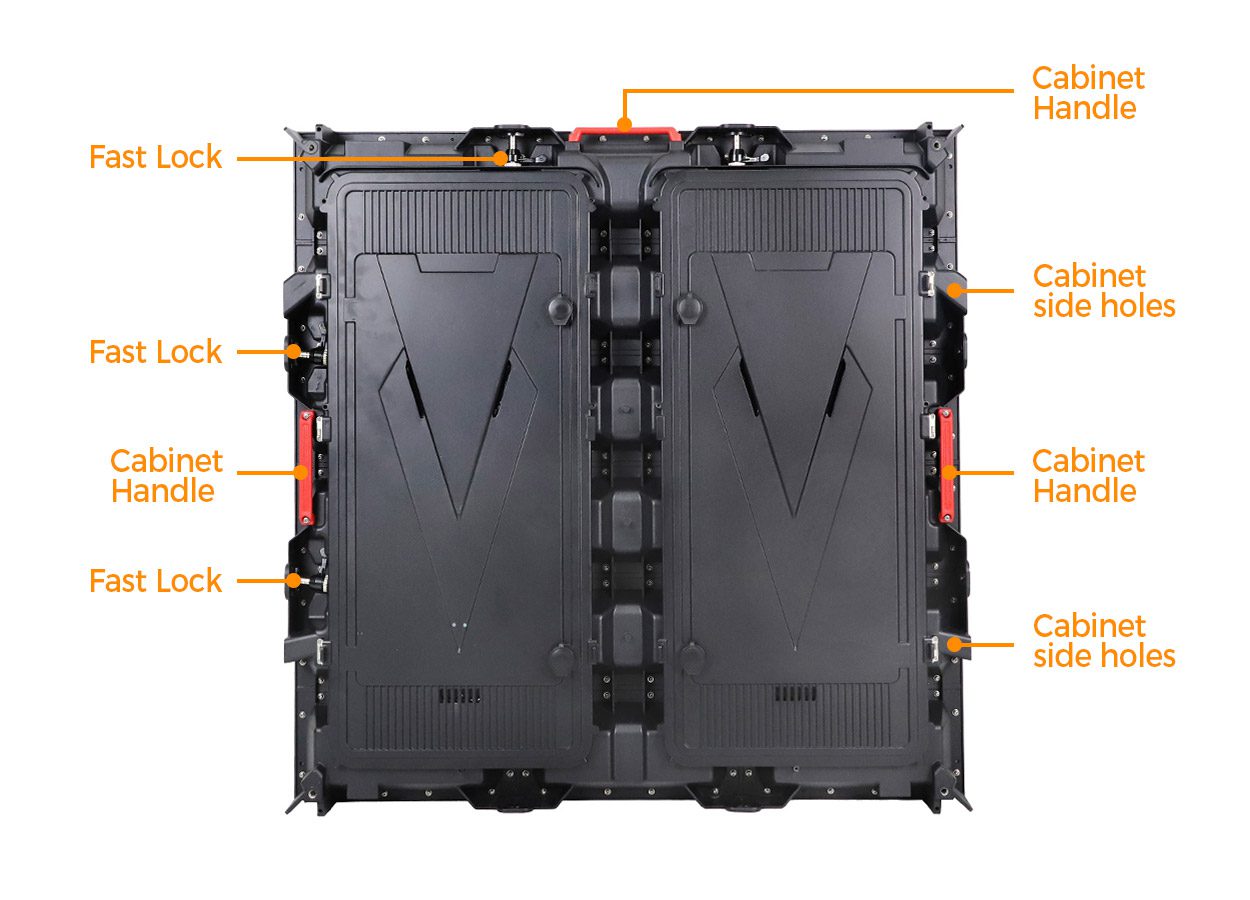
For LED cabinet dew point discussions, separate three readings: air temperature, air moisture and surface temperature. The rear-door photo below identifies the physical enclosure being discussed. It does not show condensation, a humidity sensor or an environmental test.
2. Compare the Surface With the Right Air
A useful LED cabinet dew point comparison subtracts the local air’s dew point from the temperature of the surface of interest. A positive difference means that measured surface is warmer than the saturation threshold. Zero or a negative difference calls for attention. The difference alone is not an approval to energize equipment or proof that hidden parts are dry.
The following examples assume that the relevant air has a dew point of 15°C, approximately 59°F. These are invented conditions for explanation, not recommended operating limits or measurements of a particular cabinet. No humidity percentage is inferred from them.
| Hypothetical location | Oberflächentemperatur | Difference from dew point | Was der Vergleich bedeutet |
|---|---|---|---|
| Cold rear panel after transport | 10 ° C / 50 ° F | -5 ° C | Below the threshold; condensation is possible when this air reaches the panel. |
| Panel warming toward the room | 15 ° C / 59 ° F | 0°C | At the threshold; measurement uncertainty matters. |
| Warmer exterior handle | 18 ° C / 64 ° F | + 3 ° C | Above the threshold at this point; this says nothing about colder internal parts. |
| Rear surface after further warming | 22 ° C / 72 ° F | + 7 ° C | Above the threshold at this time; check whether conditions remain stable. |
Temperature differences in this table use Celsius degrees. Do not subtract a Fahrenheit reading from a Celsius dew point. Also avoid comparing yesterday’s weather-station value with today’s cabinet reading: the calculation needs conditions that belong together.
Consider two hypothetical cabinets standing in the same room. One has been there overnight; the other has just arrived from a colder loading area. Even if both encounter air with the same dew point, their rear surfaces can have different temperatures. The room reading has not contradicted itself. The equipment has a different thermal history, which is why the location and time of the surface reading matter.
The EPA’s moisture-control guidance makes a related distinction: air temperature and relative humidity alone do not predict whether a particular surface will condense. The surface temperature is part of the question. For LED cabinet dew point assessment, a room thermostat across the venue cannot establish the temperature of a rear panel beside a cold air outlet.
3. Why Moving Air or Equipment Changes the Picture
Moving a cabinet changes the air it encounters before all its parts necessarily reach the new temperature. A cold delivery, an opened loading door or air conditioning directed at the display can therefore change the relationship between surfaces and surrounding moisture. Treat these as possible scenarios to investigate, not diagnoses based on a photograph.
Air inside a cabinet may also differ from room air. Opening a rear door exchanges air; operation, shutdown and ventilation can change temperatures over time. For LED cabinet dew point, identify which air volume and which surface a reading describes. An exterior reading is useful context, but it cannot automatically represent a closed internal compartment.
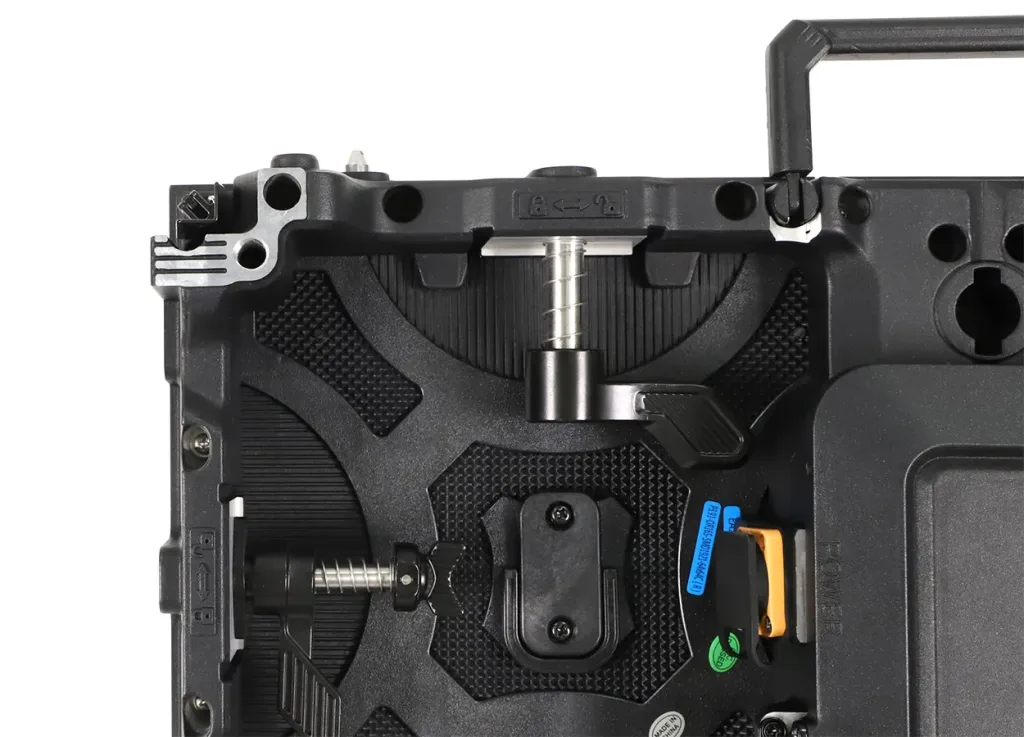
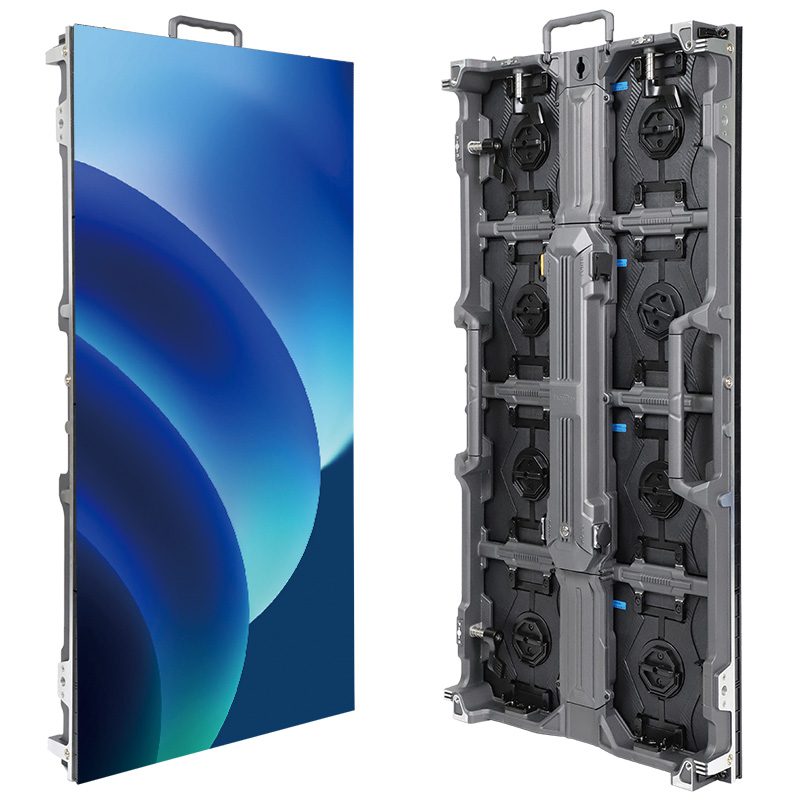
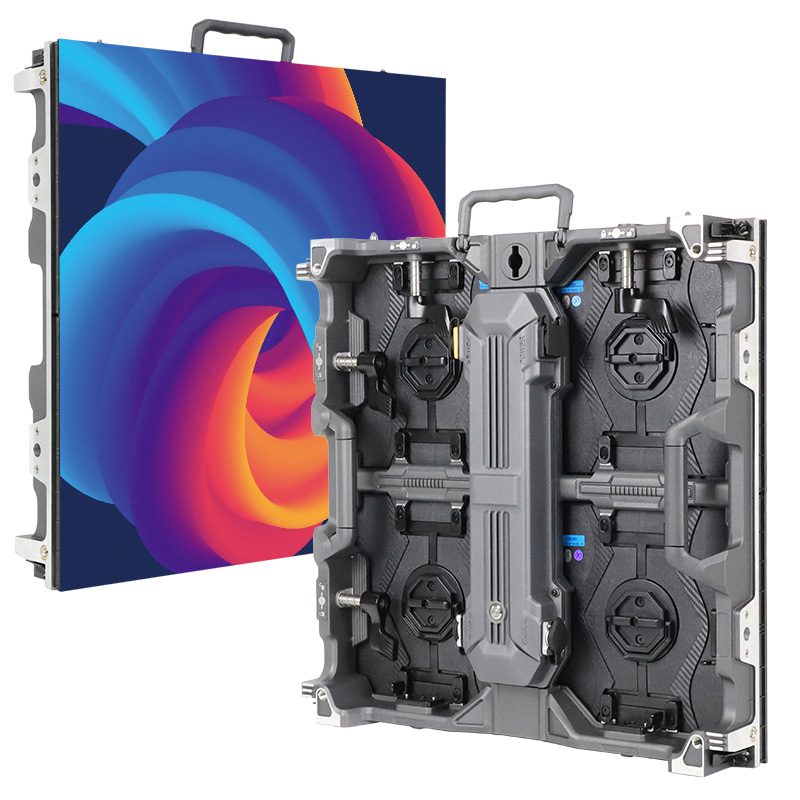
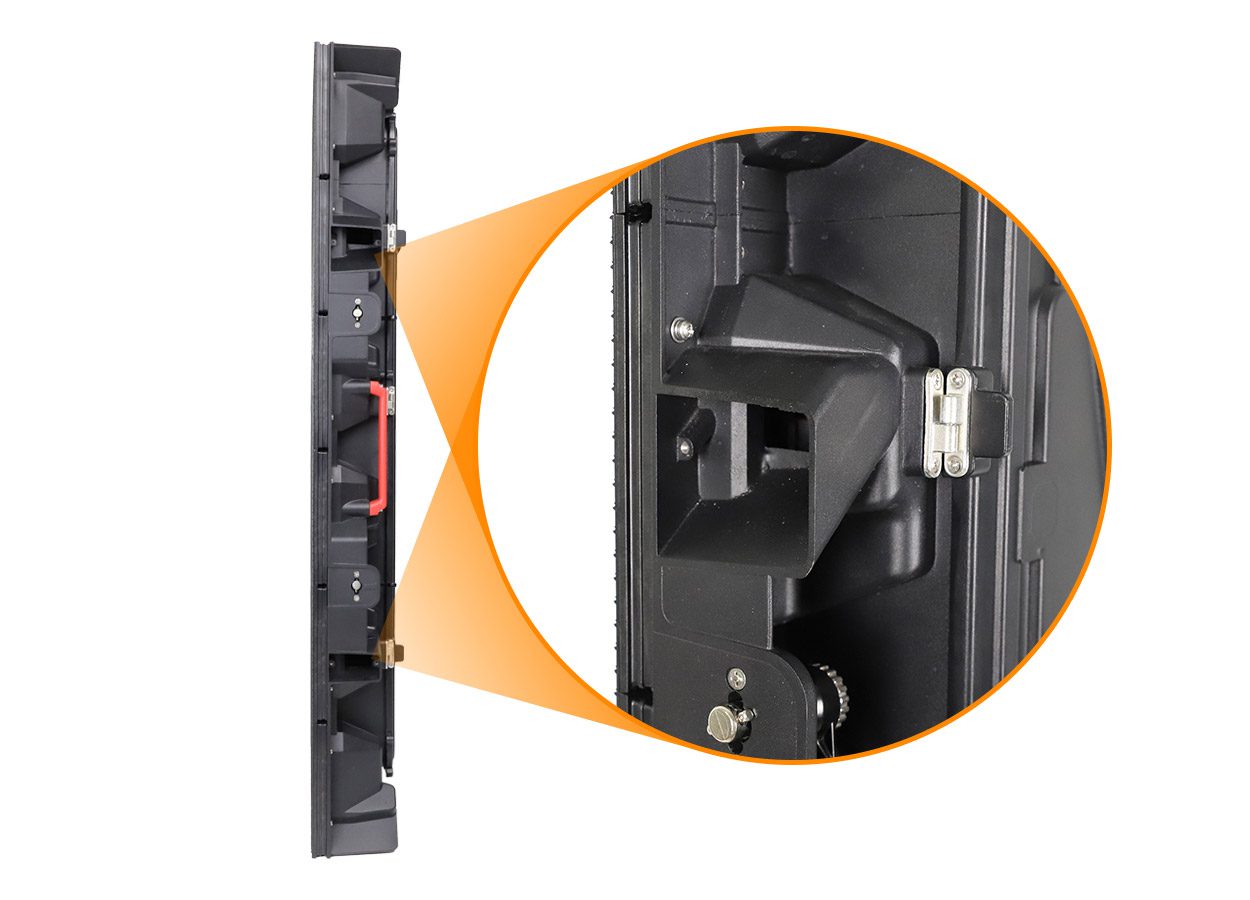
Das EA960R4 side-opening image shows a real cabinet detail. It helps distinguish enclosure construction from the air condition being measured. The openings in this picture are not evidence of a dehumidifier, a pressure-equalizing membrane or a condensation-control system.
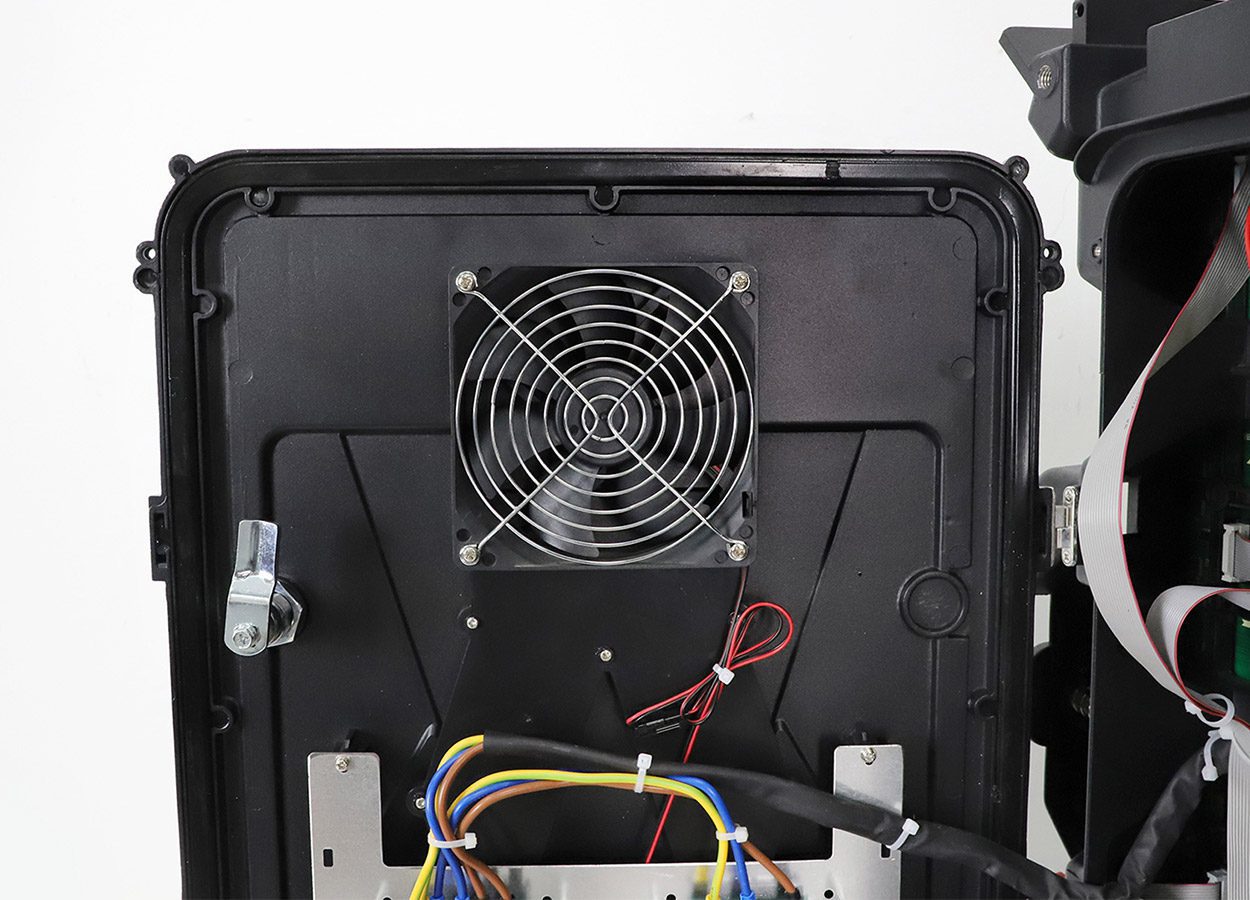
A fan moves air; its presence does not prove that water vapor is being removed. Heating a surface and removing moisture are different strategies with different effects. Rittal’s enclosure guidance discusses climate control in terms of the application and location. That does not authorize adding a heater, drilling vents or changing the cooling arrangement of an LED cabinet.
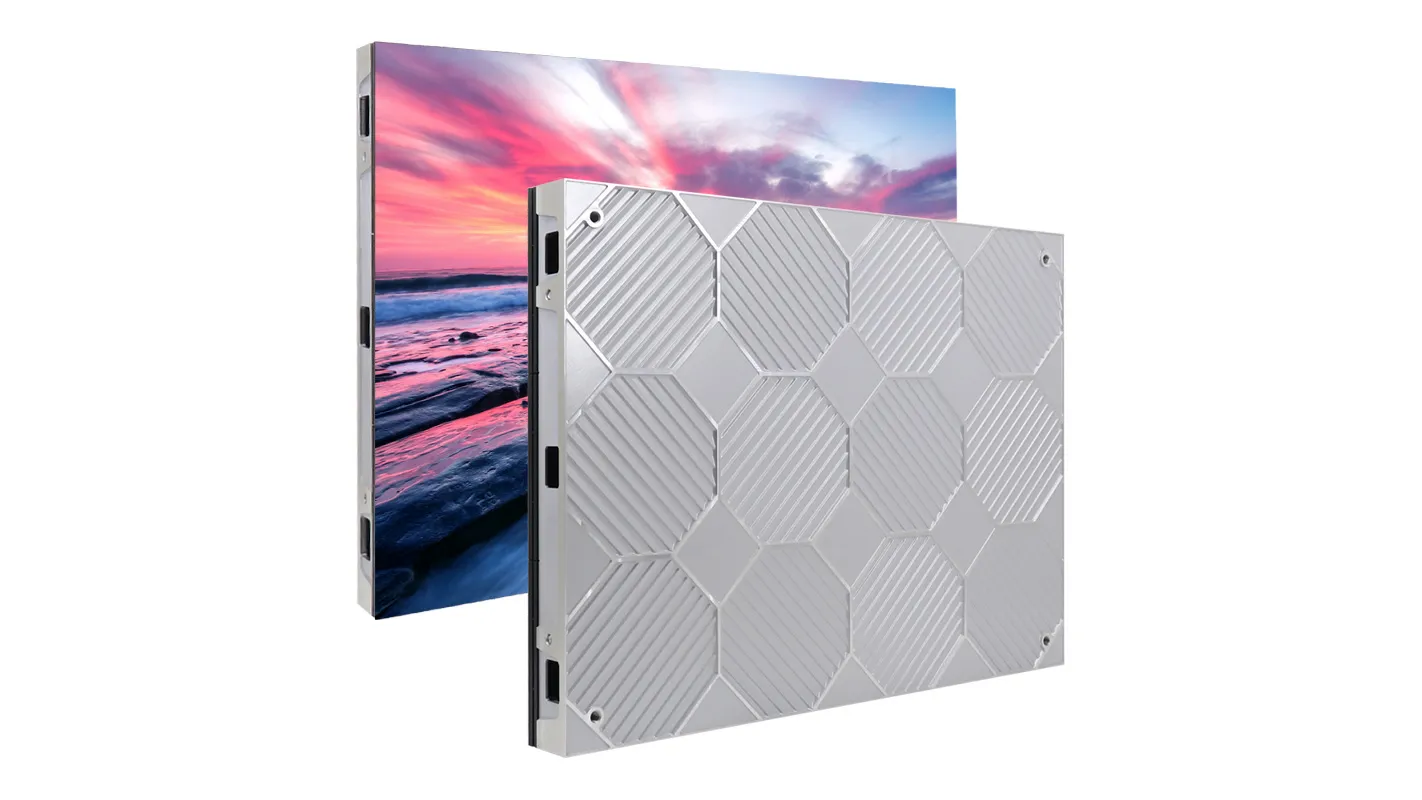
Das EA960R4 cabinet page identifies its rear access and cooling features. The fan photo below is a construction reference only. Environmental suitability still depends on the exact configuration and its documented conditions.
4. What a Useful Environmental Record Contains
A useful record connects the readings to a place, time and operating state. Instead of writing only “humidity normal,” note where the air reading was taken, which surface was checked, whether the display was operating and whether loading doors or HVAC conditions had changed. Record the instruments and units so another person can interpret the observations.
For LED cabinet dew point, retain the underlying air temperature and relative humidity if an instrument calculates the value from them. Note any measurement uncertainty and avoid treating a tiny positive difference as a guaranteed margin. The integrator and equipment supplier should agree on suitable measurement locations and acceptance criteria for that cabinet.
Label the recorded values plainly: “air beside rear door,” “rear-door surface” and “room HVAC setpoint” are more informative than three unlabeled temperatures. If a second technician measures a different spot, preserve both location descriptions instead of averaging them into a cabinet-wide value. An average can conceal the colder point that prompted the investigation.
A brief timeline can reveal more than one isolated number. For example, document arrival, the period in the installation area and the conditions before planned startup. This is a suggested reporting structure, not a universal waiting-time procedure. Cabinet mass, packaging, airflow and weather differ; a fixed number of hours cannot be justified from room temperature alone.
Keep any visible moisture separate from the calculation. Staining, droplets or corrosion need assessment even when the latest air reading looks favorable. This article does not prescribe drying or electrical repair. Follow the equipment’s documented handling and service instructions before operating moisture-affected hardware. For wider enclosure planning, use the outdoor display weatherproofing guide alongside the exact product documentation.
Likewise, finding water does not by itself identify condensation as the source. Rain entering through a damaged assembly and moisture forming on a cold surface require different investigations. Include recent rain, cleaning and transport events in the report. The dew-point comparison explains whether condensation was possible under the recorded conditions; it does not rule out another source of water or reconstruct an unrecorded earlier event.
5. Häufig gestellte Fragen
01. Can a weather forecast replace a measurement beside the display?
No. Forecast dew point describes a broader outdoor environment. Indoor conditioning, local airflow and enclosed spaces can produce different conditions. Use it as context rather than assigning it to air inside a cabinet.
02. Does an IP rating state the allowable dew point?
No. An ingress-protection rating and LED cabinet dew point answer different questions. Confirm the product’s environmental limits separately, including whether its humidity specification requires noncondensing conditions.
03. Is a negative dew point the same as no moisture?
No. A below-freezing dew point still describes air containing water vapor. At low temperatures, the distinction between dew point and frost point also matters; check which quantity the instrument reports.
04. Does a dry-looking front prove that the whole cabinet is dry?
No. The front is only one visible location. Hidden surfaces may have different temperatures or retain moisture from an earlier event. Appearance does not replace the supplier’s inspection requirements.
05. Should a sensor be placed directly in a cooling-air jet?
Only if that is the condition the measurement is intended to describe. A reading in the jet should be labeled as such. It should not silently become the average room condition or the condition of a sheltered internal compartment.
6. Explain the Environment Before Choosing the Cabinet
Use LED cabinet dew point as a way to ask a clearer environmental question. Provide the proposed location, operating schedule, storage and transport conditions, nearby HVAC outlets and any available readings with timestamps. Add cabinet access requirements and photographs of the installation area.
For a new display project, send the site and environmental requirements so the cabinet configuration and documented operating conditions can be discussed together. A product label, room reading and surface observation should support the same decision rather than stand in for one another.
 MaxCLL erklärt: Was HDR-Metadaten für LED-Wände bedeuten